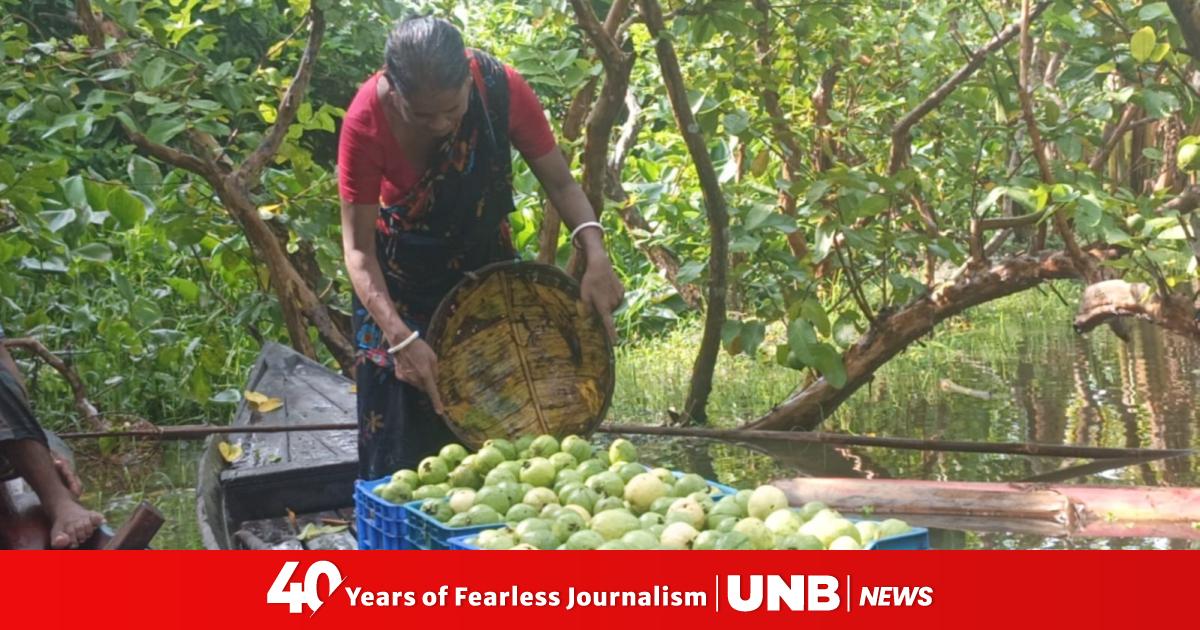
Hidden among a maze of canals in Pirojpur’s Nesarabad upazila lies one of Bangladesh’s most picturesque agricultural landscapes, where lush guava orchards, bustling boats and a century-old floating market come together every monsoon to create a unique blend of nature, tradition and rural commerce.
The Kuriana, Atghar and Bhimruli areas are among the country’s largest guava-producing regions and have long been known as the “Apple Kingdom of Bengal.”
With a history spanning nearly two centuries, the orchards have become a symbol of the area’s rich agricultural heritage.
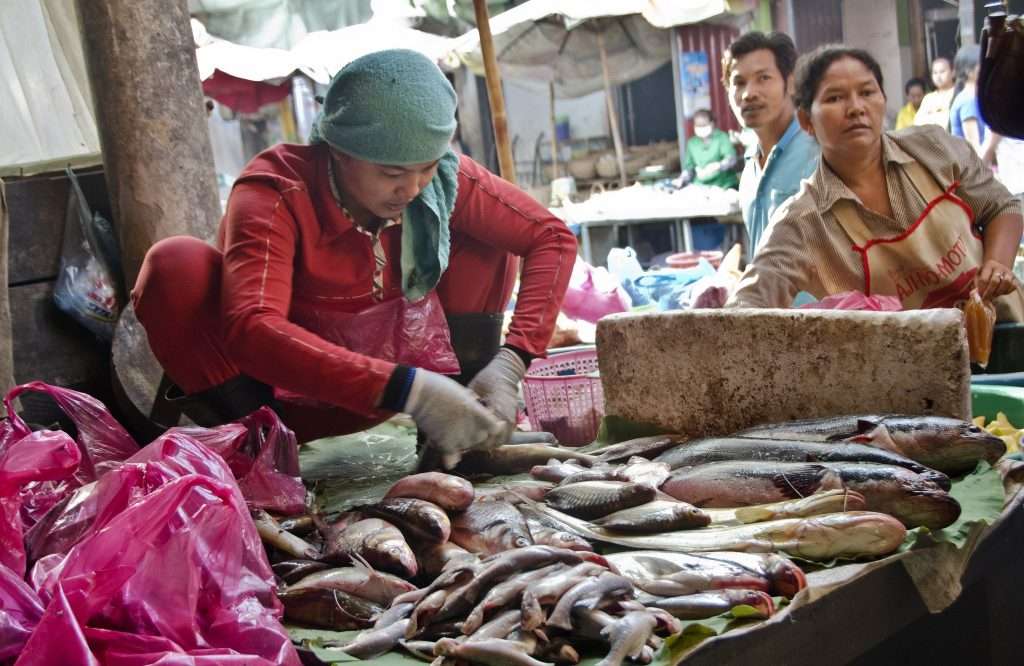
During the Bengali months of Shraban and Bhadra, the famous floating market at Bhimruli turns into the centre of economic activity. Farmers from Kuriana, Atghar, Bhimruli, Jalabari, Dhalhar and nearly 20 kilometres of surrounding areas arrive at dawn in boats loaded with freshly harvested guavas, along with hog plums (amra), lemons, bananas, vegetables and other farm produce.
Trading begins early in the morning and continues until noon, as hundreds of boats crowd the canals, creating a vibrant floating marketplace that has become one of Bangladesh’s most iconic rural attractions.
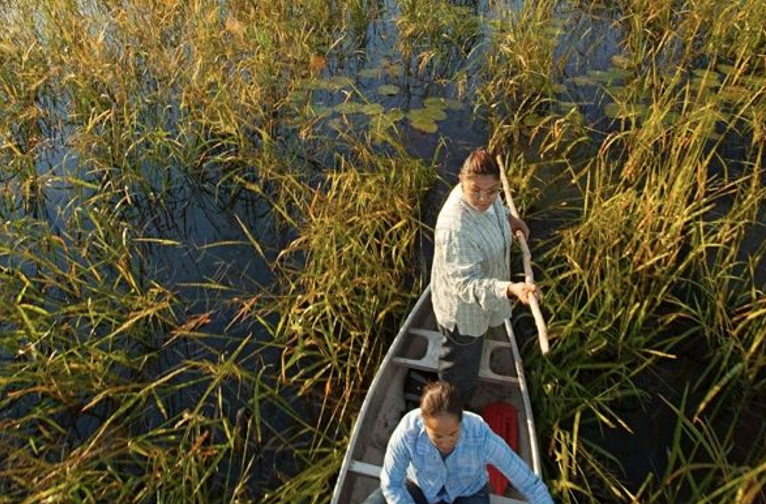
The waterways lined with endless rows of guava trees offer visitors a rare opportunity to travel through narrow canals by small boats, pick fresh fruit directly from the orchards and witness a traditional market operating entirely on water.
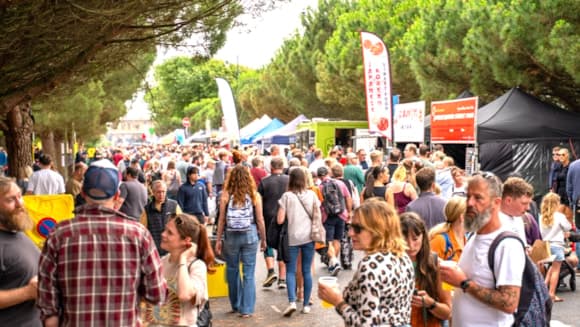
The region’s popularity has increased significantly in recent years, driven by social media exposure and growing domestic tourism. Every monsoon, thousands of visitors travel to Bhimruli to experience the floating market and the surrounding orchards.
The tourism boom has also transformed the fortunes of local farmers.
There was a time when many growers struggled to receive fair prices for their produce. Some farmers, frustrated by poor returns, reportedly even sank boatloads of guavas into nearby canals because selling them was no longer profitable.
That picture has changed considerably.
Today, increased tourist arrivals and wider publicity have boosted demand for locally grown guavas, enabling farmers to secure better prices while strengthening the local economy.
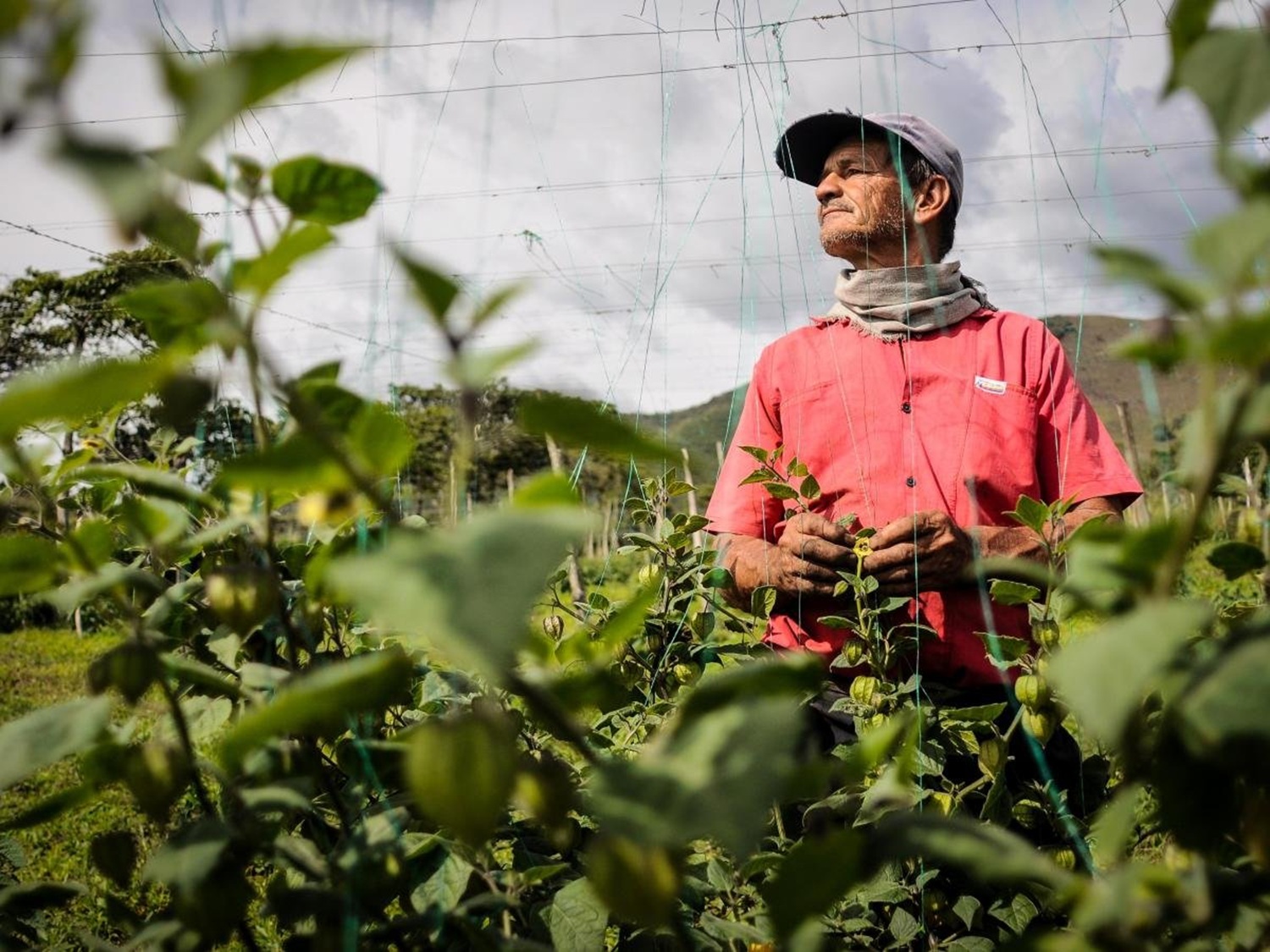
Local guava grower Sudhir Halder, whose family has cultivated guavas for generations, said farming remains the backbone of the area’s identity and economy.
Another farmer, Md Shahidul Islam, recalled that growers once faced severe financial hardship due to low market prices.
“Now the floating market has become widely known, tourists are coming from different parts of the country, and social media has introduced our orchards to a much larger audience. As a result, demand and prices have increased, and farmers are earning better than before,” he said.
According to local resident Nitai Chandra Mondal, the floating market represents much more than a tourist attraction.
“It is a unique example of agriculture, heritage, culture and communal harmony, where farmers from different religious and social backgrounds work together and contribute to the prosperity of the local economy,” he said.
Residents have also urged visitors to help preserve the area’s natural beauty by keeping the environment clean and disposing of plastic and other waste responsibly.
For many travellers, a journey through the emerald-green waterways of Kuriana and Bhimruli offers not only breathtaking scenery but also a glimpse into a centuries-old way of life where agriculture, waterways and community remain inseparably connected.