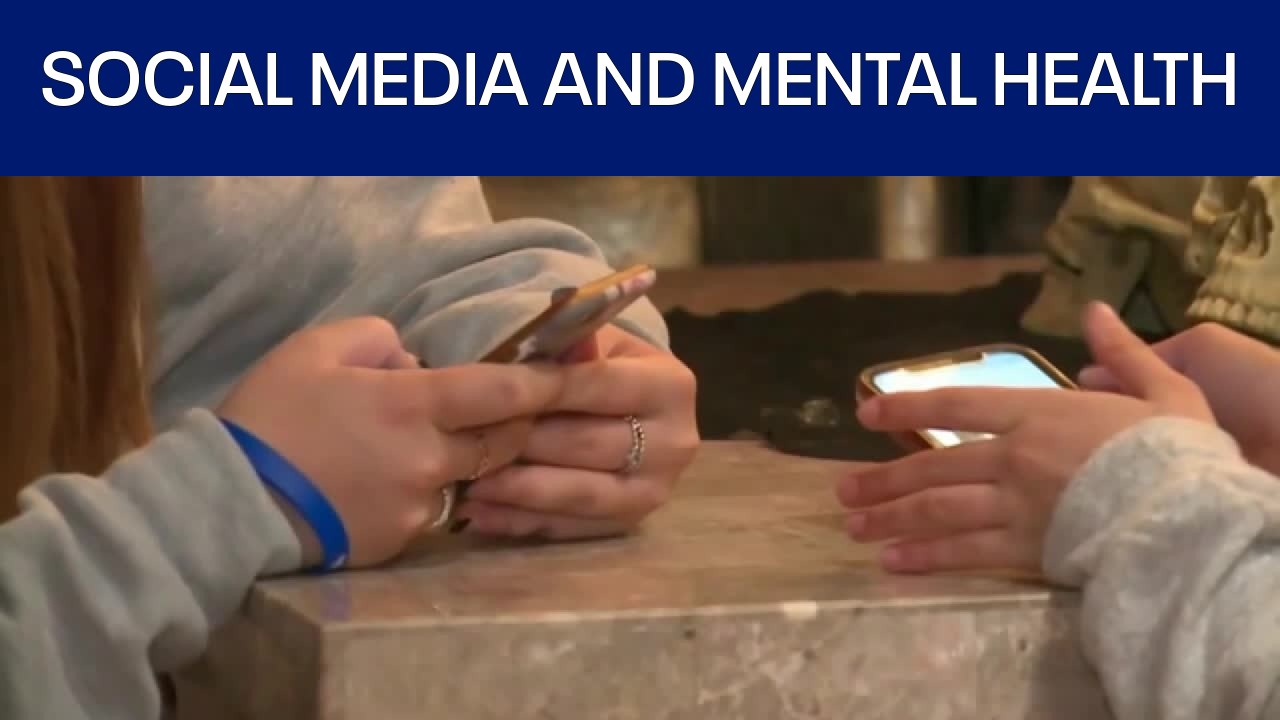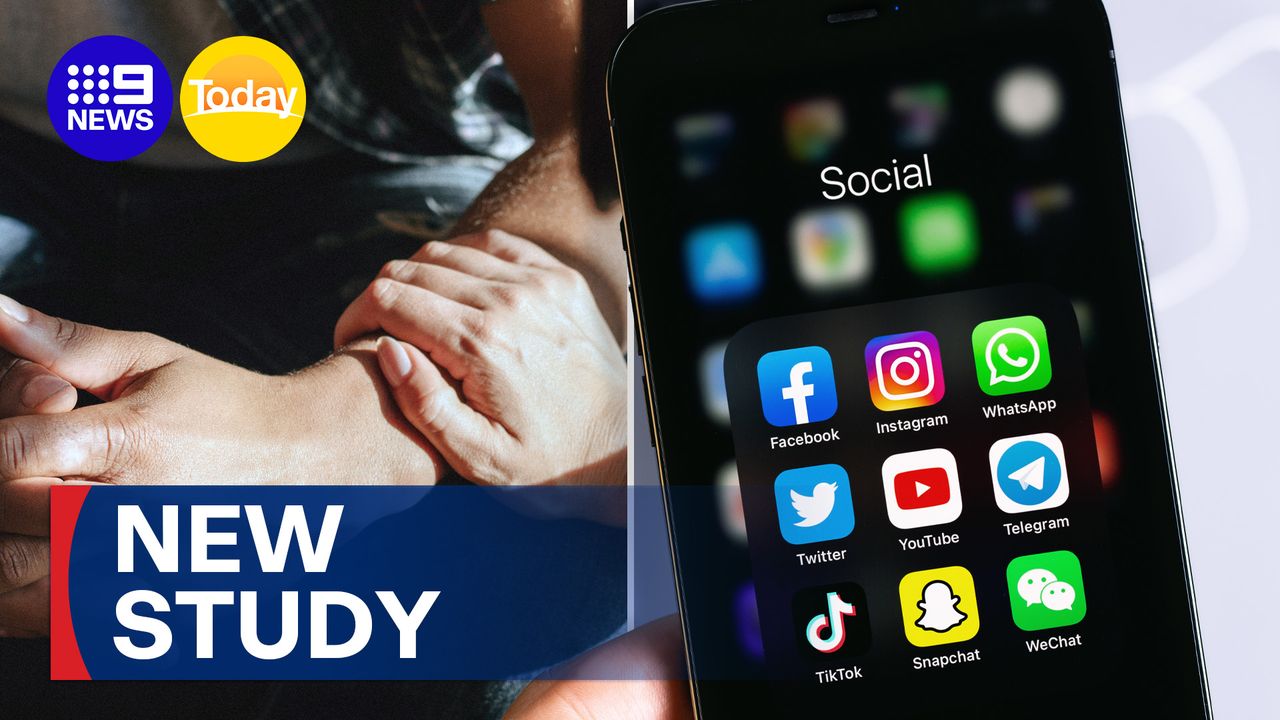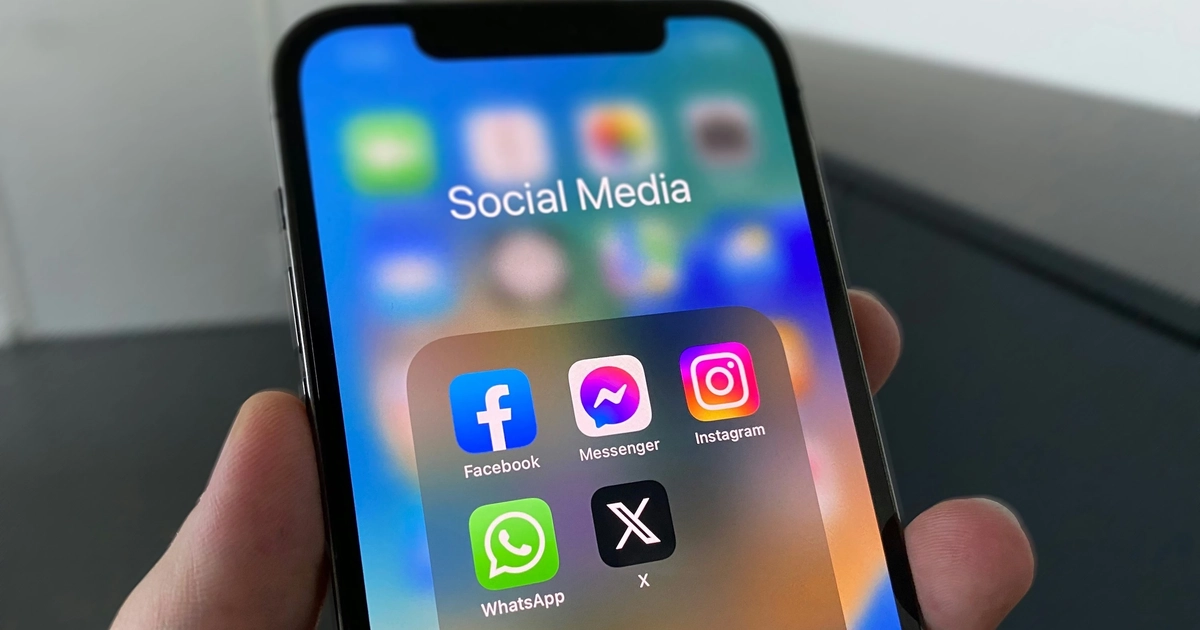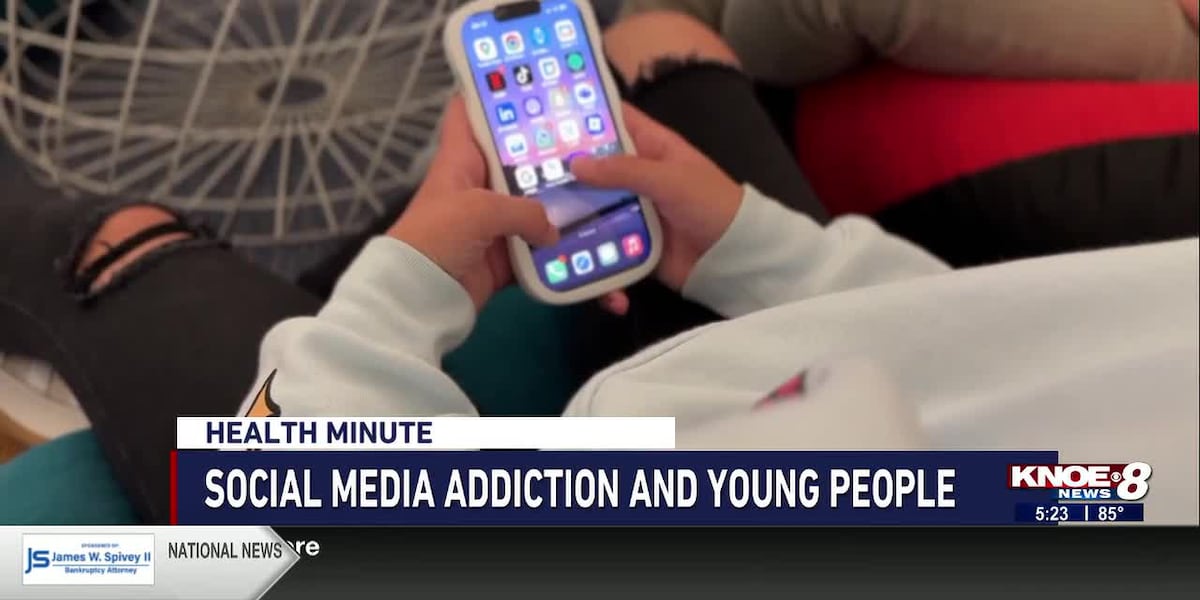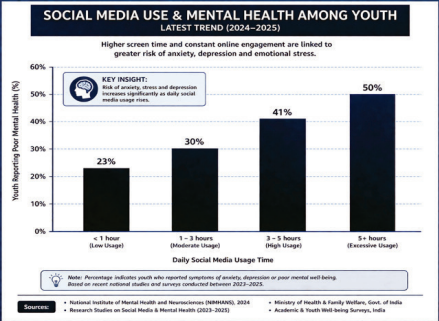
Muscat: Excessive social media use among young adults in Oman is associated with a range of mental, social and physical health concerns, including stress, anxiety, loneliness, sleep problems, eye strain and reduced physical activity, according to a research study.
The study, titled “Effects of Social Media on Gen Z Health in the Sultanate of Oman”, was led by Dr. Subrahmanian Muthuraman, Assistant Professor at the Faculty of Business Studies, Arab Open University, and funded through the Block Funding Programme of the Research and Innovation Authority. The research examined social media use among young adults aged 18 to 25, focusing on their usage habits, engagement, enjoyment and the positive, negative and behavioural effects associated with social networking platforms.
Six key factors
The research team surveyed 138 active social media users and analysed six key factors — usage habits, engagement, enjoyment, positive effects, negative effects and behavioural impact.
Regression analysis showed that all six factors significantly predicted the overall influence of social media on the participants, with a statistical significance level of p < .05.
The findings indicated that social media has become an important part of the daily lives of many young people, with most respondents reporting daily use and many spending several hours on different platforms. While social media was found to improve connectivity and communication, frequent use was also associated with social comparison, peer pressure and changes in face-to-face interaction.
The study also found that higher levels of engagement and enjoyment were associated with changes in social interaction patterns.
According to Dr. Subrahmanian, intensive social media use was associated with several mental health concerns among the respondents, including increased stress and anxiety, feelings of loneliness, mood fluctuations and reduced concentration.
Poorer sleep quality was also reported among participants with higher levels of social media use.
The researchers noted signs of digital fatigue and behavioural dependence among some respondents, including compulsive checking of social media and difficulty staying offline.
Physical health effects
The study also identified a number of physical health concerns associated with intensive social media use.
These included eye strain, headaches, irregular sleep patterns and reduced physical activity.
The researchers said the findings highlight the need for young people to develop healthier digital habits and recognise when online activity begins to interfere with their physical and psychological well-being.
Call for greater digital awareness
The research team has recommended the development of digital well-being guidelines and awareness initiatives addressing the mental and physical health risks associated with excessive social media use.