Analysis: Research shows that social prescription benefits people’s mental and physical health, yet accessibility and funding remain key challenges
What do you expect when you pop into the doctor? Chances are, you get a prescription for a medicine or a referral to another specialist, like physiotherapy or psychotherapy. But what about being told to take an art class or join a choir or engage in music therapy?
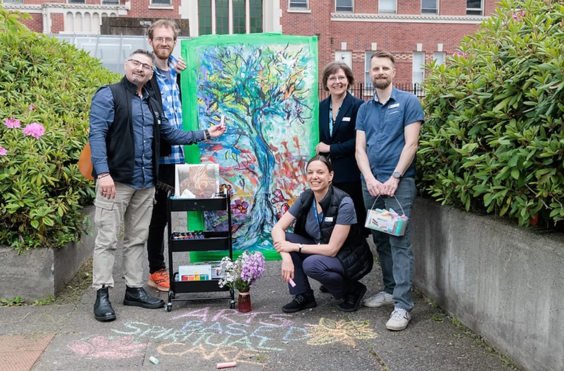
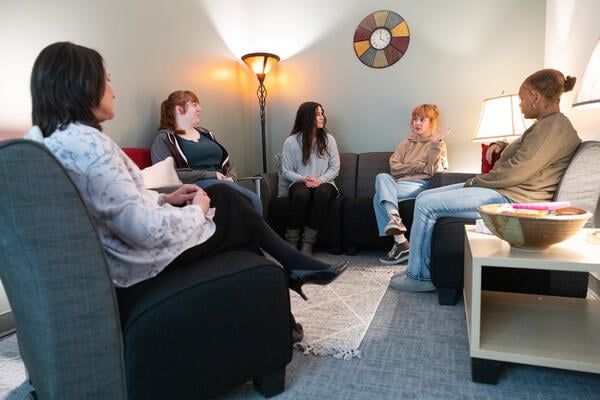
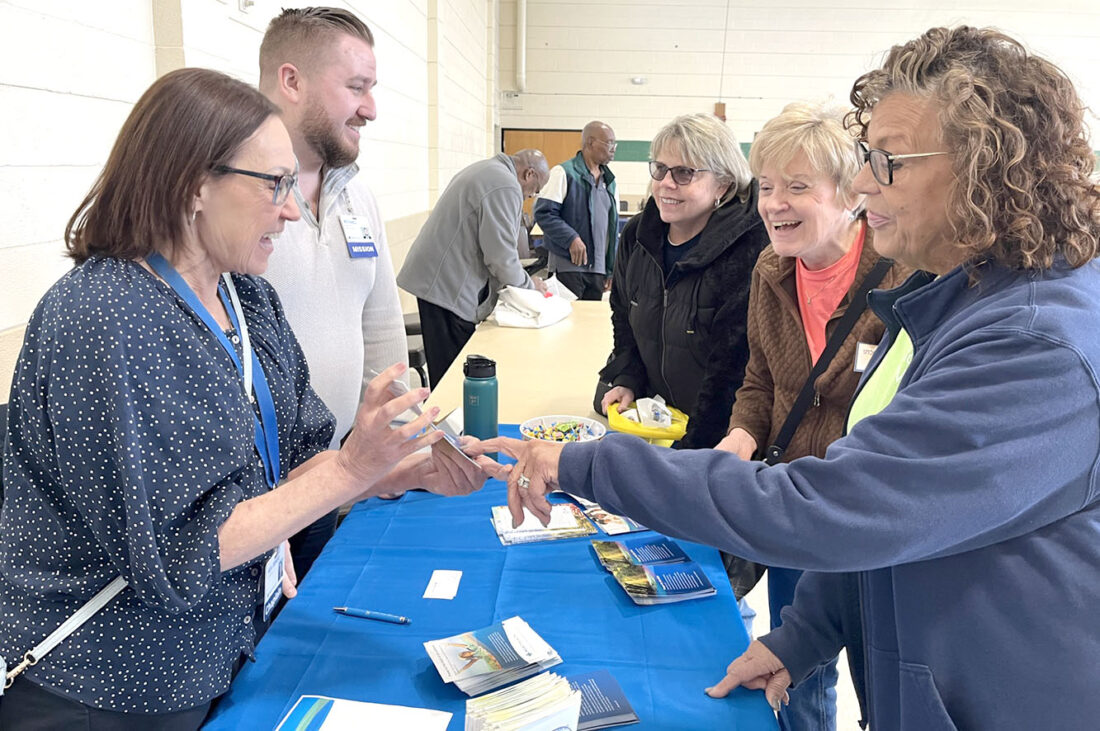
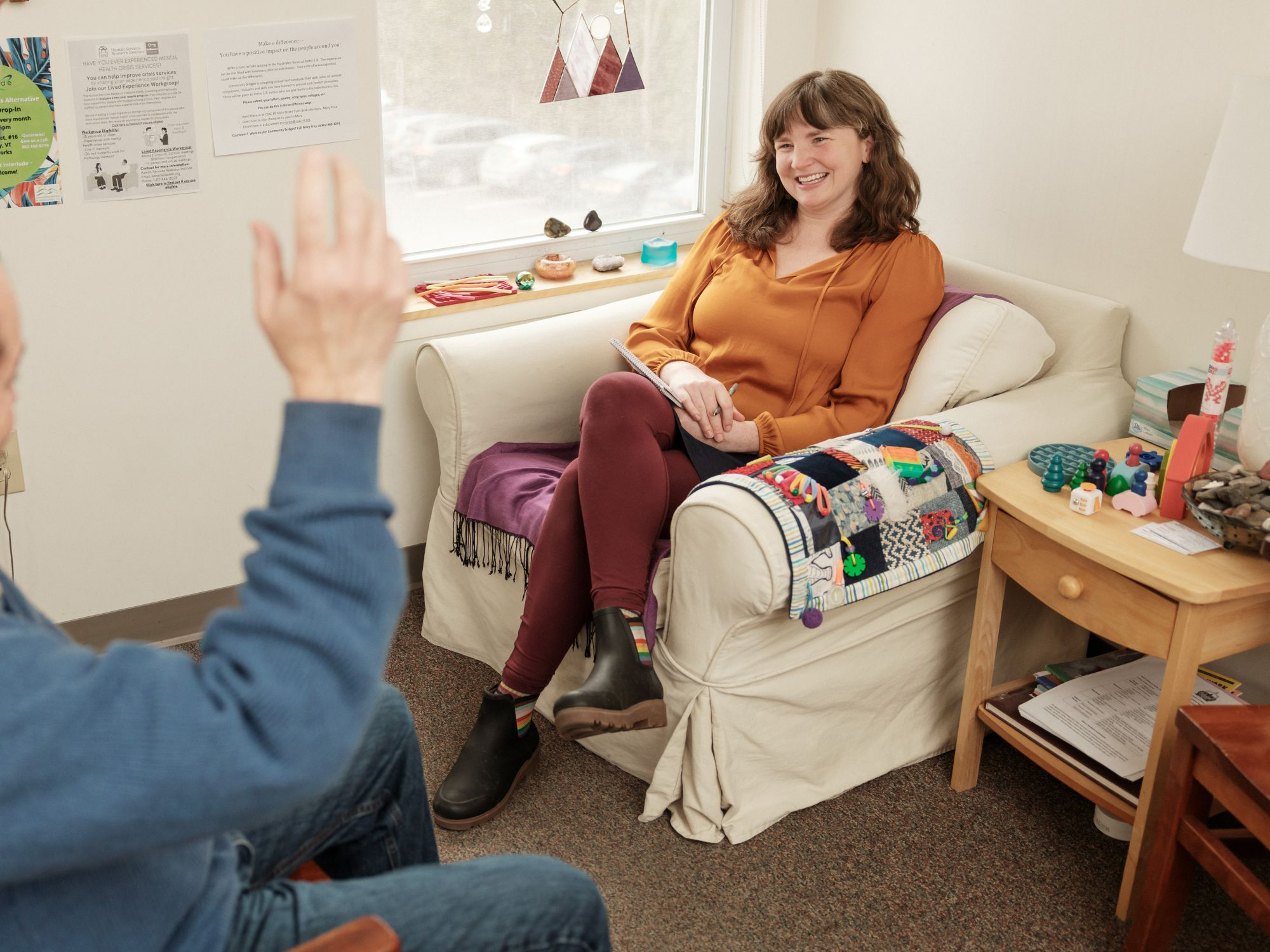
That’s the purpose behind social prescribing, where healthcare and community practitioners can refer people to non-clinical supports, local initiatives that focus on community, culture, and creative activities. There is a growing body of research supporting this, including the World Health Organisation.
The concept is nothing new, and chances are the area you live in has examples of this. There has been recent analysis on this in Ireland with a recent research report commissioned by the Arts Council and the HSE, which examined the role that arts and creativity play in social prescribing services in Ireland. It highlighted how much such services have evolved over the past decade as well as the key challenges faced
We need your consent to load this rte-player contentWe use rte-player to manage extra content that can set cookies on your device and collect data about your activity. Please review their details and accept them to load the content.Manage Preferences
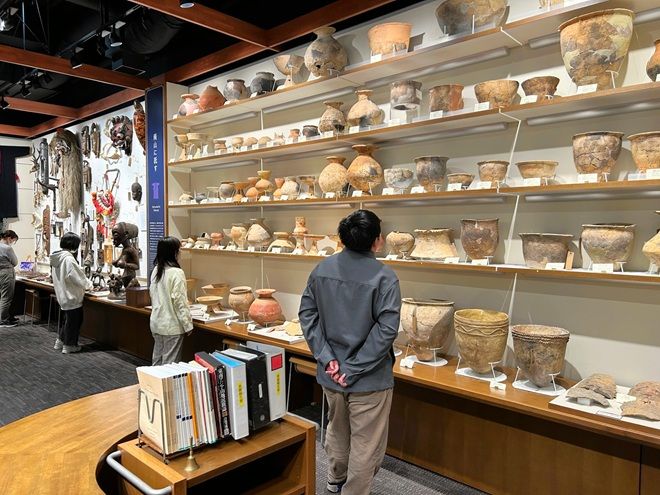
From RTÉ Radio 1’s Today with David McCullagh, getting the most out of a museum visit
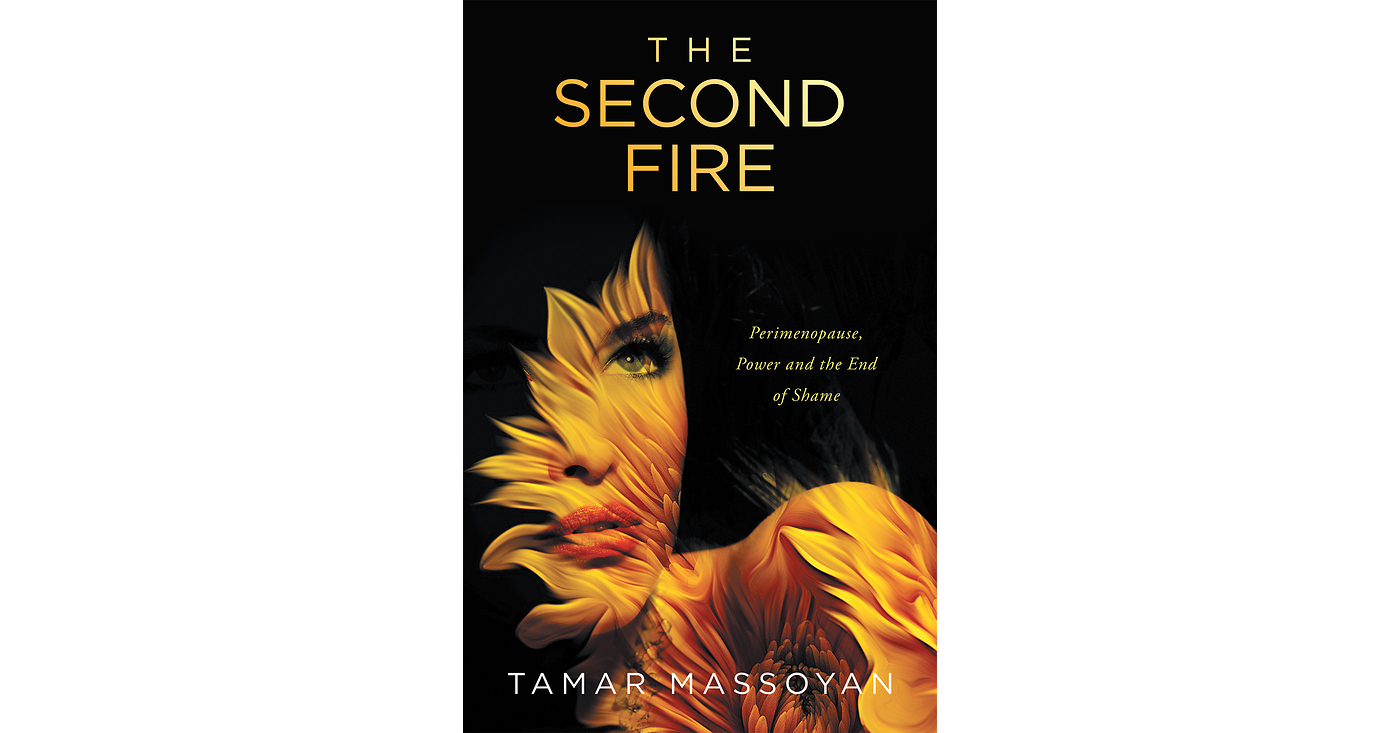
Likewise, a recent book by Daisy Fancourt, titled Art Cure: The Science of How the Arts Transform our Health, further argues that the arts and creativity can have meaningful effects on our health. In it, she writes about how it’s a well-kept secret despite all the health advice we get.
“We’re bombarded with information about how to live longer, healthier lives – cut your sugar, eat your vegetables, eliminate ultra- processed foods, quit smoking, moderate your alcohol, go for your health screening, get your daily exercise, take supplements, don’t stress, go to sleep.”
“But how often have you seen dance, go to an art gallery or read a book included in this list? These are probably the most enjoyable pieces of health advice we could follow, but they are rarely given. In fact, the idea that the arts might have a practical purpose for our health is looked upon suspiciously, a sign of a decreased appreciation of art for its own value – ‘art for art’s sake’.”
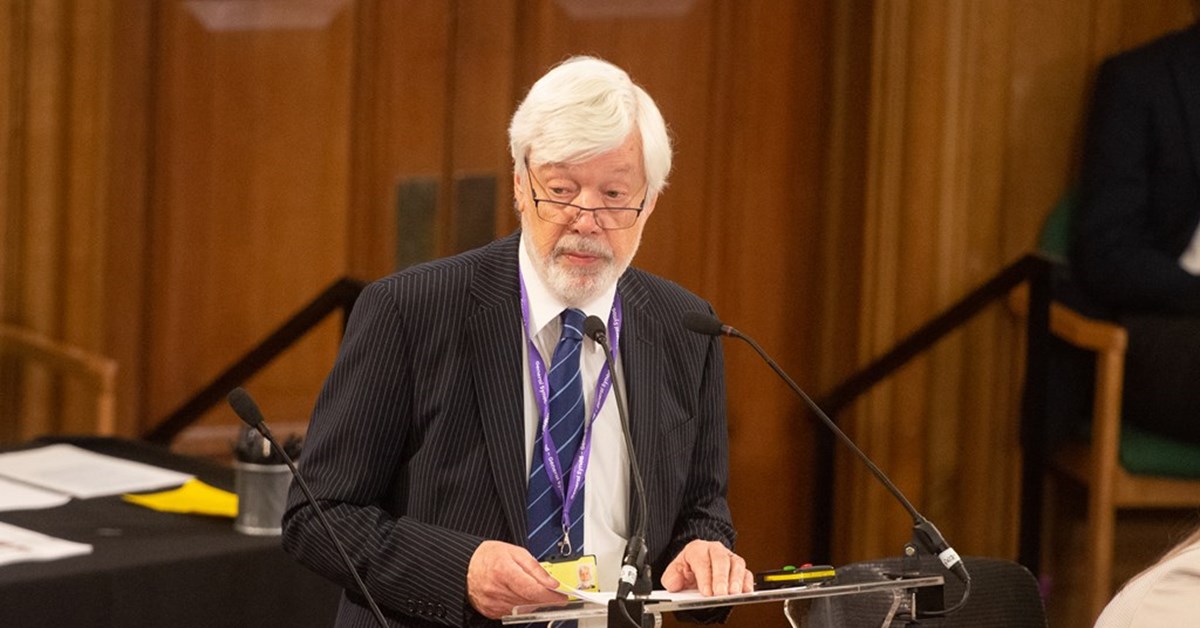
Yet for such a prescription to benefit you, the type of activity will determine what positive effects a person will receive. “There’s a good body of evidence now which outlines that engaging in arts and cultural activities can have all sorts of benefits,” says Dr Hilary Moss, professor of Music Therapy at the Irish World Academy of Music and Dance at the University of Limerick. “Different art forms bring different benefits, as do the benefits of art classes, arts therapies and attending performances.
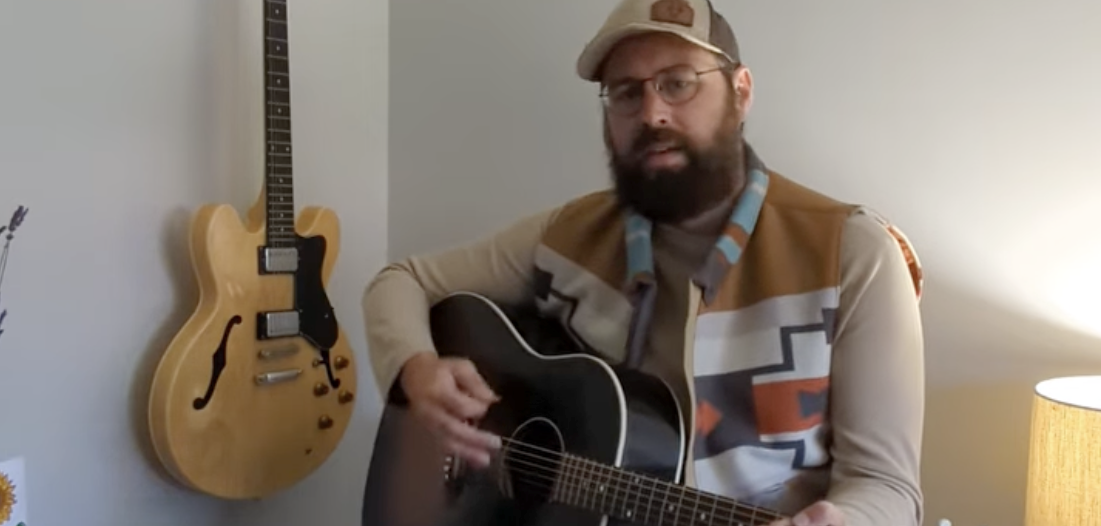
“For example, singing has multiple benefits. On a physiological level, it regulates the breathing and so people with COPD (chronic obstructive pulmonary disease) sometimes take part in singing for health. There are also social and psychological benefits, for example being part of a choir means you have motivation to leave the house and meet other people, and being part of group who achieve a goal. The cognitive stimulation is huge [as you’re] learning new skills.”
From EXPeditions, author Daisy Fancourt on how art could do what therapy couldn’t
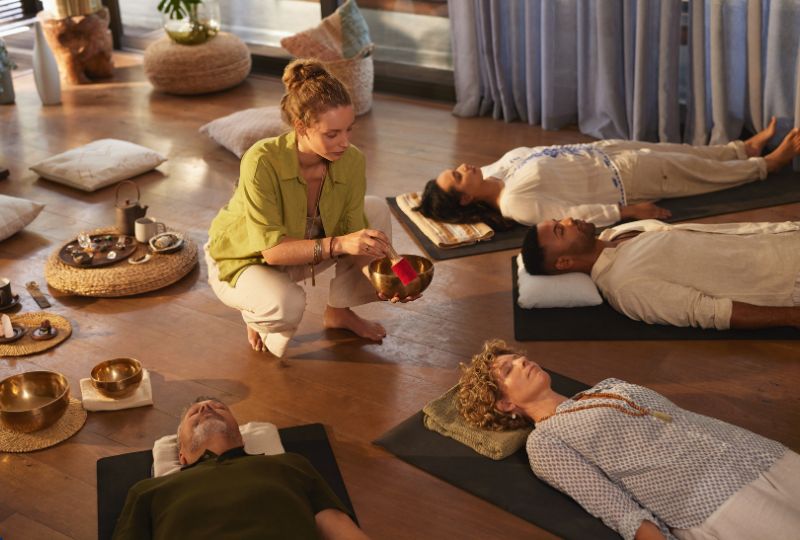
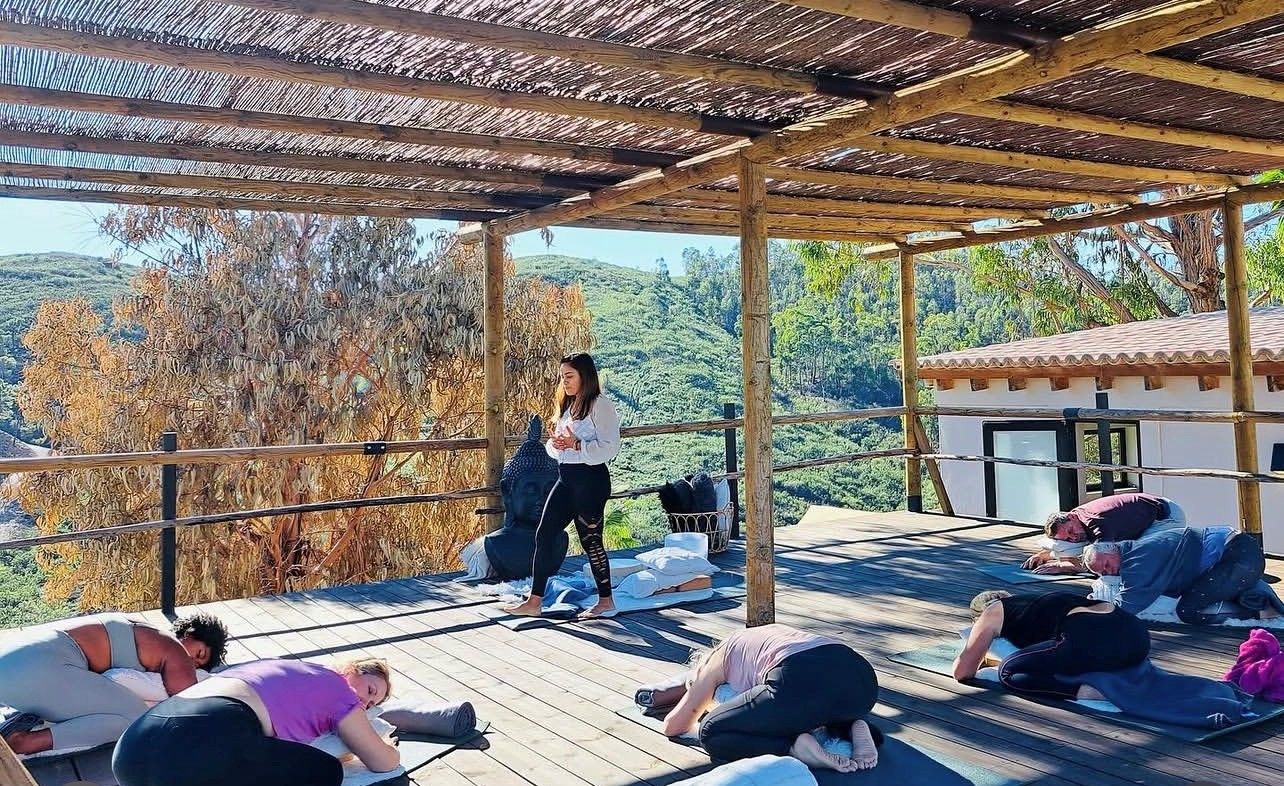
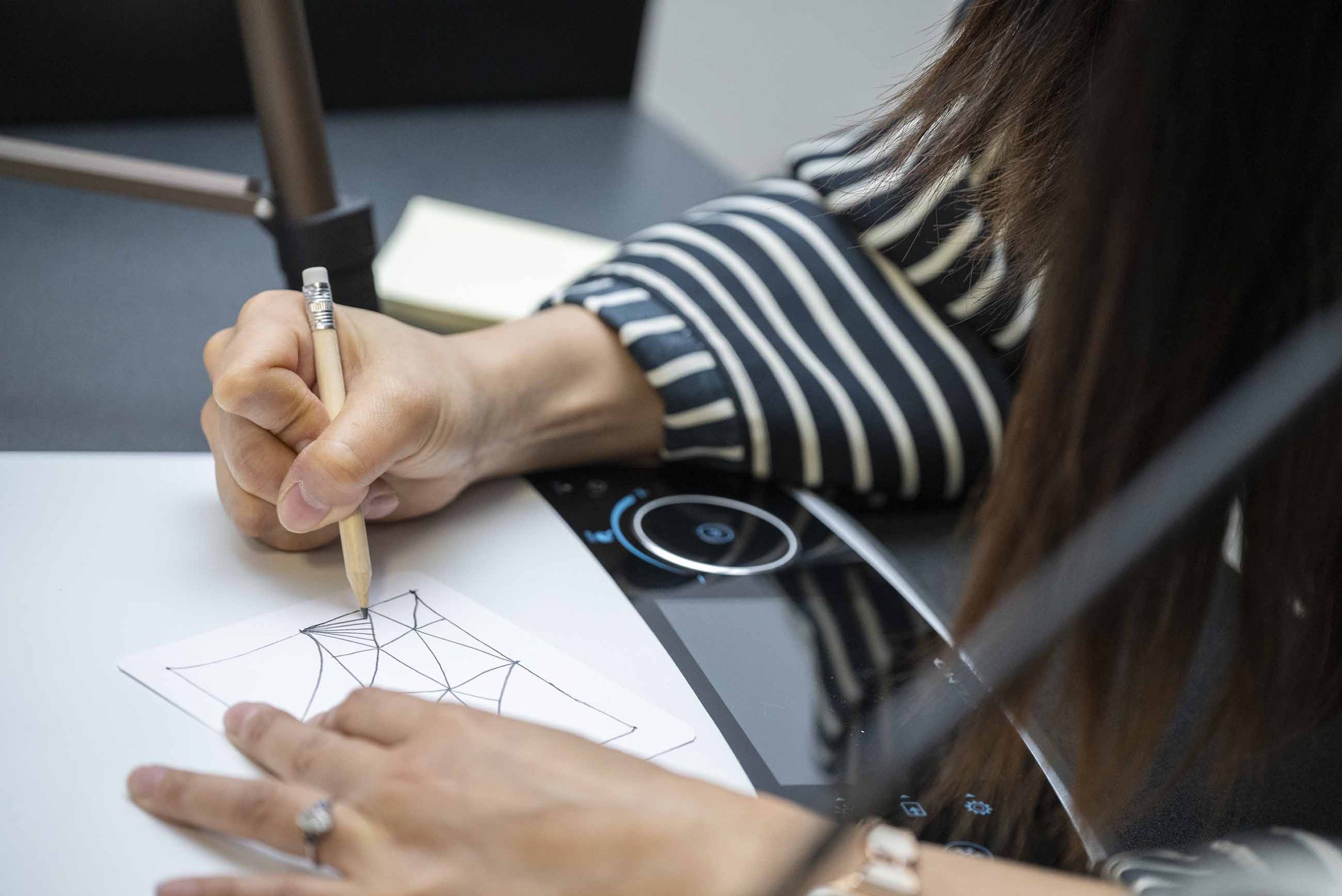
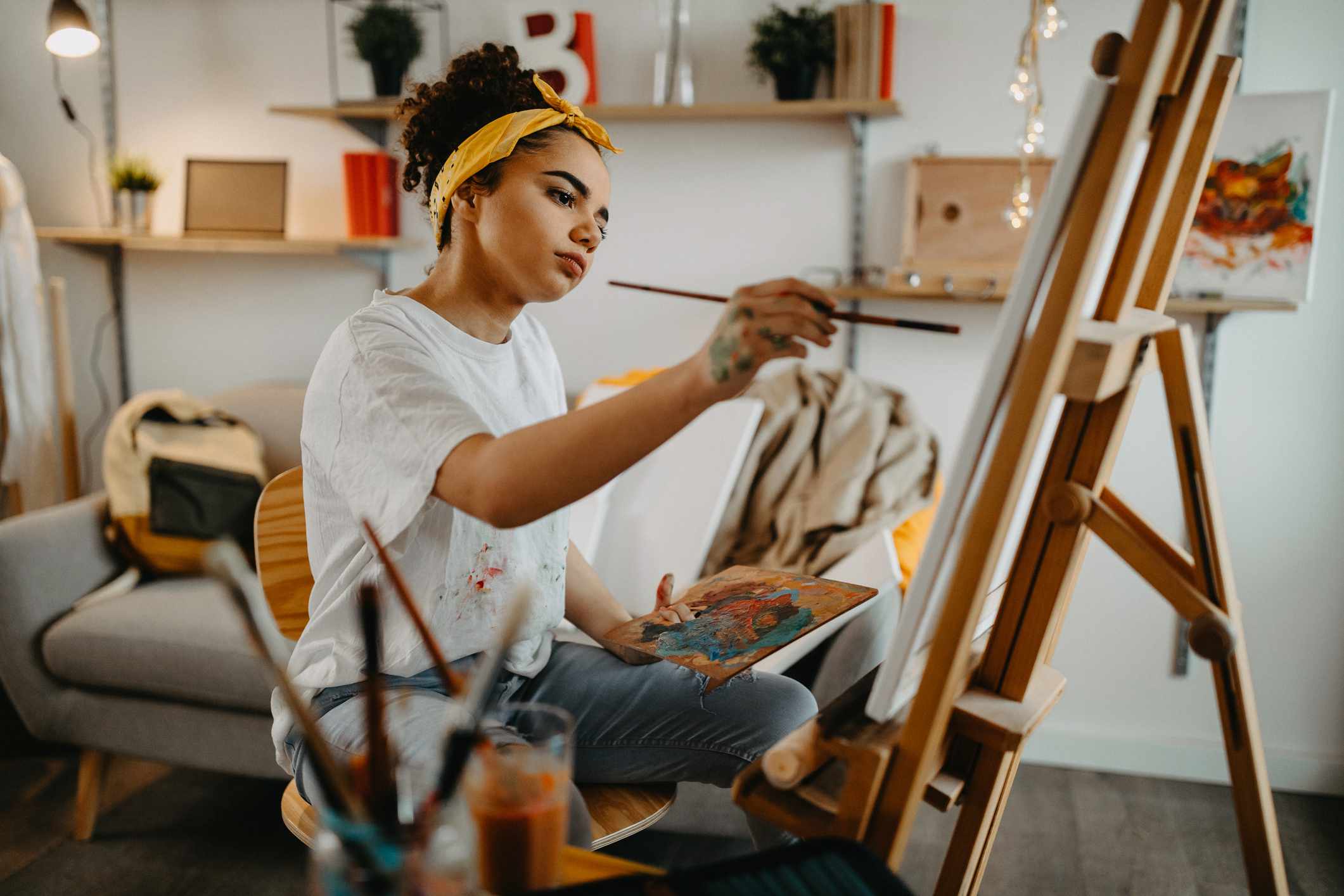
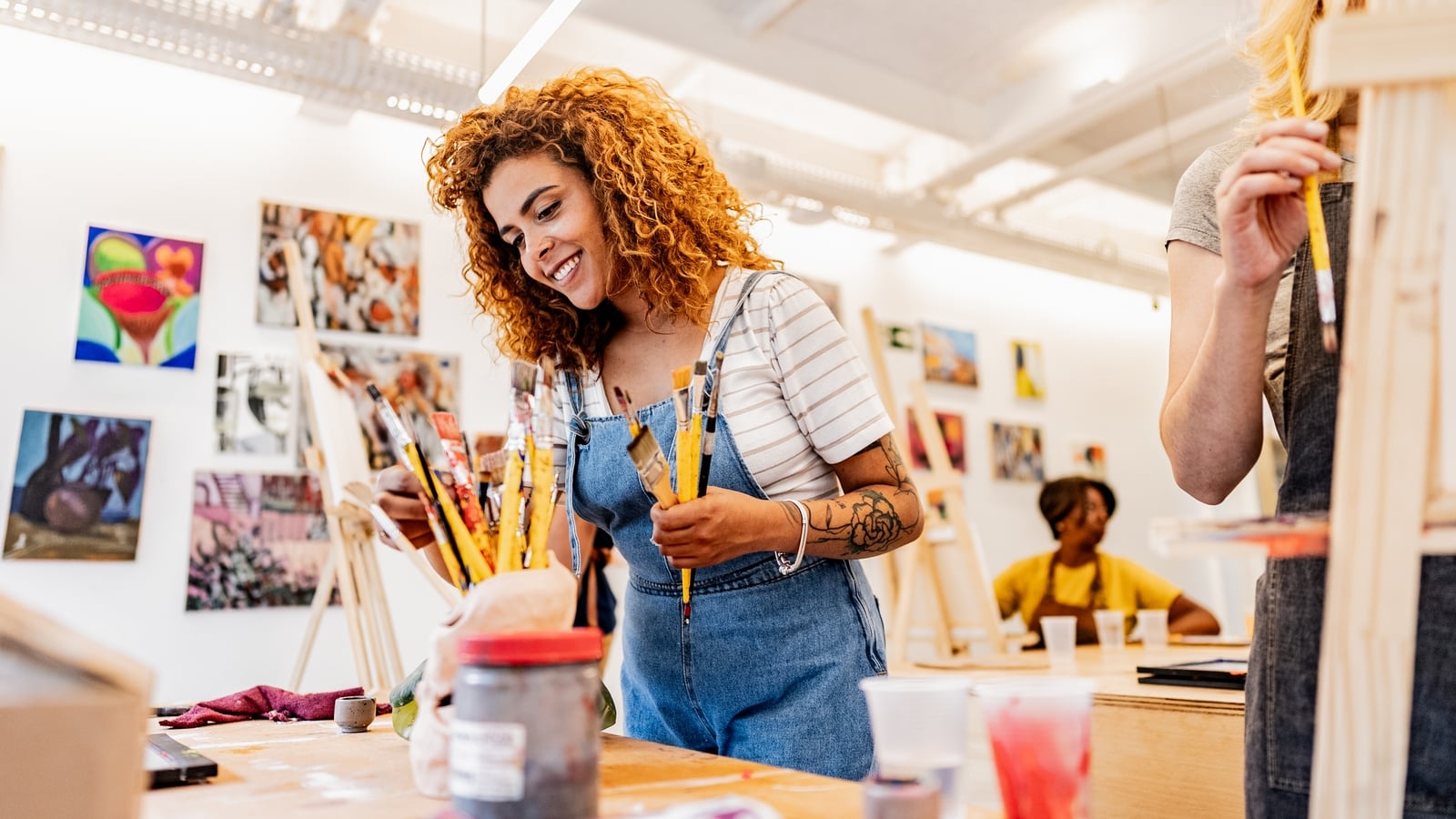
There are two types of methods of engaging with the arts. The first is participatory arts, where people actively take part, such as singing, dancing, and painting. The other is receptive arts, which involves experiencing art as an observer, including activities like listening to music or reading a book.
The benefits can be vary, for example from aiding relaxation and distraction from worries, to reducing perception of pain, motivation to exercise, practicing rehabilitative movements and psychological therapy. However, the challenge of prescribing the arts as a treatment is that, unlike medication, its benefits can be harder to quantify.
“It’s similar to going to a psychologist or psychotherapy in that how do you quantify whether it’s improved health?”, Moss adds. “There are all kinds of benefits to engaging in the arts, for example increased confidence, or self-esteem, but it can be hard to measure those things”.
Bringing it to the people
While the benefits of art are clear, the challenge is always around accessibility. It’s one thing to seek it out or prescribe it; it’s another if such facilities and services are offered. Across Ireland, support can vary by region. For example, initiatives in cities may be better funded and offer more variety compared to somewhere in the Midlands.
“You can plan the best project and get research funding for it, but if you can’t get people into the room because you haven’t really asked them what they want and when they want it.”
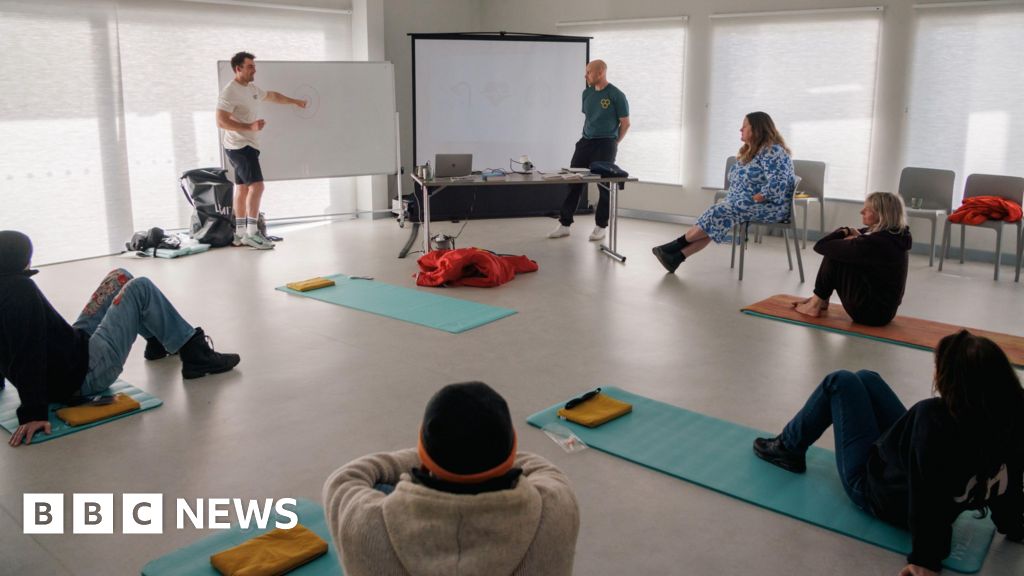
The recent report from the Arts Council and HSE identified funding and accessibility as two of the key challenges facing such projects, and Moss cites them as major focuses. “Accessibility in terms of cost and venue is really important so that it’s easy for people to take part,” she believes. “We’ve facilitated groups combining community dance, music therapy and physiotherapy in Limerick. When we held in the group in local hotels, very few people came, and when we went to a place where older people were meeting already, they attended and engaged.”
“Consultation with our community is crucial, building relationships and trust. You can plan the best project and have research funding for it, but if you can’t get people into the room because you haven’t really asked them what they want and when they want it, the benefits won’t be realised. We are committed to community-engaged practice and research at UL.”
We need your consent to load this rte-player contentWe use rte-player to manage extra content that can set cookies on your device and collect data about your activity. Please review their details and accept them to load the content.Manage Preferences
From RTÉ Radio 1’s Drivetime, singing, painting and visiting museums can help slow aging
When it comes to prescribing, Moss notes that the crucial part isn’t always which cultural or arts activity you choose, but rather that you enjoy doing it. Whether it’s painting, singing, or dancing, doing something you enjoy will motivate and stimulate you and help you to create a social connection with others.
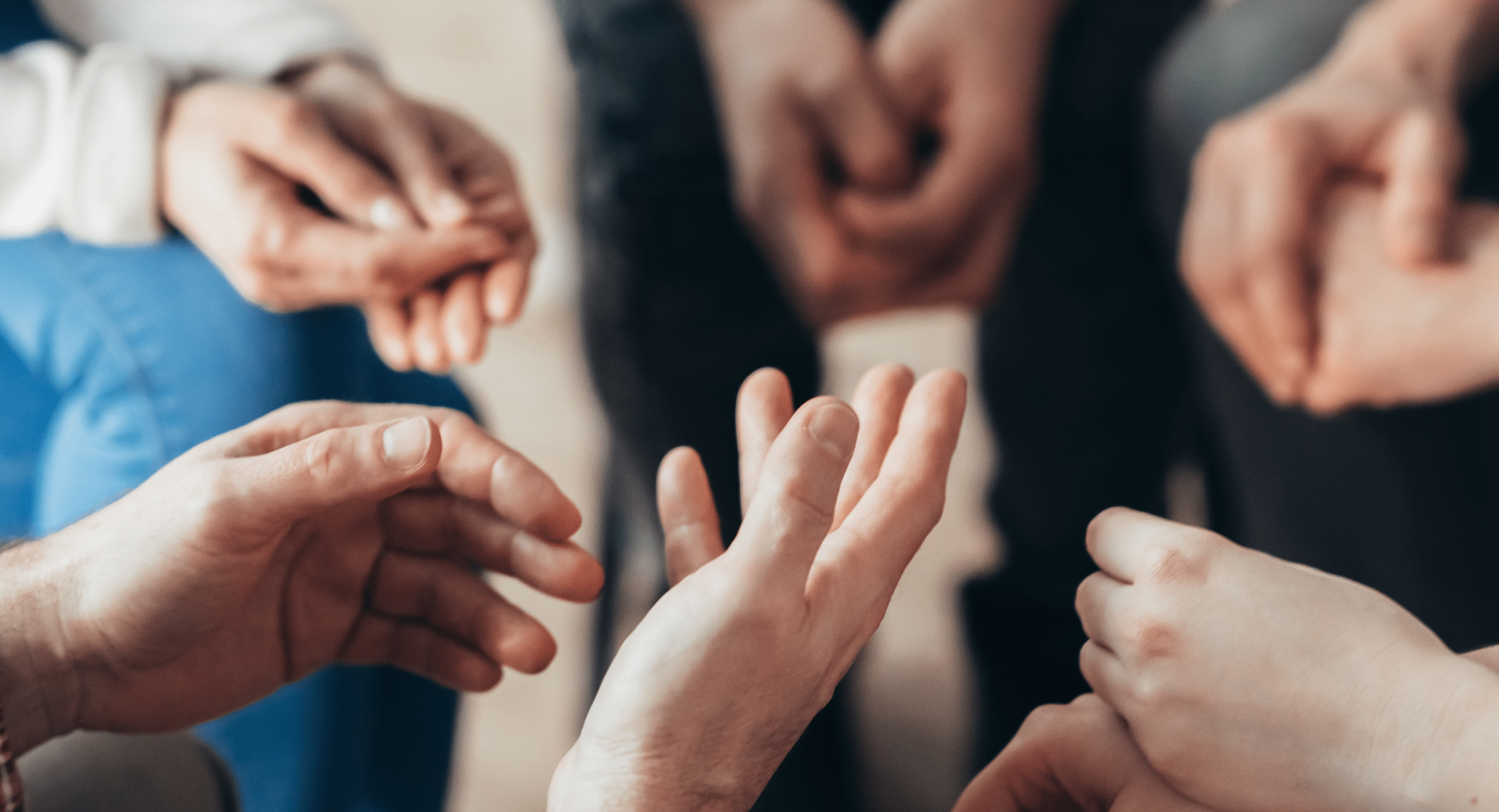
“The biggest benefit of the arts is the non-verbal nature of the engagement,” she says. “For example, you can attend a choir or an art class and be in community with other people, sit beside them and engage, without pressure to make eye contact or conversation. This can be very helpful for people, for example, who struggle with social anxiety.”
Follow RTÉ Brainstorm on WhatsApp and Instagram for more stories and updates
The views expressed here are those of the author and do not represent or reflect the views of RTÉ