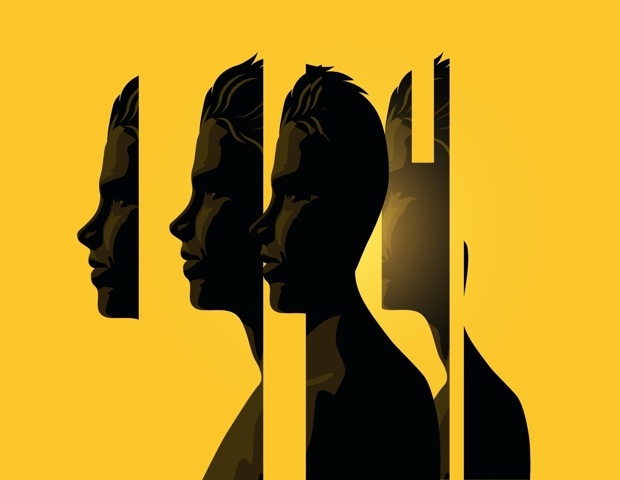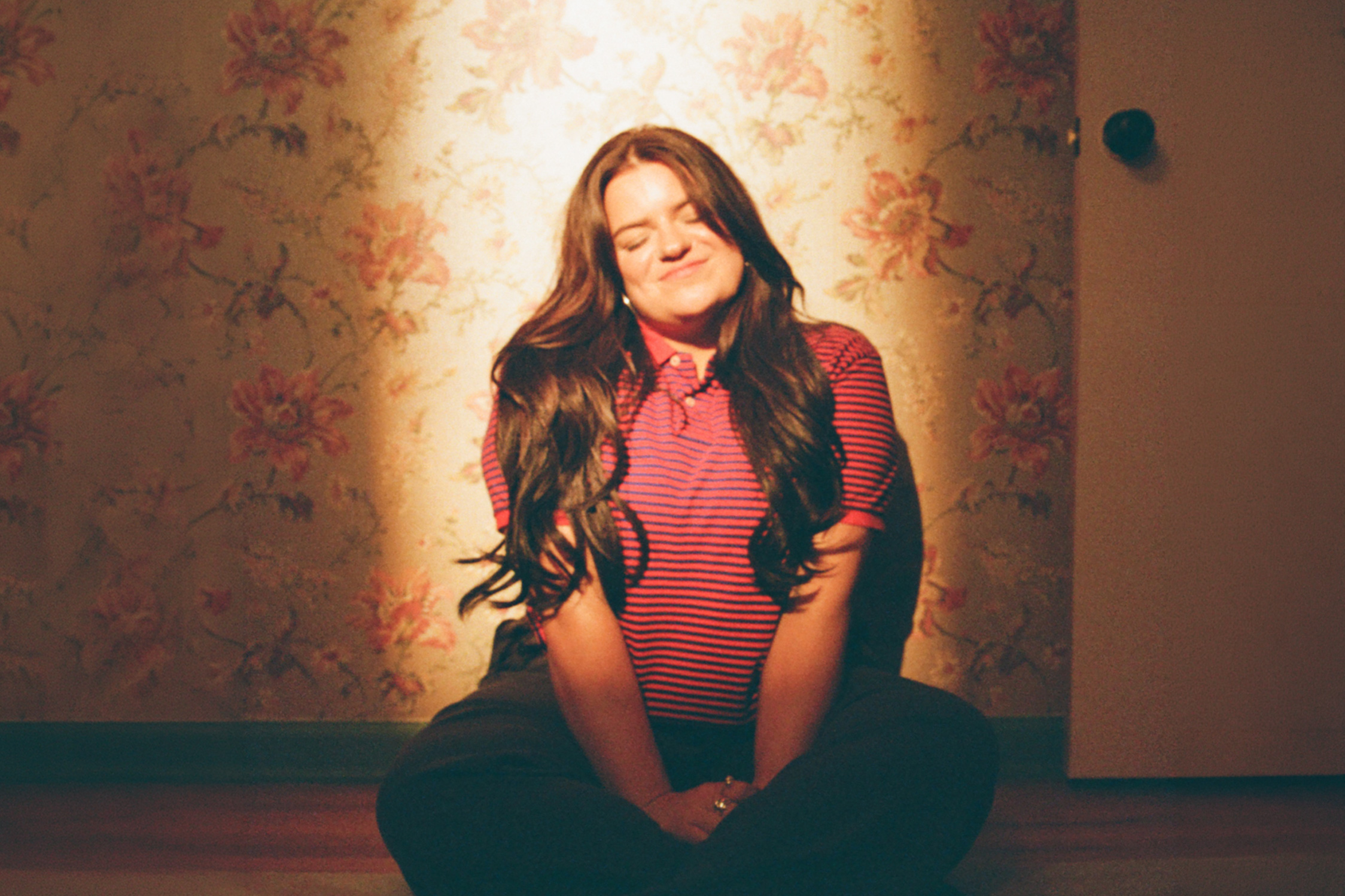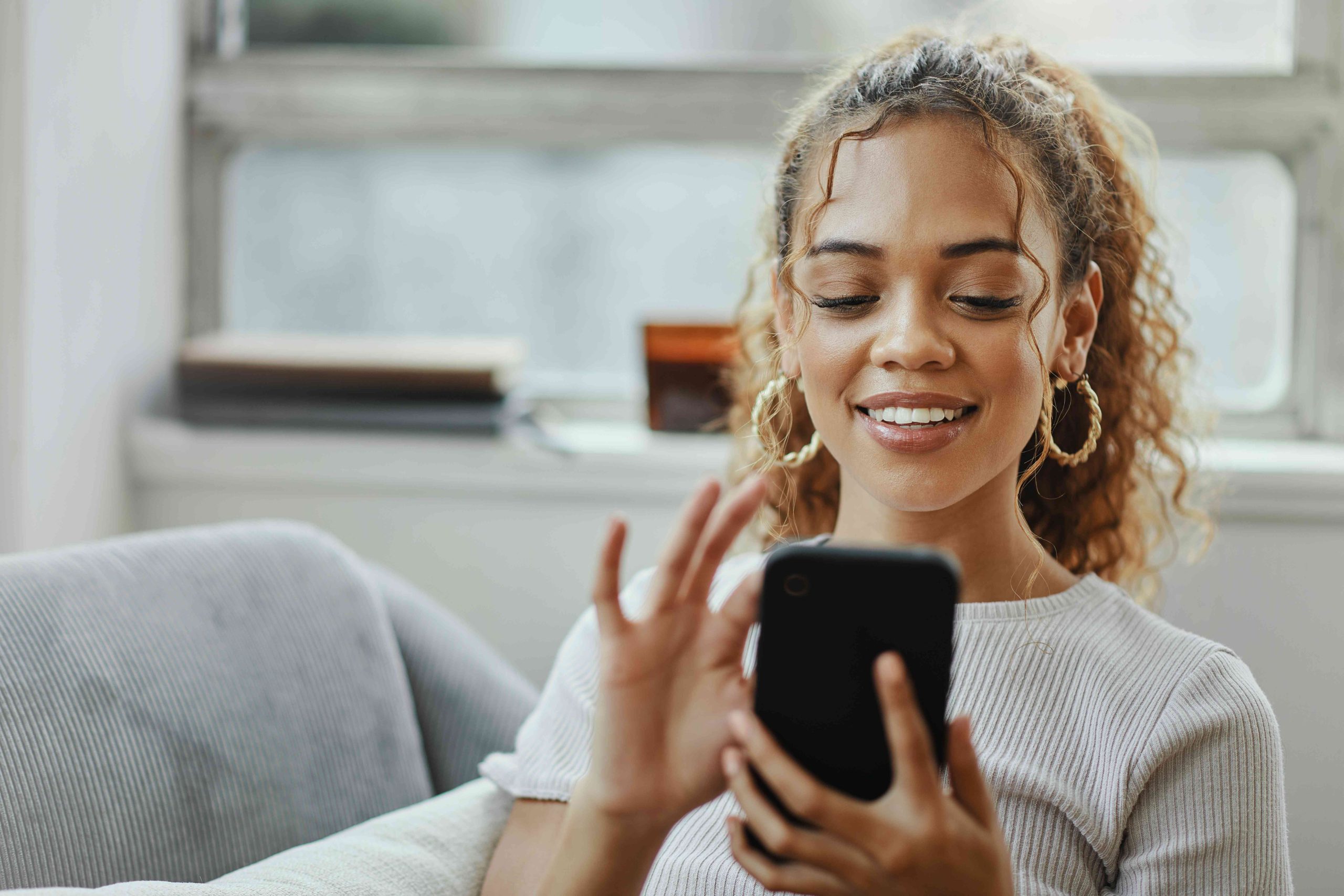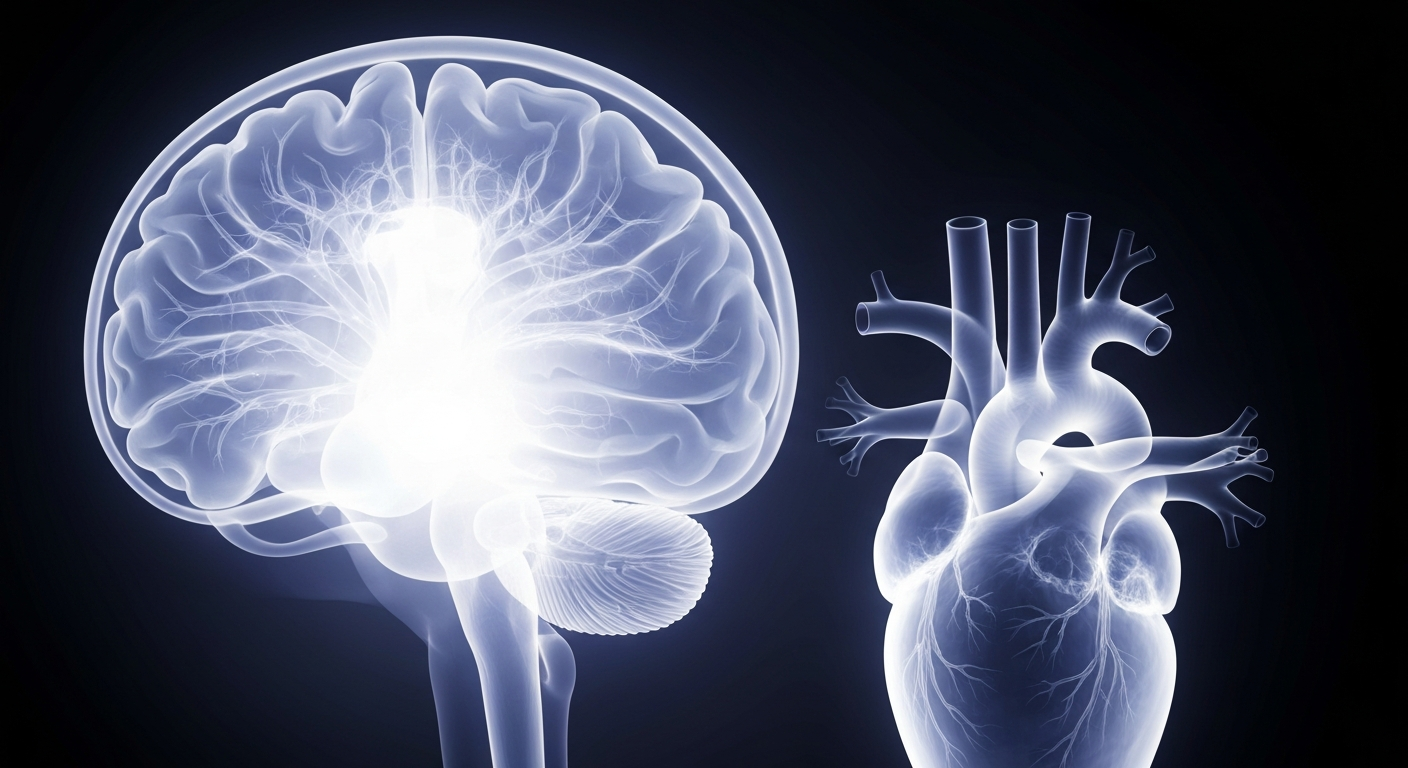
“Lucky girl syndrome” was a TikTok trend involving the repeated mental affirmation that one is the luckiest person alive in order to make it so. Explained on social media in terms of neuroscience and spirituality (and sometimes both), this was part of a longer social media trend of manifesting—on a platform where it is not uncommon to see users talking about having manifested the very content appearing in their feed.
Media as Mediums and Mental Health Diagnosis as Quasi-Religious
From the telegraph to television to TikTok, communication technologies have suggested access to a realm beyond our senses. Media have been imagined as mediums.
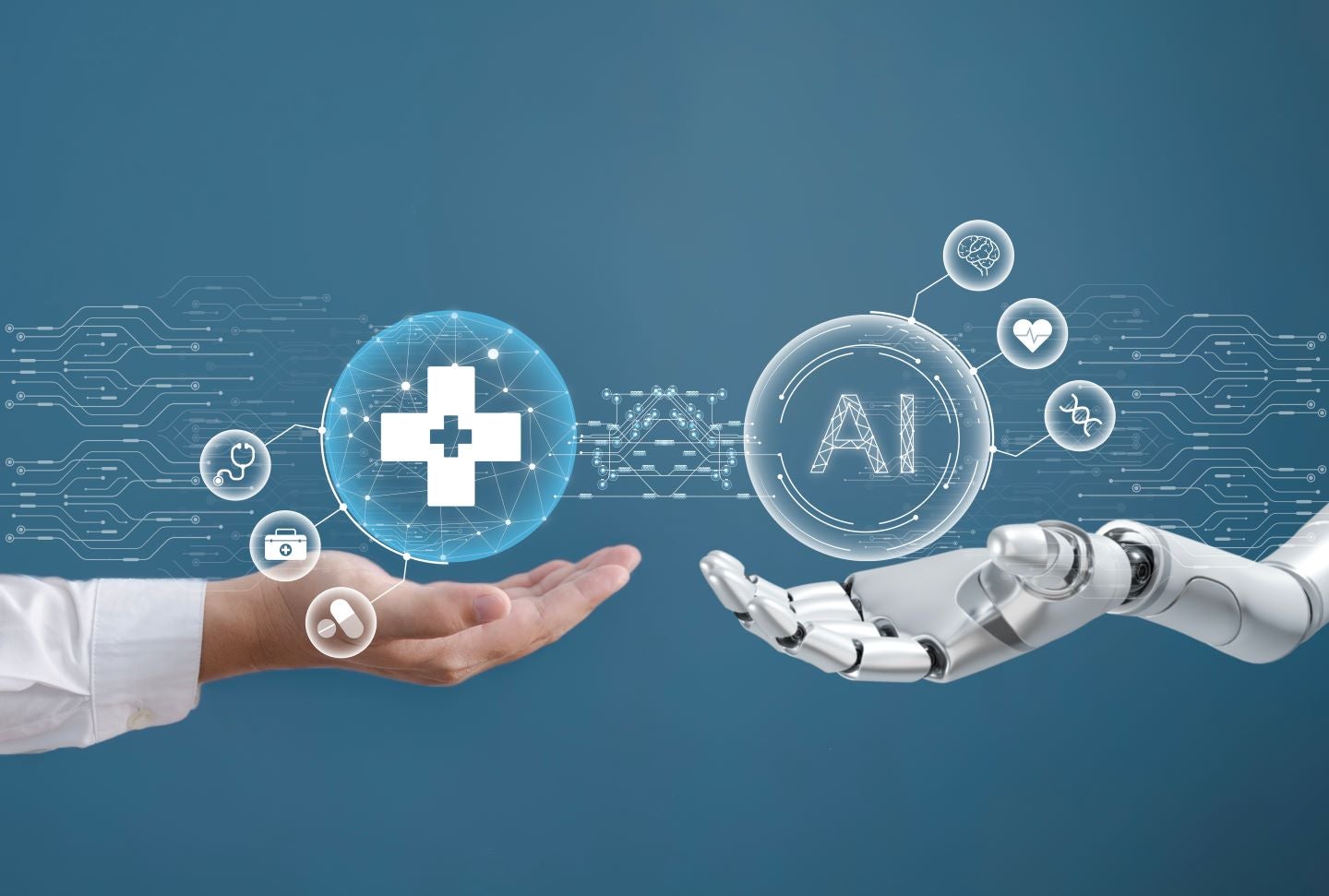
There is a long history of humans ascribing to machines the ability not only to tap into unseen dimensions but also into the electrical impulses of our own brains (and today we have the development of brain-to-text technology). The ideas of computers reading our minds did not start with today’s algorithmic social media or AI, but, as Simone Natale writes, have been integral to our cultural imagination around computers since the 1950s and attached to other media technologies for even longer.
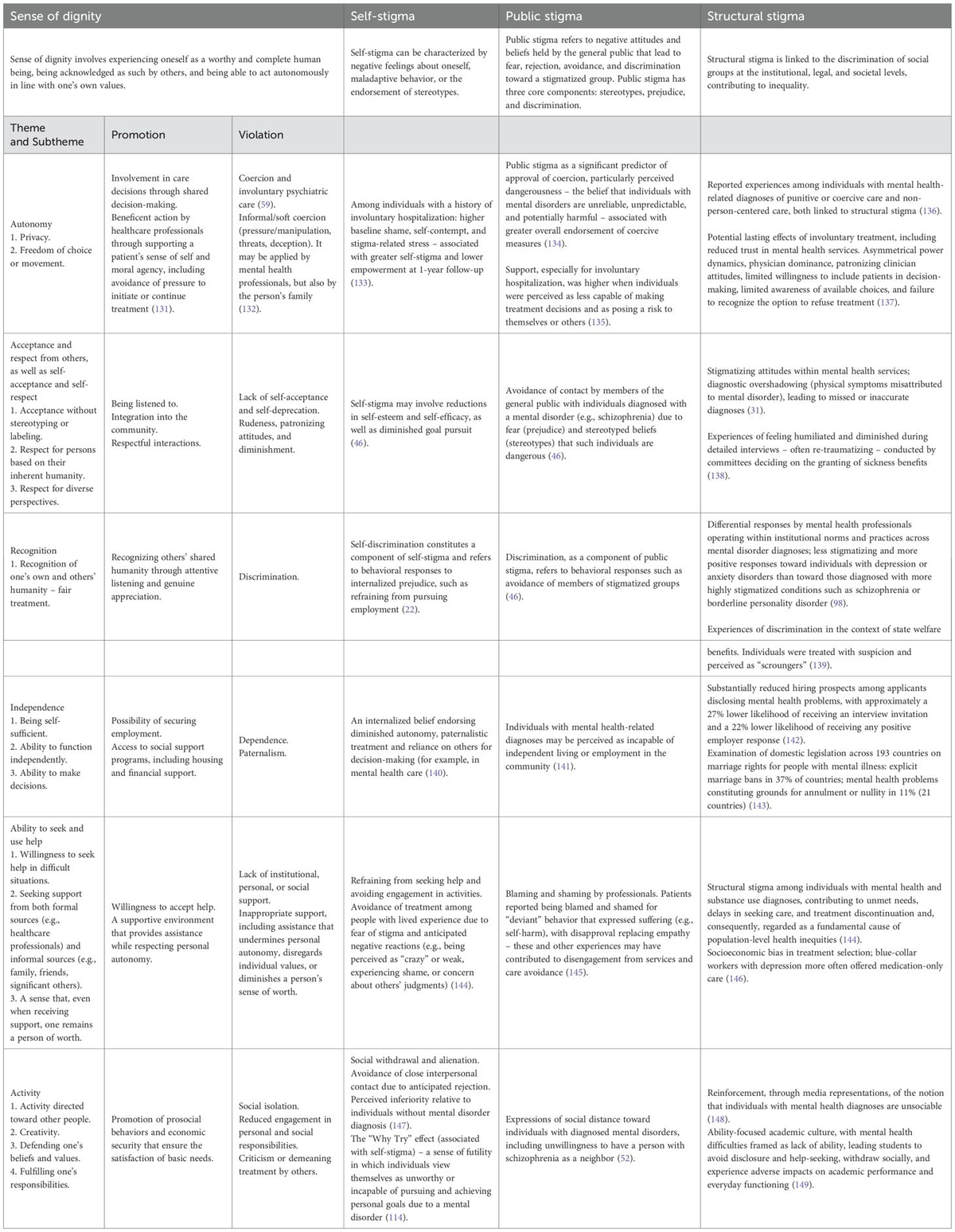
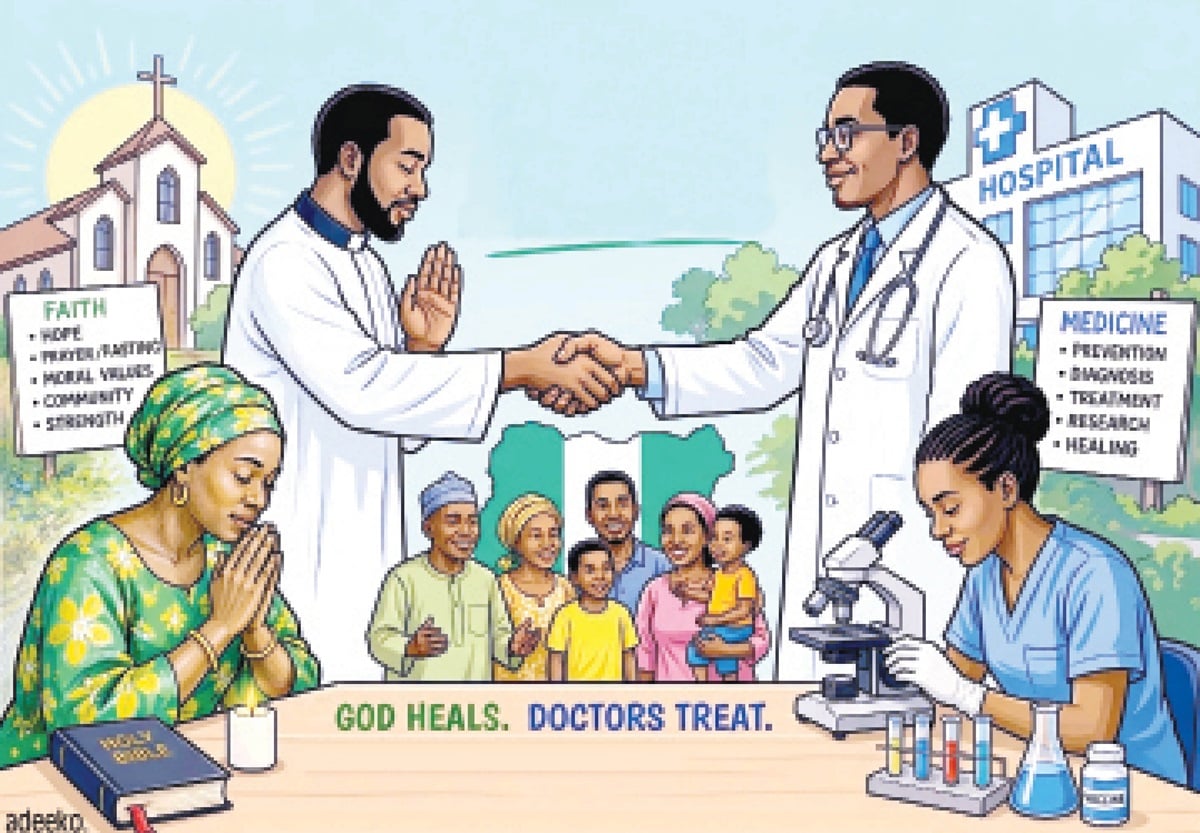
Therapy culture, the quest for mental well-being, and psychiatric diagnosis have also been called new forms of spirituality and religion. The DSM has been described as psychiatry’s bible, and not just because it is the go-to professional reference book for diagnosis. Some leading psychiatrists have argued that the DSM has historically leaned more toward revelatory beliefs than scientific evidence. Our contemporary system of psychiatric diagnosis has been hotly disputed since the civil rights era of the 1960s and ’70s, as Lucas Richert describes, when psychiatric practitioners, due to their work’s lack of scientific backing, had been likened by critics within the field to witch doctors and shamans.
So when I saw connections between social mental health content and social media astrology content across my research for Mood Disorder, their entanglement perhaps should have been unsurprising, with each being used at times to support and validate the other.
Social Media Manifestations
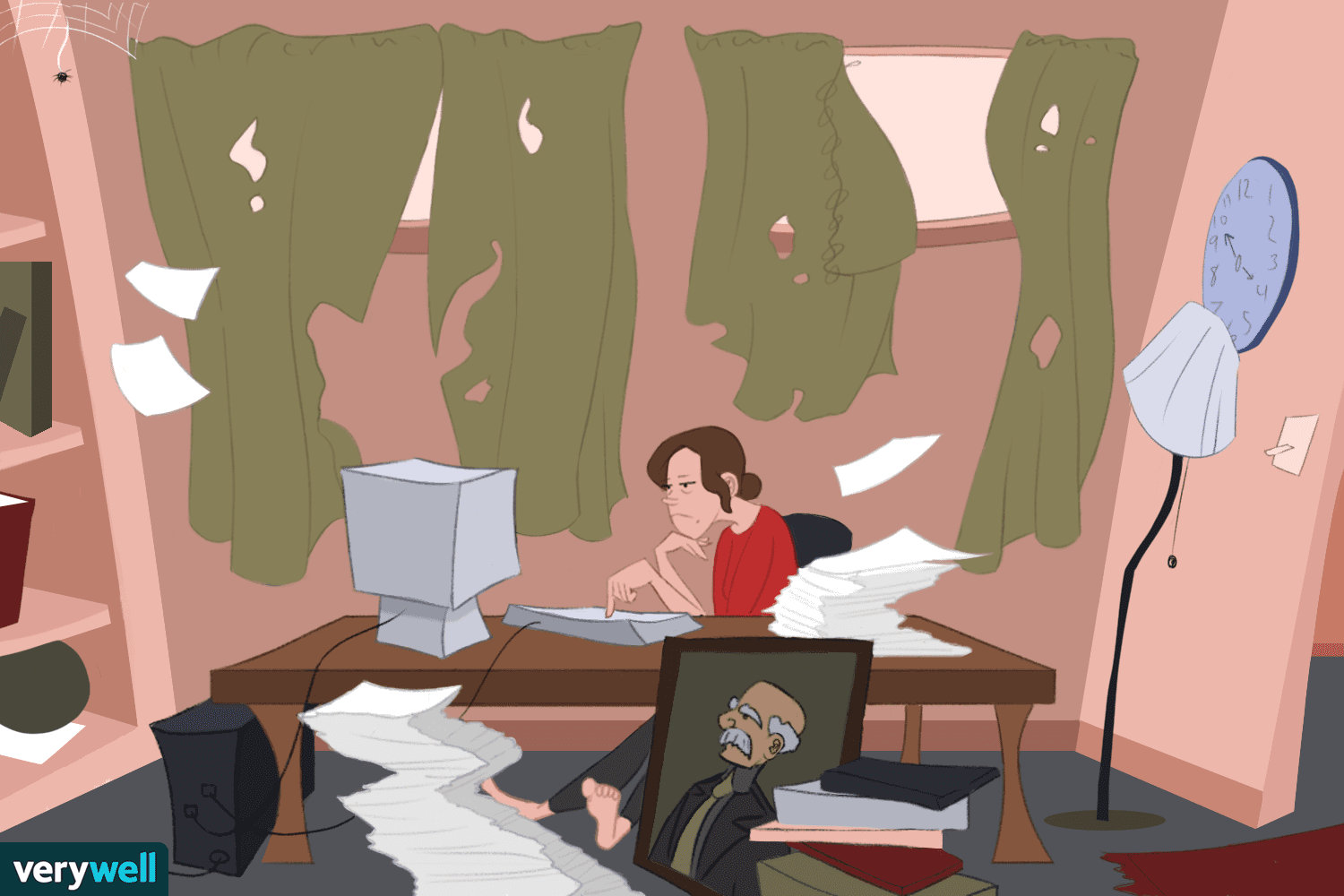
Take the “lucky girl” notion that what we believe will happen is likely to come to pass. The crucial middle step in this kind of self-fulfilling prophecy is that we not only notice things that align with our beliefs, rejecting other information (confirmation bias), but act in accordance with those beliefs. So, if my students believe they will fail an exam, for example, they may procrastinate studying or feel anxious while taking it, potentially resulting in a lower grade (and reaffirming the initial belief).
In explaining this phenomenon, social media creators easily weave the psychological concept of the self-fulfilling prophecy with the metaphysical concept of manifestation because, while the technical mechanism might vary, the fundamental rule remains: What we pay attention to and what we believe has tangible consequences (maybe not becoming the luckiest person alive, but consequences).
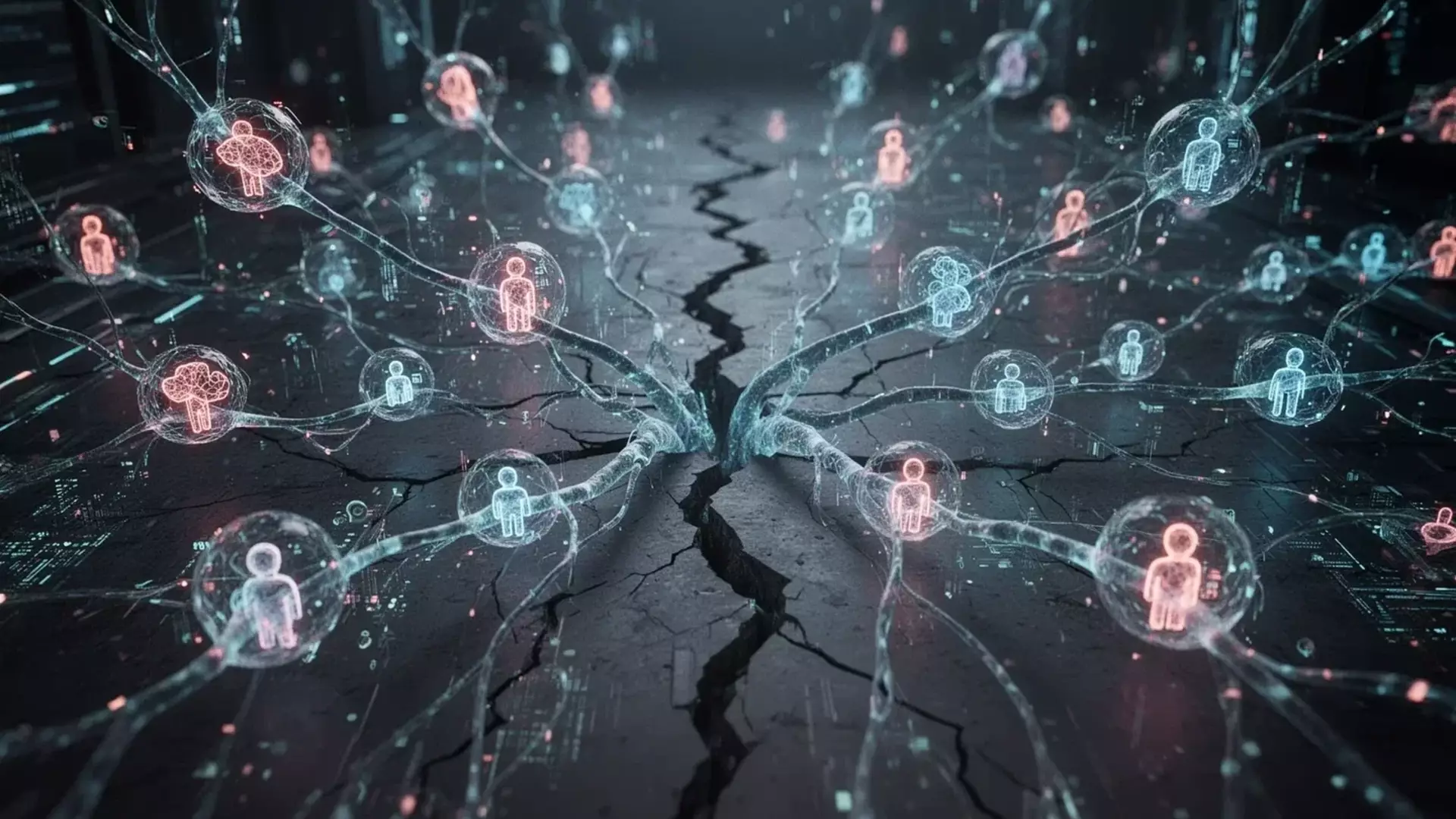
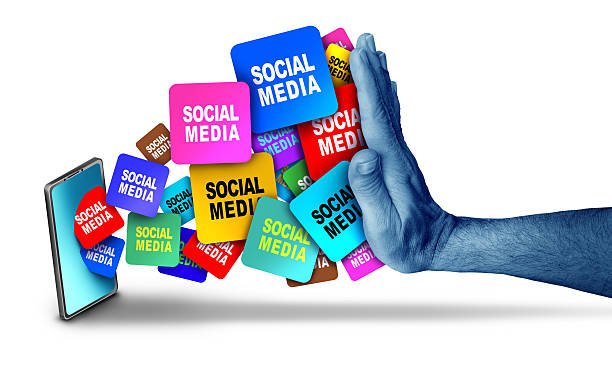
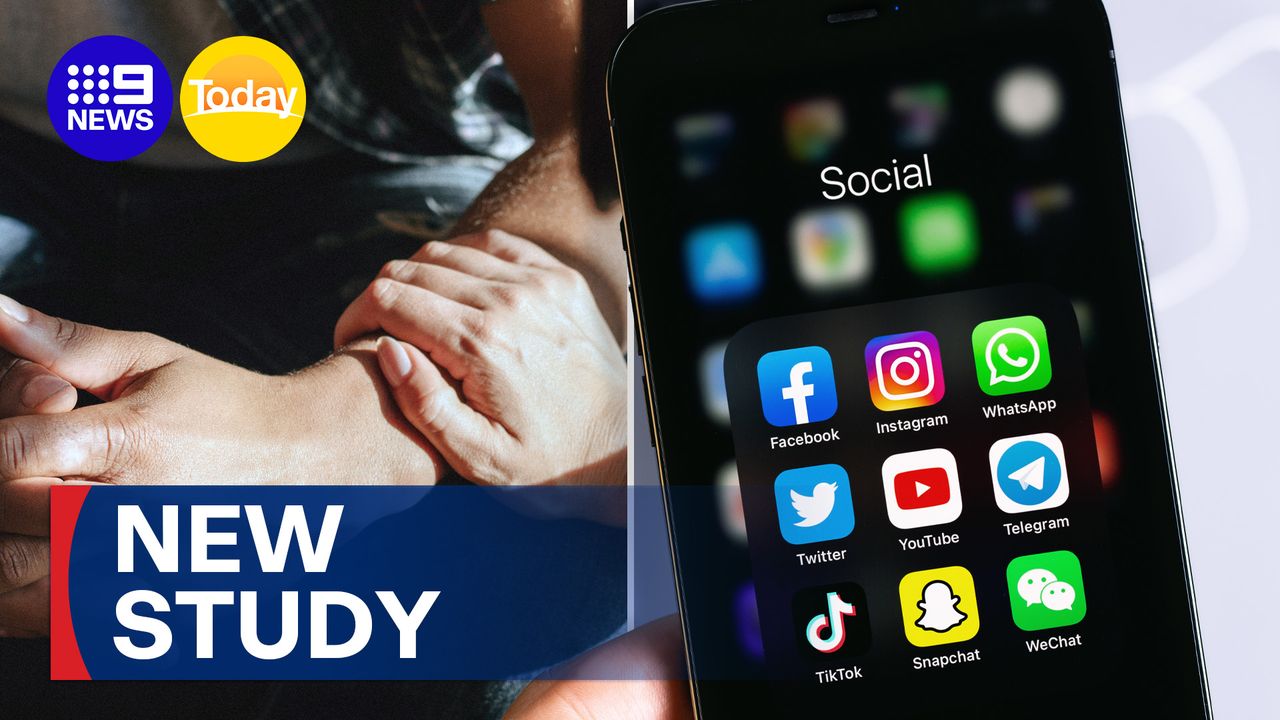
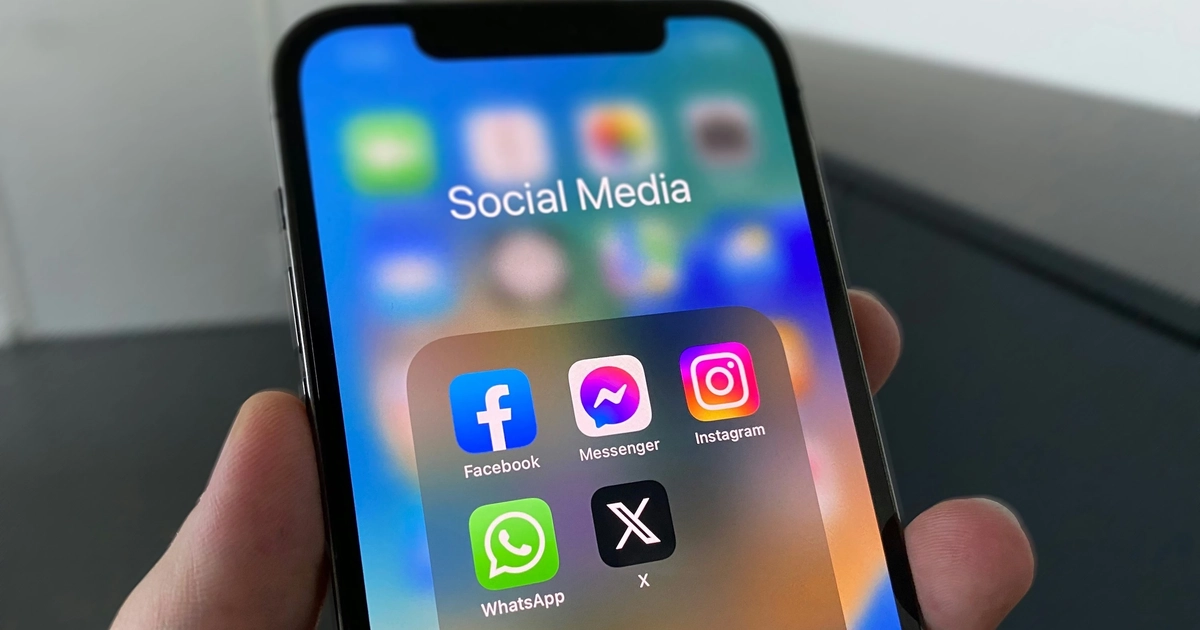
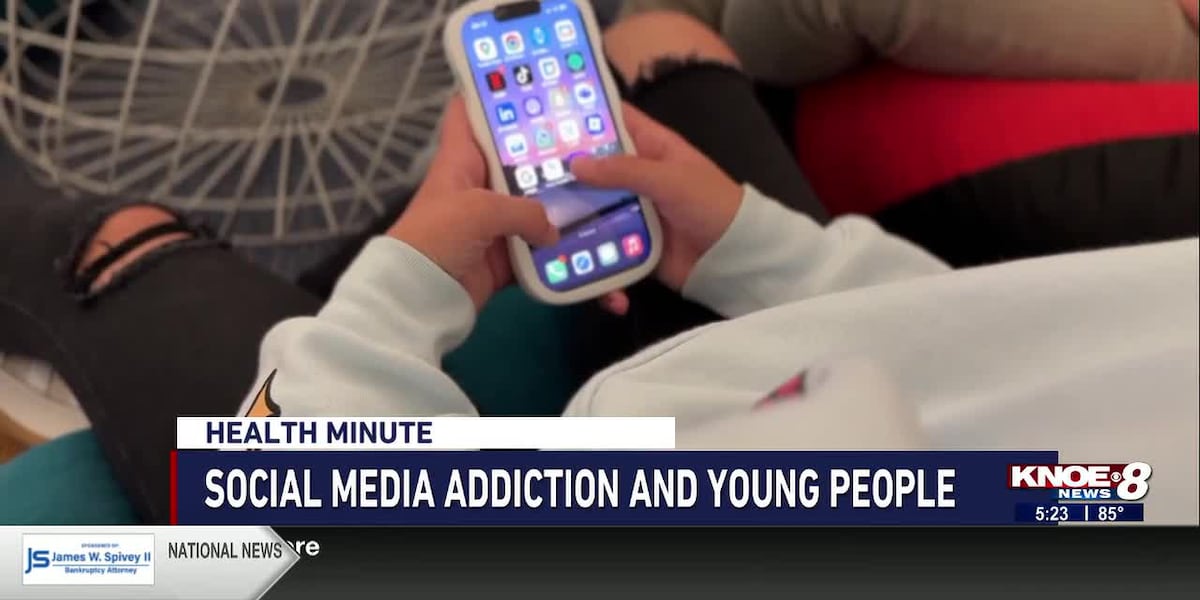
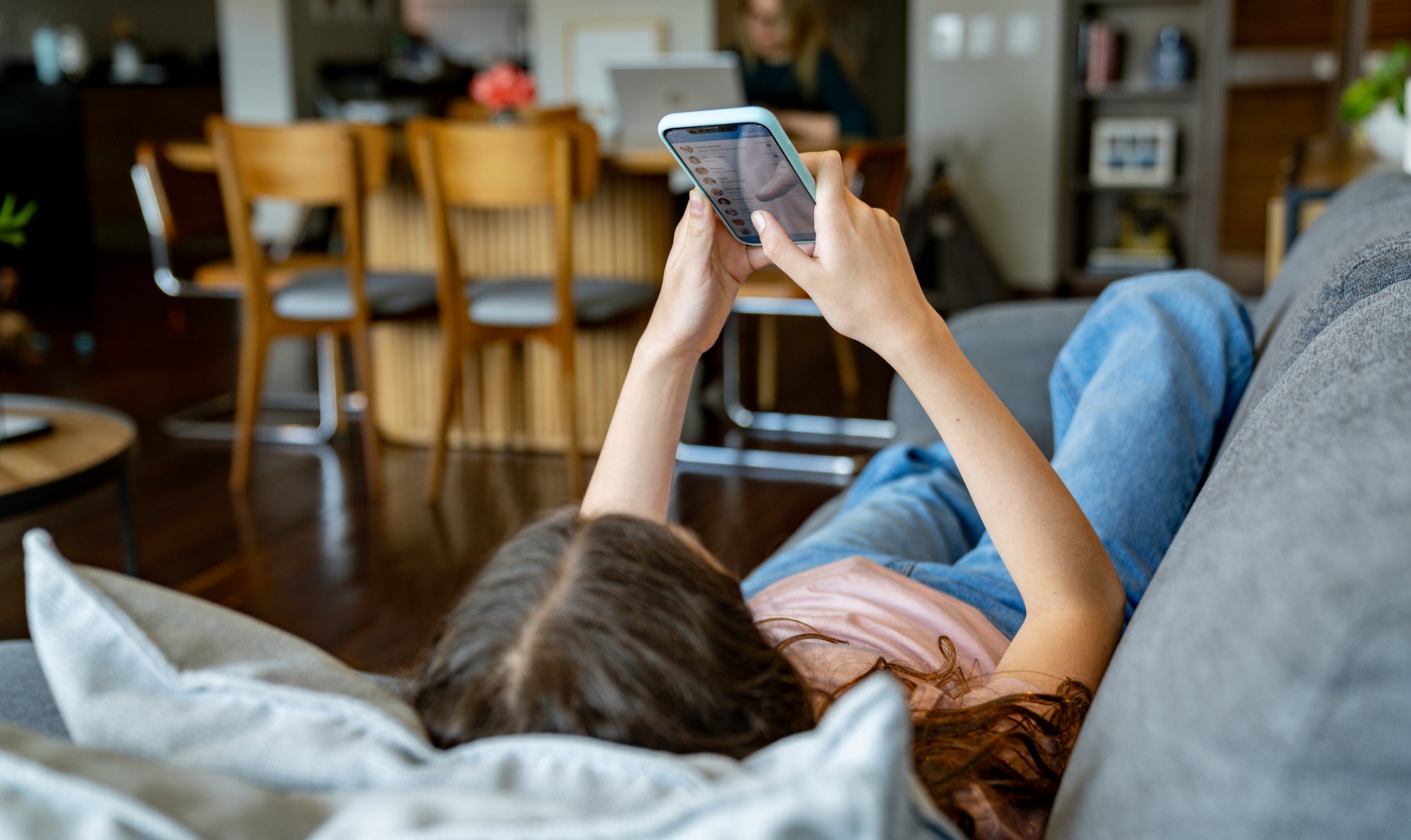
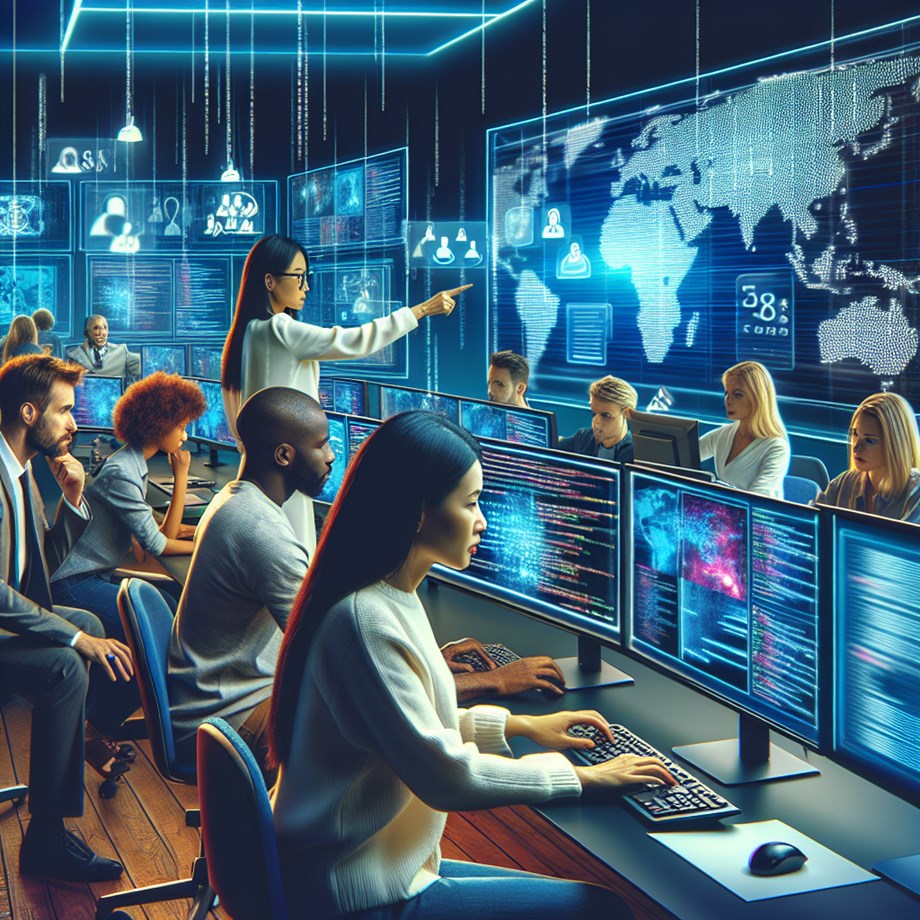
This takes algorithmic form on social media: We all know that what we give our time and attention to online results in increasingly being shown similar content.
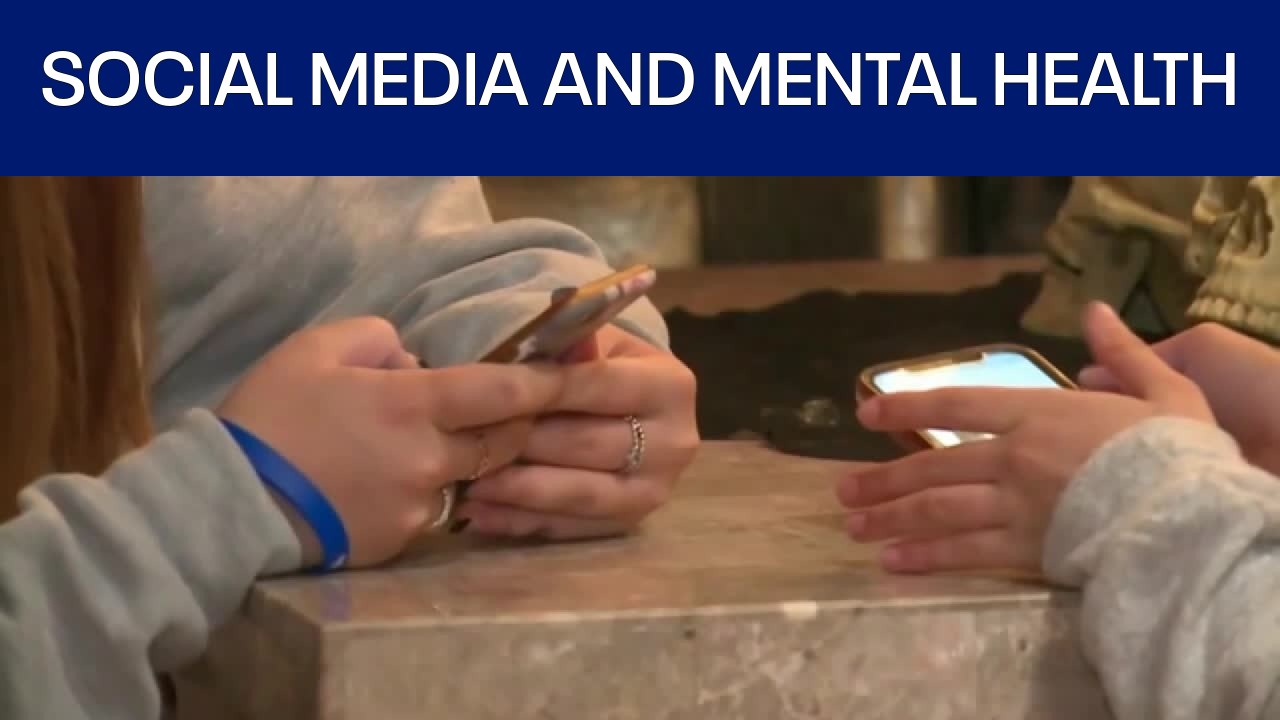
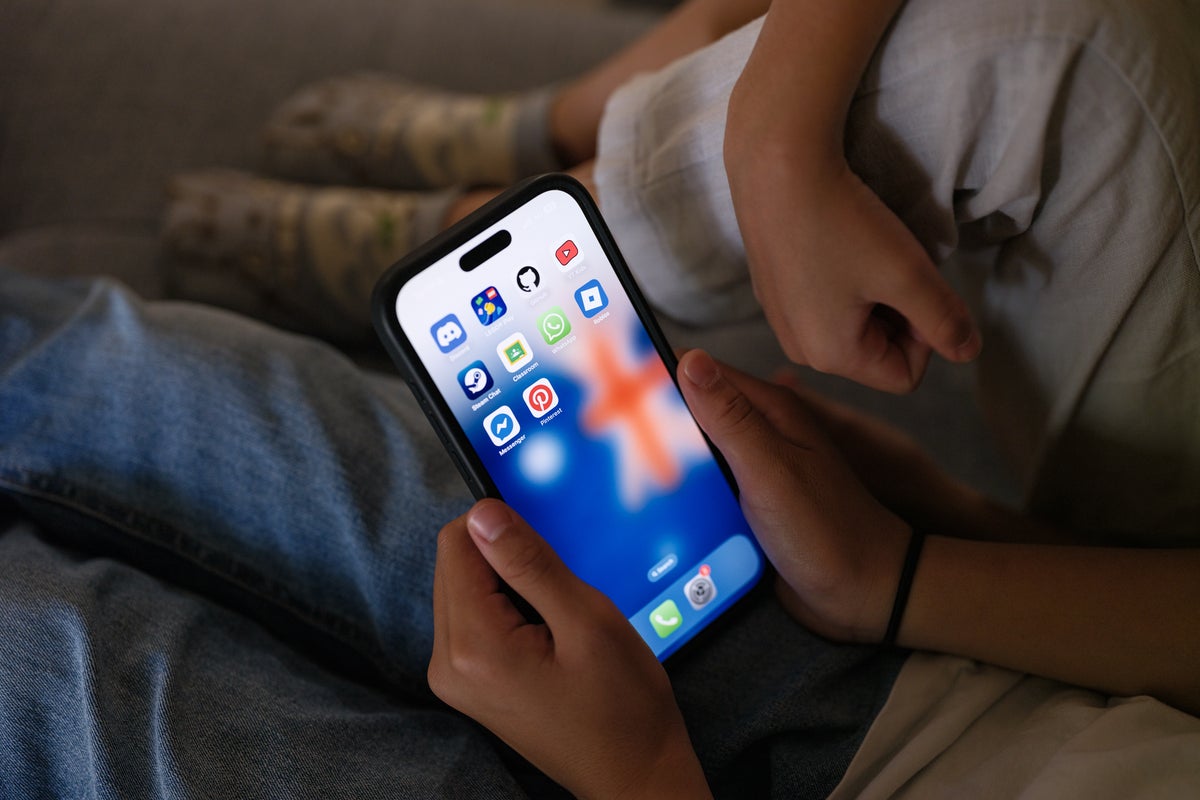
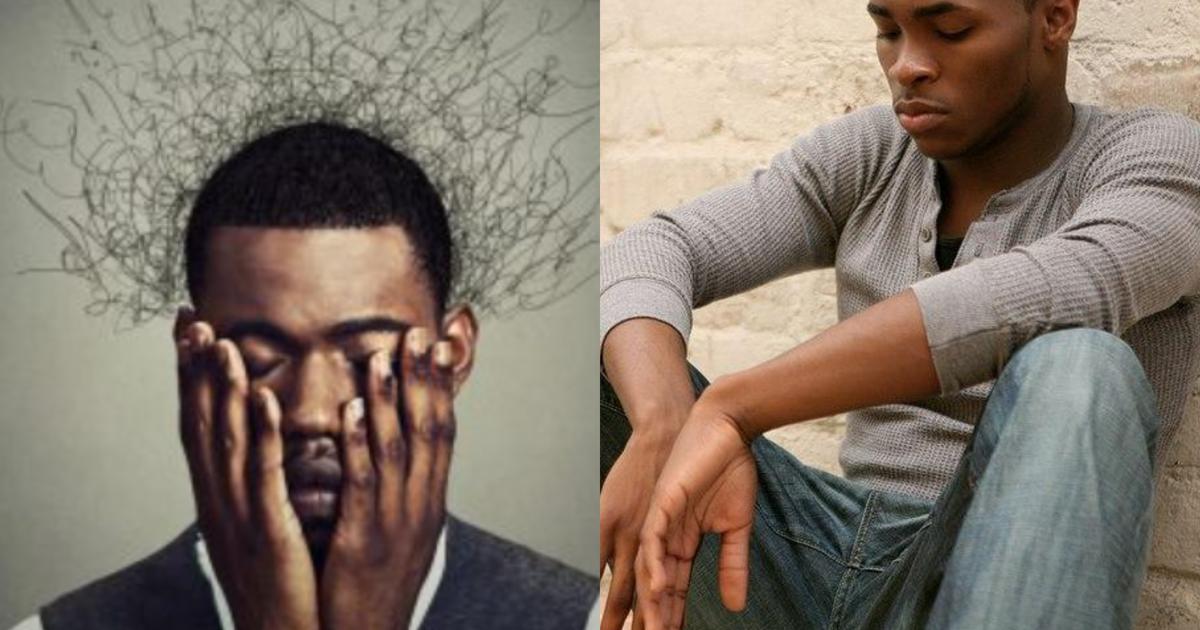
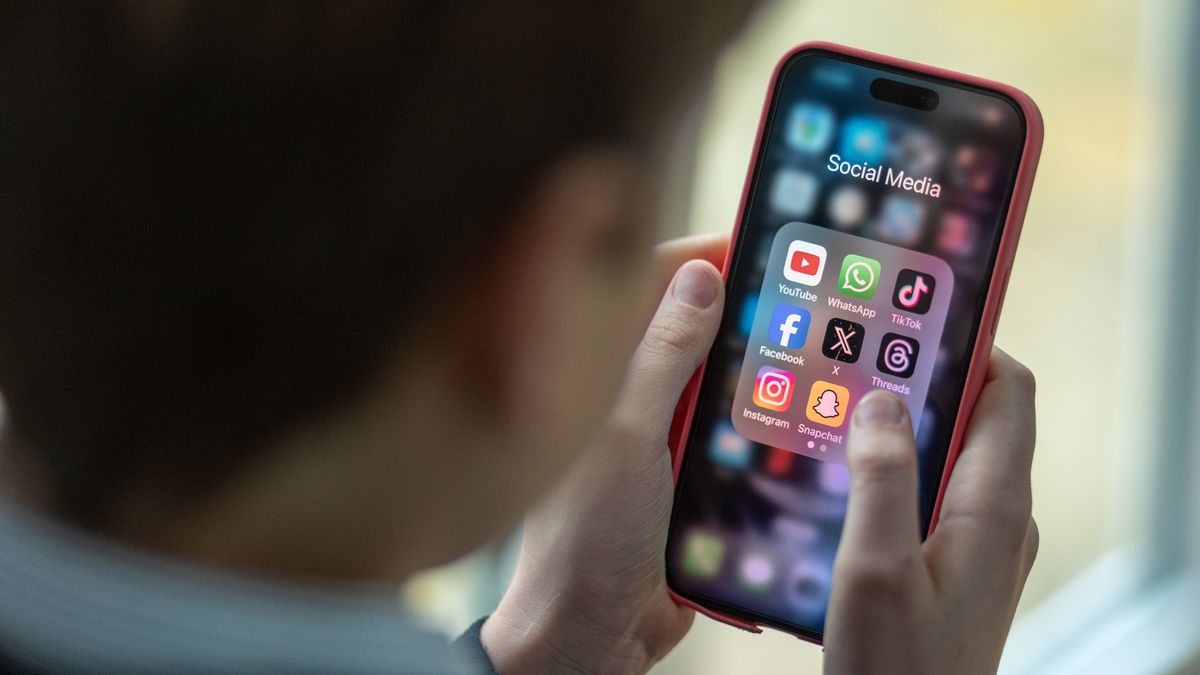
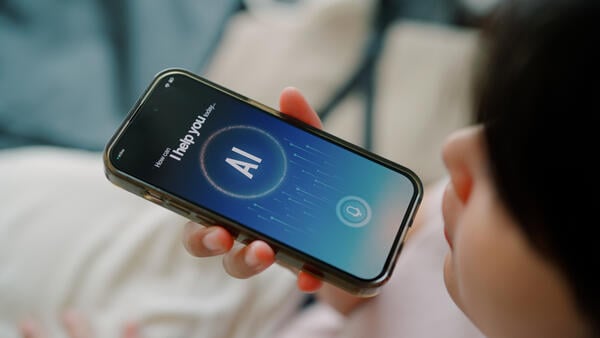
There are a lot of other syndromes besides “lucky girl” that people come to identify with through their engagement with social media. Platform users believe social media algorithms can predict everything from whether someone will ghost them to whether they have a mental health disorder.
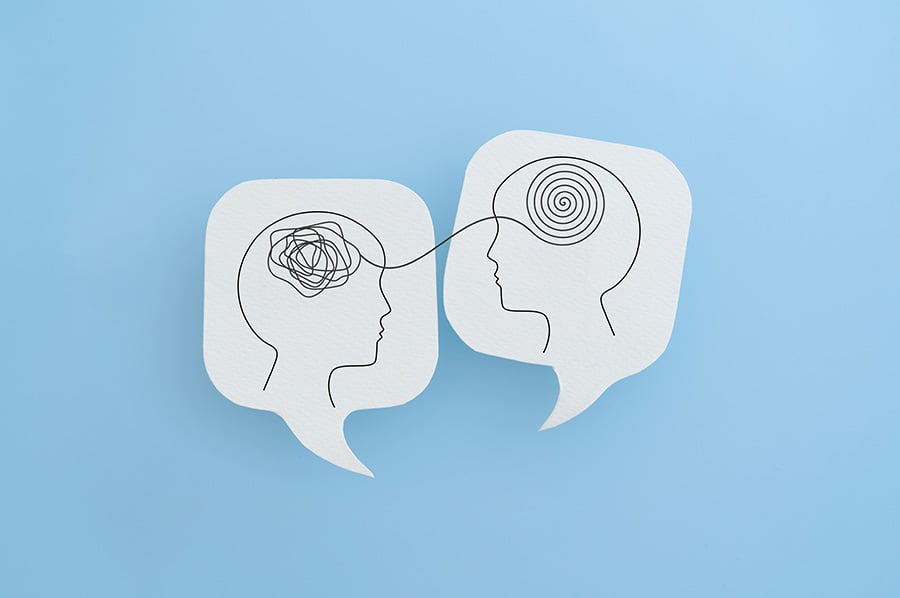
As concepts of mental disorders shift, our interpretation of our experiences shifts to accommodate those concepts. This change in our subjectivities (how we see ourselves), in turn, affects future conceptualizations. Ian Hacking, a scholar of philosophy of science, called this a “looping effect.” Mental health disorders are not just “discovered” and catalogued forever. They evolve over time. They are revised with social and cultural shifts as much as with psychological research.
Data privacy concerns notwithstanding, there is an enticing aspect to digital media’s ability to tell us something about ourselves (like a delightful end-of-year synopsis of our streaming music taste which, of course, doubles as marketing for the platform when shared).
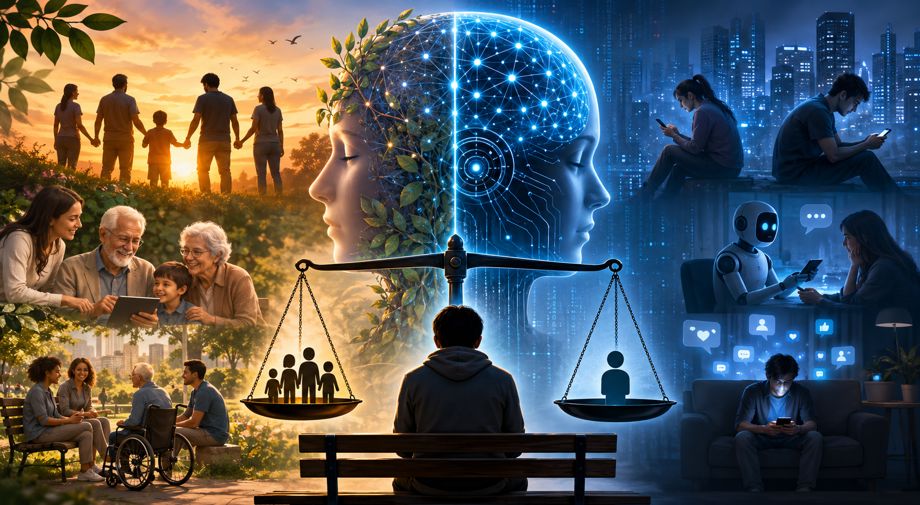
Importantly, for technologies to work this way, our beliefs about them matter. There are looping effects here too—the algorithm shapes our experience, and our experience then helps shape the algorithm.
Not unlike algorithmic social media feeds that are assumed to calculate something otherwise inaccessible about us, online personality tests offer glimpses into our psyche through popular culture. BuzzFeed quizzes ask which millennial and Gen Z TV characters you are, whether you’re a secret genius or covert narcissist, or, in a particularly memorable one from 2014 that I’ve thought might have been a fever dream but have since verified its existence, “Which Ousted Arab Spring Ruler Are You?”
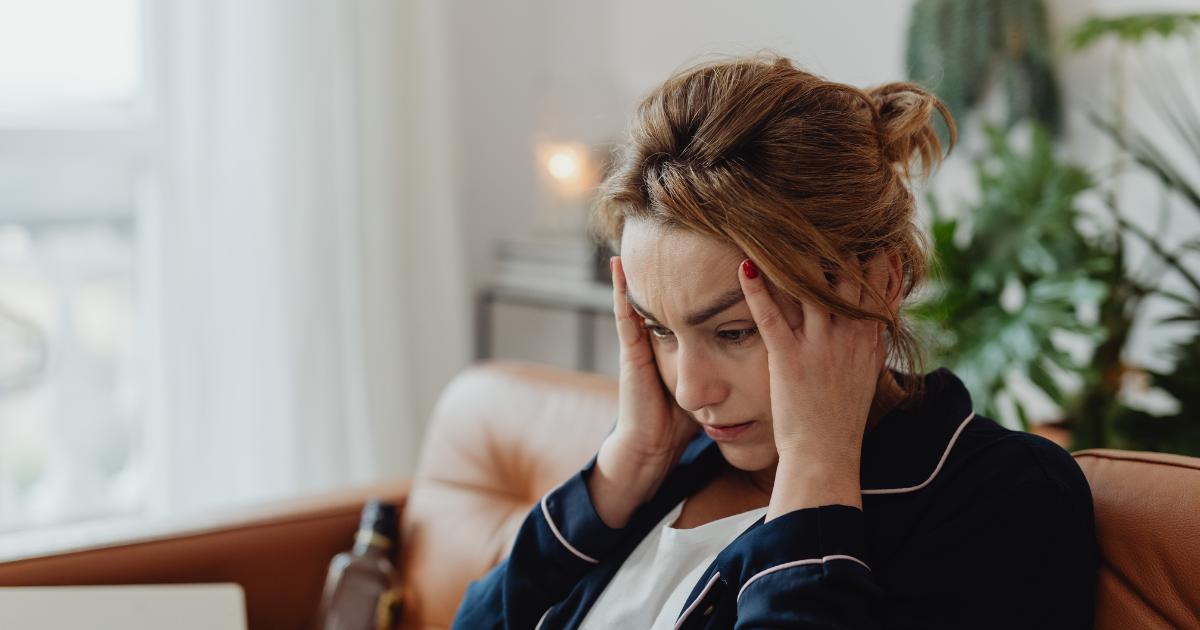
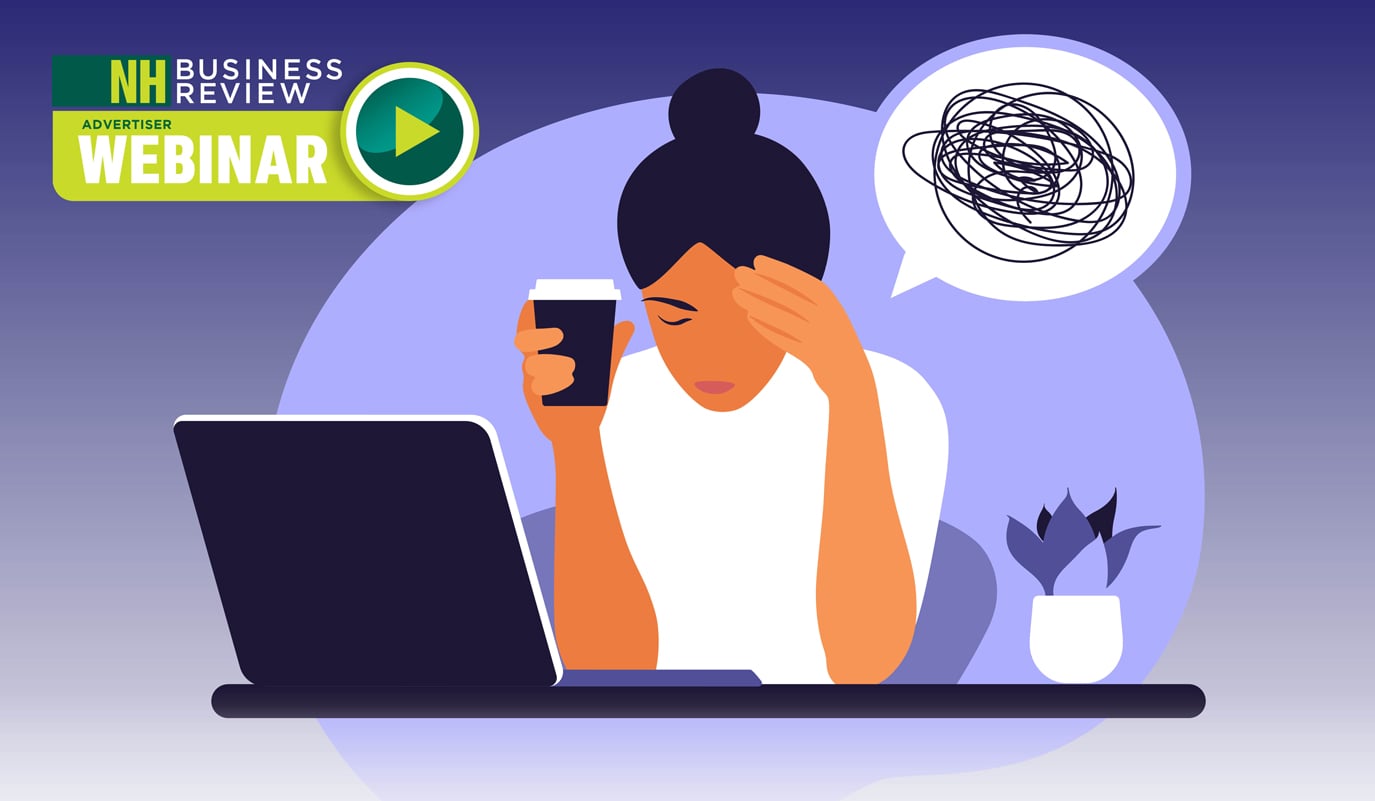
Some online quizzes are meant to be taken purely as entertainment (dubious as some may be), but others pathologize personality traits and come closer to diagnostic scales of DSM disorders. Not only can these assessments prove less accurate outside of a clinical setting where a practitioner could formulate a detailed case before treatment, but they can amplify mental health misunderstandings.
Part of this stems from our desire to know ourselves and social media’s inherent commodification of that desire. Neither explanation, mathematical nor magical, seems to be adequate in itself to explain or address mental health, which helps account for their blurred boundaries.
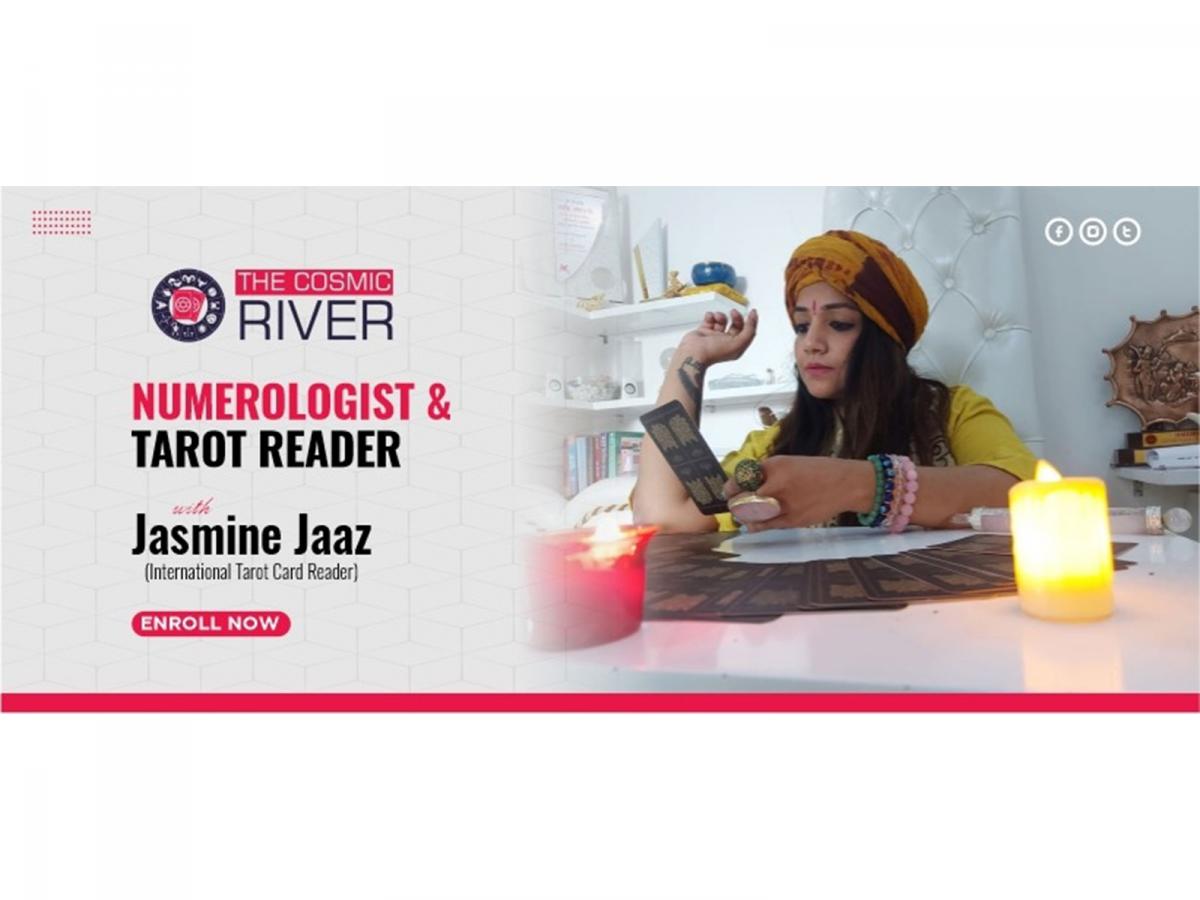
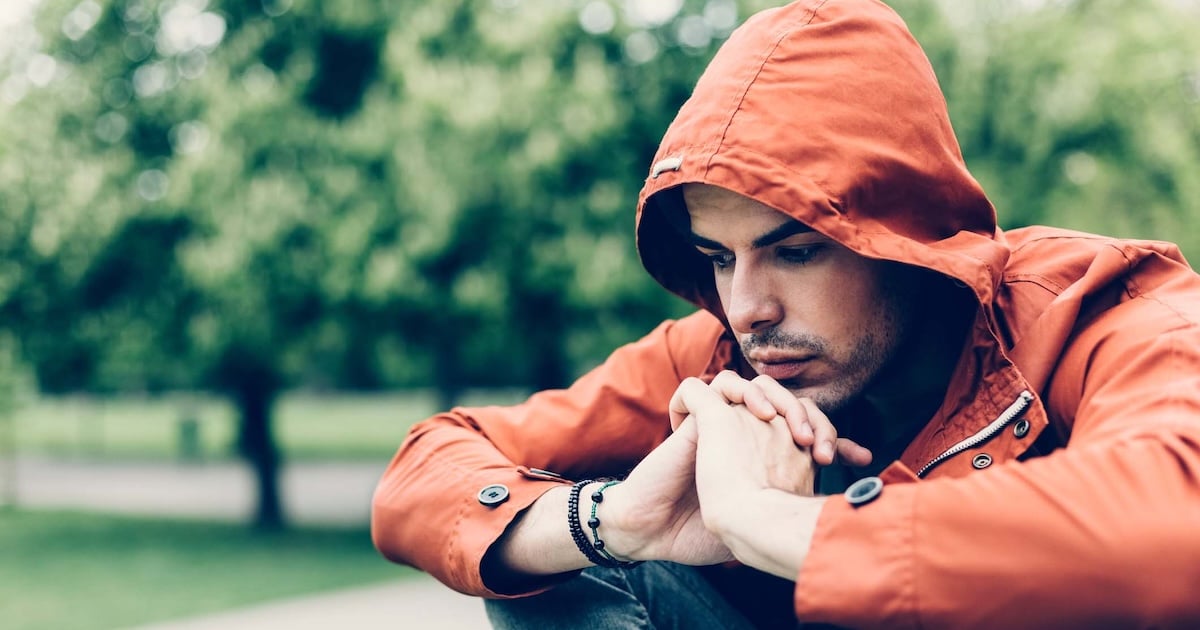
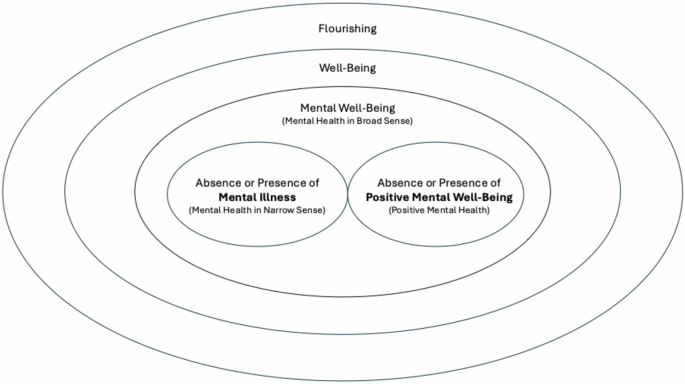
All of this also tells me that our mental health supports and frameworks are so profoundly lacking that we continually seek relief through self-pathologizing and oversimplified social media categorizations. Until we expand our ways of considering mental health, we will likely keep taking on any online syndrome as our own, whether from a psychiatrist or a psychic.
Despite both better science and better PR, many argue that diagnostic psychiatry hasn’t gotten a whole lot better since those issues of the 1960s and ’70s. There are growing calls for non-diagnostic options for understanding and addressing mental distress and, as I explore in my work, these kinds of frameworks may offer one pathway out of these pathological loops, both in media and mental health.