The Spanish Society of Public Health and Health Administration (SESPAS) has launched a special monographic issue on the occasion of the 40th anniversary of the General Health Law, in which various specialists propose reorienting the National Health System (SNS) towards disease prevention and demand decisive action on the social determinants of health.
The volume brings together 13 works signed by more than 25 experts from different areas, with contributions from the SESPAS Board of Directors and four of its federated societies: the Community Nursing Association (AEC), the Spanish Primary Care Network (REAP), the Spanish Society of Epidemiology (SEE), and the Spanish Society of Environmental Health (SESA).
Based on these studies, the changes needed in the health system to face the current challenges of the population are detailed, including aging, the increase in chronic pathologies, social and gender gaps, the growing relevance of mental health, digitalization, commercial interests that harm health, and environmental threats.
The General Health Law established a public, universal, decentralized system with solidarity financing, in addition to placing Primary Care (AP) as a central piece and integrating prevention and health promotion among its basic missions. However, the document warns that subsequent development has focused on hospitals, high specialization, technology, and treatments, relegating public health and preventive actions.
Among the main conclusions, it is emphasized that the National Health System must evolve from a model primarily oriented to curing disease towards one capable of anticipating health problems. To this end, it is proposed to strengthen epidemiological surveillance, health promotion, emergency preparedness, and coordination with areas such as the environment, employment, education, urban planning, housing, and commercial regulation.
In this context, the text highlights the role of the State Public Health Agency and demands its real implementation, with technical solvency and sufficient resources to protect and promote the health of all citizens, considering it a priority step.
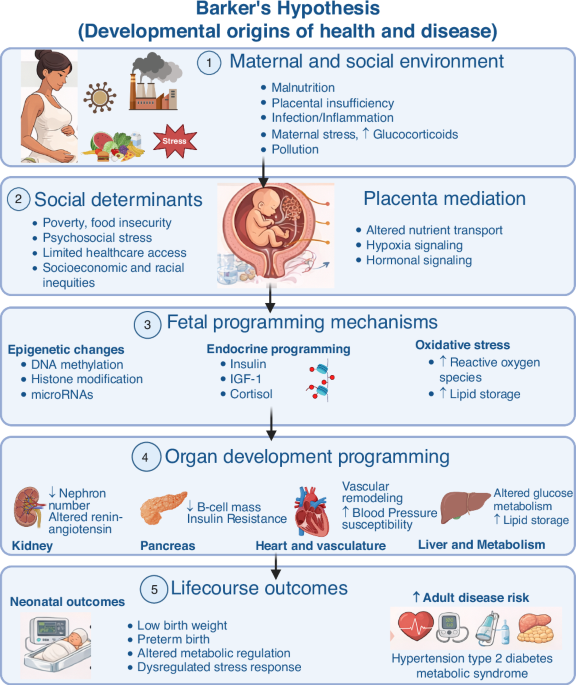
In line with this approach, the president of SESPAS, Manuel Herrera, recalled that “health does not begin in a hospital,” but “much earlier,” and pointed to the role of education, employment, housing, and the social and economic environment. Therefore, he highlighted that acting on the social determinants of health not only allows for disease prevention but also for reducing inequalities and improving the sustainability of the healthcare system.
Strengthening Primary Care and Equity
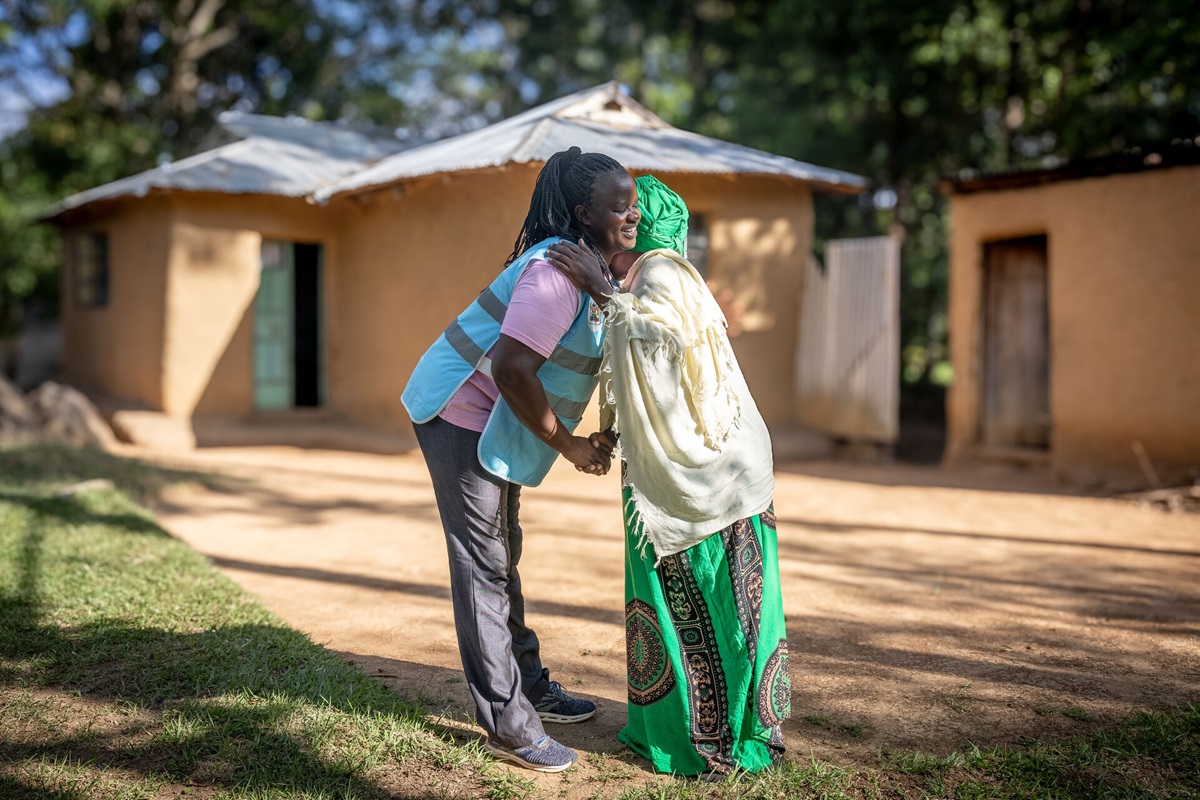
Among the key measures to complete and consolidate the universal healthcare system, the monograph points out the need to enhance Primary and Community Care to restore its central role, increase its resolution capacity, and strengthen continuity of care. Likewise, it proposes to better utilize the competencies of different professional profiles and bring promotion and prevention actions closer to homes, neighborhoods, and communities.
The document also calls for the principle of equity to guide health planning, resource allocation, research, and the evaluation of public policies. “Health inequalities are not inevitable; they are the result of social, economic, and environmental conditions that can and must be addressed,” insists Herrera.
SESPAS and its federated societies also agree on the urgency of deploying transversal public policies and regulatory frameworks that guarantee independent information, the protection of citizens’ rights, and closer cooperation between administrations, professionals, and communities to face health challenges.
The specialists do not propose replacing the healthcare model that emerged in 1986, but they do emphasize the importance of updating and adapting it to new realities, preserving the universality and solidarity that underpin it.
For SESPAS, this 40th anniversary of the law should serve to renew the political and social commitment to the right to health. As Manuel Herrera concludes, the future of the General Health Law “is not guaranteed by what it was, but by what it is capable of continuing to be,” because rights “are built, they develop, and if they are not cared for, they weaken.”