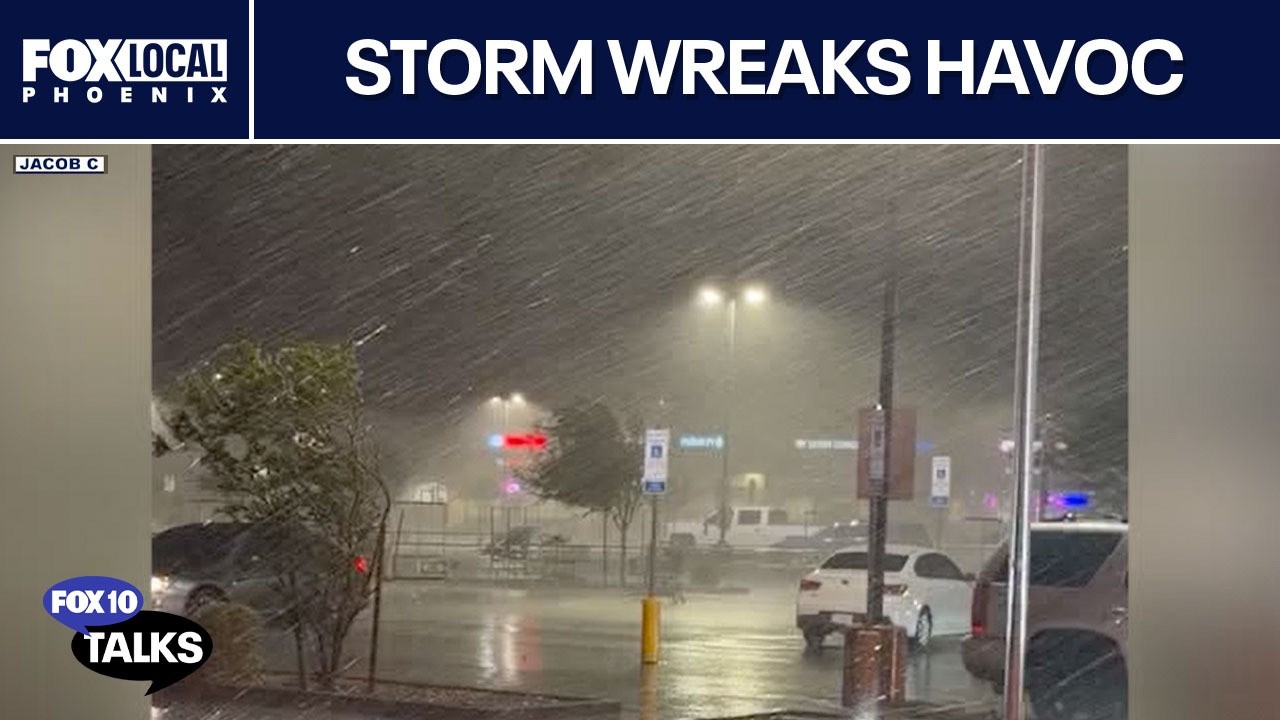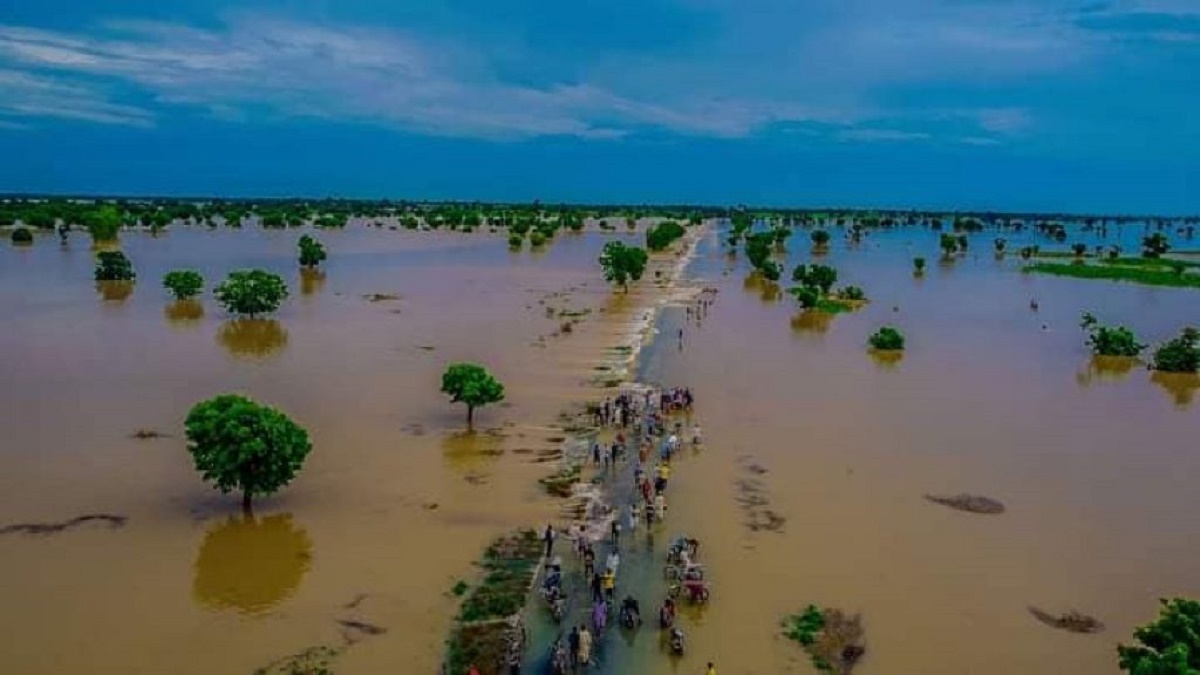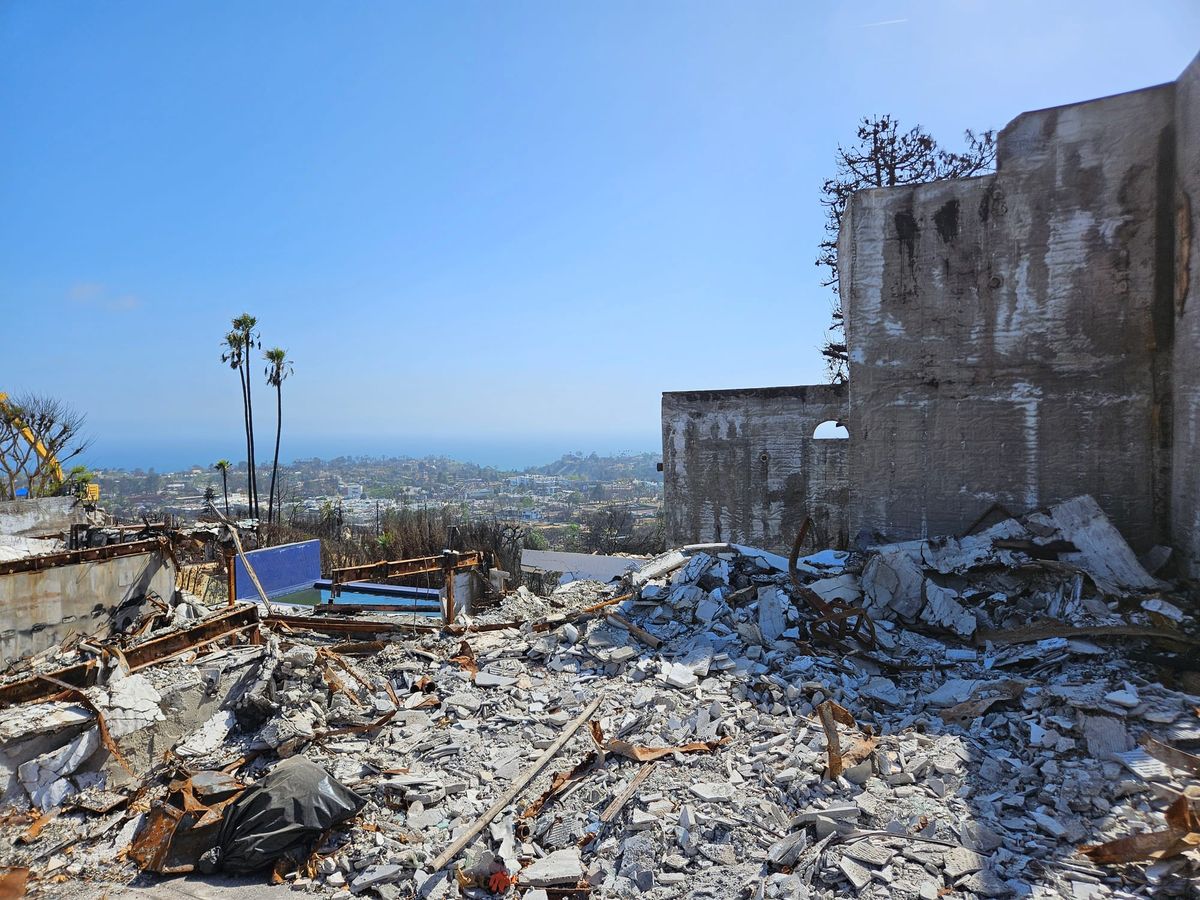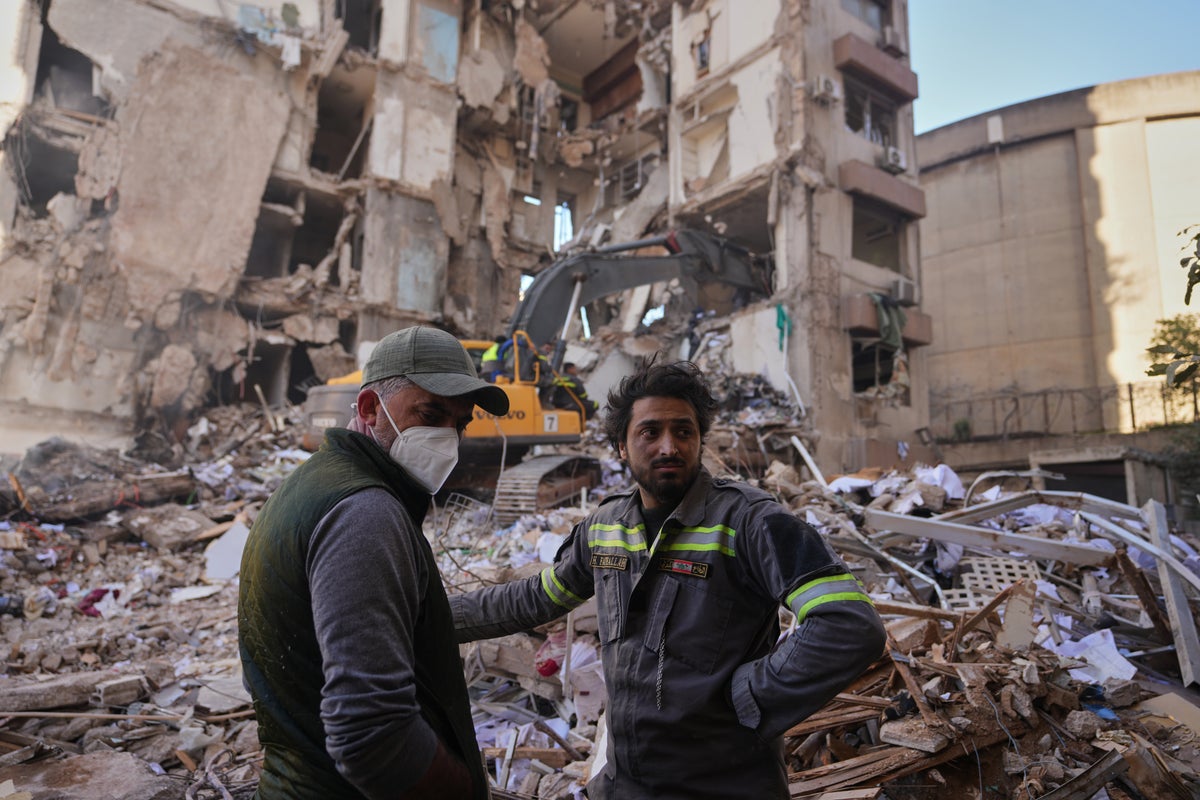
Millions of Americans across the Midwest are under threat from a significant severe weather outbreak today. Forecasters are warning of strong tornadoes, destructive winds, large hail, and flash flooding from the Plains through the Great Lakes. The National Weather Service’s Storm Prediction Center issued a Level 4 of 5 severe weather risk for areas within Illinois and Indiana.
GW experts are available to discuss the public health, disaster preparedness, infrastructure, housing, insurance, and climate-related implications of severe weather events. To schedule an interview, please contact GW Media Relations at [email protected].
Public Health
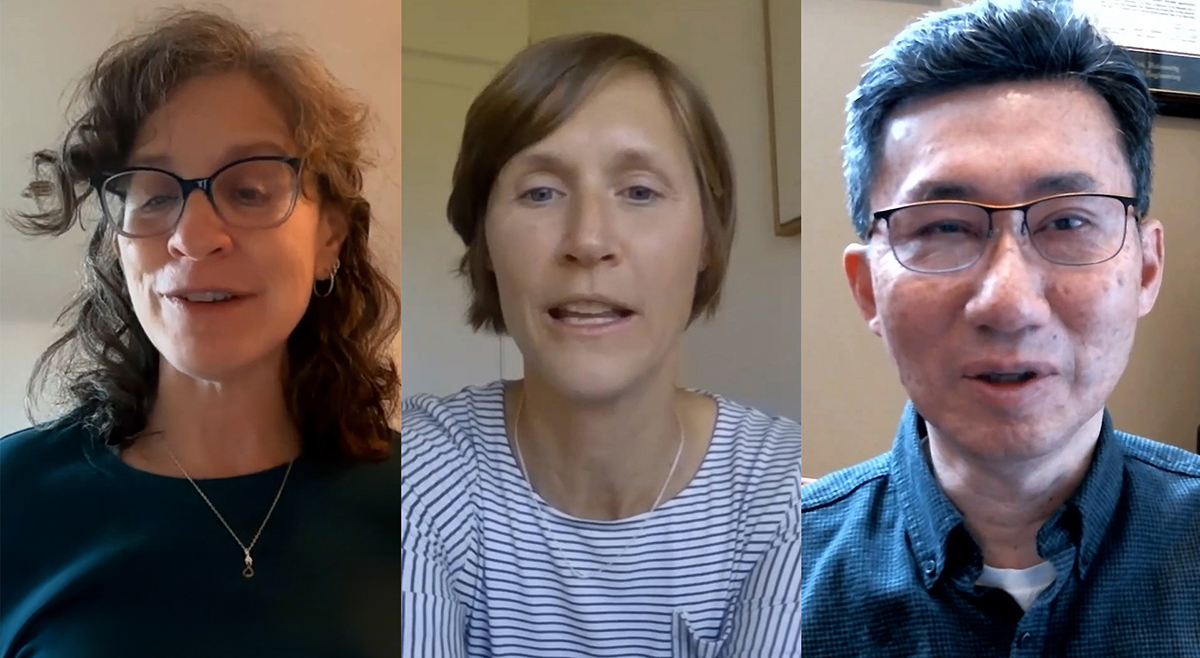
Susan Anenberg is director of the GW Climate & Health Institute and associate professor of environmental and occupational health. Her research focuses on the health impacts of climate change and air pollution. She can discuss the health consequences of extreme weather events, including injuries, displacement, air quality concerns, and the growing burden severe weather places on communities.
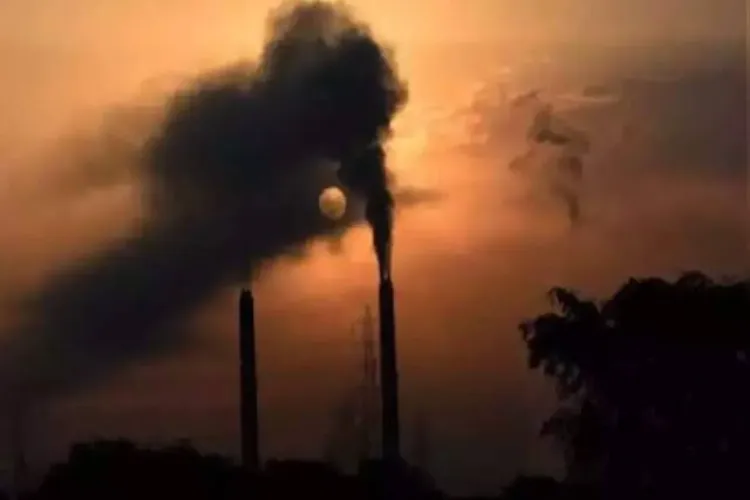
Gaige Kerr is a senior research scientist and professorial lecturer in the Department of Environmental and Occupational Health at the GW Milken Institute School of Public Health. His research examines air pollution, environmental exposures, and associated health disparities. He can discuss how severe storms affect air quality, vulnerable populations, and environmental health outcomes.
Carlos Santos-Burgoa is professor of global health and environmental and occupational health at the GW Milken Institute School of Public Health. His expertise includes disaster response, climate-related public health risks, and crisis management. He can speak about community preparedness, disaster recovery, and lessons learned from previous weather-related disasters.
Housing, Insurance & Natural Disasters
Stephen O’Connor, research professor of real estate at the GW School of Business and chair of the Center for Real Estate and Urban Analysis, studies housing markets, land use, and disaster resilience. He can discuss how repeated severe weather events are affecting insurance availability and costs, real estate development patterns, community resilience planning, and the economic impacts of climate-related disasters.
Disaster Management
Joseph Barbera, associate professor of engineering management and systems engineering, is a board-certified emergency physician with decades of experience developing emergency response systems and managing disaster response efforts. Through the GW Institute for Crisis, Disaster, and Risk Management, he studies disaster preparedness, response, recovery, and business continuity. He can discuss tornado preparedness, emergency management best practices, disaster response coordination, and recovery challenges facing affected communities.
-GW-