Addis Ababa University (AAU) has secured five new intellectual property rights for inventions developed by its Africa Centre of Excellence for Drug Research, Development and Therapeutics (CDT-Africa), strengthening efforts to commercialise research outputs and expand technology transfer.
The Ethiopian Intellectual Property Authority granted the rights, which include three patents and two utility models under Articles 14 and 42 of the Proclamation Concerning Innovation, Minor Inventions and Industrial Design No. 123/1995.
The newly protected innovations cover chemical, biotechnology and pharmaceutical processes with potential applications under the ONE HEALTH approach, which links human, animal and environmental health.
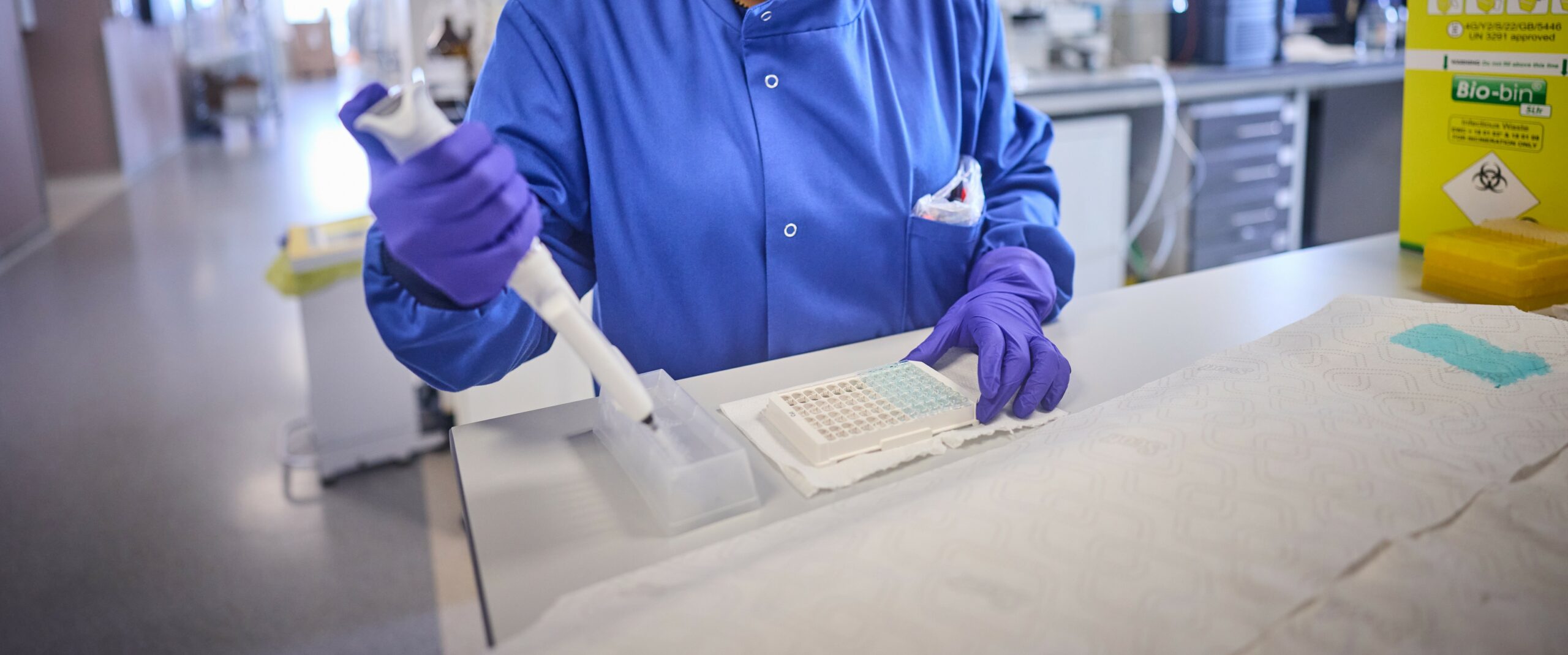
The registered inventions include methods for the synthesis and purification of phenyl carbamate, preparation of fermentation medium for dextran production, synthesis and purification of O-isopropoxyphenol, production of xanthan gum from Xanthomonas campestris CDT1 and CDT2, and a natural alcohol-based antiseptic hand gel composition and preparation method.
Solomon Kiros (PhD), Director for Innovation at AAU, said intellectual property certification creates opportunities for licensing agreements and partnerships with investors, supporting technology transfer and revenue generation for the university.
“Being certified in these products means being licensed, which leads to business contracting to investors,” Solomon said, adding that such activities could also improve the university’s global visibility and ranking.
He said revenue generated from commercialisation would be reinvested into expanding laboratory facilities and supporting further research activities.
According to Solomon, the newly registered innovations are products of research conducted by CDT-Africa departments over the past five years as part of recent institutional reforms aimed at strengthening innovation capacity.
AAU had already secured two additional intellectual property rights earlier in the academic year, while several other prototypes are undergoing registration processes.
The university said the new patents and utility models represent progress in converting academic research into protected technologies with potential applications in industry and public services.