Education experts are warning low literacy skills can be linked to poorer employment and health outcomes later in life, encouraging parents to address concerns early while keeping NAPLAN results in perspective.
Tanya Serry, a literacy and reading professor at La Trobe University, said while it could feel “very stressful” for parents whose child was not meeting expectations, a low score was not cause for alarm.
“I would encourage parents not to shy away from it, but not to be too alarmed because it is one snapshot in time,” Professor Serry said.
“If nothing else, it’s important to note that NAPLAN is not a diagnostic test, so where that dot lines up for a particular child doesn’t mean that’s exactly where the child is at and will stay at.”
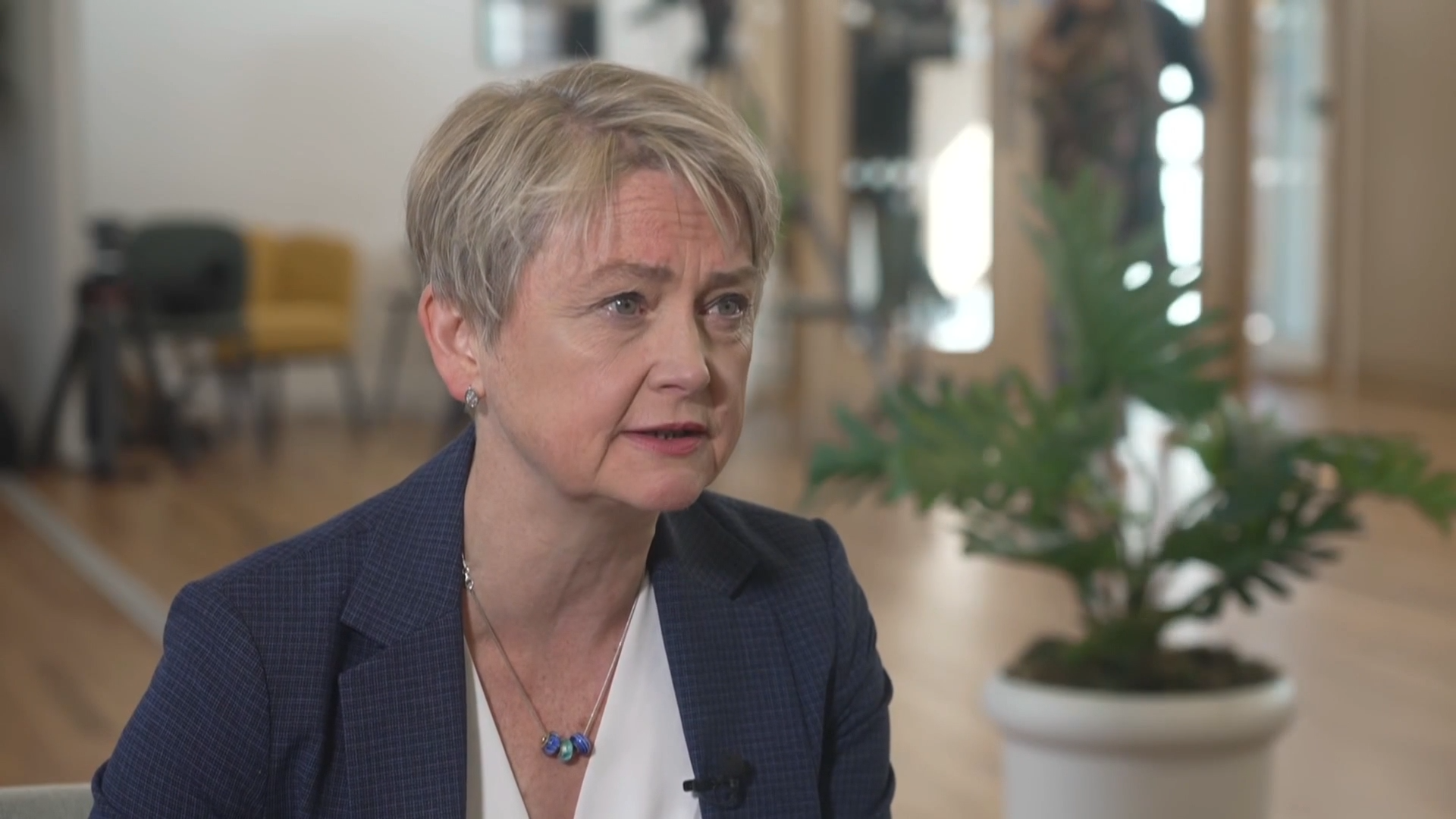
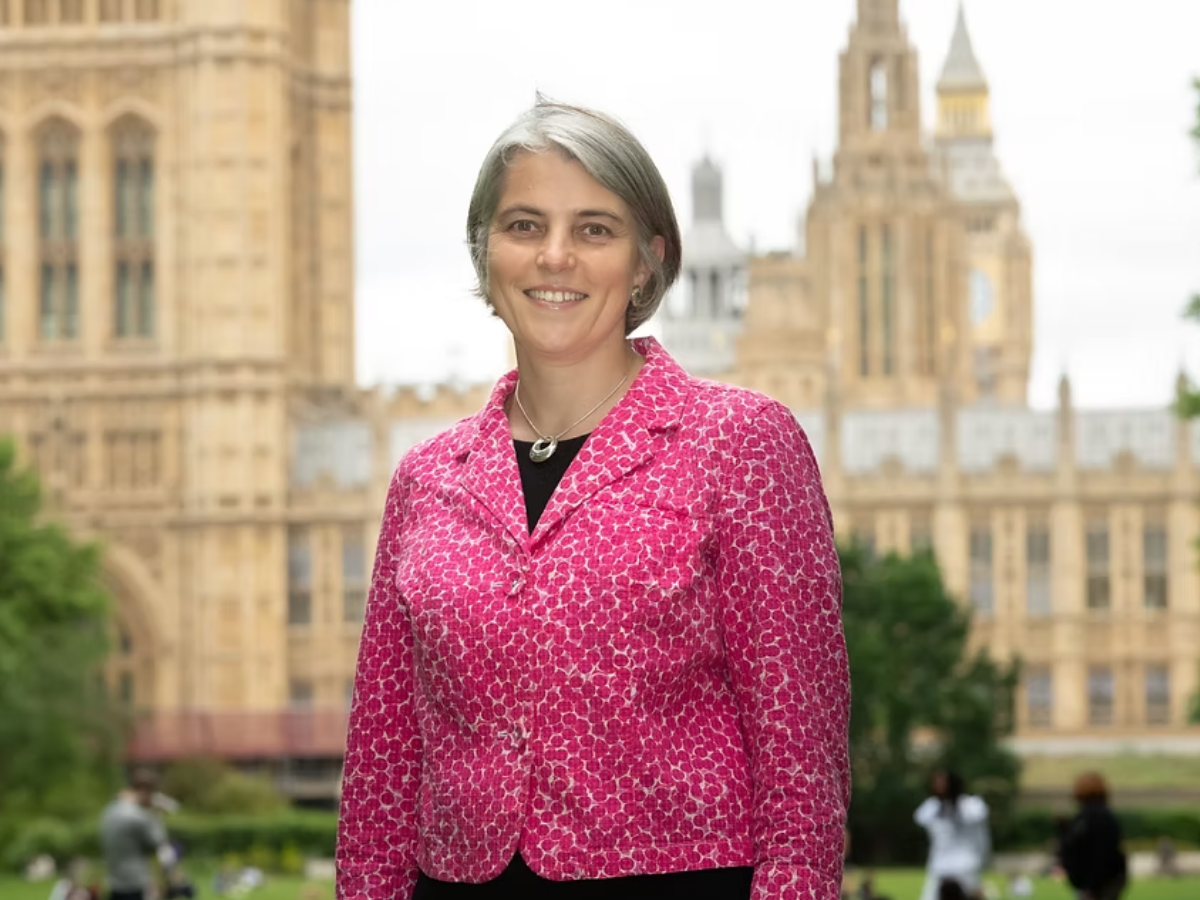
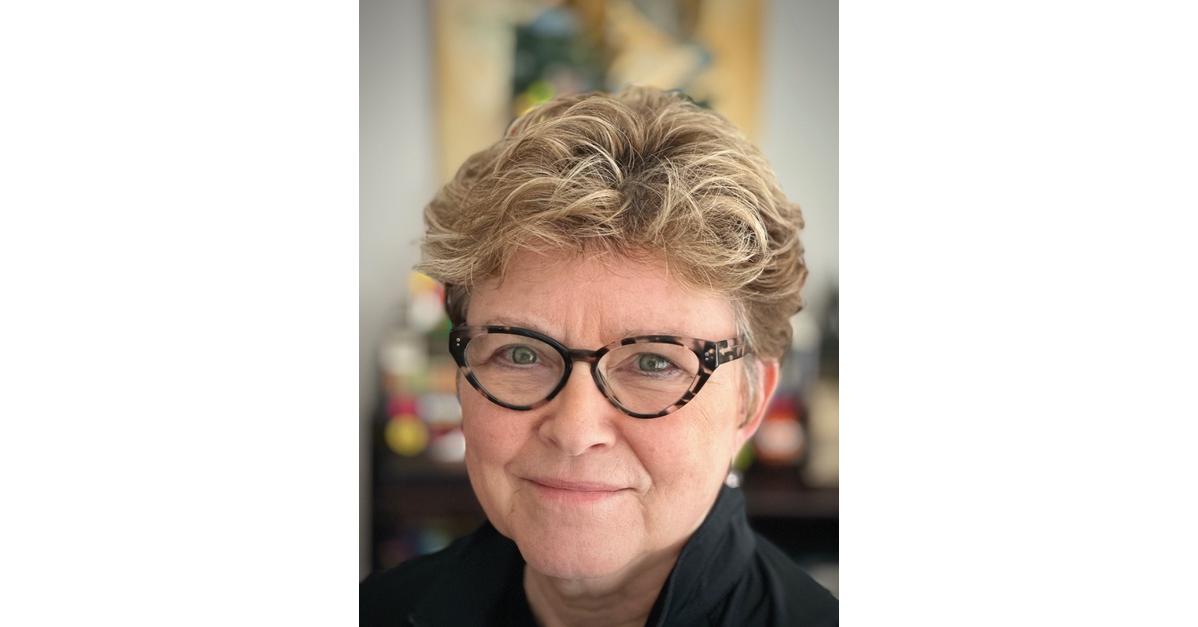
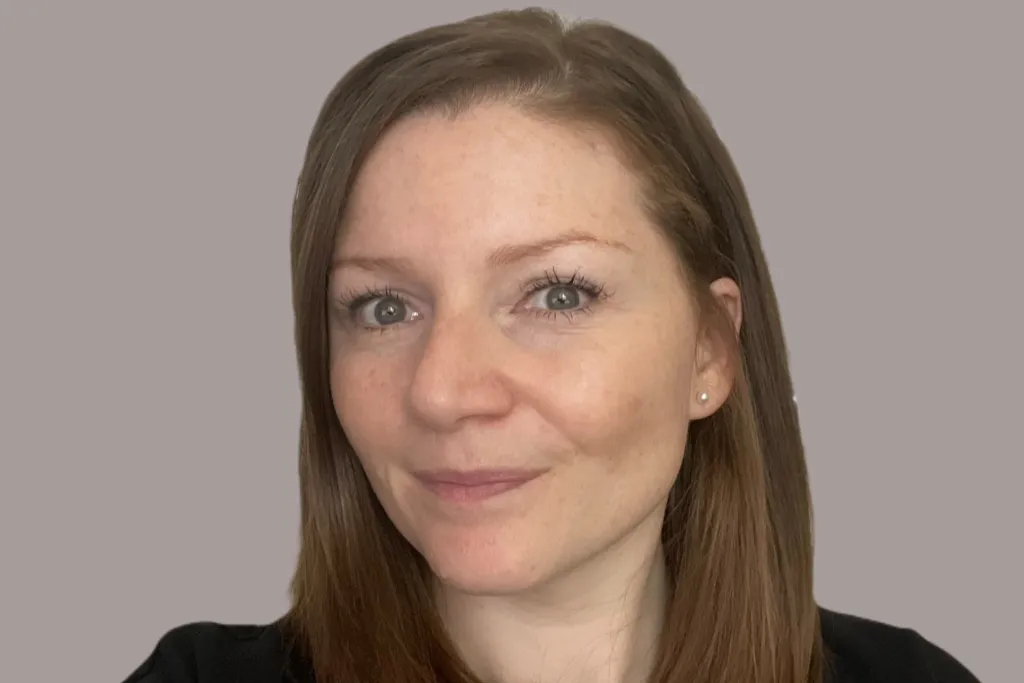
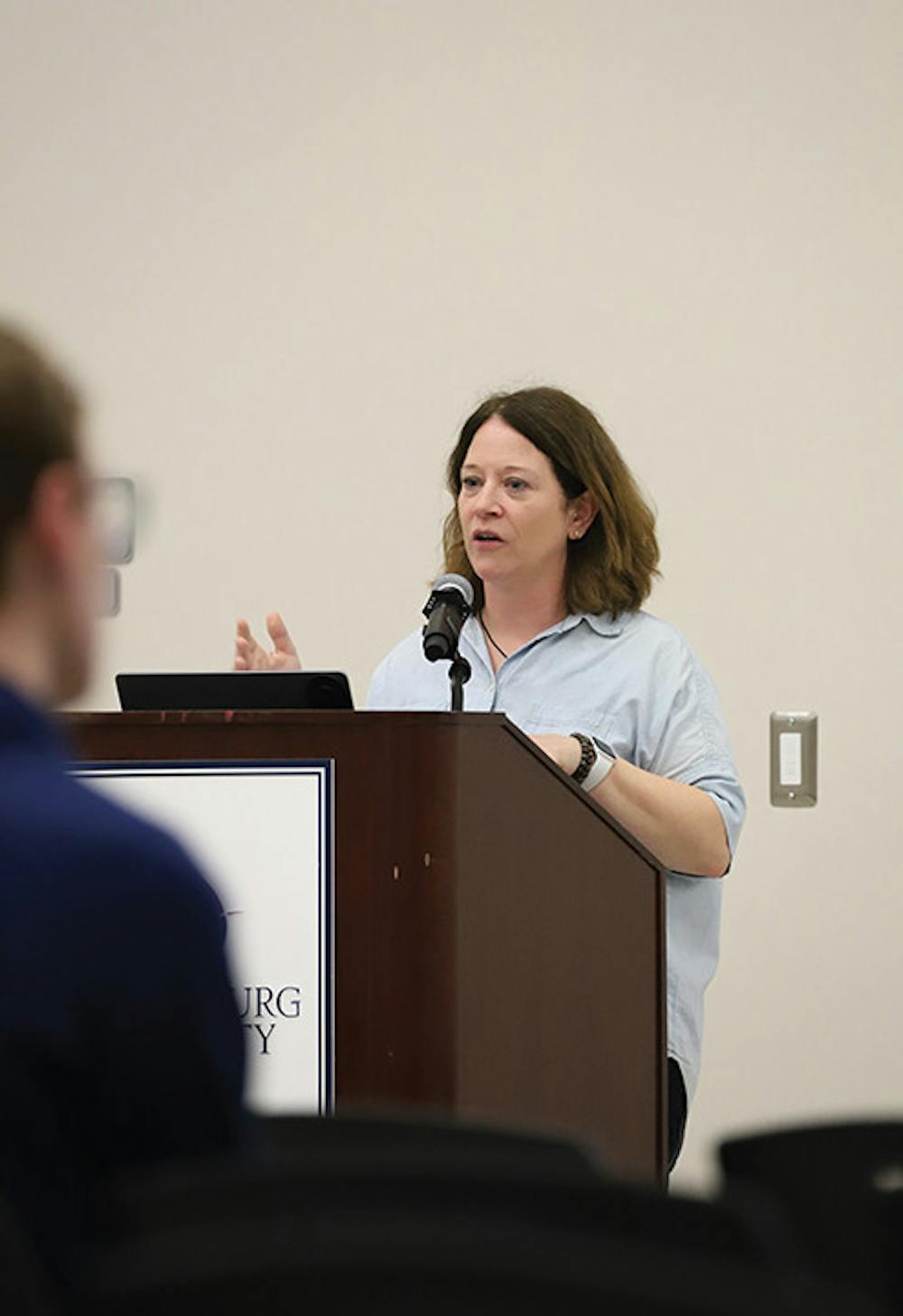
Tanya Serry parents worried about their child’s NAPLAN results should start by speaking to the school. (ABC News: Billy Draper)
However, academic and OECD research showed there was an “association” between low literacy skills and poorer employment and health outcomes later in life, if those skills were not addressed early.
“Literacy can be considered a gateway to academic success and then to a range of life opportunities,”
Professor Serry said.
“Low self-esteem is very common among students who have poor literacy skills. Sometimes these students will exit school early, and that has a range of consequences as well.”
She encouraged parents to have a conversation with their school to determine if the results matched up with what was happening elsewhere in the classroom.
“We know that many people who leave school not competent in literacy are underemployed or perhaps unemployed, so there are economic consequences,” Professor Serry said.
“We also have evidence to show there are negative consequences for health outcomes, both physical health and psychosocial wellbeing.”
But she cautioned this would not be the case for everyone.
Professor Serry said many school systems in Australia were changing teaching practices with positive results.
NAPLAN results the ‘cherry on top’ for school
Ardeer Primary School in Melbourne’s west is celebrating its best-ever NAPLAN results.
The school has seen huge improvements in reading, writing and numeracy levels across years 3 and 5, with more students rising in the “exceeding” and “strong” categories.
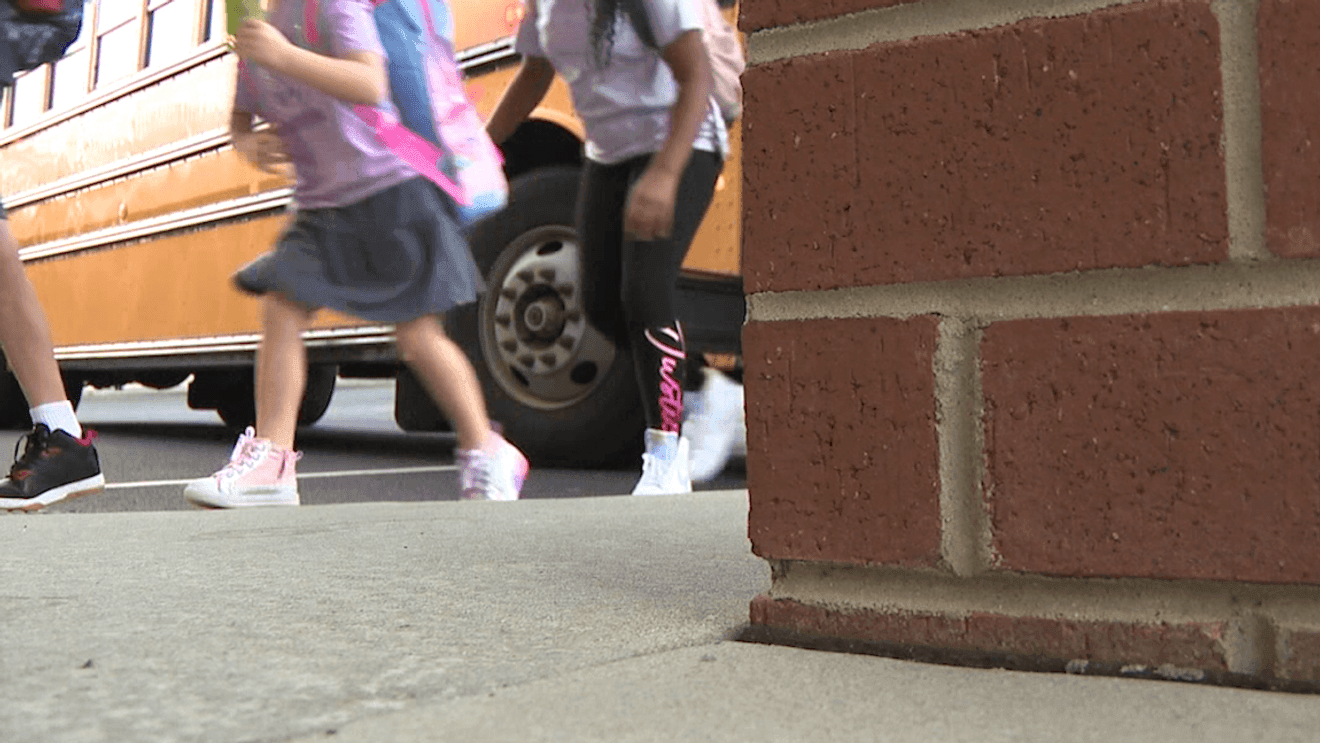
Students play during a break in learning at Ardeer Primary School in Melbourne’s western suburbs. (ABC News: Billy Draper)
According to government data, it is also outperforming comparable schools where the families have a similar demographic background.
Five years ago, the school adopted a model of classroom practice known as explicit teaching, which school systems across Australia are embracing.
“We show the students exactly what is required in their learning and communicate that through the learning intention and success criteria,” principal John Mifsud explained.
“Teachers, as the knowledgeable others and the experts in the classroom … then model what that success or that skill, that piece of knowledge, is required for the children to achieve.
Ardeer Primary School principal John Mifsud says the explicit teaching model helps students understand what is expected. (ABC News: Billy Draper)
“It works because … there’s no ambiguity as to what the students should be aiming to achieve throughout the course of that lesson.”
It contrasts with the previously popular, but now discredited, whole language model, which suggests learning to read is a natural and easy skill students can pick up by being exposed to literature.
Widescale evidence reviews in Australia, the USA and UK have found explicit instruction practices work better for a larger number of students, leading Education Minister Jason Clare to declare “the reading wars” are over.
Mr Mifsud said it had been a lot of work implementing the new teaching model across the curriculum.
But said it had paid off, with students more engaged, focused and attentive in class.
“There’s certainly day-to-day wins that we see across the school in changes of practice, the calm and orderly learning environment, student engagement, teacher capacity,” he said.
“So, there’s a lot to be proud of, and the cherry on top really is the NAPLAN results.“
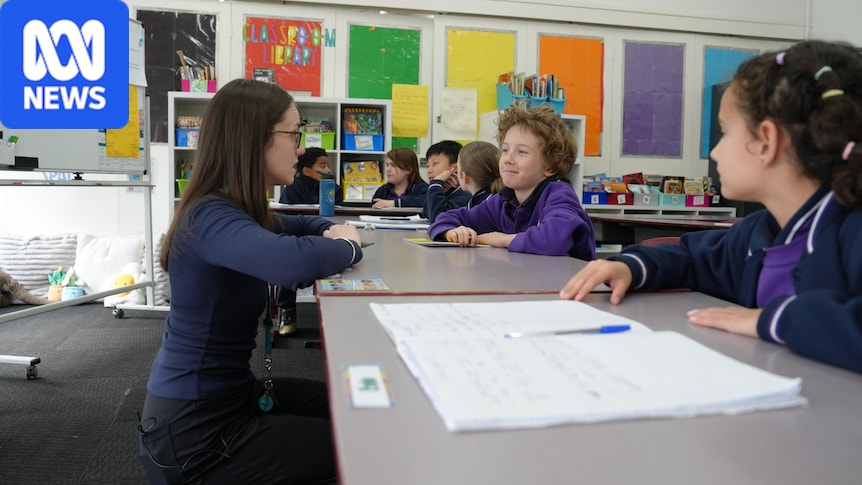
Teacher Annabelle Juhasz is in her second year at the school, having started there as a new graduate last year.
This style of explicit teaching is what she learned at university, and she believes it sets students up for success.
Annabelle Juhasz says she learned the explicit style of teaching at university. (ABC News: Billy Draper)
“We try to only teach what’s necessary. We don’t want to overload the students,” Ms Juhasz said.
“Each lesson is a small chunk of what they need to know, really broken down explicitly so that when it comes to working collaboratively and then independently, they’re set up for success.”
The model embraced at Ardeer Primary School five years ago was rolled out to every school in Victoria last year, and similar reforms were happening across the country.
“I think that seeing such great success, just in my second year of teaching and educating, I think it would be beneficial for all schools to implement,” Ms Juhasz said.
Annabelle Juhasz says she has seen great success in the approach already. (ABC News: Cath McAloon)
Tips for helping students with literacy in the home
Professor Serry also advocates for this teaching approach at La Trobe University’s SOLAR (Science of Language and Reading) Lab, which she co-founded five years ago.
She was thrilled to learn of Ardeer Primary School’s success.
“It’s wonderful news to look at their data. They’re performing above like schools or schools with a similar demographic profile,” Professor Serry said.
She said it could take between two and five years to implement those changes and have them bear fruit in results.
While parents wait for those changes to flow through at local schools, Professor Serry suggests they engage their children in conversation and reading at home to foster their love of language.
“My go-to is keeping homes as linguistically rich and engaging as possible, which just means lots of talk, lots of reading, reading to children, reading with children, encouraging a love of language,” she said.
“Because the foundation of being competent as a reader and a writer is in our oral language. The more that we can talk, build vocabulary, just engage in the wonderful richness of our language, [the better].”