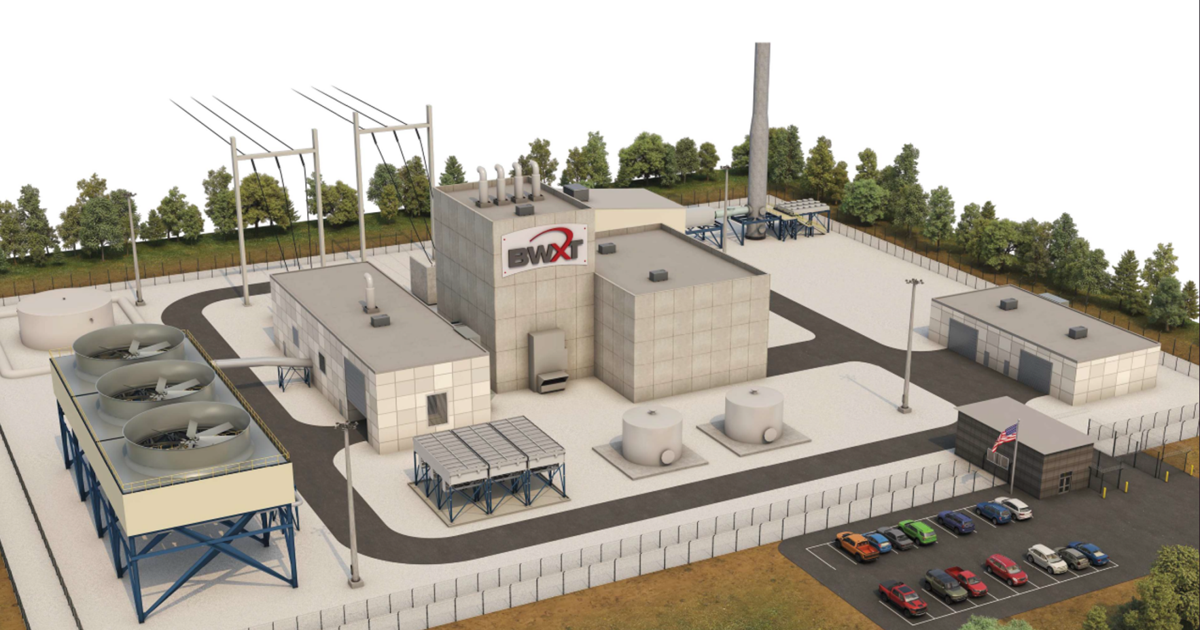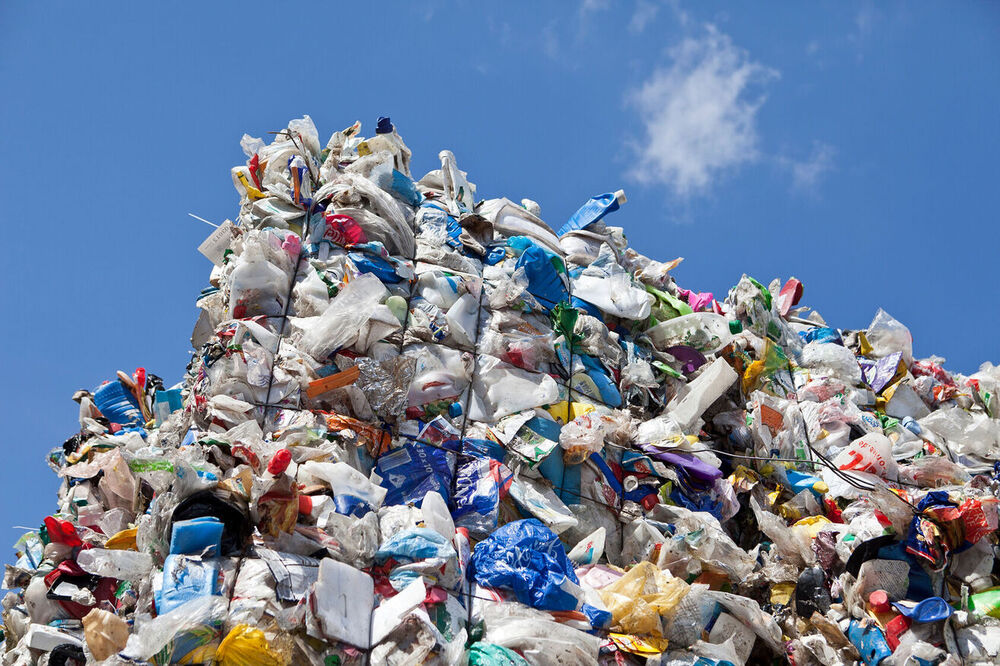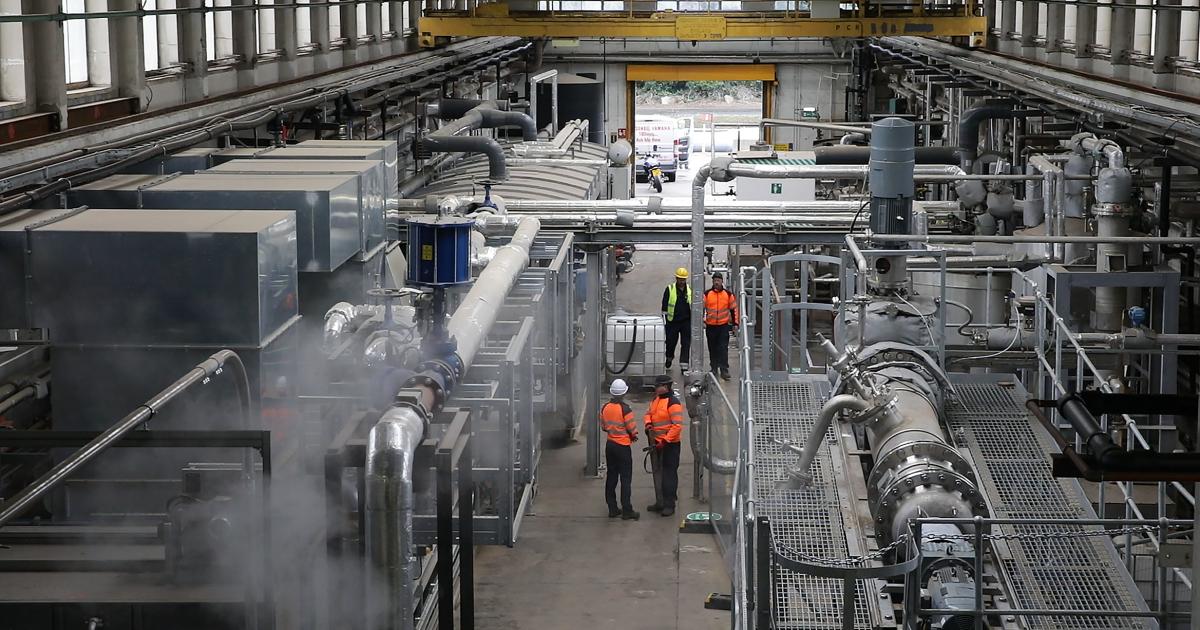
Nova Pangaea Technologies, based in Teesside, has developed a unique method to convert wood chips, sawdust and wheat straw into ethanol, which can then be upgraded to sustainable aviation fuel (SAF).
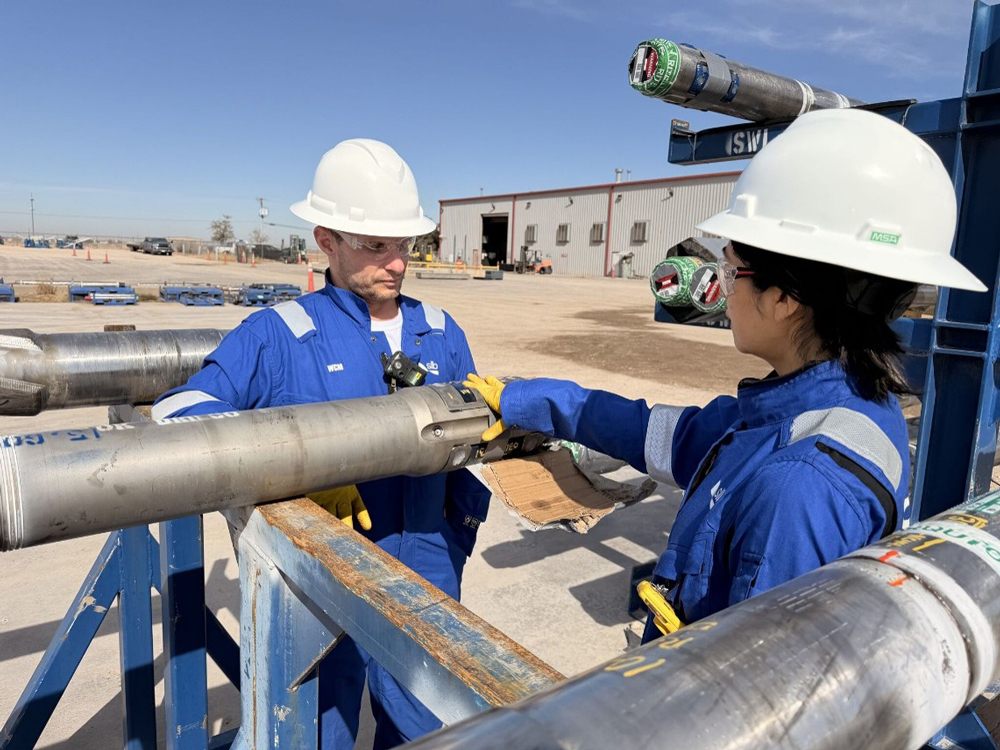
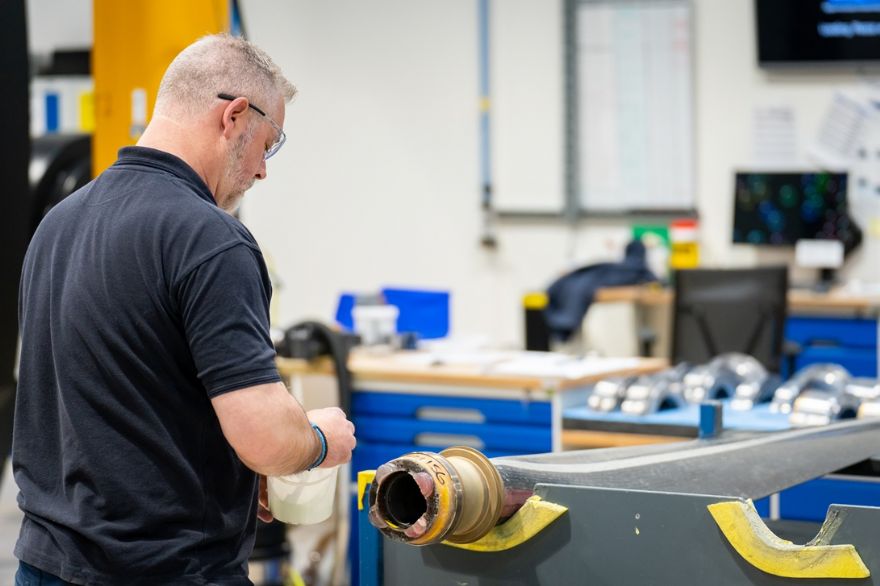
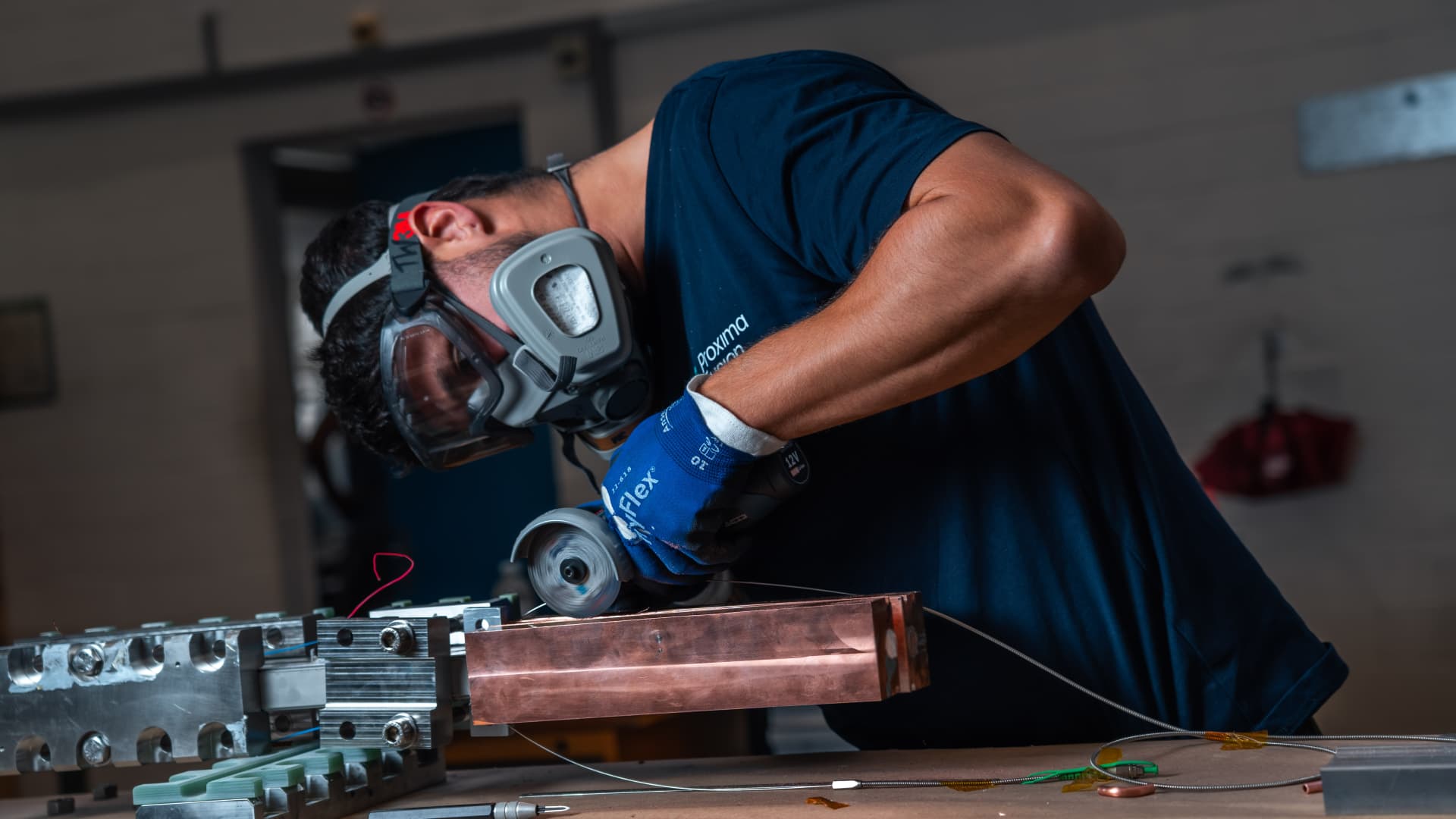
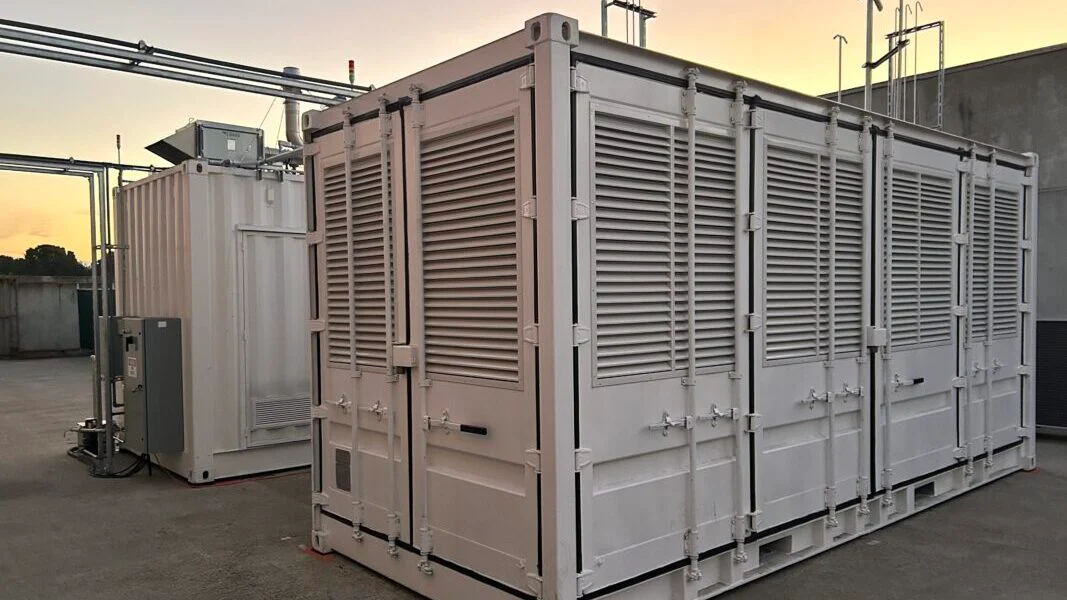
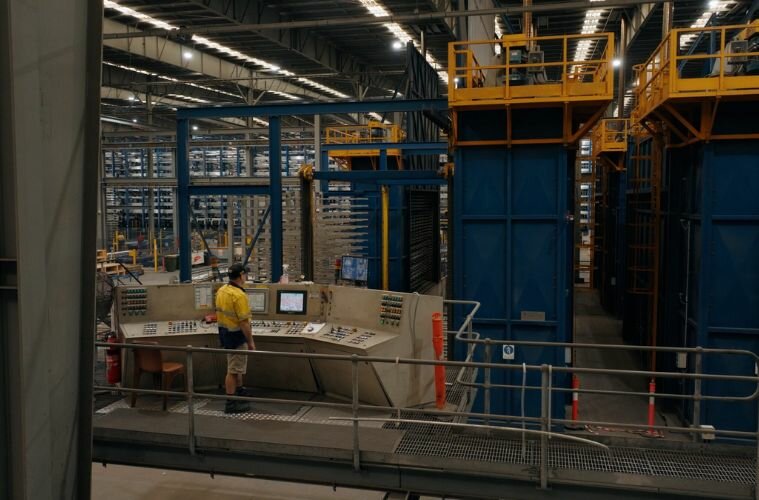
The latest endurance trials took place at the company’s demonstration plant at Wilton.

Stewart Stewart, CEO of Nova Pangaea, said: “The latest trials have validated our technology and should further underpin the confidence of investors on our journey towards building our first commercial plant.
“The SAF industry is currently at a critical point.
“Demand is increasing, and supply chain shocks such as in the Middle East show the need to find an alternative to fossil fuels, yet aviation is currently reliant on SAF from a single feedstock, which will not be enough to meet growing SAF demand.
“Nova Pangaea’s tried and tested technology offers a genuine alternative.
“By tapping into the plentiful supplies of waste biomass, we can boost SAF production – enhancing our energy security and building a new domestic industry that generates jobs and revenues while reducing fossil fuel emissions.”
The trials demonstrated continuous, stable operation for up to 72 hours, processing up to three tonnes of softwood residues per day and delivering above-target yields.
This marks a significant step forward for Nova Pangaea as it works towards building its first commercial-scale facility.
Nova Pangaea is collaborating with British Airways and LanzaJet on Project Speedbird, an initiative backed by the UK government to produce carbon-negative aviation fuel from local waste biomass.
Under Project Speedbird, the company plans to build four UK facilities to convert waste into bioethanol, which will then be upgraded to SAF.
Its REFNOVA process not only produces ethanol but also generates biochar, a valuable co-product that permanently stores carbon and makes the process carbon negative.
By relying on waste biomass, Nova Pangaea’s technology could help prevent future shortages of SAF.
Current UK and EU regulations require airlines to increase the proportion of SAF in their fuel mix, rising from 2 per cent to as much as 70 per cent by 2050.
Currently, almost all SAF is produced from used cooking oil, which is in limited supply.
According to the International Air Transport Association (IATA), available waste biomass in Europe could produce around 30 million tonnes of SAF by 2030 – enough to meet the continent’s 2050 SAF targets.
Nova Pangaea has raised more than £21 million from investors including International Airlines Group, PXN Ventures, Mercia Ventures and the first Northern Powerhouse Investment Fund, alongside UK government grants through the Advanced Fuels Fund competition.
Early-stage trials conducted in 2025 proved the viability of the process beyond the lab, and additional trials are planned to refine the design of the first commercial plant.