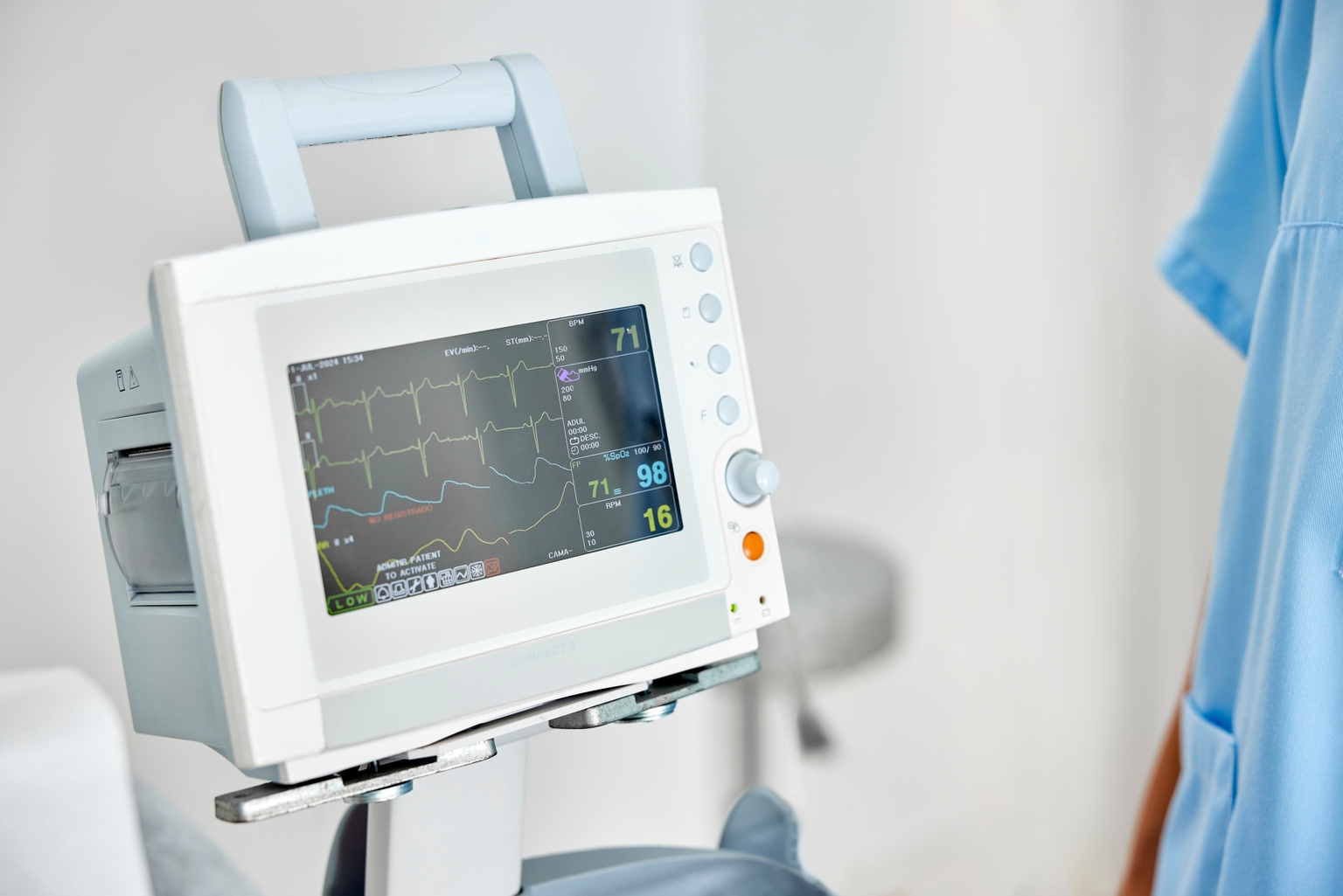
Finnish medical technology company Bittium has launched a new ambulatory electrocardiogram device designed for long-term heart-rhythm monitoring, allowing continuous ECG recording for periods ranging from 24 hours to 30 days. The Faros Pro, paired with the single-use EasyFlex electrode patch, is designed to help clinicians identify intermittent arrhythmias that may not appear during shorter examinations.
Bittium Corporation introduced the Bittium Faros Pro™ on August 27, describing it as a major addition to its ambulatory ECG portfolio outside the United States and part of an effort to renew its medical-device product range and expand its international ECG business.
The device is designed for patients who need extended ECG monitoring while continuing their normal daily activities. According to Bittium, Faros Pro can continuously record ECG data for monitoring periods of 24 hours to 30 days.
The company says the device can provide up to 21 days of recording on a single charge, depending on the settings used.
Longer ECG monitoring can capture intermittent arrhythmias
A central purpose of prolonged ambulatory ECG monitoring is to capture heart-rhythm abnormalities that occur intermittently.
A patient may experience symptoms such as palpitations or an irregular heartbeat only occasionally. A short ECG examination can therefore fail to capture the event. Extending the monitoring period increases the opportunity to record an abnormal rhythm when it occurs.
Bittium says Faros Pro is designed to produce high-quality ECG signals while patients go about their daily lives. The company argues that longer recording periods, combined with reliable signal quality, can provide healthcare professionals with more information when evaluating possible arrhythmias.
The new system consists of the Faros Pro ECG recorder and Bittium EasyFlex™, a single-use, one-lead electrode patch intended for ambulatory ECG monitoring.
Bittium builds on more than 600,000 Faros devices
The launch builds on Bittium’s existing Faros product line and its experience in physiological signal measurement and medical technology.
The company says more than 600,000 Faros devices have been delivered to customers in more than 40 countries.
Bittium also says Faros devices have been used as the gold standard in clinical studies comparing heart-rate measurement accuracy.
For the company, Faros Pro represents both a new product and an expansion of its position in international long-term ECG monitoring markets.
“This is an important launch for Bittium Medical,” Niina Huikuri, Bittium’s senior vice president of the Medical Business Segment, said in the release.
Huikuri said the company is combining its experience in biosignal measurement with devices designed with patient usability in mind.
“Longer recordings provide more opportunities to detect arrhythmias that may otherwise be missed in shorter examinations,” she said.
What is ambulatory ECG monitoring?
Ambulatory ECG monitoring records the heart’s electrical activity while a person moves through normal daily routines rather than remaining in a clinical setting.
The approach is particularly useful when a suspected rhythm disorder is not occurring continuously. Depending on the clinical question and expected frequency of symptoms, monitoring can last from hours to several weeks.
Longer monitoring does not mean that every patient requires a 30-day recording. The appropriate monitoring period depends on the patient’s symptoms, suspected condition and clinical assessment.
Bittium’s Faros Pro is designed to support monitoring periods of up to 30 days, while its stated battery performance allows up to 21 days of recording on a single charge under specified settings.
Earlier detection may support earlier treatment
Arrhythmias can range from relatively benign rhythm abnormalities to conditions associated with serious health risks.
One of the most clinically important examples is atrial fibrillation, an irregular heart rhythm that can increase the risk of stroke. Because atrial fibrillation can be intermittent, extended ECG monitoring can play an important role in identifying episodes that might otherwise go undetected.
Bittium says earlier detection of arrhythmias can help healthcare professionals initiate appropriate care sooner and potentially reduce the risk of complications, including stroke.
The company does not claim that Faros Pro itself prevents stroke or treats an arrhythmia. Rather, its role is to provide ECG data that healthcare professionals can use as part of the diagnostic and monitoring process.
A new phase for Bittium’s ECG business
Faros Pro is being introduced as Bittium continues to develop its international ECG business.
The company said the launch is an important step in renewing its product portfolio and strengthening its offering in long-term ECG recording markets outside the United States.
Huikuri said Bittium intends to continue developing ECG technology as part of its broader strategy.
The Faros Pro launch therefore puts the emphasis on a familiar challenge in cardiac monitoring: capturing the right physiological signal at the moment an intermittent abnormality occurs. By extending the monitoring window while allowing patients to maintain their everyday routines, the company is targeting a key limitation of shorter ECG examinations.
Bittium Faros Pro at a glance
| Feature | Bittium’s stated specification |
|---|---|
| Recording period | 24 hours to 30 days |
| Recording on one charge | Up to 21 days, depending on settings |
| Electrode | EasyFlex single-use, one-lead patch |
Medical disclaimer: This article is for informational purposes only and is not medical advice. ECG monitoring devices should be used under the guidance of a qualified healthcare professional. Individual monitoring needs and treatment decisions should be determined by a healthcare professional based on the patient’s medical history and clinical circumstances.