Time-bin multiplexing reduces physical resource requirements and control complexity
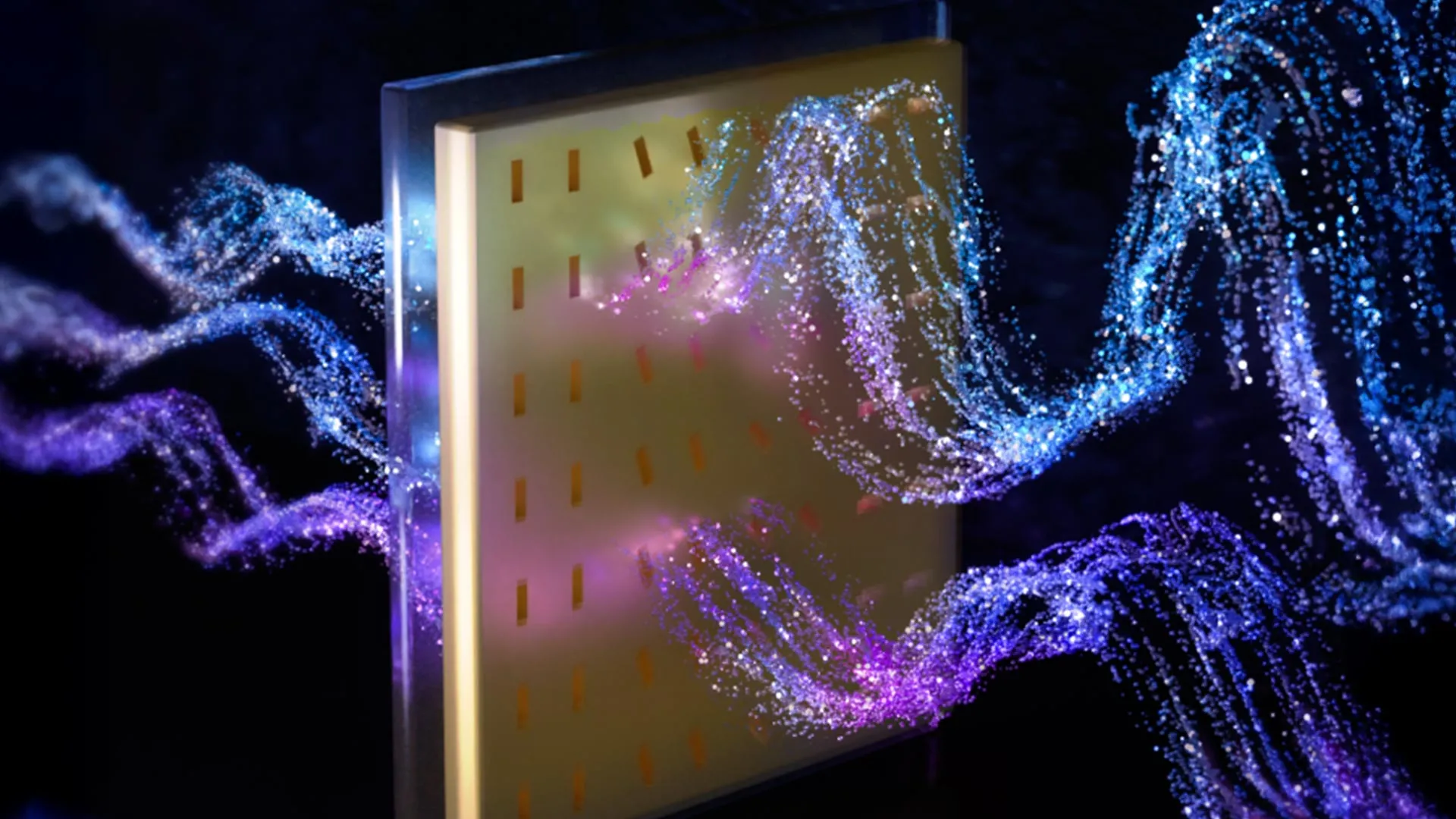
Quantum entanglement, whereby particles become inextricably linked regardless of their locations, is central to quantum communication, computing, and metrology. There are now several techniques to generate nonlocal entanglement — and the recent development of quantum multiplexing, which encodes multiple qubits onto a single photon, is helping to streamline the efficiency of entanglement.
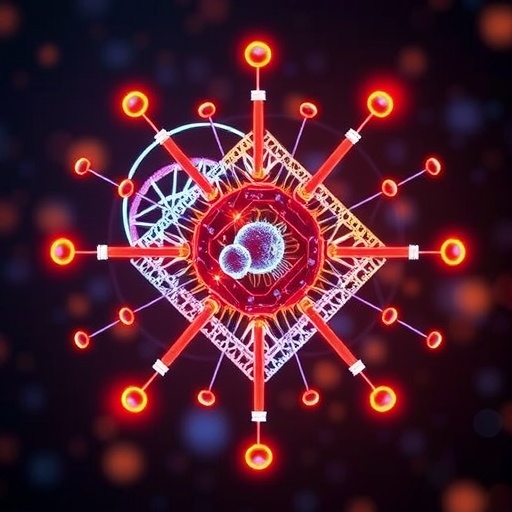
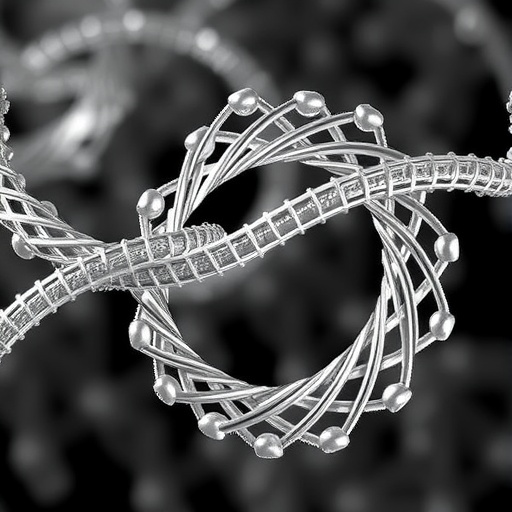
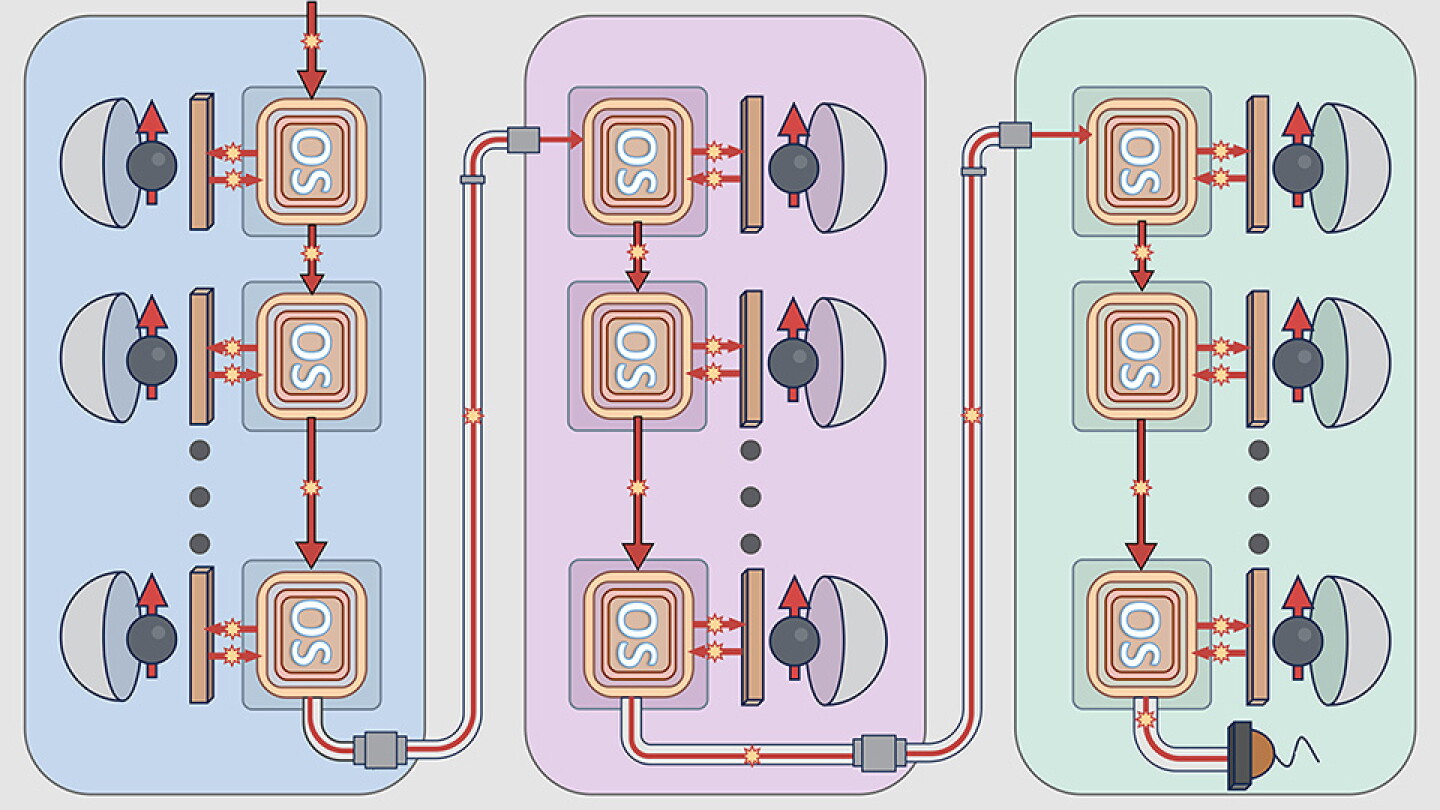
Adding to the momentum, Zhang et al. proposed a method for generating multiple entangled states across distant quantum nodes using a single photon. Traditionally, generating multiple entangled states requires a linear increase in resources, but the researchers employed a concept known as time-bin encoding to encode multiple “instructions” into different time slots of the same photon.
“We show that a single photon can be used as a parallel resource to entangle many distant quantum nodes simultaneously,” said author Tao Li. “Additionally, by encoding operations into different time-bins of the same photon, we allow the quantum network to scale without a corresponding increase in photonic complexity.”
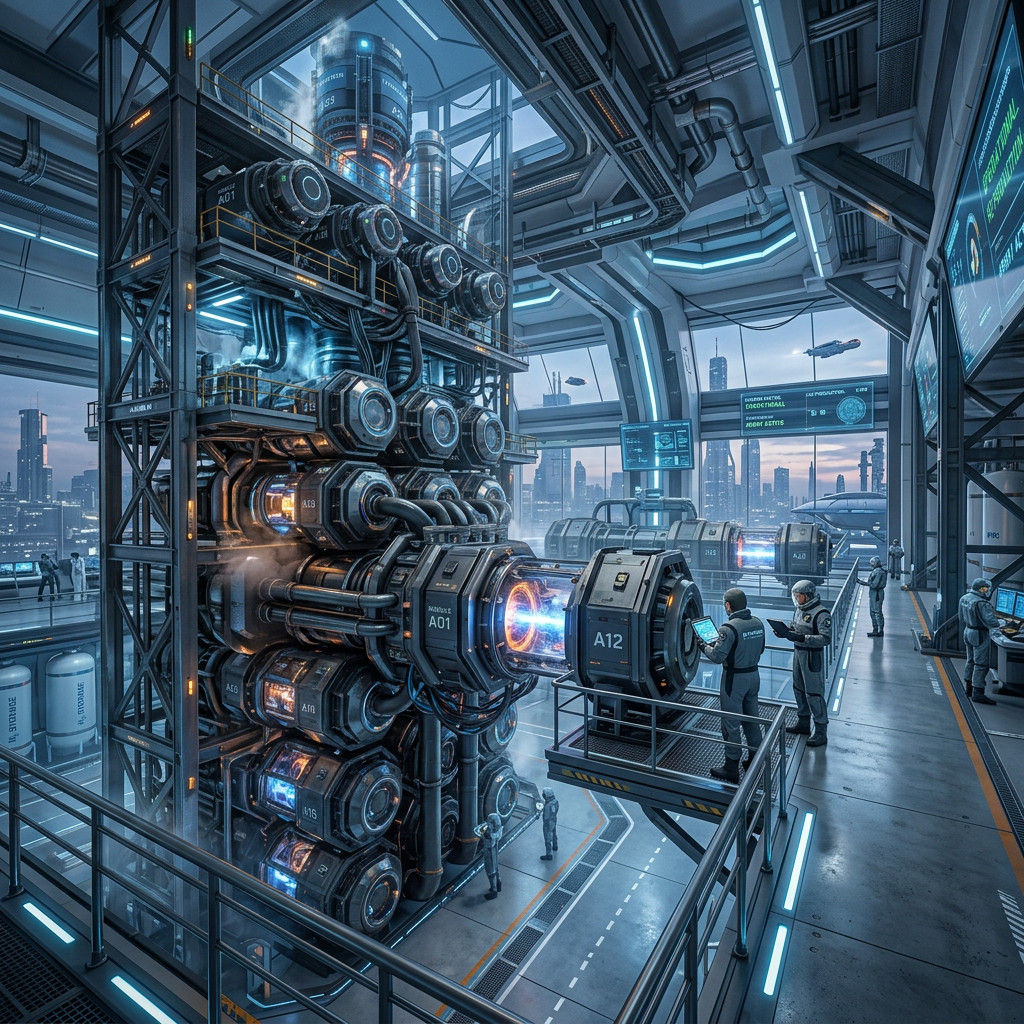
The study demonstrates how the photon propagates through the network, interacting with stationary quantum systems — such as atoms or solid-state emitters — in a highly controlled manner. This mechanism allows for the creation of multiple entangled states in parallel rather than sequentially, which enhances efficiency as the required photonic complexity depends solely on the desired number of entangled states, regardless of the number of nodes in the network.
“This approach addresses major bottlenecks in large-scale quantum networking by reducing both physical resource requirements and experimental control complexity,” said Li. “This protocol bridges the gap between current experimental capabilities and large-scale implementations and represents a highly scalable and practical candidate for future quantum infrastructure.”
Source: “Resource-efficient parallel entanglement generation for multinode quantum networks via time-bin multiplexing,” by Wenbo Zhang, Jing Zheng, Yimin Wang, and Tao Li, Applied Physics Letters (2026). The article can be accessed at https://doi.org/10.1063/5.0336696 .