
Listen to this article
Estimated 4 minutes
The audio version of this article is generated by AI-based technology. Mispronunciations can occur. We are working with our partners to continually review and improve the results.
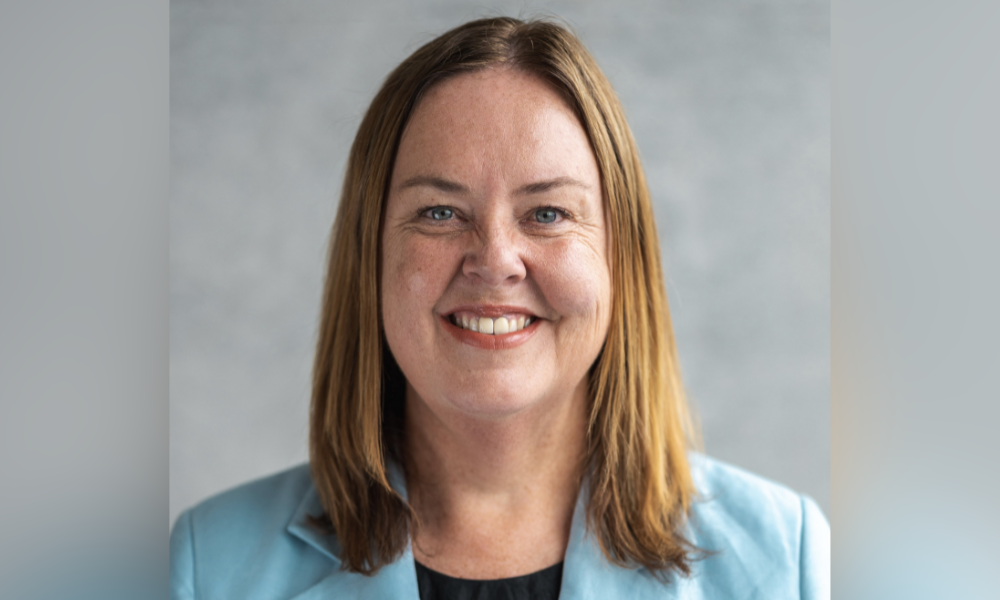
Mary-Ann Thurber says she lost more than 80 pounds on a prescribed weight-loss medication but was hesitant to go under the knife to help keep the pounds from creeping back.
The 65-year-old from Edmonton also did not want to be on the medication forever, so she decided to try a new procedure offered at the Royal Alexandra Hospital that would reduce the size of her stomach without undergoing extensive surgery.
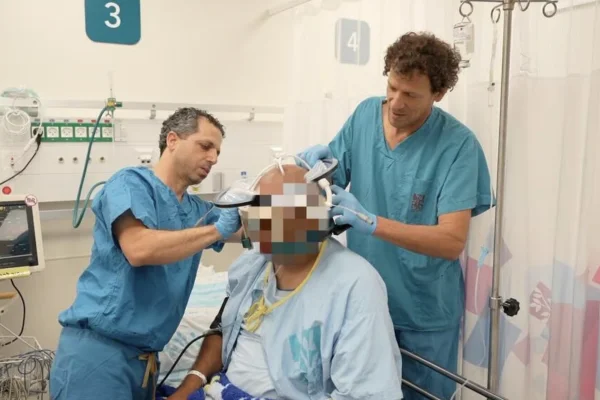
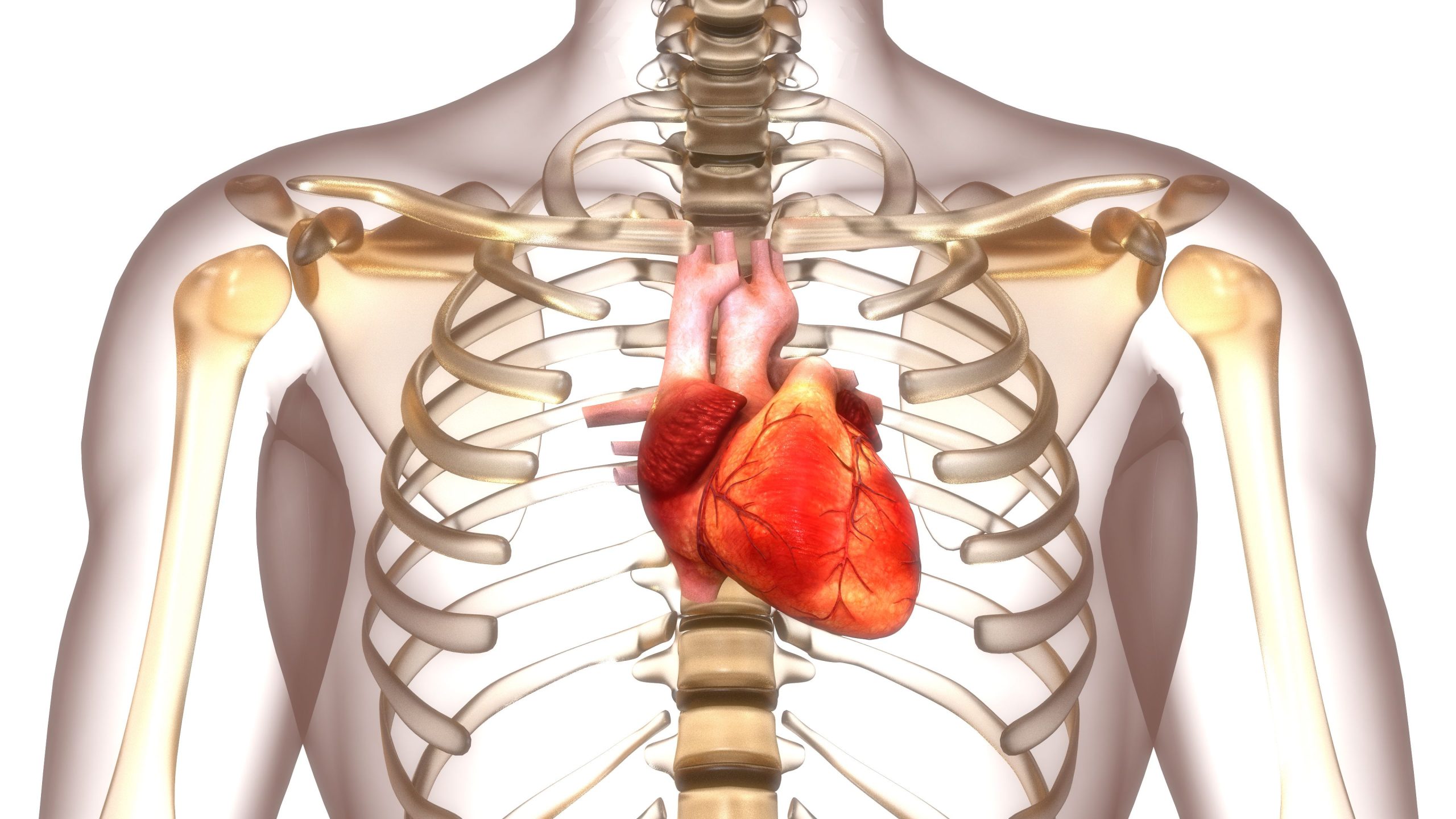
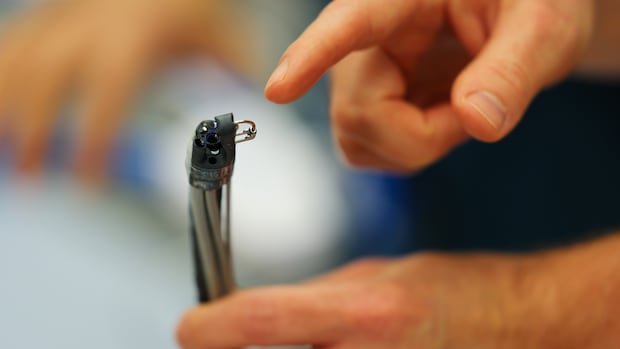
In February, Thurber underwent an endoscopic sleeve gastroplasty, where a surgical team at the hospital inserted a thin flexible tube with a camera down her throat and into her stomach.
Tiny tools are then used inside the tube to stitch up the stomach to reduce its size. It’s performed under general anesthesia.
The procedure typically takes about an hour and a half and is covered by Alberta Health Services with a referral to the Edmonton hospital’s bariatric surgery clinic.
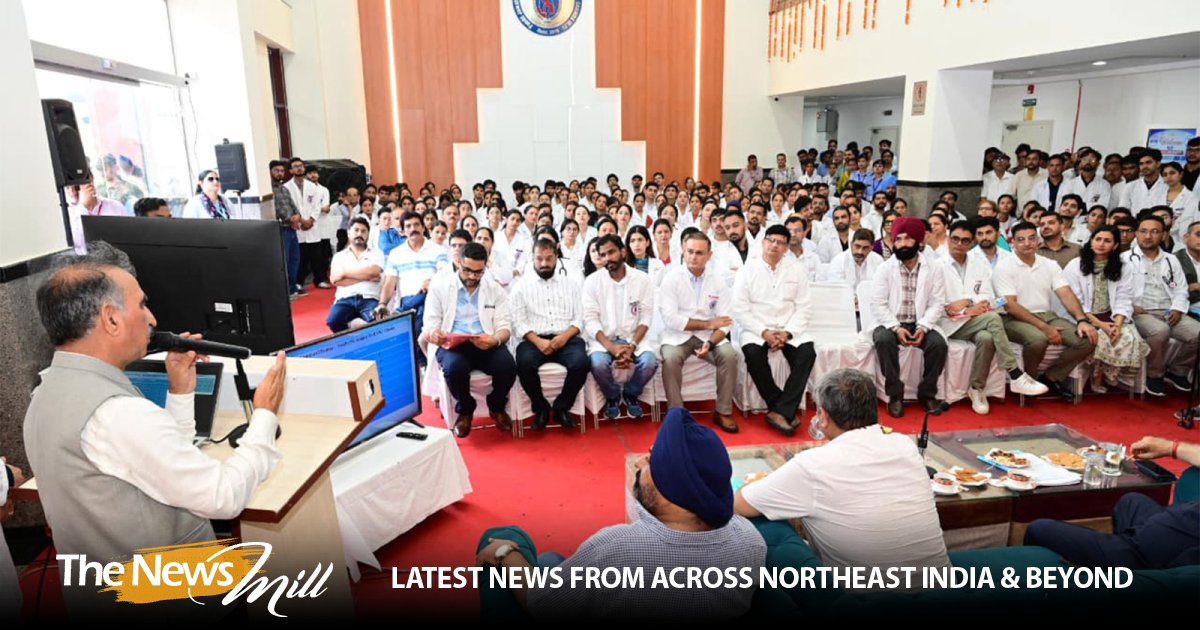
“I feel a lot more active, walking all the time when I never used to,” Thurber said Wednesday at a news conference held at the hospital.
“I feel better being out amongst people, which is an odd thing to say, but when you are very heavy, you always think people are looking at you.”
Thurber said she lost a total of 95 pounds by using Wegovy and then doing the procedure.
She said recovery took a few days and then she was ready to go back to work.
“It’s a major battle to try to keep weight off, and so anything that can help with that is huge.”
The Royal Alexandra Hospital is one of the first in Canada to use the medical technology and so far 10 such procedures have been done there since December.
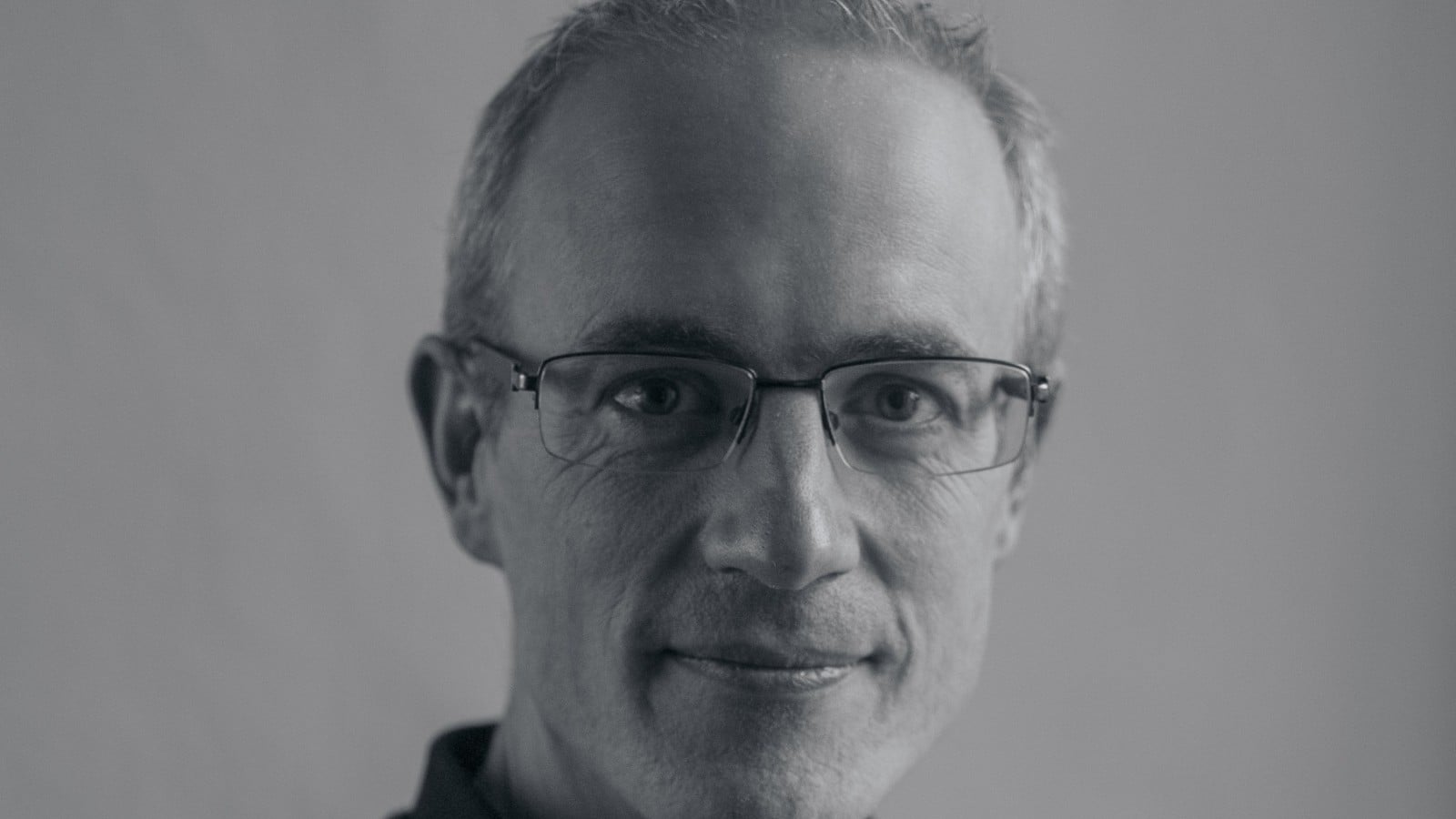
Dr. Noah Switzer, a bariatric surgeon at the hospital, said the procedure has “really changed the game” in the field.
“The future of bariatric surgery is incision-less,” he said Wednesday. “With this, patients have no pain because it’s all on the inside, so they can come in the morning and leave the same day with no incisions and they’ve had bariatric surgery, which is incredible.”

Switzer said the new procedure is ideal for patients who have done well with prescribed anti-obesity medications such as Ozempic, Wegovy and Mounjaro, but don’t want to be on them long term.
The procedure is complementary as it helps keep the weight off when patients no longer want to use medication, he said.
However, he said, surgeries such as gastric bypasses are better for those who want to lose more than 15 per cent of their body weight.
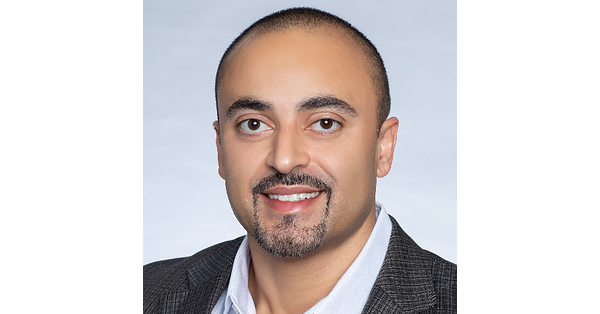
Dr. Kirles Bishay, a gastroenterologist at the Royal Alexandra Hospital, said it is one of the first facilities in Canada to have access to the medical device used for the procedure.
“We were both independently looking at this technology,” he said, adding that they then decided to combine their expertise.
“We bring two different perspectives and are very much able to work together to make sure we have optimal patient outcomes, and thus far everything has been going very well.”

Switzer said the cost saving can be significant to patients, who can spend about $200 a month on anti-obesity medications.
The health-care system can also benefit, he said, as bariatric procedures are estimated to save about $10,000 a year per patient.
“The patient can lose up to 10 to 15 per cent of their total body weight,” he said.
“That’s when you start losing some of those co-morbidities that eventually build up and catch up with you — diabetes, high blood pressure, high cholesterol and fatty liver.”

As for Thurber, she said the procedure was ideal because she didn’t have to wait long for it.
She noted that patients often have to wait years before undergoing more conventional weight-loss surgeries.
Thurber said she now wants to travel more and doesn’t have to worry about seatbelts on the plane being too tight.
“I do feel like a new kind of life has opened up for me.”