Harnessing nature’s power for innovation
In collaboration with the University of Cambridge‘s Department of Biochemistry, bio-designer Lucia Giron is revolutionizing battery technology with algae-powered “biocells.” These prototypes use photosynthesis to generate electricity, positioning them as formidable contenders against traditional disposable batteries.
For insights into how sustainable design is transforming the world, explore GoBean’s coffee ground sleeves, promising a revolution in sustainability.

The science behind the innovation
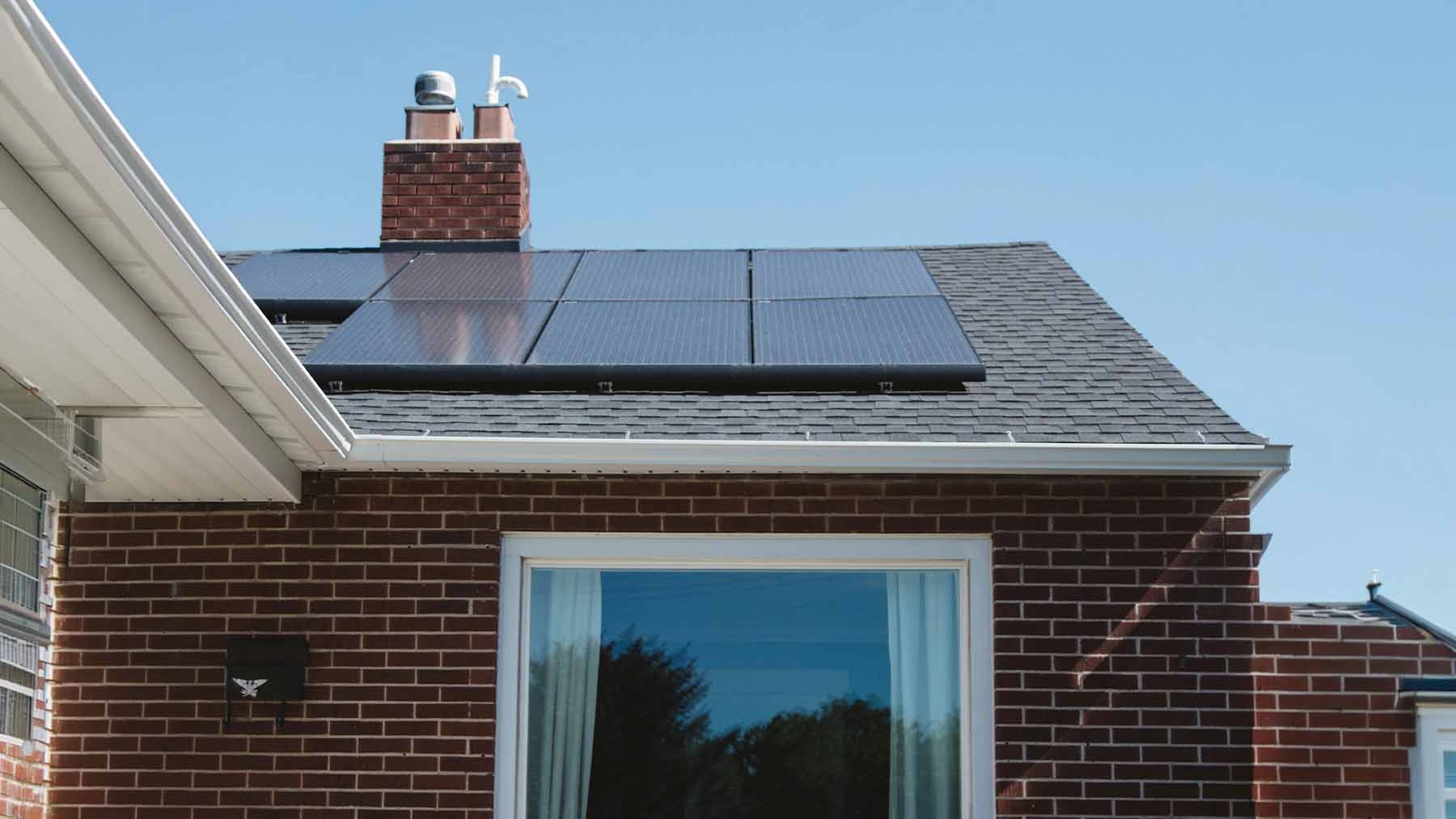
The University of Cambridge has been at the forefront of advancements in biophotovoltaics, which function like biological solar panels, utilizing living microorganisms to convert sunlight into electrical energy. The team relies on cyanobacteria, or blue-green algae, as their energy-producing organisms, creating electrical currents during photosynthesis as they consume carbon dioxide.
“Our technology could replace millions of small disposable batteries with a much cleaner source of energy – that’s a huge environmental benefit and a really exciting prospect,” noted Professor Chris Howe of the University of Cambridge.

Prototypes of a cleaner future
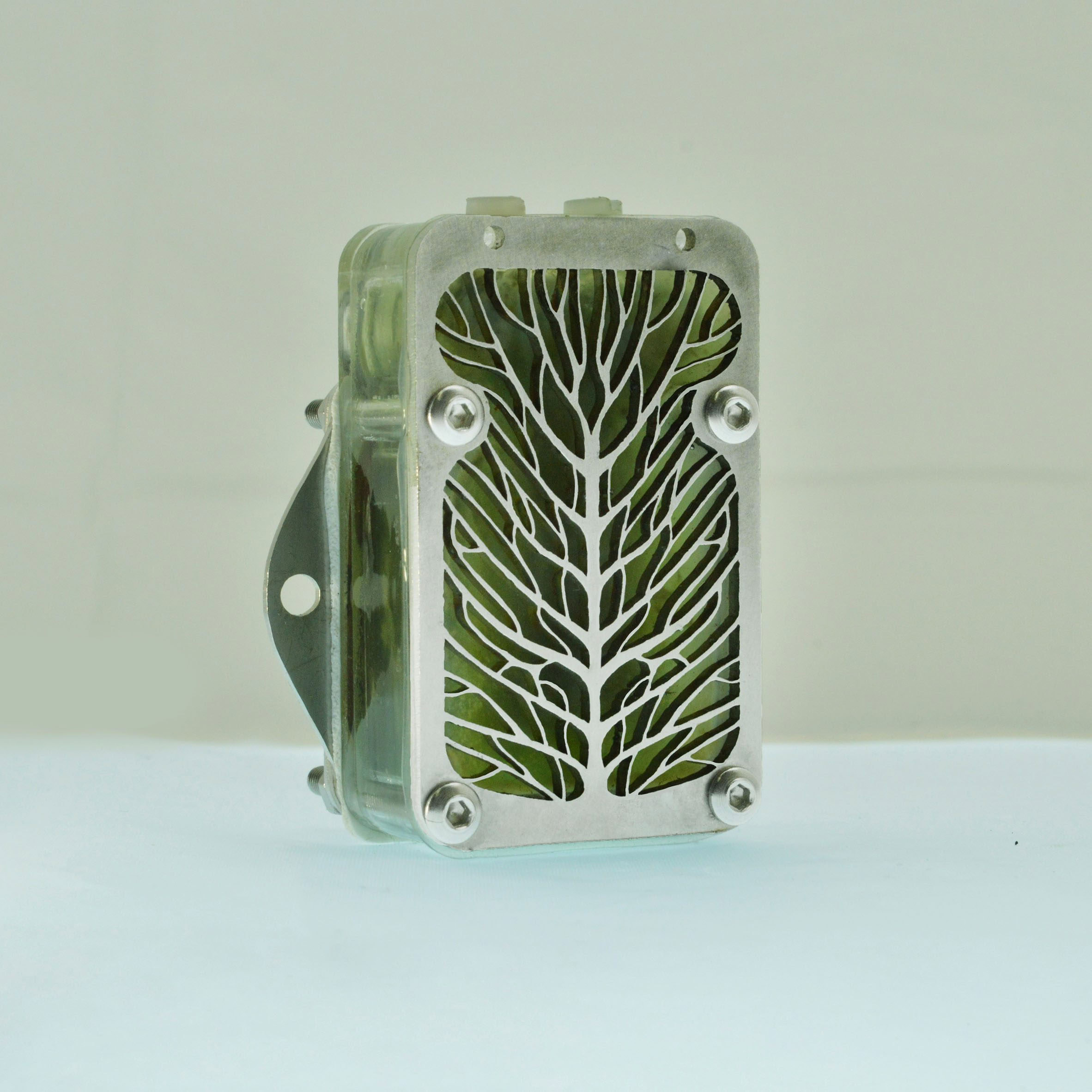
Giron, collaborating closely with Professor Howe, engineer Lifu Tan, and other researchers, has been integral to translating this cutting-edge research into practical prototypes over the past two and a half years. Among these groundbreaking creations is a compact demonstrator cell, designed to introduce the concept of biophotovoltaics to a broader audience.
“One of the interesting tensions with designing a biocell is that you’re trying to create something that behaves like a piece of technology while also accommodating a living organism,” Giron explained. The demonstrator cell engages users by allowing them to visually appreciate the algae in action through its transparent casing.

From labs to everyday devices
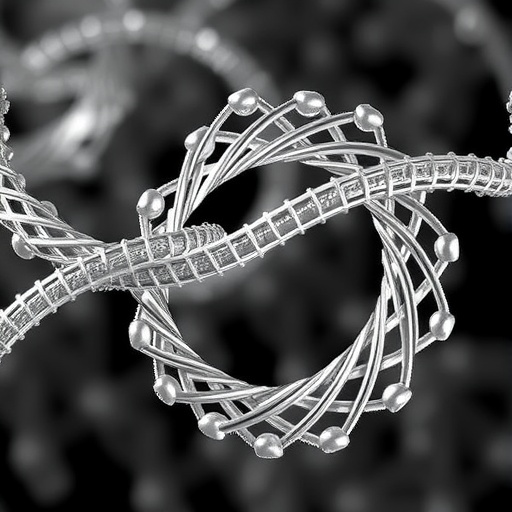
Featuring a decorative leaf-vein pattern, the biocell is functional and aesthetically striking. The transparent casing promotes algae photosynthesis, enhancing curiosity and connection with the internal process. Gas exchange is enabled by a semi-permeable membrane, while the electrode’s filamentous surface facilitates the interaction between biological and electrical components.

Beyond the prototype
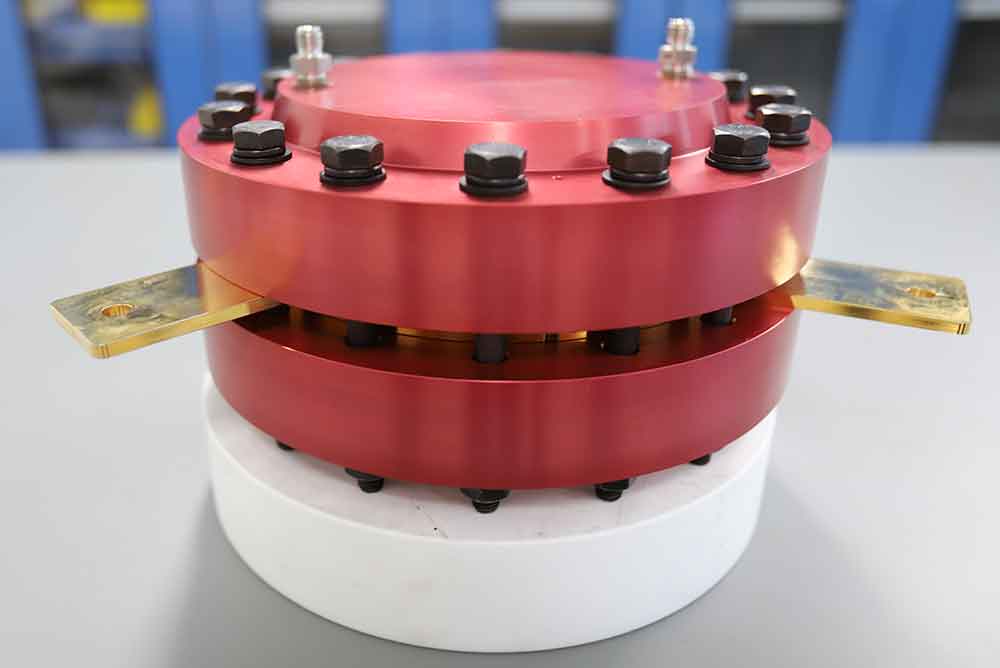
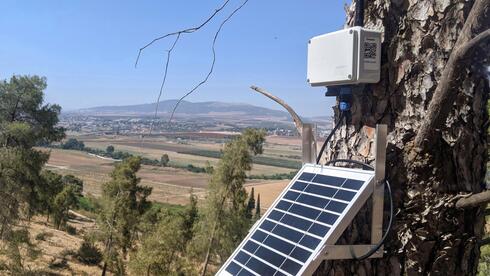
Giron’s designs extend to a disc-shaped BPV panel for temperature sensors and a rectangular slab integrated into clock radios, showcasing potential everyday applications. Current BPV panels are larger than standard disposable batteries but are expected to shrink as the technology advances, according to Giron.
Dive deeper into the realm of sustainable design innovations by reading about India’s Sculpted Brick Masterpiece which redefines eco-friendly architecture.
“Biocells rely on a living process, so they need access to light,” Giron remarked, highlighting how the visibility of these devices can strengthen the connection between people and the energy-generating systems.

The future of biocells
As e-Pho, a new spin-out company, works towards commercializing this technology, the prospect of reducing the biocell’s size remains exciting. Giron envisions a future where the biocells’ visibility becomes an asset, particularly in educational and public spaces, promoting a deeper understanding of energy production.
Drawing parallels to innovative uses of cyanobacteria, such as the 2025 Venice Architecture Biennale’s Canadian pavilion, Giron’s work underscores the growing trend of incorporating this microorganism into sustainable design solutions.

Source: dezeen.com
Frequently asked questions
How do the algae-based biocells generate electricity?
The biocells use photosynthesis performed by cyanobacteria, or blue-green algae, to generate electricity, creating electrical currents during photosynthesis as they consume carbon dioxide.
What makes the biocells environmentally beneficial?
Biocells could replace millions of small disposable batteries with a much cleaner source of energy, offering a significant environmental benefit.
What is one unique design feature of Lucia Giron’s biocells?
The biocells have a transparent casing that allows users to visually appreciate the algae in action, thus enhancing curiosity and connection with the energy-generating process.