5 min readPuneUpdated: Aug 8, 2026 07:52 PM IST
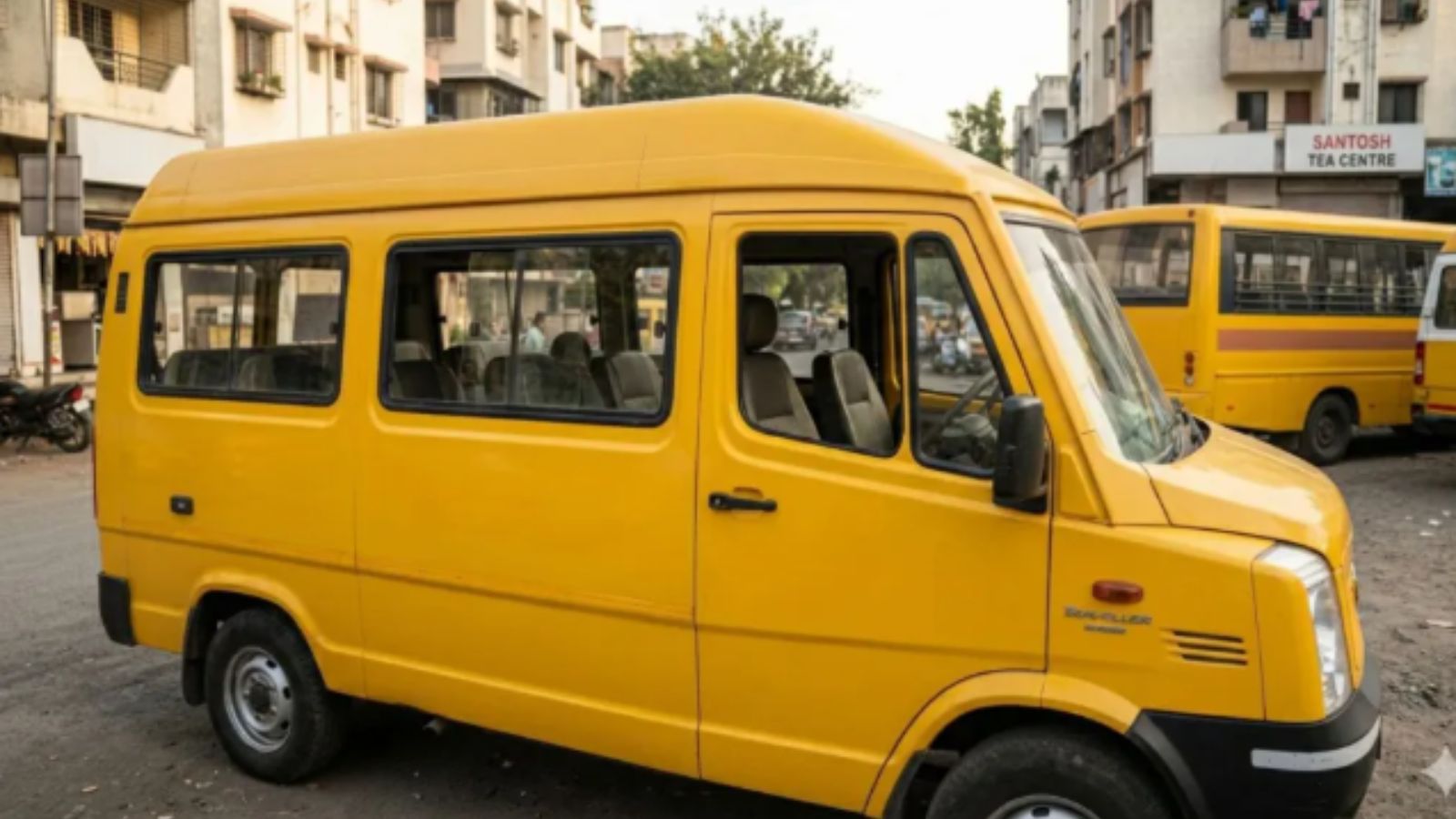
Thousands of children across Pune and Pimpri Chinchwad depend on buses and vans daily for their journey to and from school. While parents often focus on reaching school on time, traffic police officials say ensuring every child travels safely requires far more than careful driving — it demands rigorous checks on vehicles, trained personnel, technology-driven monitoring and better traffic management around school campuses.
Traffic police authorities, working in coordination with the Regional Transport Office (RTO) and school managements, are emphasising that safety cannot be limited to periodic inspections. Instead, it must be built into every aspect of school transport, from the background verification of drivers and attendants to vehicle fitness, crowd management outside school gates and real-time monitoring through technology.

Tech, trained staff and safer vehicles
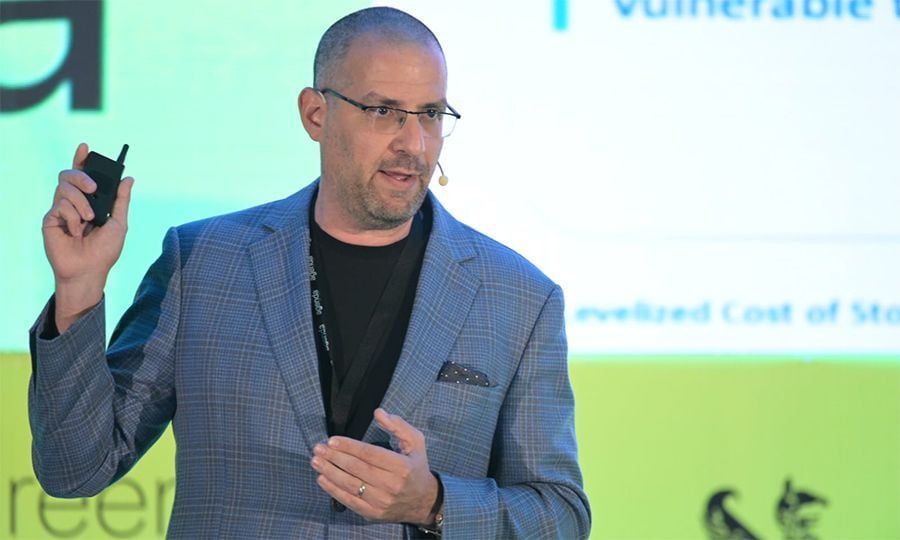
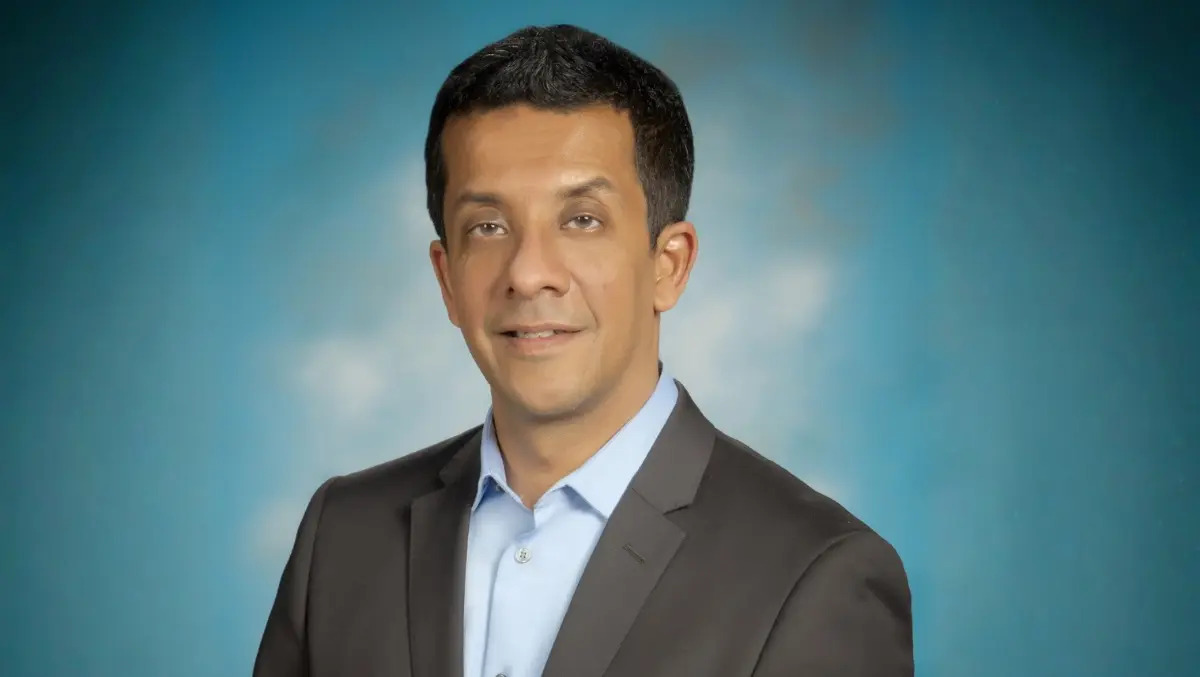
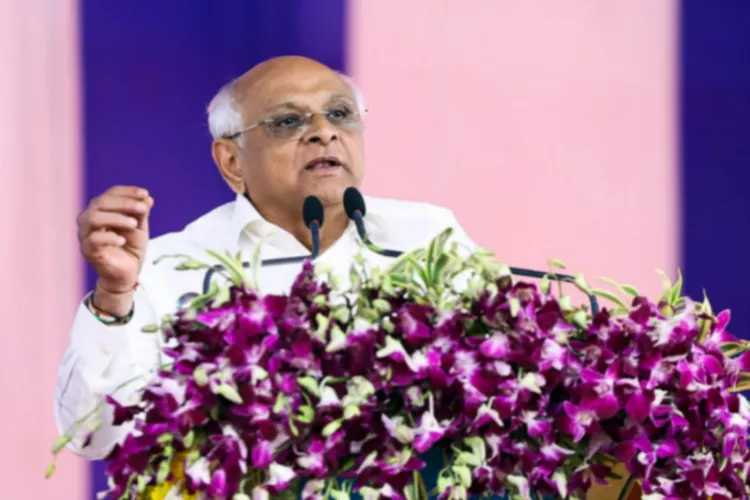
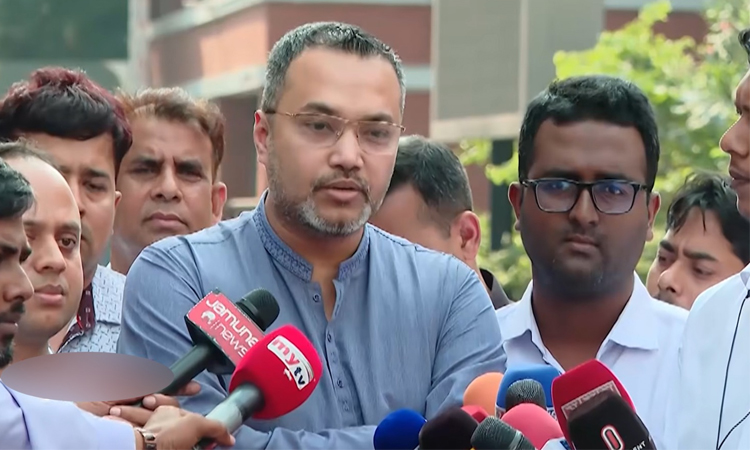
Dr Sandeep Bhajibhakre, Deputy Commissioner of Police (Traffic) for Pune city said, “The foremost priority is safety of the children in all aspects. For this we ensure installation of the CCTV cameras inside the buses and its constant monitoring. We want operators to ensure appointing a female attendant, especially for children below a certain age. Background verification of the drivers, attendants and everyone who comes in contact with children for the transport. Ensuring that they do not have any criminal background. Fitness and health check-up of the drivers and attendants is another key aspect.”
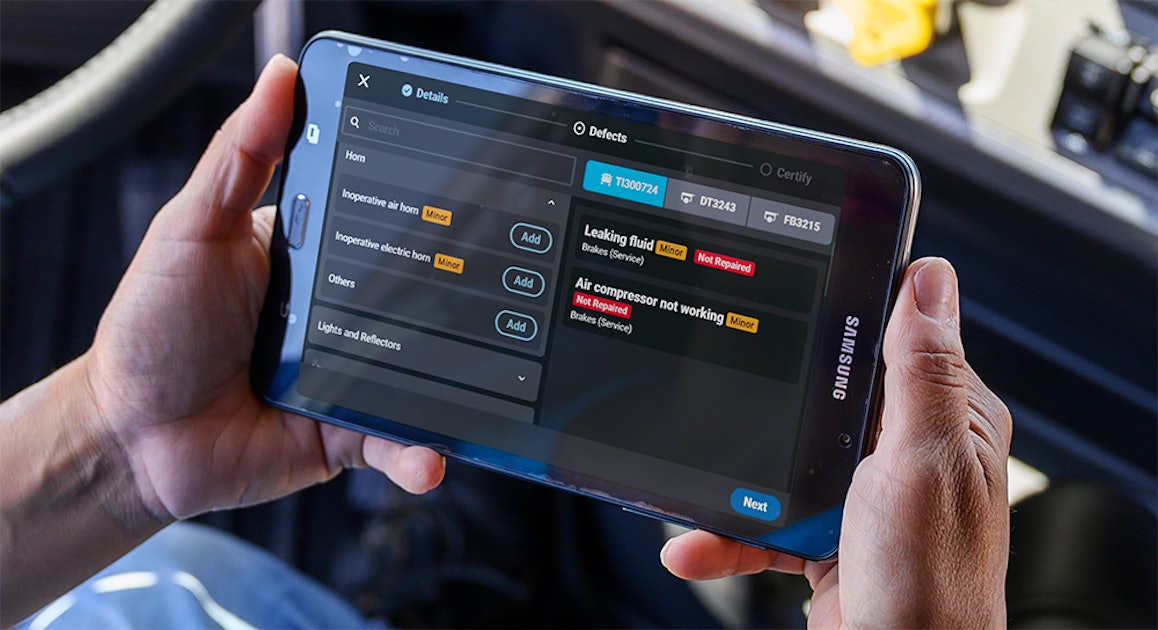
Officials say the emphasis is not only on preventing road accidents but also to create a secure environment for children throughout their commute. CCTV surveillance inside buses, trained attendants and police verification of personnel are aimed at addressing both safety and security concerns. Vehicle fitness is another area under close scrutiny. Authorities conduct inspections jointly with the RTO to ensure buses and vans comply with prescribed safety standards and are mechanically fit to transport children.
DCP Bhajibhakre added, “Regular breathalyser tests of the drivers is necessary. We are advising operators of large fleets of buses to purchase testing kits for the same. Then comes vehicle fitness. In joint drives with the RTO we ensure that all the school buses and vans undergo fitness tests and those defaulting are fined. This is to ensure that accidents due to mechanical failure are avoided. Ensuring that none of the vehicles are operated beyond their prescribed capacity is also another key aspect.”
In neighbouring Pimpri Chinchwad, the focus is equally on ensuring that vehicles are equipped to handle emergencies and that trained personnel are behind the wheel. Vikrant Deshmukh, Deputy Commissioner of Police (Traffic) for Pimpri Chinchwad said, “It is important that all the buses and vans undergo thorough and regular safety audits. Right from ensuring safe seating arrangement to having an emergency exists, fire extinguishers in the buses — everything has to be ensured. Hiring trained drivers is key.”
Managing school gate traffic
Apart from the condition of buses and the competence of drivers, traffic police say one of the biggest challenges lies outside school premises during the start and end of the school day. Long queues of buses and vans waiting on public roads often create congestion, increase the risk of accidents and expose children to moving traffic while boarding or alighting.
Story continues below this ad
Bhajibhakre further said, “Management of vehicle movement at the school premises and outside, is another key aspect of our concern. Many schools don’t have large enough open spaces or grounds to accommodate the buses when children board or deboard. So when buses are parked outside for a long time at the beginning and end of school hours. This leads to chaos at the gates of these schools. We are insisting all schools to have dedicated spaces — inside the premises — for this where boarding and deboarding will take place. We are also insisting on separate entry and exit points. We also insist that schools deploy their guards or appoint traffic wardens to manage the traffic of buses outside the premises. Because it is not practical to post traffic constables for each school.”
The police have also been encouraging schools and transport operators to use technology to improve accountability and provide parents with greater visibility of their children’s journey.
Bhajibhakre also said, “We are stressing on use of technology. We are asking operators to have RFID tags for children, live tracking of vehicles, CCTV inside buses and its monitoring.”
Officials say that while enforcement drives and inspections remain important, ensuring safe school transport ultimately requires sustained cooperation between school managements, transport operators, parents and enforcement agencies. They believe that a combination of well-maintained vehicles, trained staff, disciplined traffic management and technology-driven monitoring can significantly reduce risks and make children’s daily commute safer.