Funding Will Accelerate Deployment of a Decentralized Network of Robotic Micro-Depots Designed to Reduce Fleet Downtime and Improve Autonomous Vehicle Economics at Scale
SAN FRANCISCO – June 26, 2026 (NEWMEDIAWIRE) – Aseon Labs, the company building a distributed network of robotic pit stops for autonomous vehicle fleets, today announced it has raised $10 million in seed funding led by Crane Venture Partners, with participation from Y Combinator, Expa, the venture firm founded by Uber co-founder Garrett Camp, Robin Hood Ventures, and Founders Capital (Jeremy Hindle). The round also included investments from Adrian Aoun, serial entrepreneur, former Google executive, and technology advisor to The White House; Immad Akhund, founder and CEO of Mercury; Rajat Suri, co-founder of Lyft; and operators and founding team members from Anthropic, Nuro, Turo, Revolut, and other leading companies across mobility, artificial intelligence, and infrastructure. The news was covered exclusively in TechCrunch.
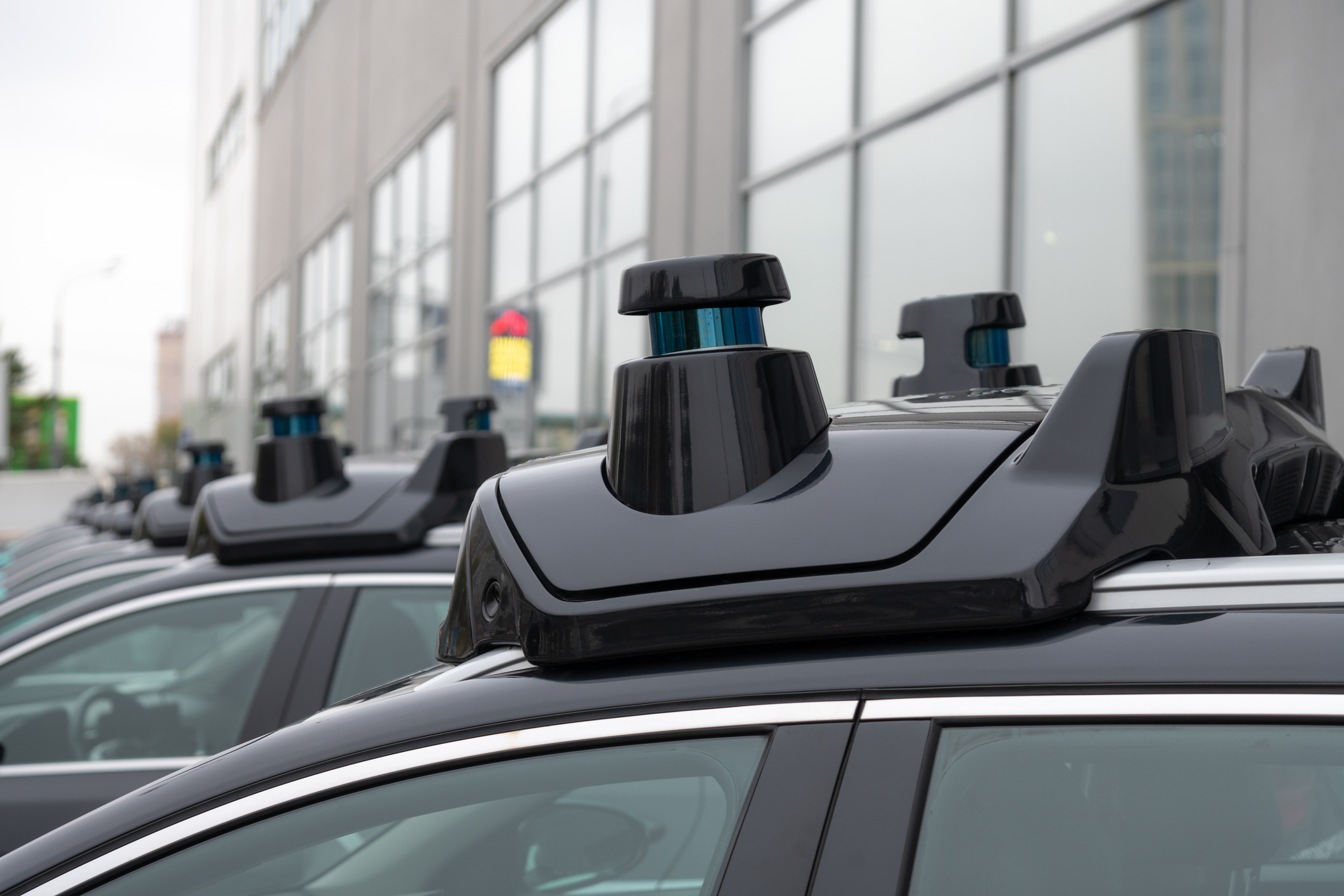
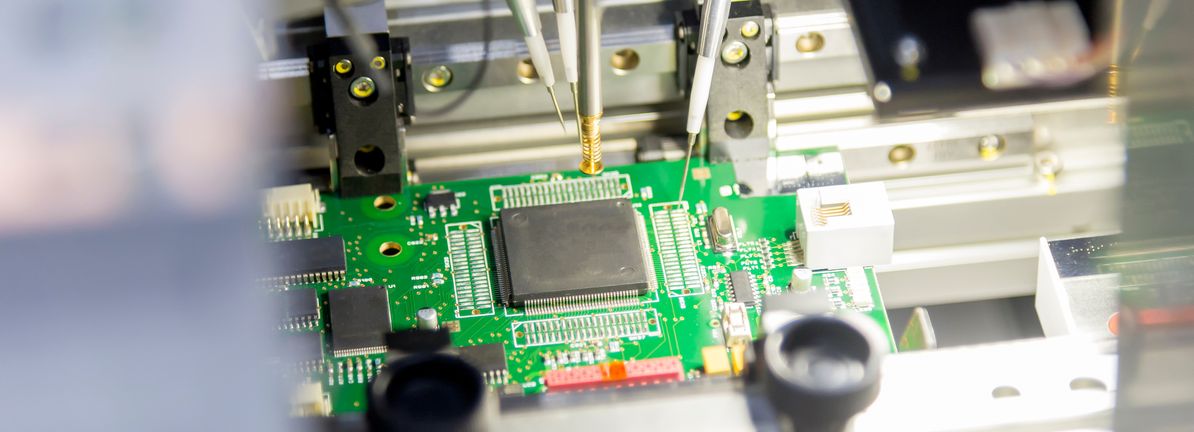
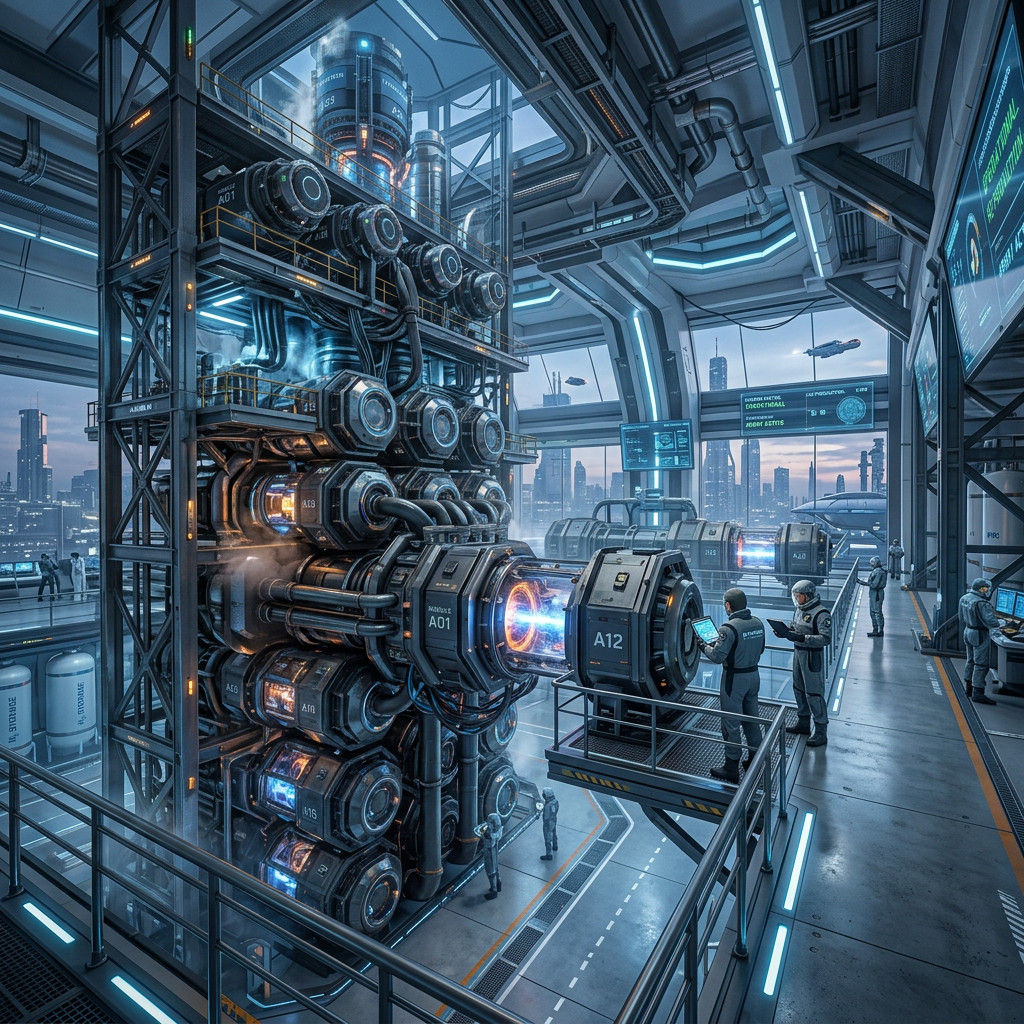
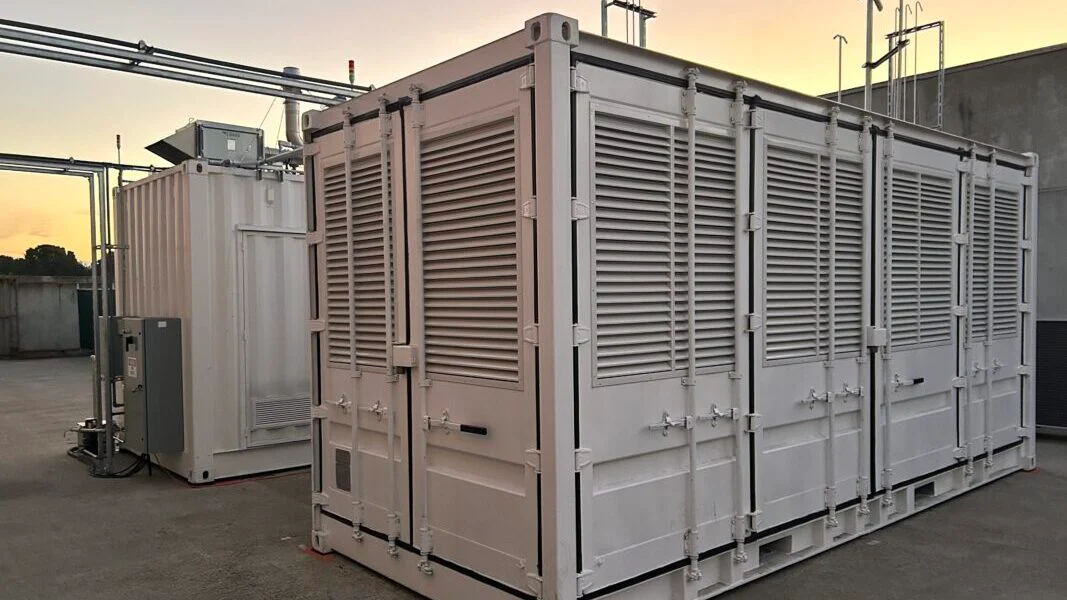
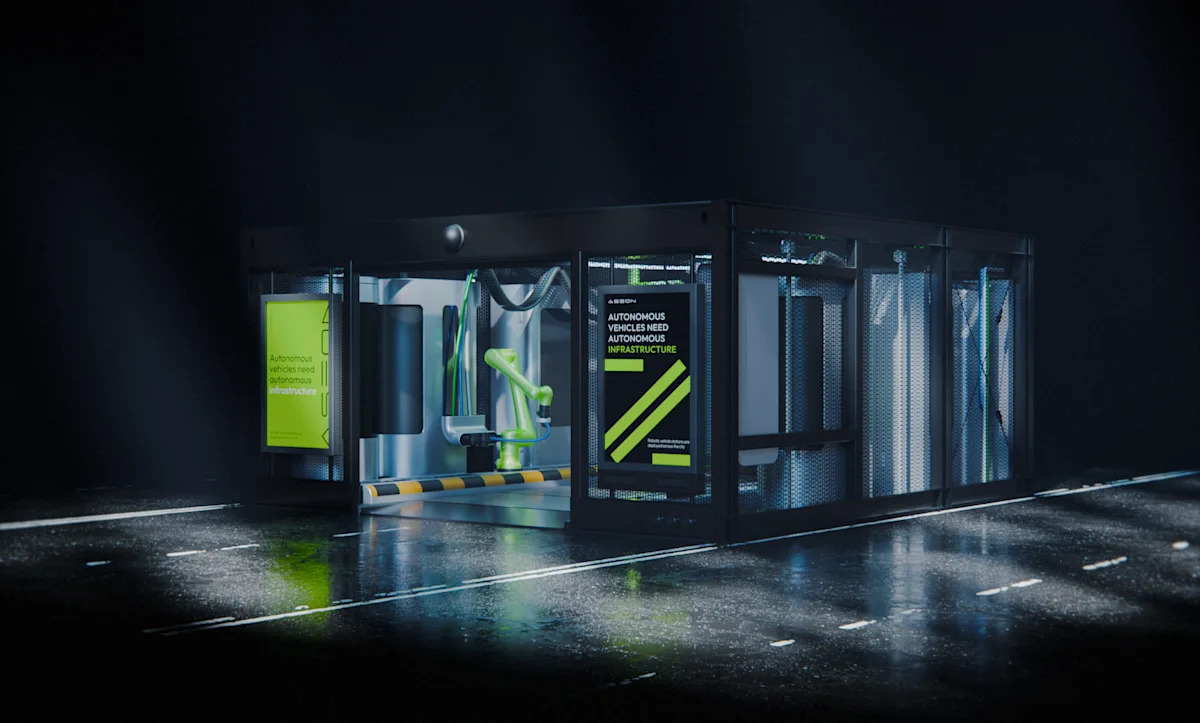
Aseon is developing robotic micro-depots that allow autonomous vehicles to charge, clean, inspect, and reset directly within their operating zones. By bringing fleet servicing closer to where vehicles operate, Aseon reduces costly downtime, improves fleet utilization, and gets vehicles back into revenue-generating service faster. Operators have consistently told the company that one of the biggest bottlenecks to scaling autonomous vehicle networks is physical infrastructure. Traditional centralized depots can take one to two years to secure, permit, and build, often requiring high-voltage electrical infrastructure and significant site development, while Aseon’s robotic micro-depots can be deployed in as little as one to two days. Acting as distributed edge infrastructure, the network helps fleets launch new markets faster, expand existing operating zones, and serve areas where large centralized depots are impractical or unavailable.
The company was founded by the team behind Pushme, a battery-swapping infrastructure network that expanded to more than 5,000 locations across 40 markets and was acquired by Tier Mobility, which later raised more than $600 million in funding. Aseon is applying that experience in infrastructure deployment, site acquisition, and large-scale network operations to what it believes is the next major challenge facing autonomous transportation.
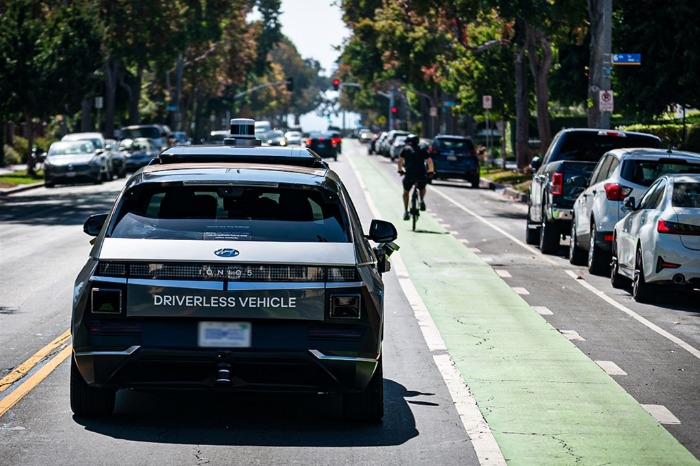
While billions of dollars have been invested in making vehicles autonomous, keeping fleets operating efficiently remains a largely unsolved problem. Public California operating data cited by the San Francisco Chronicle shows that approximately 45% of Waymo’s miles are driven without a passenger onboard. Those trips can consume up to seven hours per vehicle per day traveling for charging, cleaning, inspections, resets, and maintenance, reducing utilization and increasing operating costs. As fleets expand globally, the cost of charging, servicing, repositioning, and maintaining vehicle availability could become one of the largest operating expenses in the industry. These challenges come as operators continue investing heavily to scale autonomous transportation networks. Alphabet recently reported a $3.6 billion quarterly operating loss in its Other Bets segment, where Waymo represents the company’s largest and most heavily funded autonomous vehicle initiative