Edited by ad hoc news Long-Term & Business-Model Desk. Verified prior to publication on 06/20/2026, 20:16 UTC. Details in the imprint.
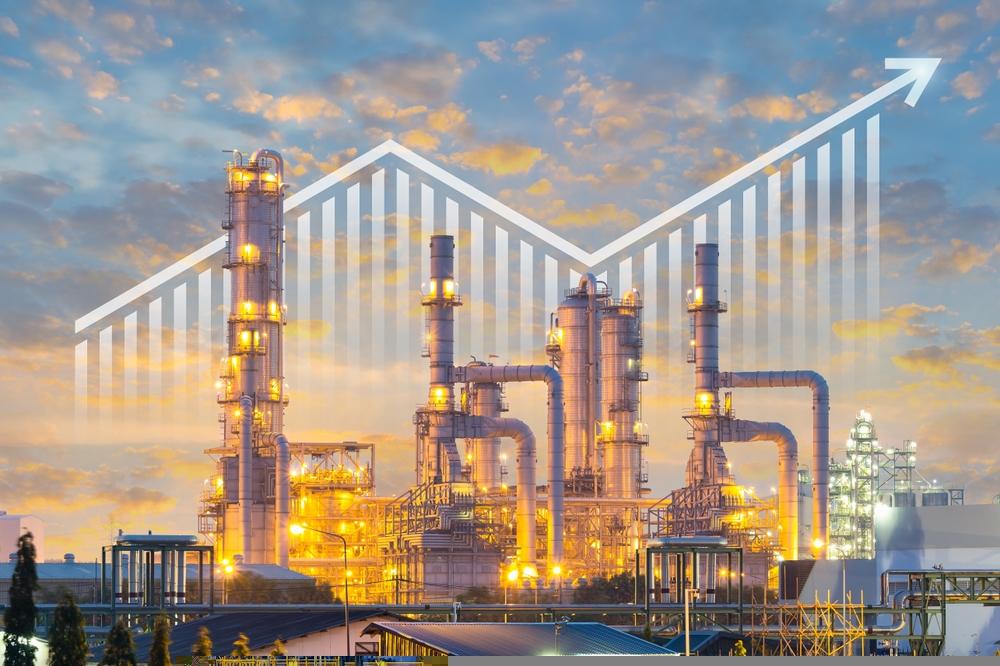
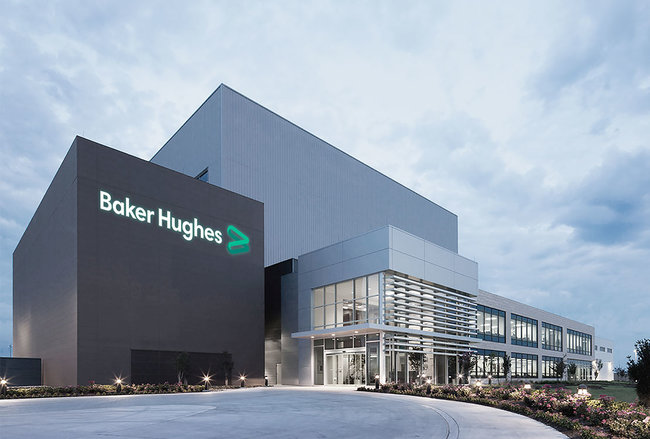
Baker Hughes (US05722G1004) positions itself as a global energy technology provider with a broad footprint from traditional oilfield services to industrial and climate-tech solutions. Against this backdrop, today’s focus is on the company’s long-term business model and its role in the energy transition.
Go deeper
Background and price data on Baker Hughes stock
Key figures, filings and presentations on Baker Hughes provide additional context for the group’s long-term positioning in energy technology and services.
How Baker Hughes is structured
Baker Hughes Company describes itself as an energy technology firm serving oil and gas, industrial and emerging low-carbon markets, with operations in more than 120 countries according to its latest annual report. IR materials outline this positioning.
The group reports along four main segments: Oilfield Services & Equipment (OFSE), Gas Technology (GT), Industrial & Energy Technology (IET) and Digital Solutions, reflecting its shift beyond classic oilfield services. This segmentation highlights the mix of cyclical and more structurally oriented revenue streams.
Long-term strategy and energy transition
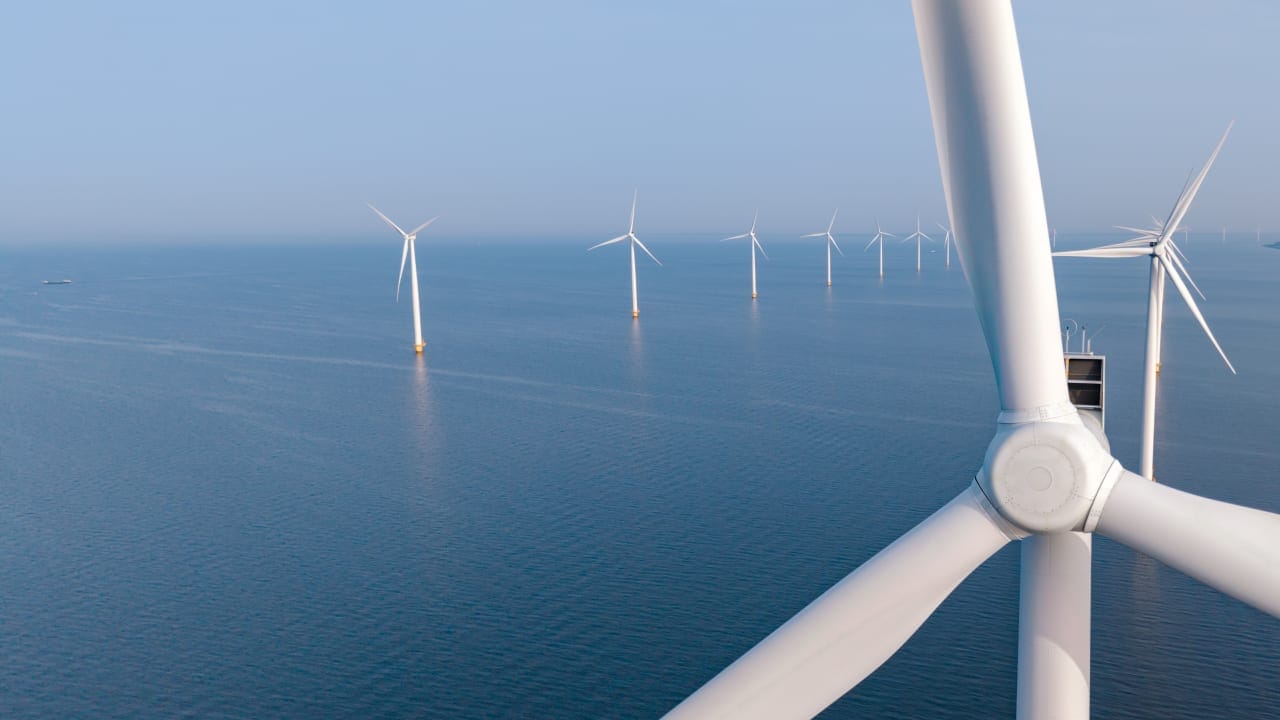
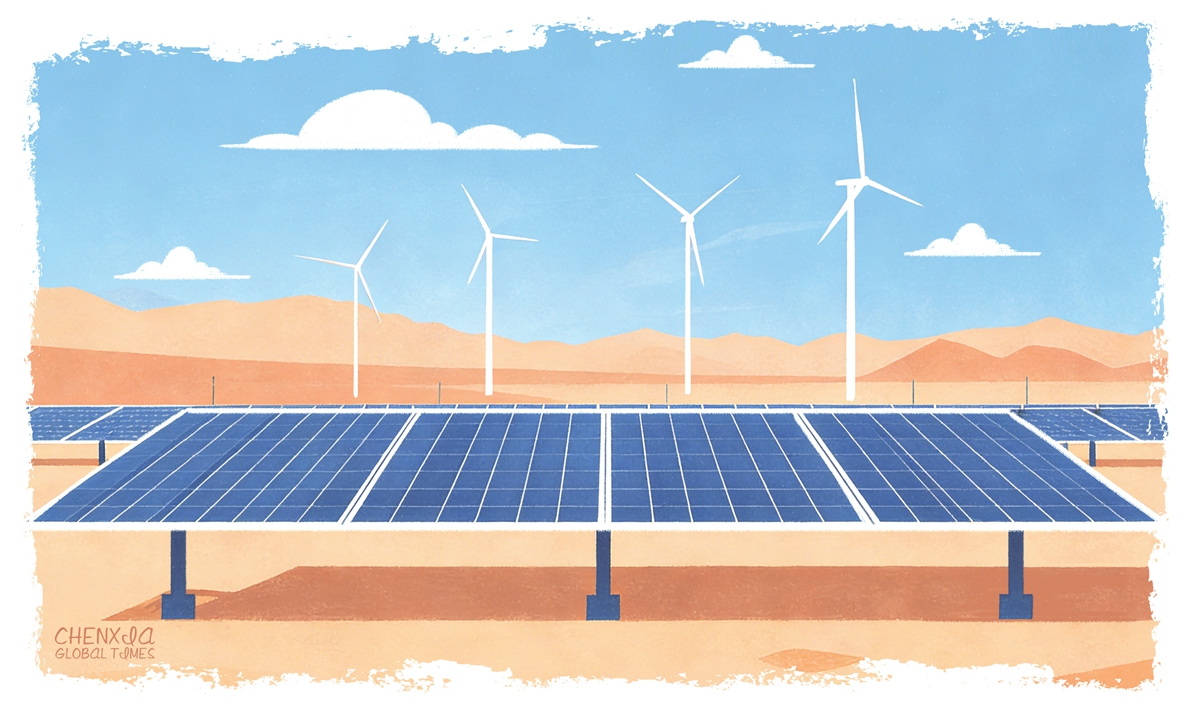
Management emphasizes three structural pillars in presentations: support for global LNG build-out, provision of technologies to reduce emissions from existing energy systems and growth in industrial solutions that improve efficiency. Company strategy documents describe these themes.
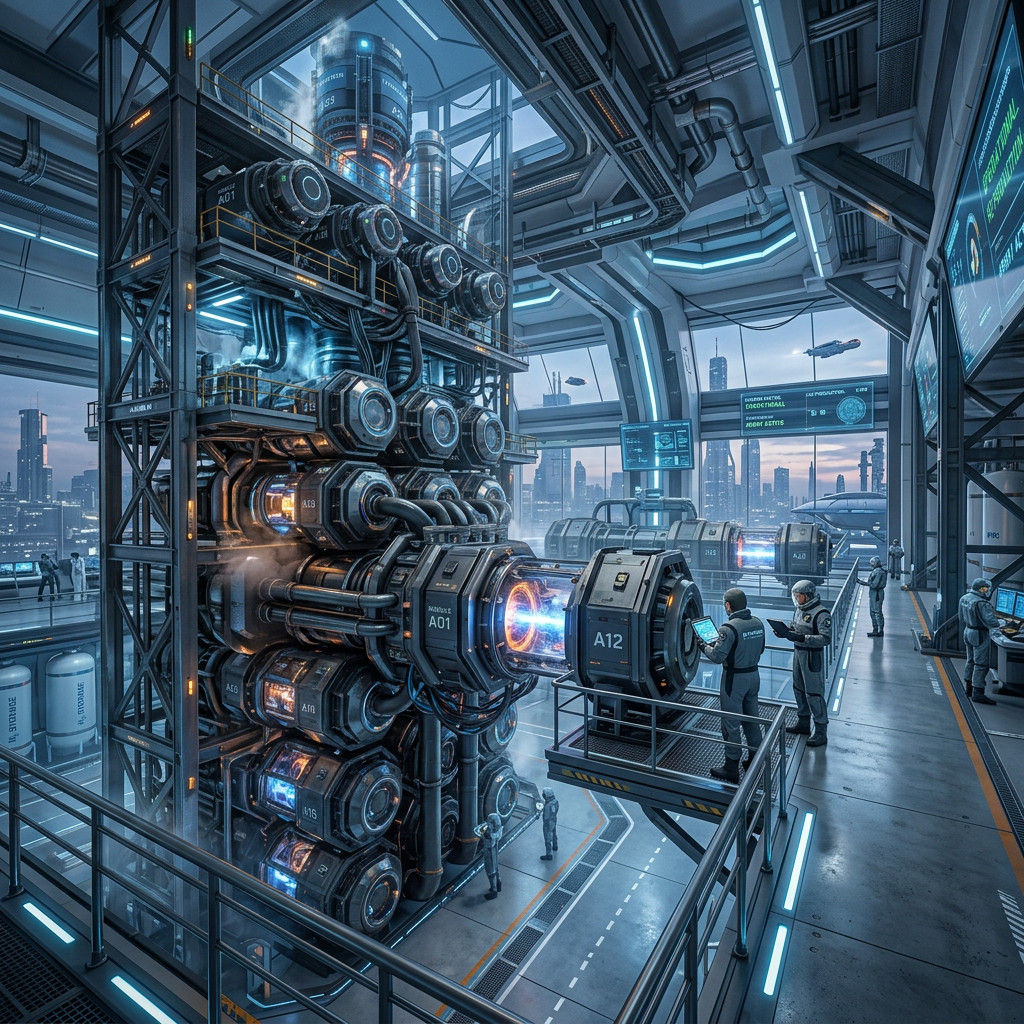
Within this framework, Baker Hughes invests in technologies such as hydrogen-ready turbines, carbon capture solutions and condition-monitoring software, aiming to align its portfolio with net-zero pathways while continuing to serve conventional oil and gas customers.
Oilfield services and equipment franchise
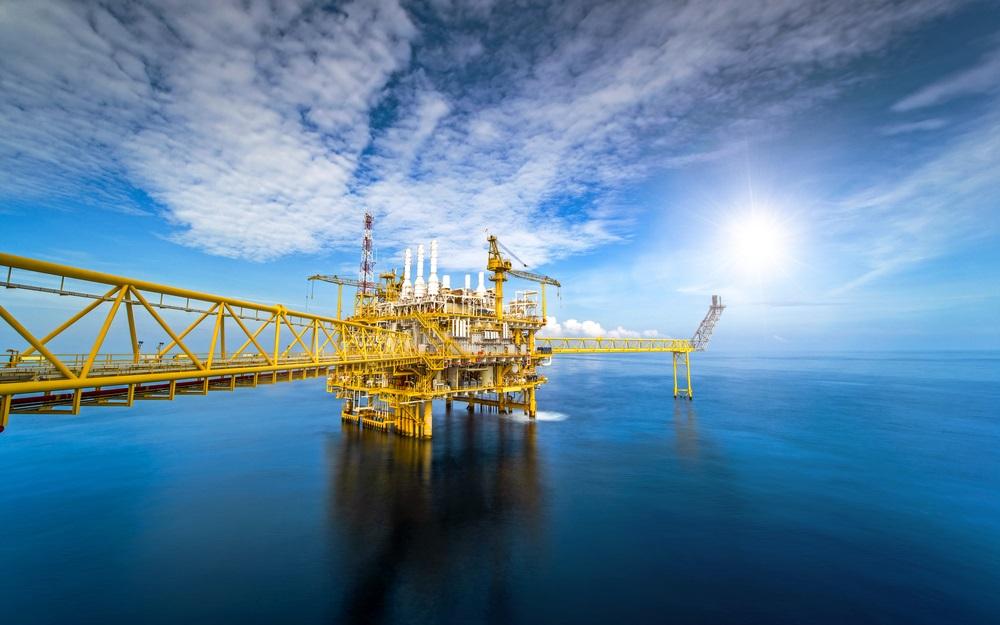
The Oilfield Services & Equipment segment remains a core earnings contributor, supplying drilling, evaluation, completion and production services to upstream customers worldwide, as detailed in recent filings. A recent SEC filing breaks down segment revenues.
This business is exposed to exploration and production spending cycles, but Baker Hughes seeks to smooth volatility through long-term contracts, technology differentiation and a diversified geographic footprint.
Gas technology, LNG and turbines
Gas Technology centers on turbomachinery and process solutions, including compression systems, gas turbines and related equipment used in LNG plants, pipelines and industrial facilities. This segment ties Baker Hughes directly to the multi-year global LNG investment wave.
Orders for LNG-related turbomachinery are typically large and lumpy. However, management has highlighted a robust medium-term pipeline of LNG projects in regions such as North America, the Middle East and Africa, which could underpin revenue visibility if final investment decisions proceed as planned.
Industrial technology and digital solutions
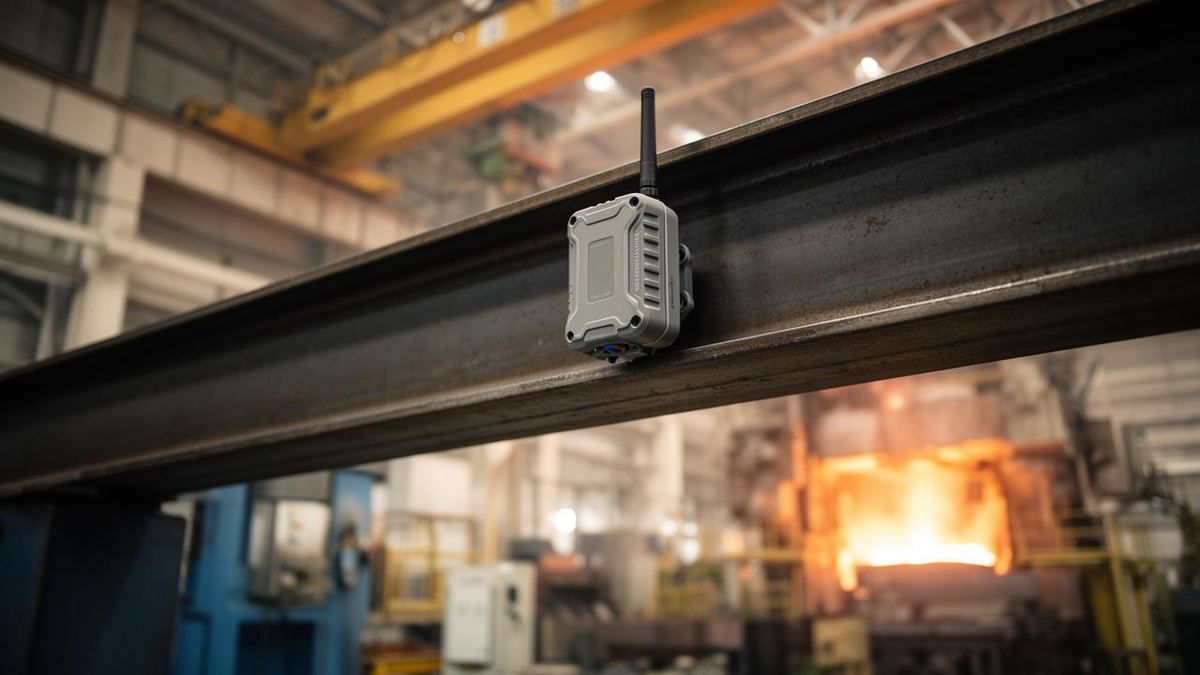
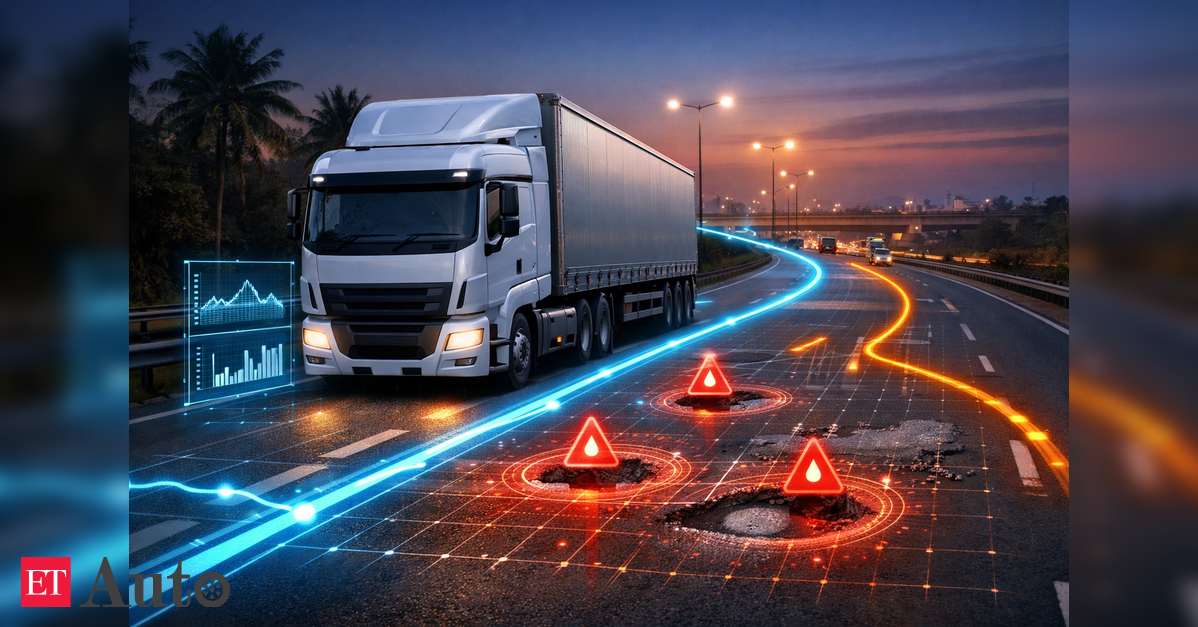
Beyond oil and gas, Industrial & Energy Technology and Digital Solutions provide condition monitoring, non-destructive testing, asset performance management and other services to a wide spectrum of industries.
This includes software platforms leveraging sensor data and analytics to optimize reliability and maintenance. Over time, such offerings can generate recurring revenue streams that are less tied to commodity prices than traditional oilfield services.
Capital allocation and financial profile
Recent investor materials show that Baker Hughes prioritizes a balanced capital allocation framework, combining organic investment, bolt-on acquisitions, dividends and share repurchases when conditions allow, while targeting an investment-grade balance sheet.
Net debt, leverage targets and free cash flow conversion remain key metrics for management, especially given the cyclical components of the portfolio and the need to fund technology development for emerging low-carbon businesses.
Risks and dependencies for the business model
Structurally, Baker Hughes remains exposed to global upstream spending trends, LNG project timing and industrial capital expenditure cycles. A prolonged downturn in oil and gas investment or significant project delays could weigh on its more traditional franchises.
At the same time, the pace and policy support for decarbonization will influence demand for carbon capture, hydrogen-related equipment and efficiency technologies, which are important for the company’s long-term strategy but still developing markets.
The product behind the stock
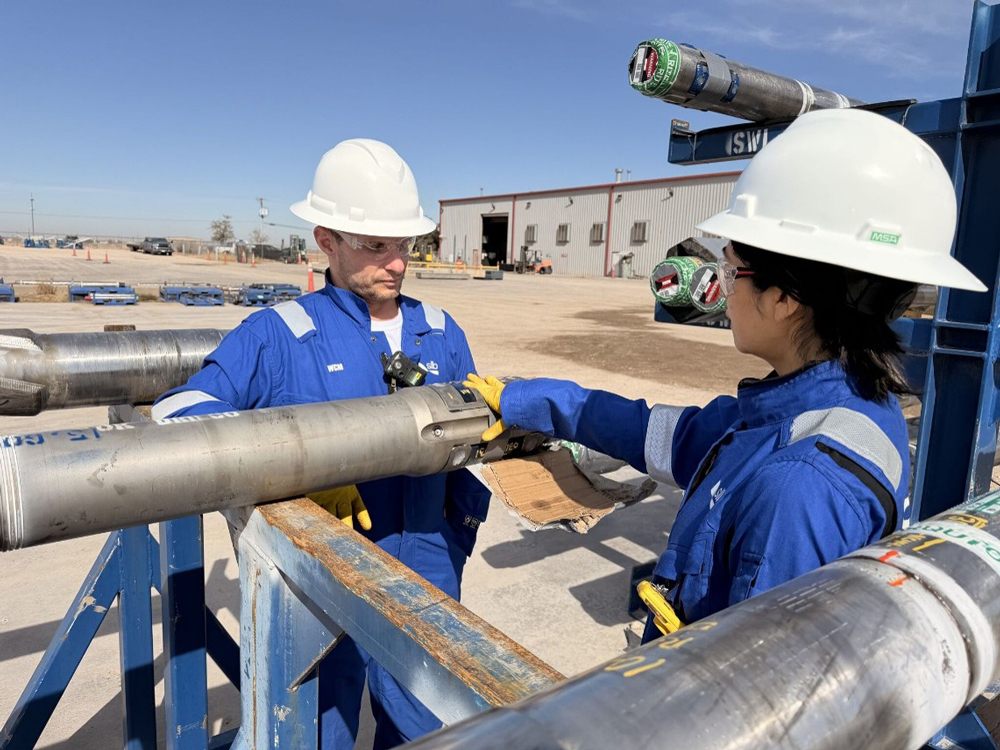
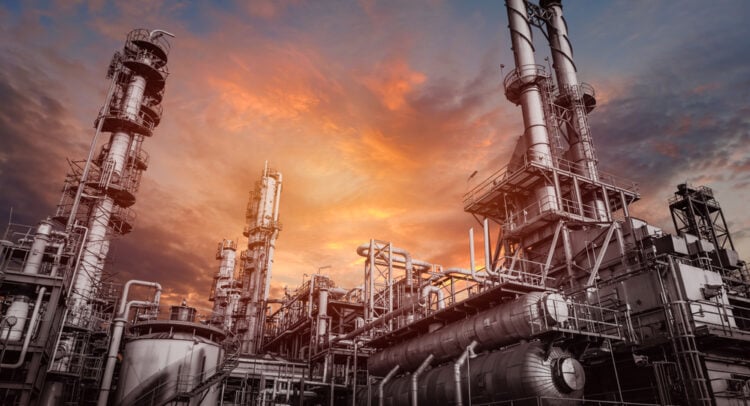
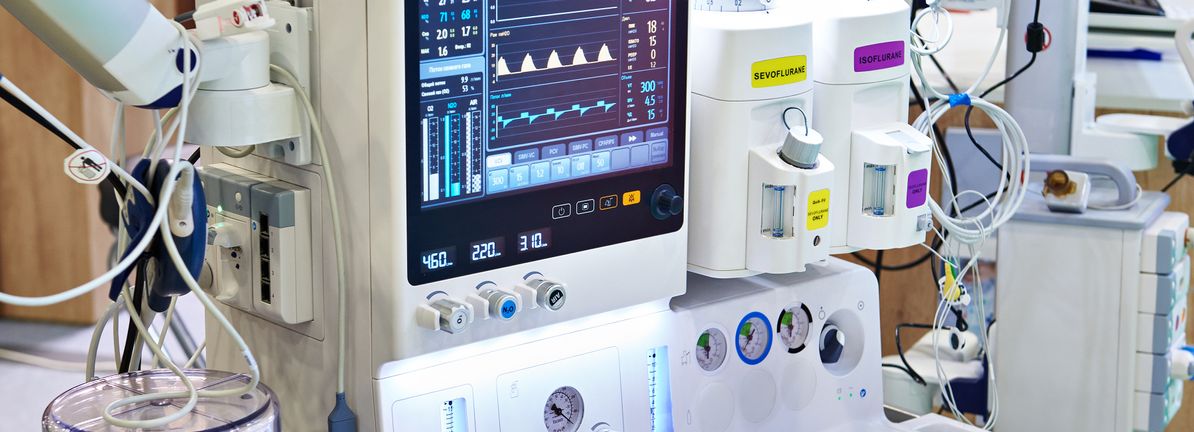
The company’s portfolio ranges from subsea production systems and drilling services to turbomachinery for LNG plants, as well as condition-monitoring software and inspection systems. These products and services generate revenue across the lifecycle of energy and industrial assets.
Where the stock trades today
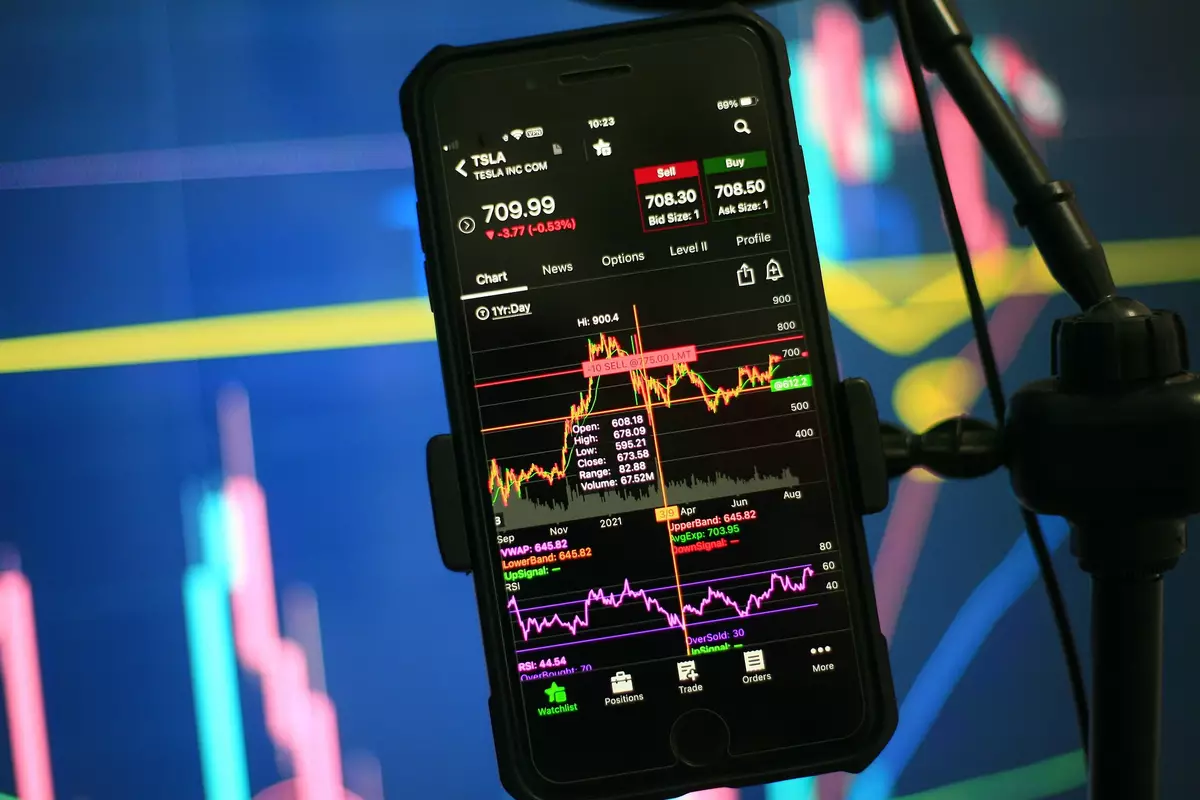
The shares of Baker Hughes (US05722G1004) trade on the New York Stock Exchange under the ticker BKR; the latest available closing price was $58.41 as of 06/18/2026, 16:00 Eastern Time.
Key facts on Baker Hughes stock
- Company: Baker Hughes Company
- ISIN: US05722G1004
- WKN: A2NB77
- Ticker: BKR
- Venue: NYSE
- Price (as of 06/18/2026, 16:00 ET): 58.41 USD
- Market cap: 57,000,000,000 USD (as of 06/18/2026)
- Sector / Industry: Energy – Oil & Gas Equipment & Services
- Index membership: S&P 500
- Next earnings date: not officially scheduled
More on Baker Hughes stock on social media
This article was AI-assisted and editorially reviewed. Price and company data without warranty; prices and dates may change at short notice. No investment advice, no buy or sell recommendation. Trading securities involves risk up to total loss of capital.
en | US05722G1004 | BALL CORP. | boerse | 69592567 | bgmi