The future of South African agriculture will depend not only on technological innovation, but also on practical skills, partnerships and inclusive participation across the sector.
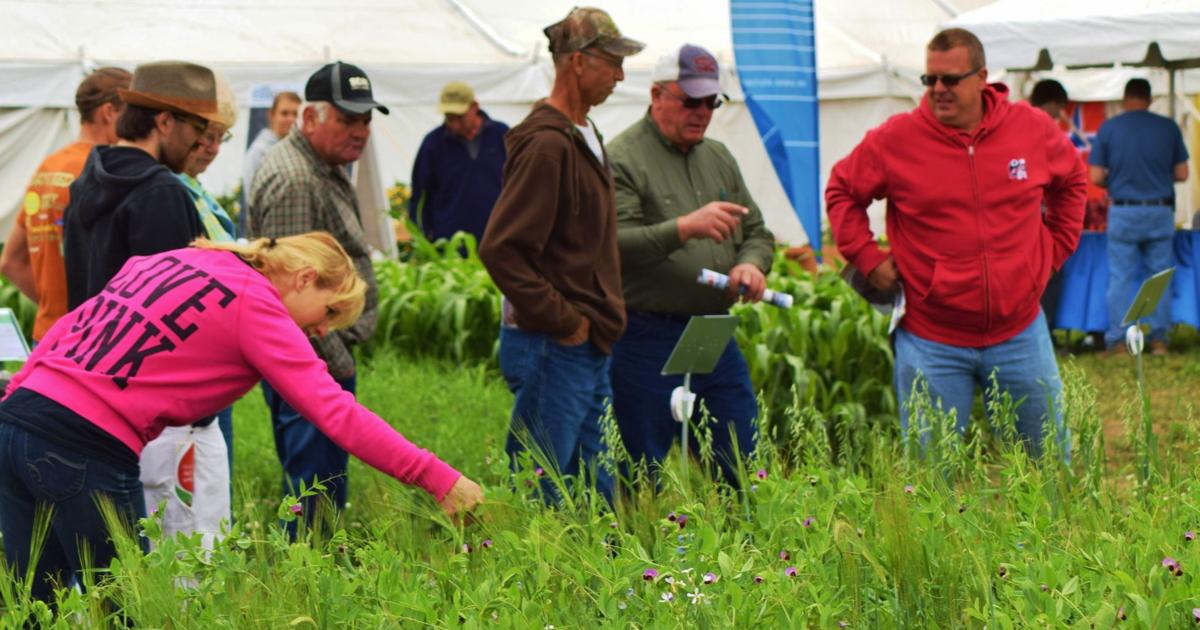
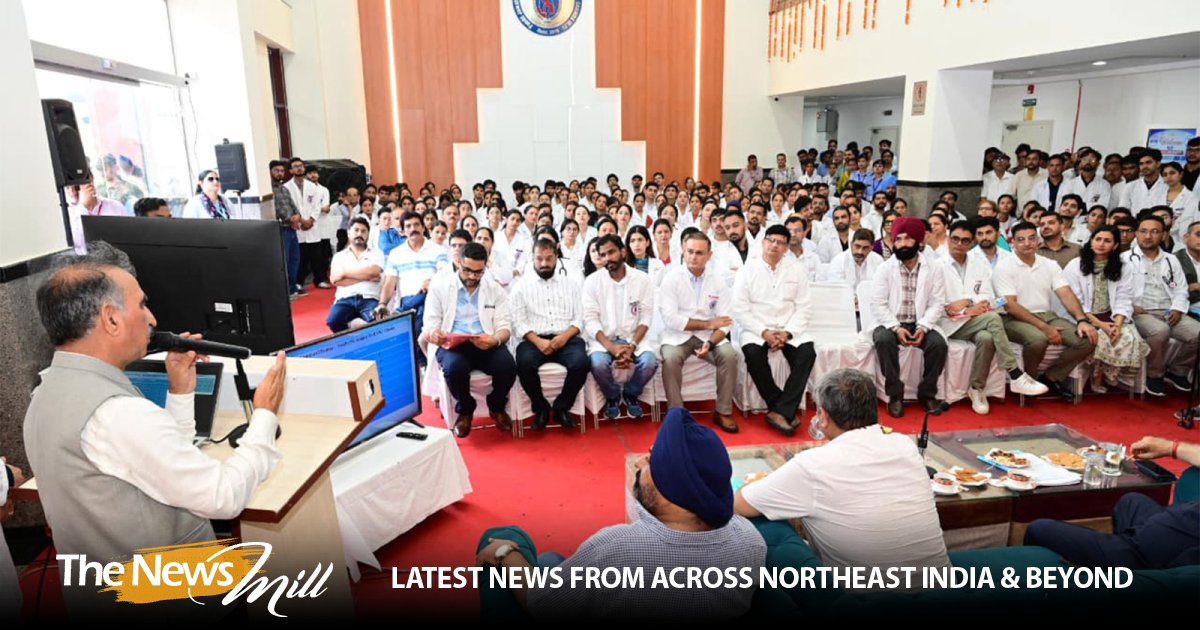
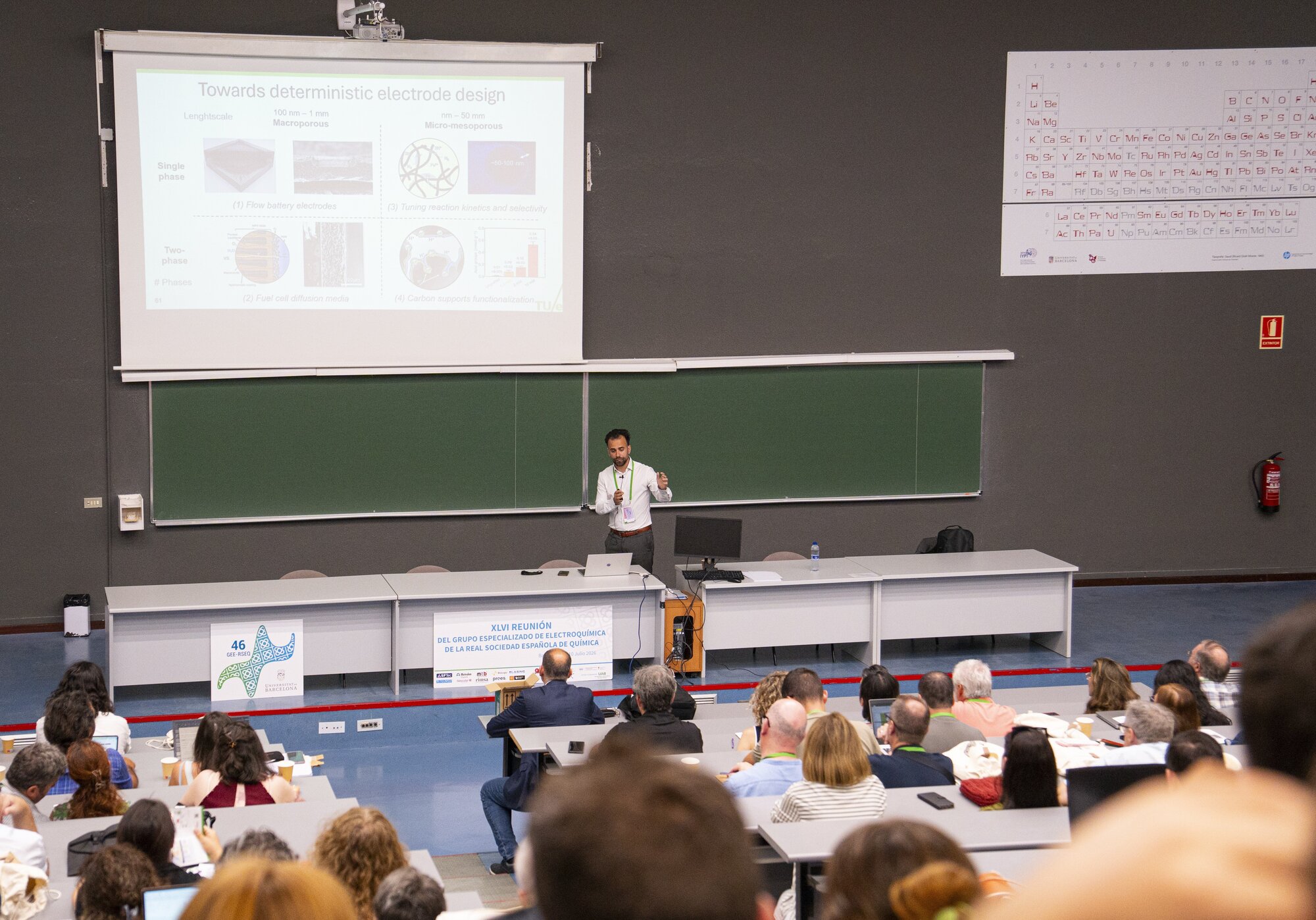
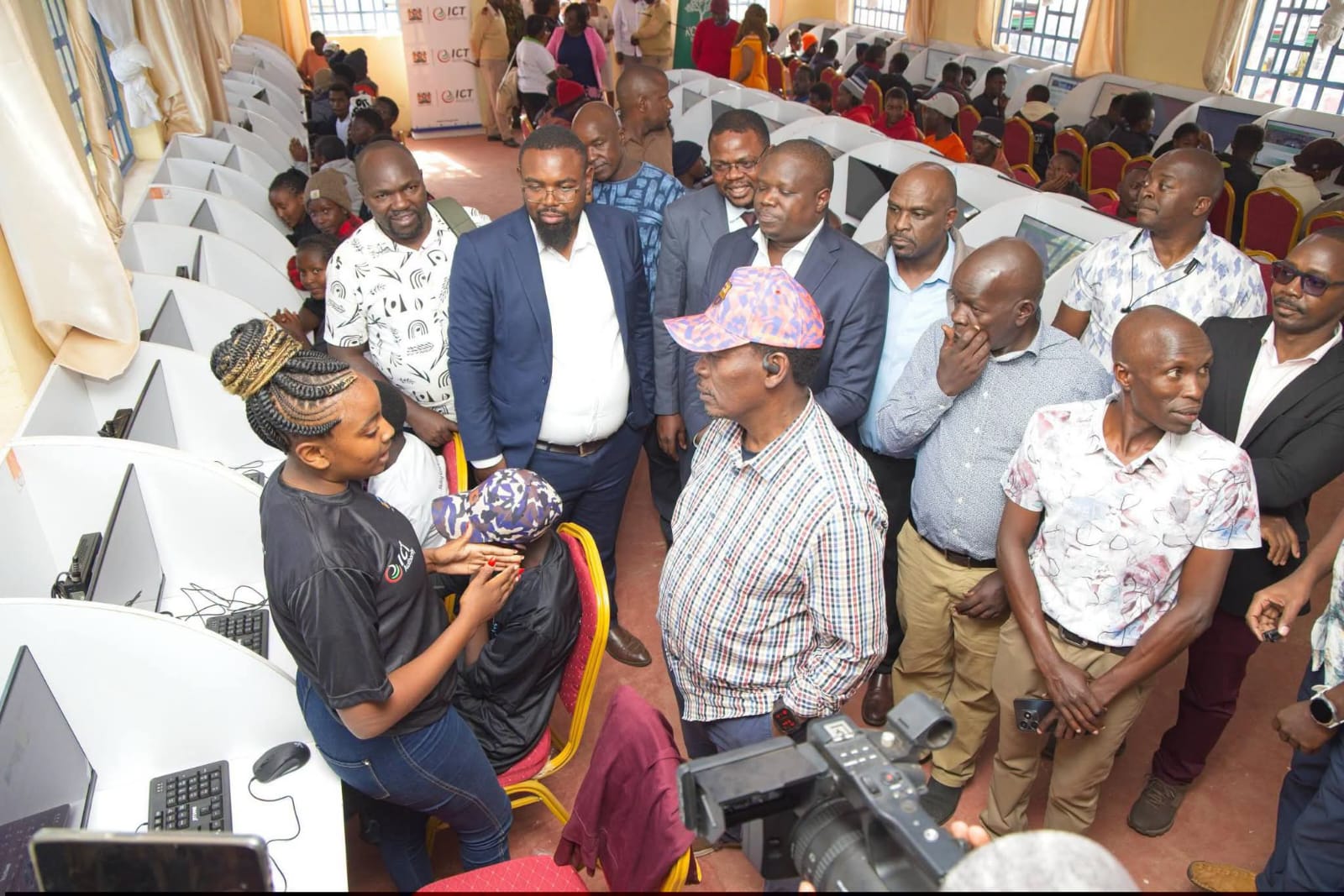
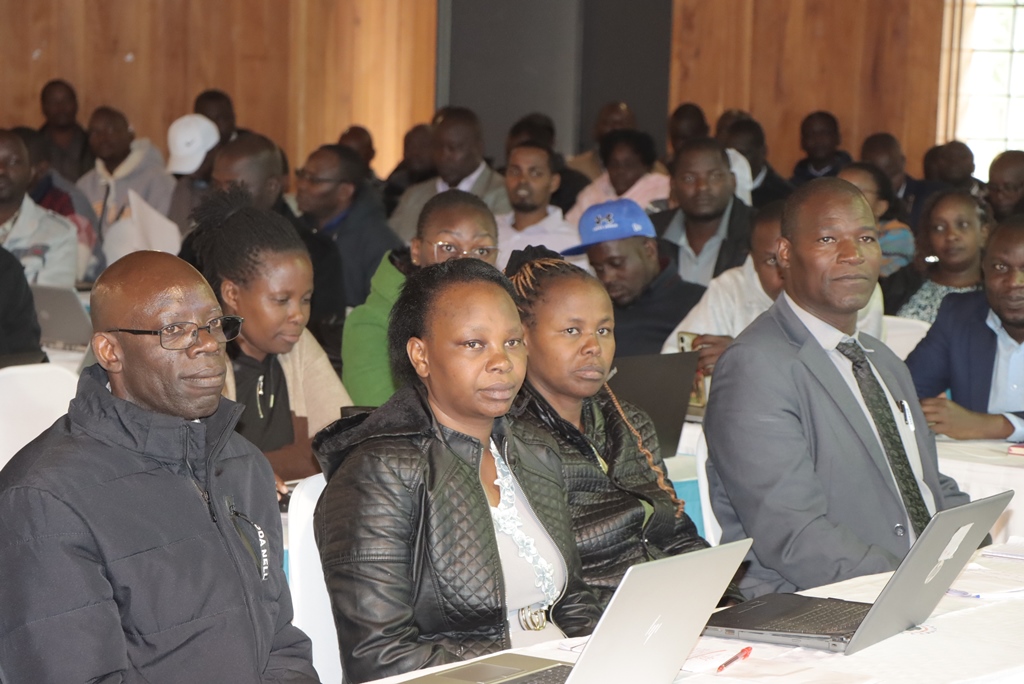
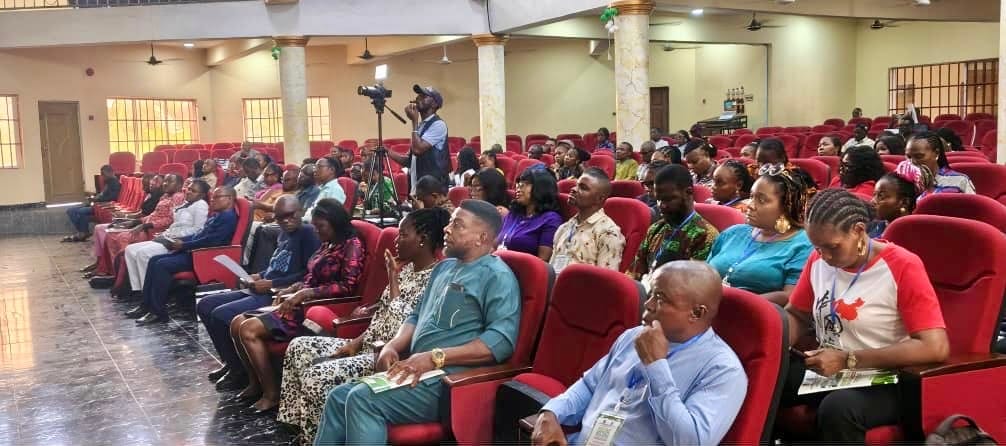
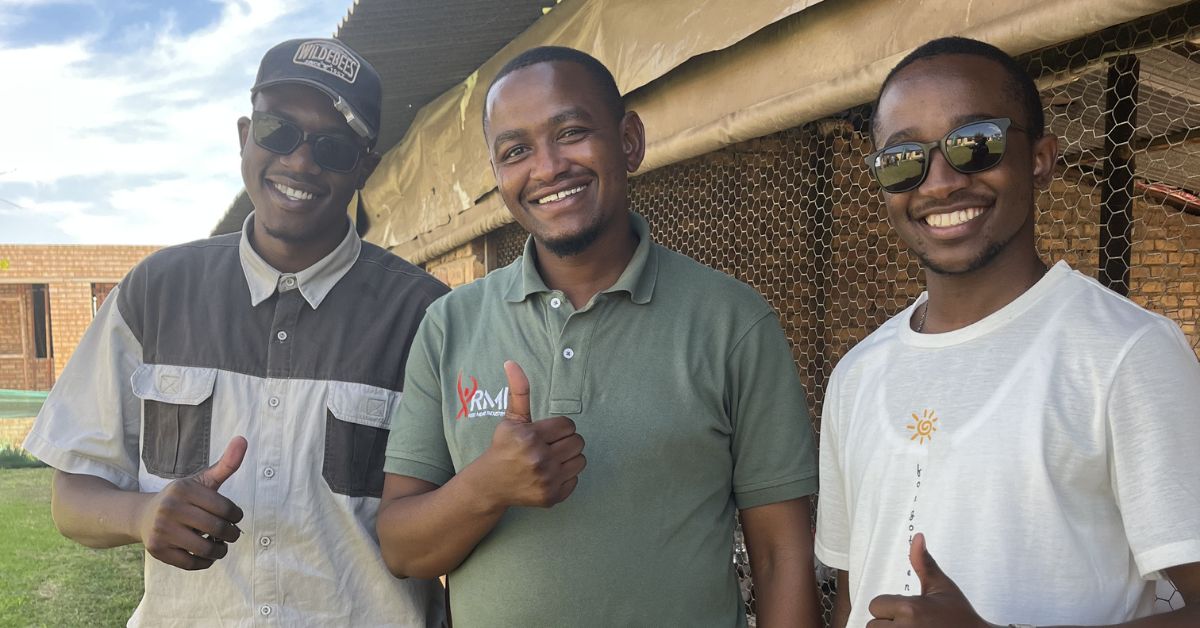
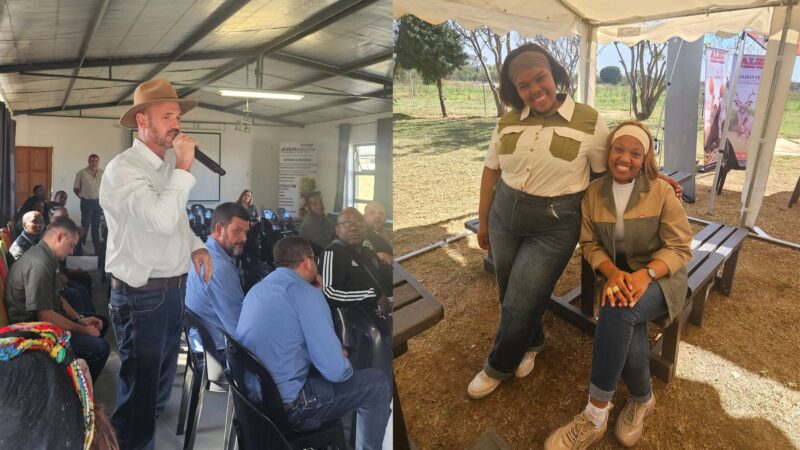
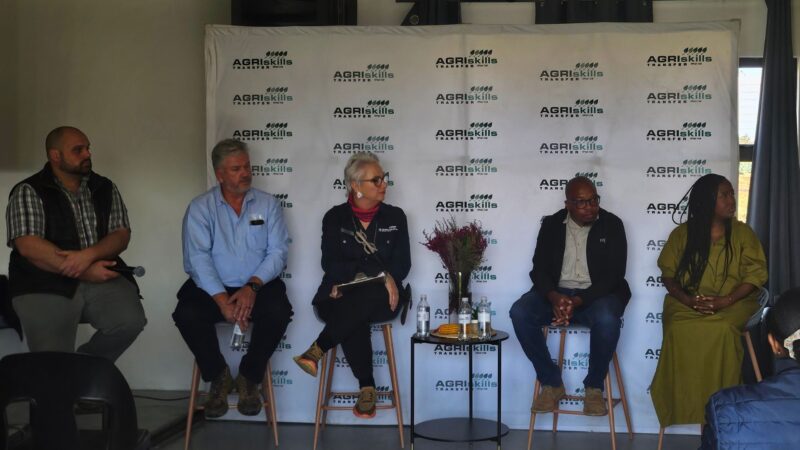
This was a key message at Food For Mzansi’s Gauteng farmers’ day, hosted in partnership with Agri Skills Transfer on their Cullinan campus. Farmers, industry leaders and other stakeholders gathered to discuss how agriculture can evolve while remaining grounded in practical realities.
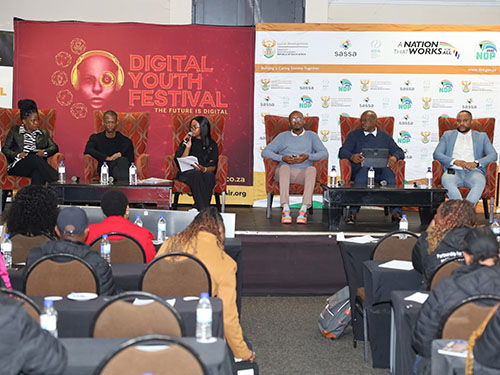
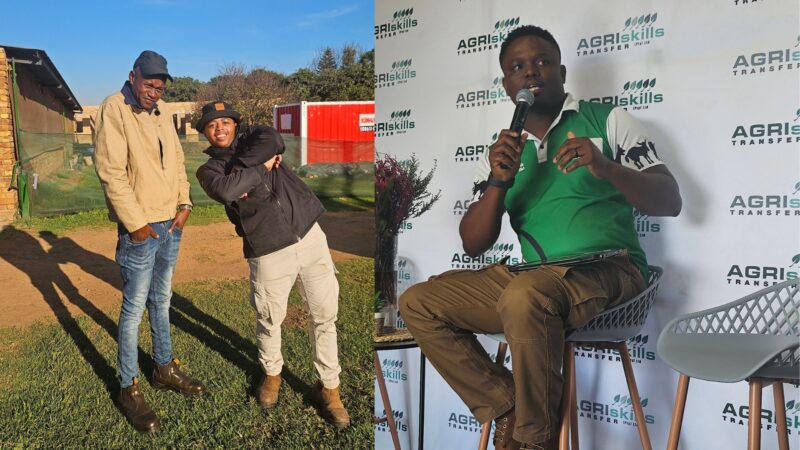
Setting the scene during a panel discussion, Agri Skills Transfer marketing manager Laurika du Bois noted that while technology is reshaping agriculture, the sector cannot afford to lose sight of the fundamental principles of farming.
“We simulate real life on a farm. Technology and innovation are important; they are part of the future of agriculture, but we must first get the basics right. Farming takes grit, dedication and a deep understanding of why you do it,” she said.
Related stories

Bridging the technology gap in farming
Du Bois highlighted the uneven realities facing farmers across South Africa, where access to advanced technologies remains limited.
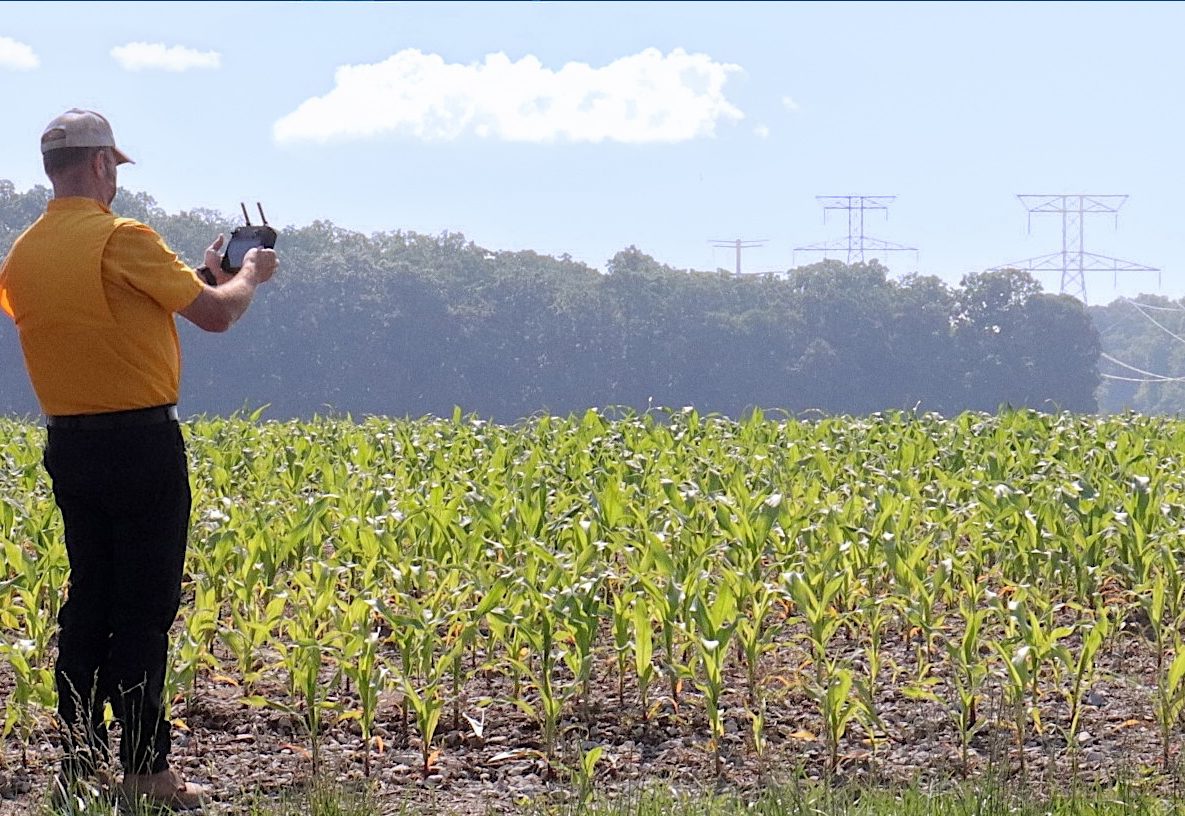
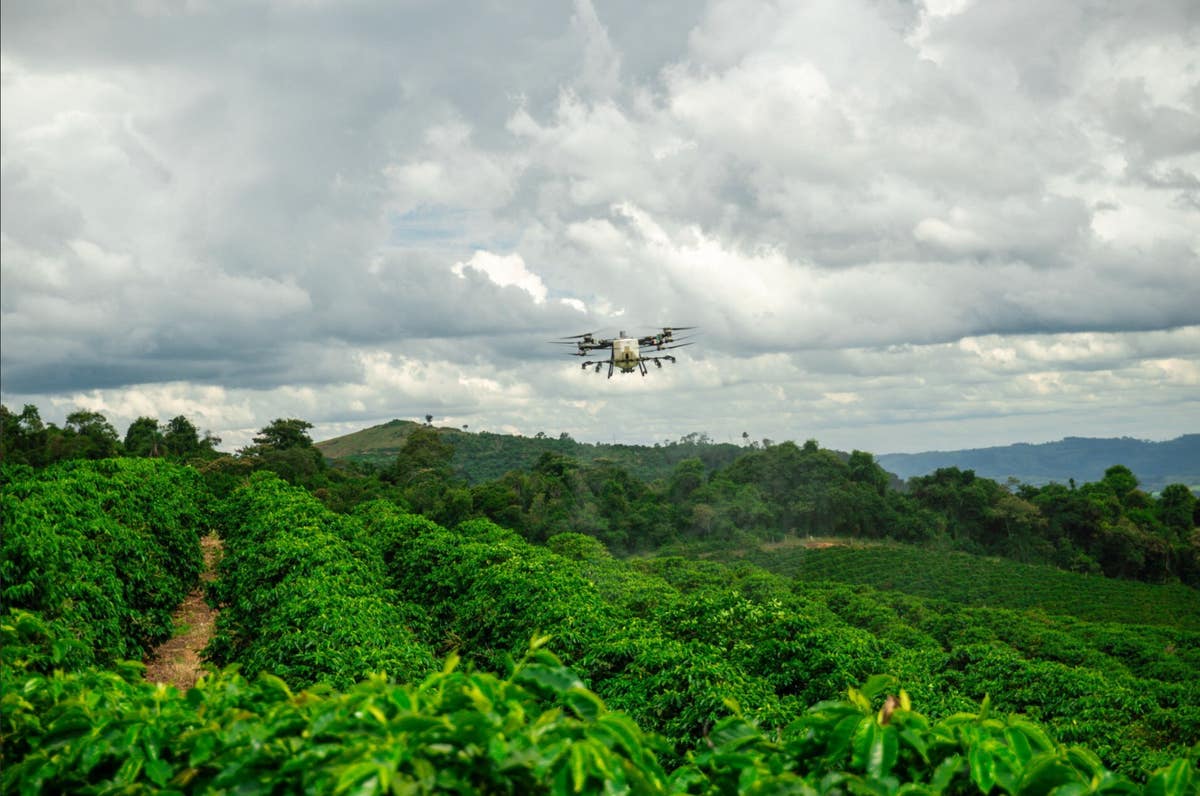
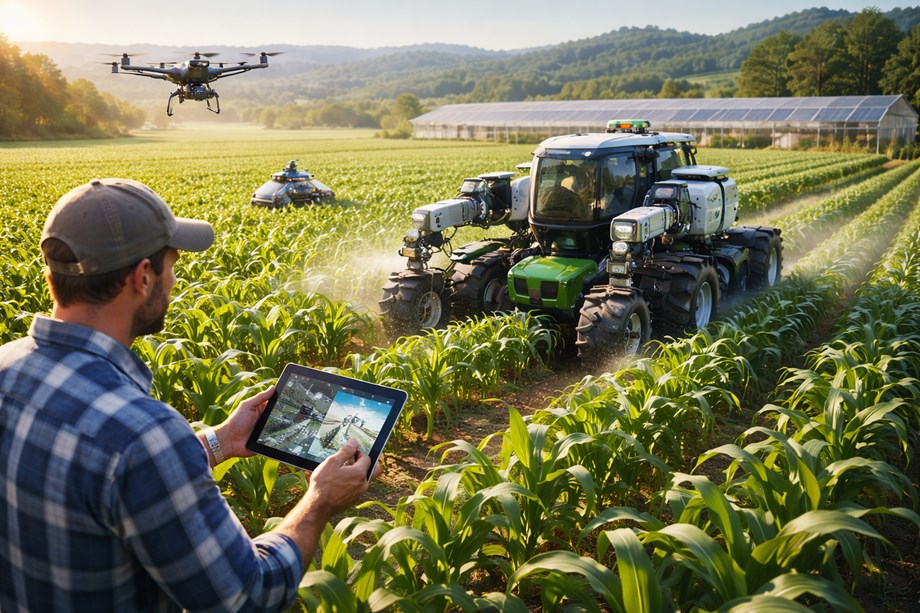
“Not every farmer has access to a drone, or even reliable internet. We need to talk about smart farming, but we must also talk about regenerative farming, water stewardship and respecting the land.”
She called on industry partners to help strengthen agricultural training by investing in shared learning infrastructure.
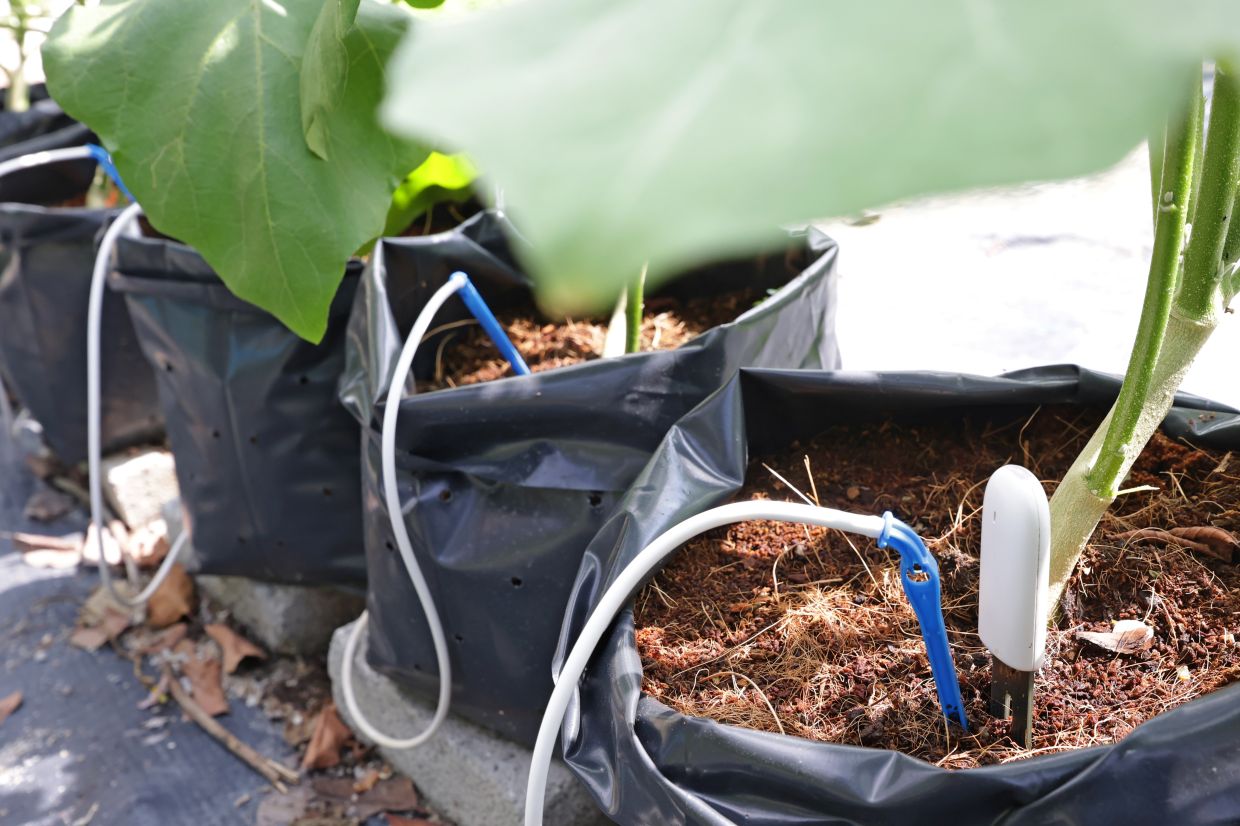
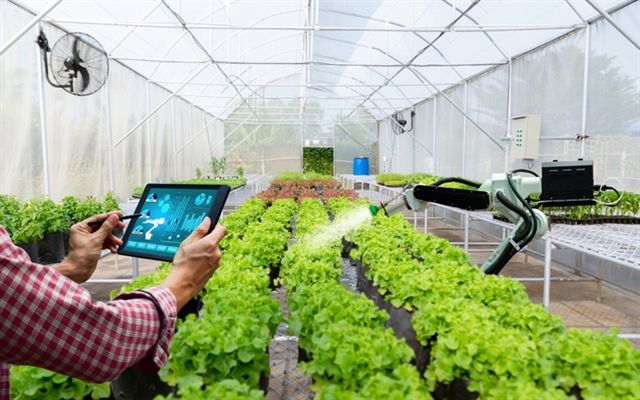
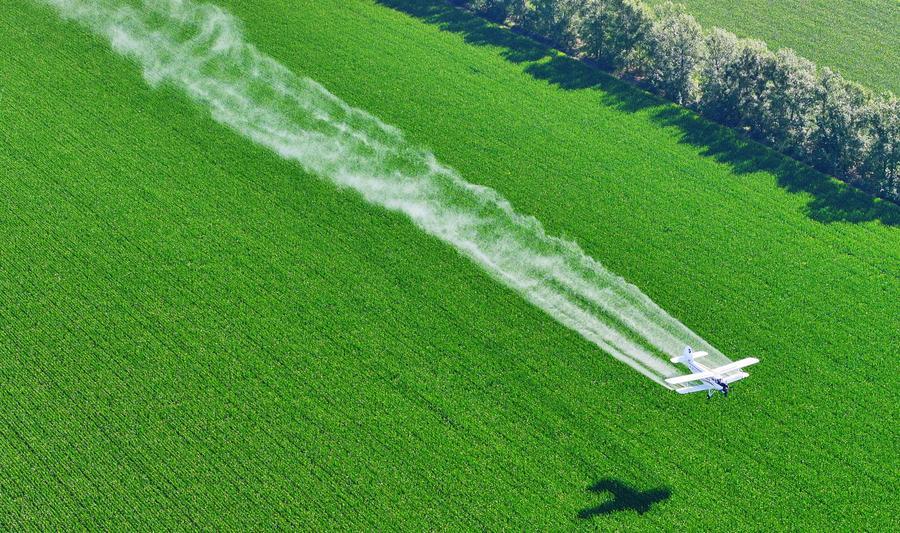
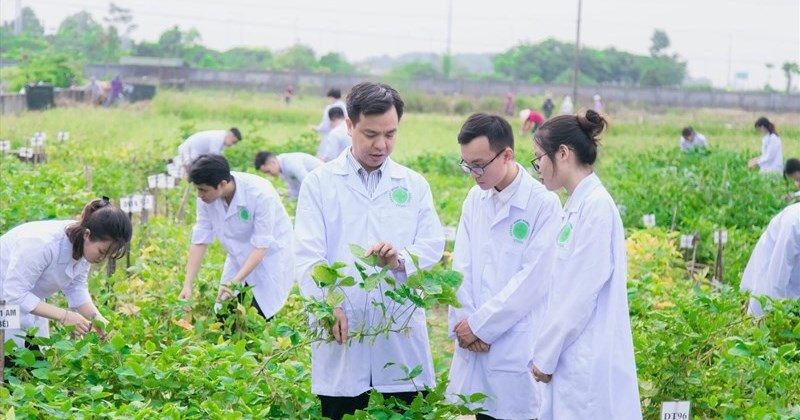
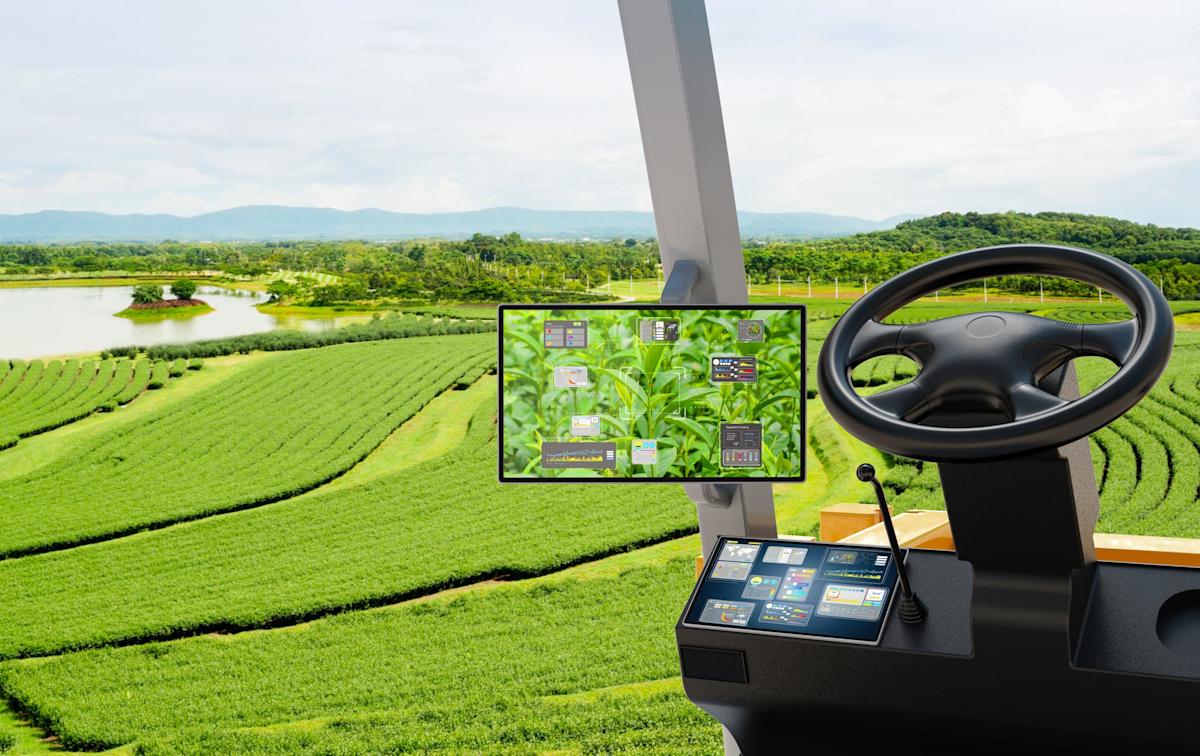
“If companies want to invest in technology, bring it to training institutions where hundreds of students can benefit. Equip farmers with skills in drone technology, hydroponics and aquaponics so they can access the future of farming,” she said.
Technology that works for farmers
Jeandré Johnston, project manager at WeCommerce, highlighted that technology must be designed around farmers’ realities rather than imposed as a commercial solution.
“When we connect farming communities to technology, it must be technology that works for South African farmers. It must function where connectivity is limited and where it can make a practical difference,” Johnston said.
He noted that digital tools can help farmers identify problems earlier, improve decision-making and strengthen collaboration between neighbouring producers.
“The goal is not for farmers to operate in isolation, but to build networks where resources, information and solutions can be shared.”
Opportunities in a changing dairy industry
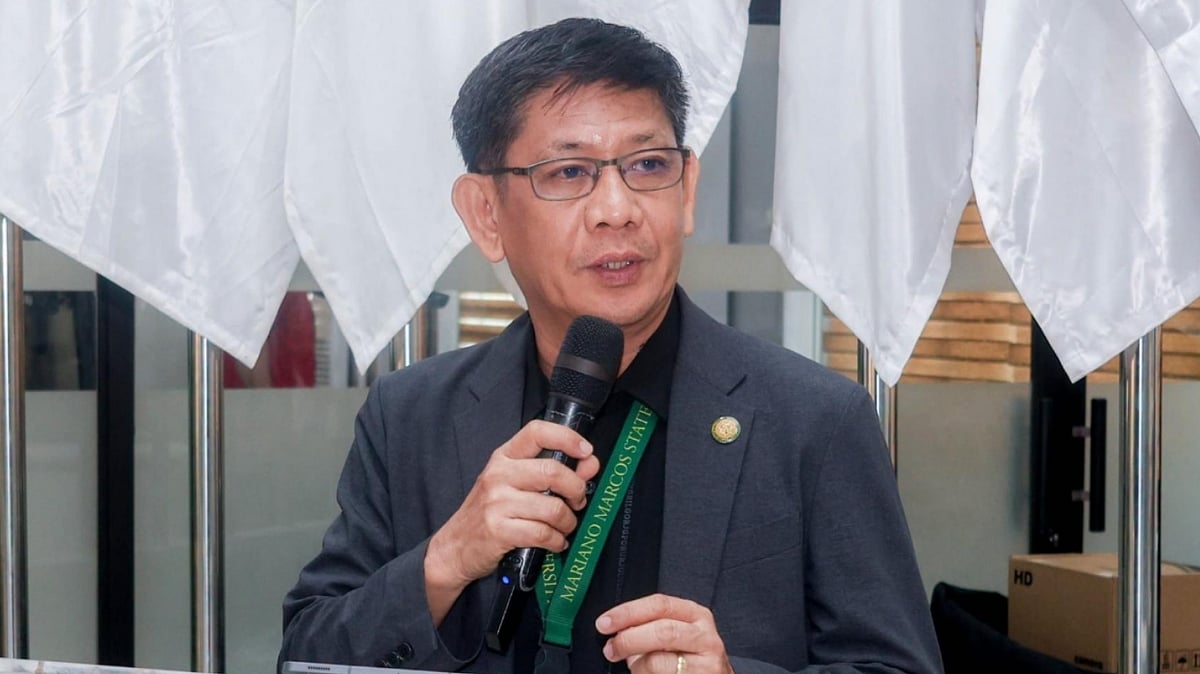
Speaking on behalf of the Milk Producers’ Organisation (MPO), training and transformation manager Ronald Rapholo reflected on the evolution of South Africa’s dairy industry and the opportunities it presents for new entrants.
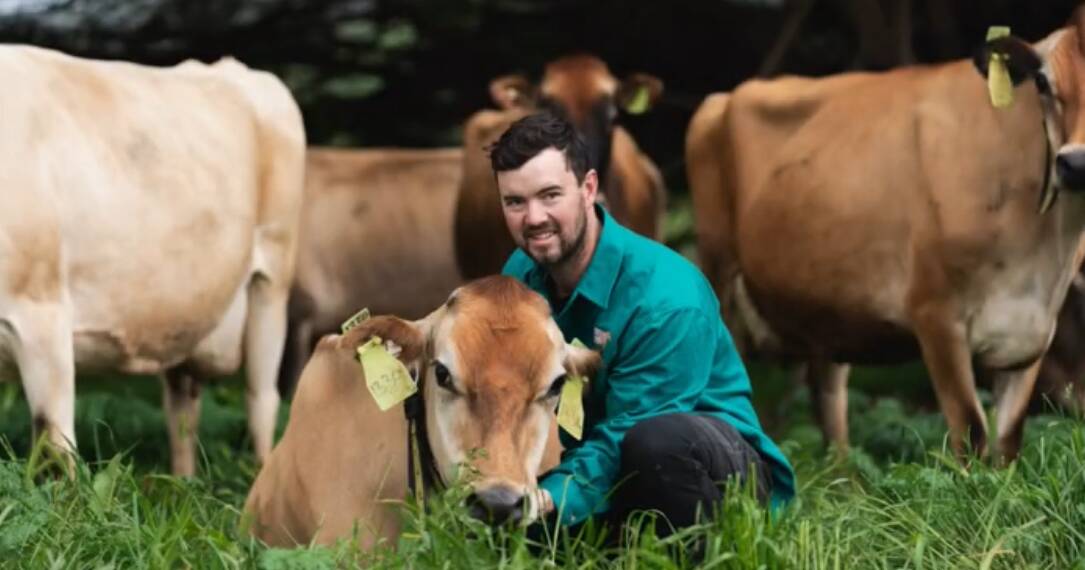
“Dairy farming is demanding. Cows need to be milked 365 days a year, but agriculture is evolving, and there is still opportunity for young farmers who are prepared to farm efficiently and manage farming as a business,” he said.
Rapholo explained that rising feed and transport costs are reshaping milk production patterns, with growing opportunities emerging closer to inland markets.
“You need to know your numbers. A modern farmer must also be an accountant, a mechanic and a manager. If you don’t know what it costs to produce a litre of milk, you cannot run a sustainable business,” Rapholo noted.
Women shaping agriculture’s future
Agricultural broadcaster Mmatsheko Mosito highlighted the growing influence of women in agriculture and the value of diverse professional backgrounds entering the sector.
“Women are doing far more than administration in agriculture. Many are bringing expertise from finance, technology, law and other sectors, and that experience becomes incredibly valuable in farming,” she said.
Mosito argued that women’s participation extends beyond production agriculture into research, policy, philosophy and leadership.
“We need women in think tanks and decision-making spaces, helping shape the next generation of agriculture,” she said.
Francois Knowles, registrar of the Agricultural Produce Agents Council, reflected on the role of artificial intelligence (AI) and regulation within agriculture.
“Artificial intelligence has a place in agriculture, but it will never replace human understanding and organic experience.”
The event ultimately highlighted that the future of South African agriculture will require more than advanced technology alone. Skills development, practical training, partnerships, and inclusive participation remain essential ingredients in building a resilient and competitive agricultural sector.
READ NEXT: Smart growing media: Choosing the right substrate for success