India’s economy is expanding rapidly, and prospects are good. But external factors like the Iran conflict could slow it down.
This article appears in the July/August issue of Global Finance Magazine.
Few large economies match India’s growth potential, which is supported by robust domestic demand, a strong banking sector, and sound macroeconomic fundamentals.
But spillovers from the Iran war have added to inflationary pressure while worsening currency depreciation and foreign exchange outflows. The question is not whether India can grow, but whether it can sustain its growth trajectory amid external headwinds and achieve its potential.
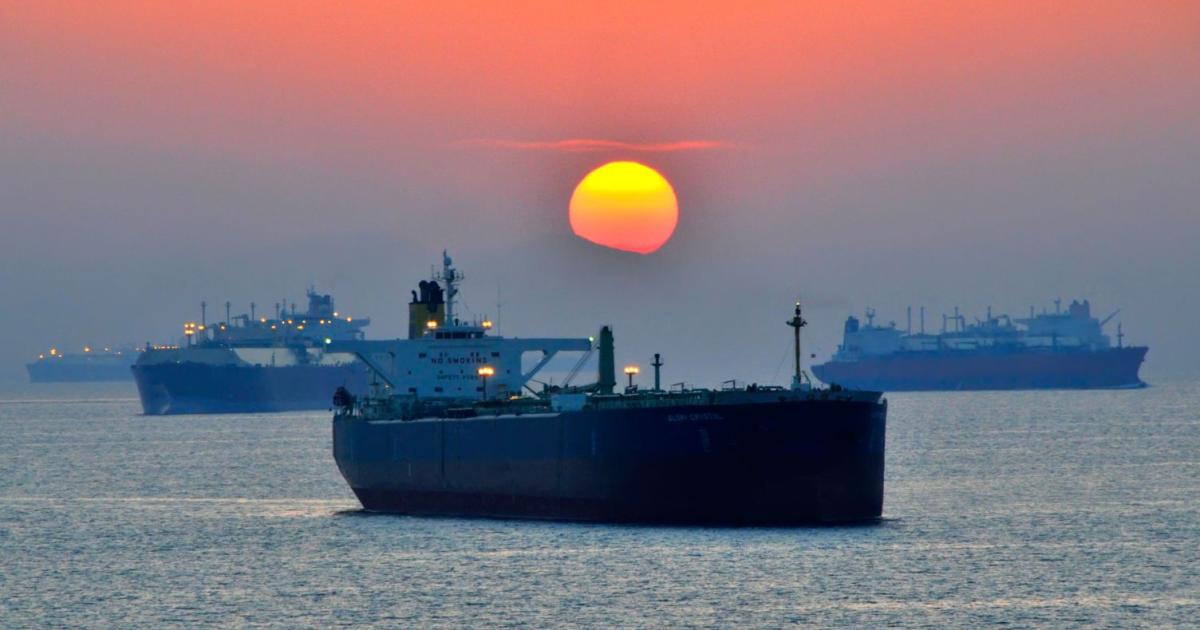
Higher crude oil prices and rising logistics costs stemming from the latest Persian Gulf conflict are the most immediate challenges. India imports more than 85% of its crude, so even small price increases feed into the current account and increase the import bill.
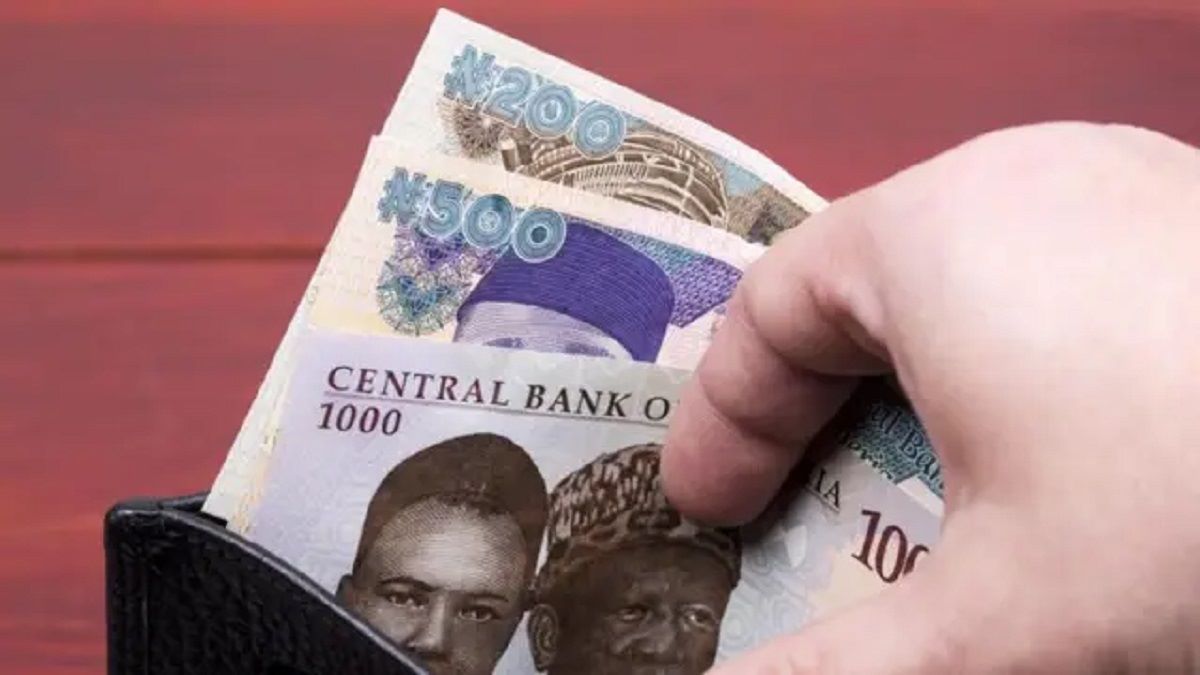
Remittances act as a stabilizer against external shocks, but they are not immune to geopolitics. India remains the world’s largest recipient of remittances, with flows topping $135 billion in fiscal 2024-25, which ended in March of that year, accounting for 3% of GDP. A crisis in the U.S., U.K., EU, or Western Asia is enough to create ripple effects on a country’s external balance.
Yet, India is entering a period of macroeconomic strength. Inflation remains broadly contained at 3.9% as of May, and unemployment has stayed broadly stable in recent years, in the mid-single-digit range. Foreign exchange reserves stood at around $680 billion in March, May, and June, near record highs, and serve as a buffer against currency shocks without derailing growth, while supporting nearly one year of import cover.
Banking Leads the Recovery
India’s growth is most evident in its banking sector. After years of balance-sheet problems and a mounting inventory of bad loans, Indian banks are now in their strongest position in more than a decade. Non-performing assets have fallen to multi-decade lows, capital buffers remain comfortably above regulatory requirements, and balance sheets are well positioned to support credit growth.
Accordingly, Indian banks are attracting renewed interest from foreign investors. Sumitomo Mitsui Banking Corporation’s acquisition last year of a 24.9% stake in Yes Bank makes it the largest shareholder. Emirates NBD’s proposed acquisition of a stake in RBL Bank, pending approval later this year, is among the largest announced foreign-investor transactions in Indian banking.
India continues to attract long-term foreign direct investment (FDI), even as foreign institutional investors head for the exits. The divergence suggests that foreigners believe in India’s growth and are betting on the long term rather than the short term, which is susceptible to global liquidity cycles.
A major chunk of FDI in India continues to be routed through financial hubs, including Singapore (25%) and Mauritius (24%), reflecting tax efficiency, favorable double taxation treaties, and infrastructure for cross-border capital flows. The sectors with the highest recent equity inflows include services (financial, banking, and insurance); computer software; the automobile industry; telecommunications; and construction. As this suggests, AI, software, data centers, digital infrastructure, renewable energy, batteries, green hydrogen, and advanced manufacturing have been especially attractive investments.
Growth Keeps Outpacing Peers
India is this year’s fastest-growing major economy thus far and has been for almost a decade. The International Monetary Fund forecasts growth of 6.5% for fiscal 2026-27, compared with Indonesia (5%), China (4.4%), and the Philippines (4.1%), and the same for 2027-28. With the world’s largest population at 1.4 billion, India’s growth is mainly consumption- rather than export-led, reinforcing domestic demand.
After becoming the world’s fifth-largest economy in fiscal 2024-25, overtaking the UK and poised to challenge Japan, India slipped back to sixth place in 2025-26. The drop in rankings reflects not economic performance but the combined effects of currency depreciation driven by the Iran war and nominal GDP base-year revisions.
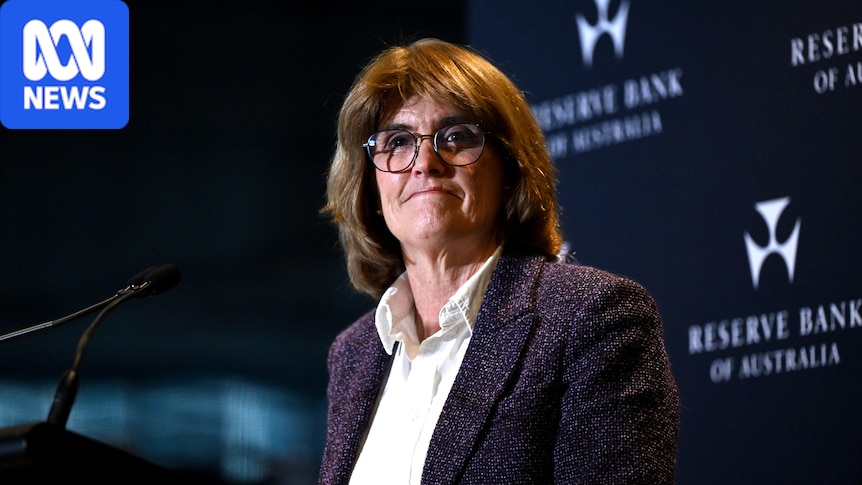
While the government has estimated GDP growth at 7.7% for 2025–26, the Reserve Bank of India (RBI) estimates it closer to 6.6%, highlighting a divergence in expectations about the durability of current momentum.
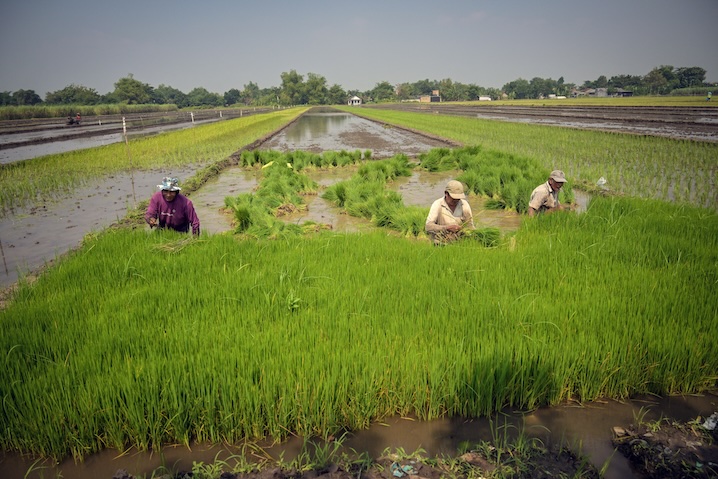
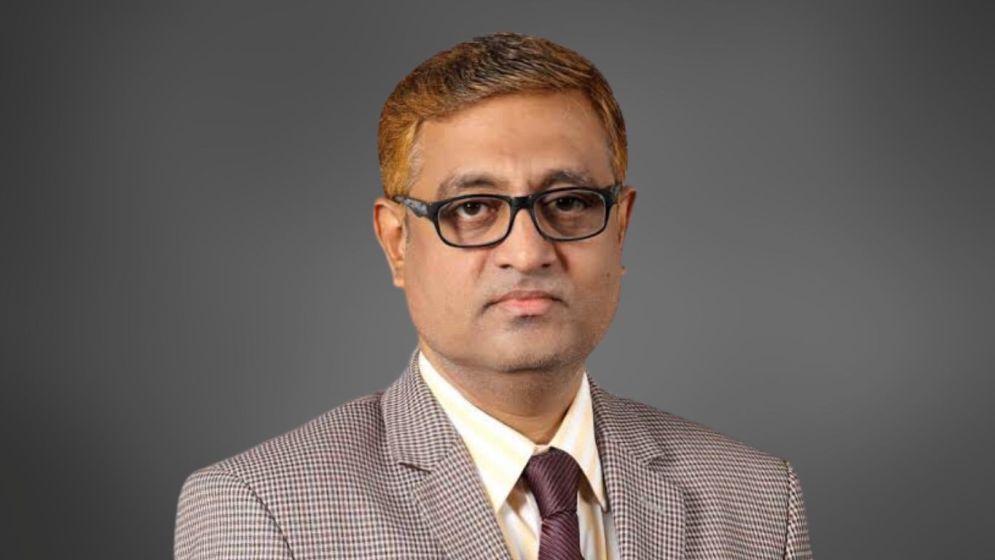
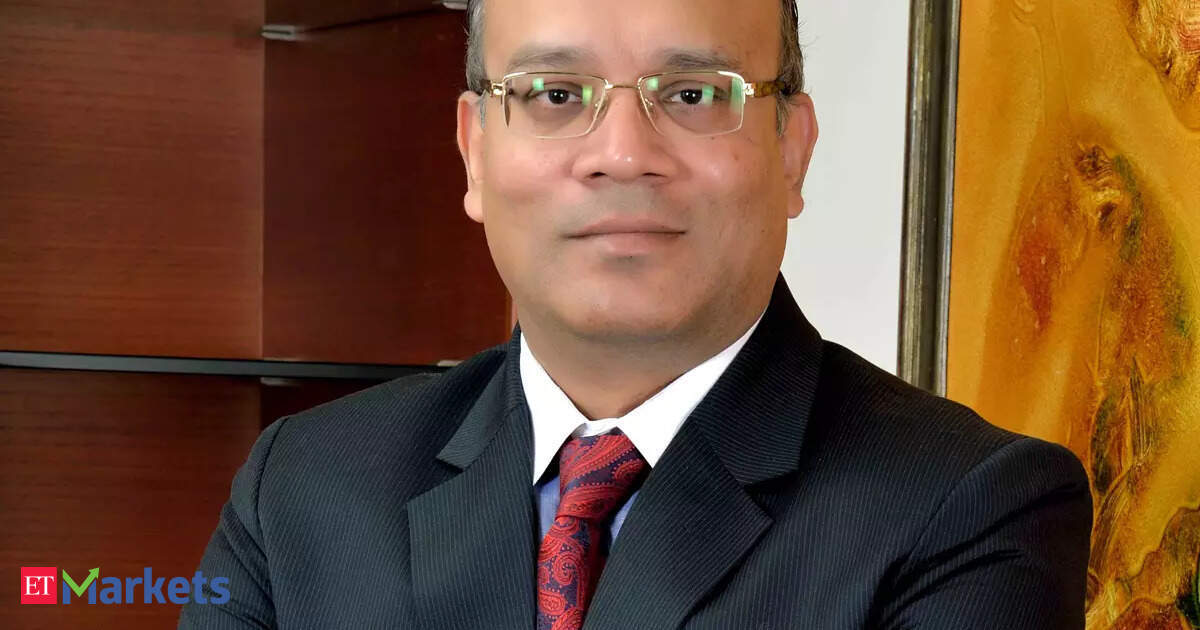
The RBI’s forecast may prove too conservative, says Charan Singh, CEO and Founder Director of the EGROW Foundation, a public-policy think tank. He expects the economy to grow between 7.25% and 7.75% in fiscal 2026-27, driven by strong domestic demand in the hinterland, smaller towns, and progressive rural areas, which he expects will offset weak global demand that is affecting exports.
The Energy Challenge
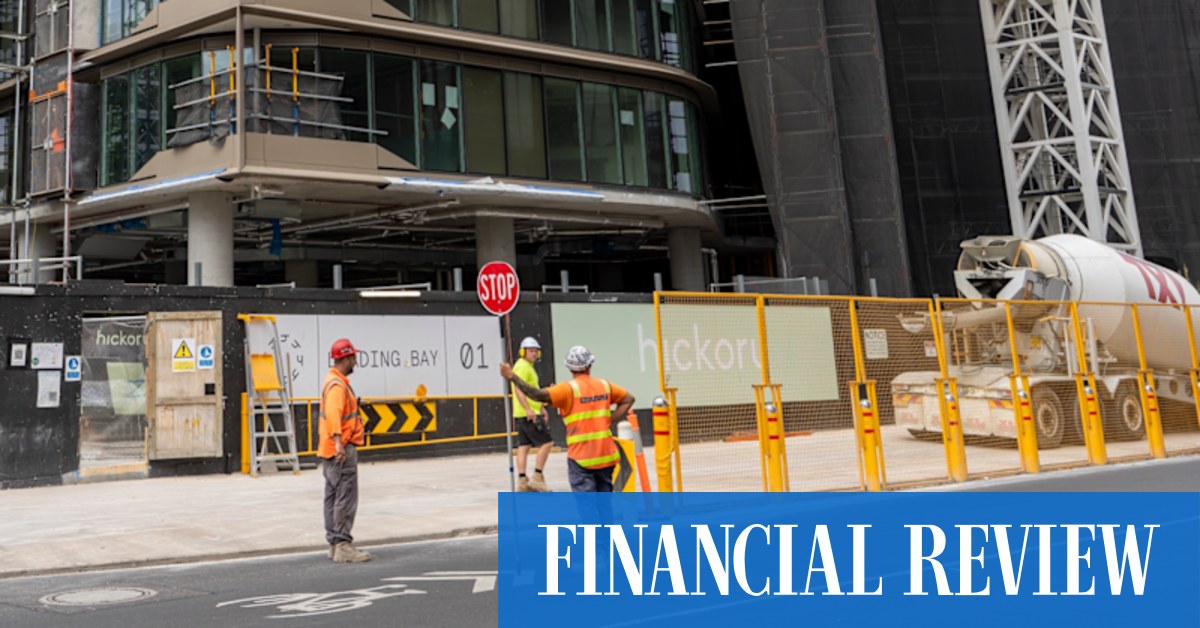
The Iran war, however, reversed some of India’s recent growth. In May, Prime Minister Narendra Modi urged the nation to reduce imports and foreign travel to curb foreign exchange outflows. Since then, reducing oil imports, a major component of India’s import bill, has been a central pillar of economic policy.
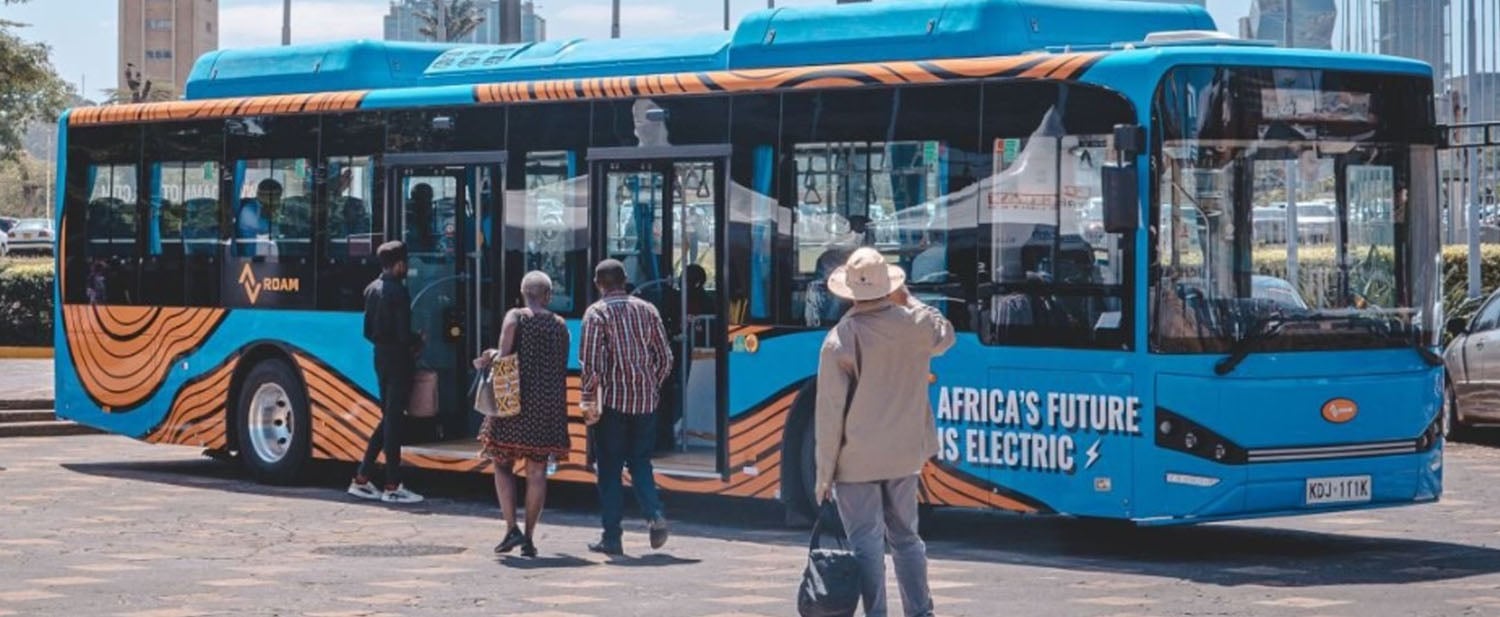
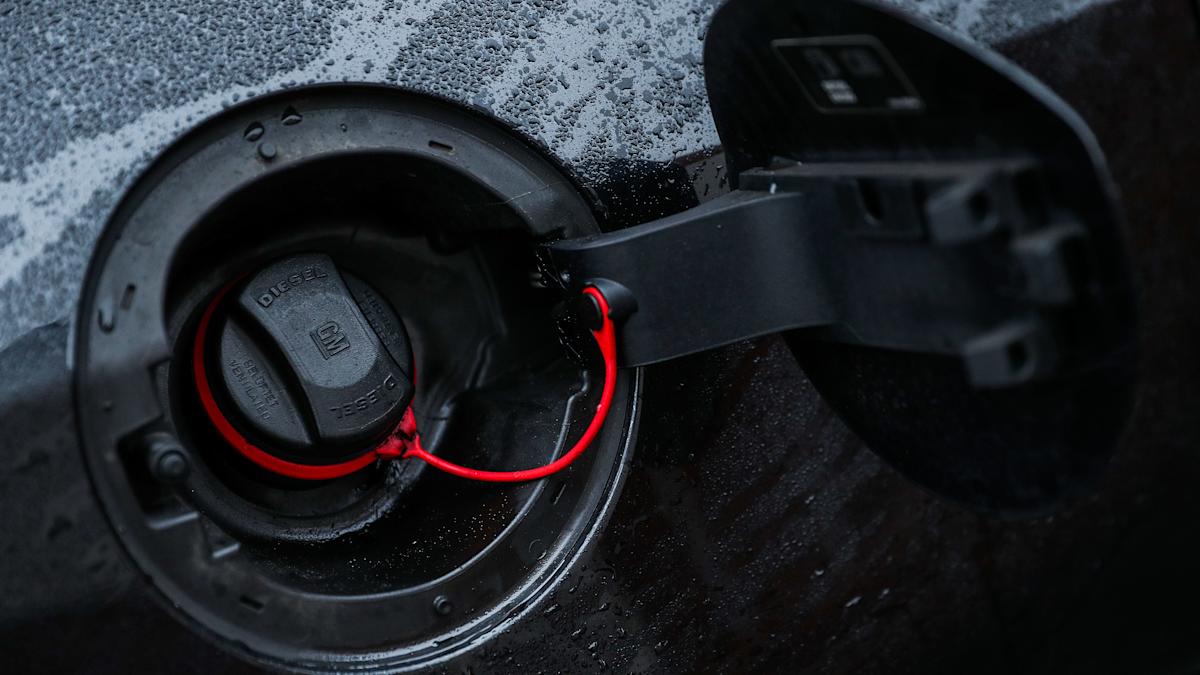
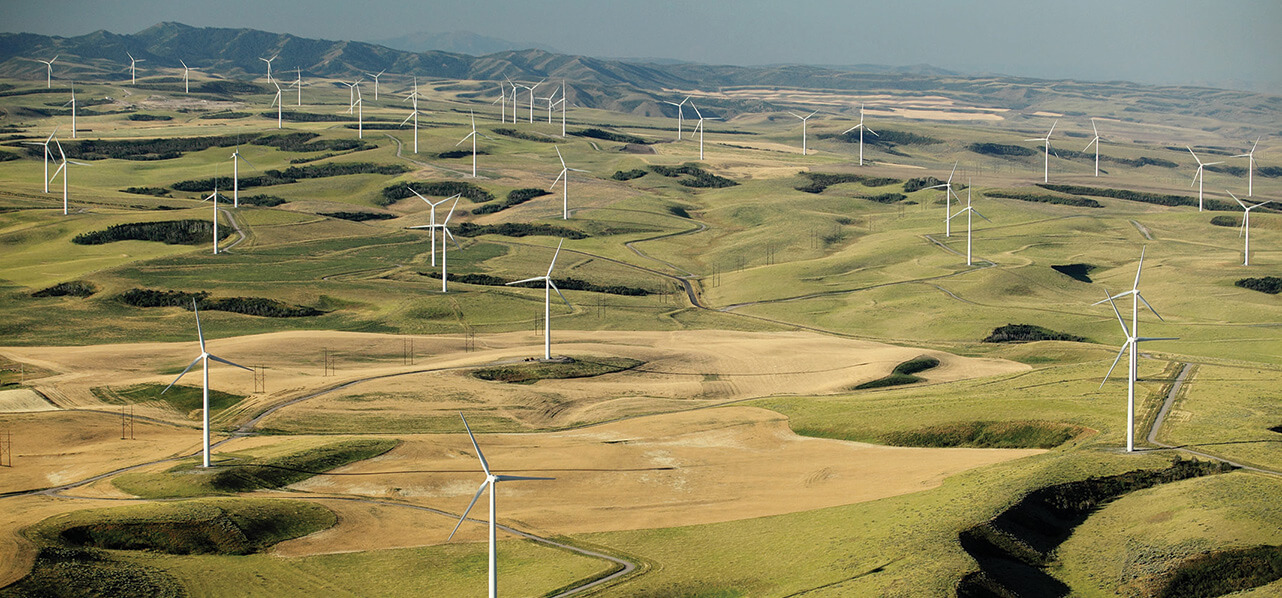
India has accelerated ethanol blending and coal gasification, expanded the use of compressed natural gas and biogas, scaled up solar and wind power, promoted electric vehicles (EVs), and inaugurated a green hydrogen program. The Ministry of Petroleum recently launched E100, a blend of 100% ethanol and no petrol.

Banaras Hindu University
But to sustain and accelerate growth, a combination of short-term resilience measures and long-term structural reforms is needed, argues Bhanu Pratap Singh, an assistant professor at Mahila Mahavidyalaya, Banaras Hindu University: “Diversifying energy imports in the short run and accelerating the transition to renewable, nuclear, and green energy sources are important for enhancing energy security and reducing dependence on volatile oil markets.”
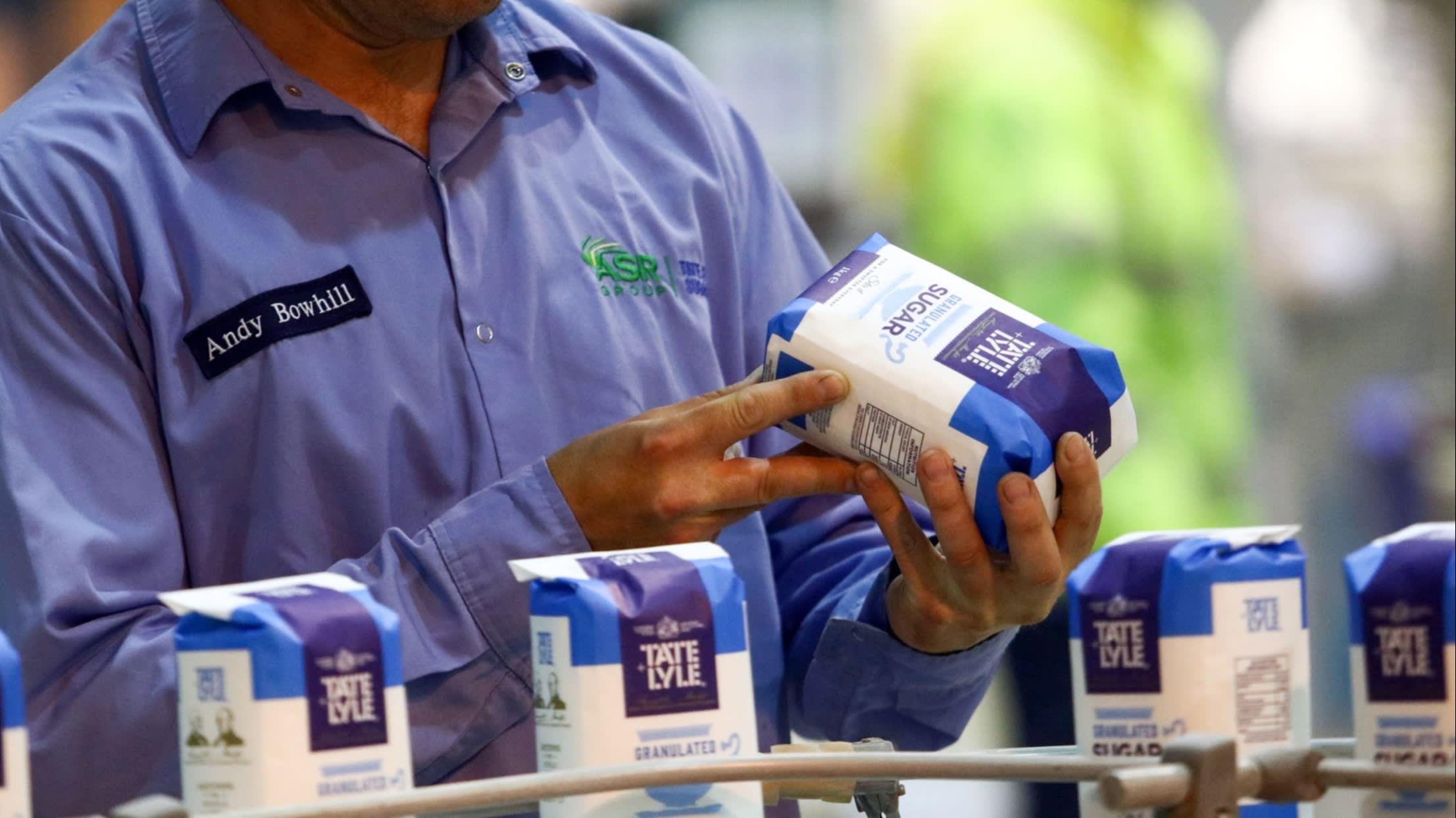
How sustainable these measures will be in reducing oil imports is the critical question. India’s ethanol program, for instance, depends on domestically produced sugarcane and sugar-based products, which will reduce the import bill and support sugarcane farmers. The challenge is that sugarcane is one of the most water-intensive crops grown in the country; expanding ethanol production without proper planning will exacerbate water scarcity and create new environmental pressures.
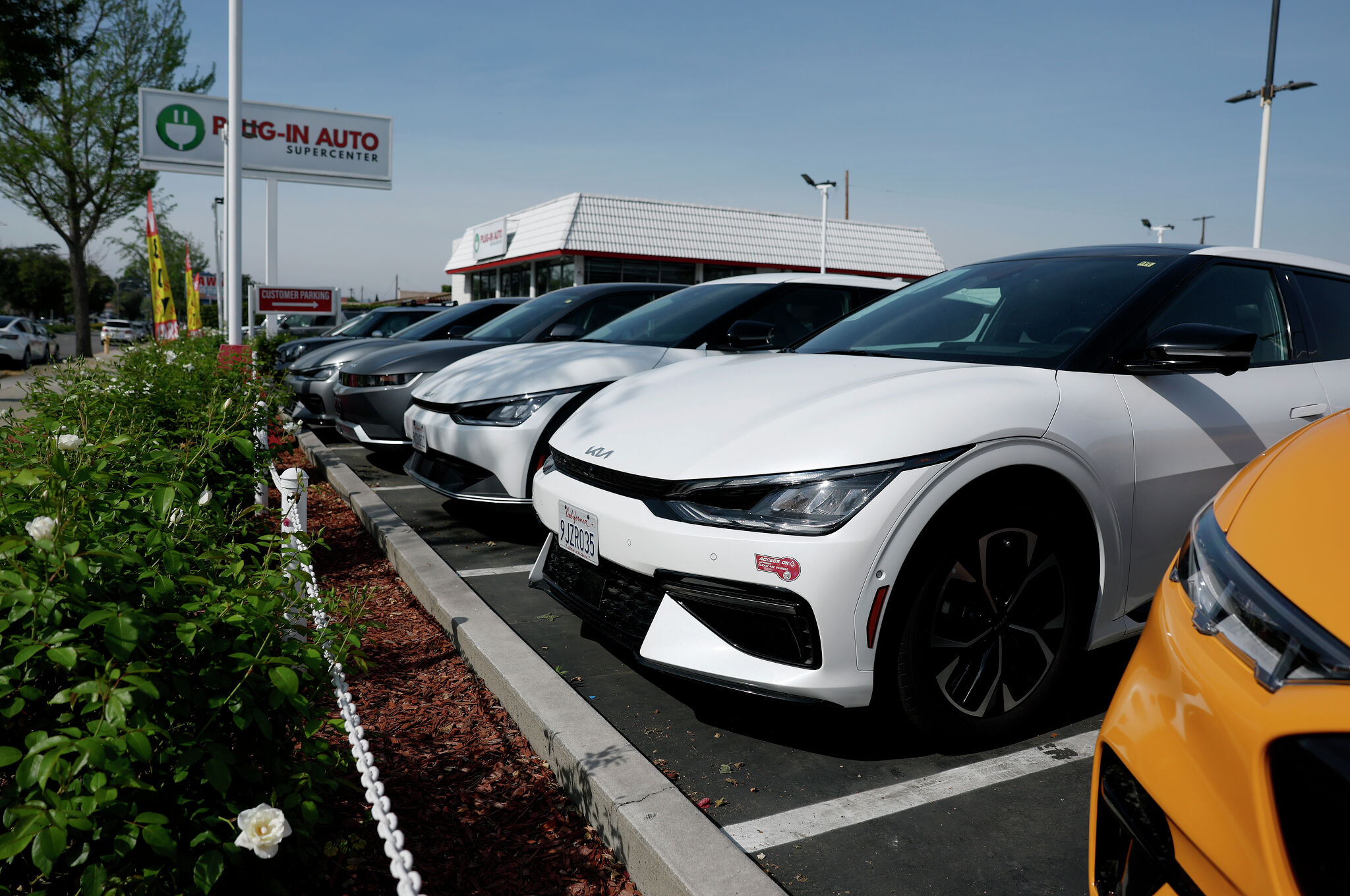
While several foreign automakers manufacture EVs, only a few, including Hyundai, MG Motor, and Citroën, have achieved production at scale. Others, including VinFast, are still in assembly or early production. EV supply chains remain heavily dependent on imports, particularly for battery cells and key raw materials, limiting local manufacturing in the short term.
India nevertheless enters fiscal 2026-27 with significant macroeconomic strength. Inflation is contained, foreign exchange reserves remain near record levels, and the banking sector is at its strongest. However, it still depends on energy imports and remains exposed to external shocks. The future will be defined by its ability to cope with unpredictable geopolitical risks without destabilizing growth.
Rajesh Trichur Venkiteswaran is a contributing writer based in India.