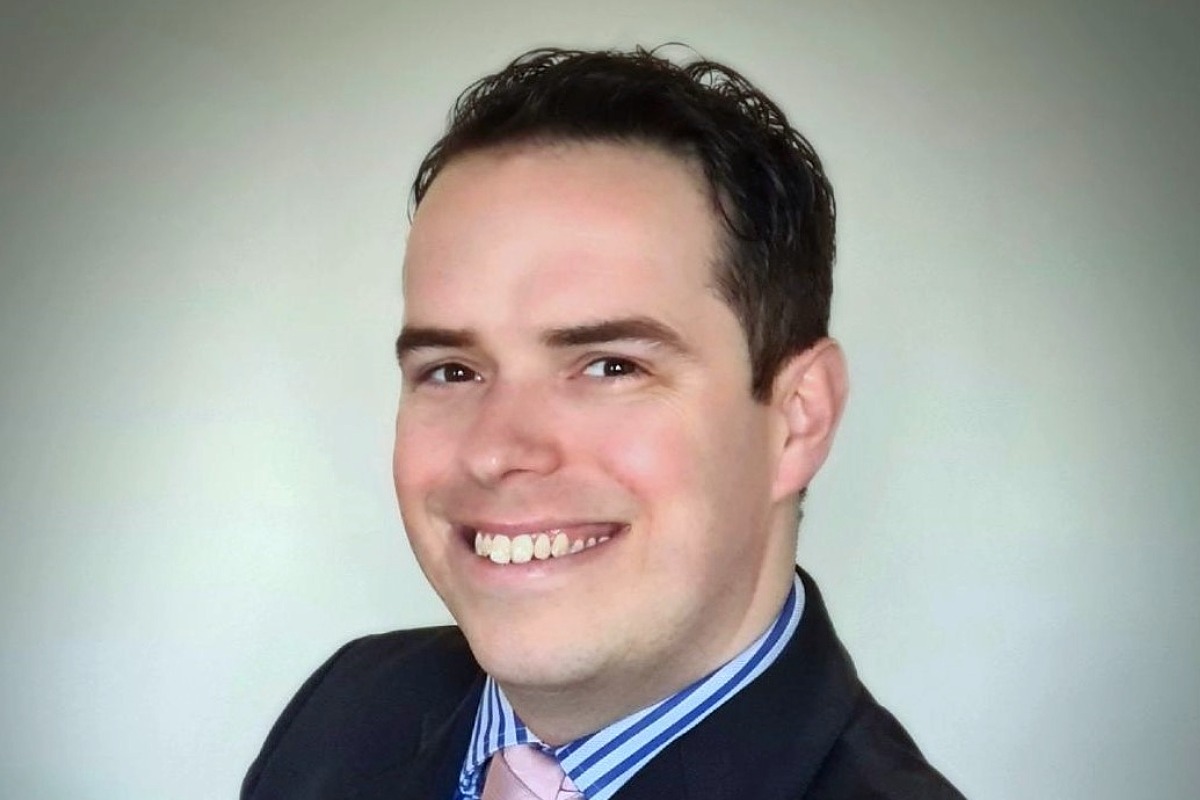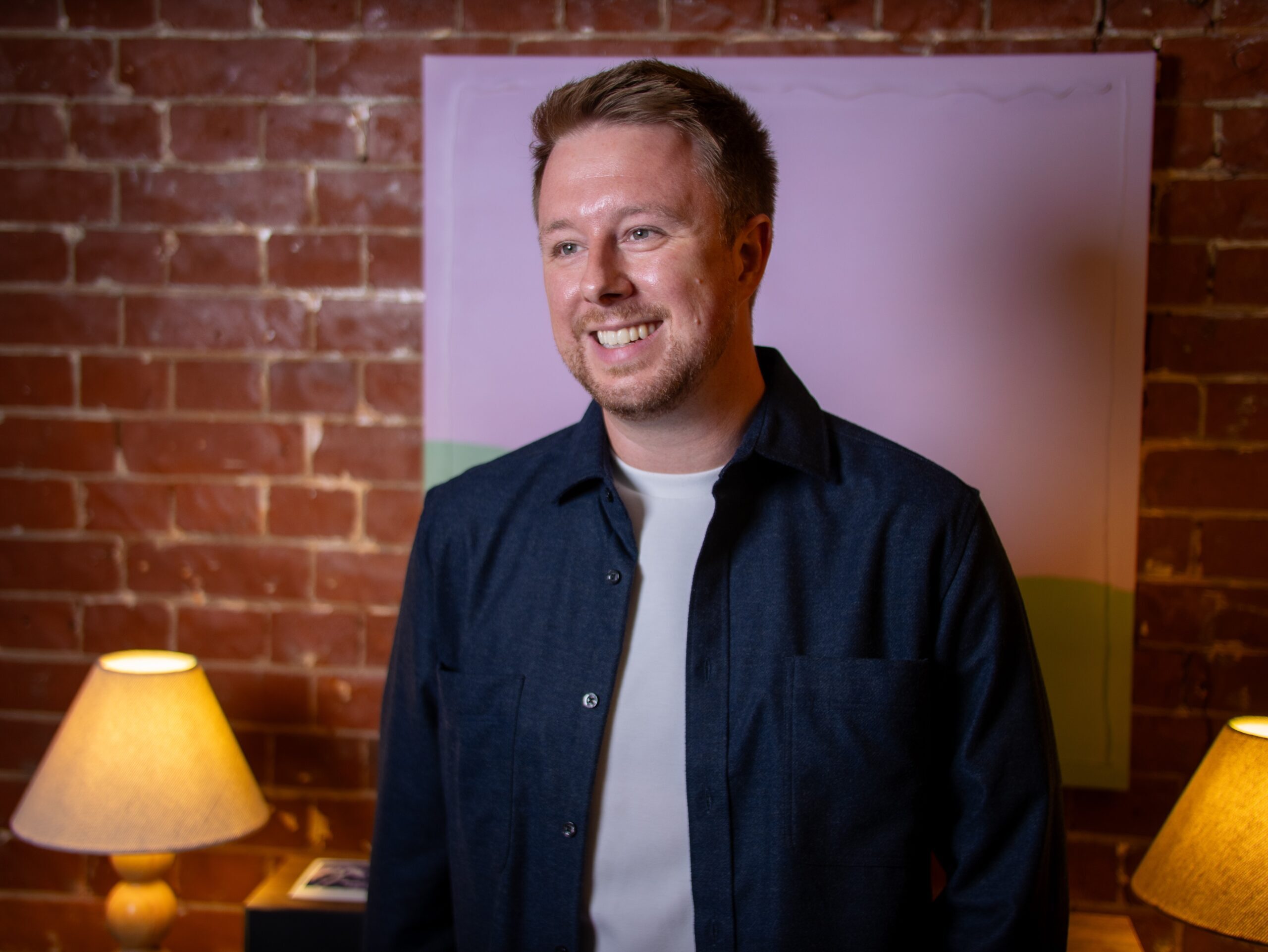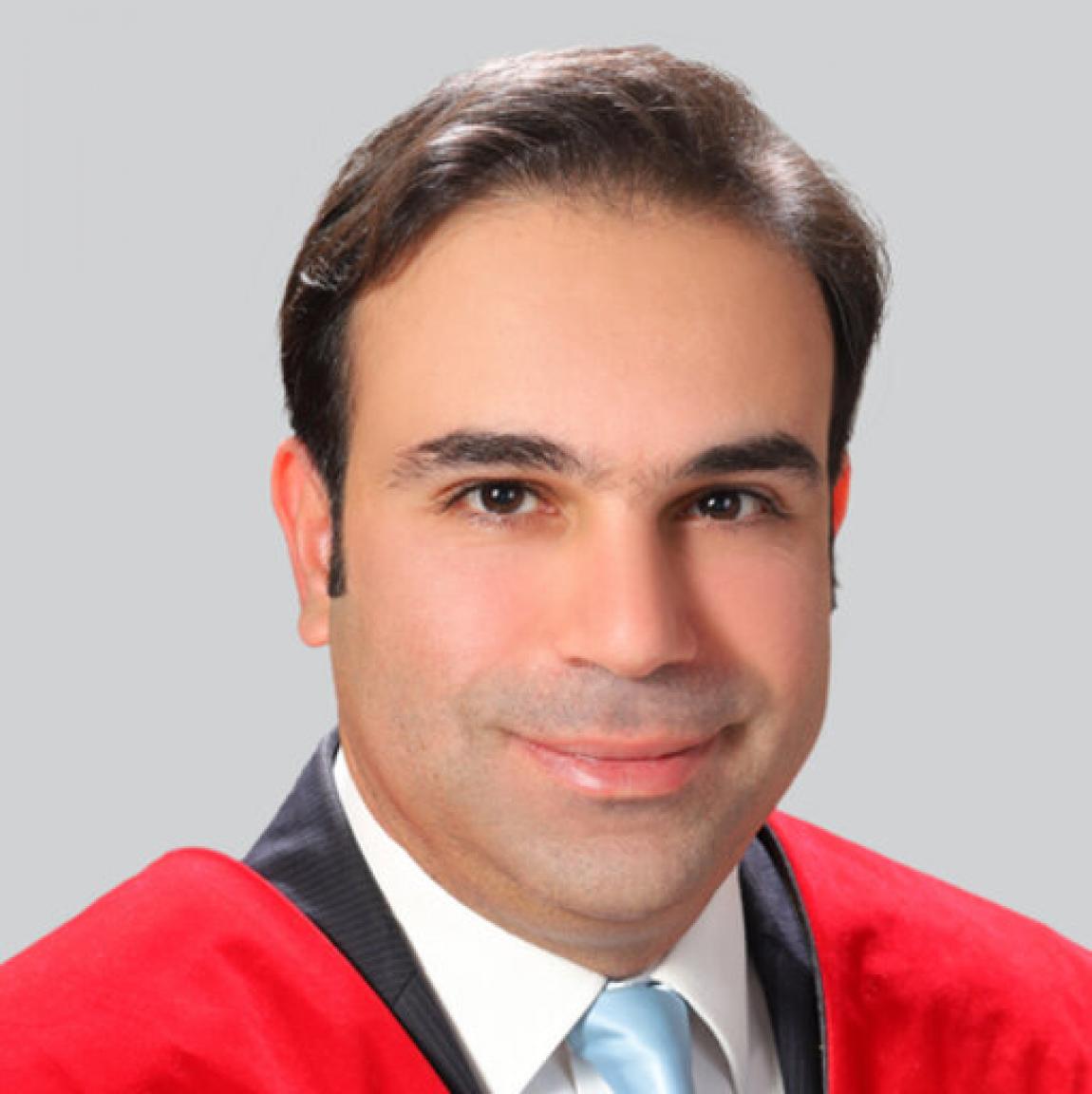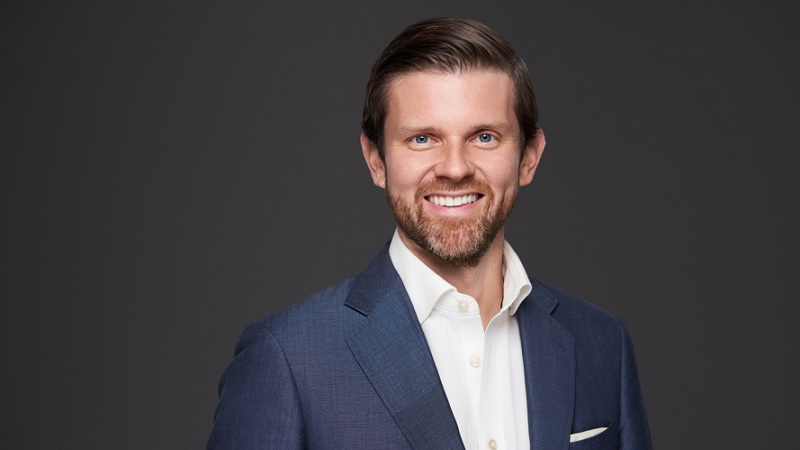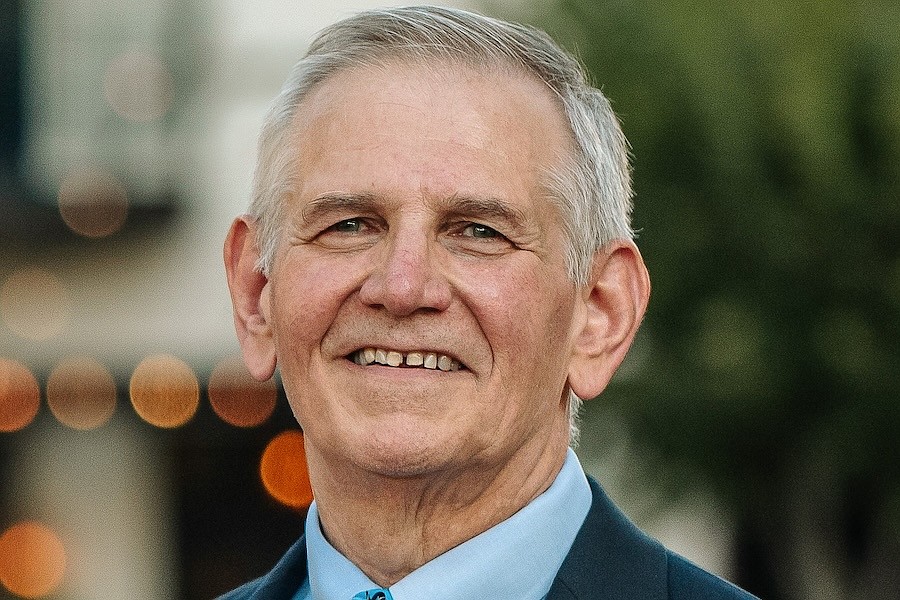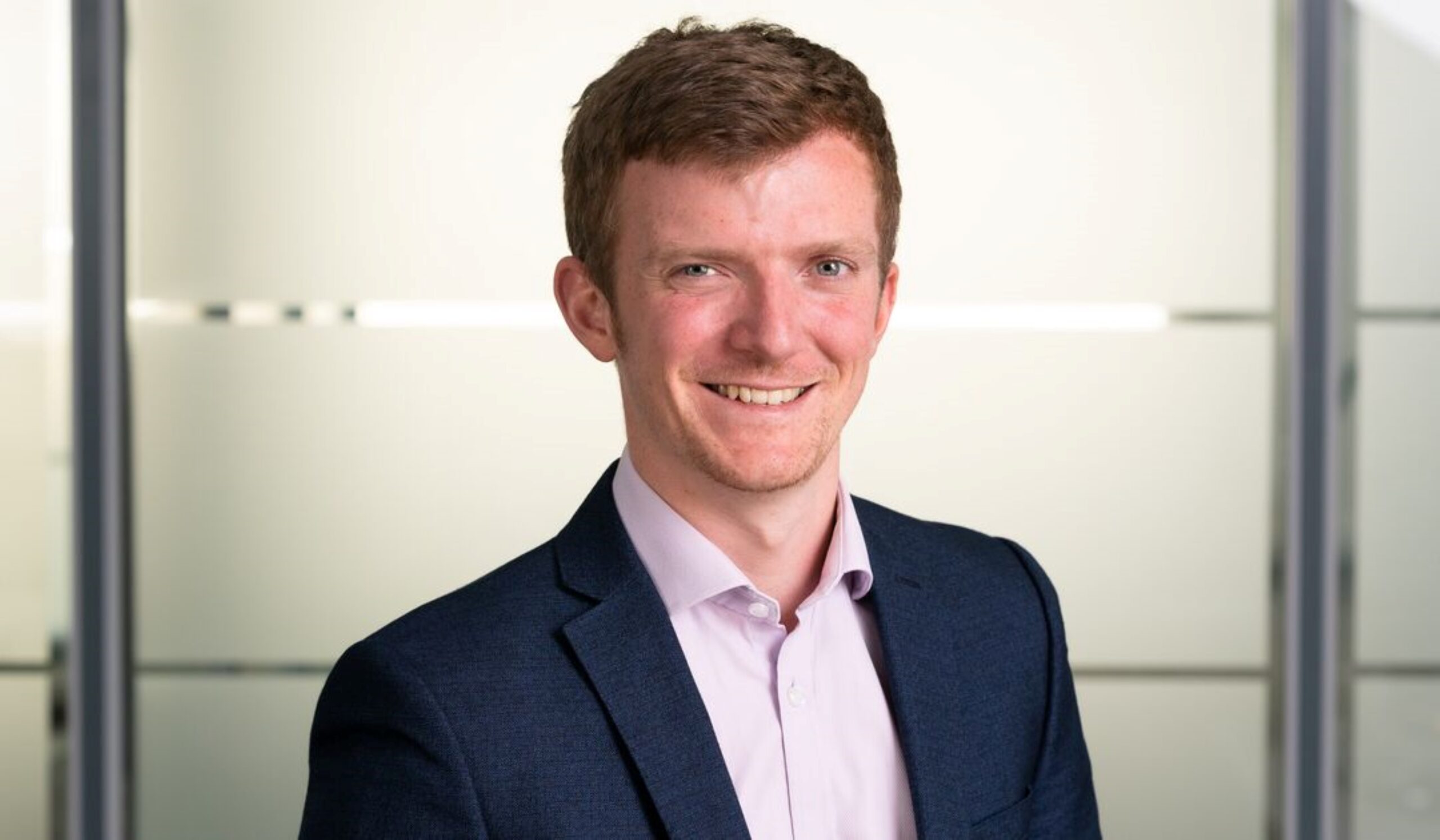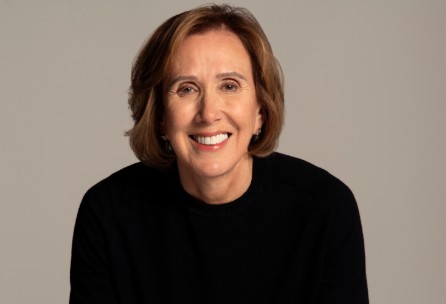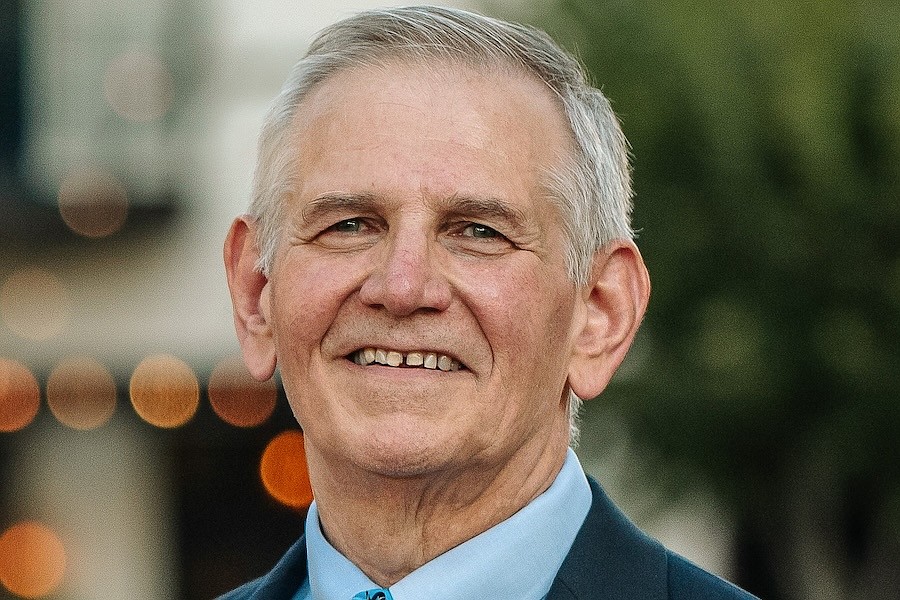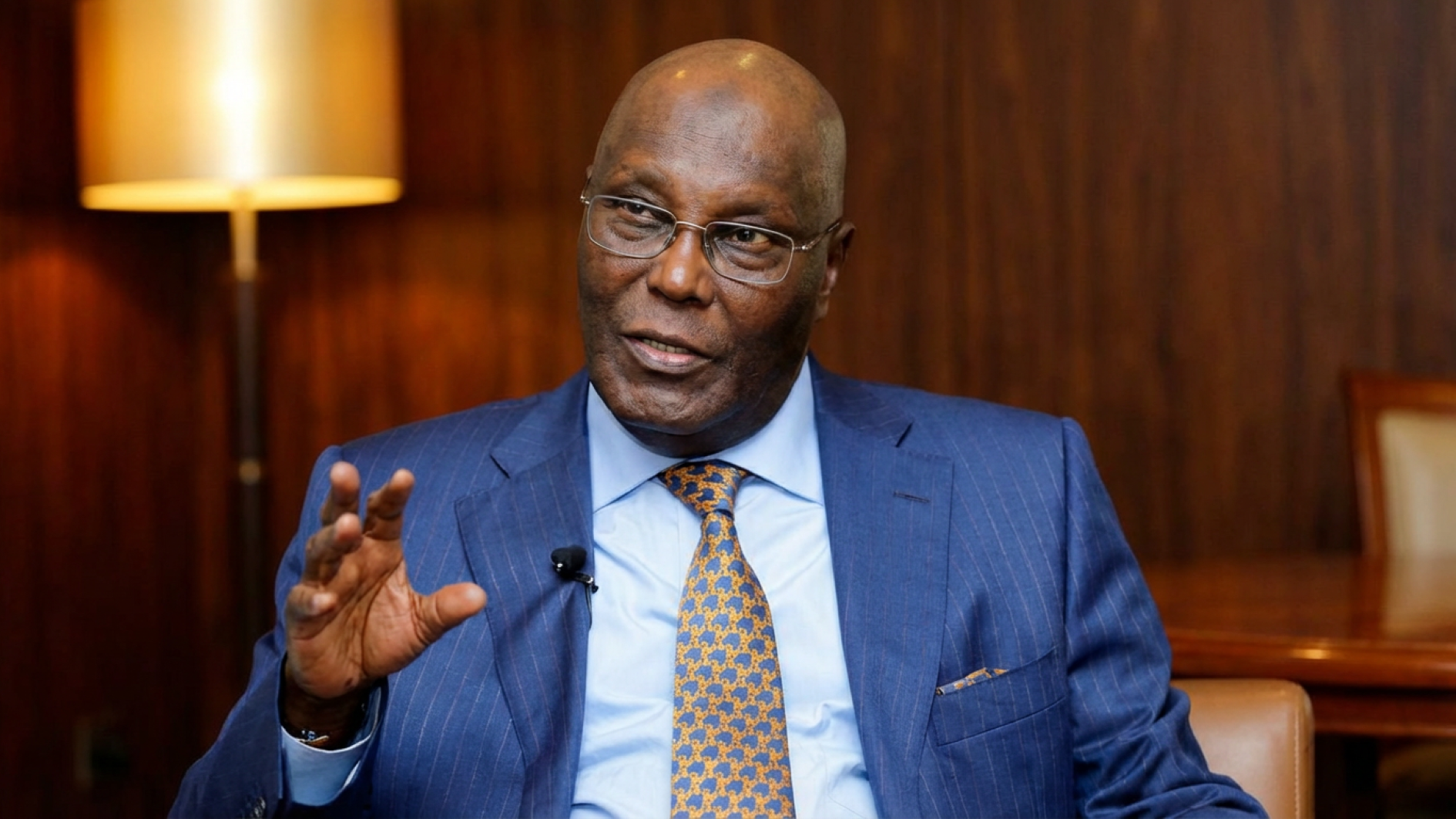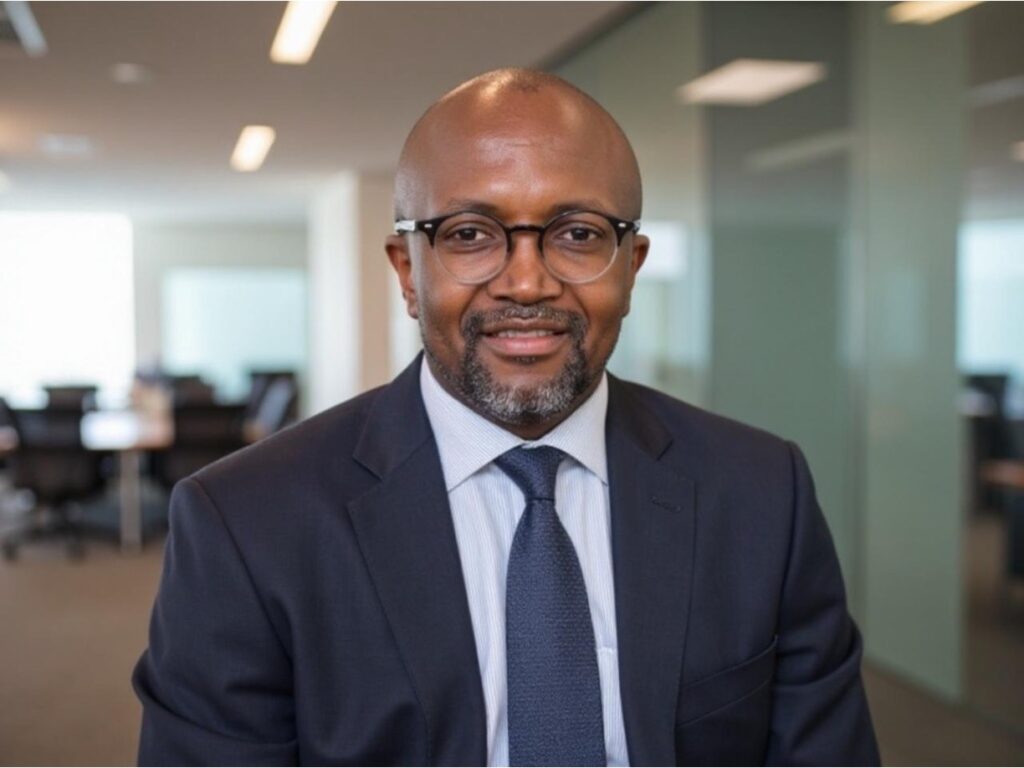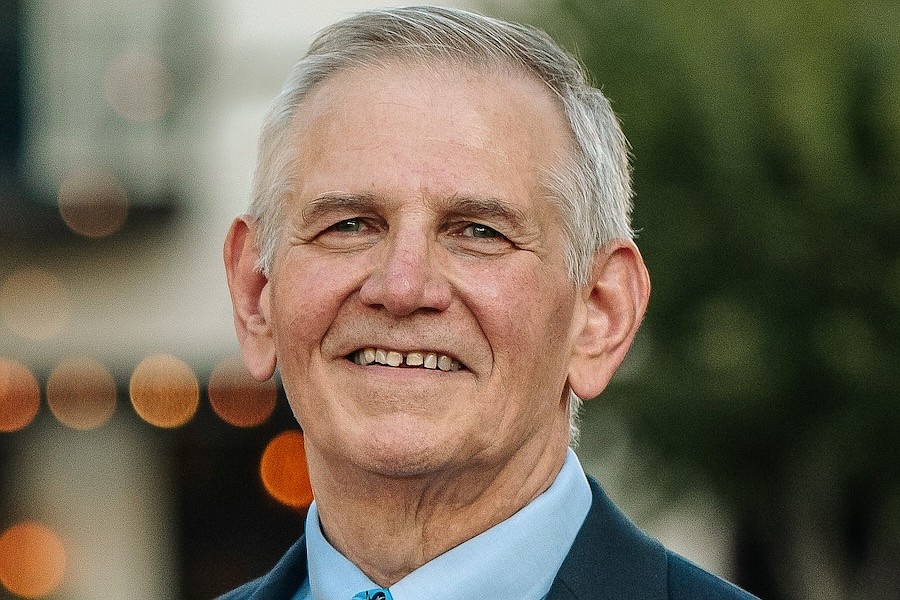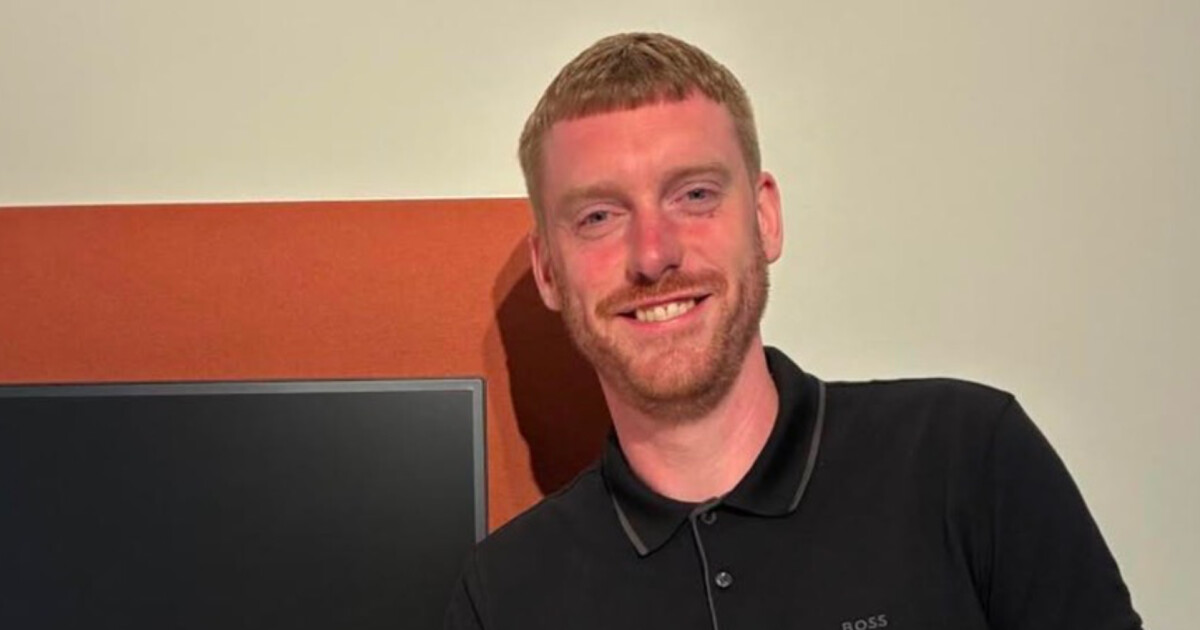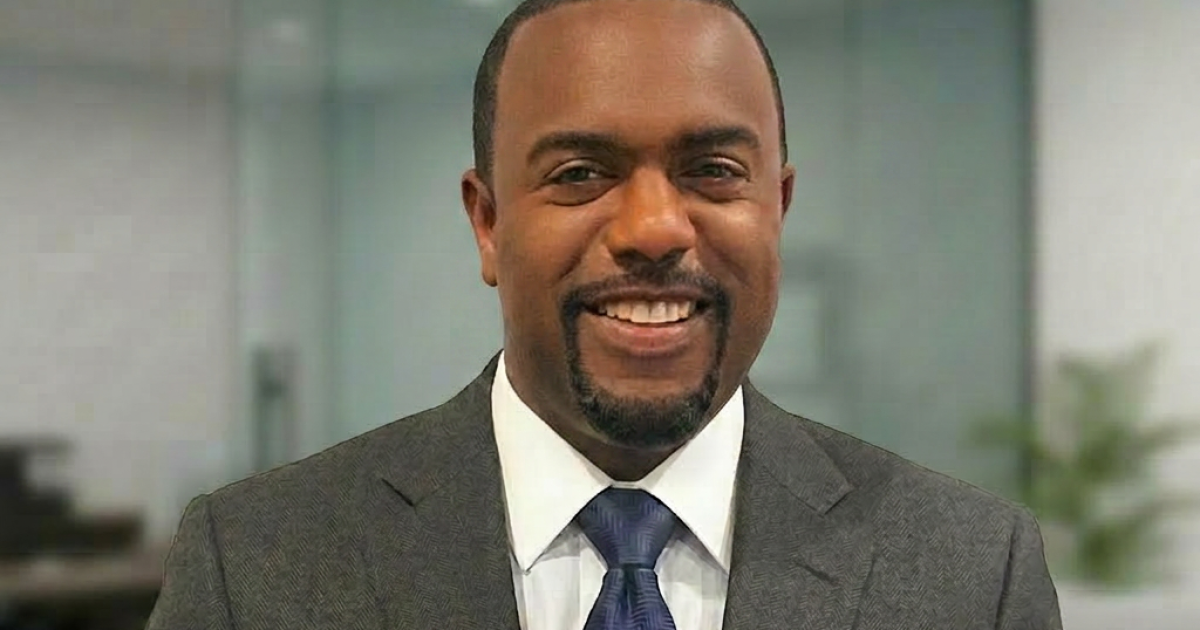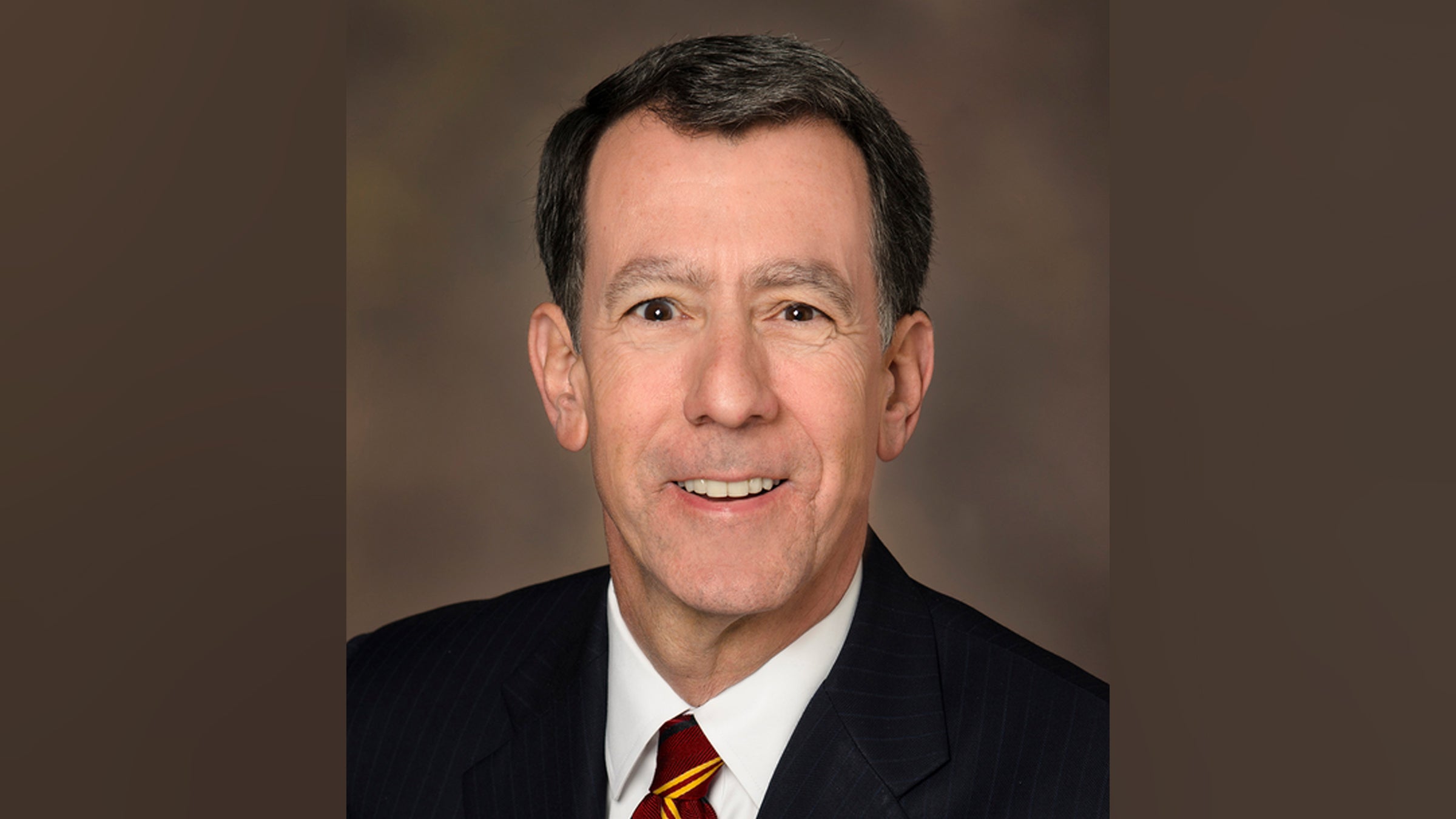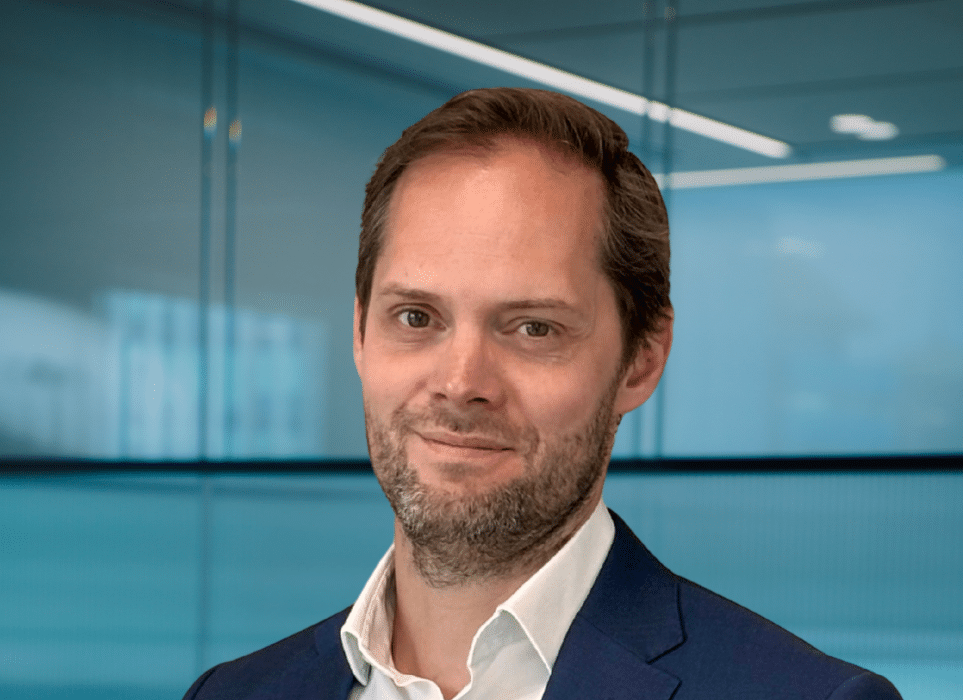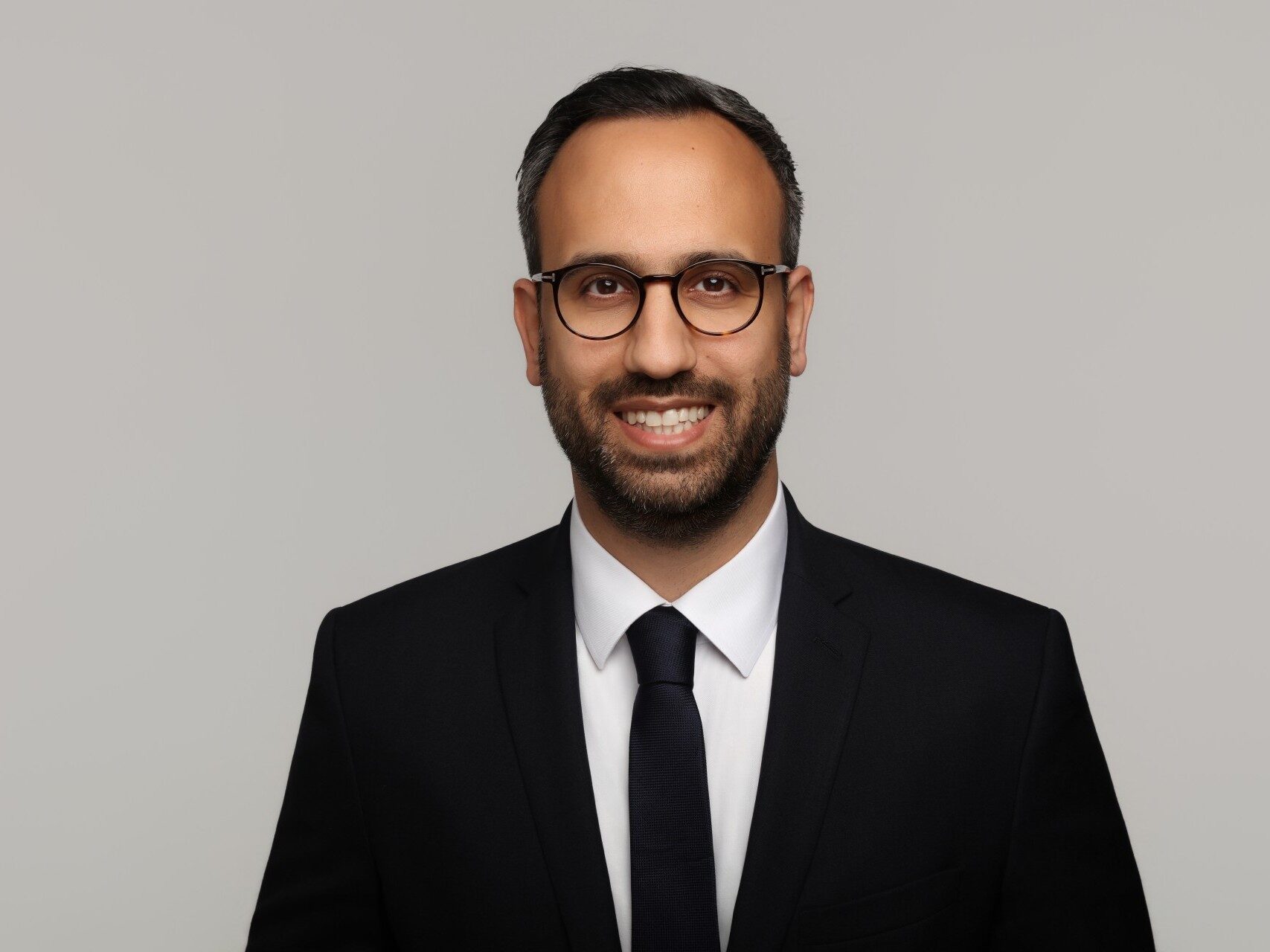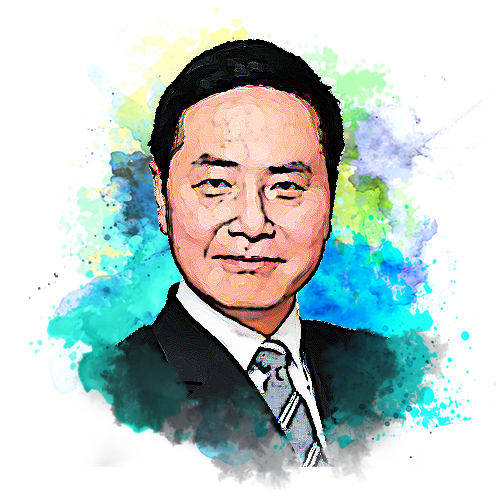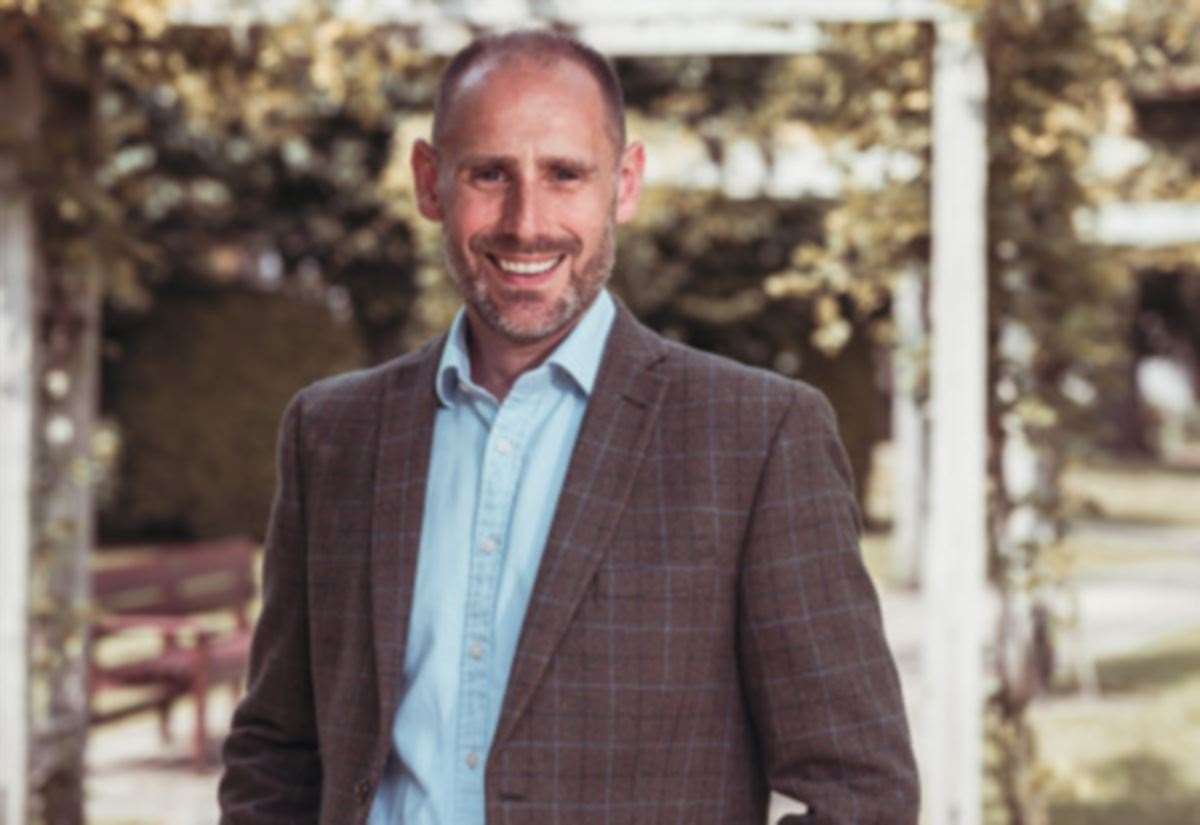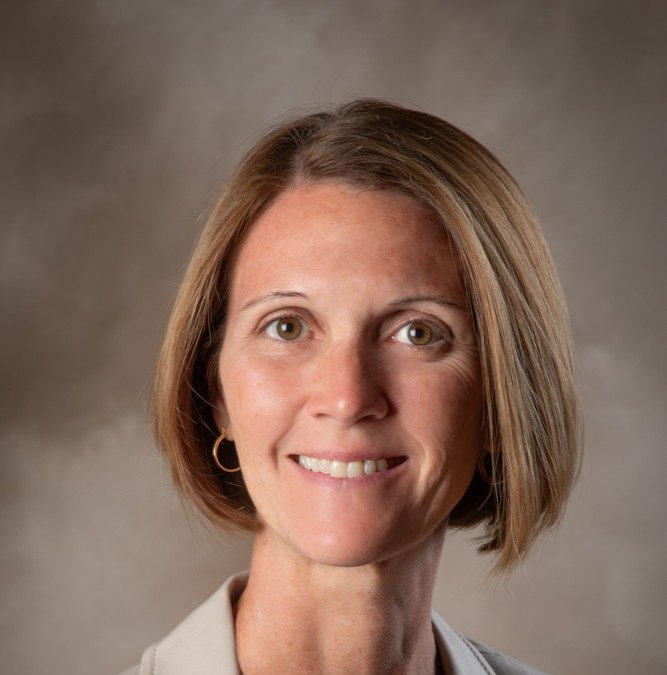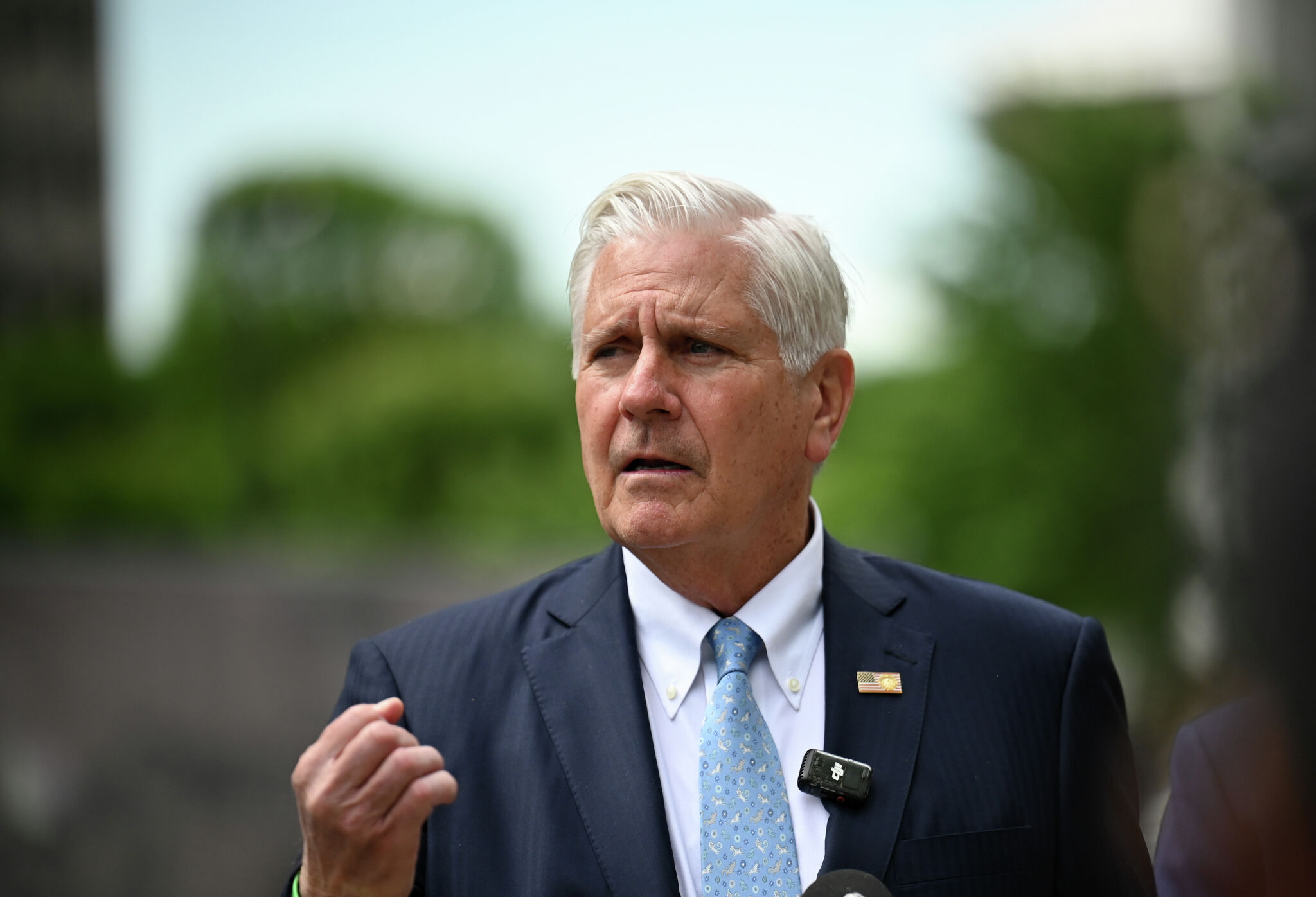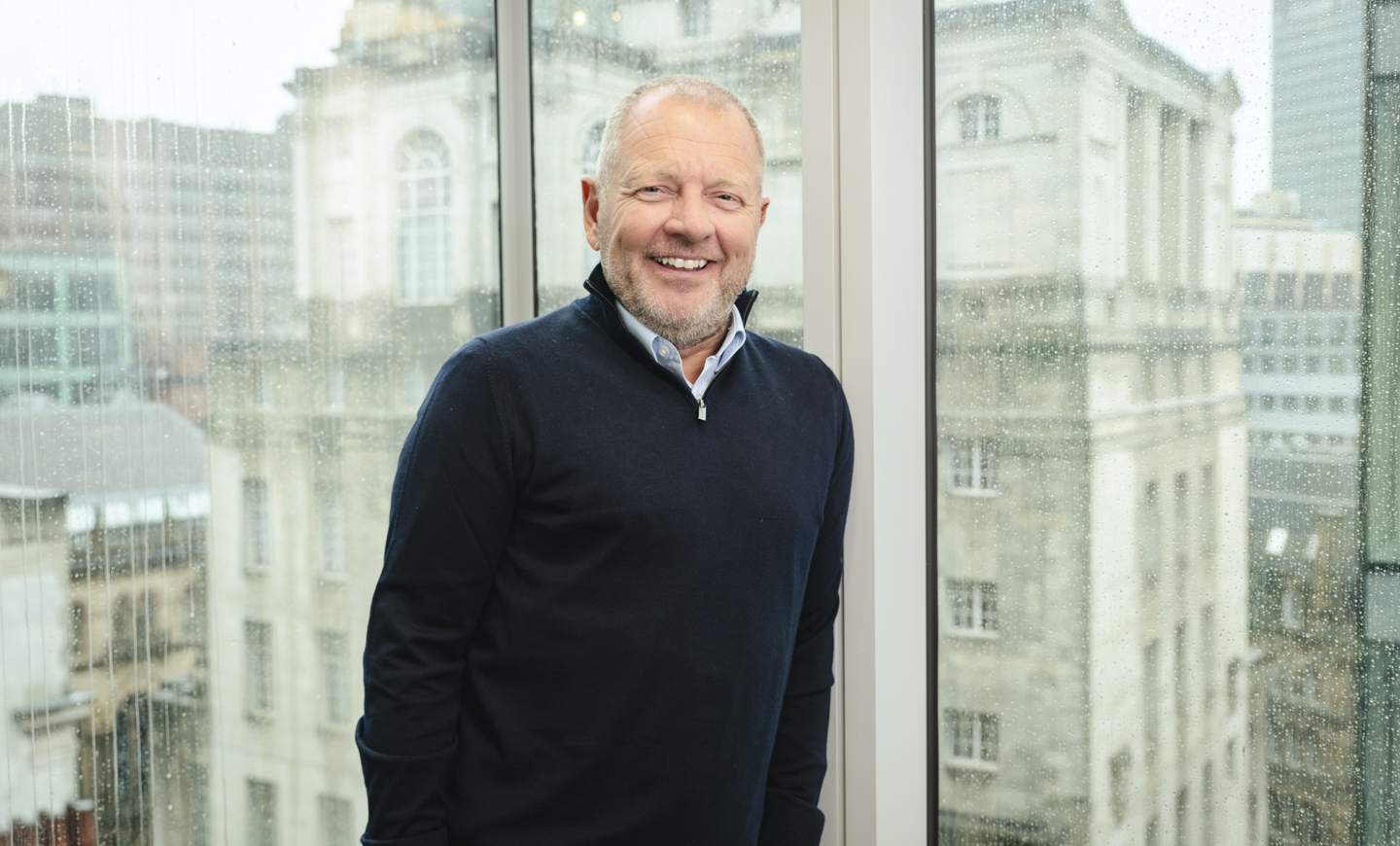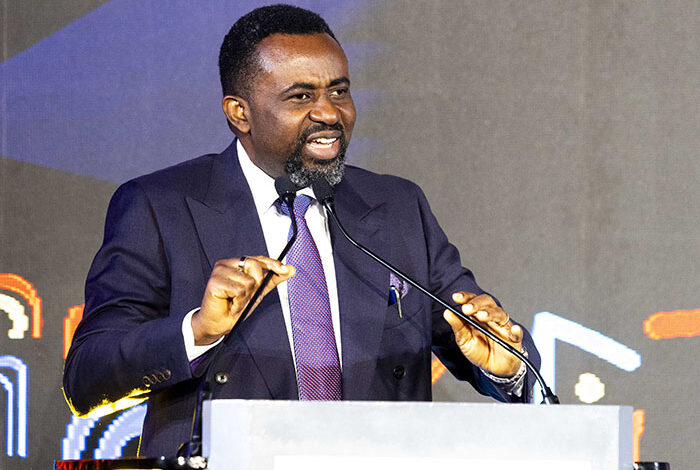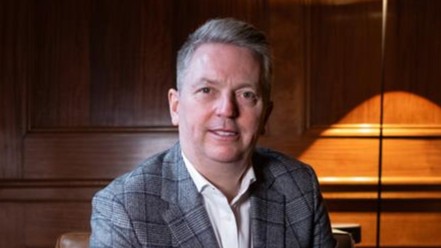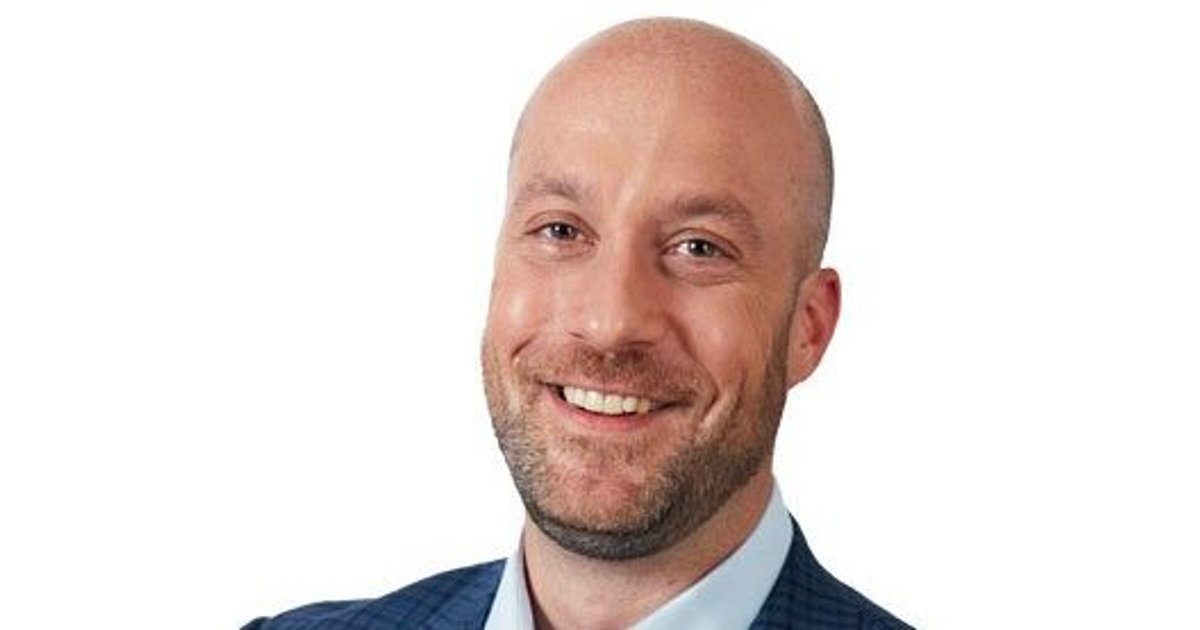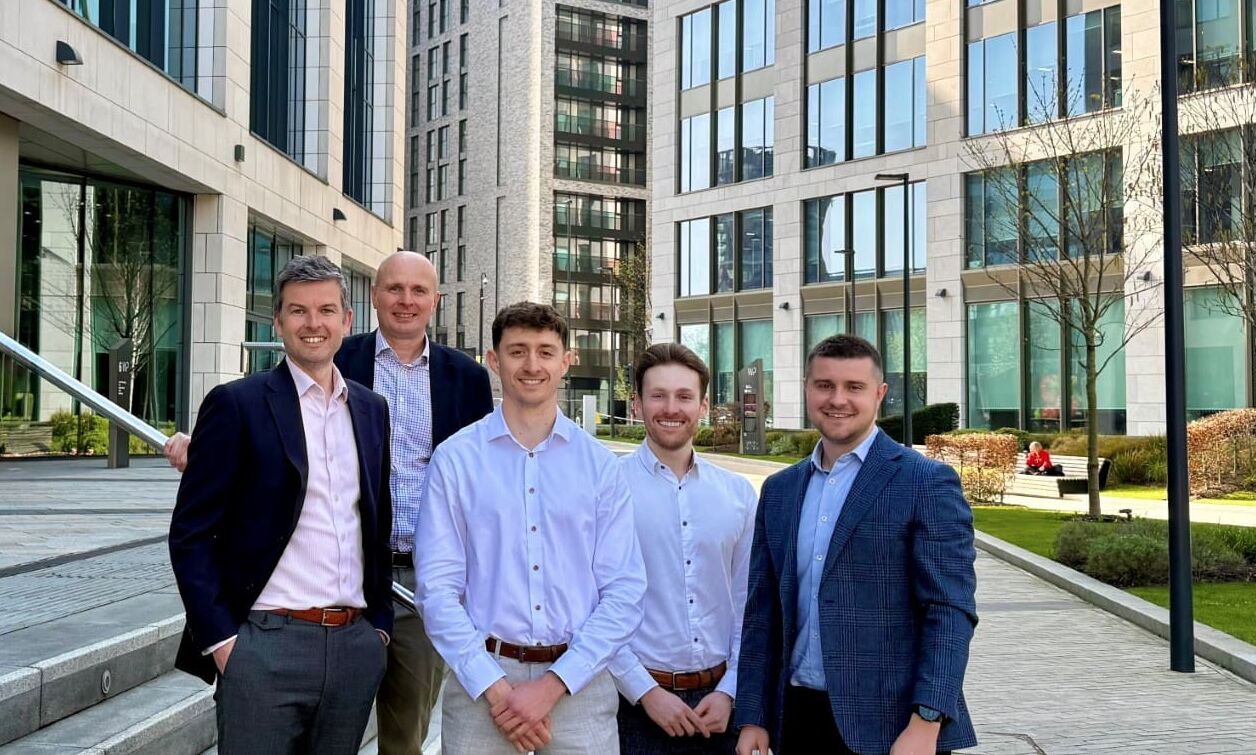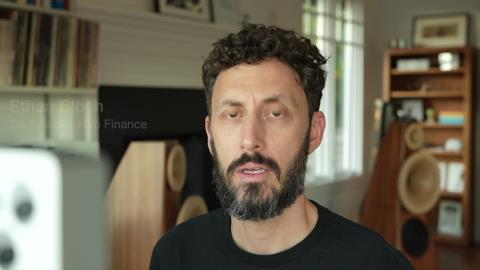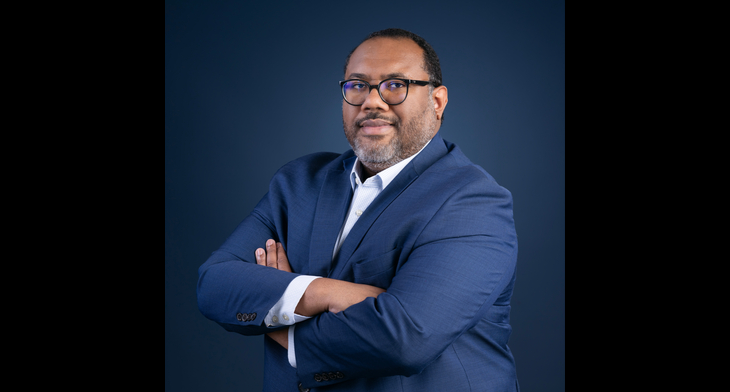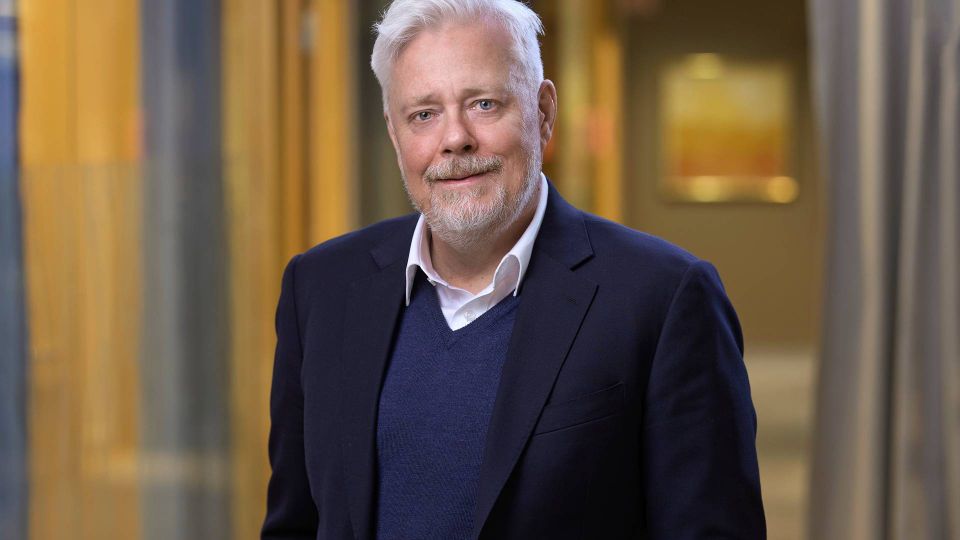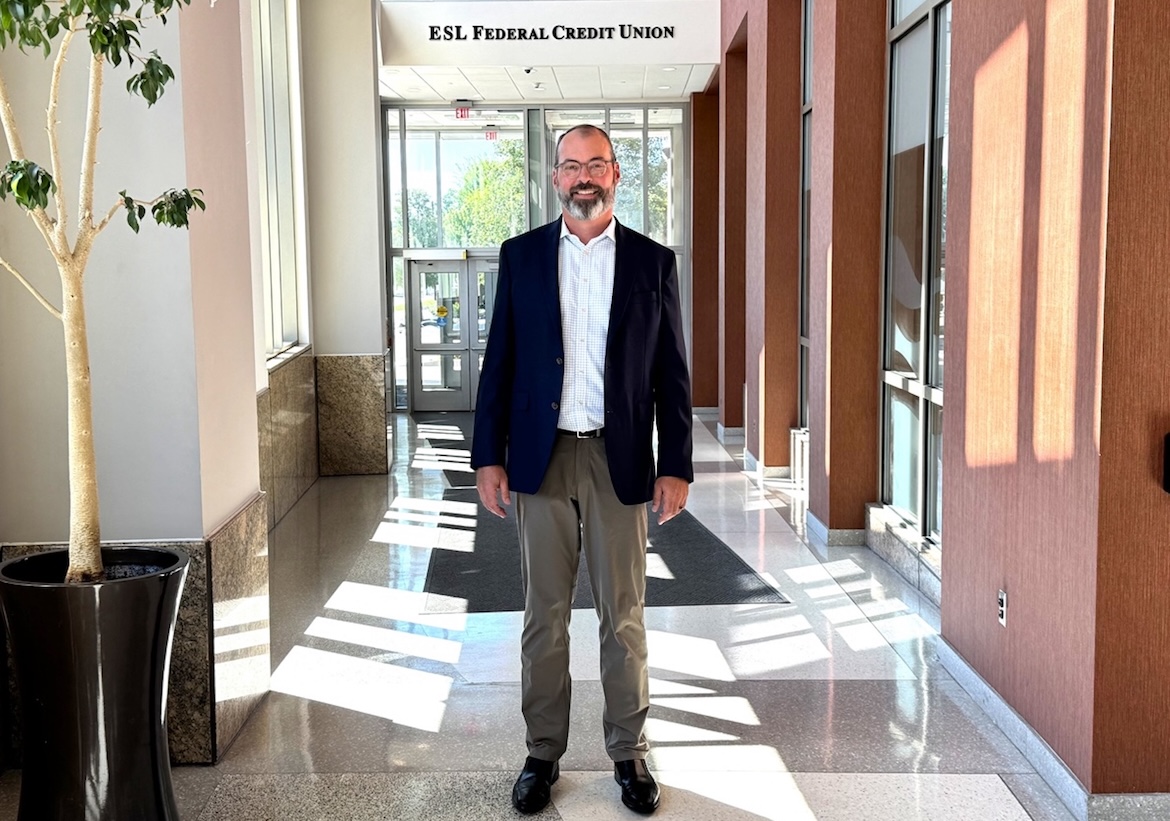


Tom Rogers doesn’t especially want to talk about himself. Ask him what he hopes Rochester understands about him, and he deflects: “I don’t think about myself much.” Ask him what surprised him most about becoming CEO of ESL Federal Credit Union, and the answer isn’t about strategy or the balance sheet—it’s about his calendar suddenly filling up with people who want a piece of his time.
That instinct—to point the conversation back toward the institution rather than the man leading it—may be the clearest window into how Rogers intends to run ESL.
Rogers took over as president and CEO in April, succeeding Faheem Masood, capping a 13-year climb through the organization. He joined ESL in 2013 as chief financial officer, later adding marketplace and chief operating officer responsibilities, and now leads one of Rochester’s largest and most consequential financial institutions—one with $10.8 billion in assets, 465,000 individual members, 18,800 business members, 33 branches and more than 1,000 employees.
An Avon native and a CPA by training, Rogers holds an accounting degree from the University at Buffalo and an MBA from the University of Rochester’s Simon Business School—”a finance guy,” as he puts it. He and his wife, Tammy, have been married 27 years, and their three adult children all live and work in the Rochester area. Beyond ESL, Rogers serves on the boards of Geva Theatre Center, Junior Achievement of Central Upstate New York and the Center for Governmental Research.
ESL traces its roots to 1920, when George Eastman founded Eastman Savings & Loan to help Eastman Kodak Co. employees buy homes. It became ESL Federal Credit Union in 1996, opened membership beyond Kodak in the years that followed, and in 2017 formally adopted its purpose: to help the community thrive and prosper. That mission has driven fee cuts, branches in underserved Rochester neighborhoods and, more recently, a break from decades of mostly organic growth.
In September 2024, ESL agreed to acquire Generations Bank, a Seneca Falls-based bank founded in 1870, in a $26.2 million all-cash deal. After regulatory approvals in 2025, the sale closed Jan. 1, 2026, adding eight branches and pushing ESL’s footprint into Cayuga, Ontario, Orleans and Seneca counties, from Medina to Auburn.
Meanwhile, in November 2025, ESL completed its acquisition of Alesco Advisors, a Rochester-based registered investment advisory firm with more than $6 billion in assets under advisement, making the combined ESL wealth-management operation one of the largest RIAs in Upstate New York. ESL’s commercial lending portfolio, built over roughly the past 17 years, has also recently crossed $1 billion.
The Beacon sat down with Rogers on Aug. 5 in his fifth-floor office at ESL’s Chestnut Street headquarters in downtown Rochester, across the street from the Strong Museum of Play. The office is more modest than one might expect for the leader of an institution of ESL’s size and civic footprint—a midsize desk, some bookshelves, Rochester Red Wings memorabilia and a conference table that seats six to eight—but it opens onto a private deck with sweeping views of downtown.


We talked about his path to the corner office, what he’s preserving from his predecessors, where ESL’s growth is headed, and what he thinks the community still doesn’t fully understand about the credit union in its midst. That tension—expanding an already-dominant local institution while insisting the growth exists to serve people rather than the balance sheet—runs through everything that follows.
This interview has been edited for clarity.
ROCHESTER BEACON: Going from CFO to COO to CEO, what did each step teach you as you were moving through the chain?
TOM ROGERS: Banking is a different industry. I’m a finance guy at heart. So when I came in as CFO, I was really learning about how a balance sheet-driven organization operates. I had always worked in personal service organizations, where really there wasn’t much of a balance sheet. It took a little bit for me to learn the banking vernacular. But that was a great place to start. I learn best about organizations through how they financially operate. But in true ESL fashion, I was quickly given other opportunities and asked to take on other responsibilities as people retired or took on bigger jobs.
So throughout the years, I was able to take on functions like marketing, which is something I knew very little about when I started here. And I had different operations roles. Eventually moving into the director of marketplace (role) and that turned into COO, that taught me about the frontline and how important it is to provide great employee experiences and great customer experiences. I never had that. I was always sitting in the background and you don’t really get a chance to see what’s going on in the frontlines. When I moved in that role, I had a chance every Monday, and I still do that today, to go out and visit one of our branches. Ask them how things are going. That has been such a huge advantage for me, to see how we interact with the people we serve and then how we can make services better for them.
BEACON: If someone hadn’t paid attention to ESL for the last five years, what do you think would surprise them most about the institution today?
ROGERS: There are two angles to that. One is on the service side—how important digital service has become to us and to our members. We’re known for our 33 branches, and people love the experience they have with us in person and on the phone. But digital is huge too—over 60% of our transactions happen digitally now, no person involved whatsoever. We’re very focused on creating a great digital experience.
The other angle is purpose. We established our purpose back in 2017—to help our community thrive and prosper—and we’ve gathered real momentum behind it these last five years. On average, we’ve given over $20 million a year in grants to this community. We’ve also made purpose-based decisions that cost us money: We did away with insufficient-funds fees, and we lowered our courtesy fee way down, because where we were before contradicted our purpose. We’re not here to penalize people—we’re here to help them.
I had an interesting experience last week. I was at a University of Rochester fundraising event, sitting next to someone from the university who understood everything ESL does behind the scenes for this community. She said, “If you know, you know.” A lot of people don’t know all that we do. We’re OK with that. We just want to make sure we’re doing the right things along the way.
BEACON: Community investment became a defining part of Faheem Masood’s tenure. How important is it to preserve that?
ROGERS: Building new branches is a great example of living our purpose. We might not have made those investments in those communities based strictly on the profitability we expect out of a branch. But we know that those are underserved areas and that’s really important for us to be there in areas where people can’t get the banking services they need without transportation. Transportation is such a huge issue for us right now. Having those branches is powerful. I went to the soft opening of Bull’s Head last year, the first day we opened without any publicity and marketing. There were a dozen people standing in line before the branch opened. They need that.
BEACON: With Faheem stepping away, what is something about his leadership that you intend to preserve and something that you want to do differently?
ROGERS: I am so fortunate to have a couple of great examples before me. Dave Fiedler before Faheem. Dave was really the mastermind behind taking ESL out of just Kodak and making it a community banking institution. I learned a lot from him along the way. And then Faheem, the thing I’ll take most from Faheem is that community-mindedness. He always thinks about what the community needs first. One of the things that always resonates with me is how Faheem always said, “Always try to put yourself in someone else’s position and then think through the decision you need to make.” That’s what he did when he challenged us: Why wouldn’t we be putting this money back into the community, right? Dave was the architect behind creating the capital structure we have today and Faheem was the one who challenged us to say, “How are we going to use it for good?” I think that’s certainly what I hope to do.
As far as what I want to do differently, I don’t know. That’s a tough one. Both of those guys set this organization on such a great path that what I’d like to do is to continue to expand on what they did. The platform I’ve been talking about is continuing to grow this organization profitably. I believe that profitable growth is a sign that you’re doing the right things for people. If they want to keep using your services, that should provide you with growth, which provides profits and which we then distribute to the communities we serve. It’s sort of this virtuous circle. I think continuing on the path that they’ve built for us is what our future holds.
BEACON: What surprised you most when you became CEO? Is there something you didn’t fully understand from the outside?
ROGERS: That’s the most frequent question I get. For the first few months, I didn’t have an answer—Faheem had done such a great job explaining the differences between my previous role and this one that I thought, I’ve got this. It’s these last couple of months that I’ve realized what I didn’t anticipate: the volume of people who want to meet with me, for all kinds of reasons. I need to be more conscious of my calendar, make sure I have time for the most important things.
It shouldn’t have surprised me, given how much ESL does in this community, but the sheer number of people who want time with the CEO was the biggest surprise. A lot of that is making sure we’re aligned with what others are doing for the community—we’re not interested in just creating our own idea of what’s right. We want to work with everybody, and to do that, you’ve got to meet with a lot of people.
BEACON: For much of ESL’s history, the growth has been primarily organic. But over the past few years, we’ve seen it change, particularly through some of the acquisitions. So, why do you think it’s the right time to take that path and to grow?
ROGERS: Essentially, we saw opportunities to serve more people. With the Generations Bank acquisition, their geographic footprint was such a natural fit with us. We had people asking, why don’t we put a branch in Medina, on the west side? We were already in Brockport and Spencerport. And on the east side, we had a branch in Victor, and our first branch there was in Farmington—it goes all the way to Auburn. These are also underserved communities. As much as the city is underserved, so are some of these smaller towns; what’s missing isn’t bank branches, it’s the commitment to invest and provide capital. That’s what made this opportunity so exciting.
It’s also about access. We’ve built a great service model, both in-person and digitally, but access to those communities would’ve been difficult for us to build on our own. Building branches takes time. Building relationships takes time. We’re still going to have to earn that trust, but we kept all of the branch staff, so that relationship starts from a place of strength.
ESL is dependent on the success of Rochester and the surrounding areas—we aren’t a regional or national bank that can put our capital in another state or another city. We do well as Rochester does well. This was an opportunity to expand that reach and help these communities be more successful, and thereby make ESL more successful.
Then in November of last year, we acquired Alesco Advisors. It’s completely different, but the same idea: people from all places and backgrounds need help managing their financial lives. Alesco was a great fit for what we were already doing on the wealth management side, and most importantly, a great cultural match—Jim Gould and his team put customer service and community first, same as us.
BEACON: What role do you want wealth management to play in ESL’s identity 10 years from now?
ROGERS: Wealth management is going to be a huge part of our identity going forward, as bank services become more and more commoditized. People are going to start using AI and other tools for the commodity stuff. We’re still going to be here—we have no intention of changing our branch network; if anything, we’ll keep growing it—but as people look for personalized service, wealth management is right at the top of the list. Beside your health, your wealth is probably the most important thing you’re managing for a long-term, successful life. When you hit big life events—funding retirement, one of your kids needing money for college—it’s great to have a second opinion and someone supporting your decision-making. That’s why we think it stands the test of time: it’s about building a strong relationship and helping people.
BEACON: Credit unions don’t have outside shareholders demanding growth, so when ESL is getting bigger, who is that growth ultimately designed to benefit?
ROGERS: Our growth is meant to benefit the people we serve. We run our organization as a cooperative and one of the cooperative principles is returning the profits to those who helped you earn them. We do that through our dividends. This past year, we paid out a $30 million dividend in honor of our 30th year as a credit union. But that’s one of the ways we do it. The other way is through our philanthropic giving—again, more than $20 million on average per year over the last five years.
Finally, we make these purpose-based decisions. Lowering our fees, offering full-time employment to anyone who wants to be employed full time. We have a new first-time homebuyer grant, where we will give somebody $21,000 on top of other grants they might have to become a first-time homebuyer. We believe homeownership is an important component to building generational wealth transfer.
BEACON: If we move toward potential competitors for traditional banks, what worries you more—traditional banks, fintech companies, or firms that don’t even think of themselves as banks?
ROGERS: You’ve done your research. All three categories are important to us. I can tell you that we certainly have strong competition from traditional banks. We are seeing fintechs, the digital banks, starting to show up. Even in market-share reports in Rochester, New York, you start to see some of these names show up as having, you know, single-digits shares. But I’ll tell you that third category you mentioned is really important and interesting. When you think of Walmart or Amazon or any other organization that thinks of wanting to expand their portfolios, it’s something we have to pay attention to. The case study where Amazon created Amazon Web Services—they started that as an internal thing to save themselves money and it’s turned into a multibillion-dollar revenue business. There are definitely organizations out there that have targeted banking services.
What we have to do is to be competitive in some of those spaces where it’s commoditized and where we think we’ll always be able to exceed expectations in building relationships. Most people will still want some level of relationship with a person when it comes to big life decisions.
BEACON: We’ve touched on this a little bit. But ESL has quietly become one of Rochester’s most important civic organizations, not just a financial one. What responsibilities come with that role?
ROGERS: Huge responsibilities. I think because that is our reason for being, our purpose to help Rochester thrive and prosper, I think it’s a huge responsibility. We joke, but it’s really not a joke, it’s really hard to give away a lot of money. You want to make sure you do it in a way that makes the most impact. We’ve built our community impact team. I think we have seven or eight people dedicated to specifically making sure that the way we grant money is impactful to the community.
One of our goals is to be more proactive in our grant-making. In other words, here’s an issue that our city or our contiguous counties face. We would like for people to give us ideas on how to solve those problems and then grant them money to make that happen. As opposed to just being responsive to what people bring in. It’s a huge responsibility for us to do this well.
BEACON: When you look at your ESL dashboard every month, what one or two numbers matter the most to you and why?
ROGERS: I’m a numbers guy. So, I have a lot on my dashboard. We certainly have to watch returns for the organization. In banking, return on assets is something that’s important to us. But we believe that we have a double bottom line. We have to make sure there is a financial return on what we’re doing.
Then we also have to make sure there’s a return on what we call purpose. Make sure what we’re doing in the community has impact. Like most, we struggle with making sure we’re measuring the impact on our community. Most of the things we do, they take years to figure out if they’re making an impact or not. But we have some measures to say that the dollars we give out are having an impact. We look at the number of people impacted and then we also measure the areas we impact.
BEACON: What do you hope Rochester understands about you after this conversation?
ROGERS: I don’t think about myself much. But I hope Rochester understands that it is my intention to continue the great work my predecessors started. Again, Dave and Faheem were so impactful in both this community and this organization. I can only hope to have the kind of impact they did. This organization is so strong from a people standpoint, from a capital standpoint, from an earnings standpoint. So, to continue working to make sure those resources are allocated back to the community in the right way is really my goal.
It’s an exciting role to have. I have such a fantastic platform to work from. It’s my goal to make sure we work really hard to continue on in those same areas.
Will Cleveland is a Rochester Beacon contributing writer.
(Disclosure: An ESL Community Impact grant funds the Beacon’s From the Ground Up community journalism series.)
The Beacon welcomes comments and letters from readers who adhere to our comment policy including use of their full, real name. See “Leave a Reply” below to comment on this post. Comments of a general nature may be submitted to the Letters page by emailing [email protected].