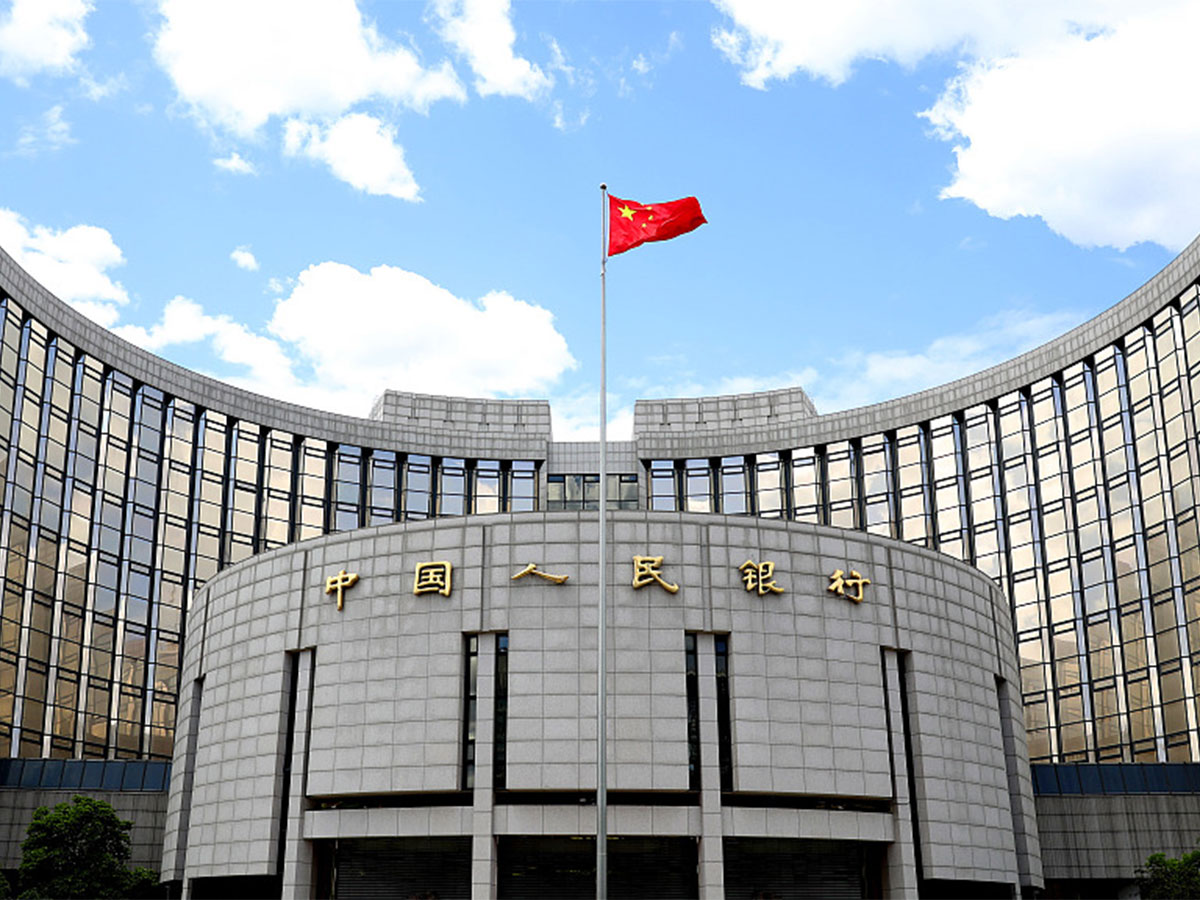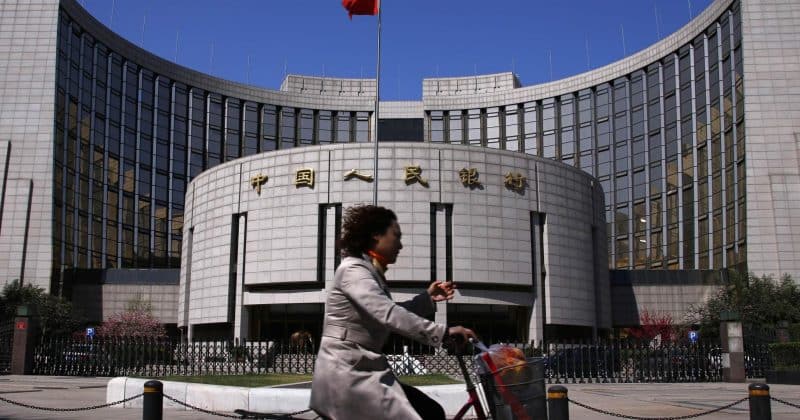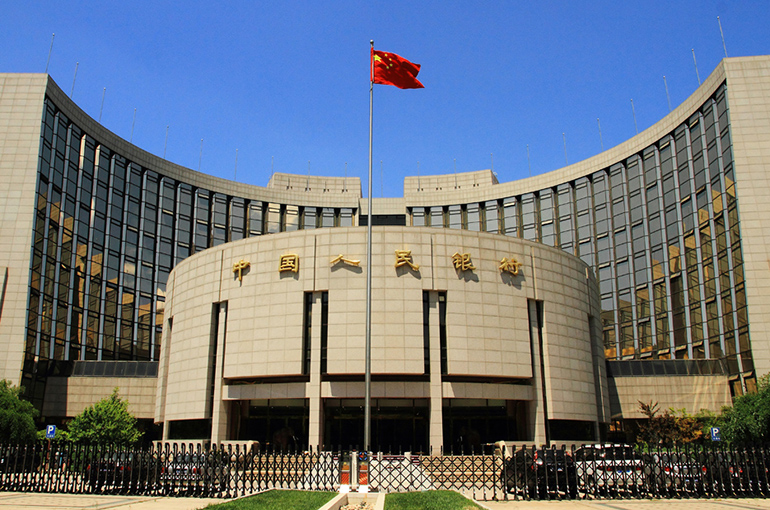
China’s central bank just made its most significant monetary plumbing upgrade in years. The People’s Bank of China announced plans to expand overnight reverse repurchase operations, a tool designed to give the bank finer control over short-term interest rates and liquidity in the world’s second-largest economy.
The announcement came during the Lujiazui Forum in Shanghai, where PBoC Governor Pan Gongsheng laid out a framework that narrows the bank’s policy interest rate corridor from 70 basis points to 50 basis points.
How the new framework works
The PBoC’s seven-day reverse repo rate currently sits at 1.40%, after a 10-basis-point cut in May 2025. The new overnight reverse repo rates will be set at 25 basis points above and below that benchmark, creating a tighter band within which overnight interbank rates are expected to trade.
When overnight borrowing costs (tracked by a rate called DR001) drift too far from where the PBoC wants them, these new operations kick in to pull things back into line. The corridor shrinks from 70 to 50 basis points, which means less room for rates to wander before the central bank intervenes.
This isn’t coming out of nowhere. The PBoC first telegraphed this direction in July 2024, when it introduced temporary afternoon repo and reverse repo operations to address short-term liquidity squeezes. The June announcement takes that experiment and makes it a core feature of the monetary toolkit.
The operations will be executed “when necessary,” which gives the PBoC considerable discretion over timing and scale. Full details on implementation volumes and precise timelines weren’t disclosed.
Why this matters beyond China’s borders
Most major central banks, the Federal Reserve, the European Central Bank, the Bank of England, already anchor their monetary policy to overnight lending rates. China has historically relied more heavily on its seven-day rate as the primary policy signal, making its approach something of an outlier among major economies.
This shift represents a deliberate move to synchronize with global peers. The narrower corridor also suggests the PBoC wants more predictable short-term borrowing costs. A 70-basis-point band left a lot of room for volatility in overnight rates. Cutting that to 50 basis points constrains the range and, in theory, makes the cost of short-term funding more stable for banks and other financial institutions operating in China’s interbank market.
What this means for investors
The seven-day reverse repo rate at 1.40% is historically low, and the May 2025 cut of 10 basis points suggests the PBoC is still in an easing posture even as it refines its tools. That combination, loose rates plus tighter operational control, creates an environment where liquidity is abundant but better directed.
One thing to watch: whether the PBoC’s new corridor actually holds under stress. The real test comes during quarter-end squeezes, tax payment seasons, or external shocks when demand for overnight funding spikes. If the PBoC can maintain the 50-basis-point band during those episodes, it will have successfully modernized one of the most important pieces of financial infrastructure in the world’s second-largest economy.