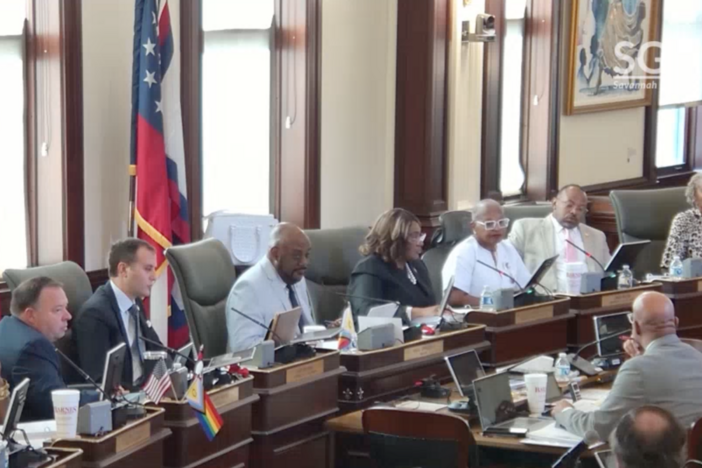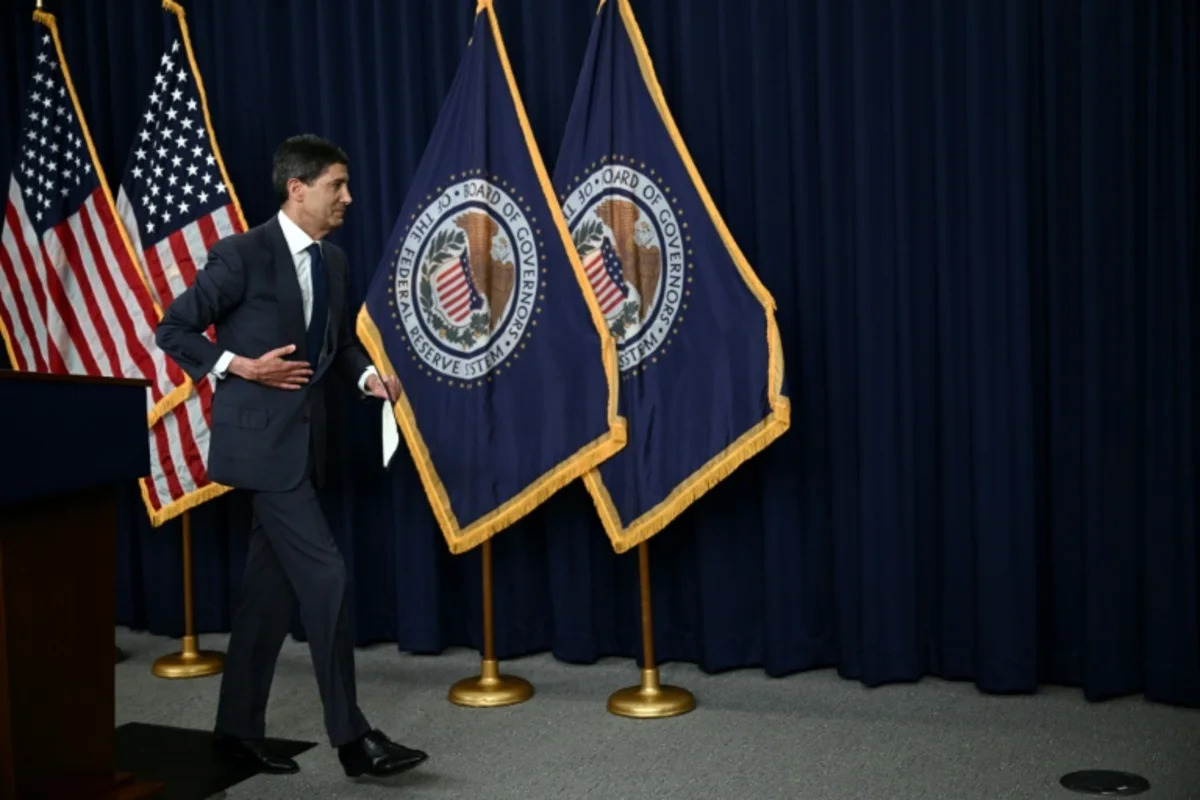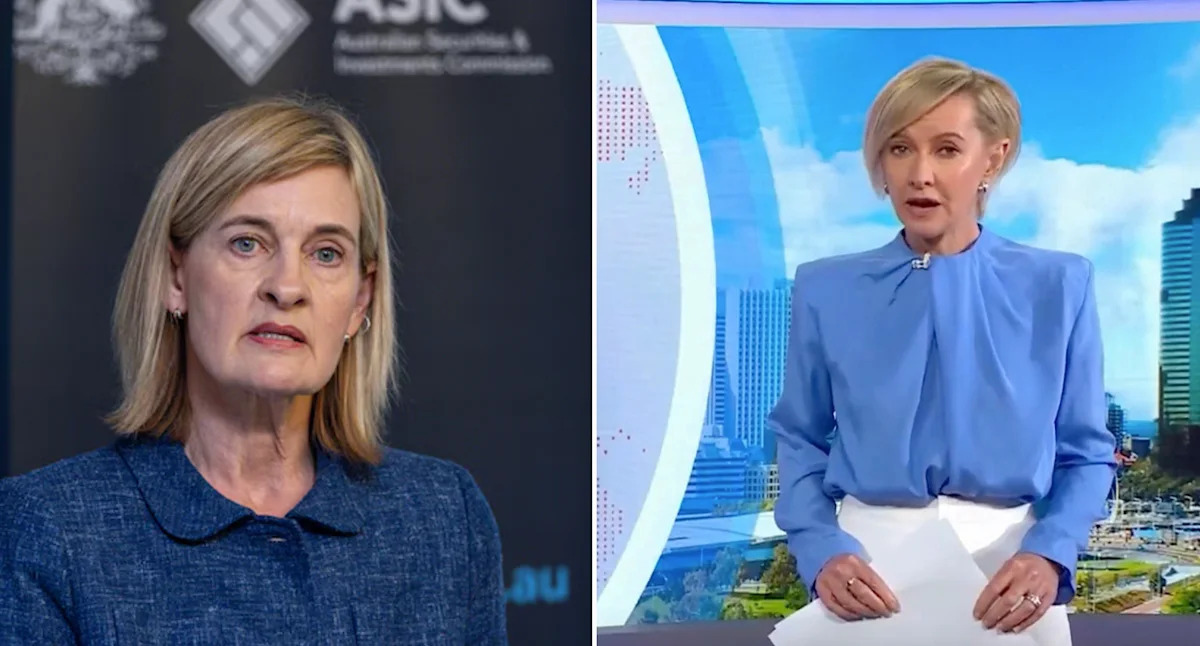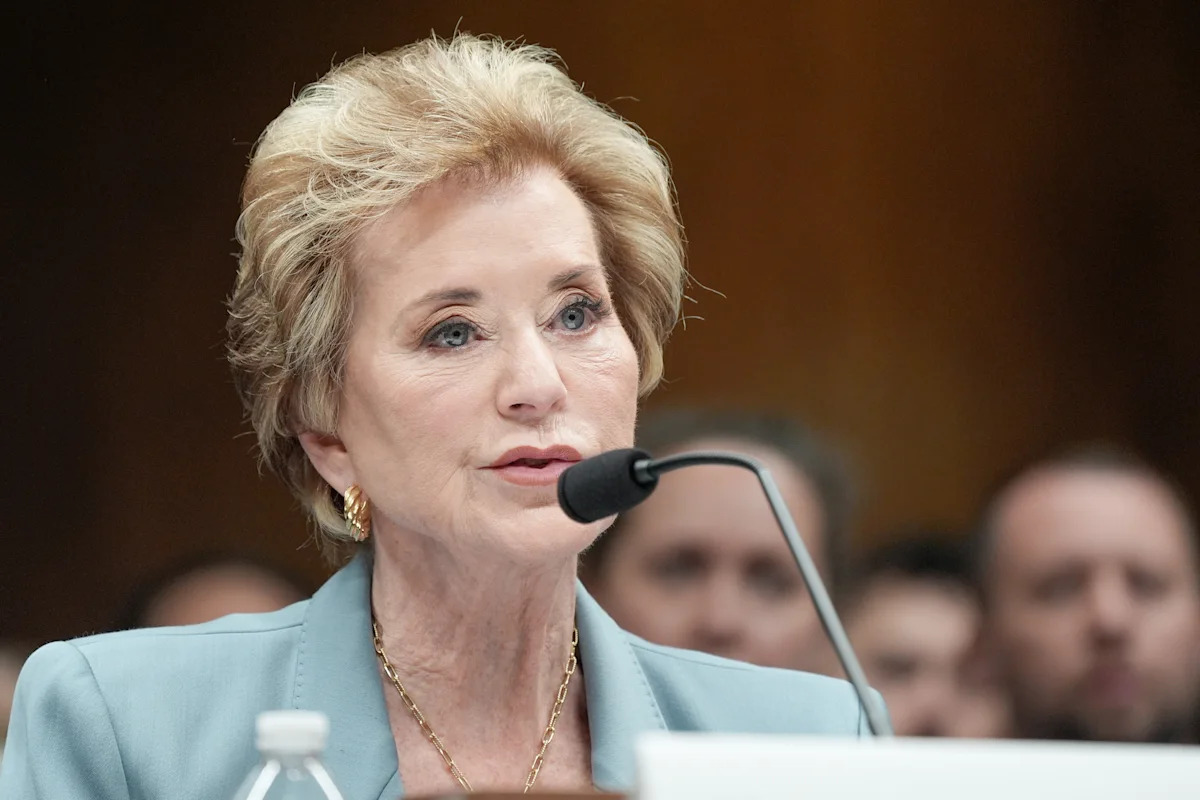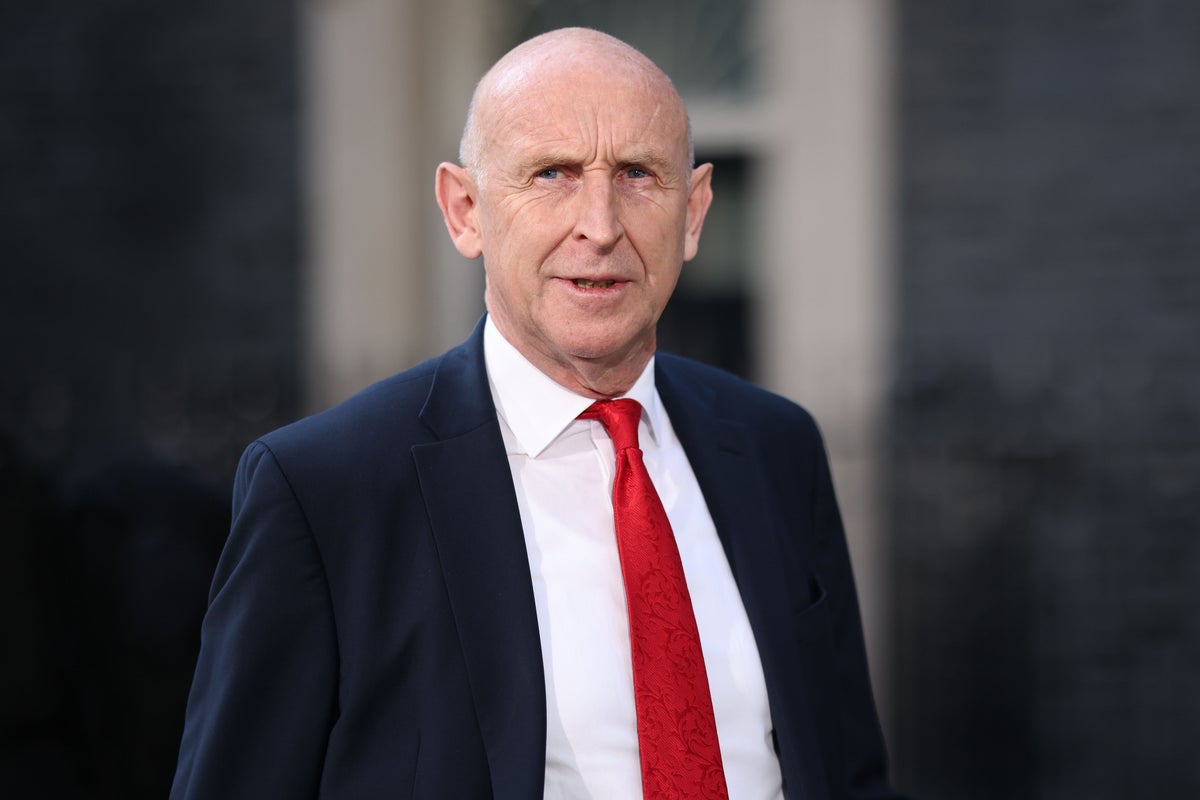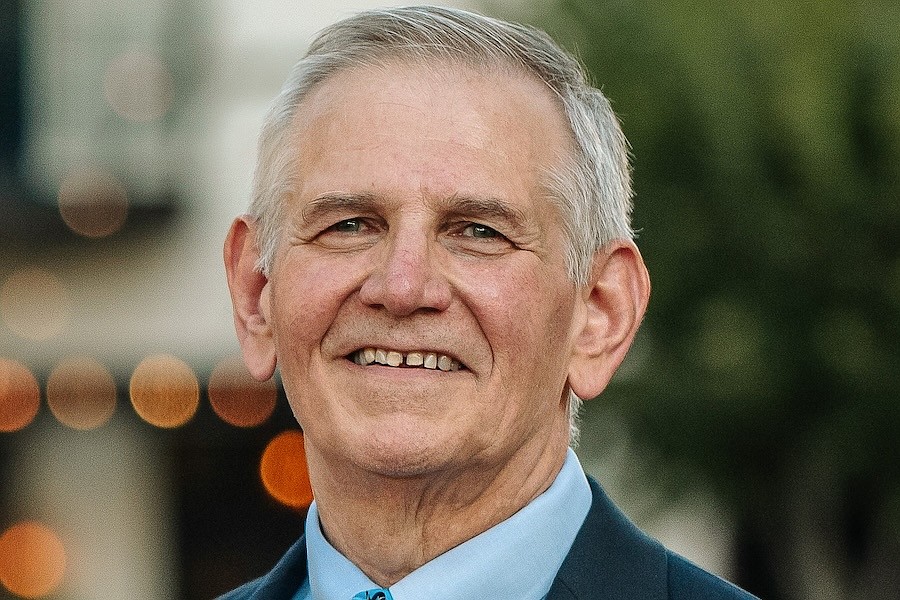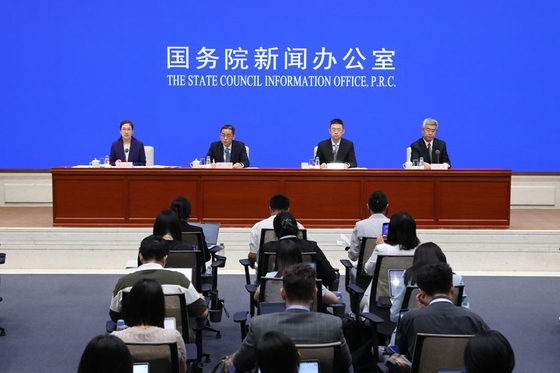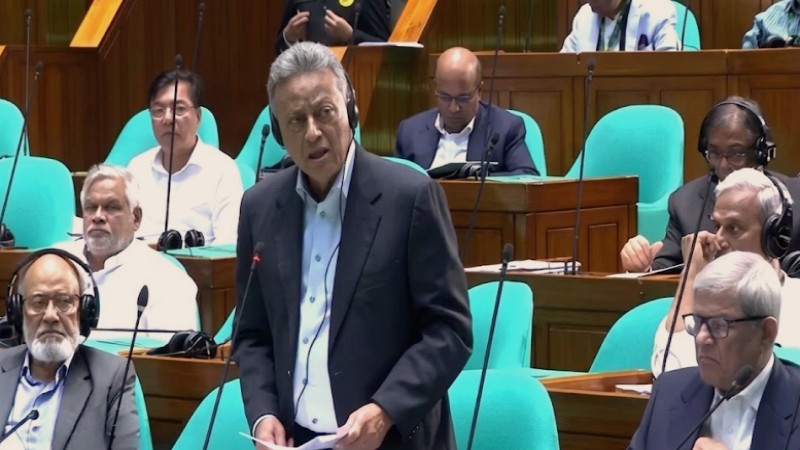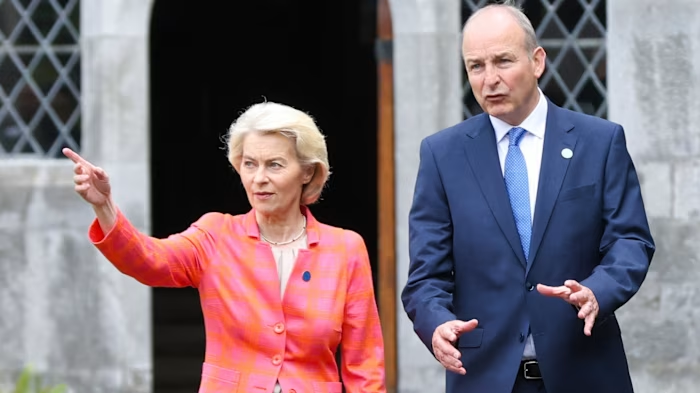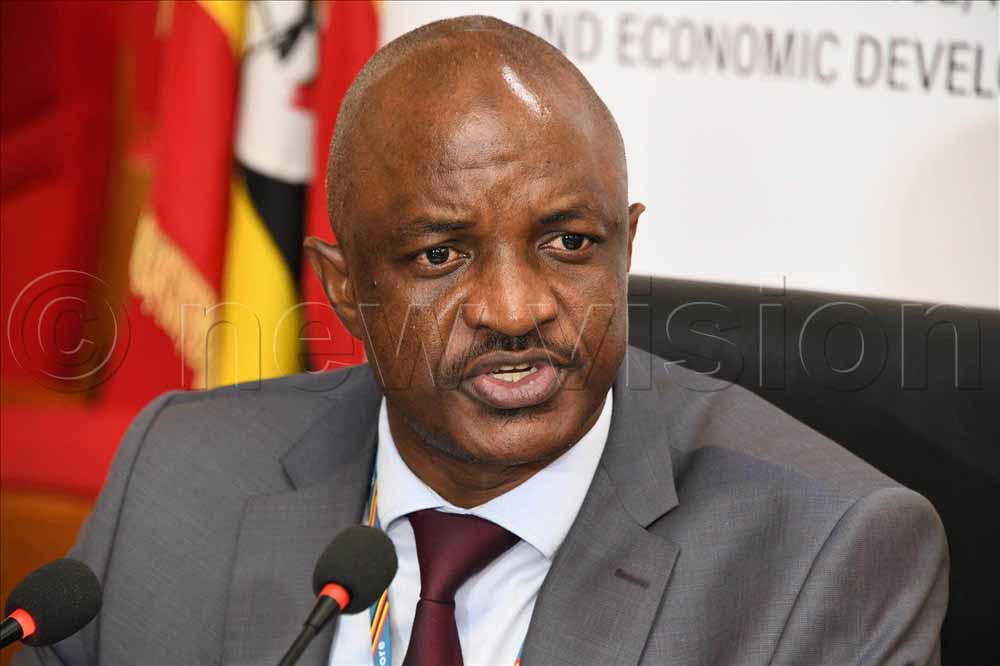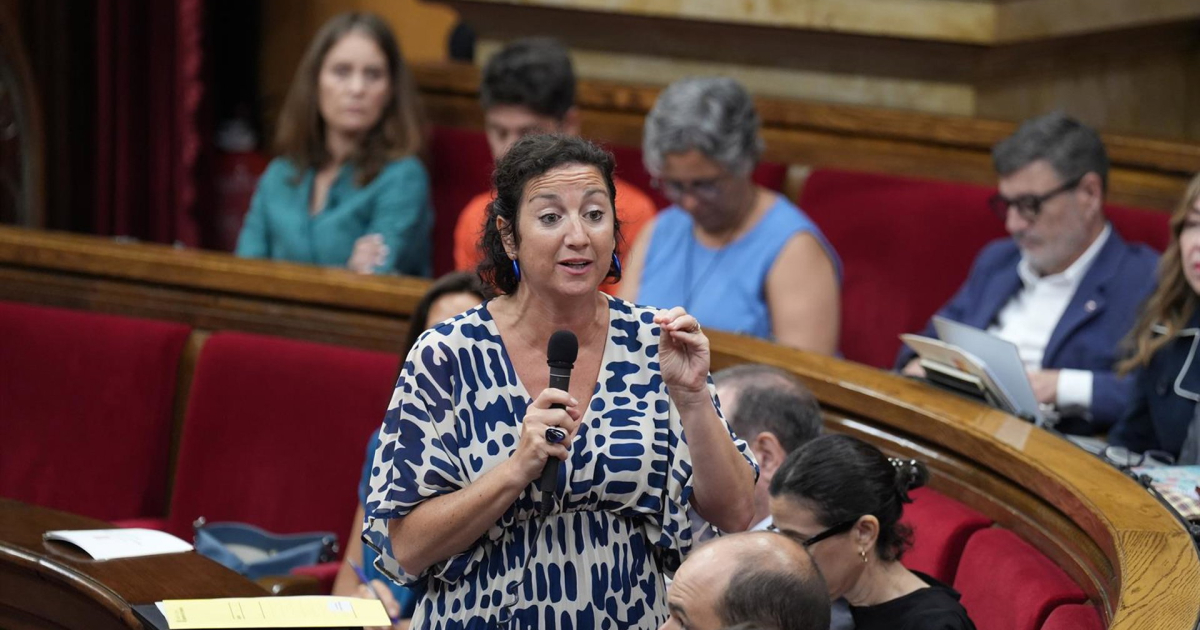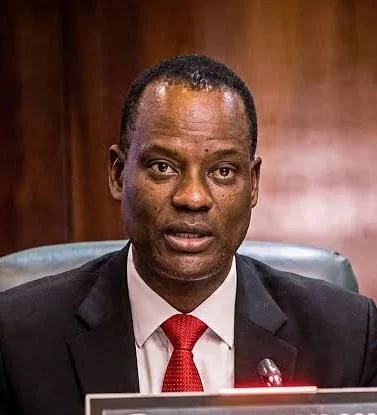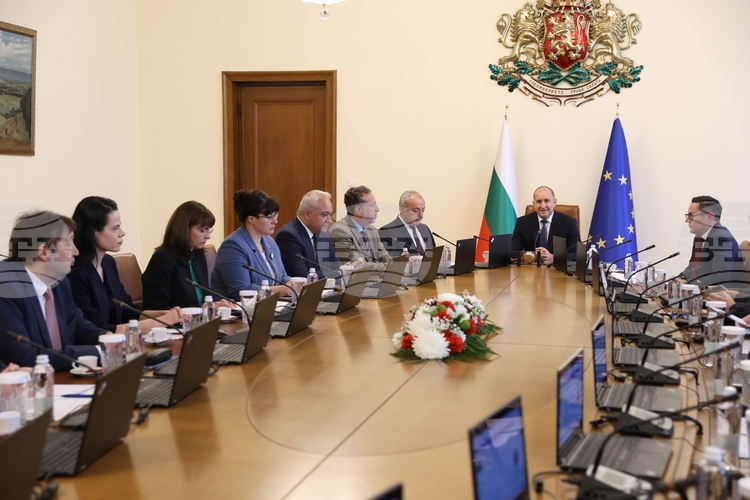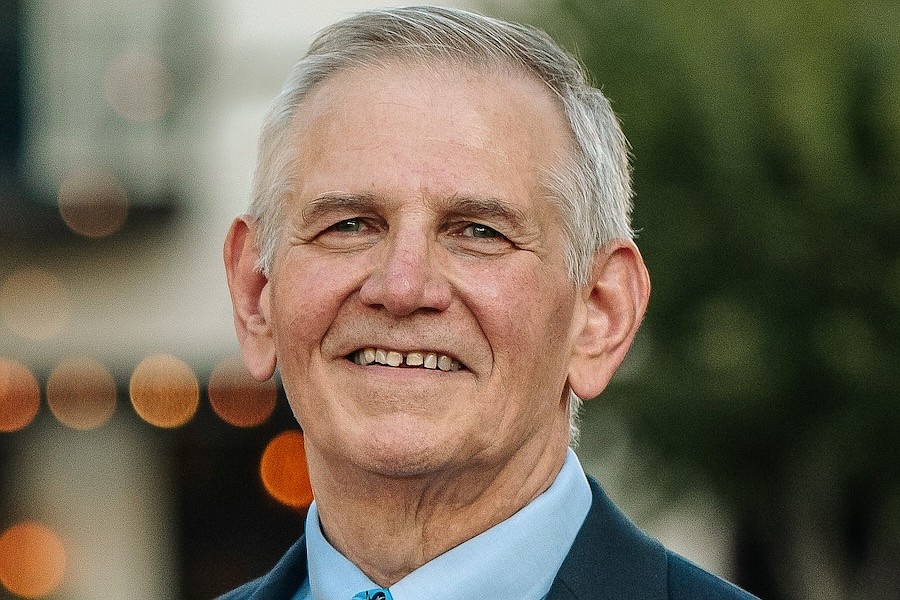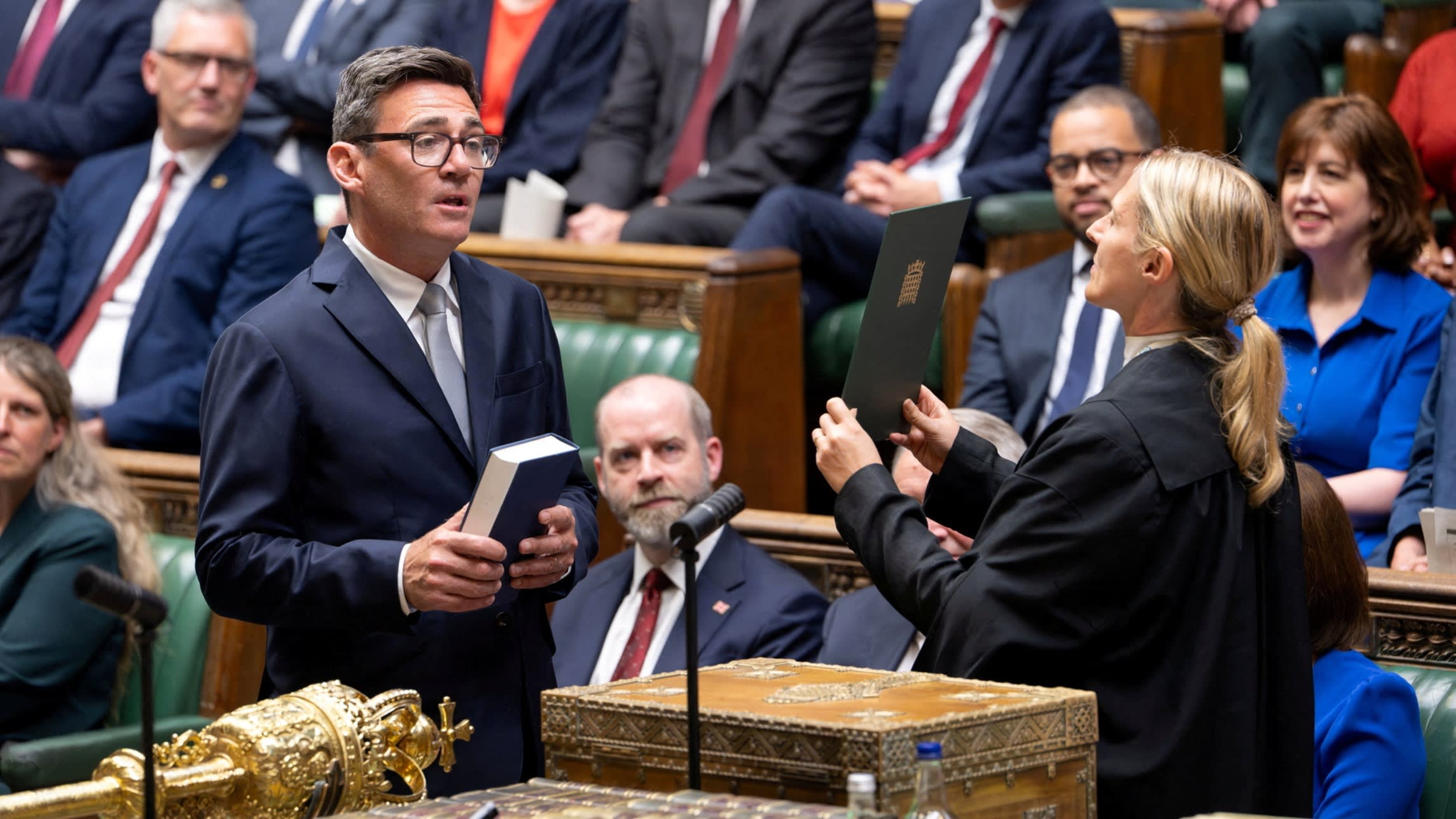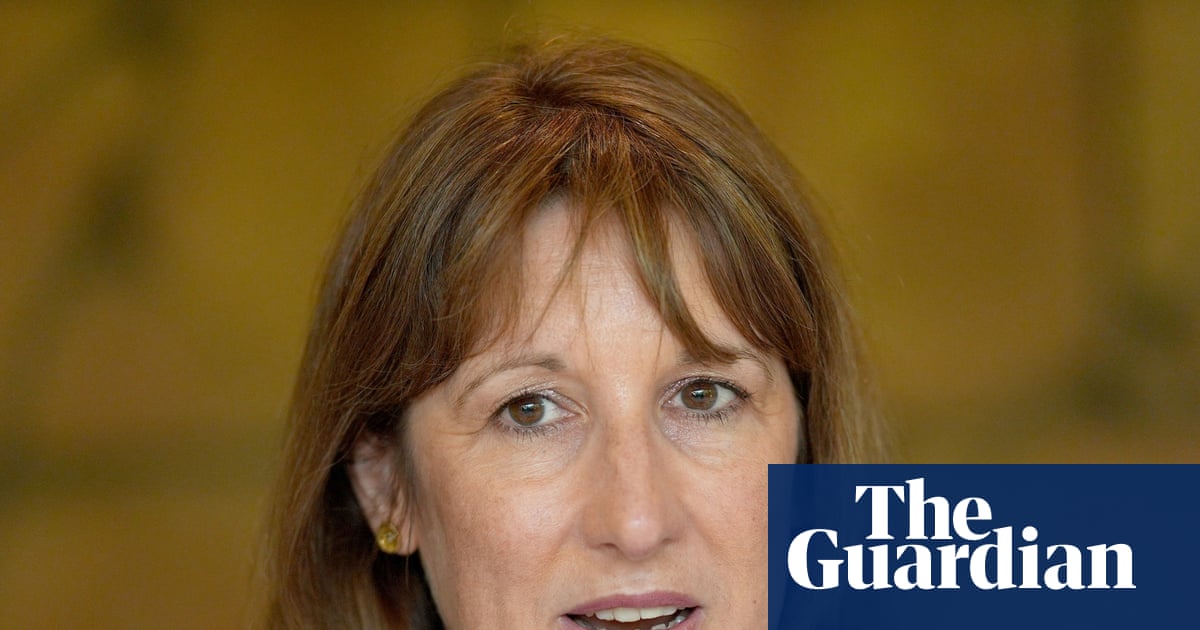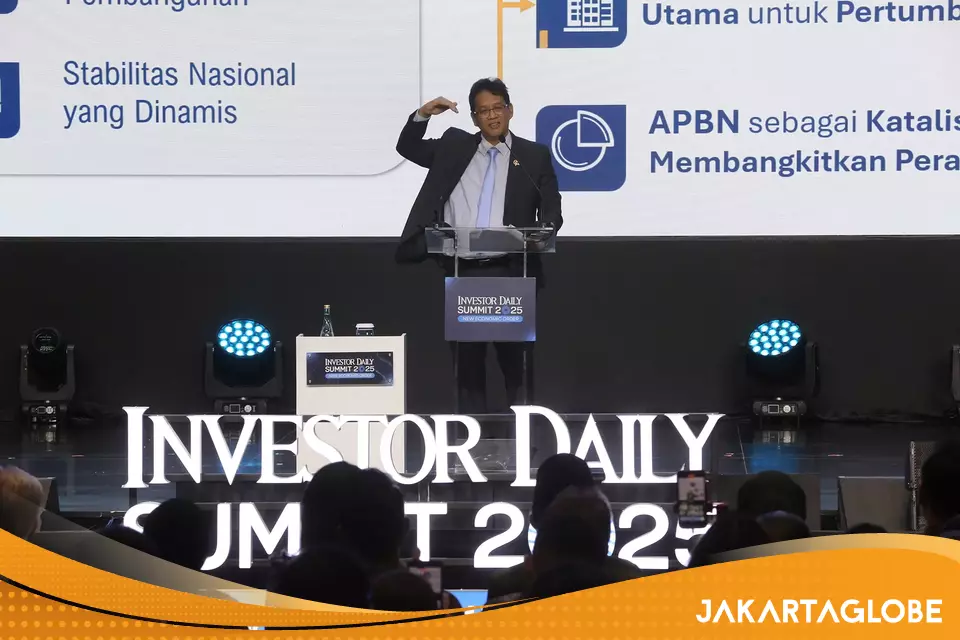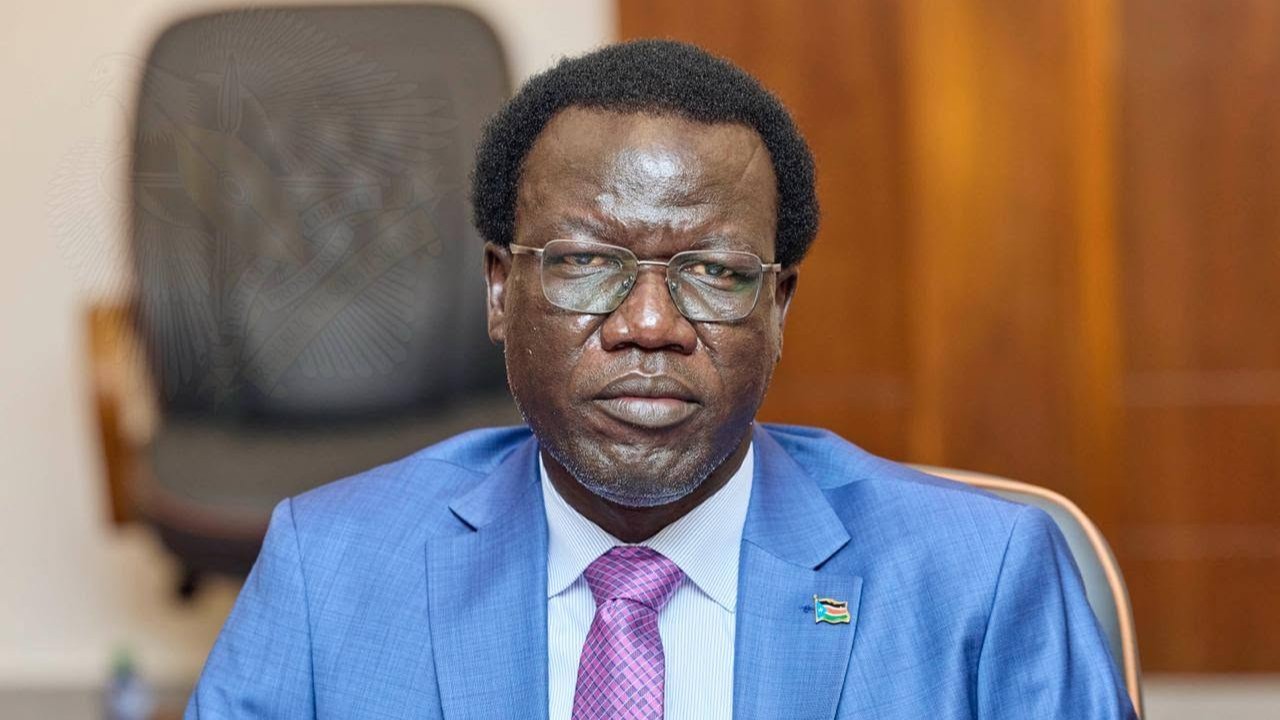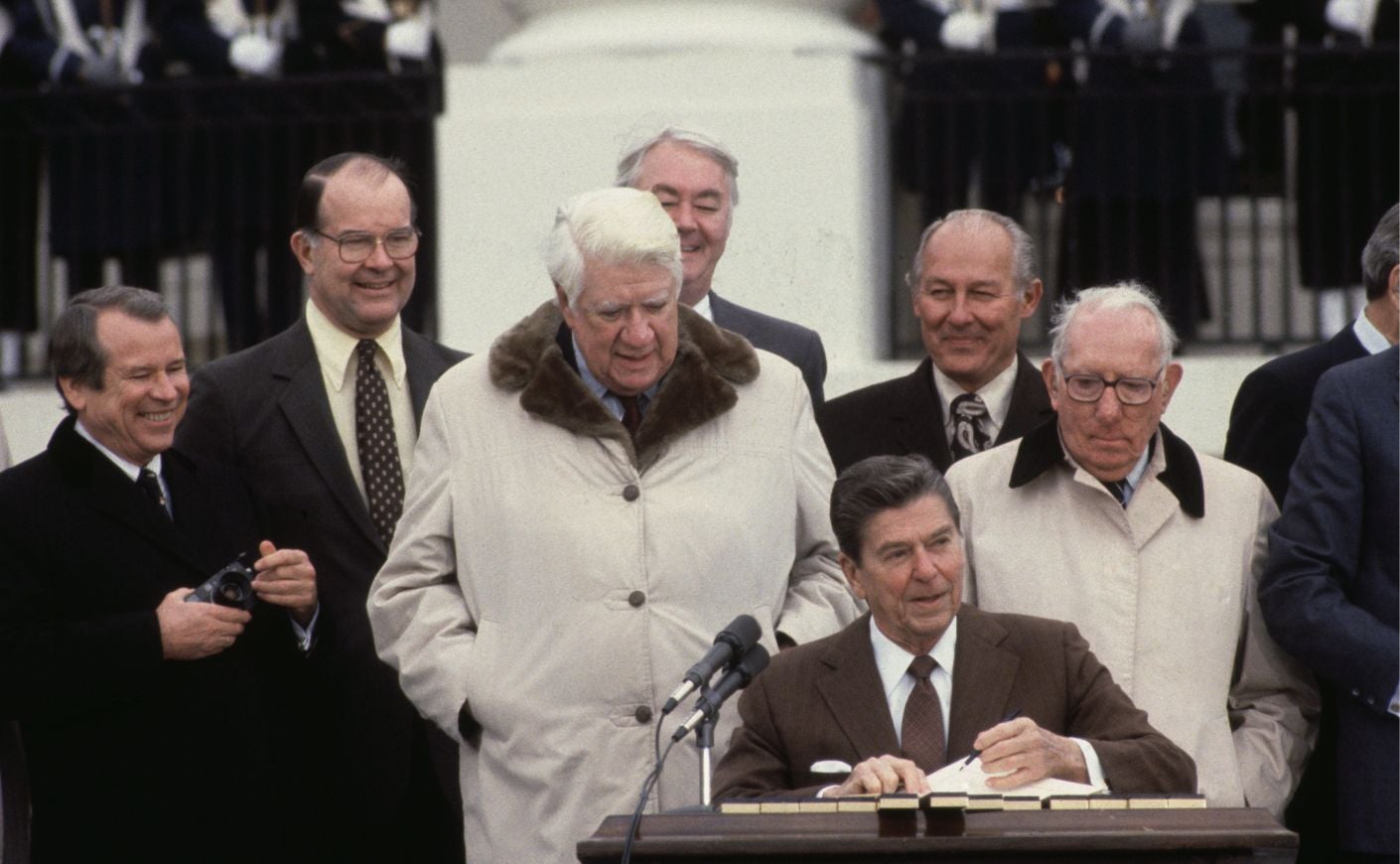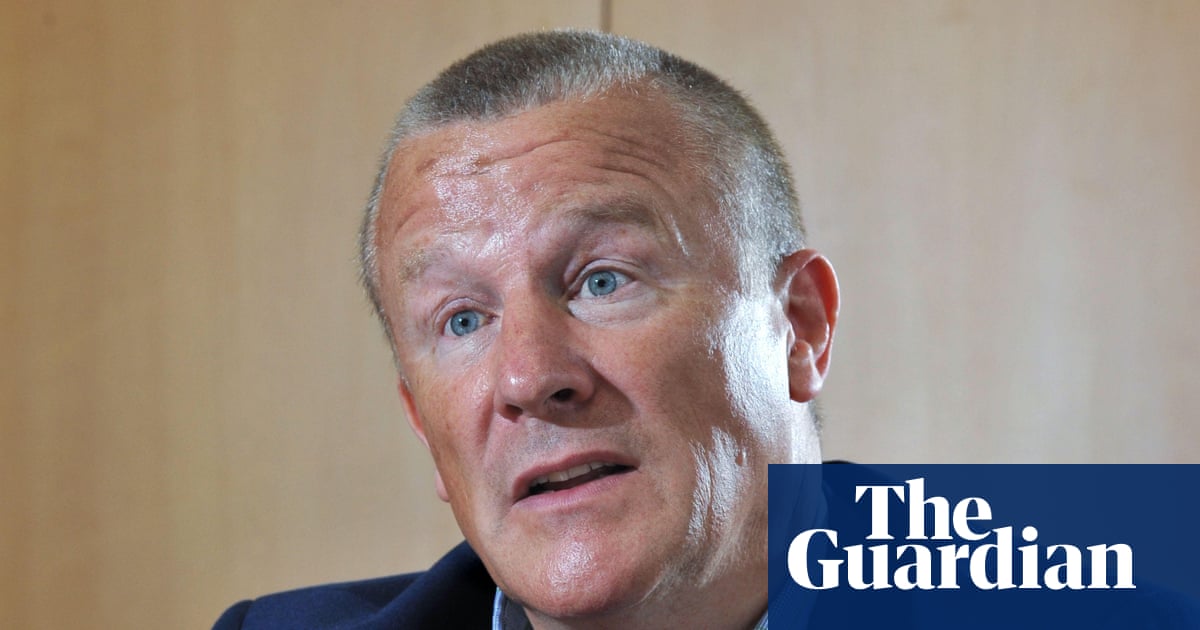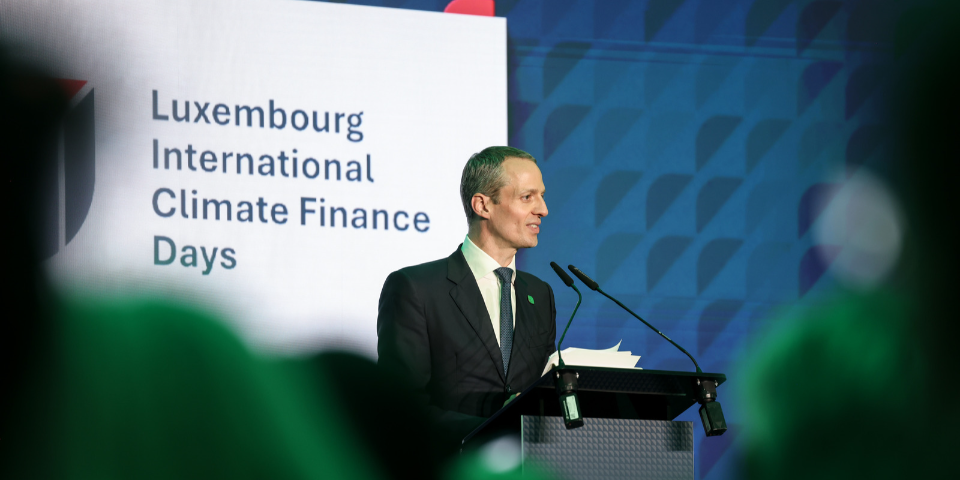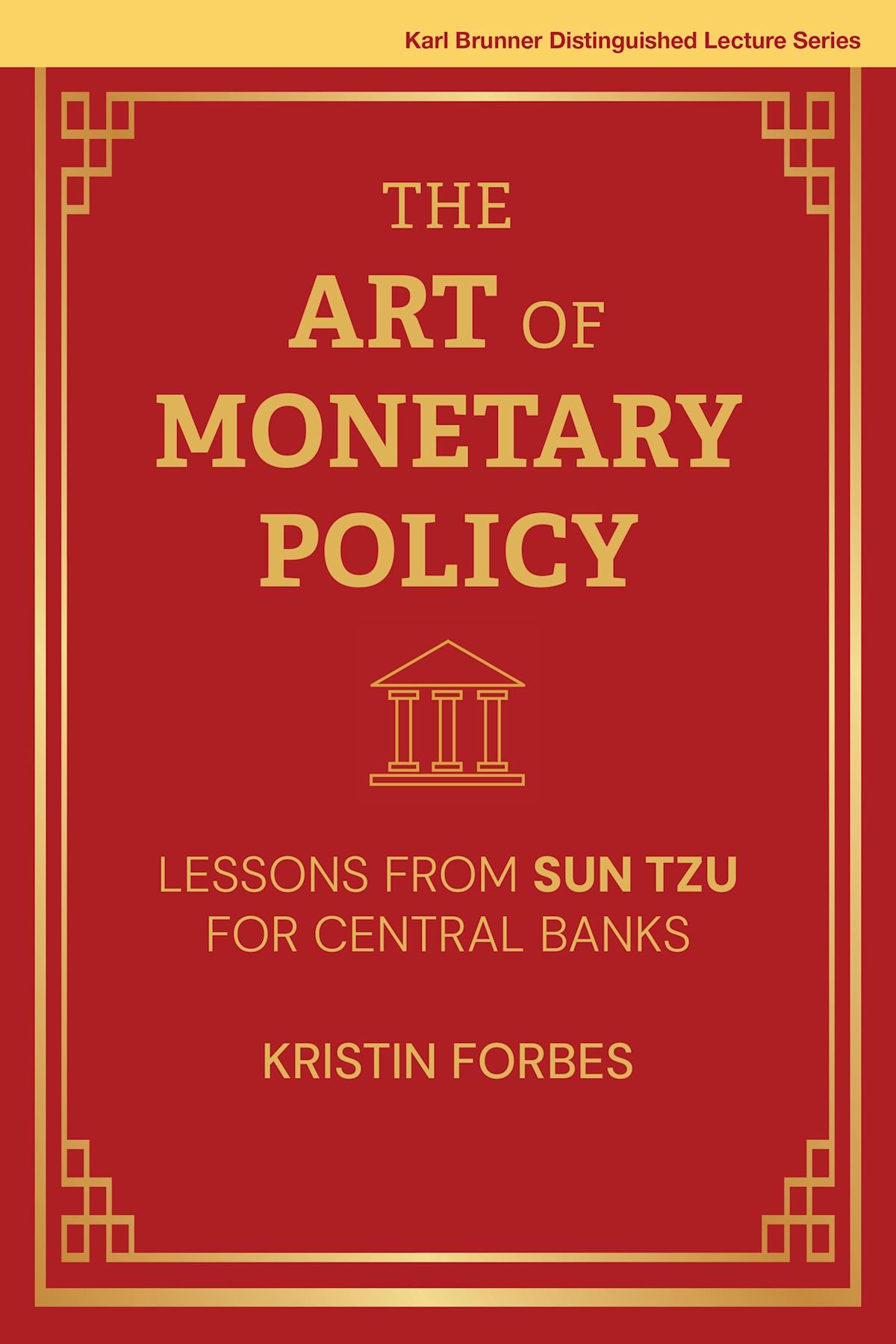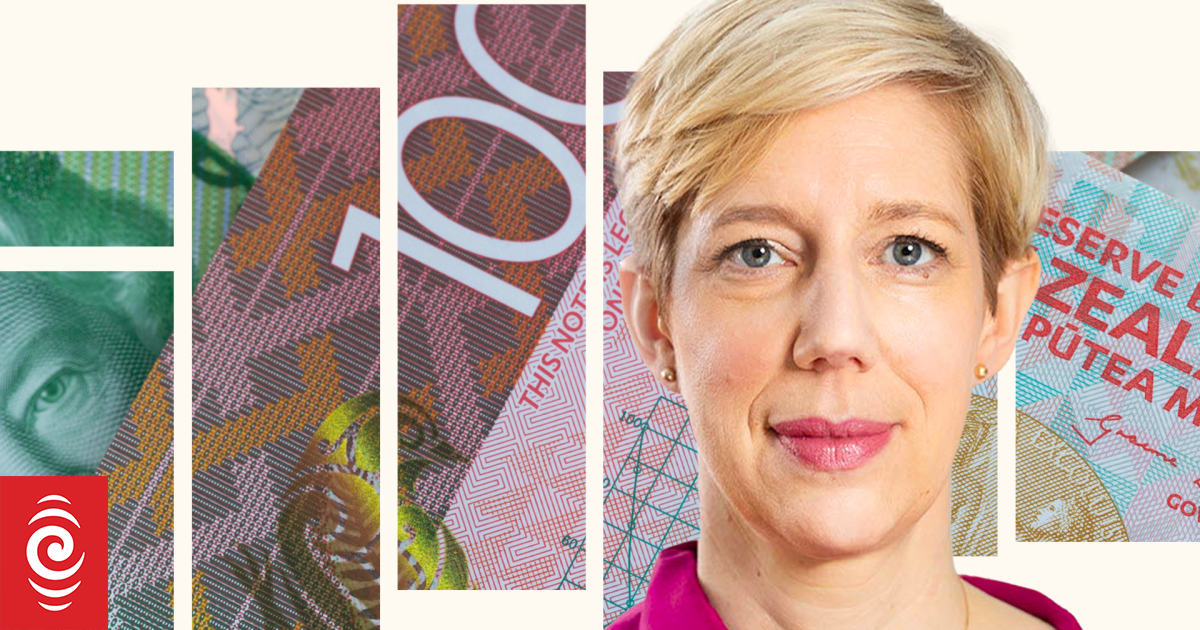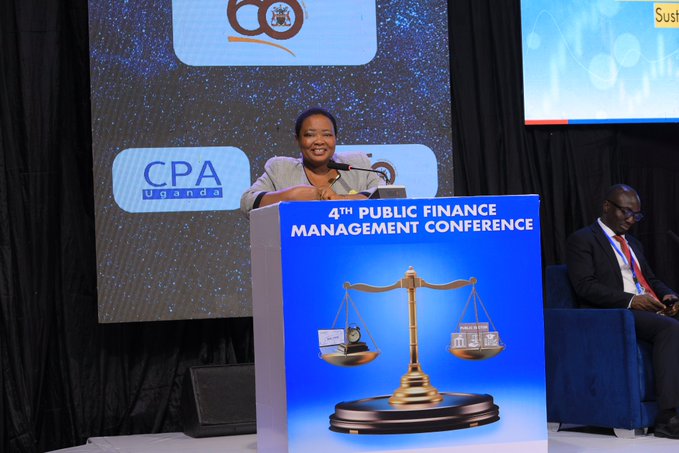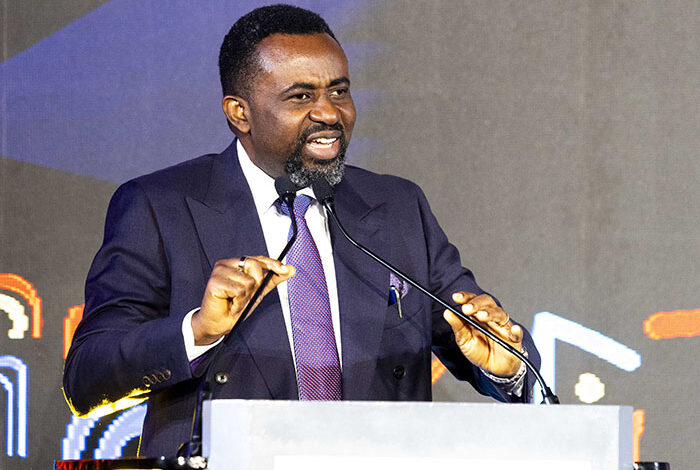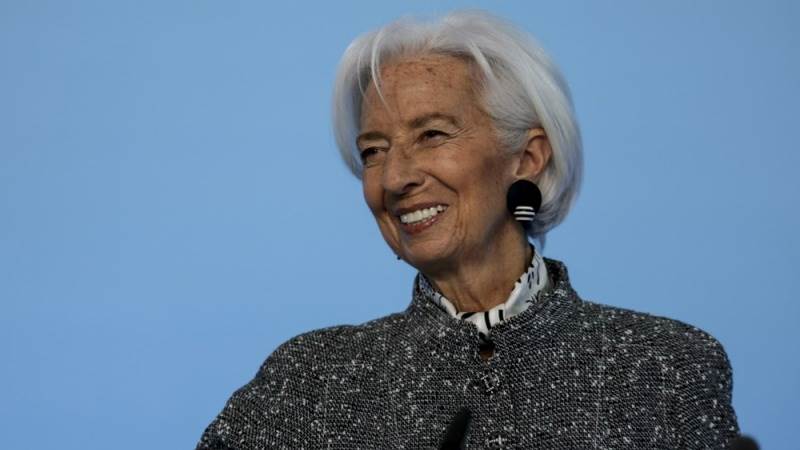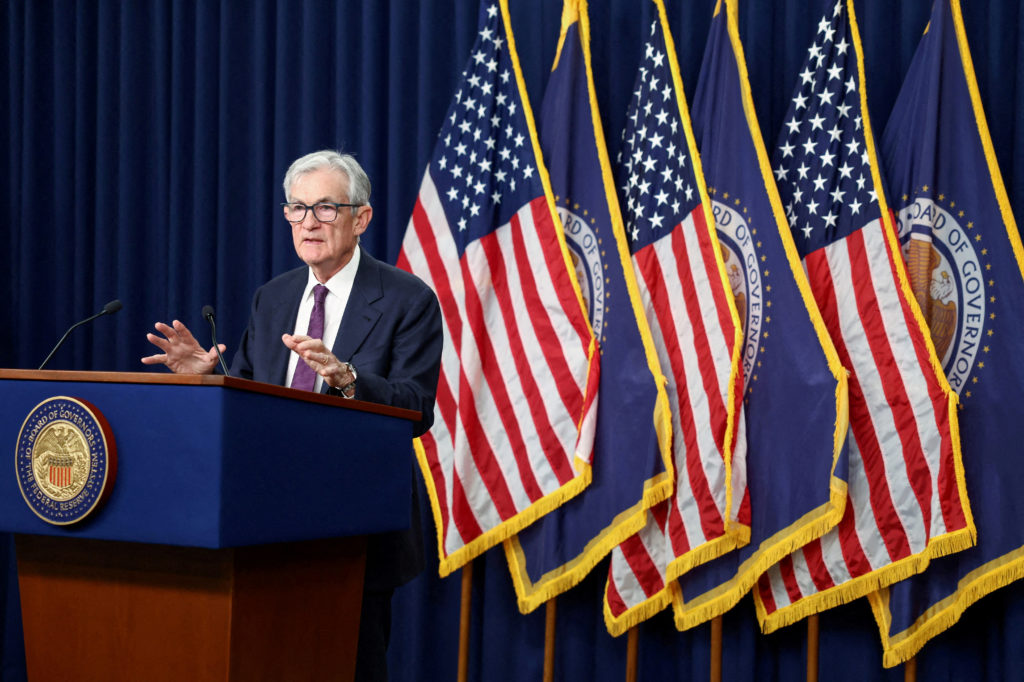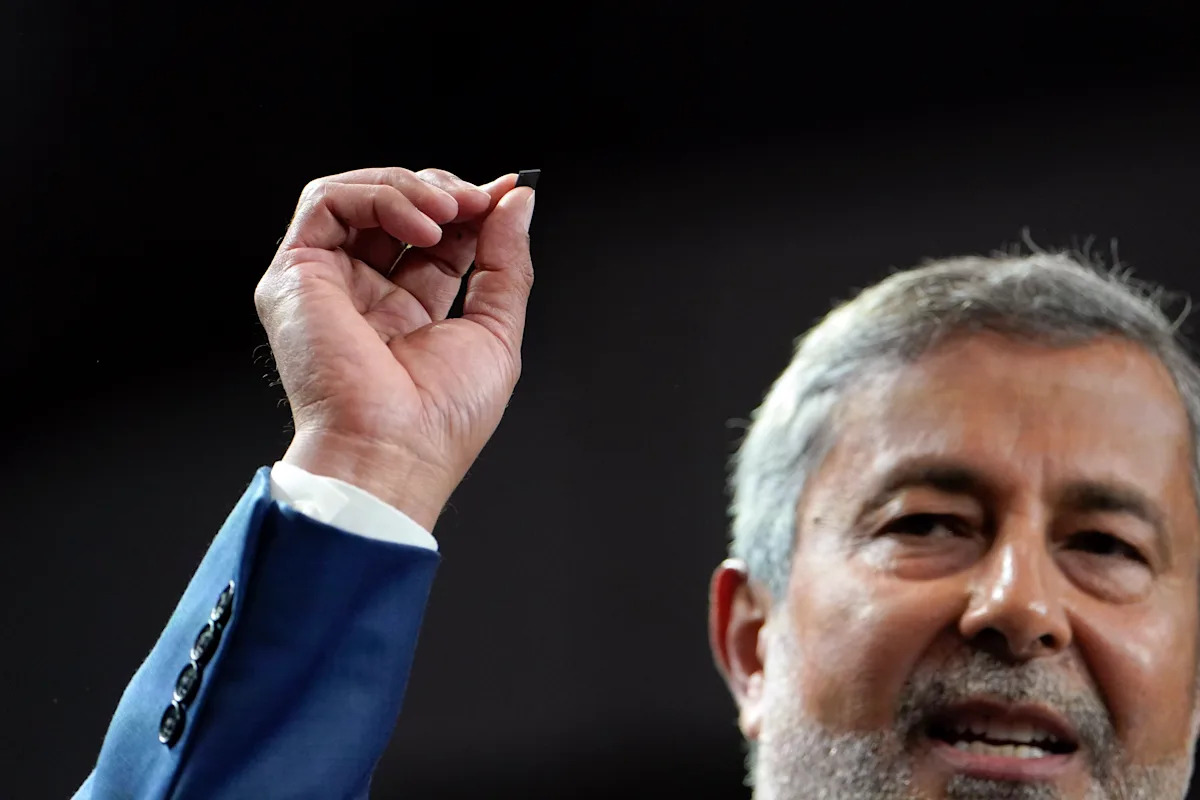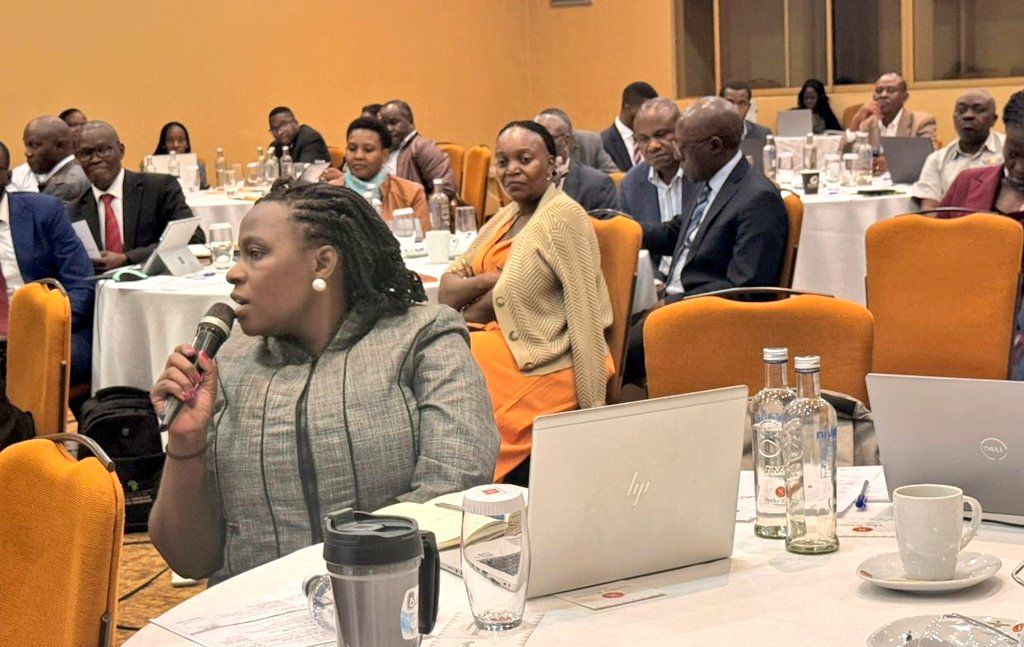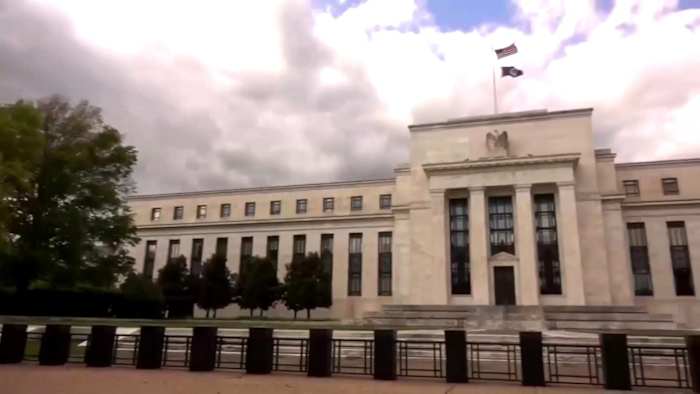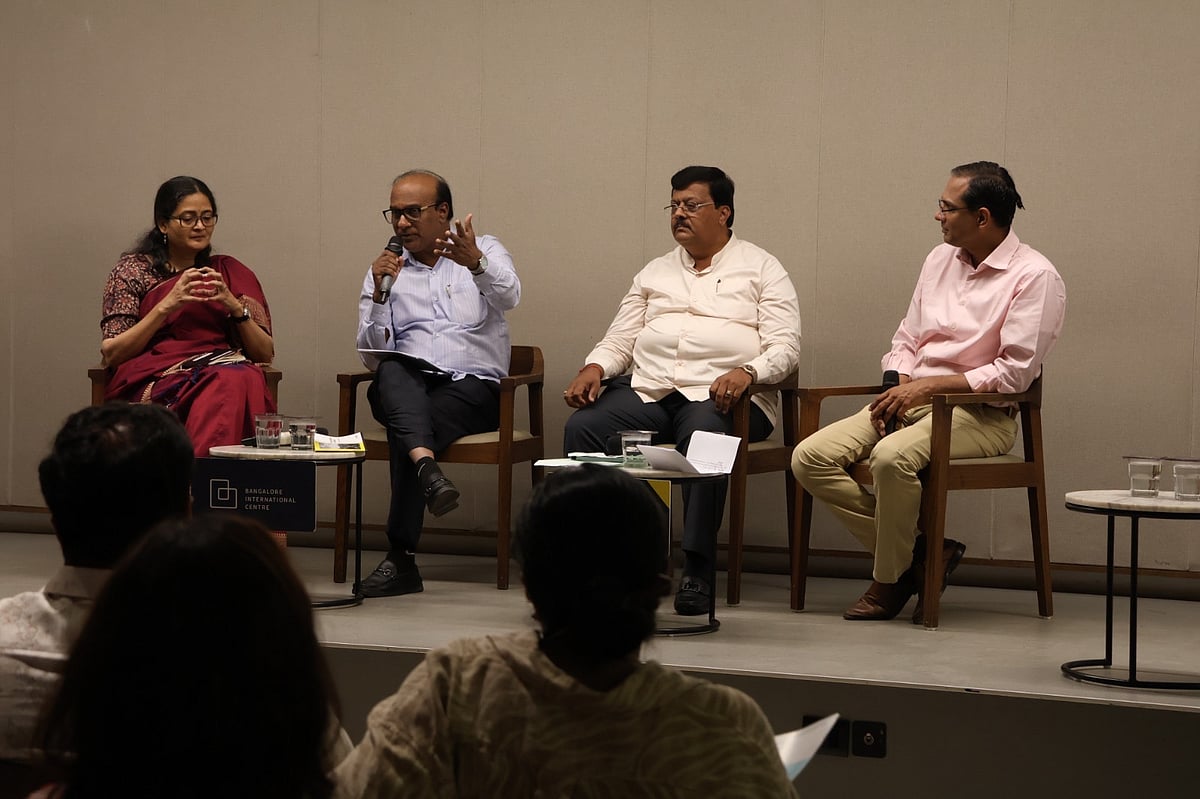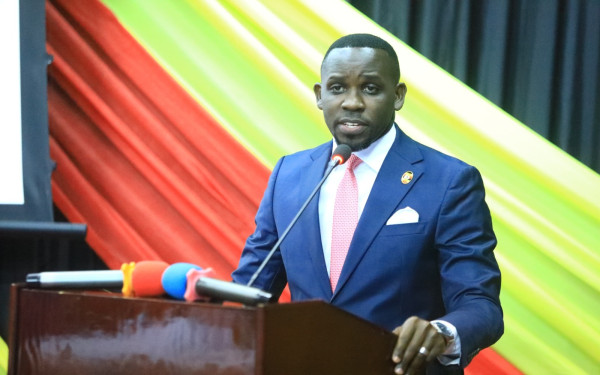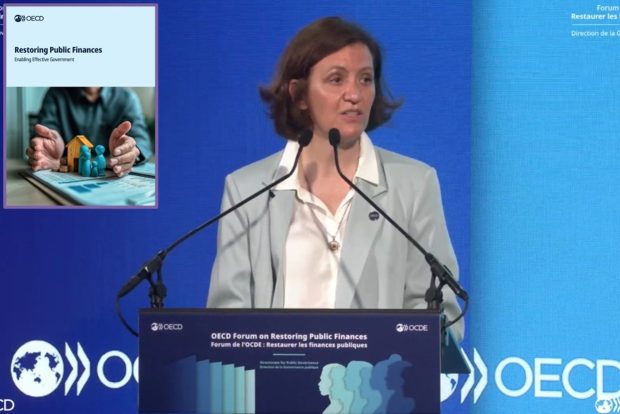
Elsa Pilichowski: the OECD’s director for public governance presented the ‘Restoring Public Finances: Enabling Effective Government’ report in Paris I Credit: Global Government Finance screenshots of event broadcast and report cover
OECD also publishes report setting out four pillars to achievepublic buy-in to efforts to restoring public finances
People and the Budget’ report focuses on precisely this theme – that, in the shorter document’s words, OECD countries “must look beyond traditional tools to secure fiscal sustainability: it can no longer be achieved without public buy‑in”.
aknowledges public finances are under significant pressure and the scale of savings planned is ‘not commensurate with the challenges at hand’
Government efforts to “restore’ public finances are ‘not commensurate with the scale of the challenge”, an OECD report has warned.
The Paris-headquartered organisation’s Restoring Public Finances: Enabling Effective Government publication details efforts by governments worldwide to become more efficient and outlines how digital technologies alongside ‘bureaucratic simplifications’ can help, among other themes.
The analysis is released as public finances in OECD countries come under “significant pressure”, with higher debt servicing costs, growing spending requirements such as defence, demographic shifts, plus support measures for businesses and households in the wake of recent energy price shocks, contributing to higher public spending. Revenue collection “has not kept pace, amid slower economic growth and a decline in public and private investment, leading to higher debt levels”, the 266-page report states.
The report is intended to serve as a “knowledge base for policymakers, public servants, and civil society to make the most effective choices in managing public finances”. The OECD has also published a substantial companion report: ‘The People and the Budget: Empowering Public Understanding of Public Finances’.
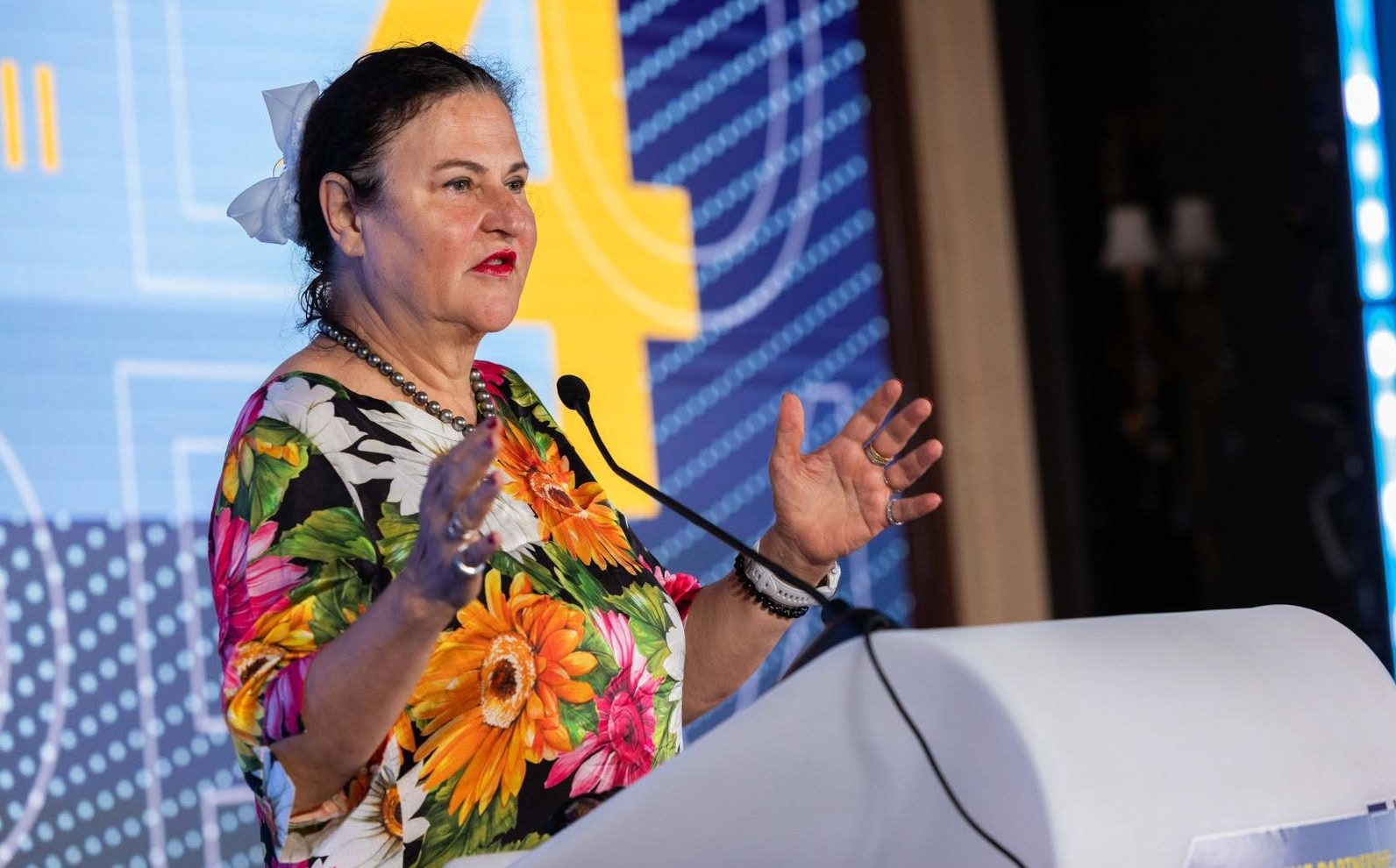
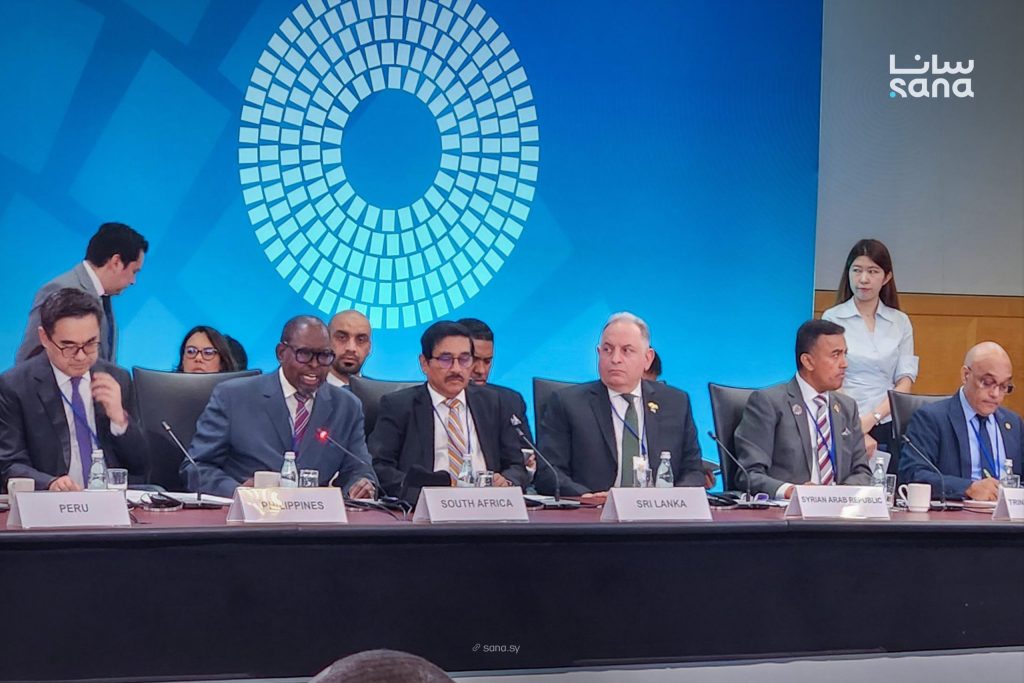
OECD director for public governance Elsa Pilichowski presented the reports, highlighting reforms and savings measures being undertaken in OECD countries, in an opening segment of a one-day conference in the French capital (27 May).
Read more Government leaders define the future finance ministry in new global study – a news story (5 May 2026) on The Future of the Finance Ministry study – published by Global Government Forum and sister title Global Government Finance – based on interviews with 10 senior leaders from finance ministries
Public debt problem
The ‘Restoring Public Finances’ report highlights that following a series of crises since 2009, public debt levels are at historically high levels, averaging about 110% of GDP in OECD countries (up from 73% in 2007). Debt service reached 3.3% of GDP in 2025, up from 1.9% in 2020 and ‘continues to rise’.
The report – based on responses to an OECD survey that asked governments for details on savings measures being implemented in 2025-2026 across spending areas – takes stock of saving measures across 35 OECD member, three accession candidate countries, as well as one non-member economy, are implementing to help place their public finances on a ‘more sustainable footing’.
“Savings measures are most frequent in the areas of healthcare, government operations and pensions, which represent the majority of public spending,” the report notes. “However, the scale of the measures being implemented is not commensurate with the challenges at hand. Further action is needed to restore public finances and enable effective government.”
This report contains sectoral chapters addressing savings measures on a wide range of areas in public administration.
But it warns that savings measures do not offset spending increases as expenditure is still projected to rise by of 0.8% of GDP between 2024 and 2026 in the average OECD country, while revenue measures add just 0.3 per cent. “The energy price shocks of early 2026 are likely to worsen this outlook”, it adds.
WEBINAR: REGISTER TO ATTEND The future of the finance ministry unpacked – and what it means for government – on 24 June 2026, focused on Global Government Finance / Global Government Forum’s research
The reform agenda
The report concludes that “more significant and sustained reforms are therefore required”.
“Governments will need to tackle the drivers of expenditure growth, scrutinise all areas of spending and make difficult choices about priorities,” it states. “This includes better targeting of public support, reforming large spending programmes such as health, pensions and social benefits, redesigning government operations to achieve lasting efficiency gains, and reallocating spending towards investments that support productivity and growth. These reforms cannot be delivered through one-off savings exercises but require continuity, discipline and a clear medium-term direction to avoid postponing costs and risks into the future.”
It acknowledges that “reform ‘playbooks’ already exist across some of the major spending areas” but warns that ‘the ability to move from analysis to action and to sustain reforms over time’ is “generally lacking”.
“Strong budgeting institutions, including effective medium-term frameworks and spending review, are essential to structure choices and manage trade-offs,” it continues. “However, institutional quality alone is not sufficient.”
“Restoring public finances will not succeed without stronger public backing for difficult fiscal choices,” the report argues. “Reforms that affect benefits, services or contributions cannot be sustained unless citizens understand why change is needed, and what is at stake for future living standards. Empowering public understanding is therefore a core component of fiscal sustainability efforts.”
Global Government Finance’s editorial newsletter (free): sign up here
Public understanding ‘essential’
The 107-page ‘The People and the Budget’ report focuses on precisely this theme – that, in the shorter document’s words, OECD countries “must look beyond traditional tools to secure fiscal sustainability: it can no longer be achieved without public buy‑in”.
This report describes “empowering public understanding [as] now an essential component of modern budgeting”.
It outlines a strategy based on four pillars: demystifying the budget for key decision makers; communicating public finances clearly; fostering genuine citizen engagement to build legitimacy; and transforming independent fiscal institutions into proactive fiscal advocates.
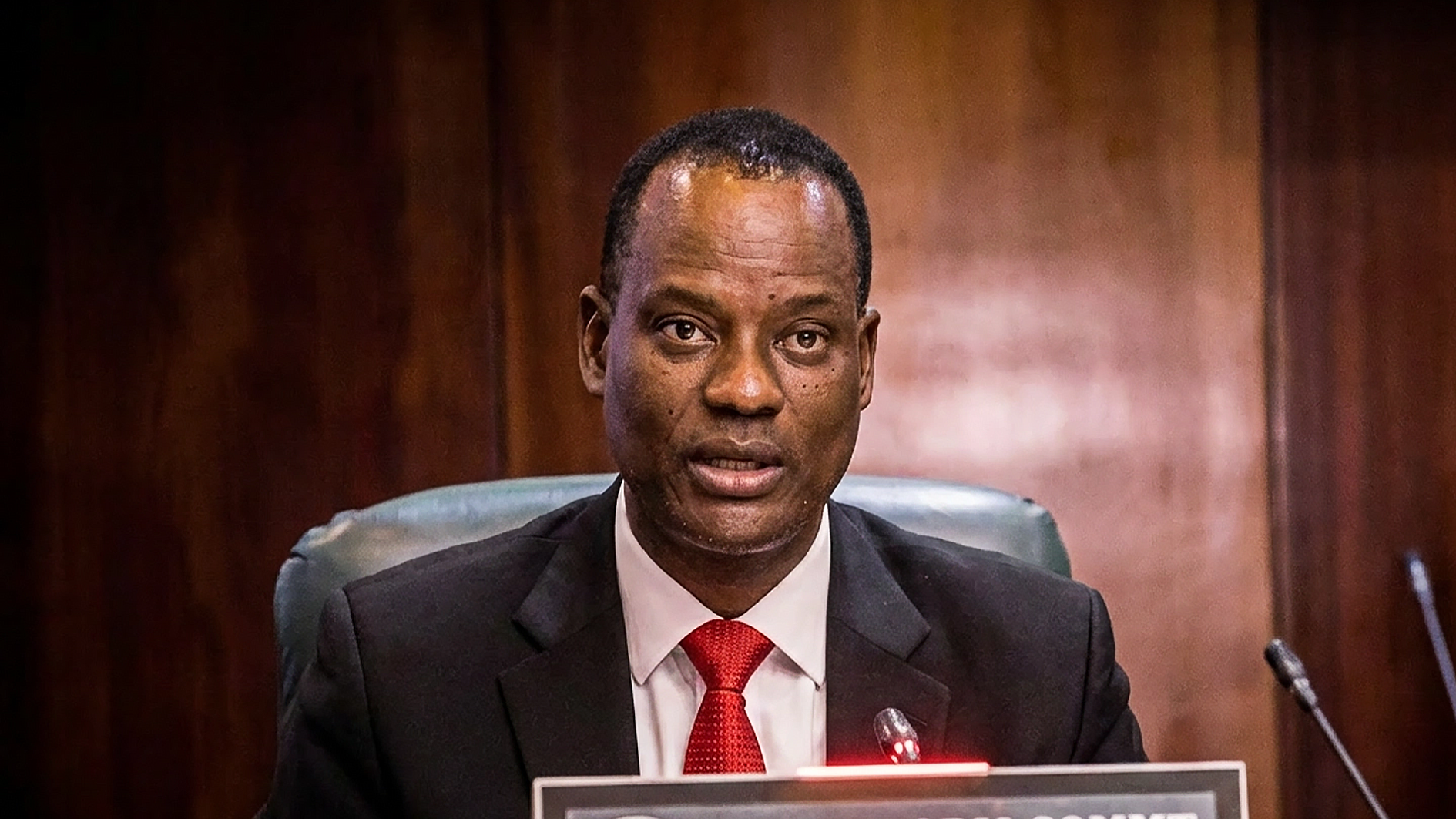
OECD secretary-general Mathias Cormann writes in the document’s preface that boosting public understanding is a “key part of modern budgeting”.
The foreword of the report warns more broadly that with public finances across the OECD “under strain […] the room for delaying action is narrowing”.
Read more: Emerging tech’s potential for public financial management examined in IMF paper
‘Dangerous cycle’
Setting the context of public communications, the report notes that OECD analysis has shown that trust weakens when citizens do not understand why reforms are needed, how costs and benefits are shared, or “how today’s decisions fit into a longer-term strategy”.
A “dangerous cycle” where ‘hesitation fuels mistrust, and mistrust makes action harder’ can then be created, it states.
“These pressures are magnified by a rapidly changing communications landscape,” it continues. “Fragmented media environments, declining trust in traditional intermediaries and polarised online debate make it harder to sustain attention on long-term fiscal challenges and to explain why difficult choices are unavoidable.”
“The choices facing governments are increasingly shaped by long-term forces that do not wait for electoral cycles to catch up,’ the report notes. ‘By investing now in public understanding, countries can reduce the risk that policy is paralysed. They can rebuild trust in public institutions, and create the conditions needed to secure their public finances for the years ahead.”
This report was compiled based on sources including a 2025 OECD Survey of Government Communicators, 2025 OECD Survey on Parliamentary Budget Oversight, 2024 OECD Trust Survey, and 2024 OECD Fiscal Advocacy Index.
This story was first published on Globa Government Forum’s sister title Global Government Finance: Government efforts to ‘restore’ public finances are falling short, OECD warns