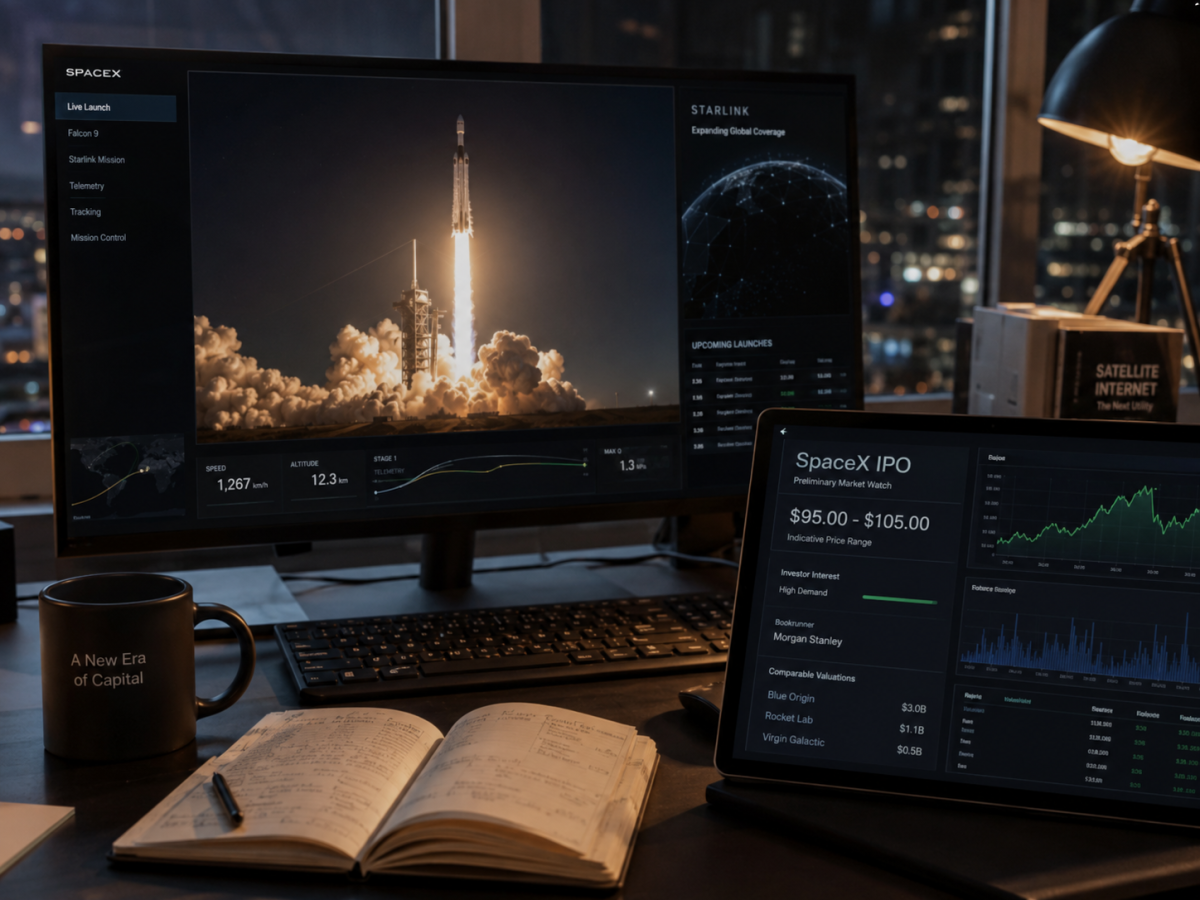

SpaceX may become the most important IPO story in the market this year, but I do not think the real point is simply whether the stock will pop on the first day. The more important question is whether the current market can actually absorb a future asset this large without creating pressure somewhere else.
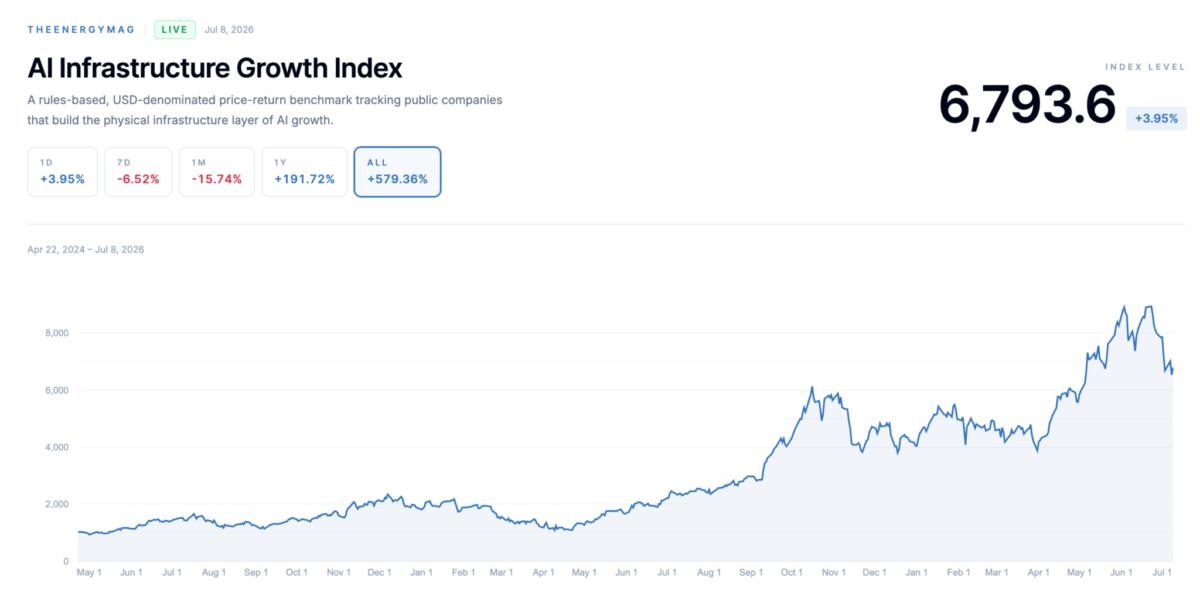
Over the past few years, investors have been willing to pay almost any price for the future. AI, EVs, robotics, autonomy, cloud, chips, satellite internet, space infrastructure — as long as a company could place itself inside that map, the market was willing to give it a premium. But after the recent pullback in U.S. stocks, especially in tech and AI-related names, I think the market is starting to show a different attitude. It is not saying the future is dead. It is saying the future has to be repriced.
That is why SpaceX is such an interesting case.
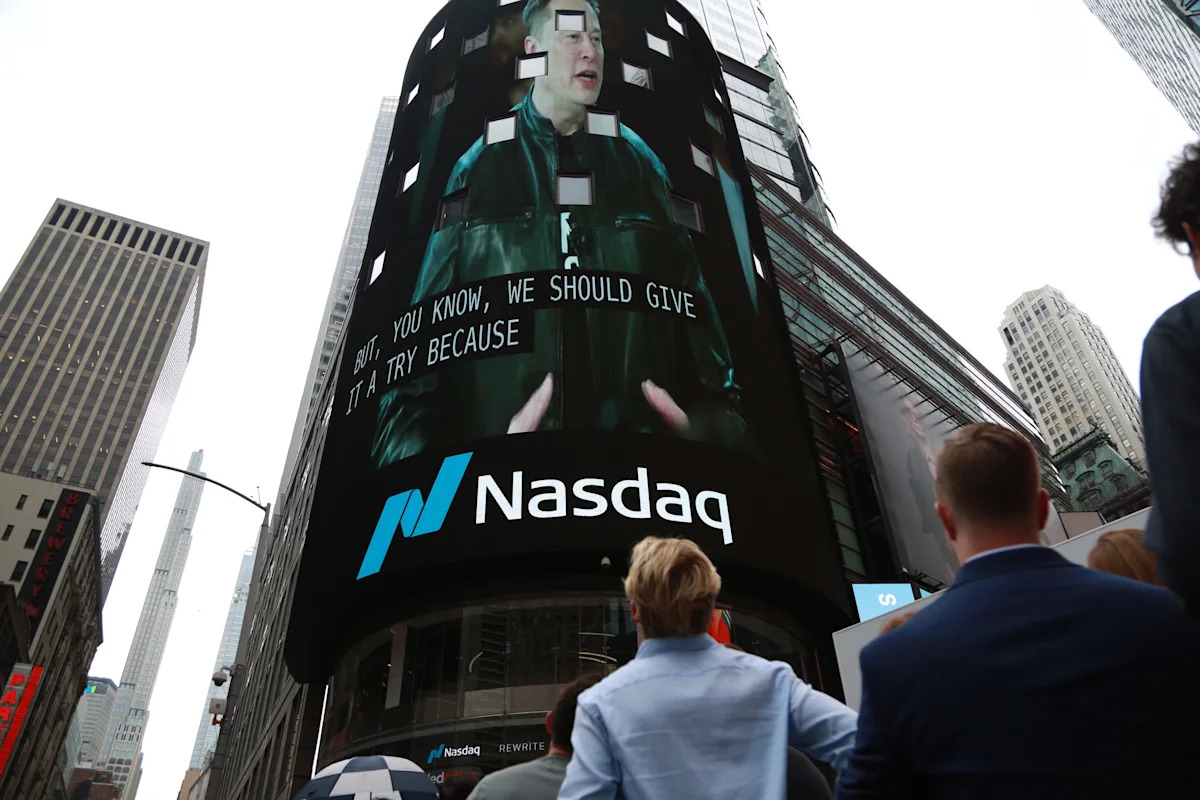
This is not a normal company coming to the public market. SpaceX is being priced as a launch company, a satellite internet company, a defense contractor, a future space infrastructure company, and maybe even a long-term bet on the next layer of human civilization. It carries almost every powerful technology narrative at the same time: reusable rockets, Starlink, orbital infrastructure, government contracts, space transportation, AI data center speculation, and Elon Musk’s personal brand.
That combination is extremely rare. It is also exactly why the valuation becomes dangerous.
At a valuation around $1.75 trillion, SpaceX would not just be selling shares. It would be asking the market to pay upfront for decades of future execution. Investors would not only be paying for Starlink’s current growth or SpaceX’s launch dominance. They would also be paying for businesses that may take many years to fully mature, and some that may not even exist in a proven commercial form yet.
This is where the market becomes tricky.
A great company does not automatically make every valuation reasonable. A visionary company can still be expensive. A company can change the world and still give investors poor returns if the entry price already includes too much of that future.
I think the recent market pullback makes this IPO even more important. When liquidity is abundant and risk appetite is strong, investors can buy every story at once. They can buy Nvidia, Tesla, Apple, private AI names, and still chase a giant IPO. But when the market starts to pull back, capital becomes more selective. Investors begin to ask what they need to sell in order to buy the next thing.
That is why SpaceX may affect more than SpaceX itself.
For many investors, $Tesla (TSLA.US)$ and SpaceX are not completely separate stories. They sit inside the same Elon Musk ecosystem. Tesla represents autonomy, robotics and future mobility. SpaceX represents satellites, launch scale and space infrastructure. xAI adds another layer to the same broader narrative. To the market, these are different assets, but they all compete for the same type of capital: money that wants exposure to Musk, technology disruption and extreme future optionality.
So when a rarer and even more futuristic Musk-related asset gets close to the public market, it is not hard to understand why some money may rotate out of Tesla or other high-beta tech names in the short term. This does not mean Tesla’s long-term story is broken. It simply means that capital has limits. If a huge new future asset enters the market, some existing future assets may feel pressure.
This is also why I trimmed part of my Tesla position earlier. My logic was not that Tesla’s Robotaxi story had failed. The long-term thesis is still there. If FSD and Robotaxi scale, Tesla’s valuation framework can still change dramatically. But short term, when SpaceX becomes the center of attention and the broader market is already showing signs of weakness, taking some profit and reducing exposure makes sense to me.
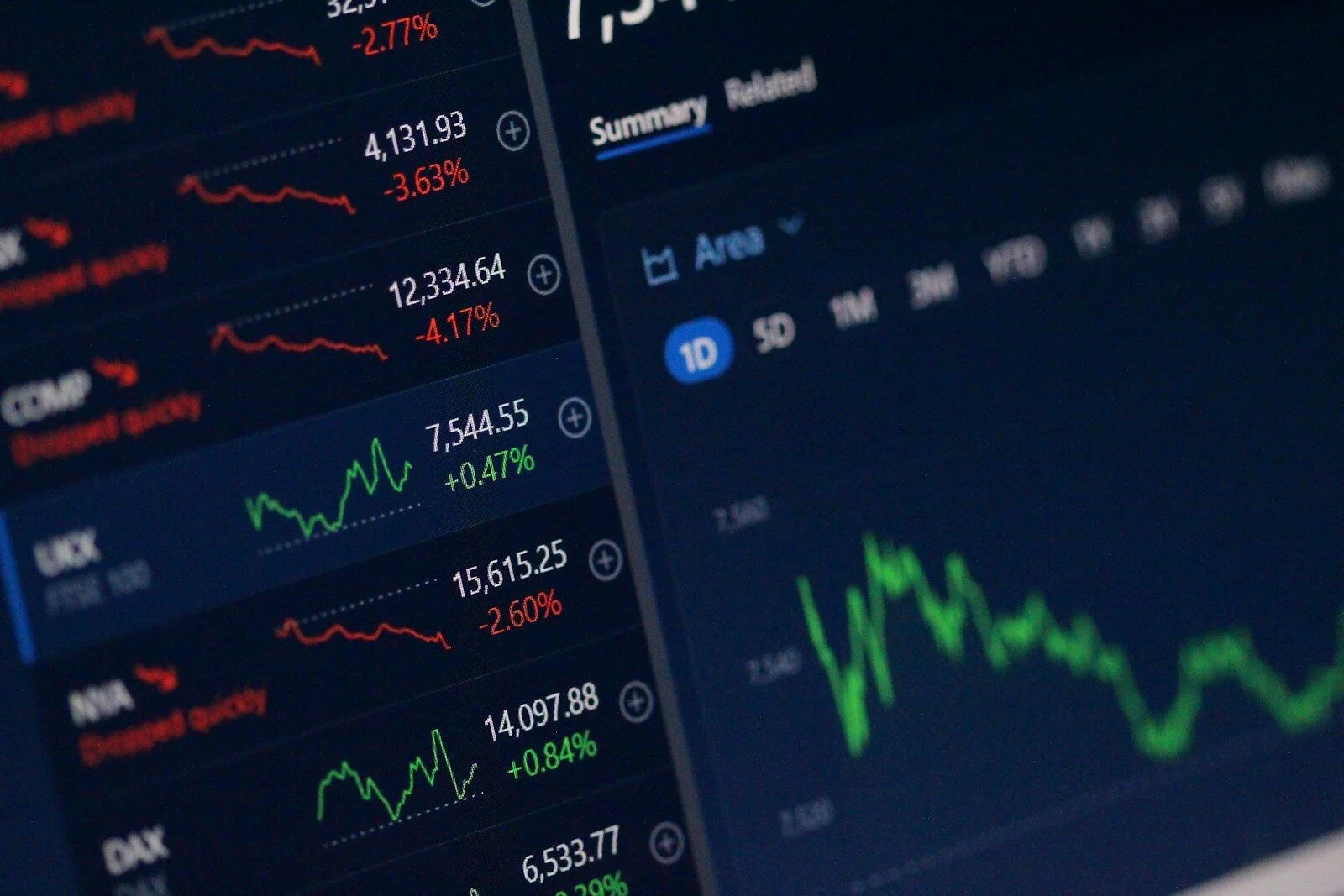
The recent pullback actually supports that logic. It shows that even the strongest narratives are not immune to liquidity pressure. Nvidia can still be a dominant AI company and still pull back. Tesla can still have a Robotaxi bull case and still face short-term selling. Apple can still own the consumer AI gateway and still get questioned before WWDC. The market is not rejecting these stories completely. It is becoming more strict about price, timing and proof.
That is the environment SpaceX is entering.
The bullish case is obvious. SpaceX is probably one of the most impressive engineering companies in the world. It has real launch capability, real scale, real government relevance, and Starlink is already becoming an important global connectivity asset. Unlike many speculative companies, SpaceX has built things that work in one of the hardest industries on earth. That deserves respect.
But the risk is also obvious. At this size, the IPO is no longer just about business quality. It becomes a question of market capacity. Can investors really absorb a company valued like a mega-cap before it has the mature earnings profile of a mega-cap? Can retail demand stay strong after the first wave of excitement? Can the stock hold up when people start comparing the valuation with actual revenue, profitability and execution risk? Can the market handle another trillion-dollar future story when AI and tech stocks are already under pressure?
These are the questions I care about more than the first-day move.
A first-day pop would not surprise me. SpaceX has the brand, the scarcity, the Elon factor and the public attention. Demand could be huge. But the real test comes after the excitement fades. Once the stock is public, it will stop being just a private-market myth and start being judged every day by the public market. That means quarterly numbers, margin questions, execution delays, launch risks, regulation, capital intensity and valuation comparisons.
Private markets can live on narrative for a long time. Public markets are more brutal.
This is why I see SpaceX IPO as a turning point for the entire future trade. In 2023 and 2024, the market mostly rewarded companies for being close to the future. In 2026, the market is starting to ask who can actually convert the future into durable cash flow. SpaceX may be one of the best future stories in the world, but even the best story has to pass through the same gate: price discipline.
For me, SpaceX is not something to ignore. It may become one of the most important companies in the public market. But I also do not want to treat it like a risk-free opportunity just because the story is powerful. If the valuation is too aggressive, I would rather wait for the market to calm down than chase the first emotional wave.
The key question is not whether SpaceX is a great company. I think it clearly is.
The key question is whether the public market is being asked to pay too much, too early.
Personal thoughts only. Not financial advice.