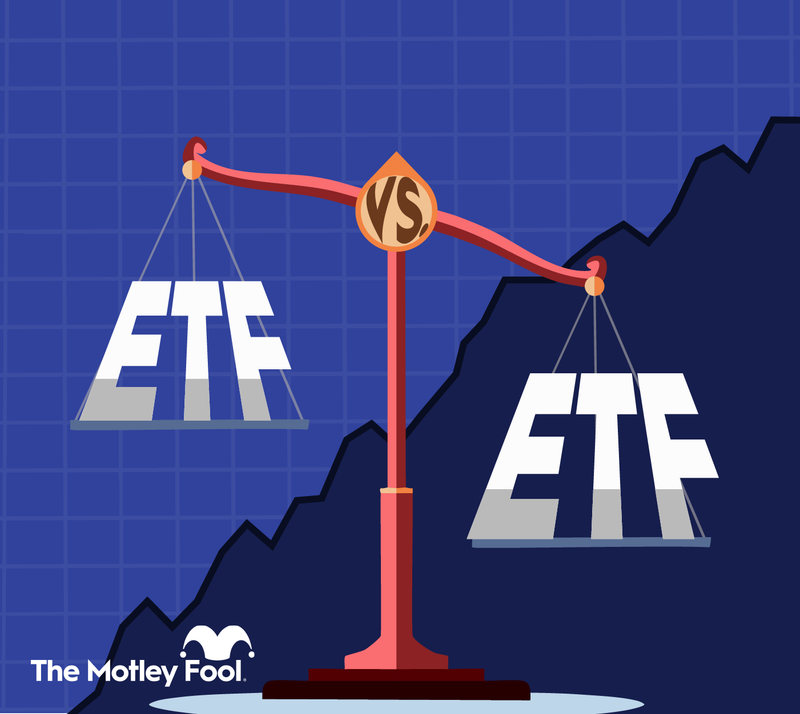
One of the most common arguments in favor of silver ETFs is liquidity.
The logic seems straightforward enough.
An ETF can be sold with a few clicks during market hours. Physical silver requires finding a buyer and completing a transaction. Therefore, ETFs must be more liquid.
That’s true if you’re measuring liquidity strictly by speed.
But investors who buy silver for wealth preservation should probably look a little deeper than that.
The real question isn’t whether silver can be sold. Both ETFs and physical bullion can be converted into cash without much difficulty. The more important question is what that liquidity depends on and what you own while you’re waiting to sell.
That’s where meaningful differences begin to emerge.
Why This Question Matters in 2026
Investors today are navigating an environment that remains unusually uncertain.
Inflation has eased from its peak, but prices remain far above where they were just a few years ago. Federal debt continues to climb. Confidence in major institutions has weakened. Financial markets remain heavily influenced by central bank policy, geopolitical developments, and economic data releases.
Against that backdrop, many people are looking for assets that can serve two purposes.
First, they want protection against the steady erosion of purchasing power.
Second, they want confidence that their money remains accessible.
Silver checks both boxes.
The metal has a long history as a monetary asset. It also enjoys substantial industrial demand. That’s a combination few assets can claim.
Naturally, investors want to know how easily silver can be sold if circumstances change.
The answer depends largely on how the silver is owned.
What Liquidity Actually Means
Liquidity is often defined as the ability to convert an asset into cash quickly and at a fair price.
That’s a good starting point.
A liquid market generally has:
Active buyers
Active sellers
Transparent pricing
Consistent demand
Reliable transaction channels
Both silver ETFs and physical silver meet those standards.
The distinction is that they achieve liquidity through entirely different mechanisms.
One depends on financial markets.
The other depends on the bullion market.
How Silver ETF Liquidity Works
Silver ETFs package silver exposure into a stock-market product.
Investors buy and sell shares through brokerage accounts just as they would with stocks.
That structure offers some obvious advantages.
Fast Transactions
This is where ETFs have the upper hand.
If markets are open, an investor can usually sell shares almost instantly.
There is no need to contact a dealer, ship a package, or arrange delivery.
For people who place a premium on convenience, ETFs are hard to beat.
Continuous Market Pricing
ETF prices update throughout the trading day.
Investors can see current bids, current offers, and recent trades in real time.
That transparency makes transactions easy to execute and easy to monitor.
High Trading Volume
Large silver ETFs trade substantial volumes every day.
That activity creates deep markets and generally allows investors to enter or exit positions without materially affecting price.
For most investors, execution is rarely a problem.
There is a tradeoff, though.
ETF liquidity exists entirely within the financial system.
It depends on:
Brokerage firms
Stock exchanges
Market makers
Clearing firms
Custodians
Most investors never think about those layers.
They’re still there.
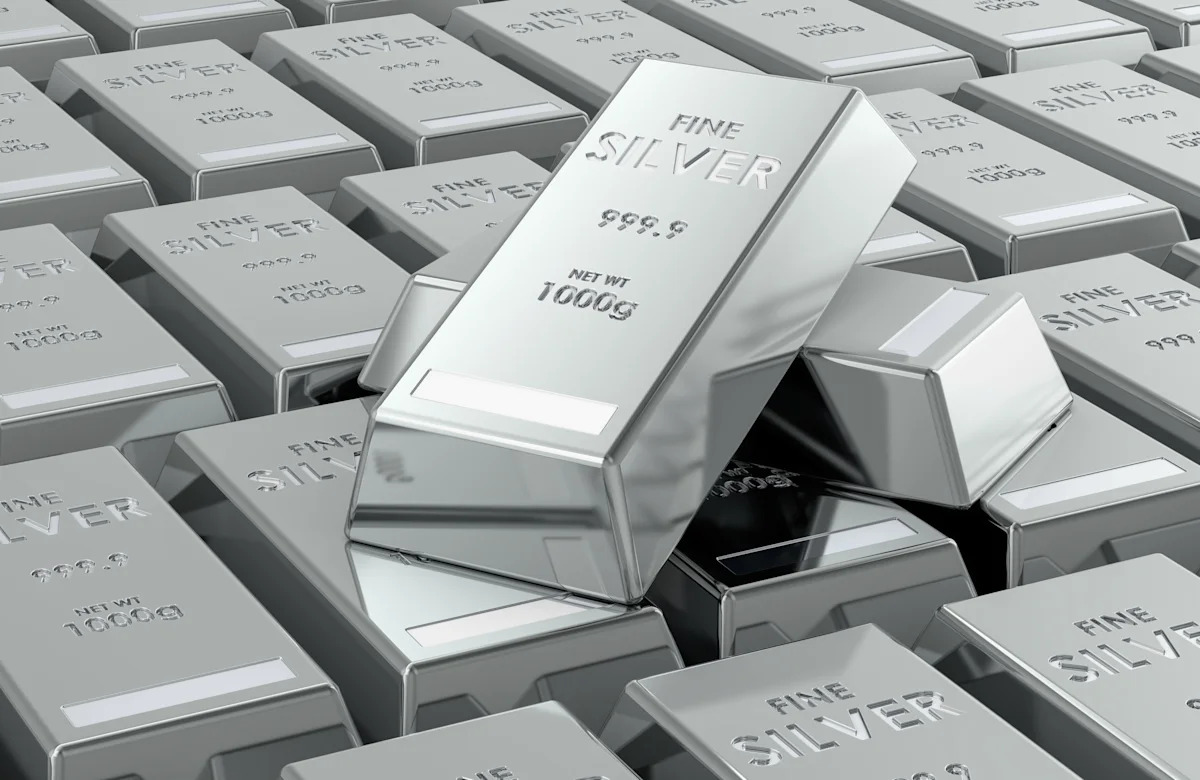
How Physical Silver Liquidity Works
Physical silver follows a different path.
Instead of relying on stock exchanges, it relies on the bullion market.
That market includes:
Bullion dealers
Coin shops
Refiners
Investors
Collectors
Institutional buyers
In one form or another, this market has existed for centuries.
Established Dealer Networks
Physical silver remains highly liquid largely because there are always buyers.
Major bullion dealers buy silver every day.
Local coin shops buy silver every day.
Investors buy silver every day.
Products such as:
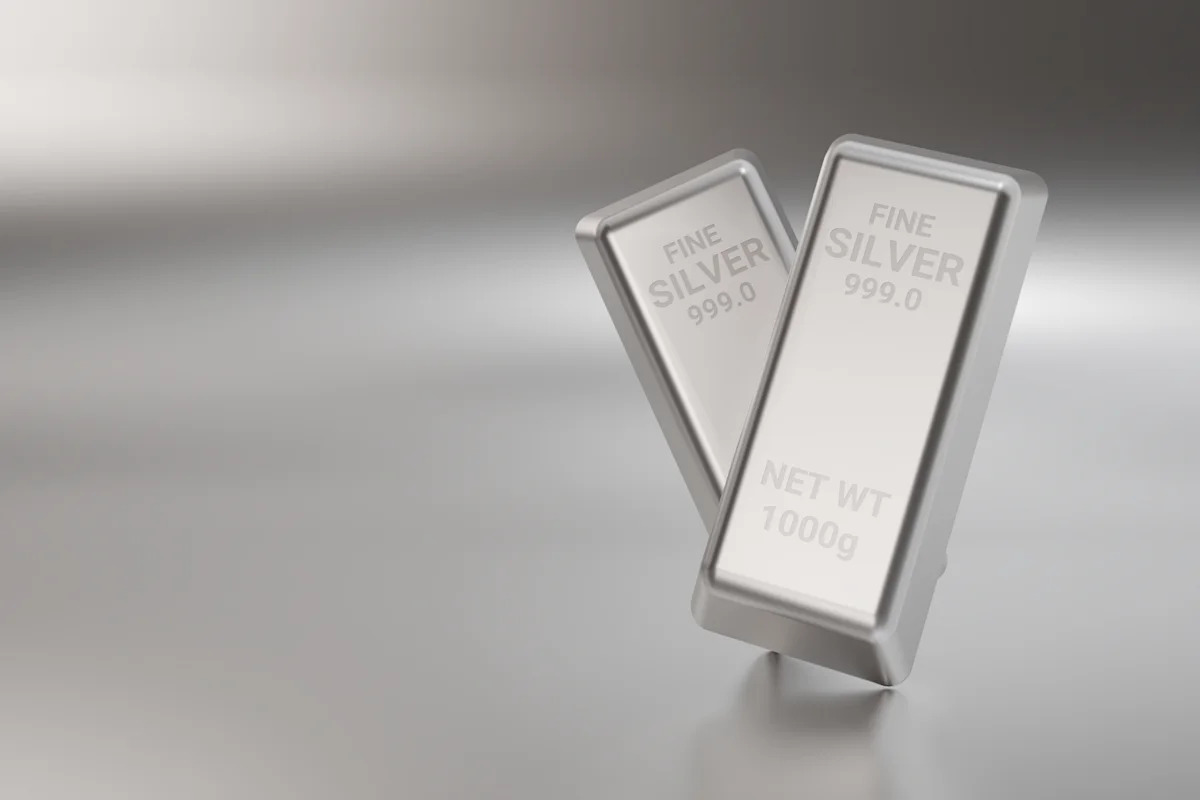
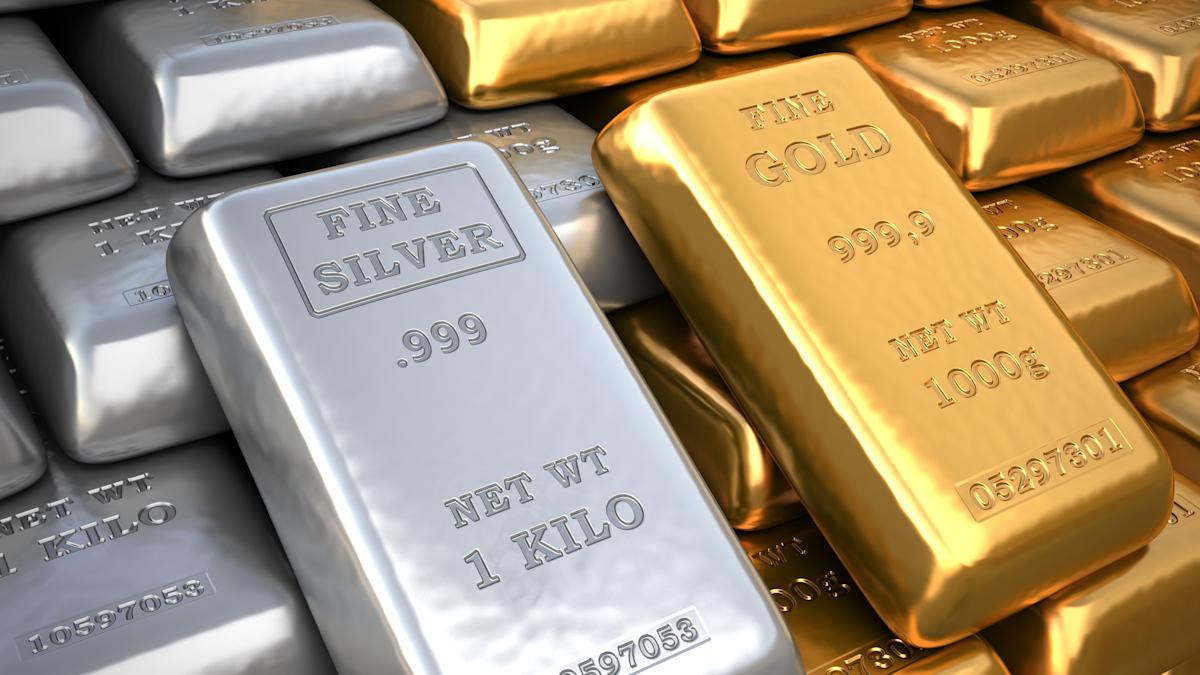
American Silver Eagles
Canadian Silver Maple Leafs
Silver bars
Pre-1965 U.S. silver coins
routinely trade hands through established channels.
That secondary market is deeper than many first-time buyers realize.
Worldwide Recognition
Silver has another advantage.
It doesn’t require a financial intermediary to establish value.
An ounce of silver is recognized as an ounce of silver whether it’s held in New York, Zurich, Singapore, or Dallas.
That recognition supports liquidity because demand extends well beyond any single institution or country.
Multiple Exit Options
Physical silver owners are not limited to one marketplace.
They can sell through:
National dealers
Local coin shops
Online exchanges
Private buyers
Auctions
Having multiple avenues to sell is a form of liquidity in its own right.
You’re not dependent on a single platform.
Key Factors That Influence Liquidity
Market Hours
ETFs trade when exchanges are open.
Outside those hours, investors wait.
Physical silver transactions are not tied directly to stock market schedules.
The bullion market operates through a broader network of participants.
That distinction may not matter most days.
Some investors still find it worth considering.
Product Recognition
Not all silver products attract the same level of demand.
Recognition matters.
Products such as:
American Silver Eagles
Canadian Maple Leafs
Austrian Philharmonics
Bars from established refiners
typically attract strong buyer interest because they’re familiar and widely trusted.
That often translates into easier resale.
Bid-Ask Spreads
Every market has a spread.
ETF spreads tend to be narrow because trading volume is high.
Physical silver spreads vary based on product type, dealer inventory, market conditions, and demand.
A well-known bullion coin often trades differently than an obscure product few buyers recognize.
Ownership and Control
Liquidity is not simply a question of speed.
Control matters too.
Physical silver owners possess the asset directly.
They decide when to sell, where to sell, and to whom.
Many investors consider that an important advantage.
A Practical Liquidity Checklist
When comparing ETFs and physical silver, it helps to think about your own priorities.
A Silver ETF May Be Appropriate If:
Convenience is your top concern
You trade investments frequently
You prefer brokerage accounts
You want immediate execution during market hours
Physical Silver May Be Appropriate If:
Direct ownership matters to you
You want assets outside the financial system
You view silver as long-term financial insurance
You value having multiple ways to sell
A Combination May Make Sense If:
You want some liquidity inside the financial system
You want some assets outside of it
You appreciate the strengths of both approaches
Many experienced precious metals investors end up there.
Common Misconceptions About Silver Liquidity
“Physical Silver Is Hard to Sell”
This is one of the most persistent myths in precious metals.
Recognized bullion products are bought and sold every day.
Selling physical silver may take longer than selling ETF shares.
That doesn’t mean liquidity is lacking.
“Silver Eagles Are Too Expensive to Be Worth It”
Silver Eagles often carry higher premiums.
They also tend to attract strong resale demand.
Many investors are willing to pay more for products that buyers recognize immediately.
“ETF Liquidity Means Lower Risk”
Not necessarily.
Liquidity and risk are separate considerations.
An ETF may offer fast transactions while still introducing risks tied to custodians, counterparties, and financial markets.
Those issues deserve independent evaluation.
“Physical Silver Only Matters During Crises”
Some investors buy silver for worst-case scenarios.
Many do not.
Some simply want a tangible asset they own outright.
Others appreciate silver’s role in diversification.
Physical ownership appeals to investors for many different reasons.
Looking Beyond Liquidity
Liquidity matters.
It just isn’t the only thing that matters.
Investors should also weigh:
Long-term costs
Ownership structure
Storage considerations
Counterparty exposure
Privacy
Estate planning
Wealth preservation goals
An asset can be highly liquid and still fail to meet an investor’s objectives.
The reverse is also true.
Conclusion
Silver ETFs and physical silver both offer substantial liquidity.
The real difference is not whether they can be sold.
It’s how that sale takes place and what supports the market behind it.
ETF liquidity comes through the financial system.
Physical silver liquidity comes through dealer networks, global demand, and direct ownership of a tangible asset.
For investors focused on preserving wealth over time, those distinctions deserve attention.
Transaction speed is only one part of the discussion.
Ownership, control, and financial independence often matter just as much.
Understanding those tradeoffs is the first step toward deciding which form of silver ownership best fits your goals.