Has the modern economy outgrown the traditional approach to central banking? An MIT Sloan School of Management expert argues that managing today’s economic volatility in an interconnected world requires moving past traditional models and embracing strategic flexibility.
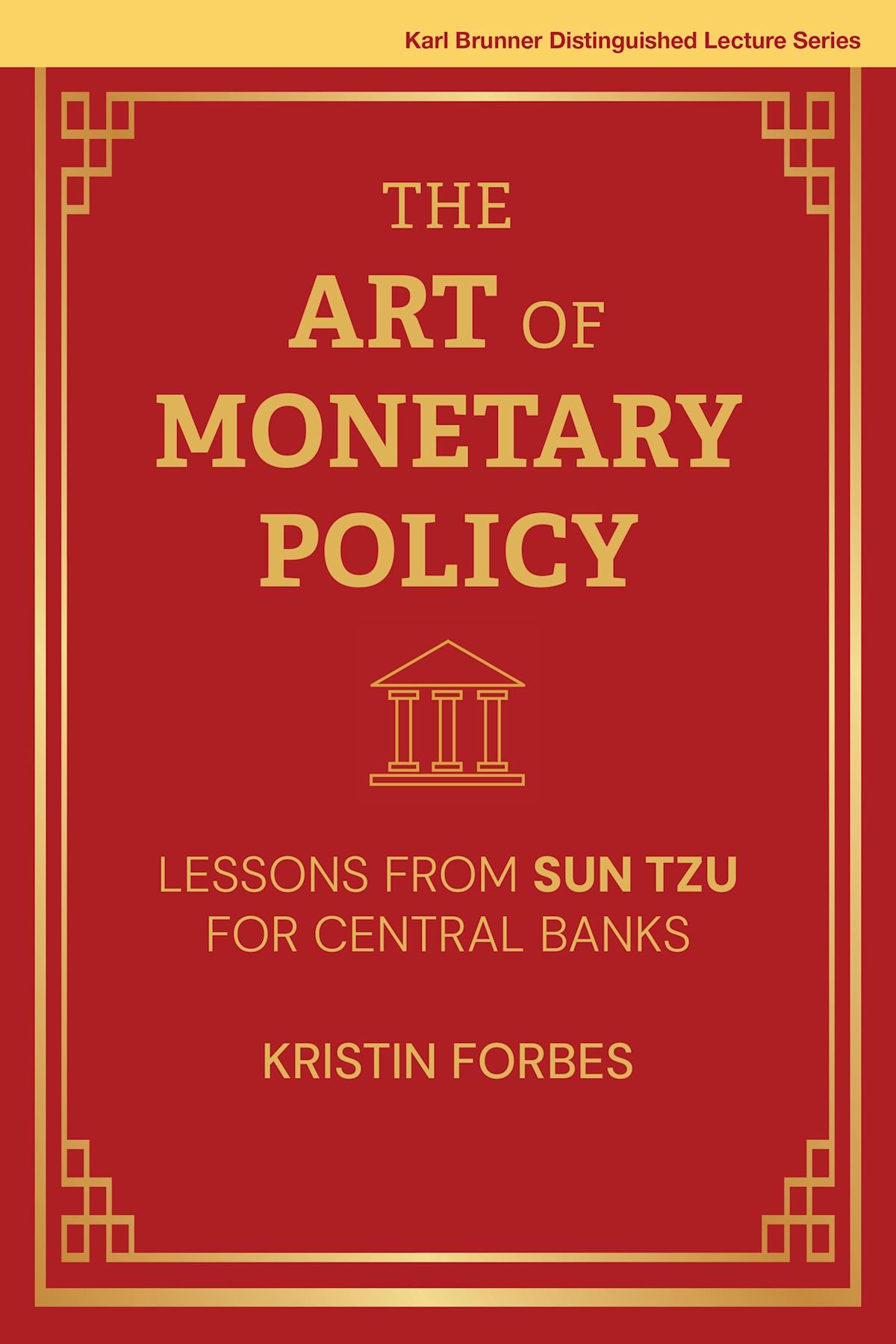
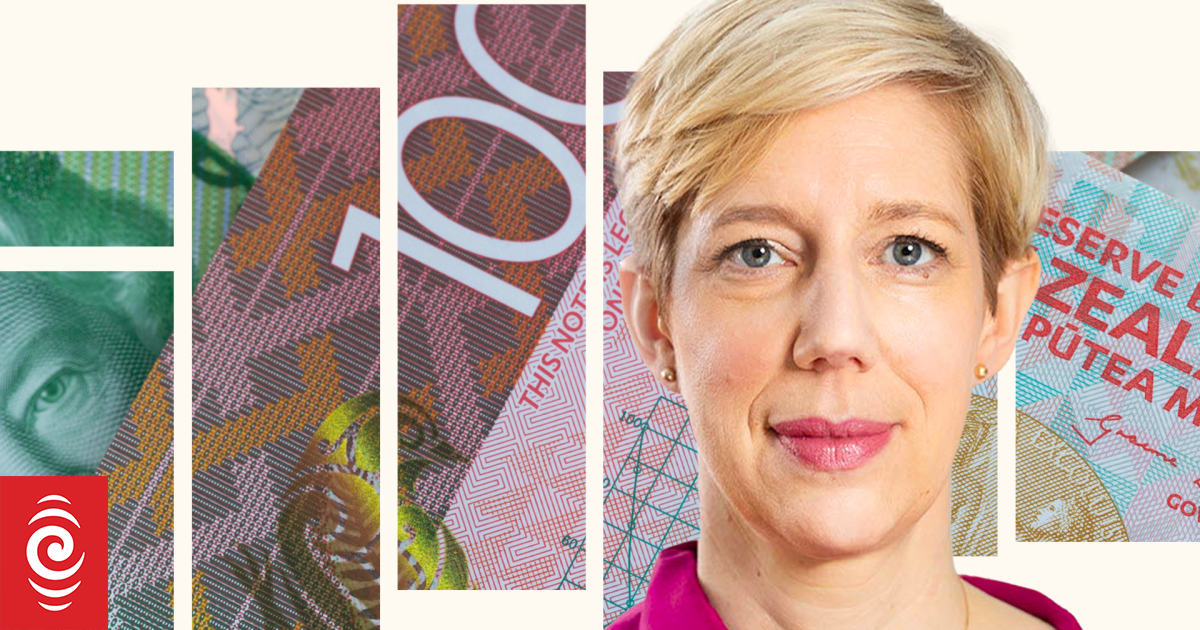
Successful decision-making in central banking is more of an art than a science. Credit: MIT Press
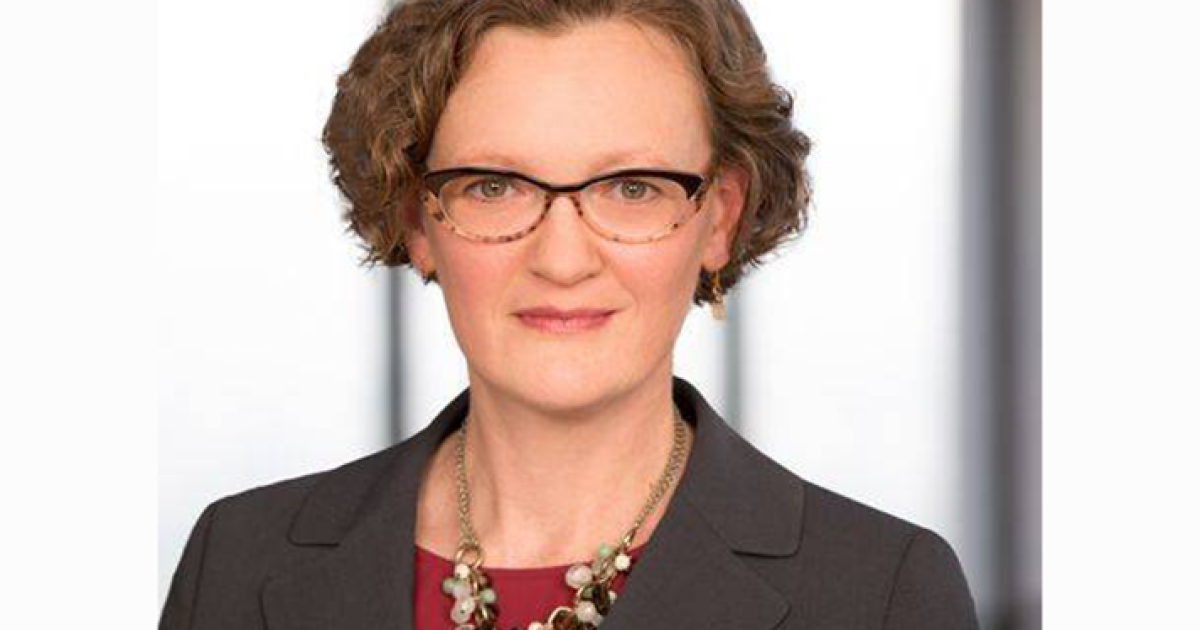
In her new book, The Art of Monetary Policy: Lessons from Sun Tzu for Central Banks, MIT Sloan School of Management professor Kristin Forbes draws on ancient strategic frameworks to show how central banks can survive this new era of lightning-fast bank runs and massive global shocks. ·GlobeNewswire Inc.
Cambridge, MA, June 03, 2026 (GLOBE NEWSWIRE) — The economic instability of the last two decades — marked by the 2008 global financial crisis, the 2020 COVID-19 pandemic, and subsequent surge in global inflation — shattered a period of economic stability, and the collapse in global GDP per capita during 2020 was sharper than in any single year of World War I, World War II, or the Great Depression. In her new book,The Art of Monetary Policy: Lessons from Sun Tzu for Central Banks, MIT Sloan School of Managementprofessor Kristin Forbes draws on ancient strategic frameworks to show how central banks can survive this new era of lightning-fast bank runs and massive global shocks.
“In the last two decades, we’ve completely reshaped how central banks work and created an array of new tools,” Forbes explained. “Most of that has happened during acute crises, with decisions made under pressure in ways similar to operating in the fog of war.”
The six core principles of monetary “art”
At the heart of the book is Forbes’s conviction that successful monetary policy relies on policymakers’ ability to read shifting patterns and react effectively, rather than leaning on rigid formulas and models based on historical relationships. “Today, policymakers operate under extreme uncertainty,” she said. “We have models that worked in the past, but with each new shock and changes in the global economy, you have to keep options open so that you are ready to draw from across your set of tools.”
Written 2,500 years ago, Sun Tzu’s The Art of War argues that victory depends on comprehensive preparation for external disruptions, establishing a strong baseline position, and maintaining the flexibility to adapt as circumstances change. Adapting Sun Tzu’s core strategic concepts, Forbes outlines six key considerations for modern central banking:
Plan for a range of scenarios: Develop detailed emergency plans well in advance of a crisis.
Prepare for external shocks: Acknowledge that large international disruptions are inevitable, more frequent, and beyond any single country’s control.
Establish resilience: Build a strong baseline of defense by fortifying the financial system before trouble hits.
Choose the right tools for each crisis: Ensure interest rate adjustments remain the primary weapon, treating unconventional options like quantitative easing as secondary tools.
Maintain flexibility: Keep the operational agility to pivot tactics quickly as economic conditions change.
Evaluate trade-offs: Actively weigh the long-term systemic risks and downsides of emergency actions.
“During a crisis, you have to make immediate decisions to address the imminent danger,” said Forbes. “But you cannot ignore the long-term consequences. Some of the choices made over the last decade carried heavy backend costs that we are only now fully calculating.”
Wargaming lightning-fast bank runs and global shocks
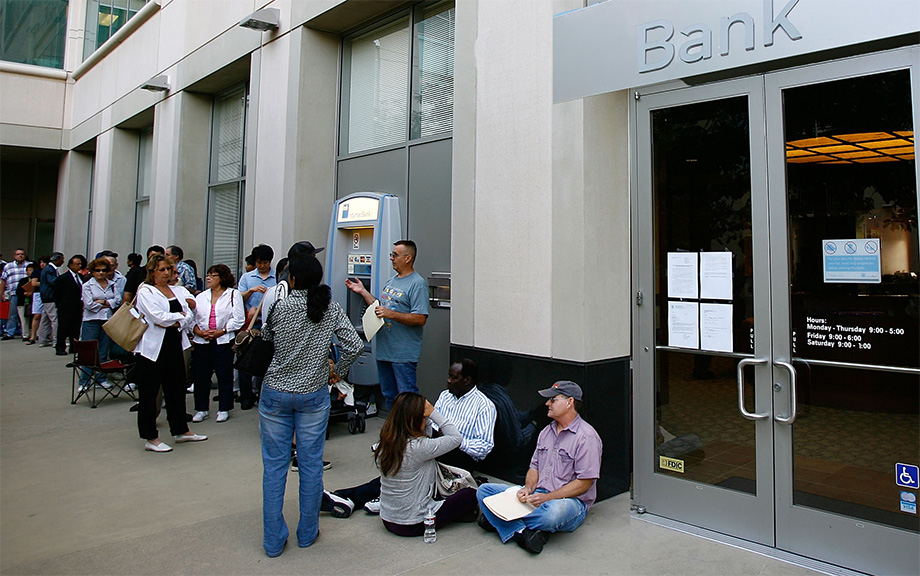
Historically, financial panics unfolded over weeks or months. Today, digital banking and social media have radically accelerated the speed of financial contagion. For example, Forbes noted, the 2023 collapse of Silicon Valley Bank took about a day—and that’s not enough time to come up with a response plan from scratch.
That’s why, Forbes said, central banks need to map out the detailed mechanics of specific crisis scenarios ahead of time. This includes establishing exactly which assets the bank would buy, how emergency liquidity facilities would be structured, what premiums would be charged, and how the operations could be wound down when the immediate crisis fades. To achieve this, Forbes urges institutions to move beyond standard economic forecasts of baseline scenarios and explicitly run coordinated, real-time crisis simulations, mirroring the “wargaming” models utilized by military organizations.
This active simulation mindset is particularly critical because massive, external global shocks like pandemics, supply chain gridlocks, and geopolitical conflicts now exert a greater impact on advanced economies. This has made models based on the past—when domestic drivers were more important—less reliable. Forbes suggests that promising a hyper-precise 2.0% inflation target sets central banks up to fail. They are forced to focus on short-term volatility that is outside their control—and could cause more harm than good in trying to chase these precise targets. Instead, she recommends adopting medium-term targets (like the UK’s target for inflation in two years time), focusing on core inflation to filter out temporary global noise, and considering a tight band of acceptable inflation instead of a precise number.
Navigating the shadow system and evolving unconventional tools
While the traditional banking sector has been fortified through stricter regulation since 2008, Forbes warns that central banks need to expand their focus to a growing area of risk. In recent years, financial activity has migrated from traditional banks to non-bank financial institutions (NBFIs), such as hedge funds and pension funds. But because many NBFIs are highly interconnected and prone to sudden, synchronized asset sell-offs during a panic, they can be a volatile pocket of the modern financial landscape. “ “”Simulating how global shocks ripple through NBFIs is vital for building resilience and preventing systemic market failures,” said Forbes.
The book also explores the critical lessons learned from the prolonged use of unconventional monetary tools, most notably Quantitative Easing (QE). Forbes emphasizes that large-scale asset purchases were effective in stabilizing panicking financial markets in some cases and helped stave off deeper catastrophes at the height of recent crises. However, she said that QE was then used for too long and done on a greater scale than needed. Central banks shifted why they were doing QE—from financial stability to monetary policy goals—without rethinking how they ran the programs. It was seen as a “free lunch”, without enough attention to the costs and unexpected long-term structural hangovers. For example, it constrained the ability of central banks to pivot and raise interest rates—thereby contributing to the recent inflation surge—and has led to substantial losses for some central banks. These losses can be a political problem in this era of large budget deficits.
How to Improve the Framework for the Future
Moving forward, Forbes argues that a careful evaluation of the many new endeavors in monetary policy can improve the framework for the future. This framework, she said, should be more proactive, focus more on scenarios with large global shocks, and ensure interest rate adjustments remain the primary, front-line defense. Unconventional tools can then be optimized as secondary, temporary options—designed from the start with clear goals and exit strategies, so they can be wound down smoothly without creating long-term fiscal distortions.
“Ultimately, the goal is to be ready for whatever surprises come next—even though the response will be more of an art than a science,” said Forbes. “By studying the larger strategic lessons of the past two decades, central banks can build the resilience needed to protect our economies from the next inevitable crisis.”
Attachment
CONTACT: Matthew Aliberti MIT Sloan School of Management 7815583436 malib@mit.edu