BALTIMORE (WBFF) — Baltimore is the second most stressed city in the United States, according to a new report from personal finance website WalletHub, which examined factors ranging from work schedules and unemployment to traffic, poverty and sleep.
The 2026 Most & Least Stressed Cities in America report compared more than 180 U.S. cities using 39 metrics to determine where residents face the highest levels of stress.
Only Detroit ranked higher than Baltimore.
Among the individual categories, Baltimore ranked first in the nation for traffic congestion. The city also ranked 13th for unemployment rate, 15th for divorce rate, 27th for job security and 32nd for the percentage of adults who get inadequate sleep.
ALSO READ | Maryland State Police Aviation perform three rescues over July 4 weekend
Baltimore ranked 37th for poverty rate and 95th for average weekly hours worked, suggesting residents generally work fewer hours than those in many other cities despite facing other significant stressors.
For the full report, please visit: https://wallethub.com/edu/most-least-stressed-cities/22759
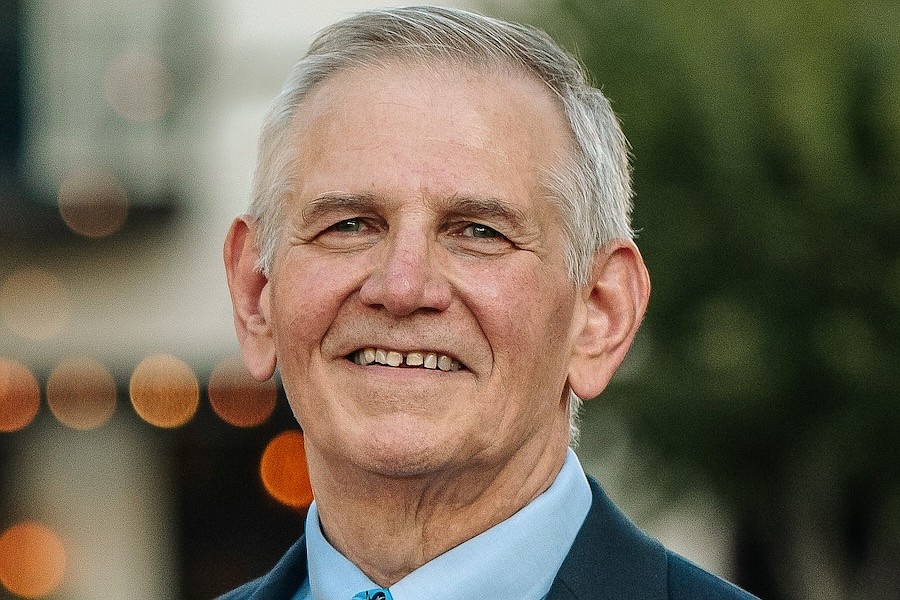
WalletHub analyst Chip Lupo said Detroit claimed the top spot largely because of economic challenges, including the nation’s highest unemployment rate at 10.4%, the lowest median household income, the highest poverty rate and one of the country’s highest violent crime rates.
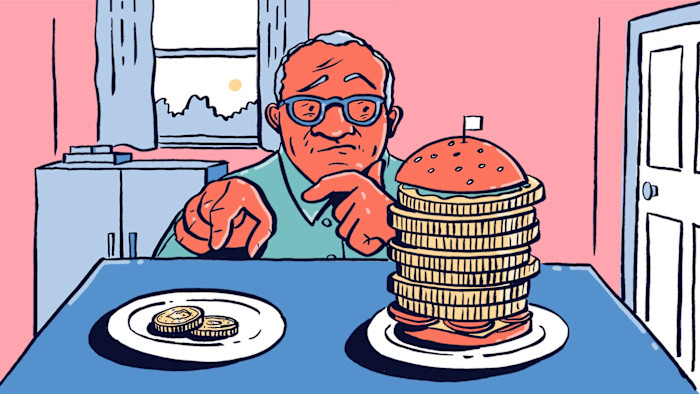
The report comes as financial stress continues to weigh heavily on Americans.
WalletHub estimates stress costs U.S. employers about $250 billion each year through absenteeism, reduced productivity and other workplace impacts.
Experts consulted by WalletHub said employers can play a key role in reducing work-related stress by offering flexible work arrangements, manageable workloads and stronger mental health support.
ALSO READ | Baltimore man arrested on attempted murder charge
Employers can reduce work-related stress by recognizing that employee well-being is not solely an individual responsibility, but also a function of workplace culture and organizational practices,” said Kristal A. Gerdes, a professor at the University of Wisconsin-Stout.
Financial concerns remain another major source of stress, according to the report.
Jeanette Landin, a professor at Landmark College, pointed to rising housing, healthcare and energy costs as major financial pressures in 2026, while Louisiana State University professor Cassandra D. Chaney cited inflation, growing consumer debt and uncertainty about long-term financial security as key stressors affecting many households.
Experts also encouraged people experiencing financial stress to create realistic budgets, build emergency savings, prioritize debt repayment and seek help from nonprofit credit counseling organizations when needed.