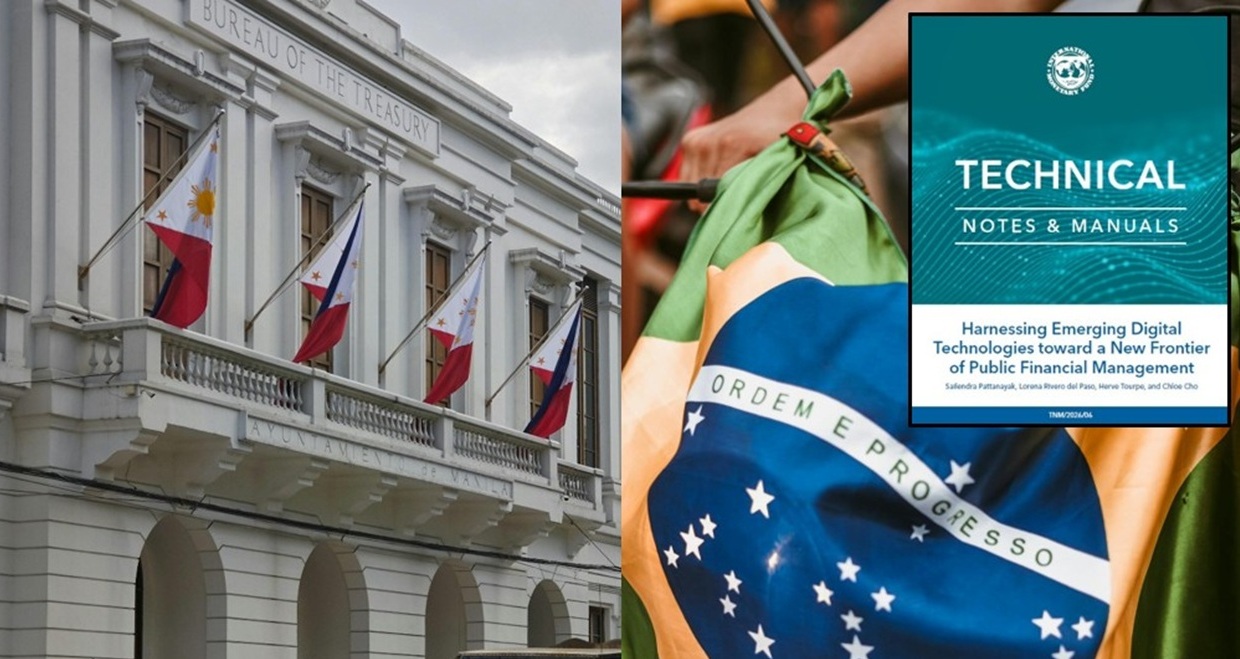

SYSTEMIC GAPS in fiscal governance, including fragmented budgeting, reliance on manual processes, and weak asset data and internal controls, are stalling implementation of reforms prescribed by the Public Financial Management (PFM) Roadmap 2024-2028.
According to PFM Reforms Roadmap 2024-2028 Midterm Update, released on Thursday, only 7% of the 41 interventions identified in the plan had been completed at the end of 2025.
Meanwhile, limited or partial progress were noted in 67% of the interventions. The remainder have yet to begin.
“The midterm review underscored the Philippines’ significant progress in strengthening transparency, fiscal risk monitoring, and procurement governance, yet deep-seated structural challenges continue to constrain PFM performance,” according to the report.
“Fragmented systems, incomplete data integration, manual processes, and uneven institutional capacity continue to limit the pace and depth of reforms,” it added.
To address these challenges, the midterm update identified 18 priority interventions, broken down into 14 mission-critical reforms and four quick-win interventions, all targeted for completion by 2028.
The reforms include the passage of the Philippine Budgeting Code and amendments to the Government Auditing Code of the Philippines. The report also cited the rollout of the New Government Procurement Act and the implementation of Executive Order No. 103.
On the other hand, quick-win interventions include strengthening budgeting guidelines and accounting controls, sustaining citizen participatory audits for public expenditure, and accelerating capacity development for priority PFM reform delivery.
The report said the remaining 23 interventions “continue to form part of the broader reform agenda and are eligible for implementation.”
“The implementation of the roadmap for the remaining period of the administration requires focused execution and strengthened coordination,” it added.
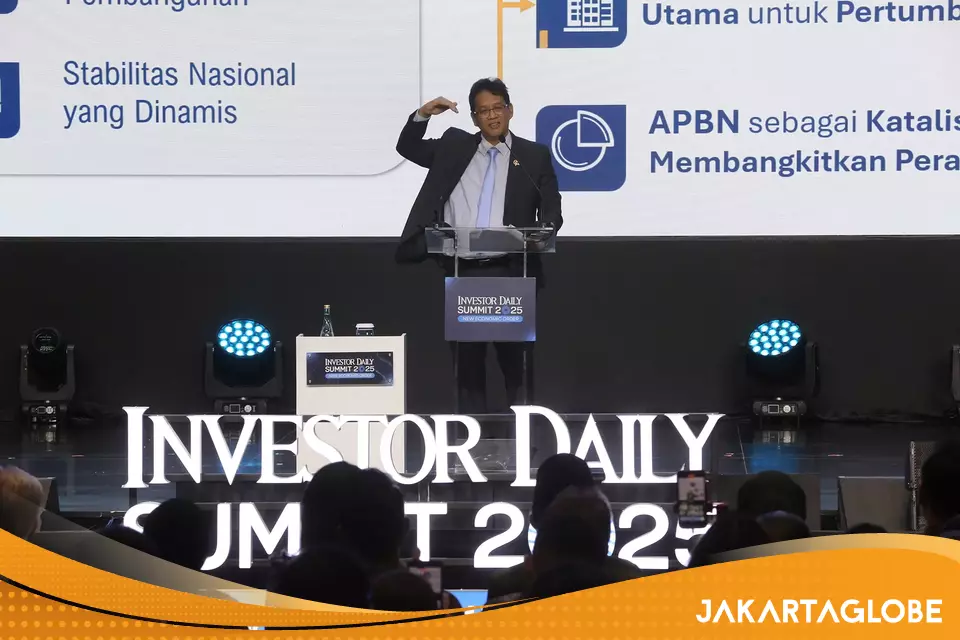
The Asian Development Bank (ADB) expressed support for the government-wide initiative.
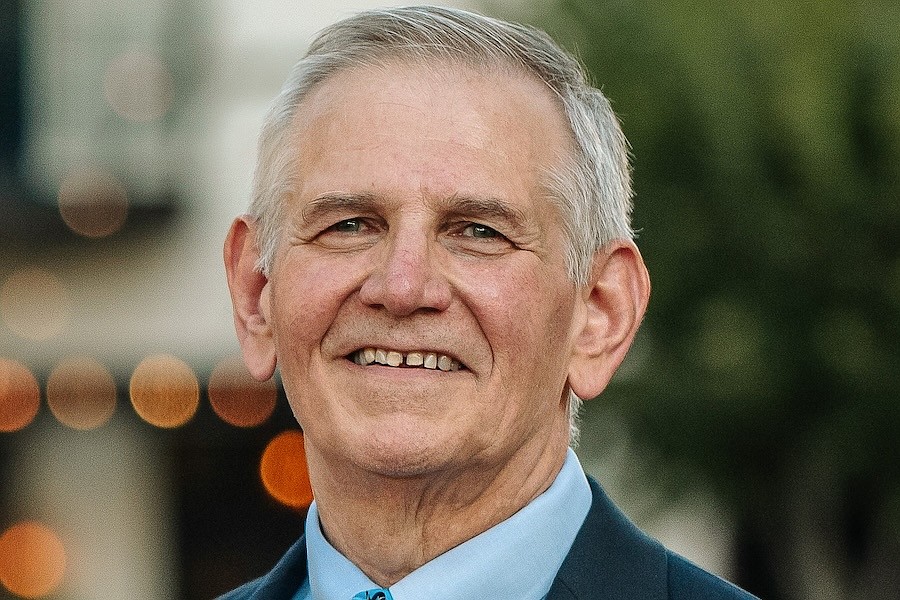
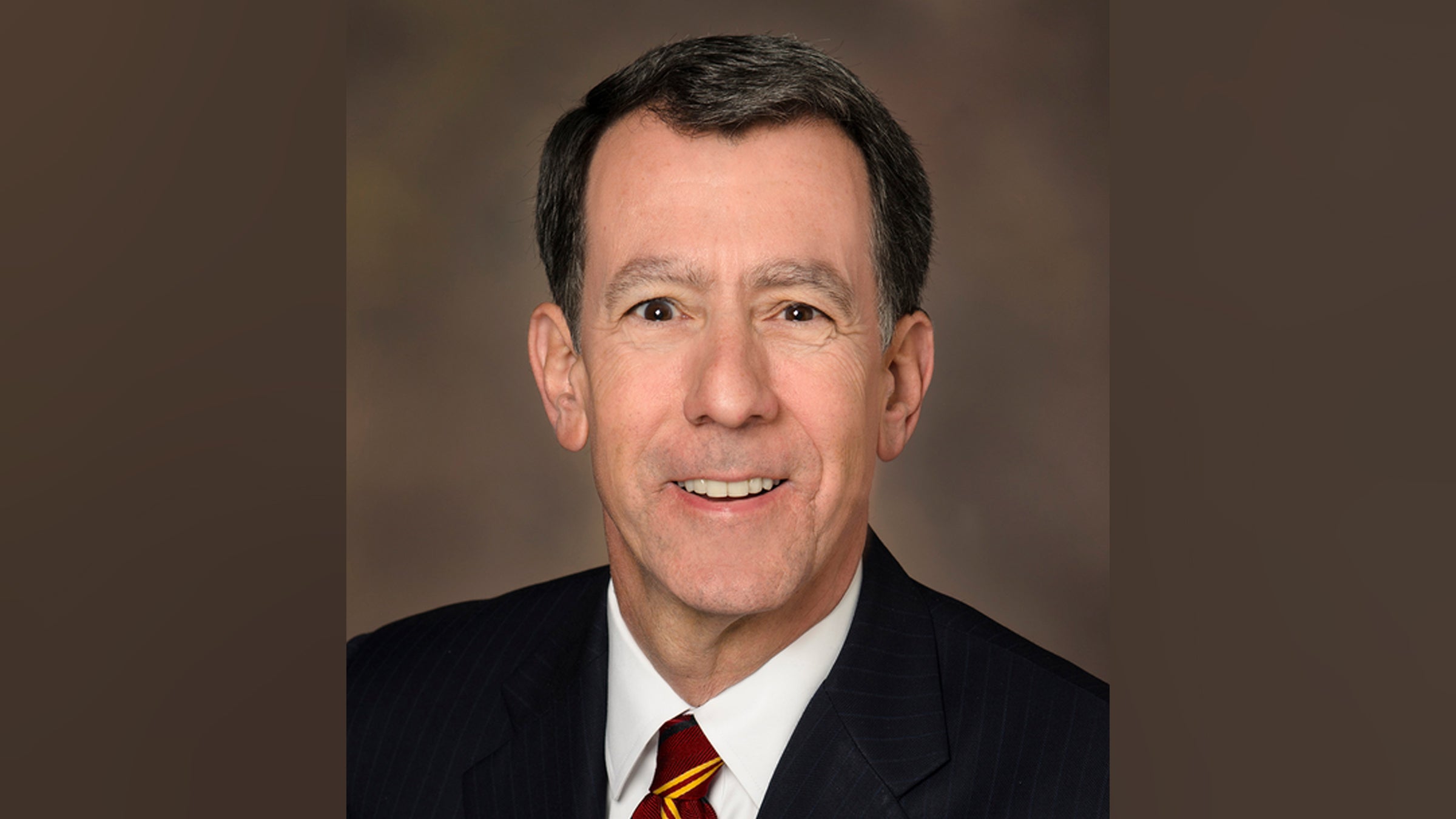
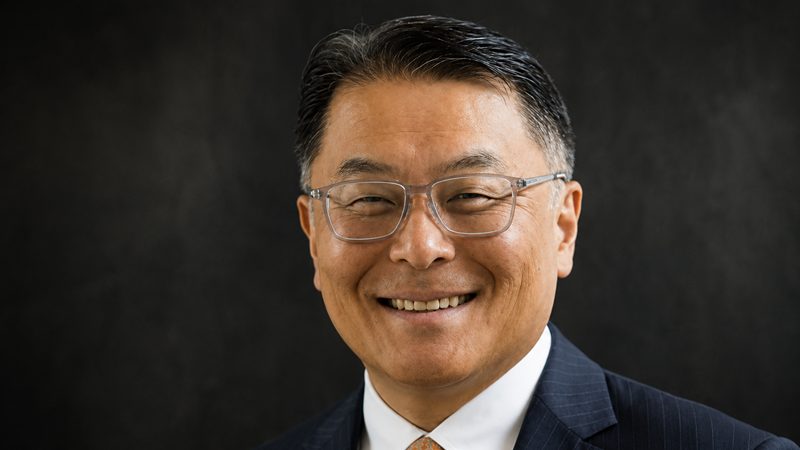
“The Philippines is taking the hard work of public financial reform head-on,” according to ADB President Masato Kanda. “By grounding reform in evidence, broad participation, and clear accountability, the government is showing how every peso can work harder for the Filipino people.”
“The ADB is proud to support this leadership as the country turns an ambitious reform agenda into better services, stronger resilience, and improved lives,” he added. — Justine Irish D. Tabile