Malawi’s decision to halt payments on more than 1,000 government contracts and subject them to a forensic review marks one of the most sweeping interventions in public procurement oversight in recent memory.

It is a move that speaks both to the scale of concern within Capital Hill and to the fragility of the systems meant to safeguard public money.
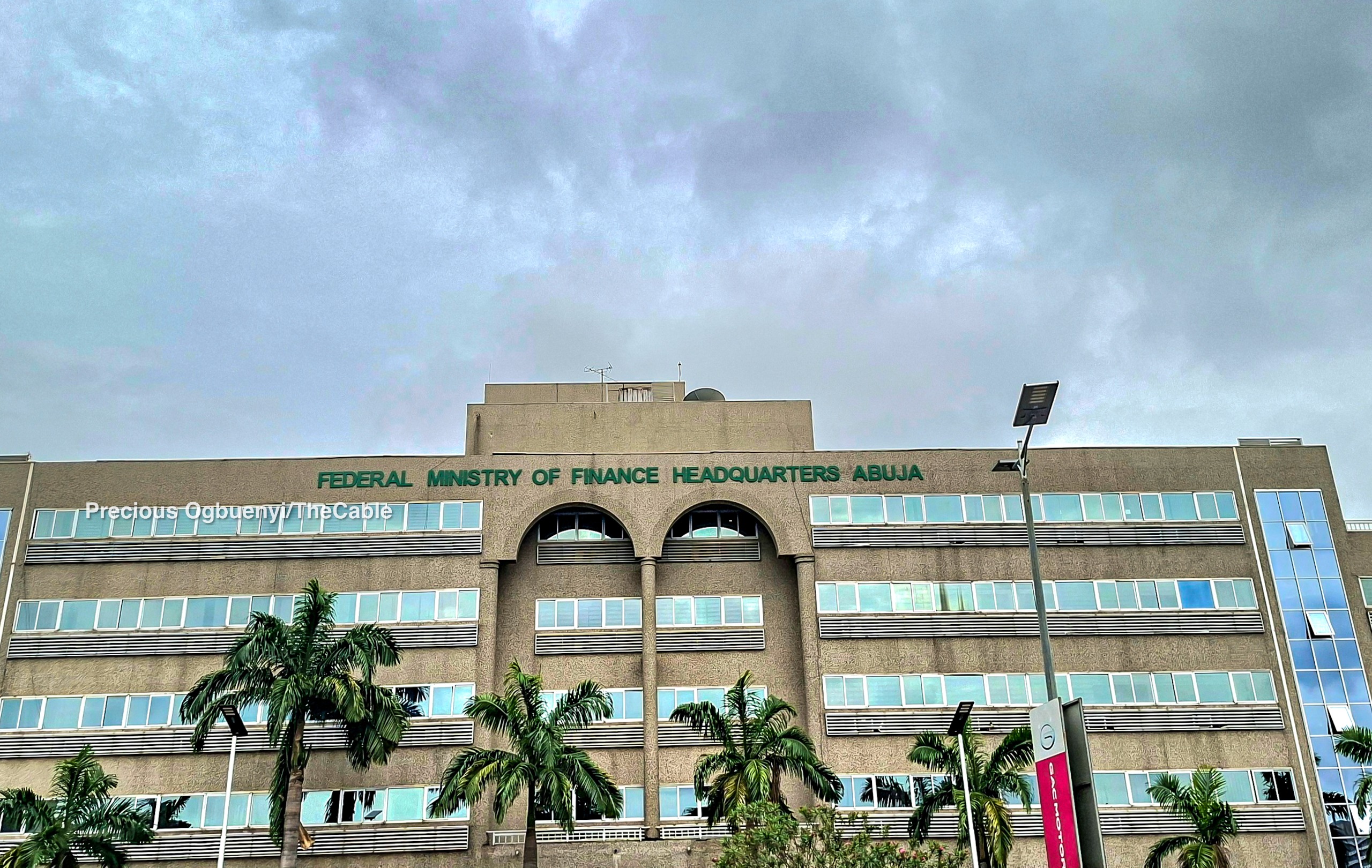
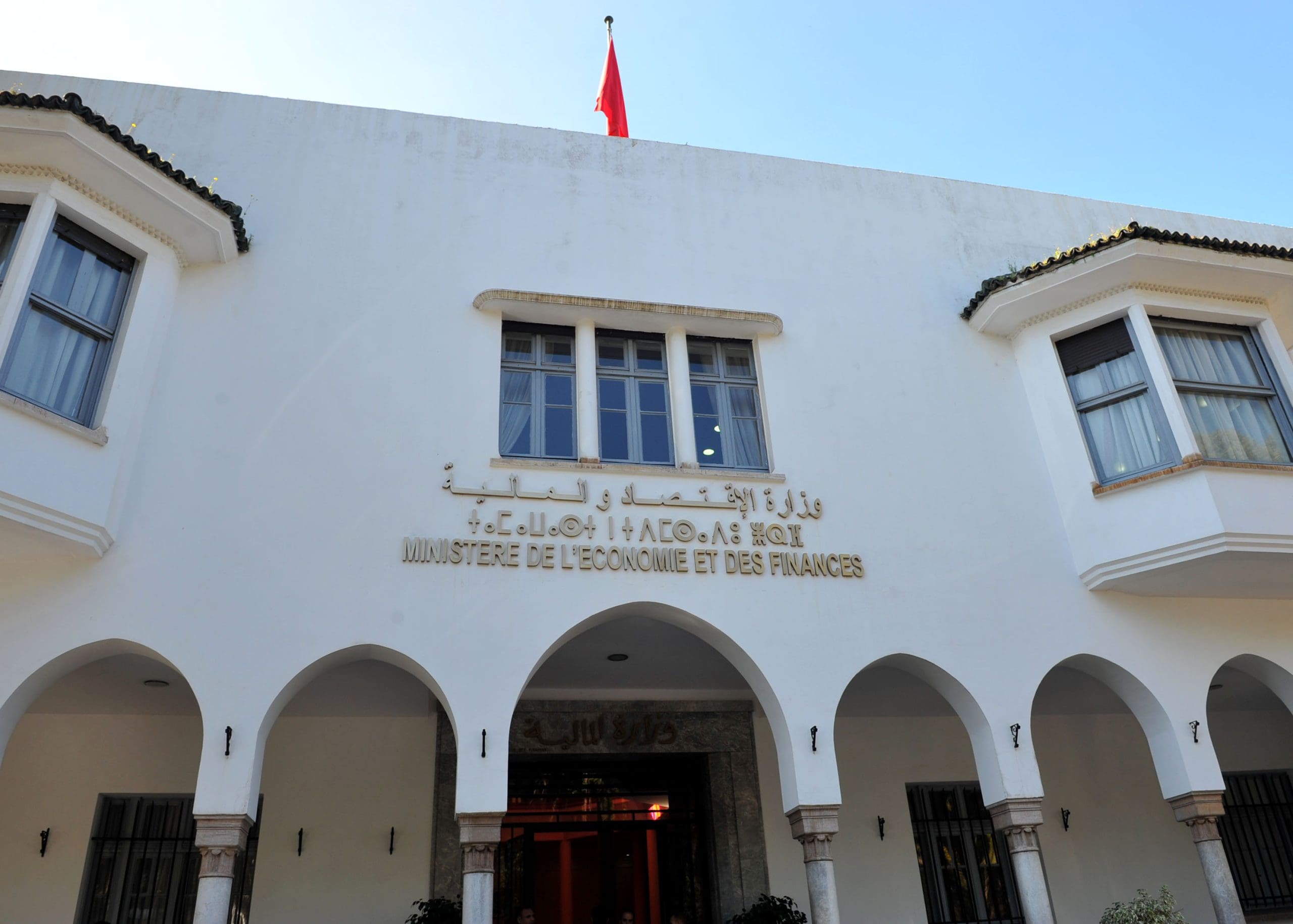
The order, issued by the Ministry of Finance and now being executed by the Office of the Attorney General, covers every contract signed between 1 September 2023 and 1 September 2025 — a two‑year window in which billions of kwacha in public commitments were made across ministries, departments and agencies.
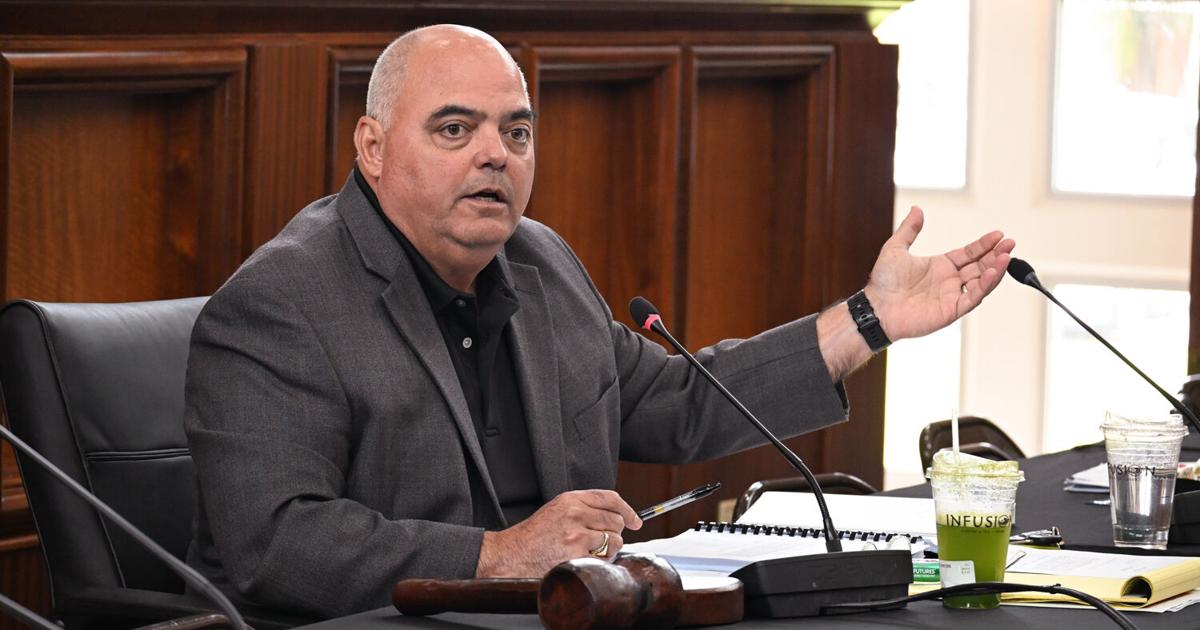
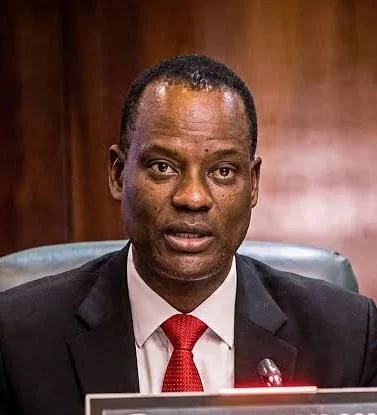
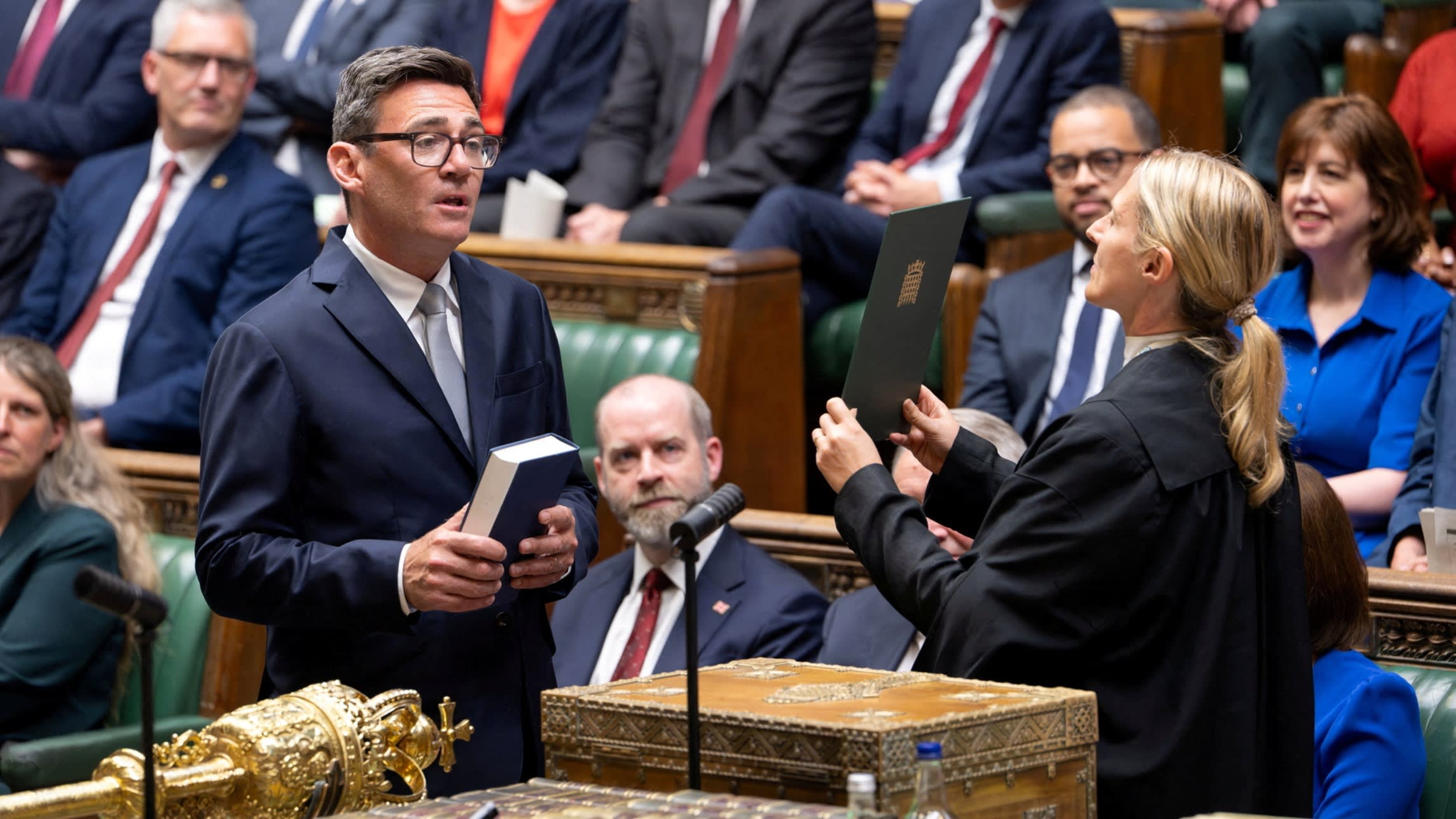
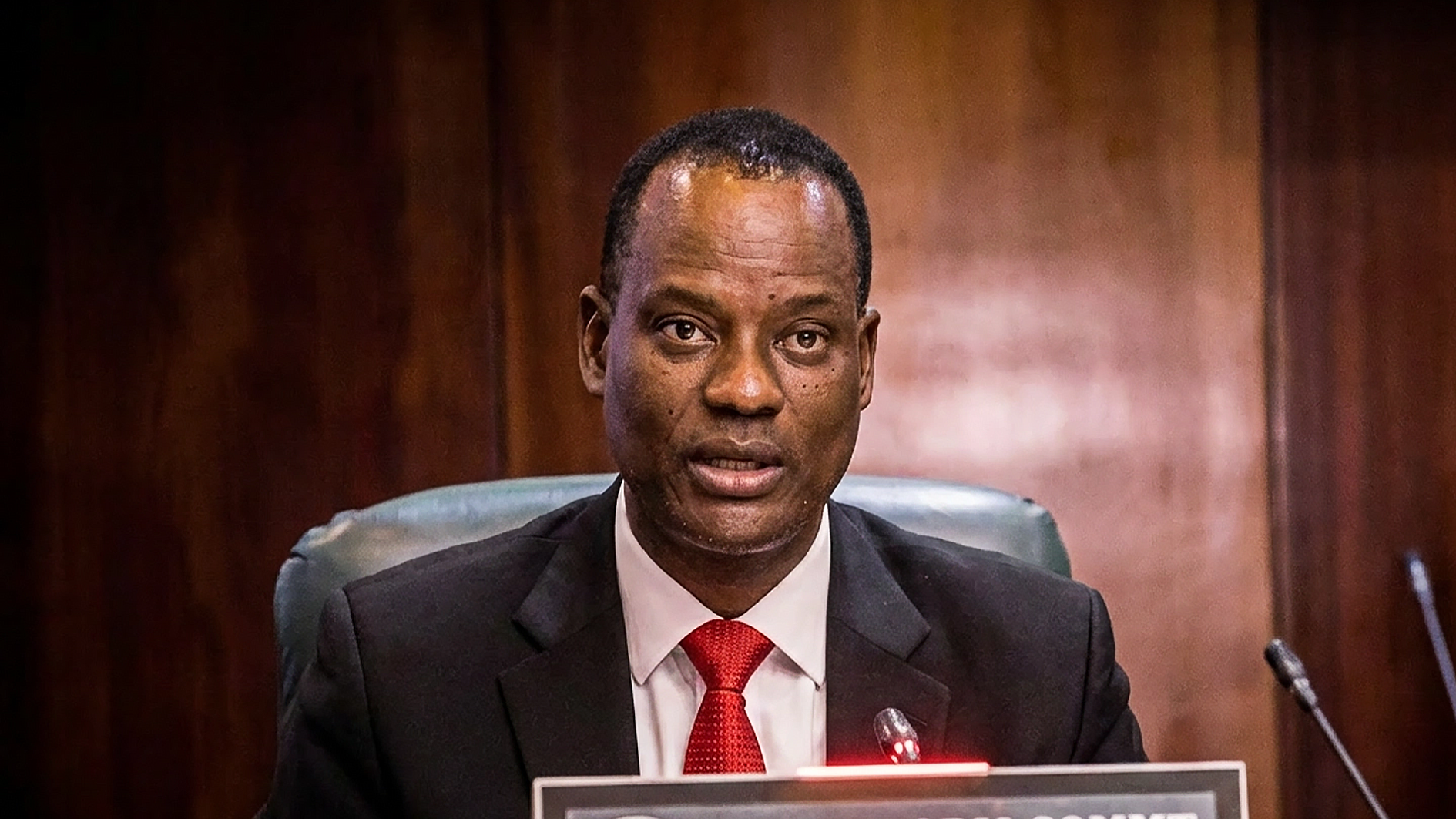
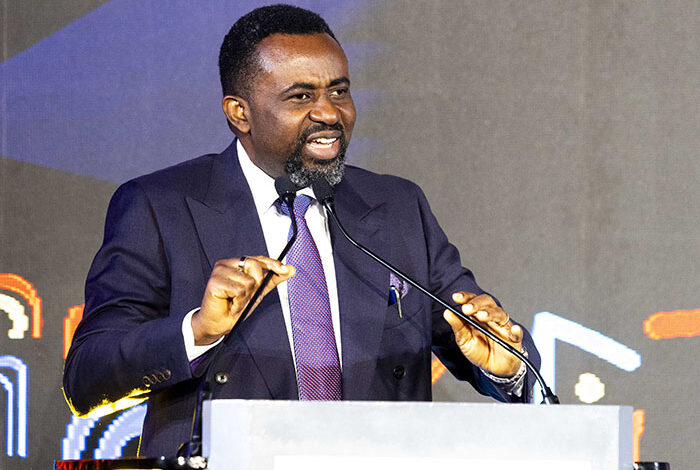
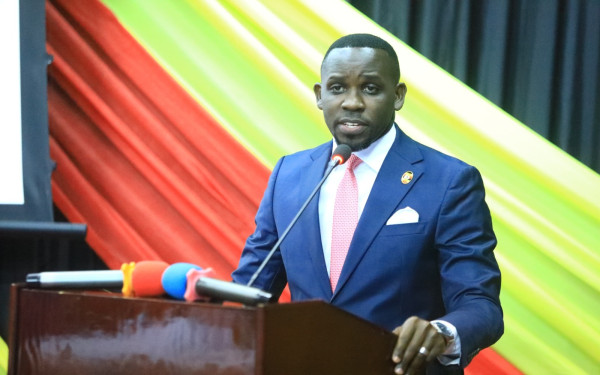
Attorney General Frank Mbeta confirmed that the review is underway, describing it as a necessary step to “establish compliance and protect the public interest”.
Payments remain frozen until the exercise is complete.
The suspension was first communicated in May, when Secretary for Treasury Cliff Chiunda instructed controlling officers to submit full documentation for each affected contract.
The directive was unusually detailed: ministries must provide original contract sums, all addenda, justification for upward adjustments, and proof that procurement and approval procedures were followed.
Employment contracts, guarantees and consents signed during the period are also under scrutiny.
It is a process that will test the resilience of Malawi’s procurement architecture.
For years, auditors have warned of contracts inflated through opaque amendments, missing documentation, and approvals granted without competitive bidding.
The Treasury’s directive appears designed to expose precisely these vulnerabilities.
The implications are significant. A review of this scale risks delaying projects, straining relations with contractors and triggering legal disputes. But it also offers an opportunity to confront long‑standing weaknesses in public finance management — weaknesses that have cost the taxpayer dearly.
Whether the exercise becomes a turning point or another stalled reform will depend on what the Attorney General finds, and how government responds.
Transparency will be essential. Without it, the review risks being seen as administrative theatre rather than a serious attempt to restore integrity to public contracting.
For now, ministries are gathering files, auditors are sharpening pencils, and contractors are waiting. The stakes — fiscal, political and institutional — could not be higher.
Follow and Subscribe Nyasa TV :