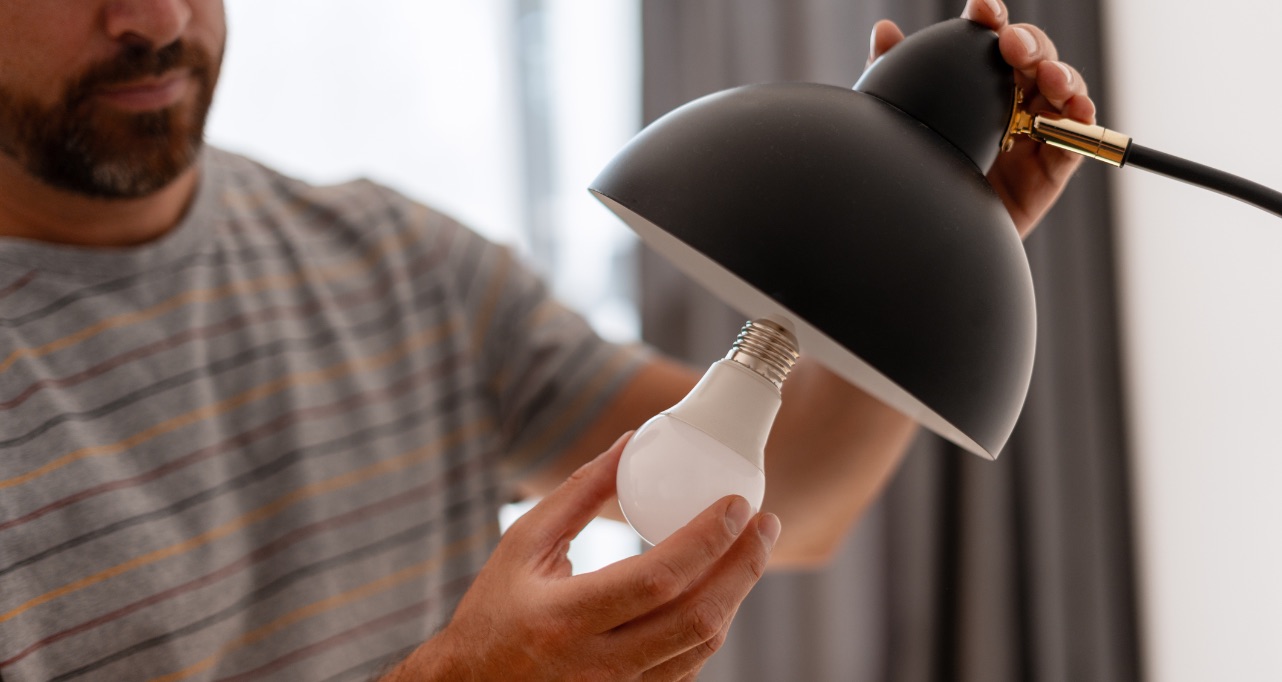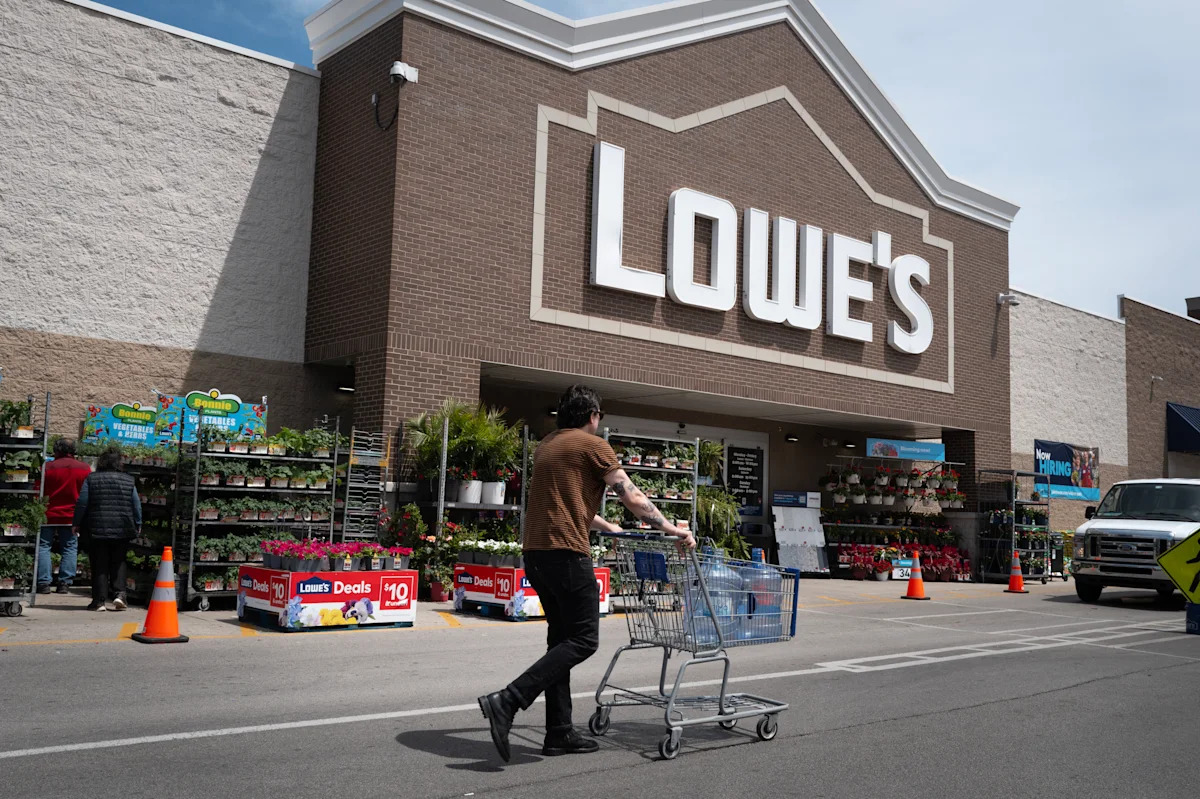
Lowe’s (LOW) stock rose on Wednesday after the company reported an earnings beat but gave a more cautious outlook, citing “pressure” in do-it-yourself (DIY) consumer spending.
In the second quarter, Lowe’s revenue came in at $26 billion, just below the $26.1 billion the Street expected. Adjusted earnings per share, which included a $0.11 benefit from IEEPA tariff refunds, came in at $4.27, above the $4.22 the Street predicted based on Bloomberg estimates.
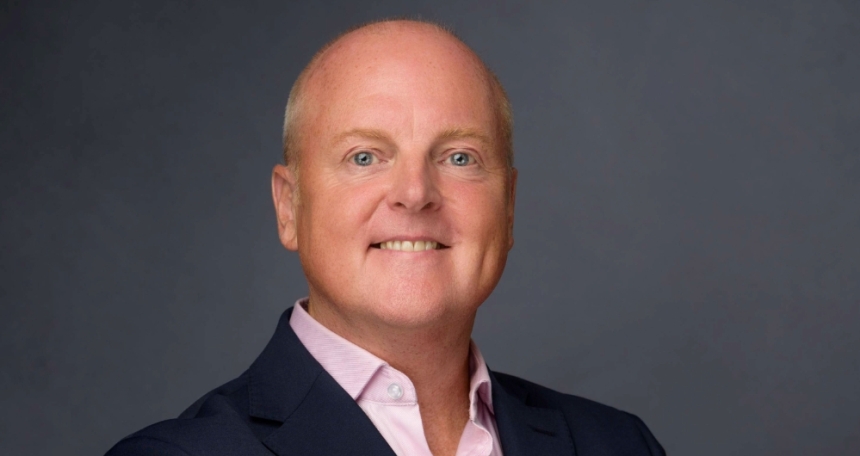
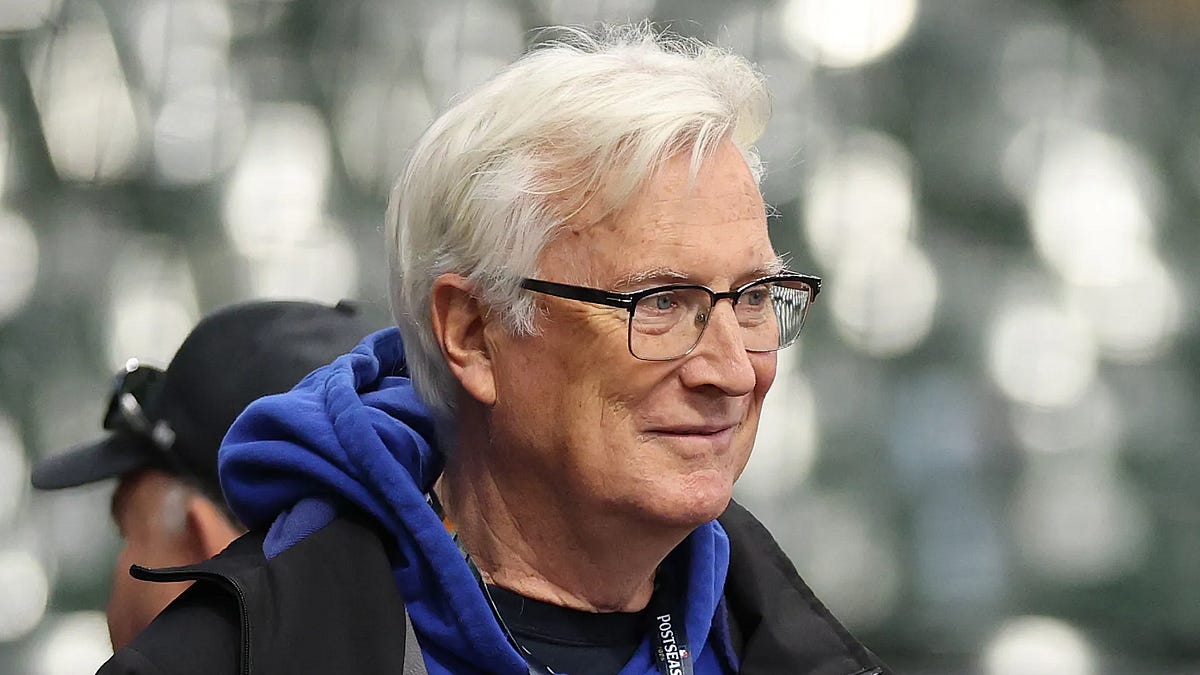
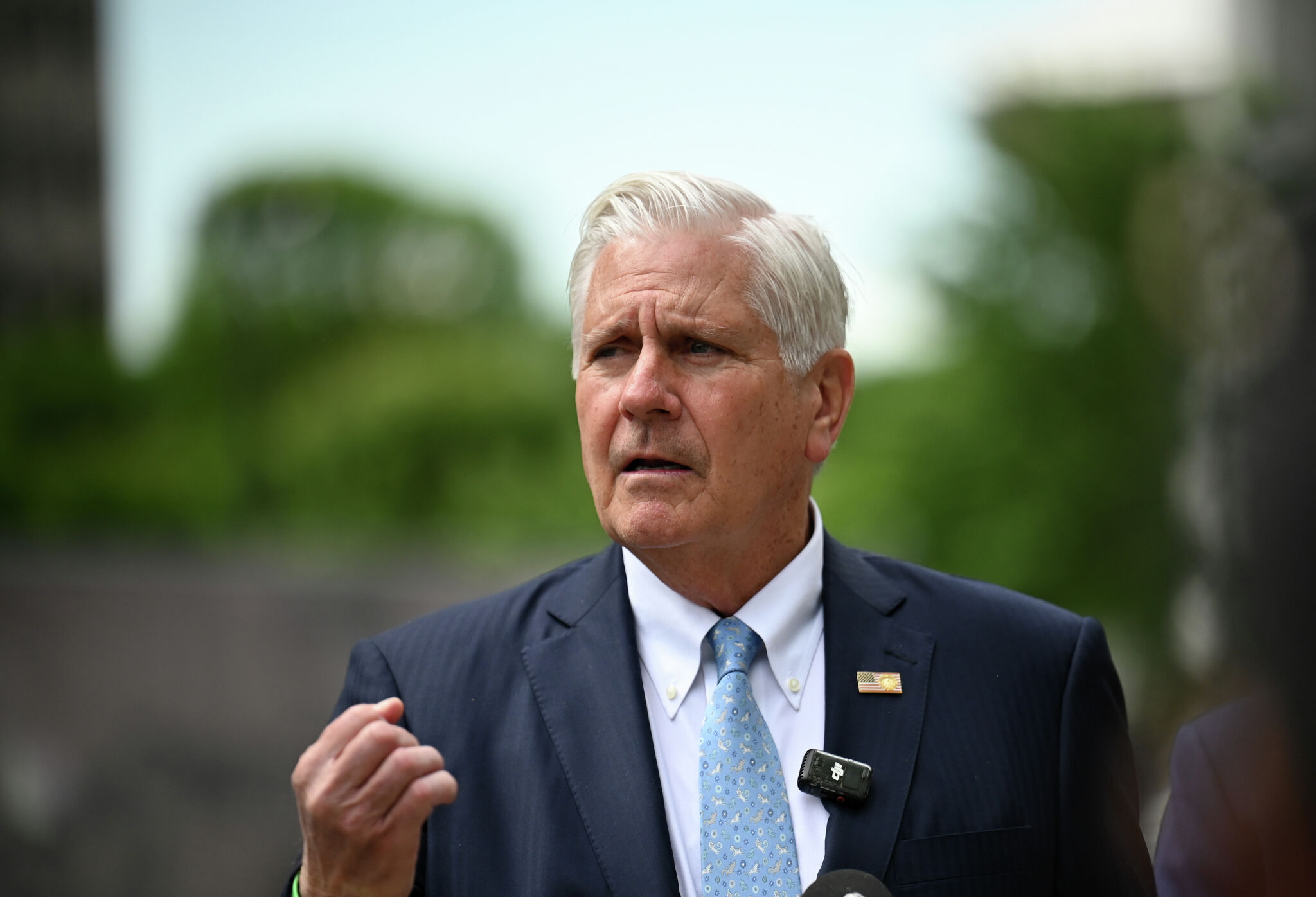
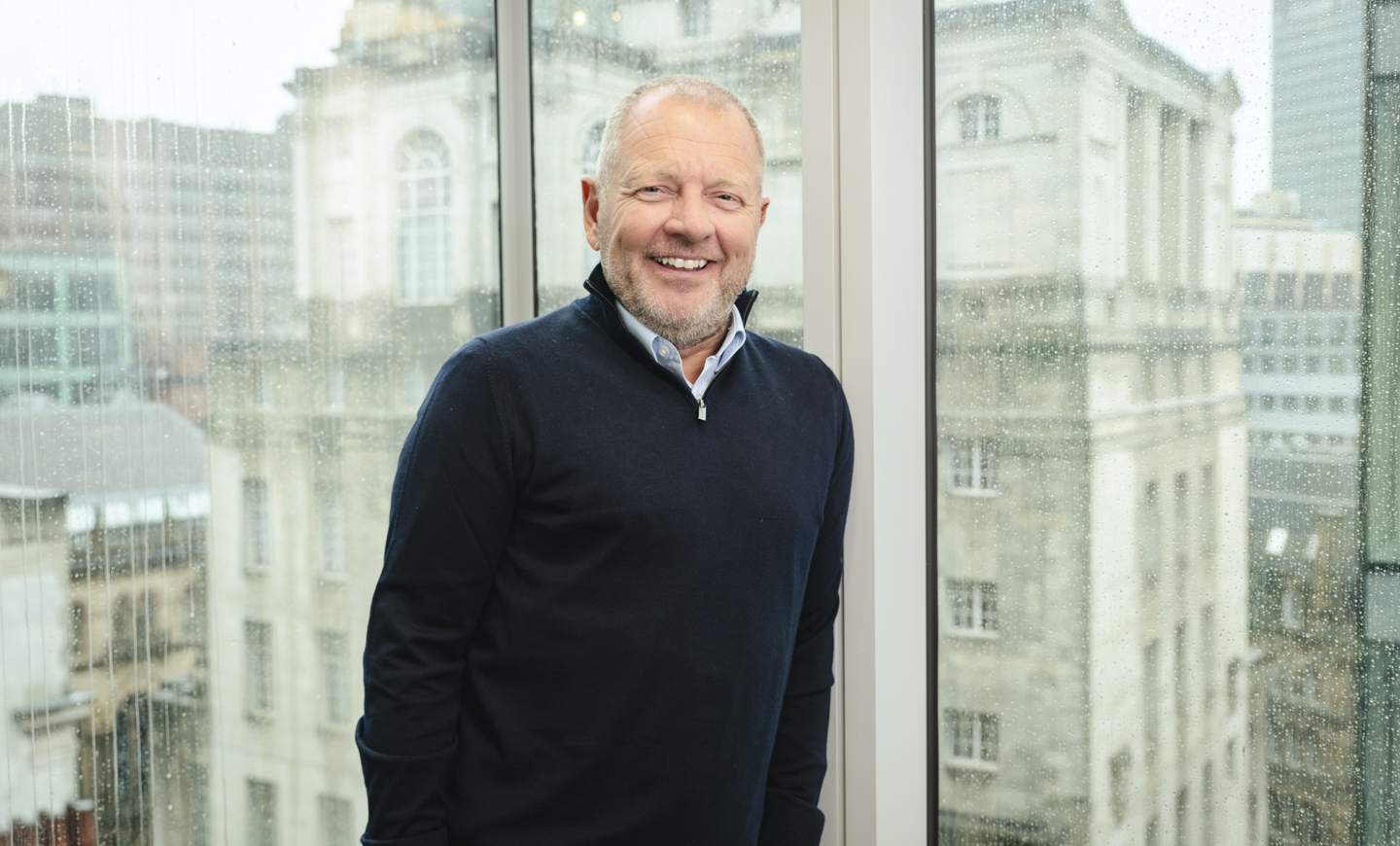
“Our total home strategy is working,” Lowe’s CEO Marvin Ellison told Yahoo Finance. “This strategic framework has enabled us to drive five consecutive quarters of positive comps. … With the DIY under pressure, we still have been able to deliver.”
Poor weather during the Memorial Day weekend weighed on weather-sensitive outdoor and seasonal categories, as did competitors’ use of tariff refunds to put up promotions on items like grills, patio, and live goods.
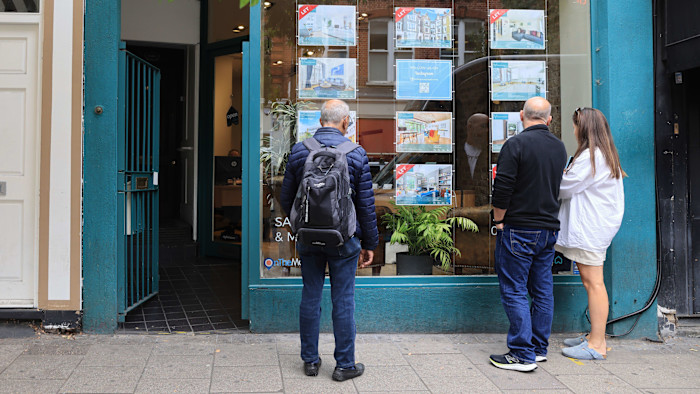
Amid a tough housing backdrop that disproportionately affects DIY customers, Lowe’s same-store sales grew 0.2%, below the 0.7% expected.
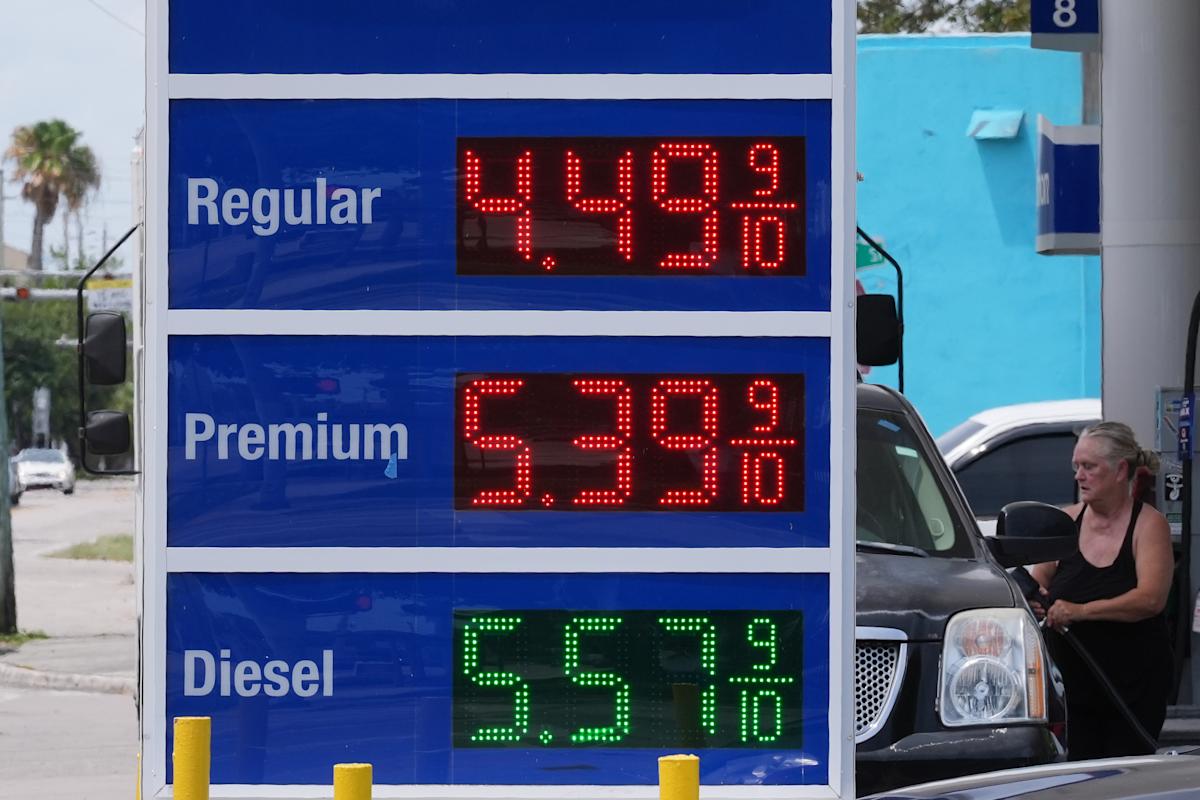
Ellison said that Lowe’s customers “have elevated home equity, but they remain cautious about spending on discretionary items because of a combination of macro uncertainty, geopolitical uncertainty, and fuel prices.” He added that while customers remain cautious overall, they aren’t trading down to the lowest price items, and they’re still willing to pay for innovation and luxury.
The DIY customer made up roughly 60% to 65% of Lowe’s revenue as of the second quarter. Lowe’s plans to provide an updated breakdown of its segments at its analysts and investor conference.
Home Depot (HD) CFO Richard McPhail shared Lowe’s sentiments about pressured consumers on Tuesday, but he noted that customers continued to pursue smaller projects as the company’s quarterly results beat estimates.
McPhail said the team expects housing conditions to remain “frozen” as 30-year fixed mortgage rates remain around 6.7%.
Given that backdrop, Lowe’s updated its guidance, shifting to the lower end of the previously expected forecasts. The company expects total sales of $92 billion in 2026, down from a prior range of $92 billion to $94 billion. Comparable sales are expected to be flat compared to last year. Previously, the high end of the range called for a 2% increase.
“We can’t predict when this consumer will start to feel more confident, but what we can do is make all the investments that we can make so that we can prepare ourselves to serve this customer right now,” Ellison said.