Will Social Security benefits be available when you reach retirement age? Or will the system run out of money when you’re in the middle of retirement — and need it more than ever?
Study after study has chronicled Americans’ pessimism about collecting Social Security benefits. The “it won’t be there for me” feeling is fueled by the Social Security Administration’s own actuarial staff. Each annual report of the system’s solvency offers a bleaker view.
With the release of the 2026 outlook on June 9, the Social Security Trustees now predict the retirement trust fund will be depleted in the fourth quarter of 2032, “with 78% of benefits payable at that time.”
“To protect the promise of Social Security, it is important for lawmakers and the Social Security Administration to work together to ensure the trust funds continue to provide financial stability now and for future generations,” Frank J. Bisignano, Commissioner of Social Security, said in a release. The trustees had previously estimated that benefits would be paid through 2033.
Let’s examine exactly what’s happening and what needs to be done to save the system every American worker has helped fund.
Read more: What is the retirement age for Social Security, 401(k), and IRA withdrawals?
Social Security may be ‘depleted’ but not ‘broke’
A recent UCLA/Cornell study confirmed the widely held belief that most people think Social Security is going broke and expect “benefits to cease completely” when it does.
What most people don’t consider, the research concluded, are the funds continuing to flow into the system.
Even if reserve funds are depleted, American workers will continue to pay into Social Security through payroll taxes deducted from their paychecks each payday. That means Social Security benefits will continue to be paid, but are likely to be reduced.
“Benefits will continue to be payable after reserve depletion, but not in full unless legislative action is taken,” the American Academy of Actuaries noted in an analysis of the SSA’s trustees report.
Read more: When will I get my Social Security check? Payment schedule for the month.
What are Social Security trust funds?
As Social Security collects payroll taxes, it pays out benefits to retired workers and eligible family members, as well as death and disability benefits. Workers pay 6.2% from their wages, and employers match that amount. Self-employed individuals pay the full 12.4% of Social Security taxes. Both are capped at a maximum wage.
Medicare taxes and benefits are also collected.
If Social Security collects more than is paid out in benefits, the excess is placed in trust fund reserves and invested in Treasurys to pay future benefits.
“When people talk of Social Security ‘going bankrupt,’ they are (incorrectly or misleadingly) referring to a scenario where the Social Security Trust Fund has no reserves (it has become ‘depleted’) and tax revenue is insufficient to cover existing benefits obligations,” the Roosevelt Institute, a nonprofit think tank, explained in an analysis.
The fact is, Social Security can pay full benefits for a few more years but then faces a “significant, though manageable, funding shortfall,” the institute added.
Read more: Do you pay taxes on Social Security?
What is causing the funding shortfall?
In short: Fewer workers are funding more recipients.
In 1960, there were 5.1 workers paying into the system for every Social Security recipient. That ratio fell throughout the 1980s and 1990s, and when the oldest baby boomers turned 62 in 2008, a dramatic decline began.
In 2024, there were 2.7 workers per beneficiary.
With longer lifetimes and fewer workers per Social Security recipient, the financial drain on the system is dramatic.
Will there be a benefit cut in 2032?
If action isn’t taken, yes, benefits could be cut.
“If reforms are not enacted soon, recipients could see a large decrease in their benefits,” the Peter G. Peterson Foundation, a nonprofit think tank, said in an analysis. “If lawmakers act soon to address the trust fund shortfalls, they will be able to phase in changes gradually and responsibly in a way that does not harm vulnerable populations. However, delaying reform would require larger changes to the program.”
What does Congress need to do?
“Restoring balance to the Social Security system could involve raising taxes, changing benefits, or a combination of these two approaches,” the American Academy of Actuaries reported.
The Academy lists possible ways of increasing revenue into the system:
-
Increasing tax rates on all workers
-
Removing the cap on taxable wages
-
Increasing taxes paid by high-wage earners
Options to reduce costs include:
Under current assumptions, the actuarial organization estimates that it would take an immediate 3.65% increase in the combined employee/employer tax rate (to a total 16.05% of taxable payroll), or an immediate 22.4% cut in benefits to current and future recipients.
Either would “balance the system over the next 75 years,” the organization concluded.
Read more: Social Security warns that email scams are surging: What to know, how to respond
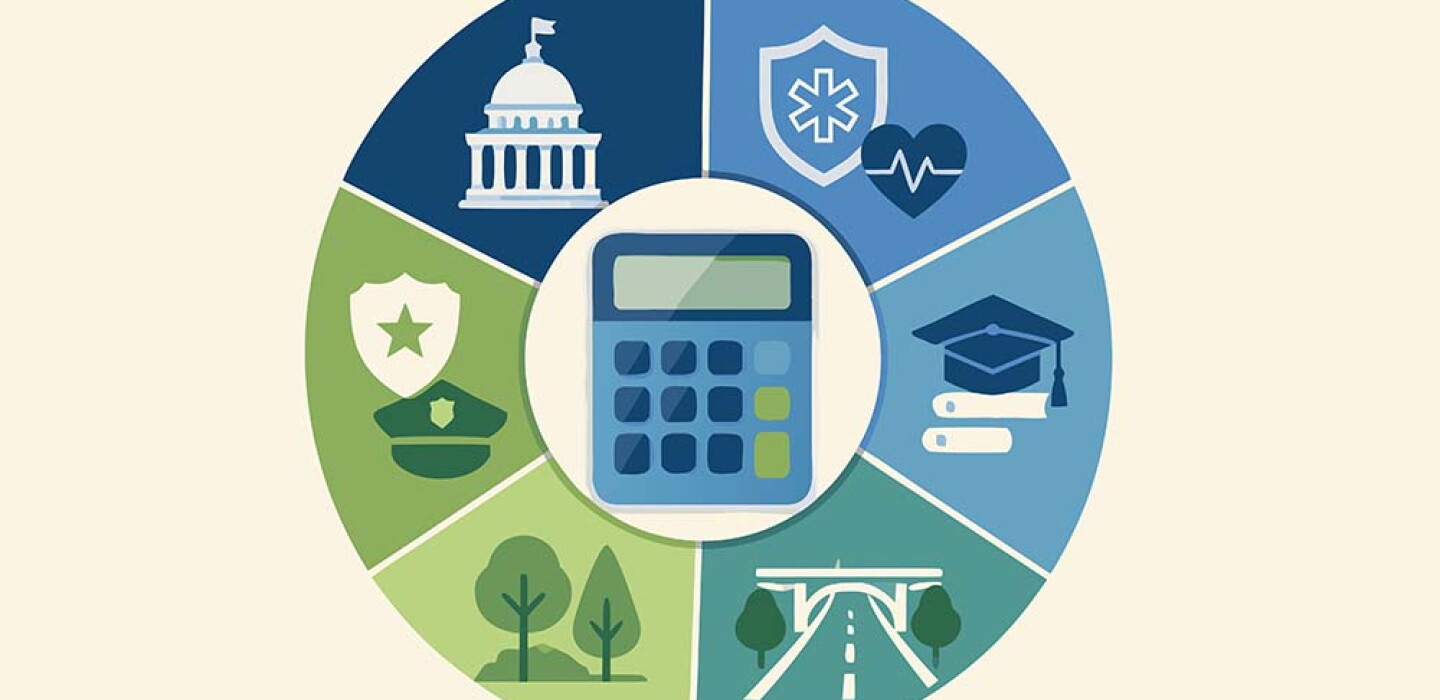
Illustrating Social Security problems and solutions
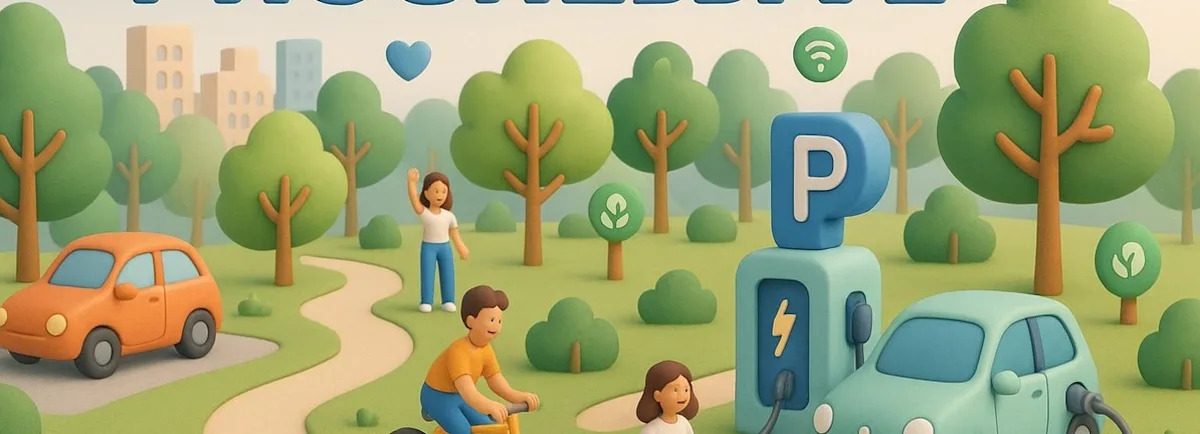
The American Academy of Actuaries has a web app that demystifies Social Security through animation and voiceovers. The Social Security Challenge explains how the system works, the looming funding shortfall, and possible financial solutions.
As explained by David Mendes, director of communications for the Academy, the web resource “immerses users in an animated virtual trek where they learn about the program, the financing shortfall that could (if unaddressed by Congress) lead to future cuts in scheduled benefits, and how different reform options they select along their journey could help address the shortfall.”
Graphically illustrating the problem and possible solutions may be the only way to truly understand the challenges Social Security faces.