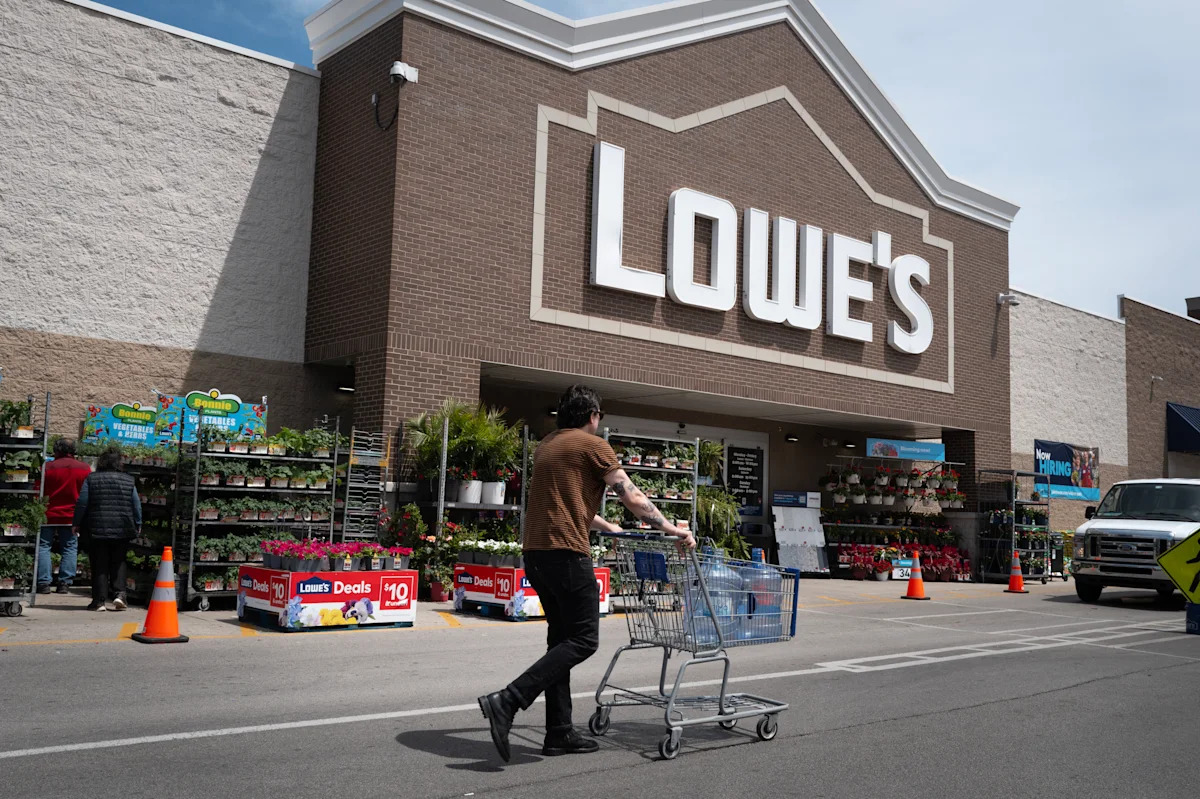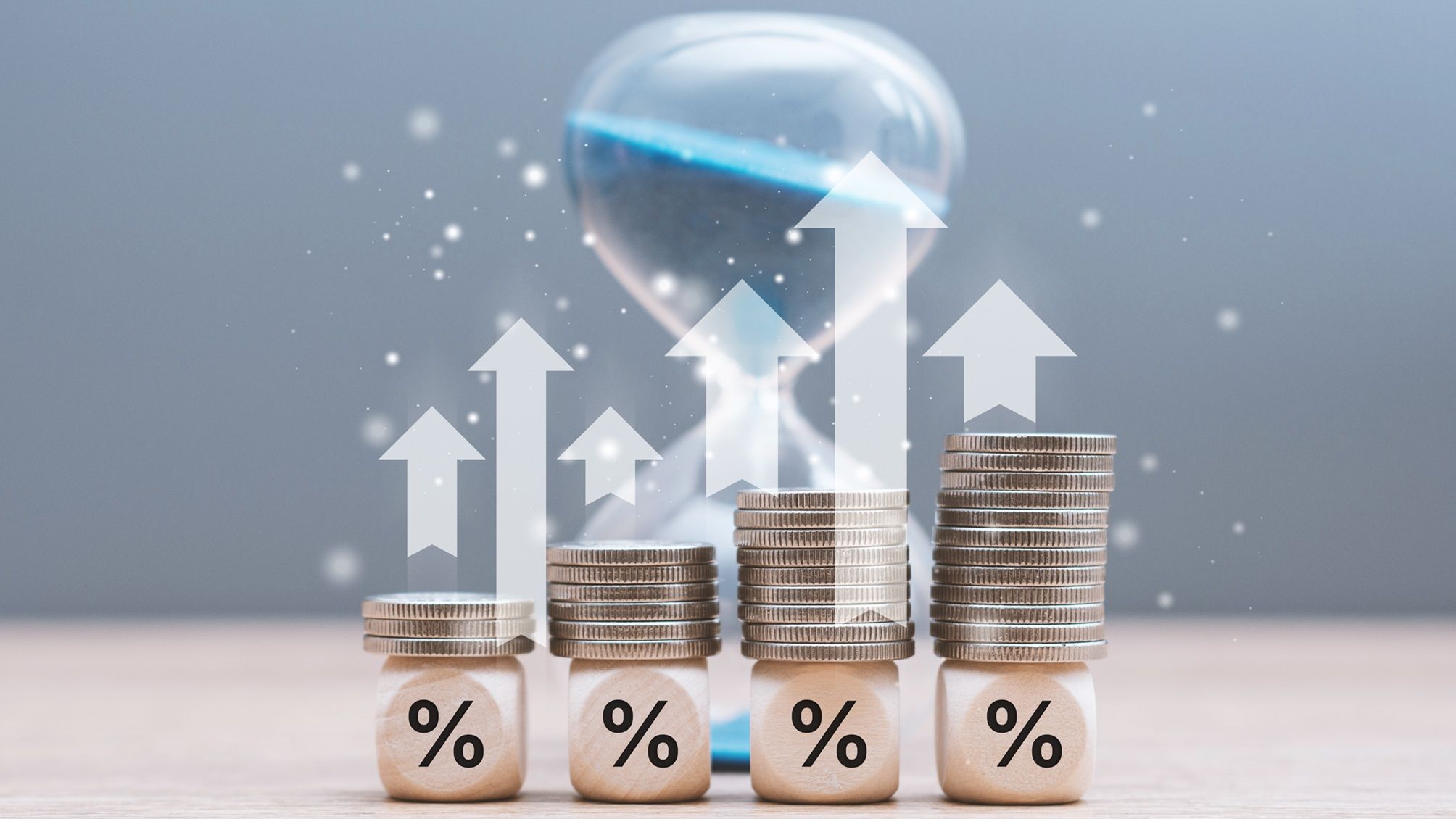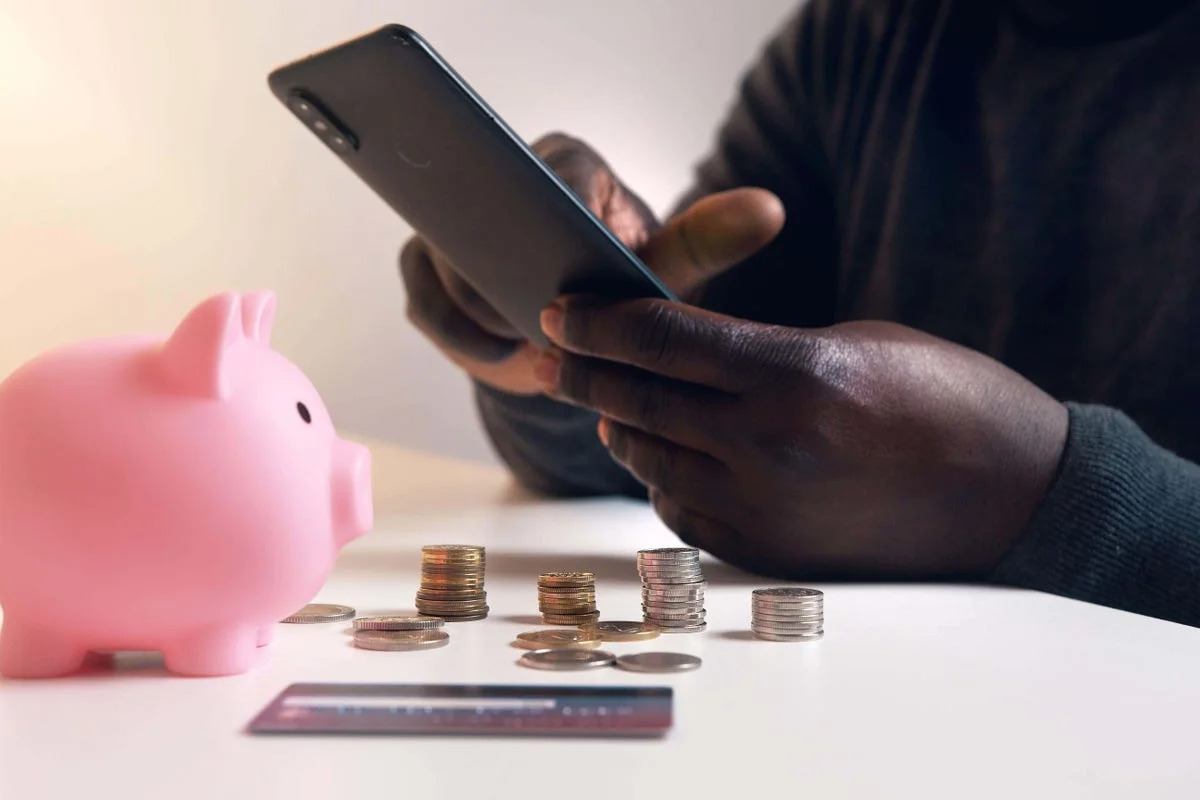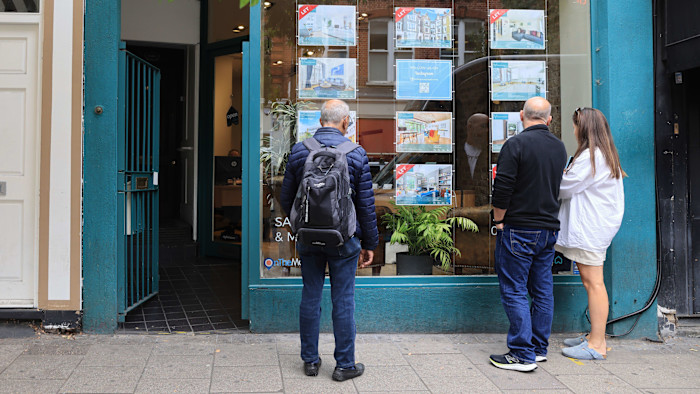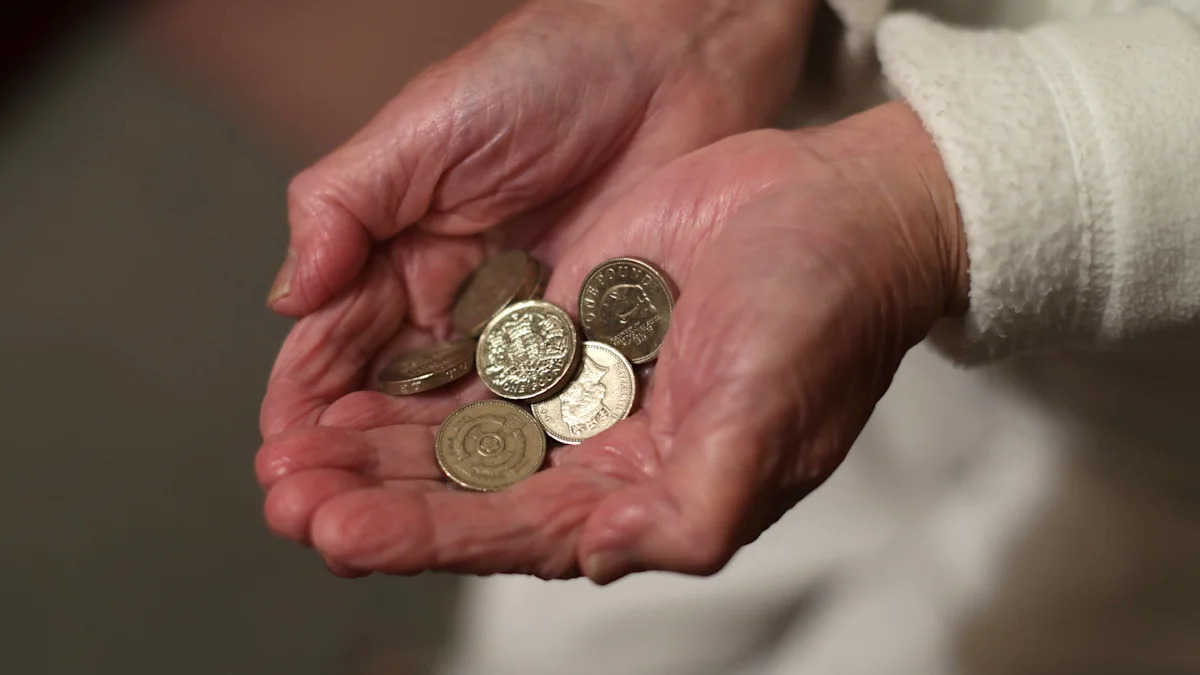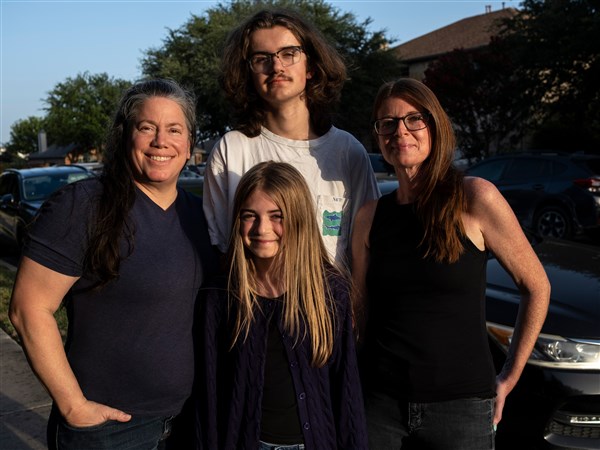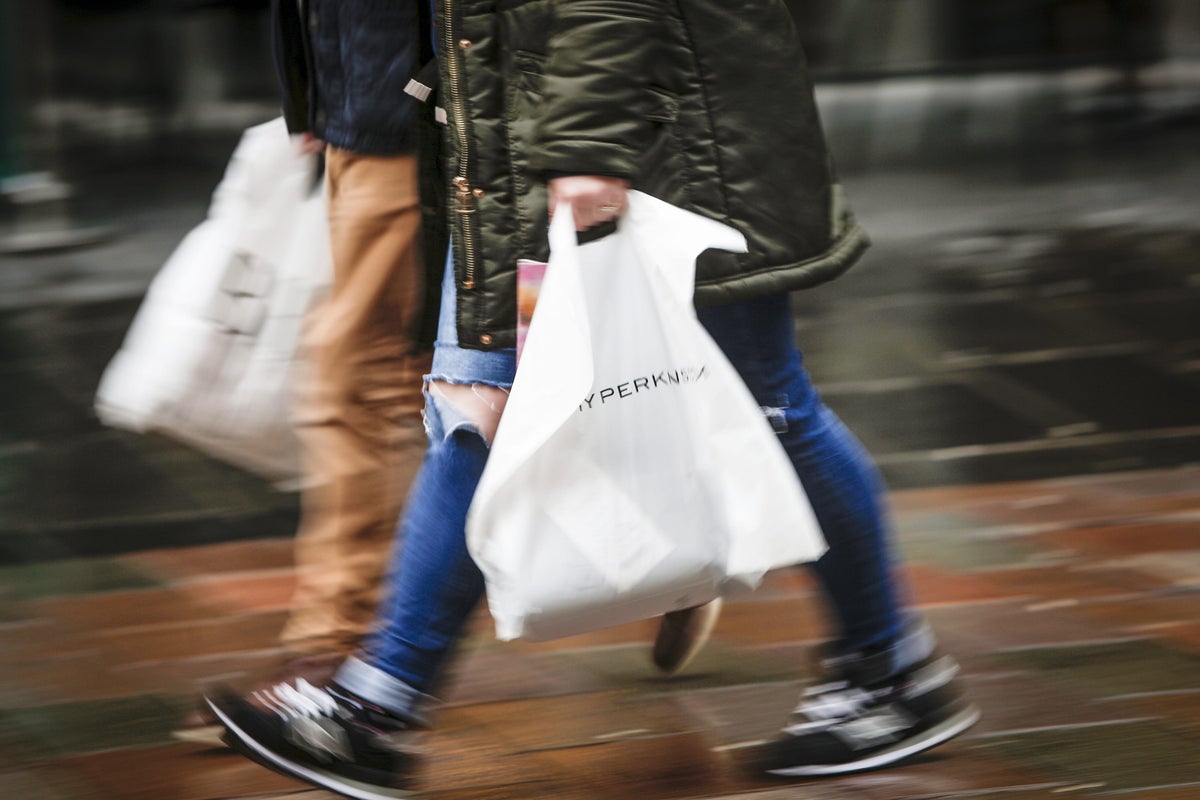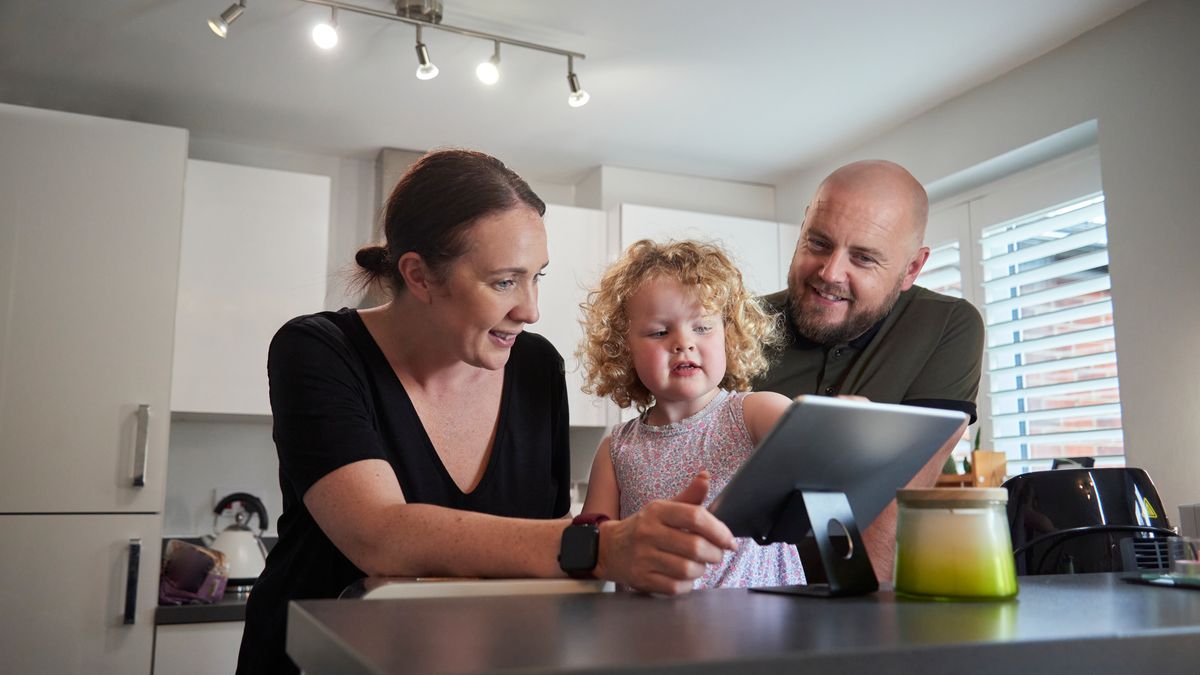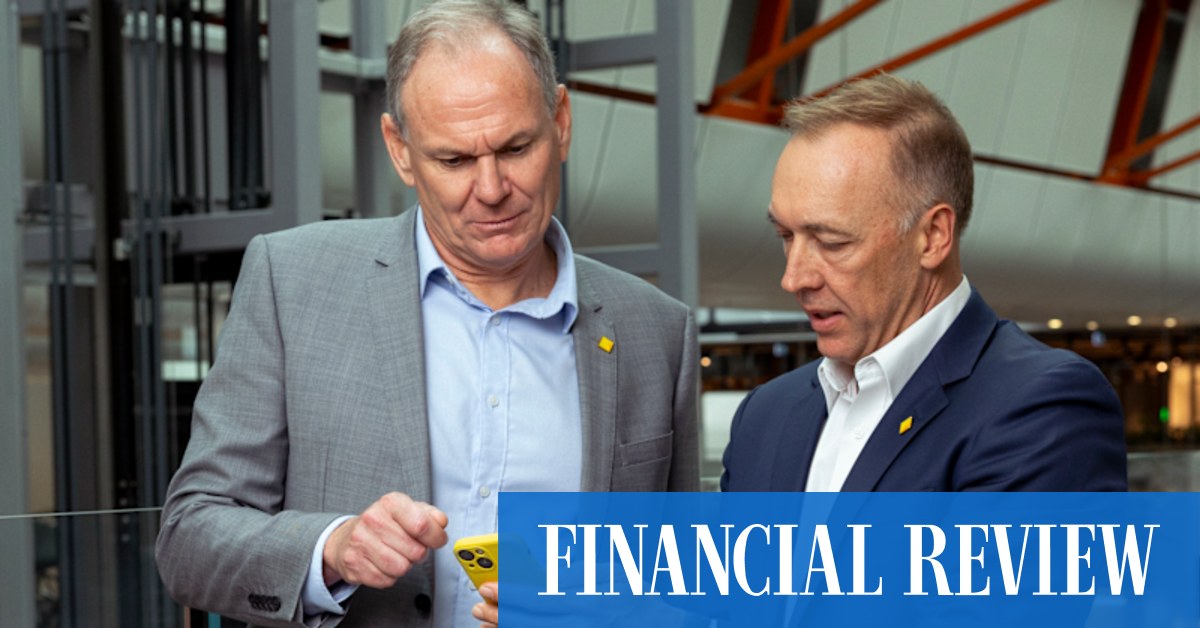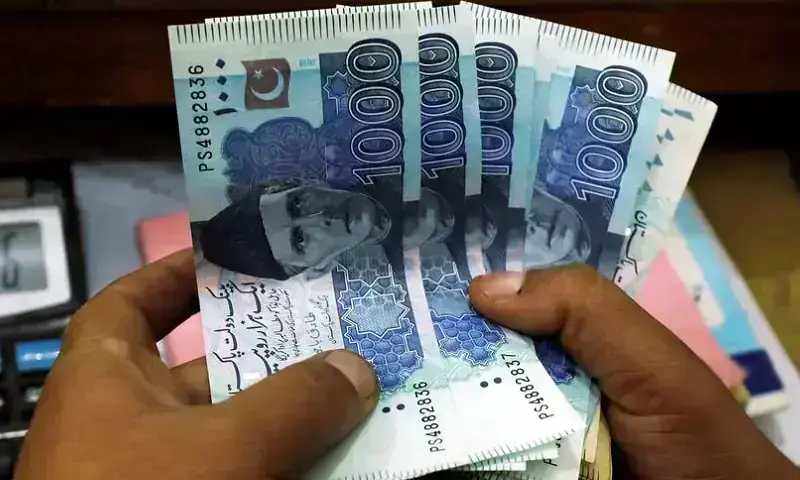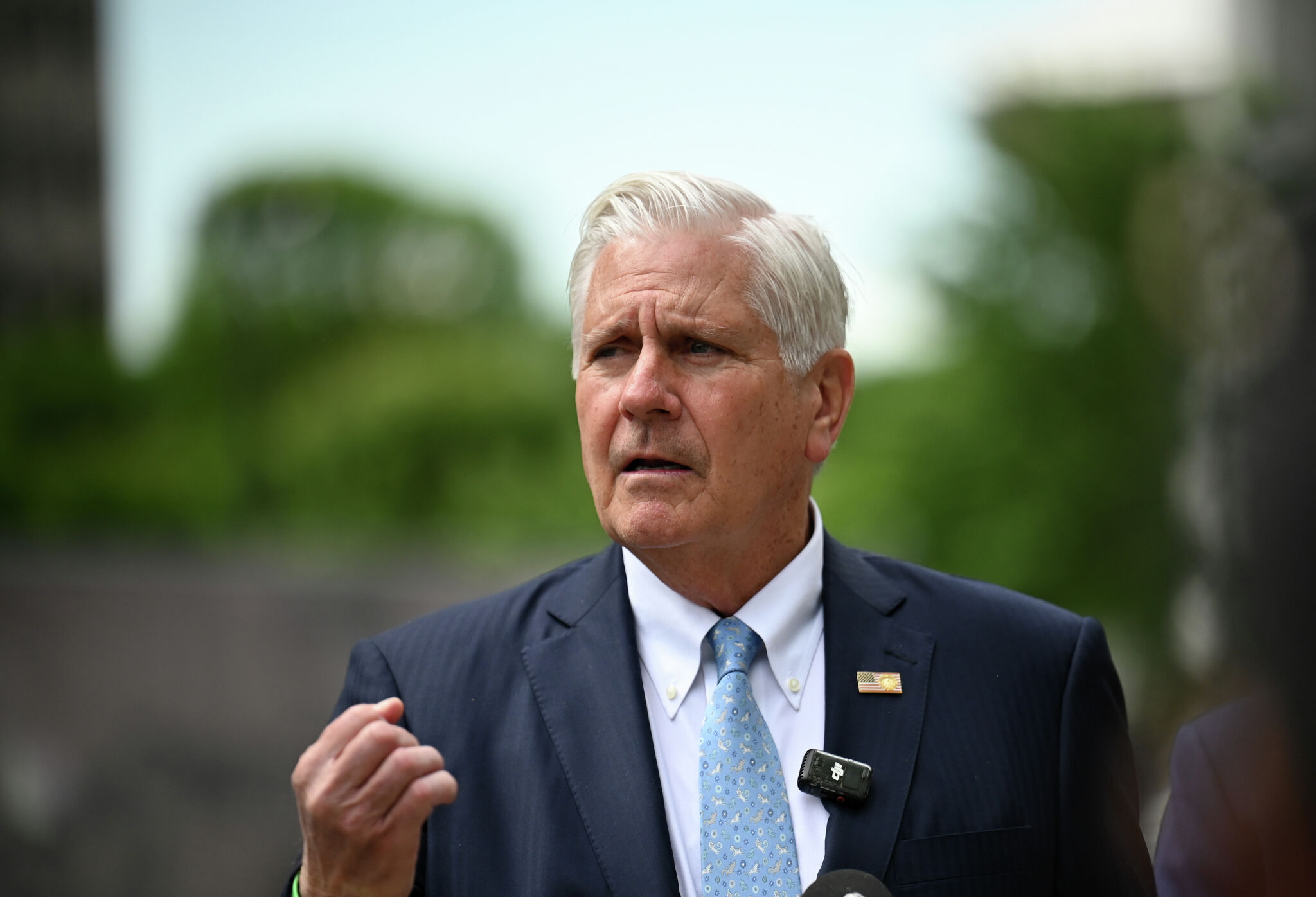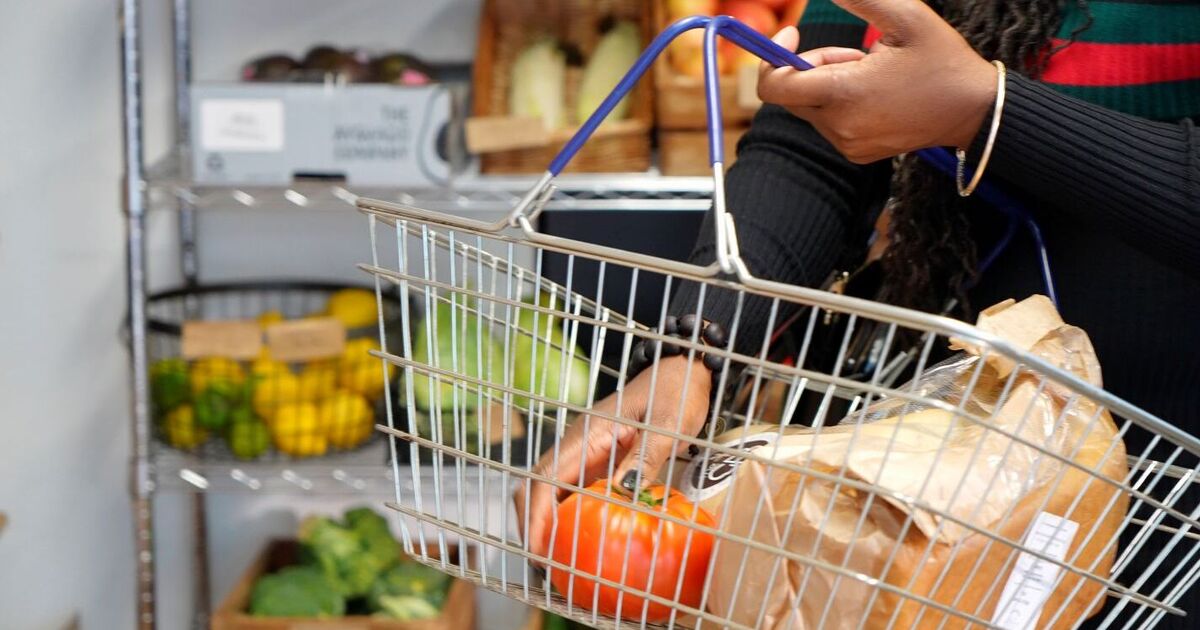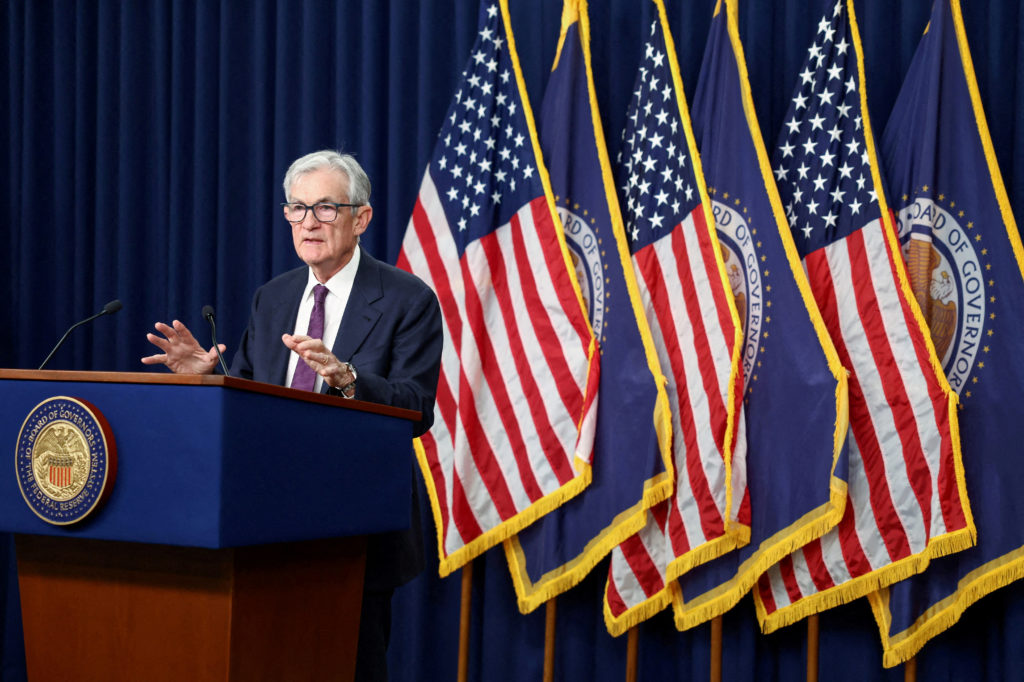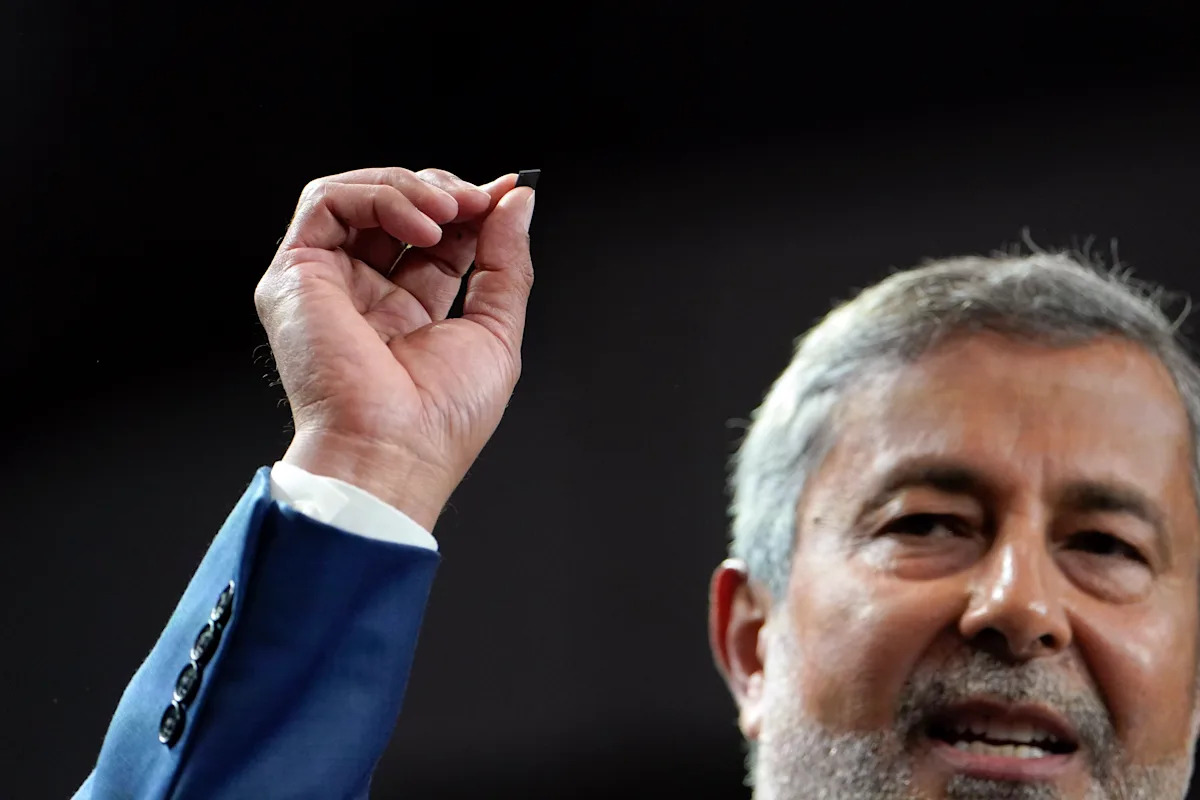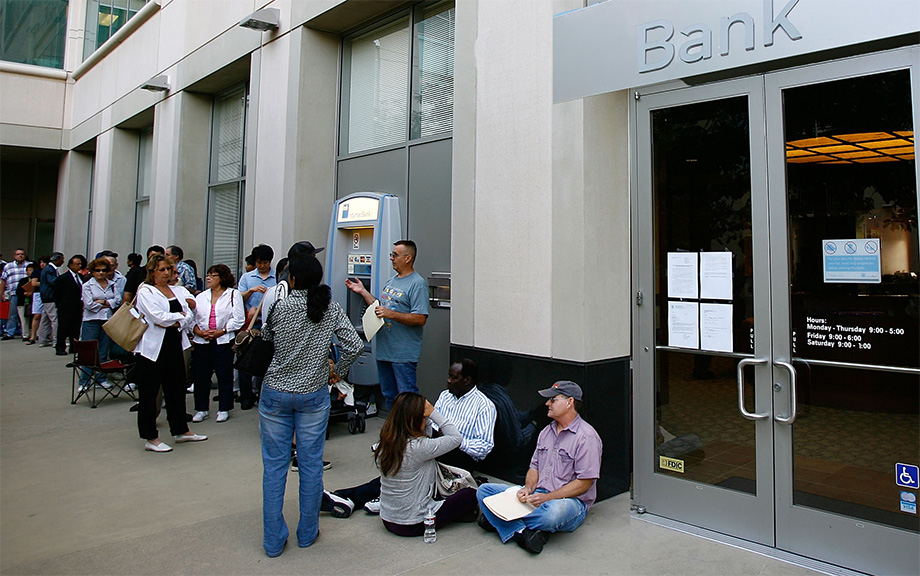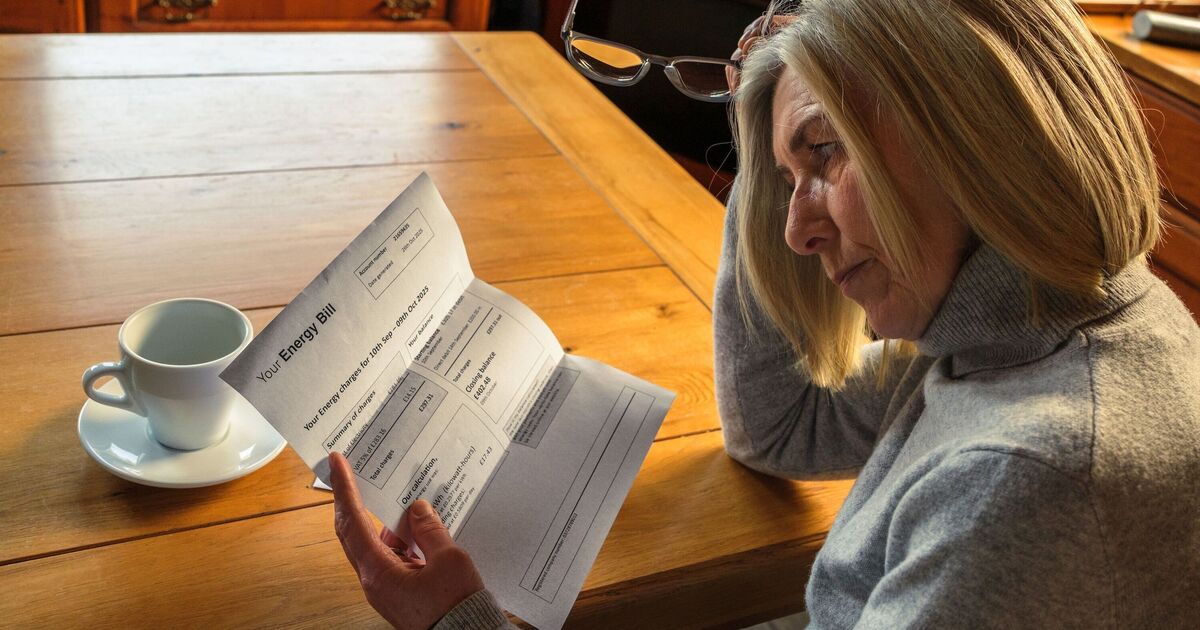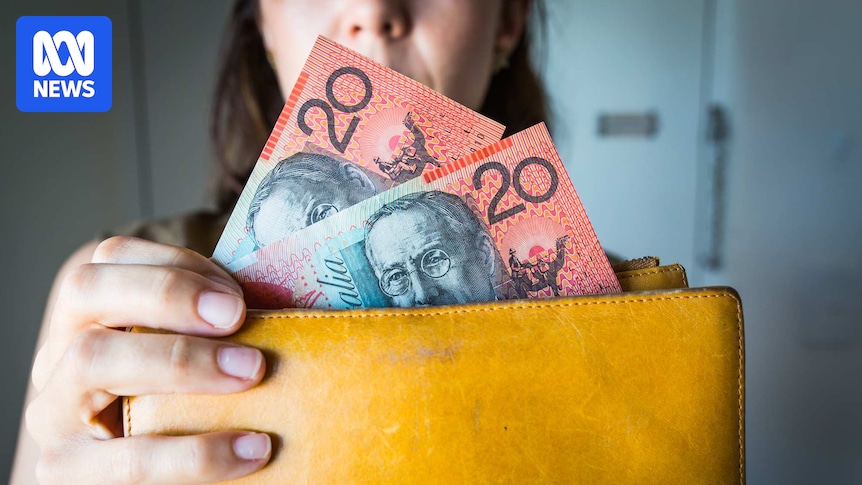
While young people with less disposable income still lead in buy now, pay later adoption, older, middle-income earners are now almost as likely to use the service as those making less.Chris Young/The Canadian Press
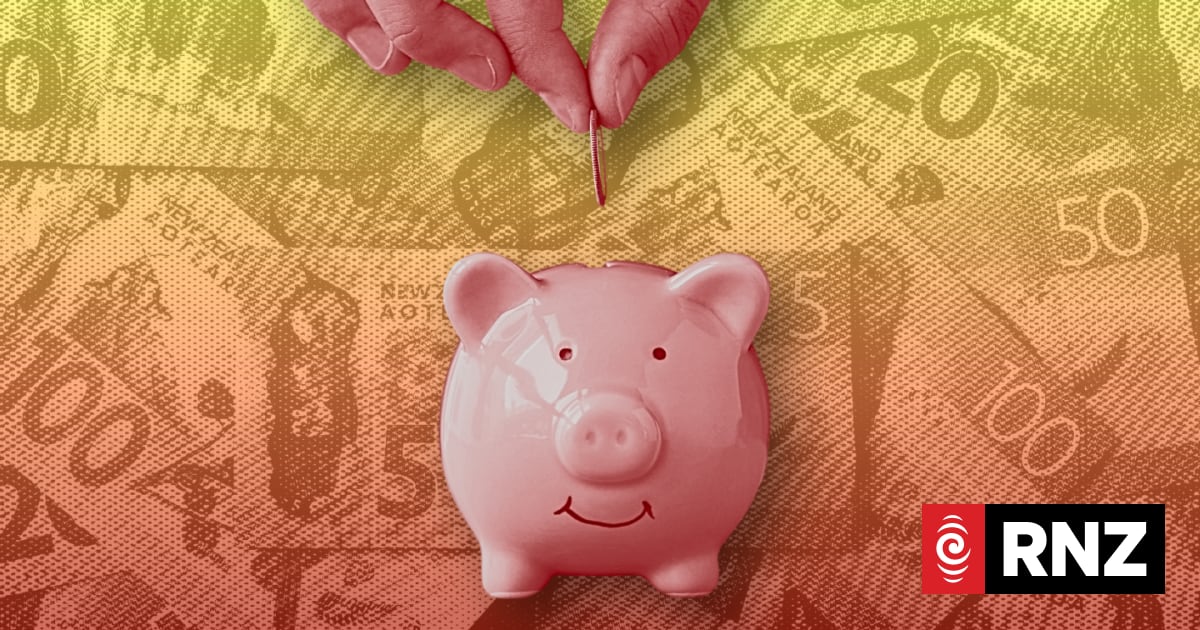
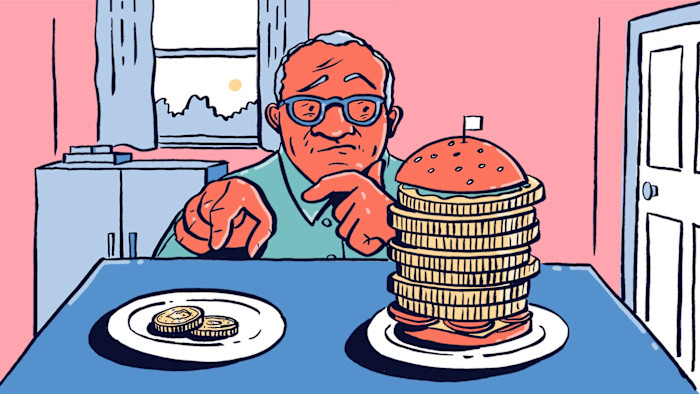
Canadians are increasingly financing daily expenses through instalment loans as food prices continue to strain household budgets, according to a new report.
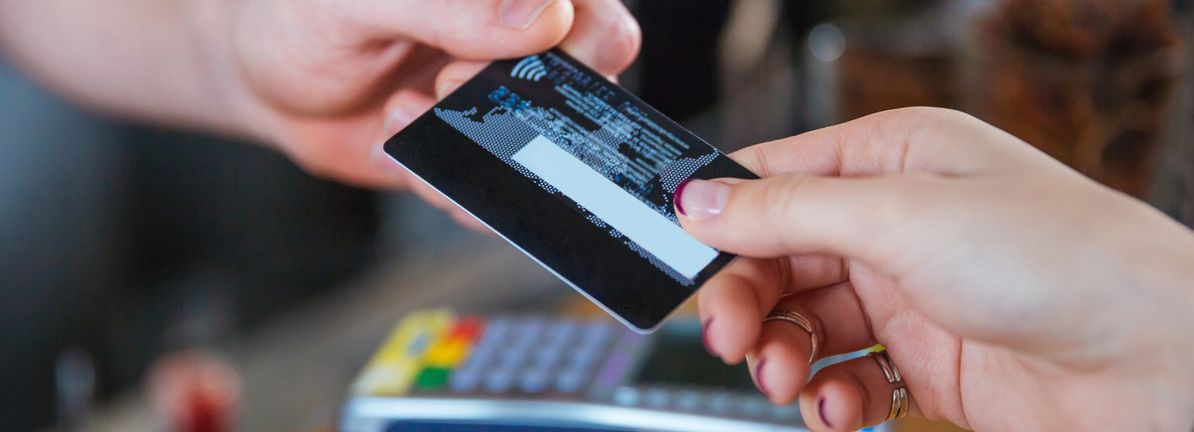
Data from Toronto-based fintech Koho Financial Inc. released Tuesday showed that use of its buy now, pay later financing option surged 109 per cent over the past year, growing from 0.8 per cent of users in May, 2025, to 1.71 per cent in May of this year. For perspective, Koho has more than 2.5 million customers across Canada.
The initial spike coincided with the holiday grocery shopping season and has remained strong well into 2026, the report said.
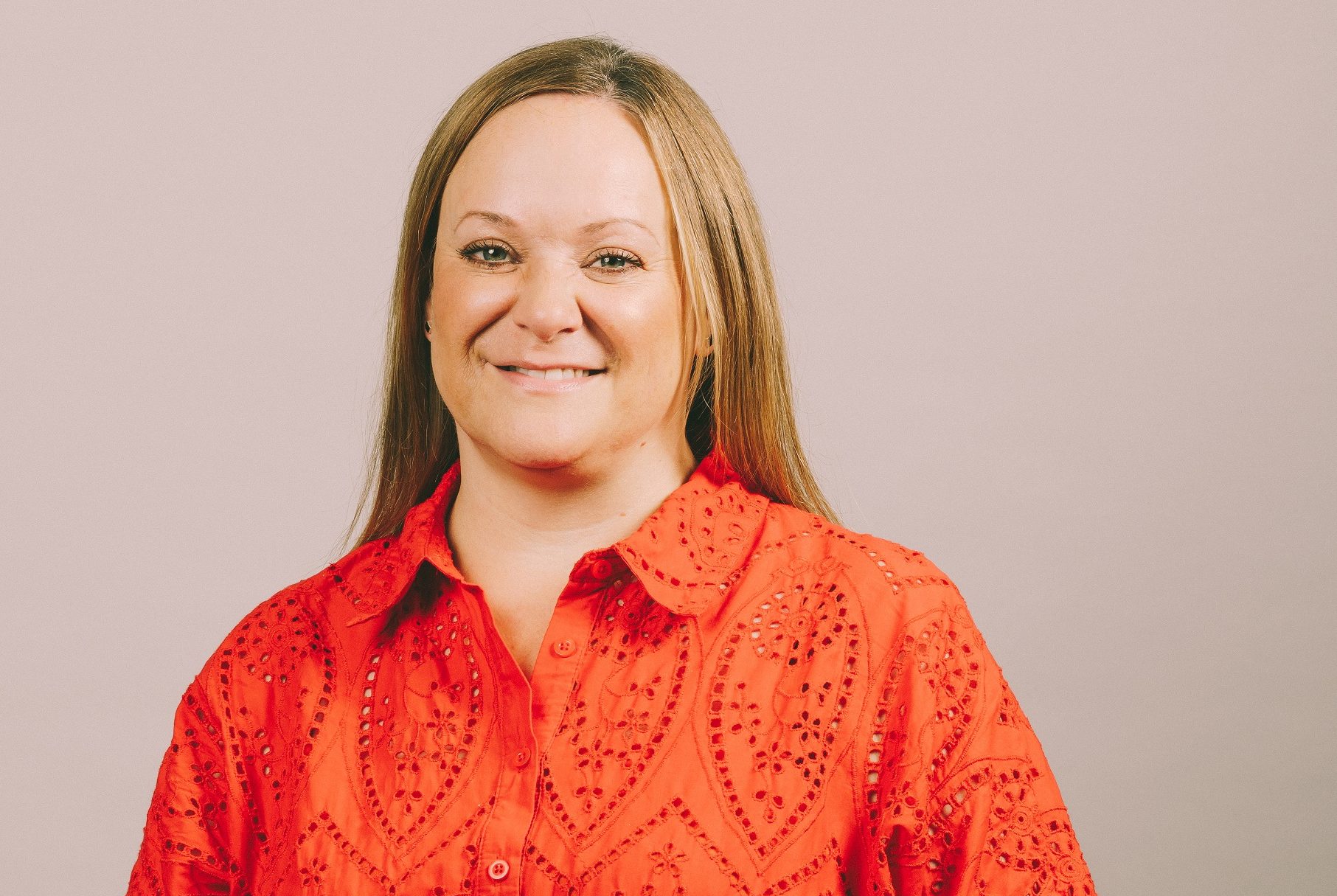
“People are trying to find a bunch of different ways to figure out how to make their budget stretch,” said Faye Lucas, head of consumer trust at Koho.
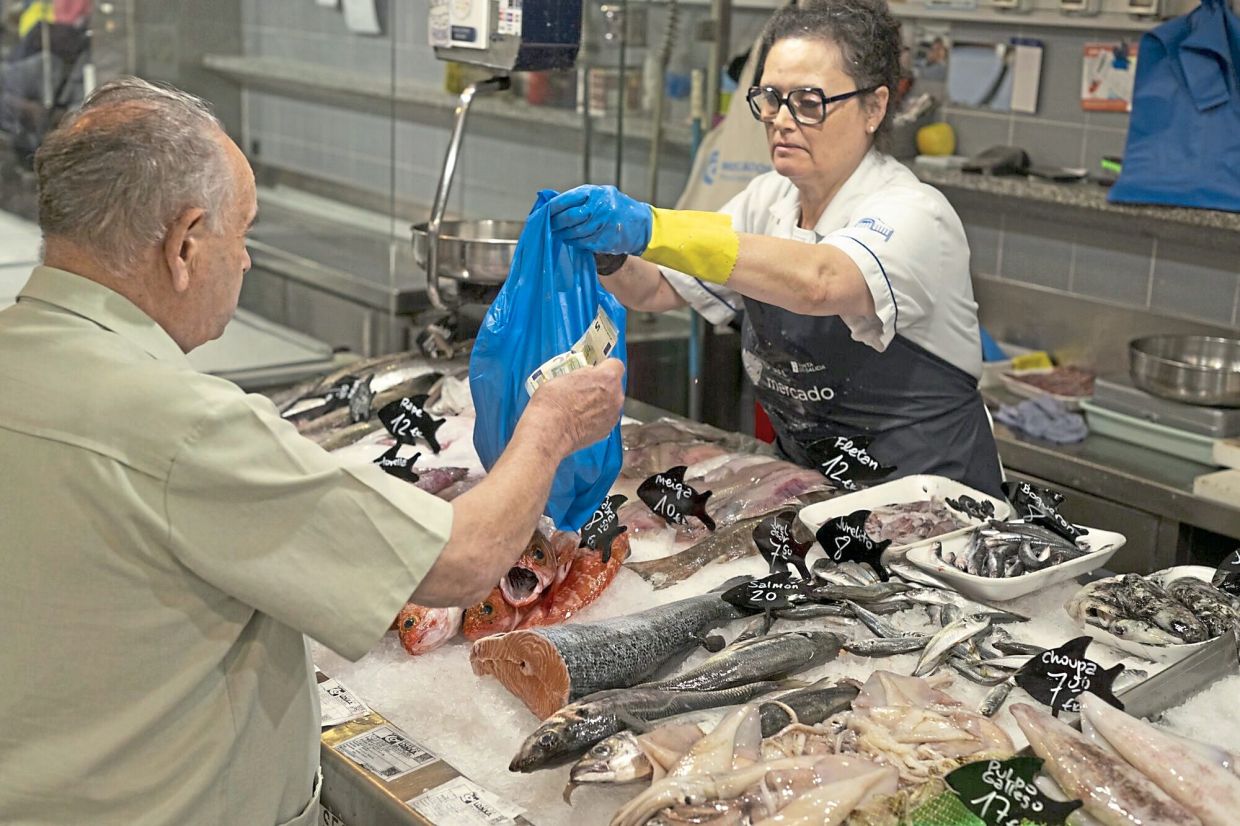
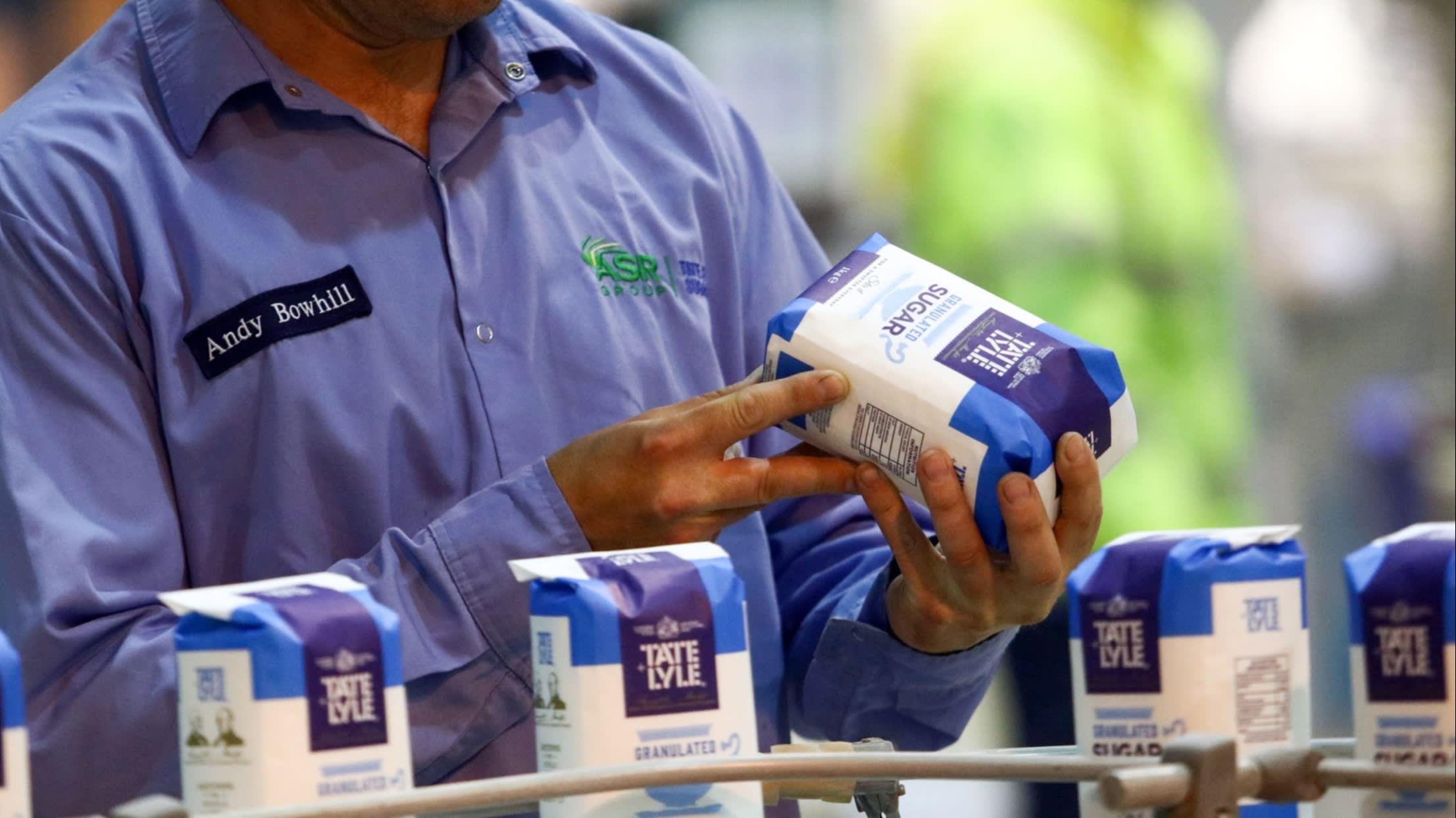
Spending on food rose about 5 per cent year-over-year per user to $275 a month in May, the report found. Shoppers made more frequent grocery runs and spent more on each trip, even while seeking out discount retailers. Food delivery purchases grew by 9 per cent.
Opinion: However bad your grocery bill is, it will get worse
The report’s findings are based on spending and financial behaviour data from more than 173,000 Koho customers between May, 2025, and May, 2026.
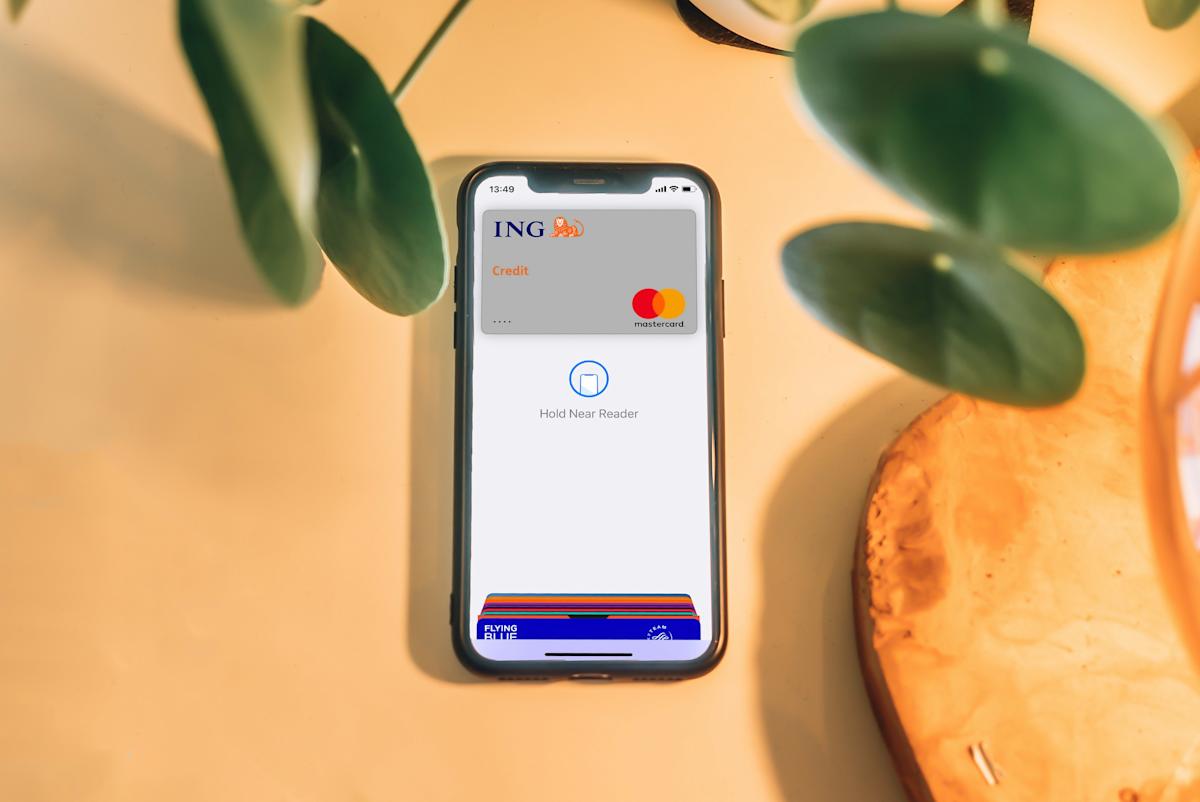
Buy-now-pay-later financing allows shoppers to split purchases into two, four or more instalment payments over several weeks, and usually without interest until a late payment. Koho lets users split purchases retroactively, charging an upfront fee as well as a $15 charge once a month in the case of late payment.
The report’s findings come as Canadians continue to grapple with food price spikes that have outpaced general inflation for more than a year. In May, rising grocery costs exceeded the overall growth in prices for the 16th month in a row, according to Statistics Canada data.
Vegetables saw some of the biggest increases, with tomato prices rising as much as 45 per cent year over year as the end of a trade deal between the U.S. and Mexico stoked price volatility across the North American tomato trade.
Overall, grocery prices are up more than 30 per cent since 2019, TD Bank data showed. Canadian food banks recorded double the visits in March, 2025, compared to the same period six years ago.
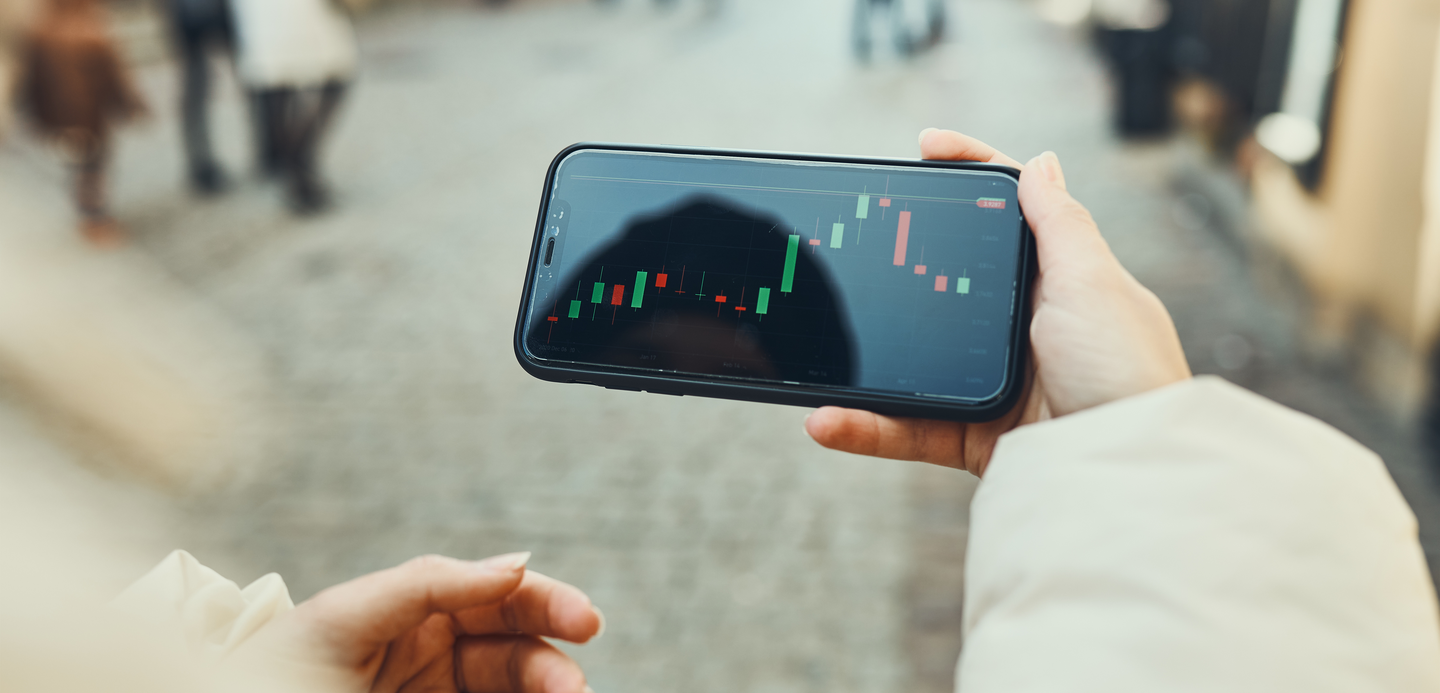
In this environment, buy-now-pay-later (BNPL) is strengthening its foothold as a mainstream financing tool for daily spending rather than a niche loan product.
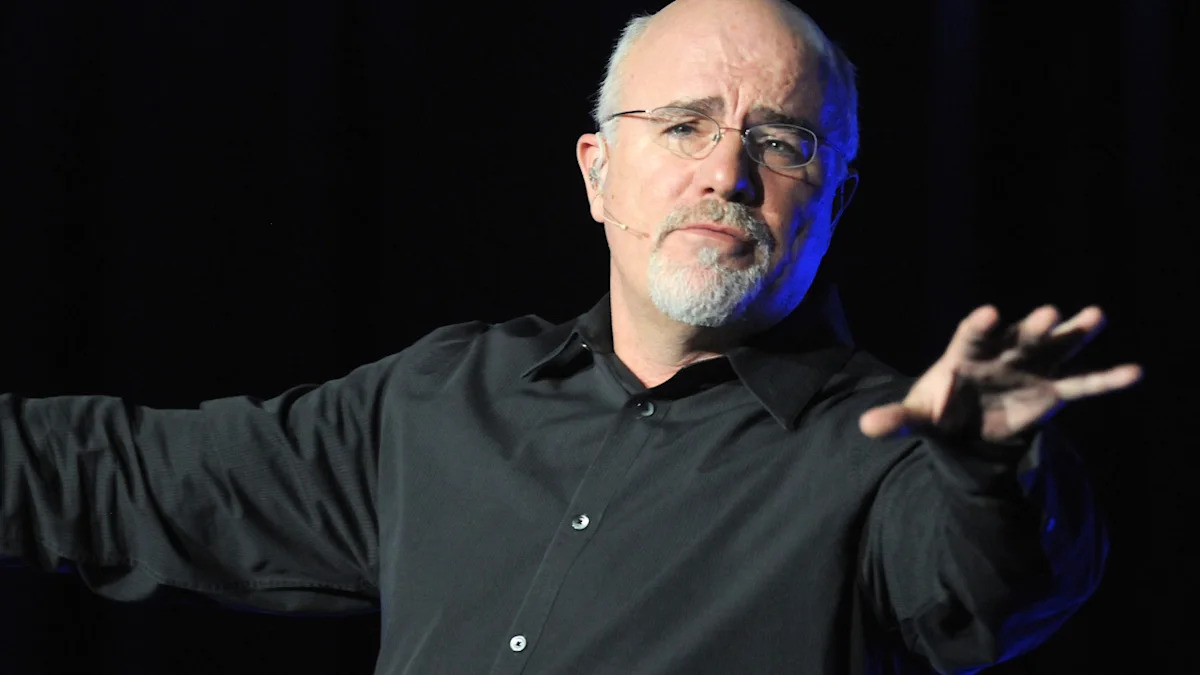
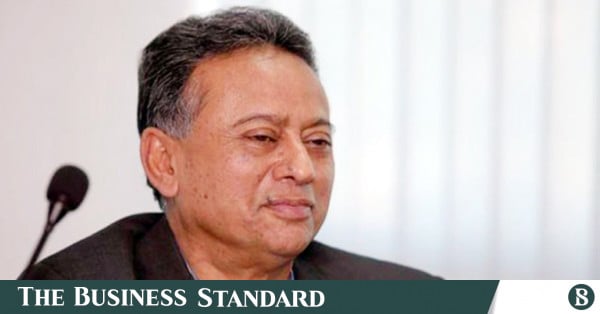
It’s the “canary in the coal mine,” said licensed insolvency trustee Doug Hoyes. “If you have used up all of your money on everything else – rent, etc. – you may need to resort to using it to pay for essentials.”
Klarna, one of the largest providers of BNPL loans, saw its Canadian user base expand to 2.2 million last year – a 244-per-cent increase from 2023. Affirm, another major provider, has seen the number of overall active consumers grow more than 300 per cent in the last five years.
Rather than using BNPL loans to simply finance luxuries or discretionary purchases, roughly 22 per cent of Canadians surveyed in a March study by licensed insolvency trustee firm Spergel said they used them for groceries and household essentials. Around 46 per cent said they have had more than one BNPL plan active at the same time and 22 per cent reported having missed or being late on a payment.
Stoked by growing demand, BNPL providers are also reaching into new territory. Affirm Holdings announced earlier this year it would begin offering some customers in the U.S. the option of breaking up their monthly rent into instalment payments. It also partnered with H&R Block Canada to allow Canadians to pay for tax services in instalments.
On Money: If prices per unit were easy to see, would it change the way you shop?
While young people with less disposable income still lead in BNPL adoption, older, middle-income earners are now almost as likely to use the service as those making less.
In 2025, 29 per cent of Canadians who used BNPL one or more times a year had an annual household income of less than $40,000, while 27 per cent of BNPL users made more than $80,000, according to data from Payments Canada, a non-profit that runs payment clearing and settlement systems. The highest income group was more likely to use the service more than once a month.
The risk with BNPL products compared to credit cards is how easy-to-access and targeted they’ve become, said Mr. Hoyes.
“If you’re disciplined about using it, then it is free money,” he said. “If you’re one of the vulnerable people who has an unanticipated car repair next week, and now I can’t pay it back, that’s the trap.”
Unlike a credit card, “If you’ve used it once, you’re getting all the offers and they’ll be reminding you, ‘Hey, you can come back and use it again.’”