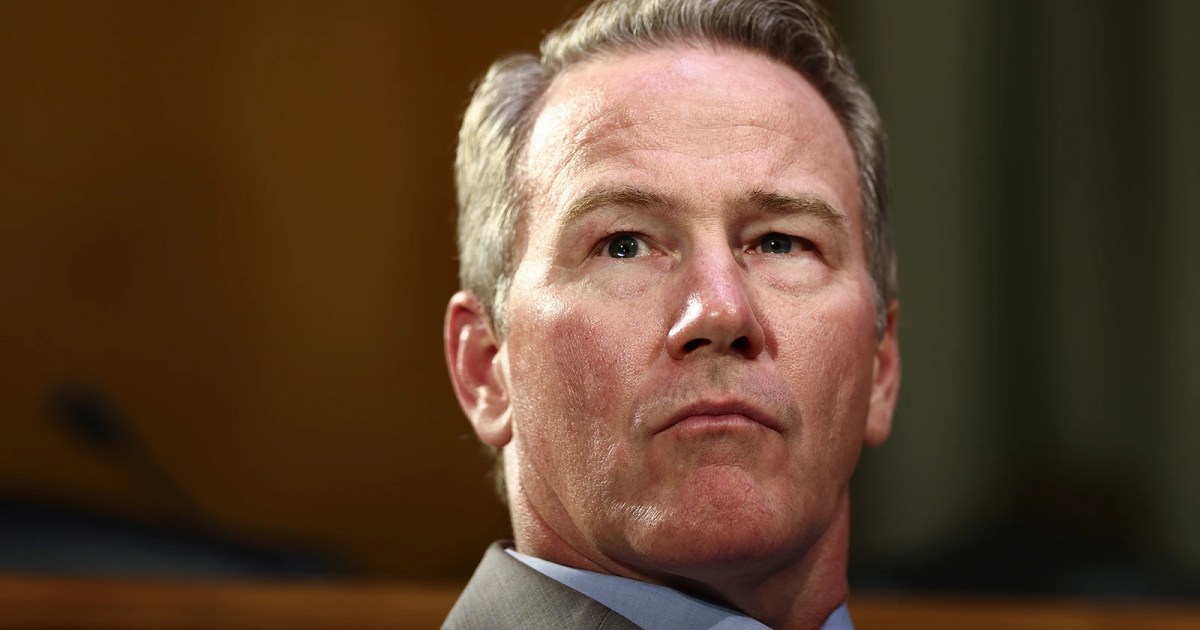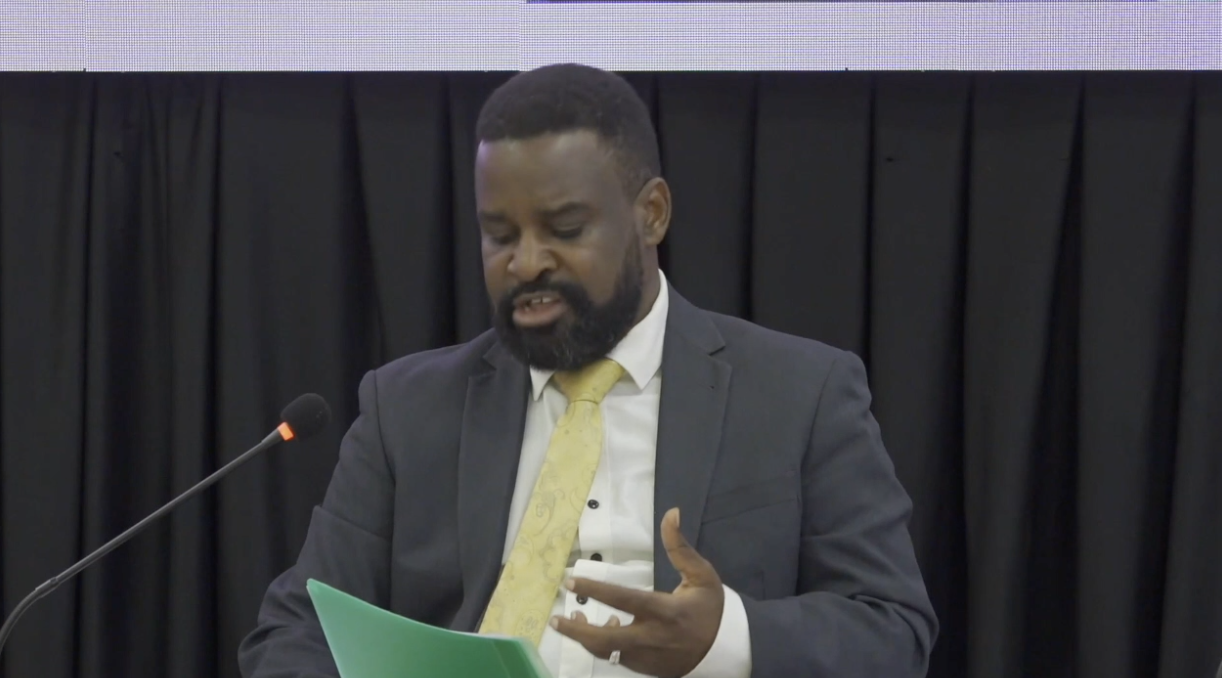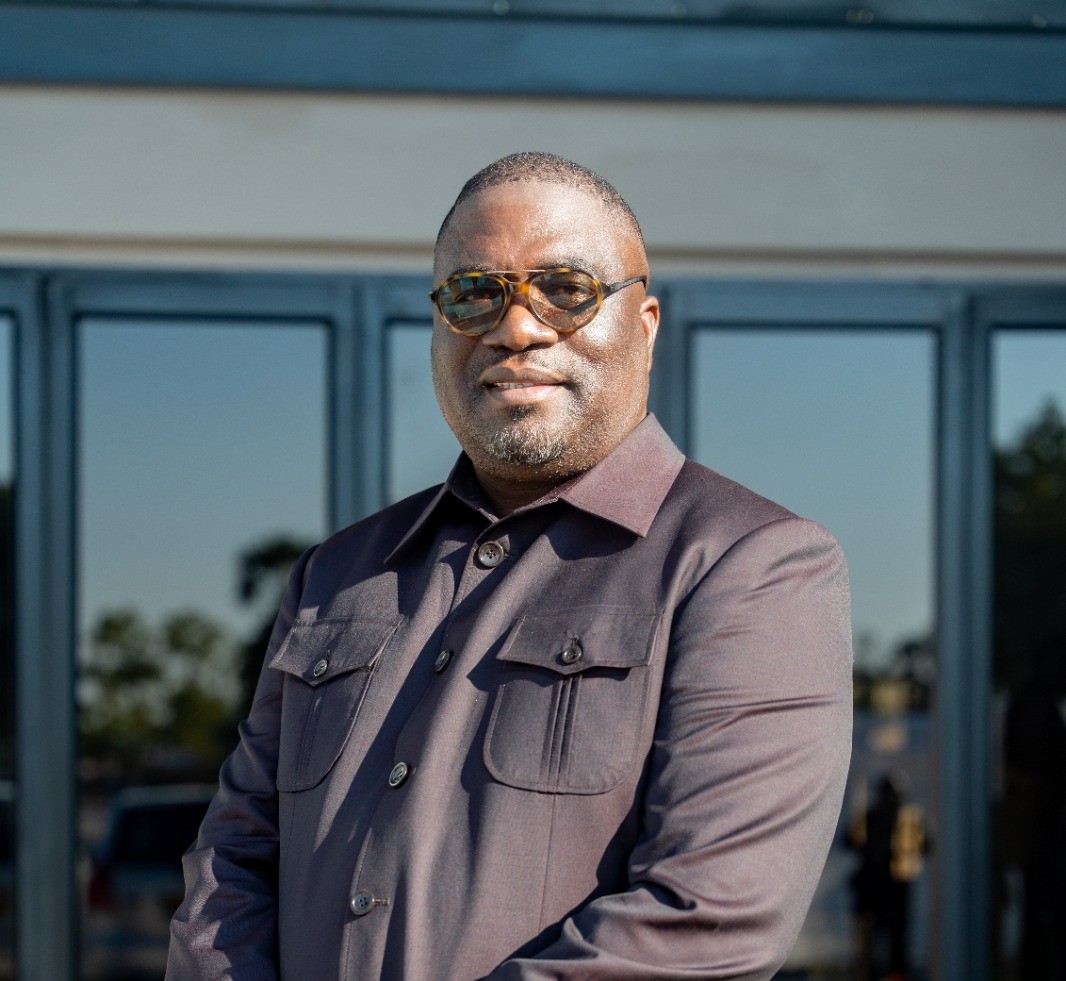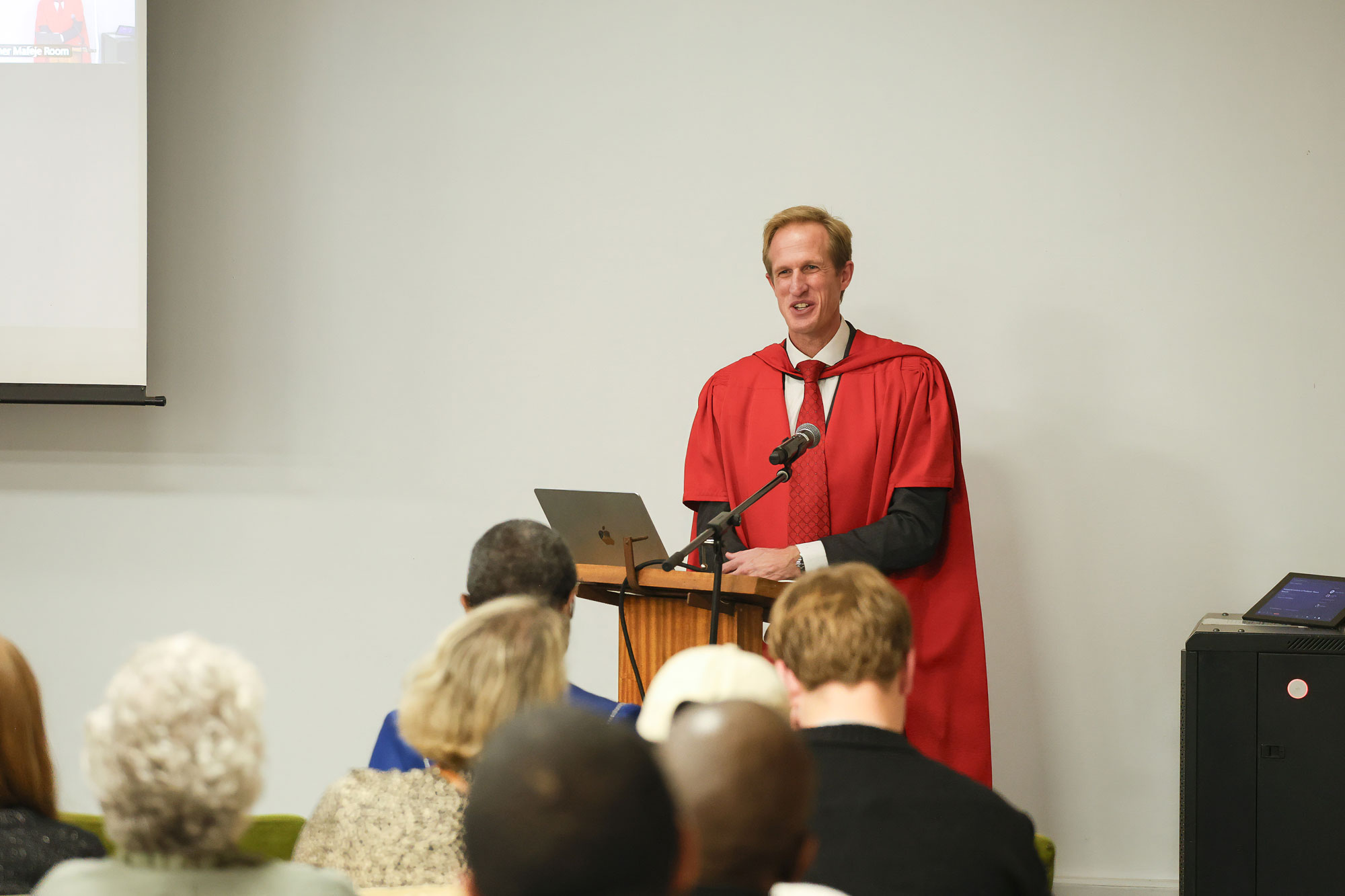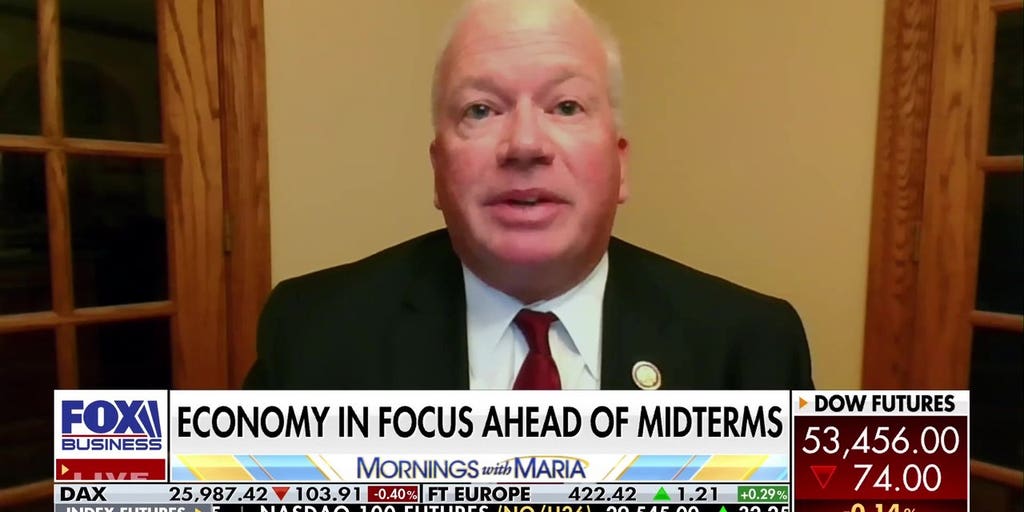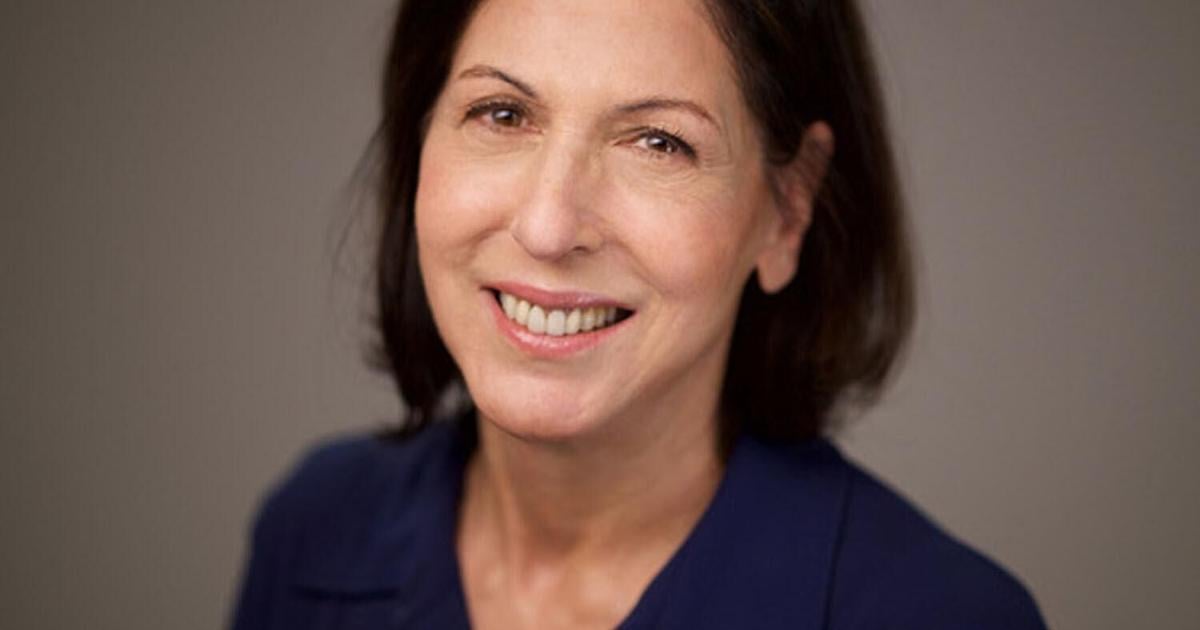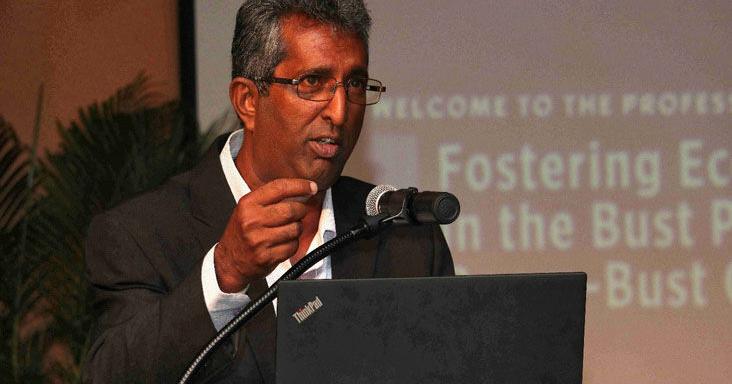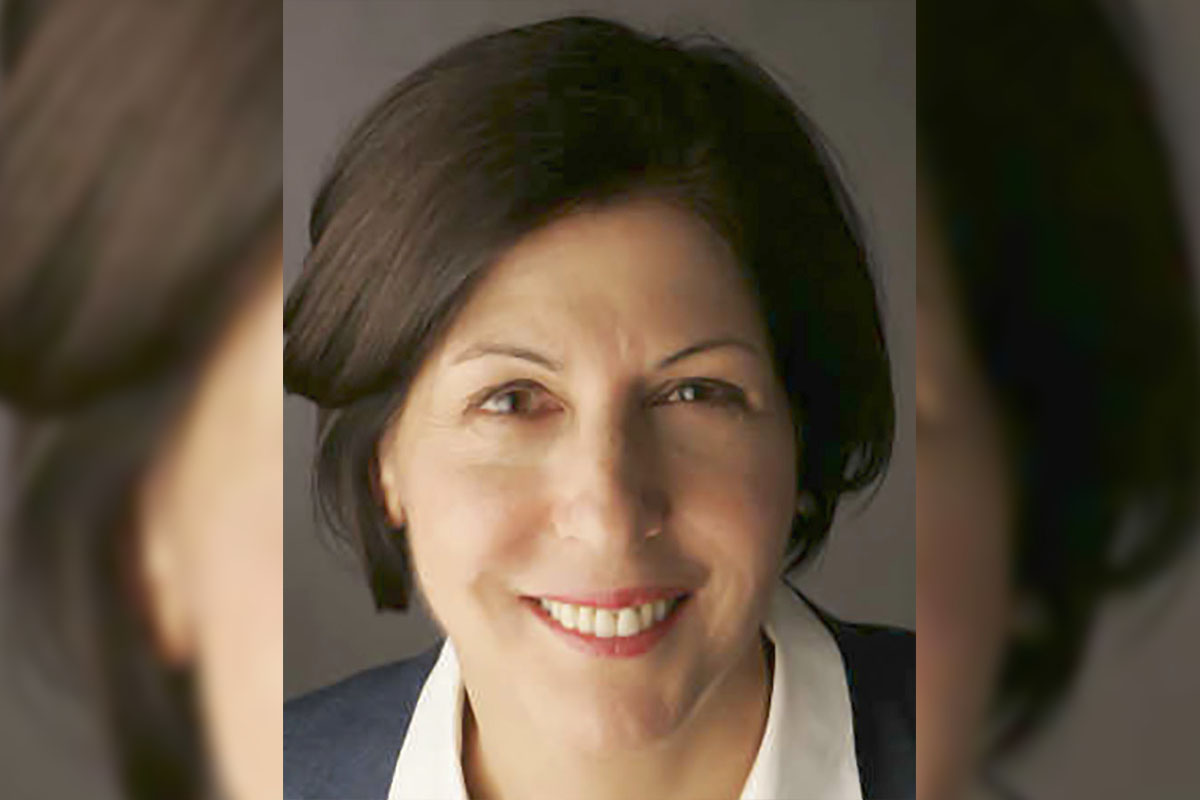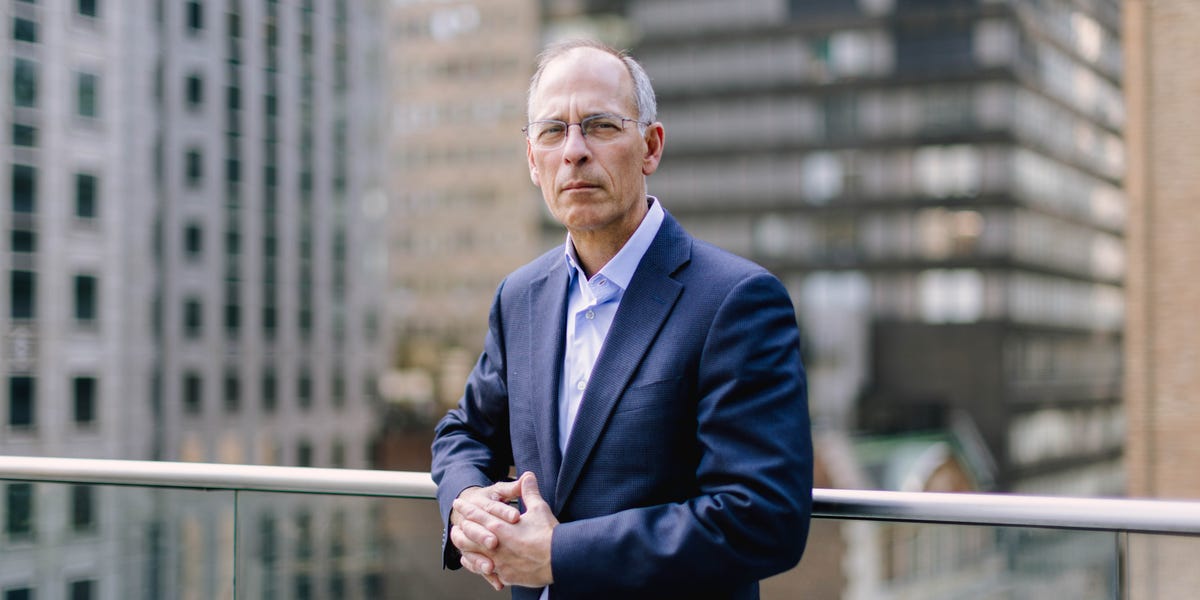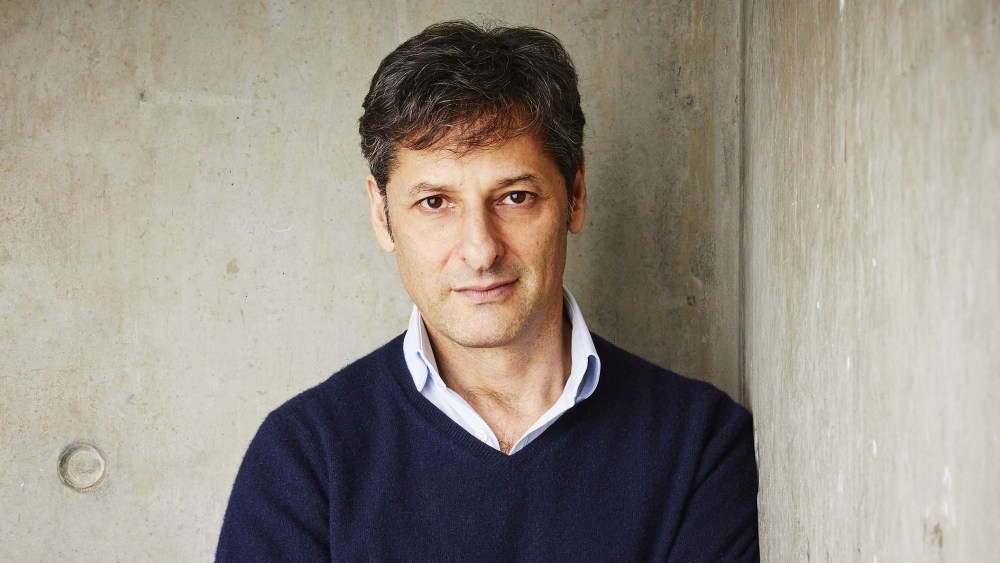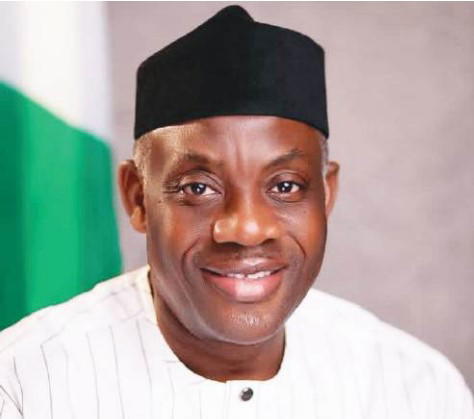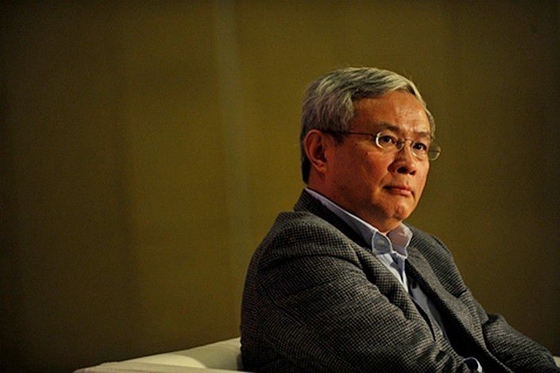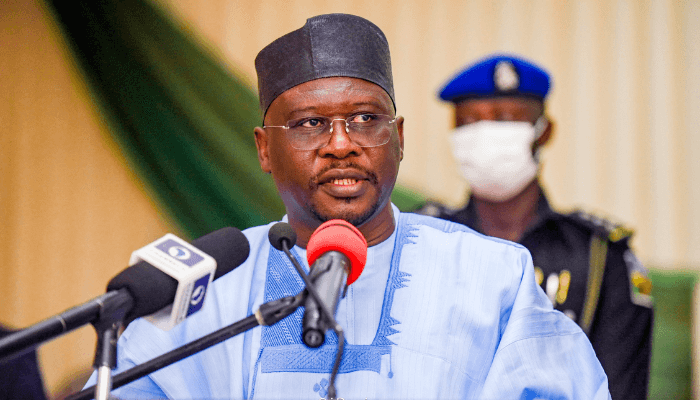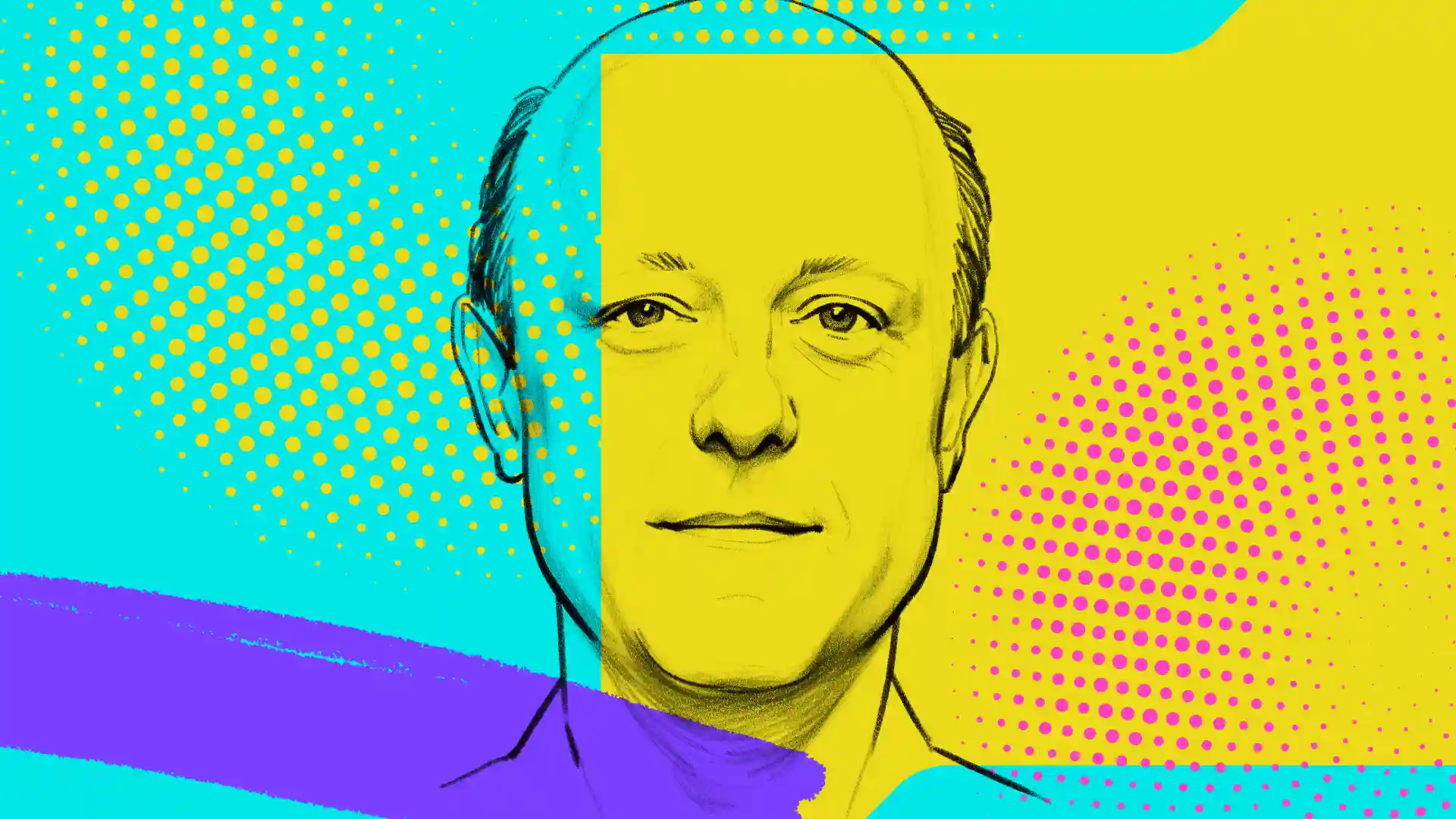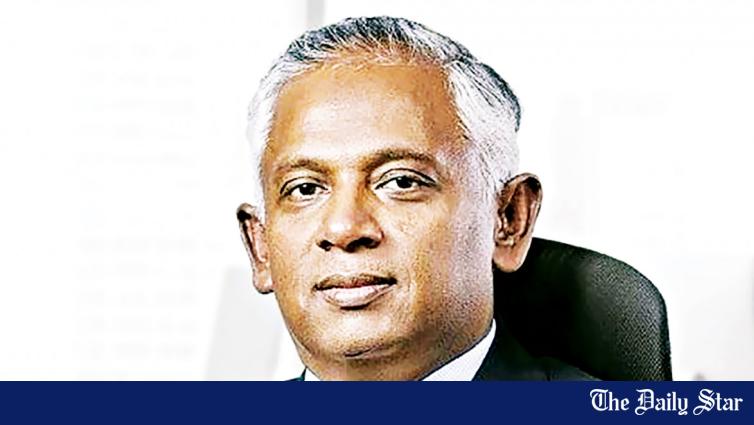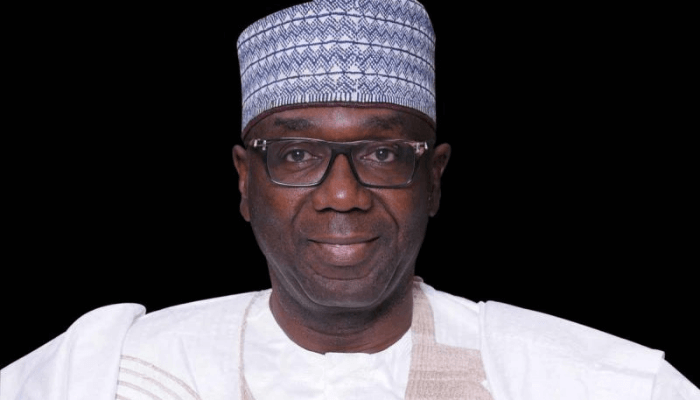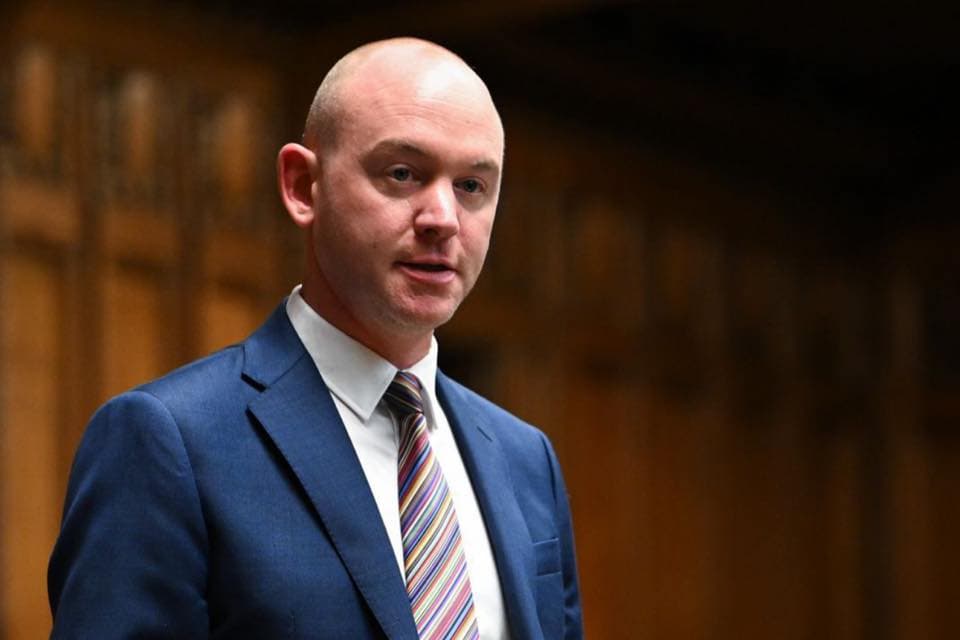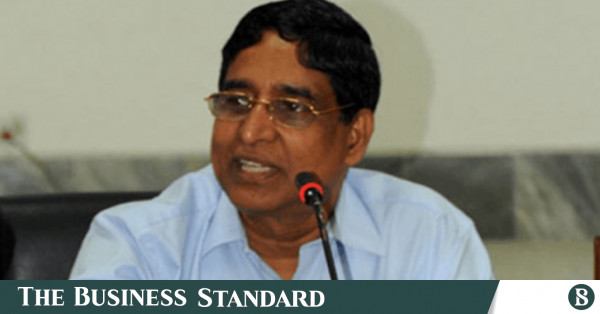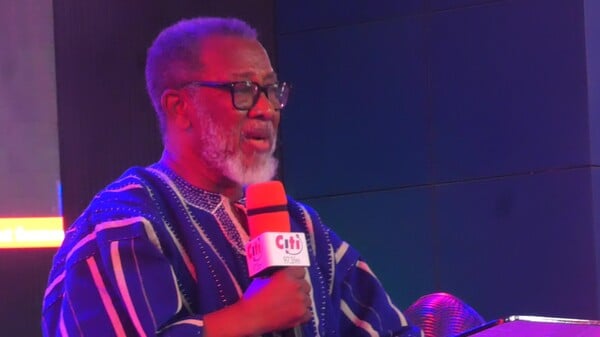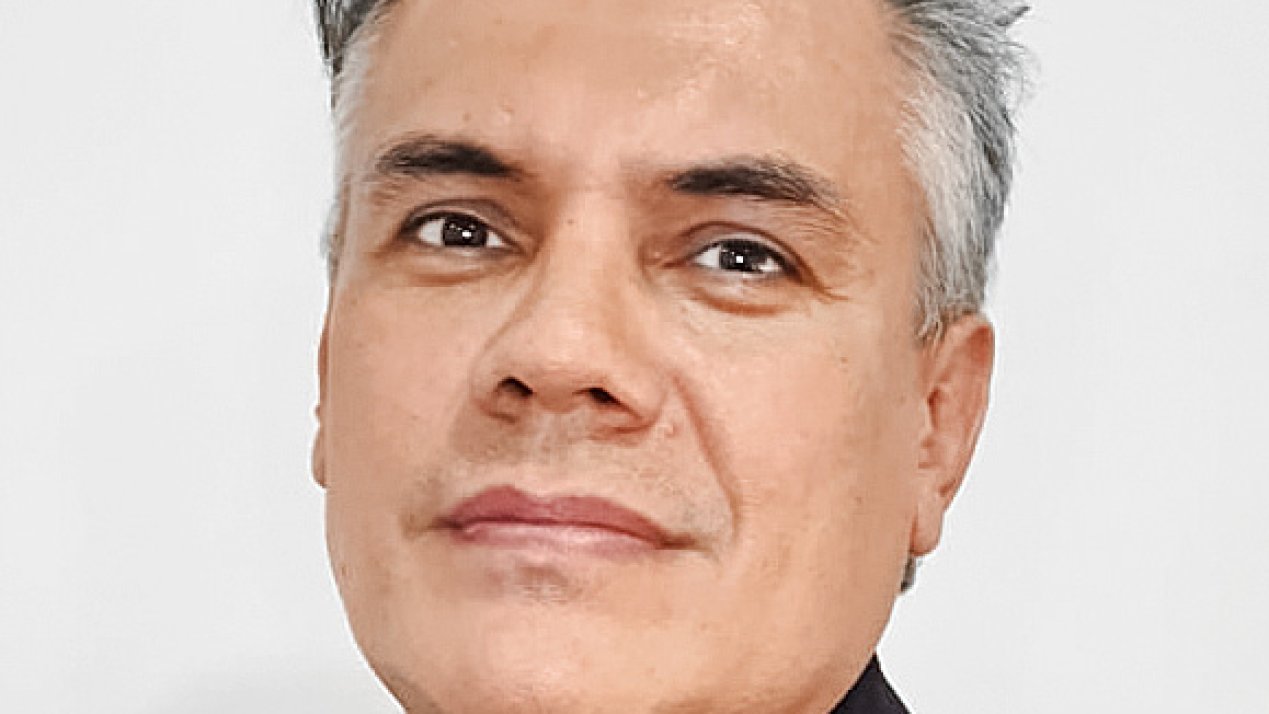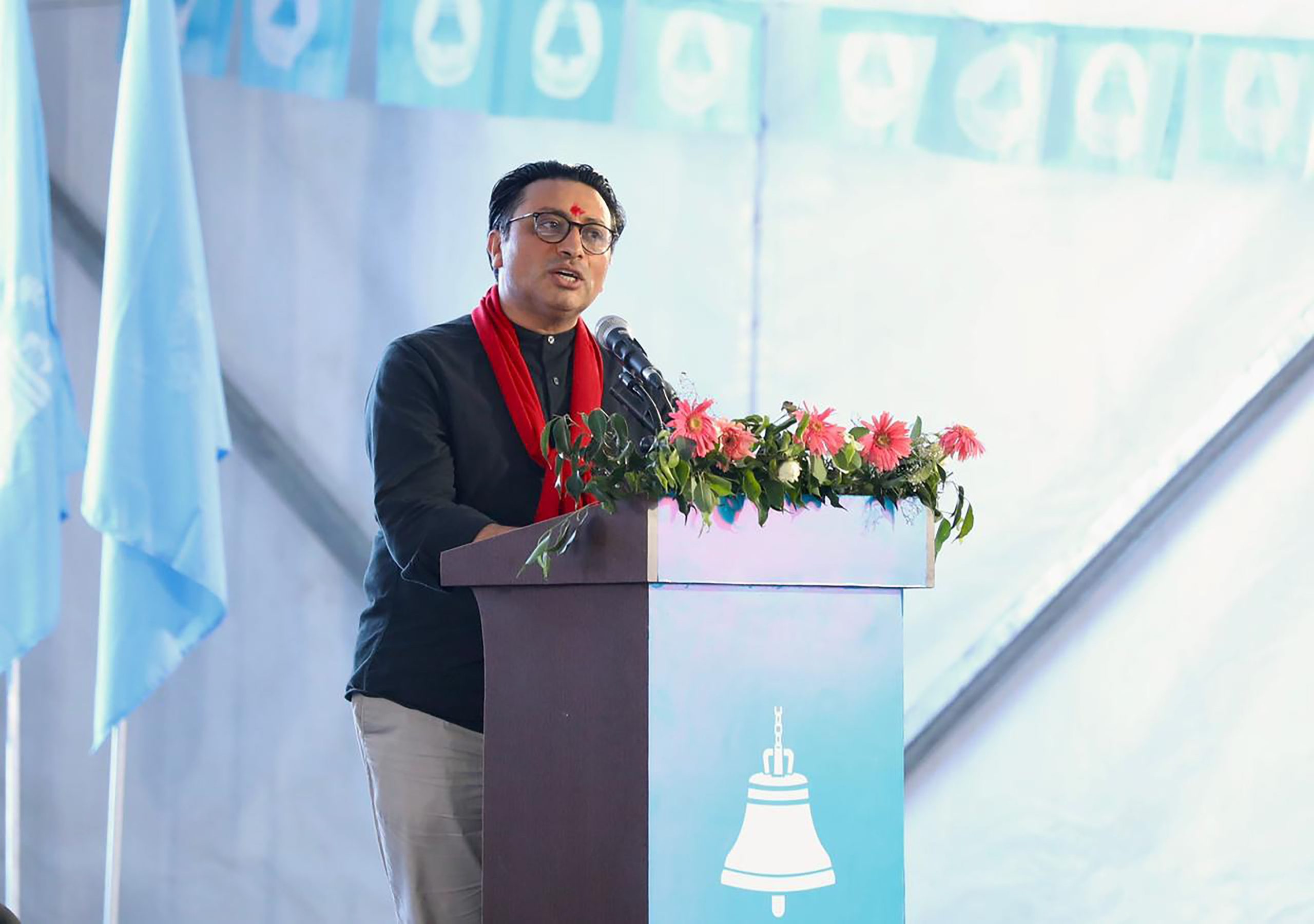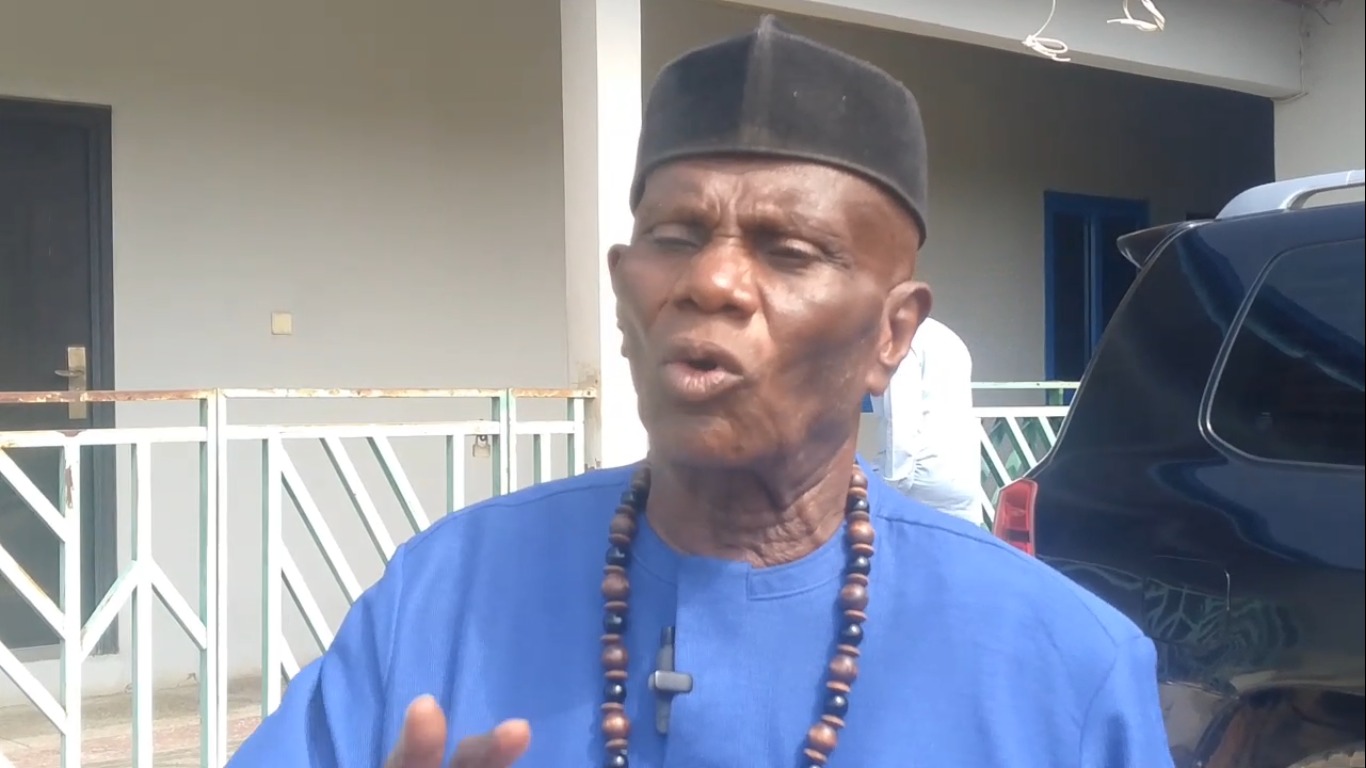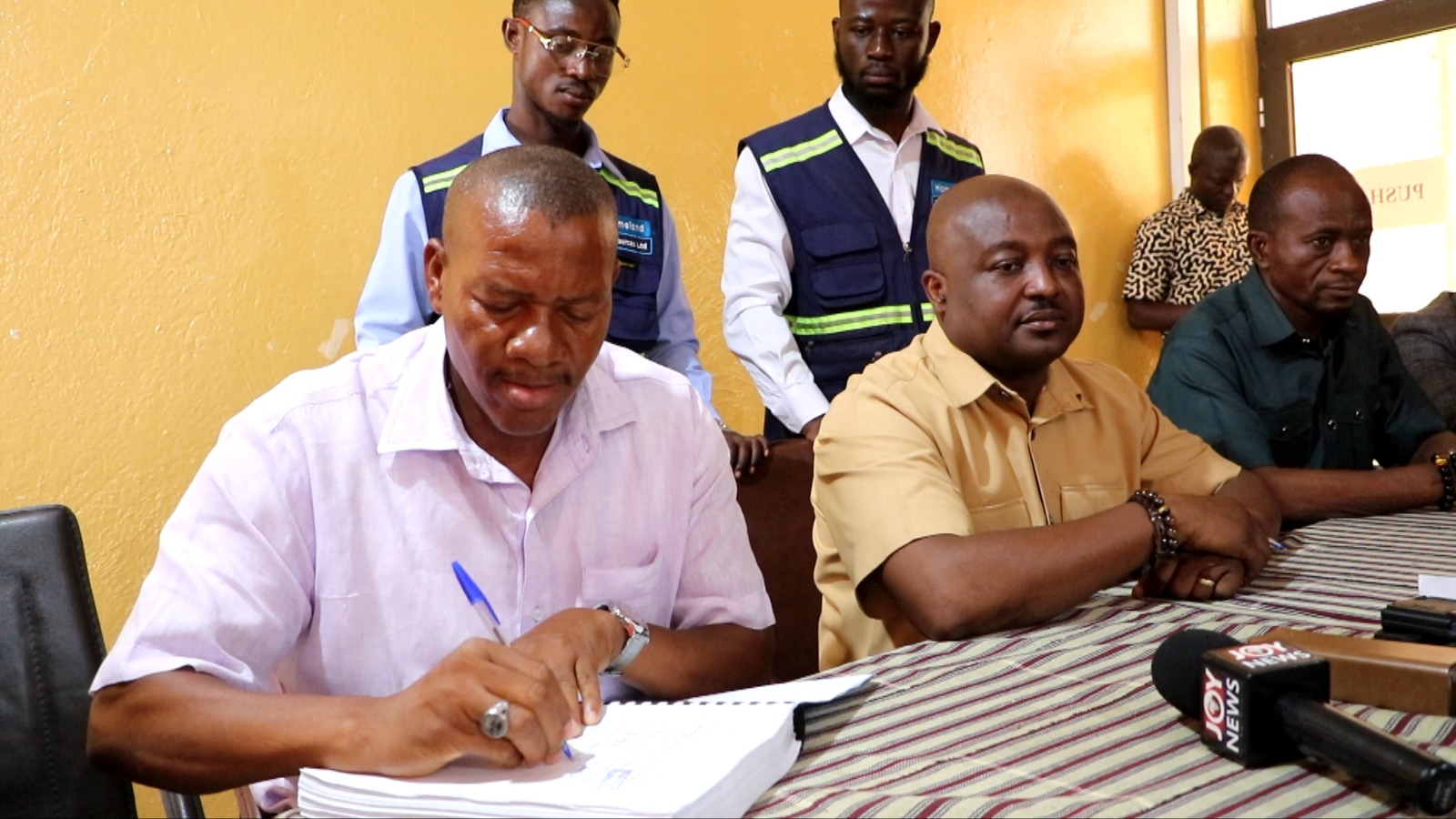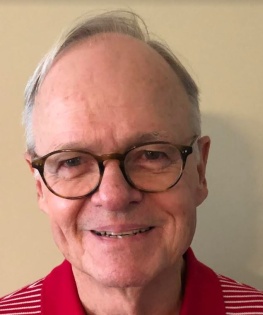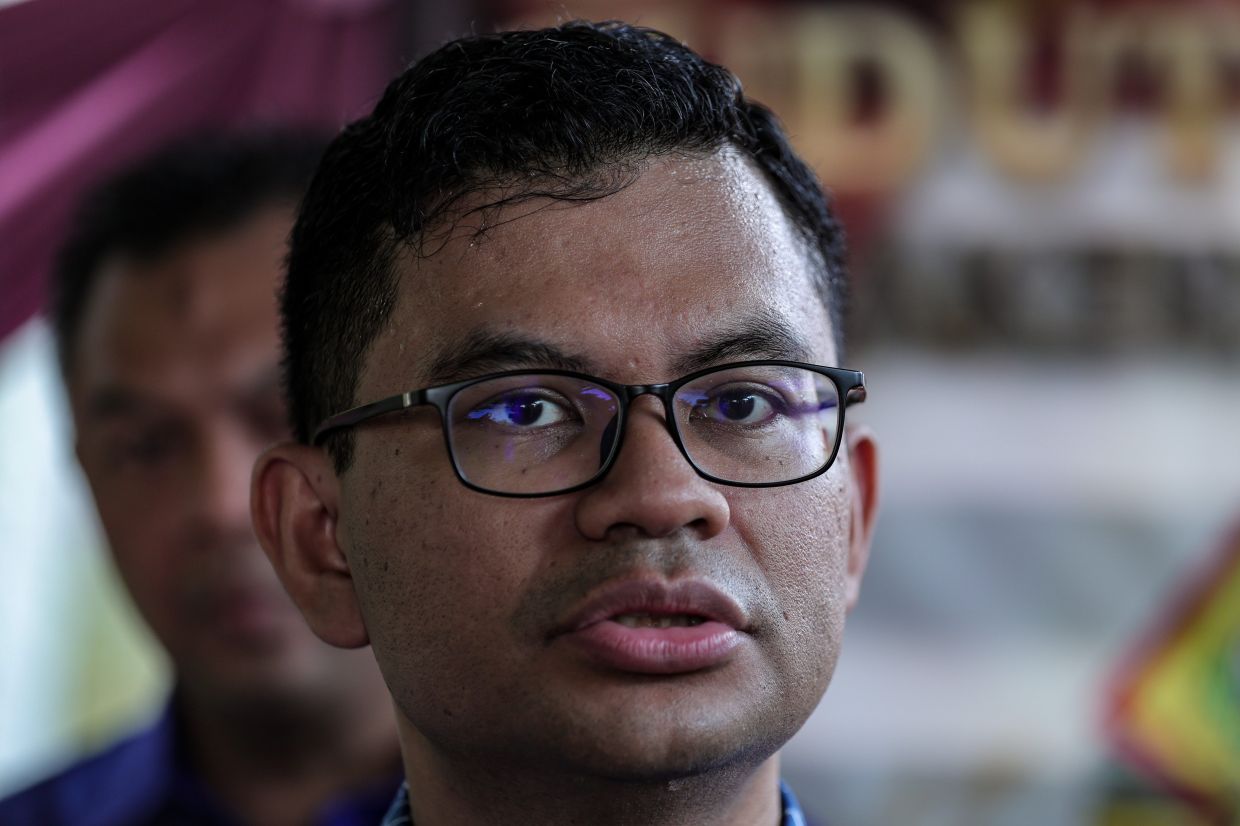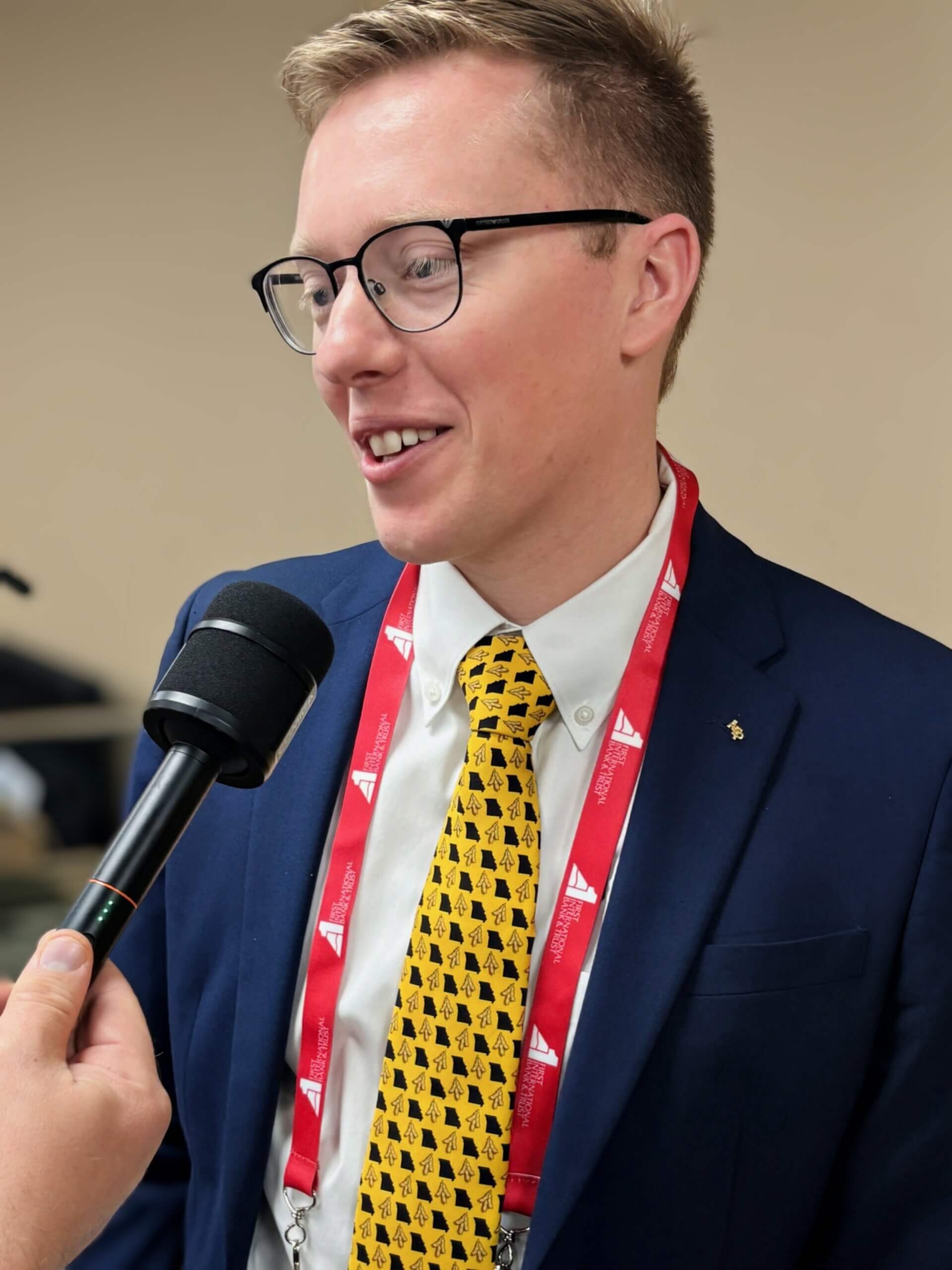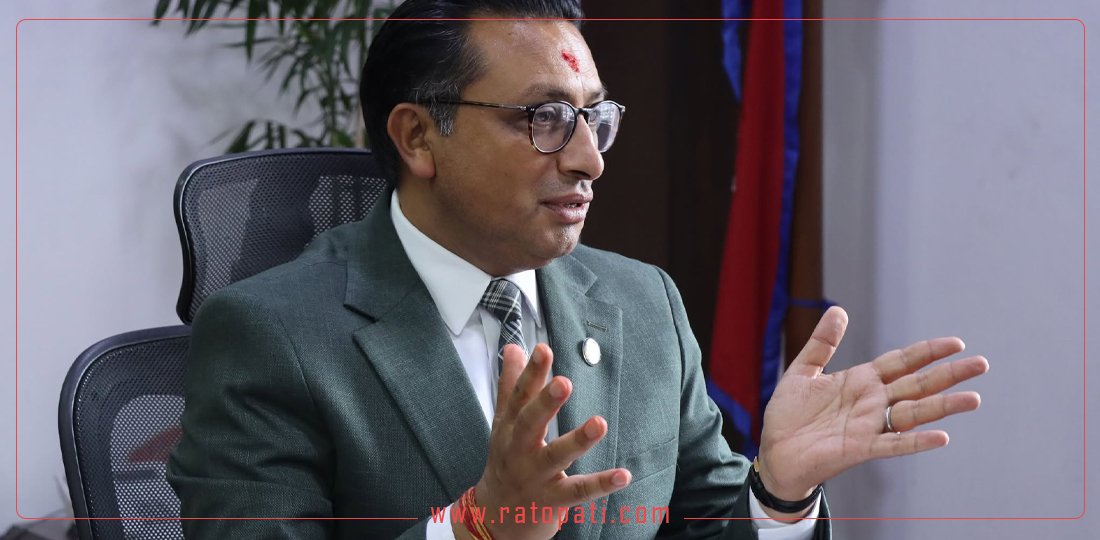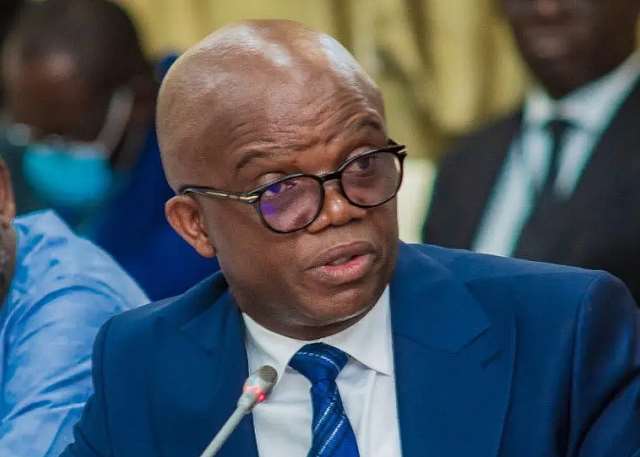
The Member of Parliament for Nhyiaeso Constituency in the Ashanti Region, Stephen Amoah, has called for a fundamental shift in Ghana’s economic system, arguing that the country’s current free market economy is failing to improve the living standards of ordinary citizens despite recent positive economic indicators.
Speaking in an interview on OKAY FM on Monday, June 8, 2026, Dr Amoah said the government’s recent economic gains and impressive macroeconomic figures have yet to translate into tangible benefits for many Ghanaians.
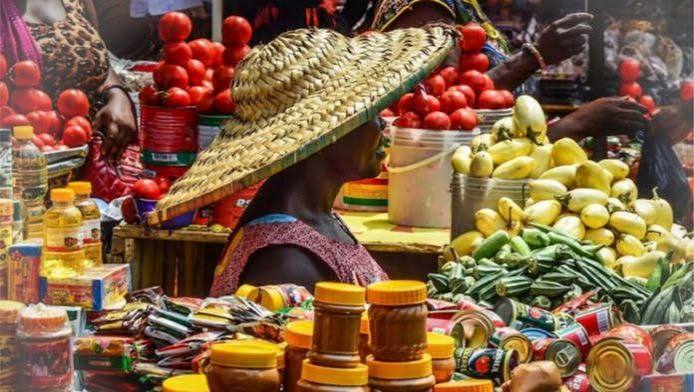
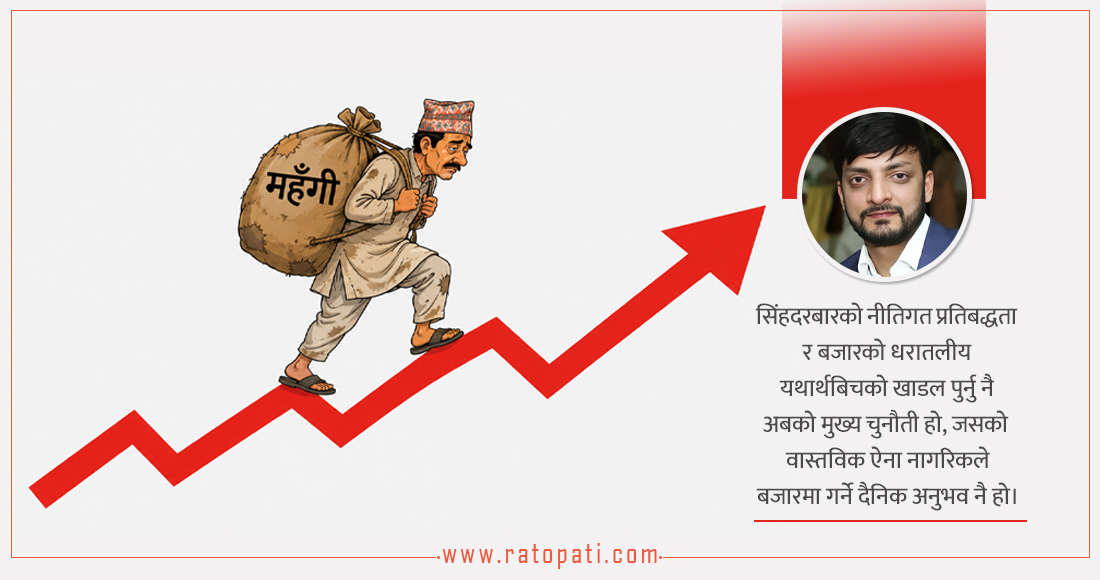
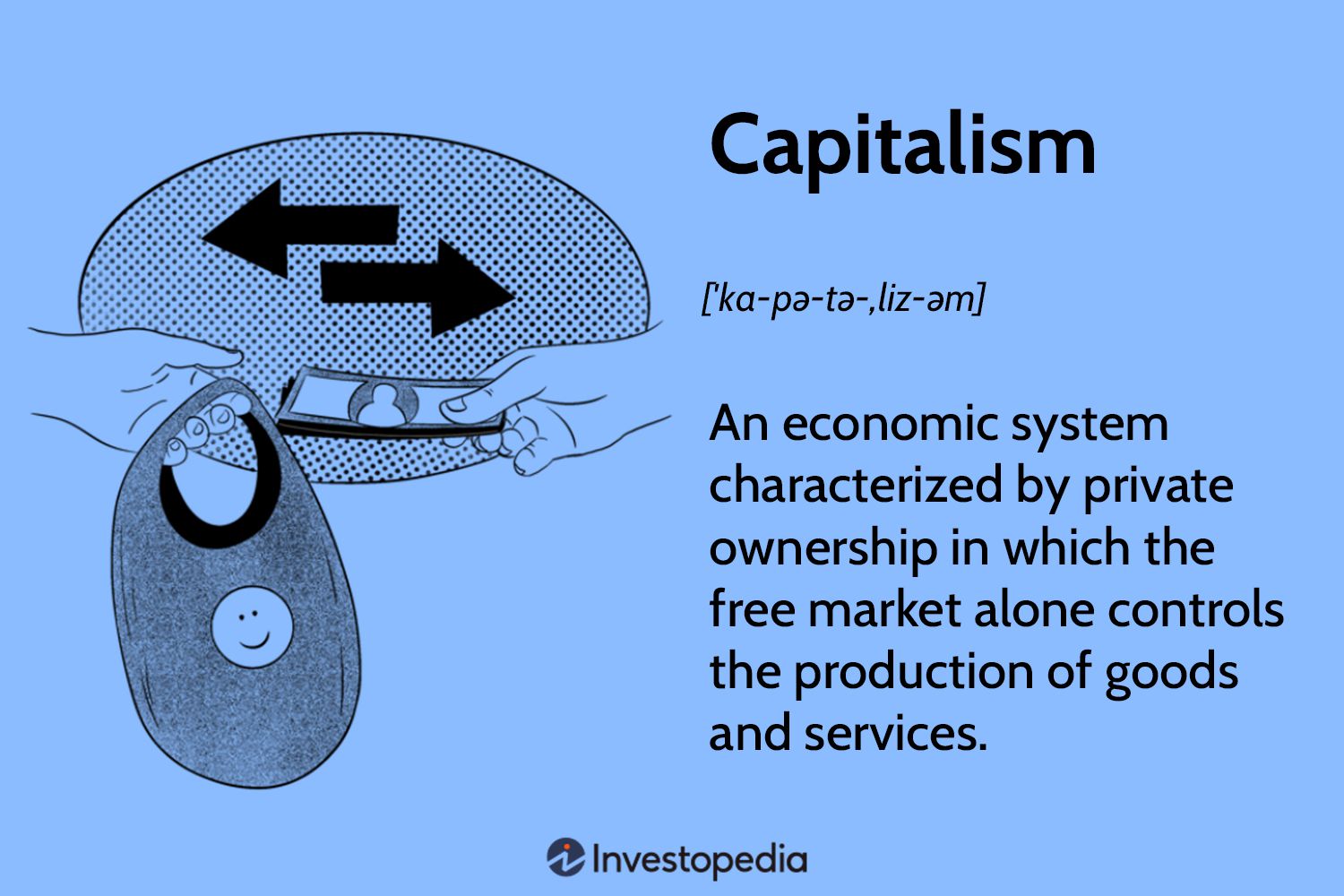
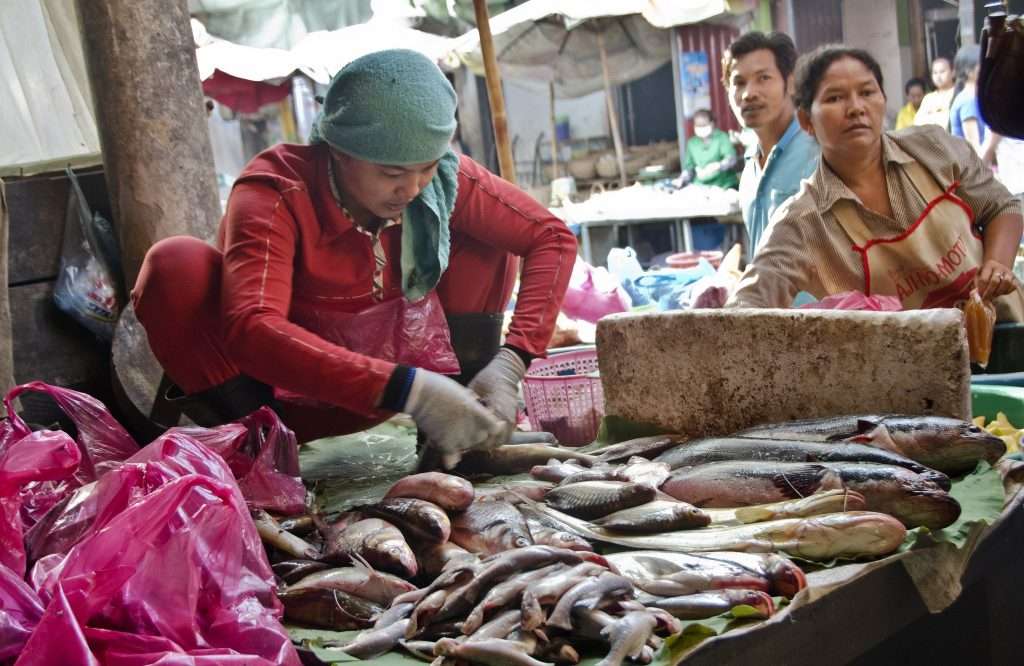
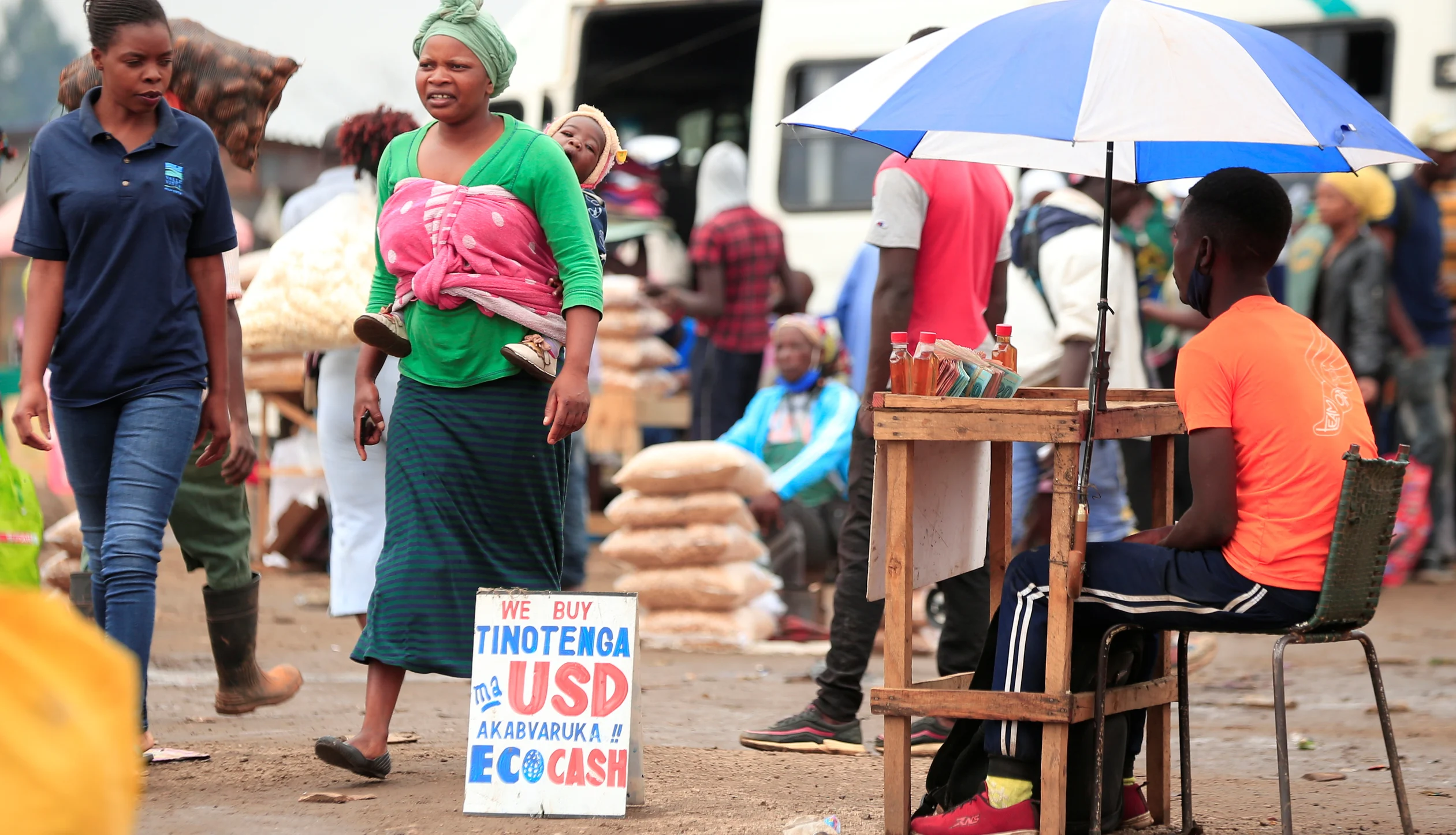
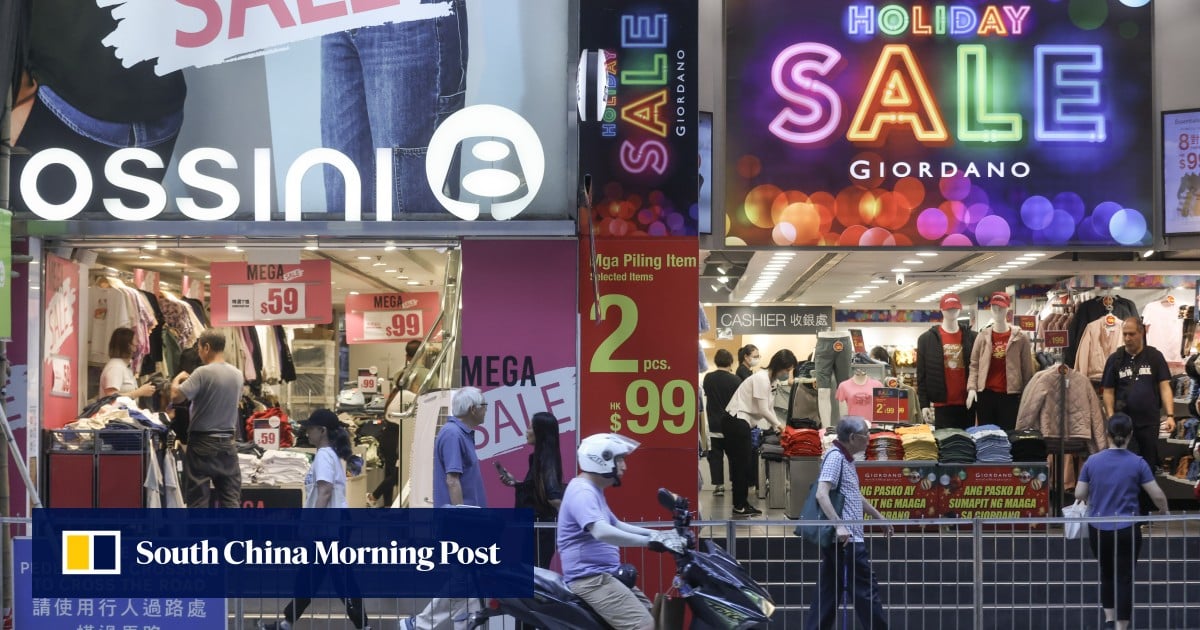
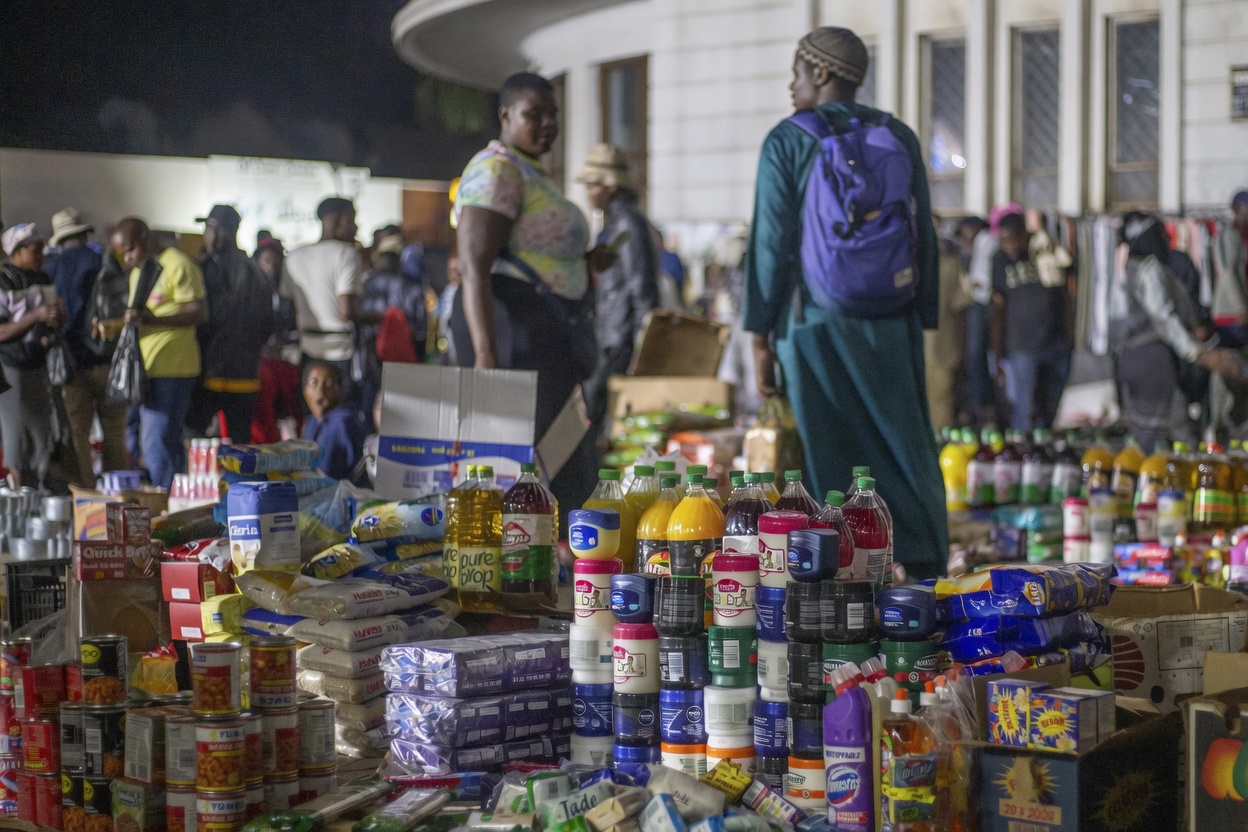
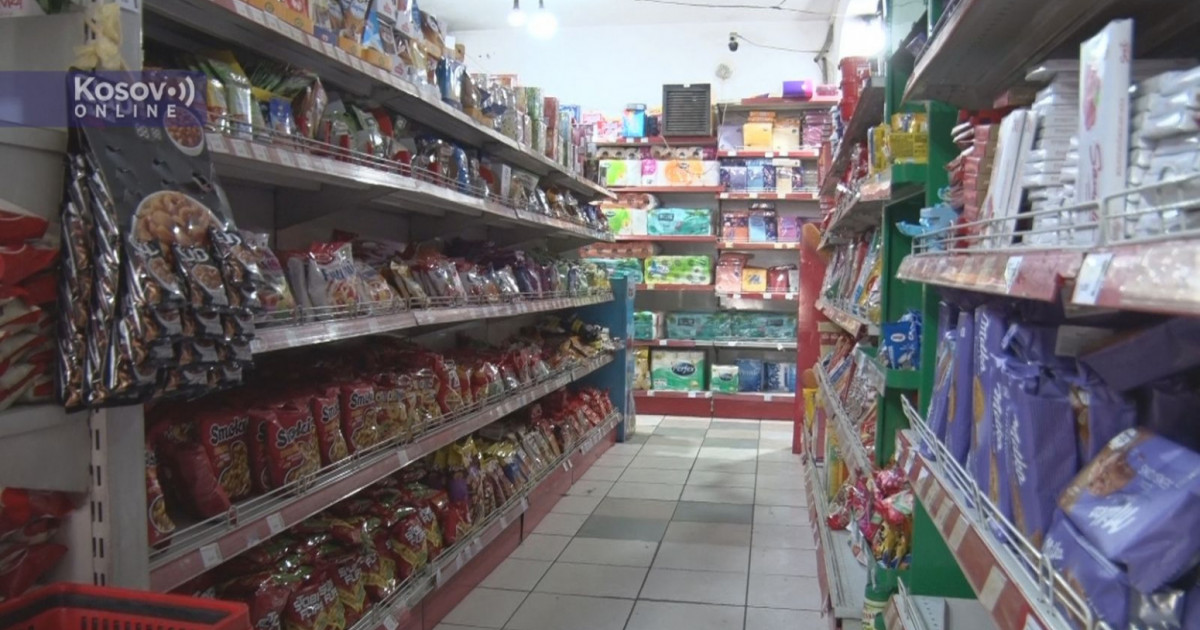
According to him, the prevailing free market economic system has enabled widespread profiteering among traders, resulting in persistently high prices of goods and services despite improvements in key economic indicators.
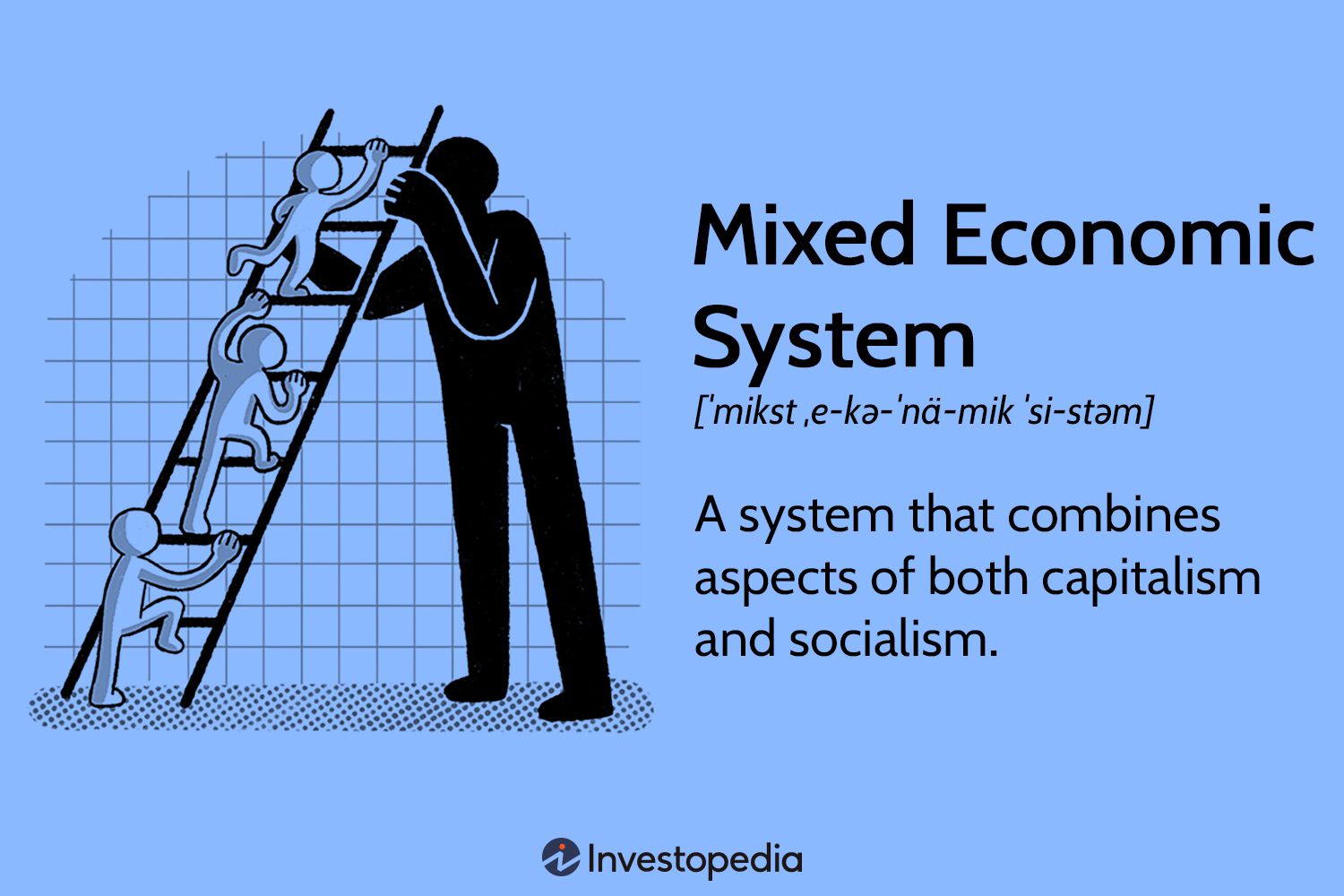
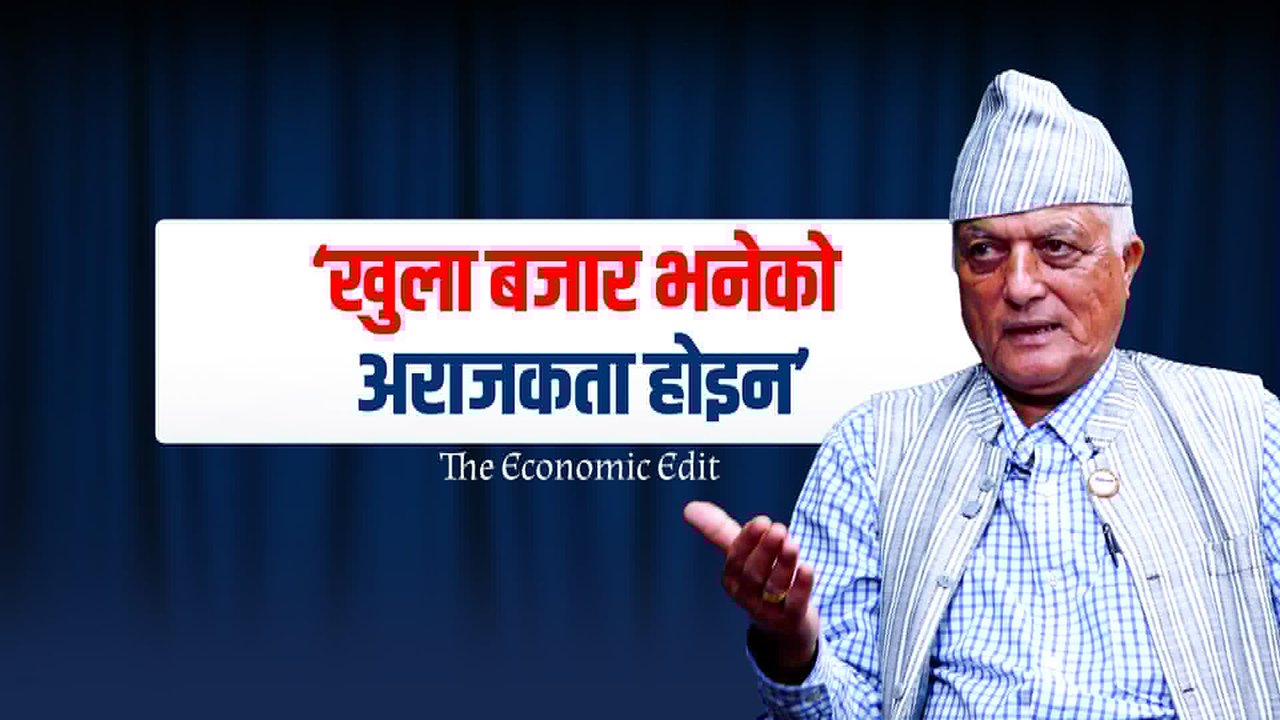
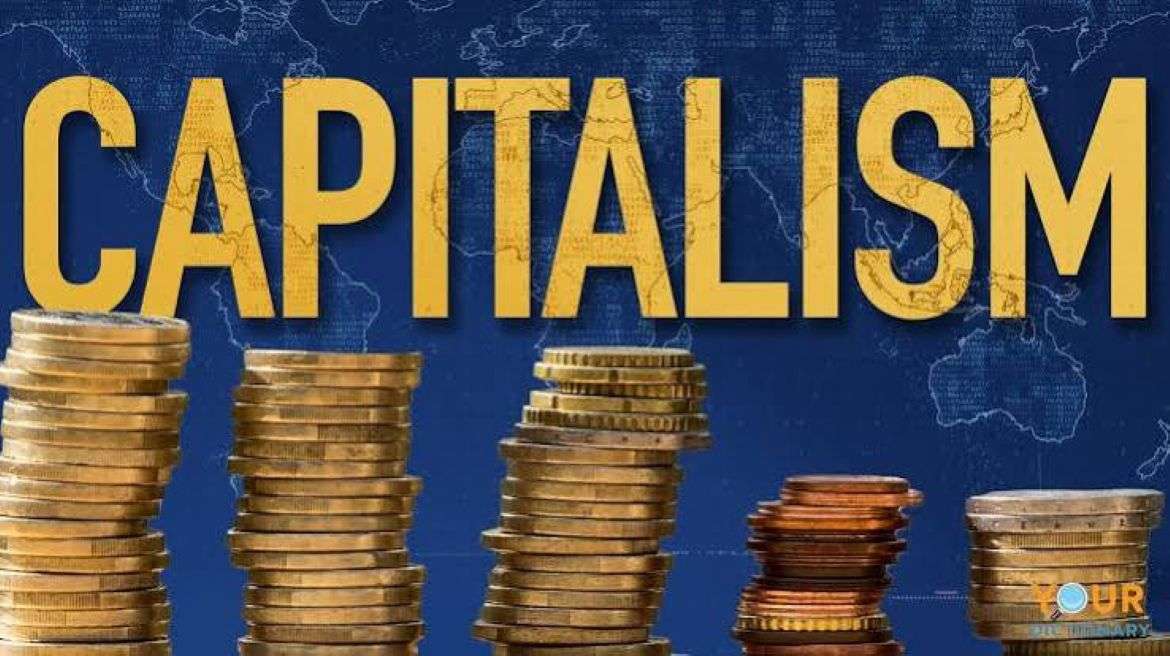
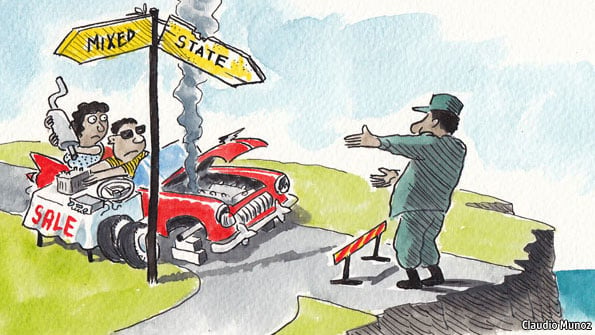
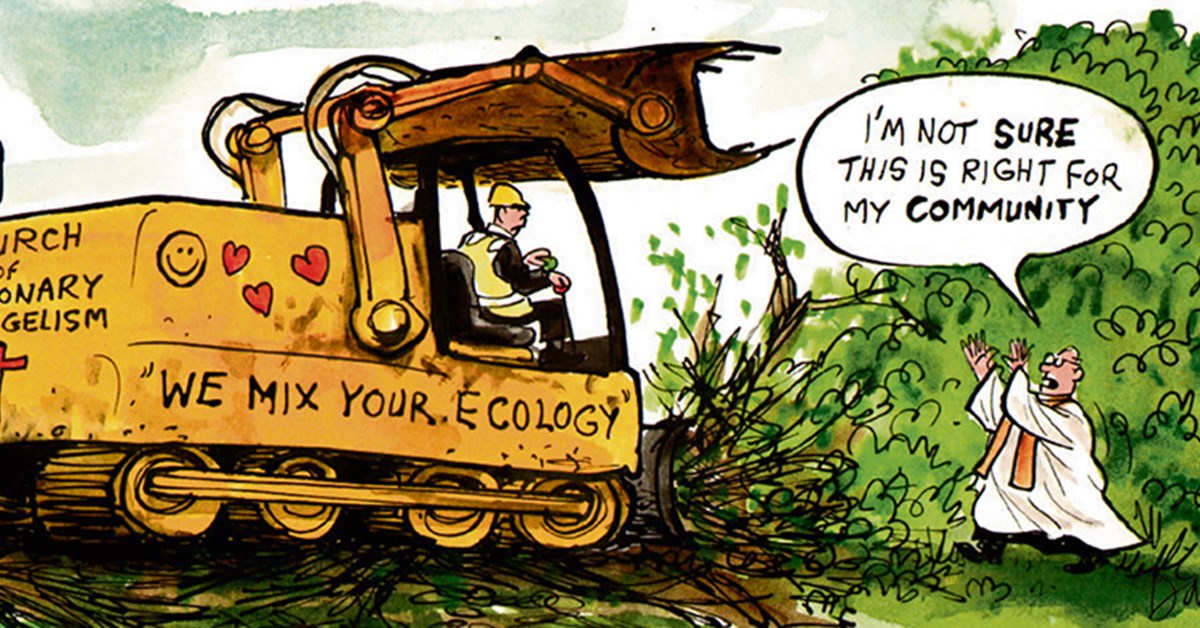
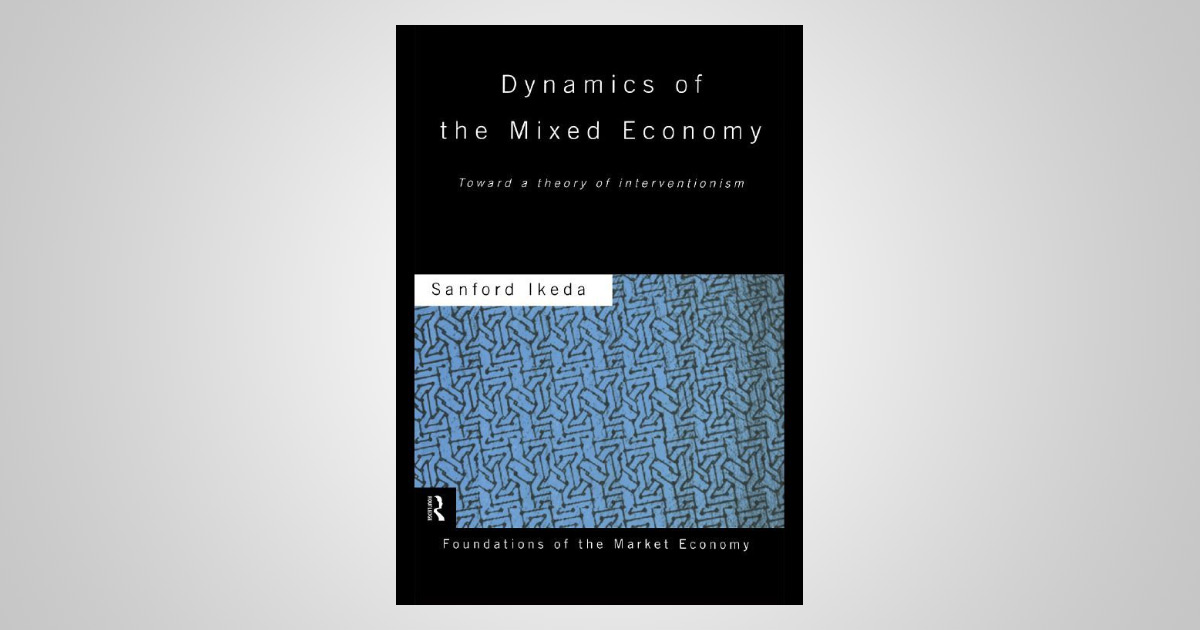
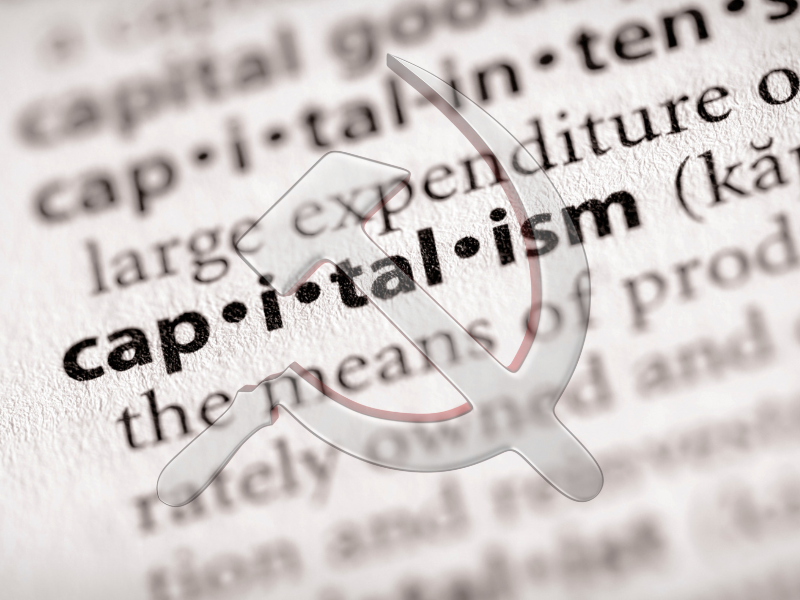
“If I were the Finance Minister today, I would advocate changing Ghana’s economic system from a free market economy to a mixed market economy,” Dr Amoah stated.
He explained that under the current system, market players often exploit economic conditions to maximize profits at the expense of consumers.
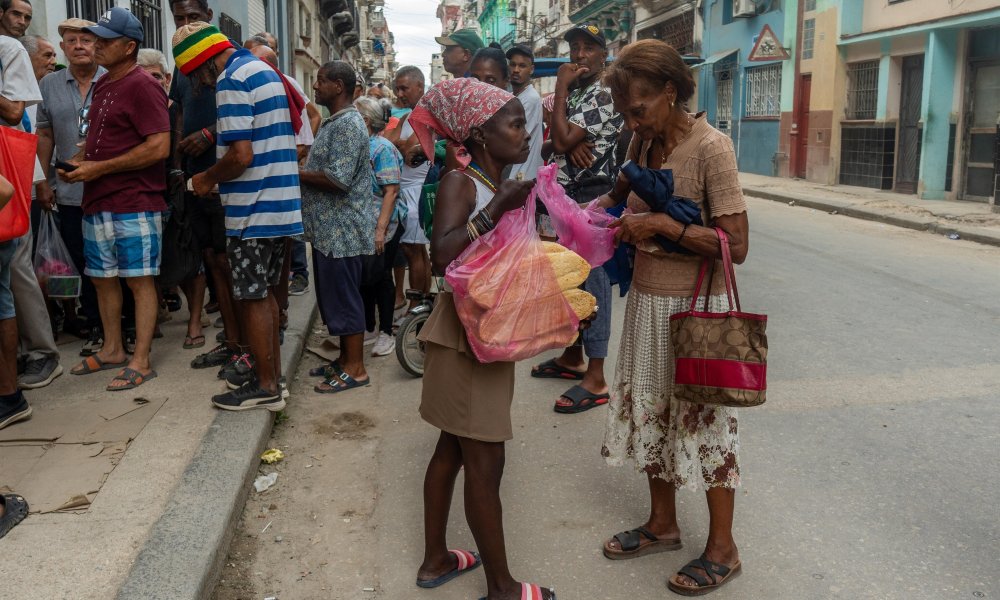
“The free market economy is hurting the Ghanaian economy because many traders engage in profiteering. Even when economic conditions improve, prices remain high and the ordinary Ghanaian does not feel the impact in his or her pocket,” he said.
The lawmaker argued that a mixed market economy would allow government intervention to complement market forces and protect consumers from excessive price increases.
“We need a mixed market economy where prices are not left entirely to market forces. Government should be able to establish price cap ranges for certain essential goods and services to prevent exploitation,” he noted.
Dr Amoah further expressed concern over Ghana’s vulnerability to external economic shocks, saying the country’s current economic structure makes it highly susceptible to global developments.
“The way our economy operates, every external factor has the potential to hurt us. Whether it is fluctuations in global commodity prices, exchange rates, or international crises, the effects are quickly felt by Ghanaians,” he observed.
He stressed the need for policymakers to adopt measures that would strengthen local economic resilience and ensure that economic growth translates into improved living conditions for citizens.
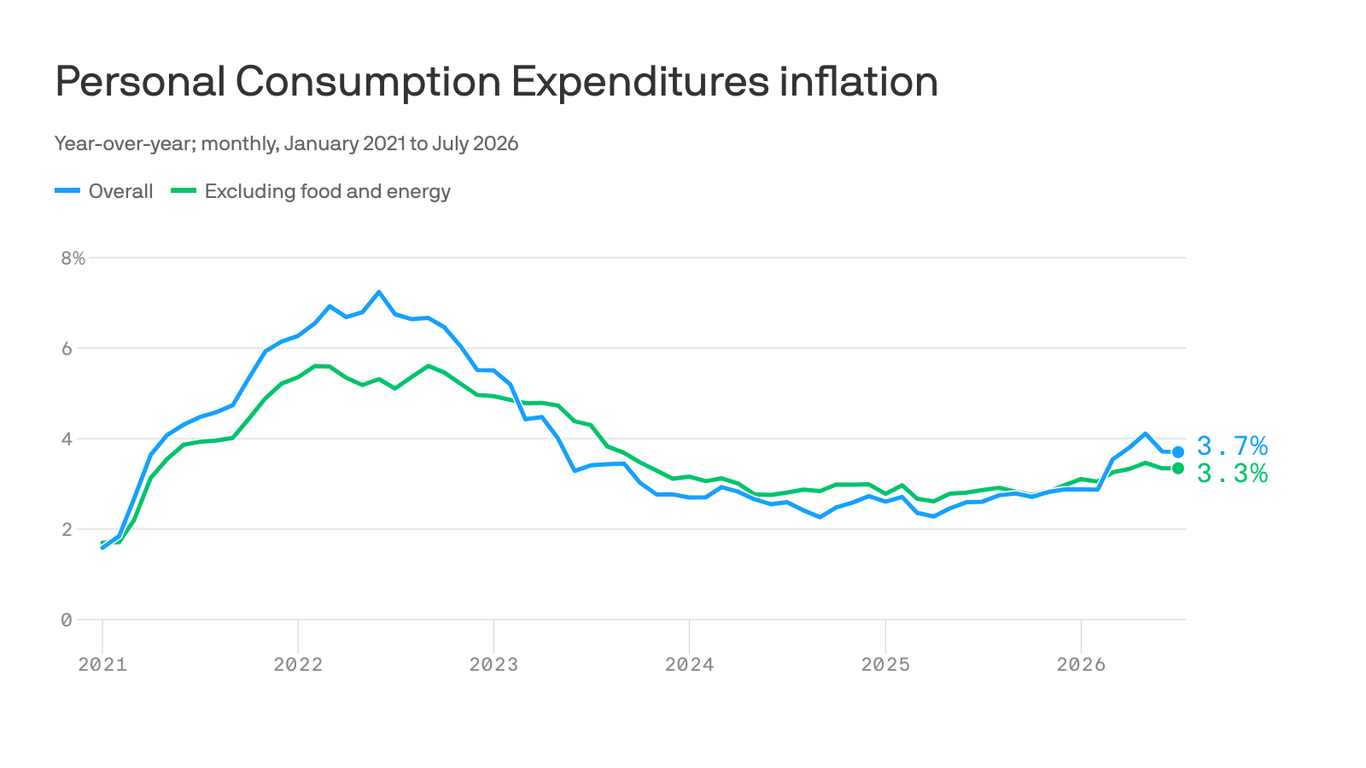
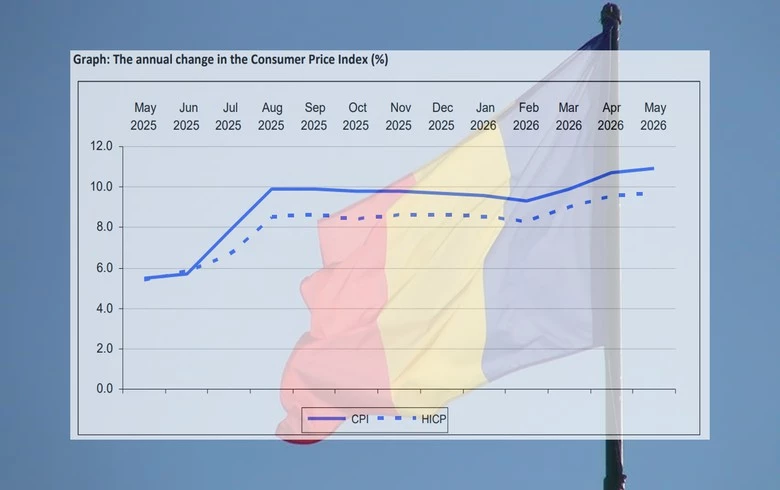
Dr Amoah’s comments come amid ongoing public discussions about the country’s economic recovery, with many Ghanaians questioning why recent improvements in inflation, exchange rate stability, and other macroeconomic indicators have not significantly reduced the cost of living.