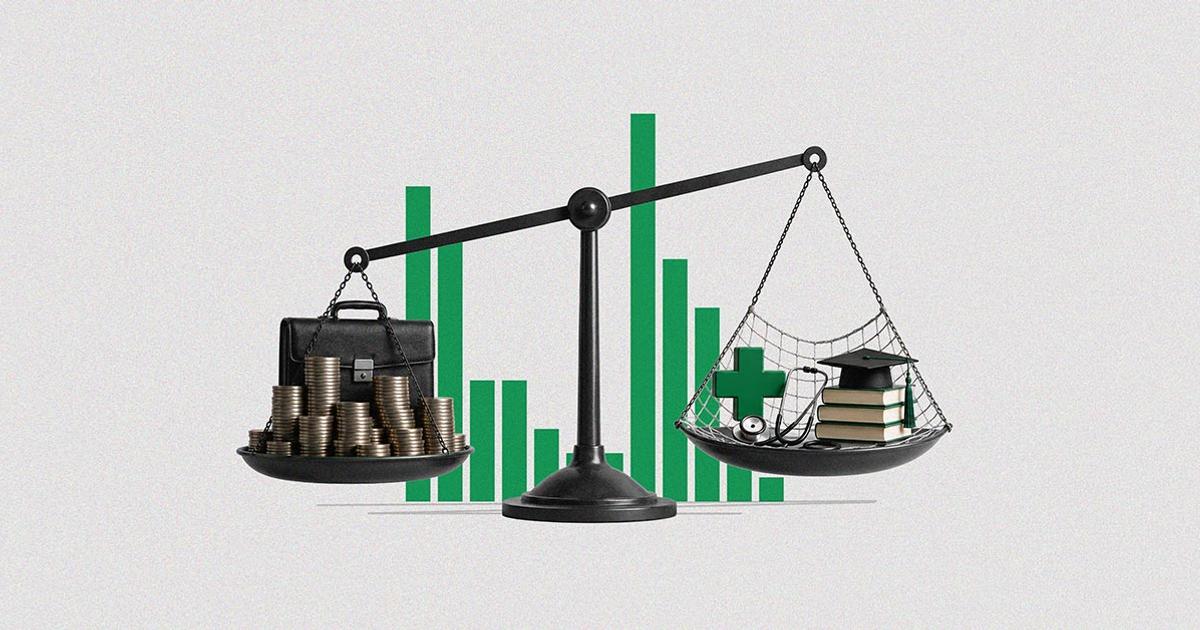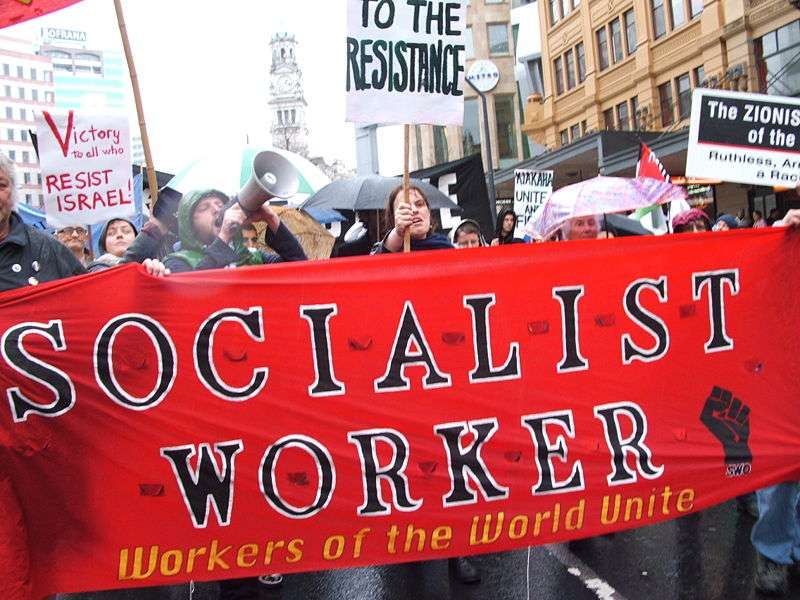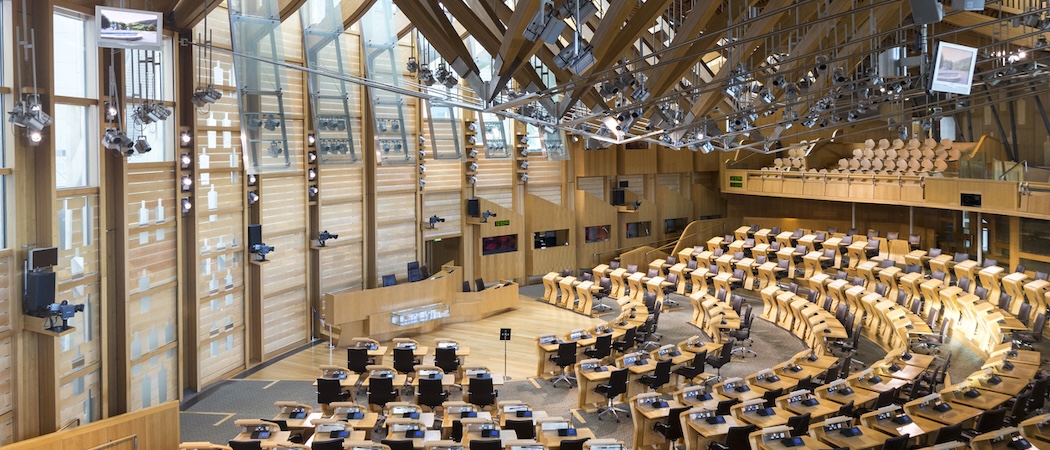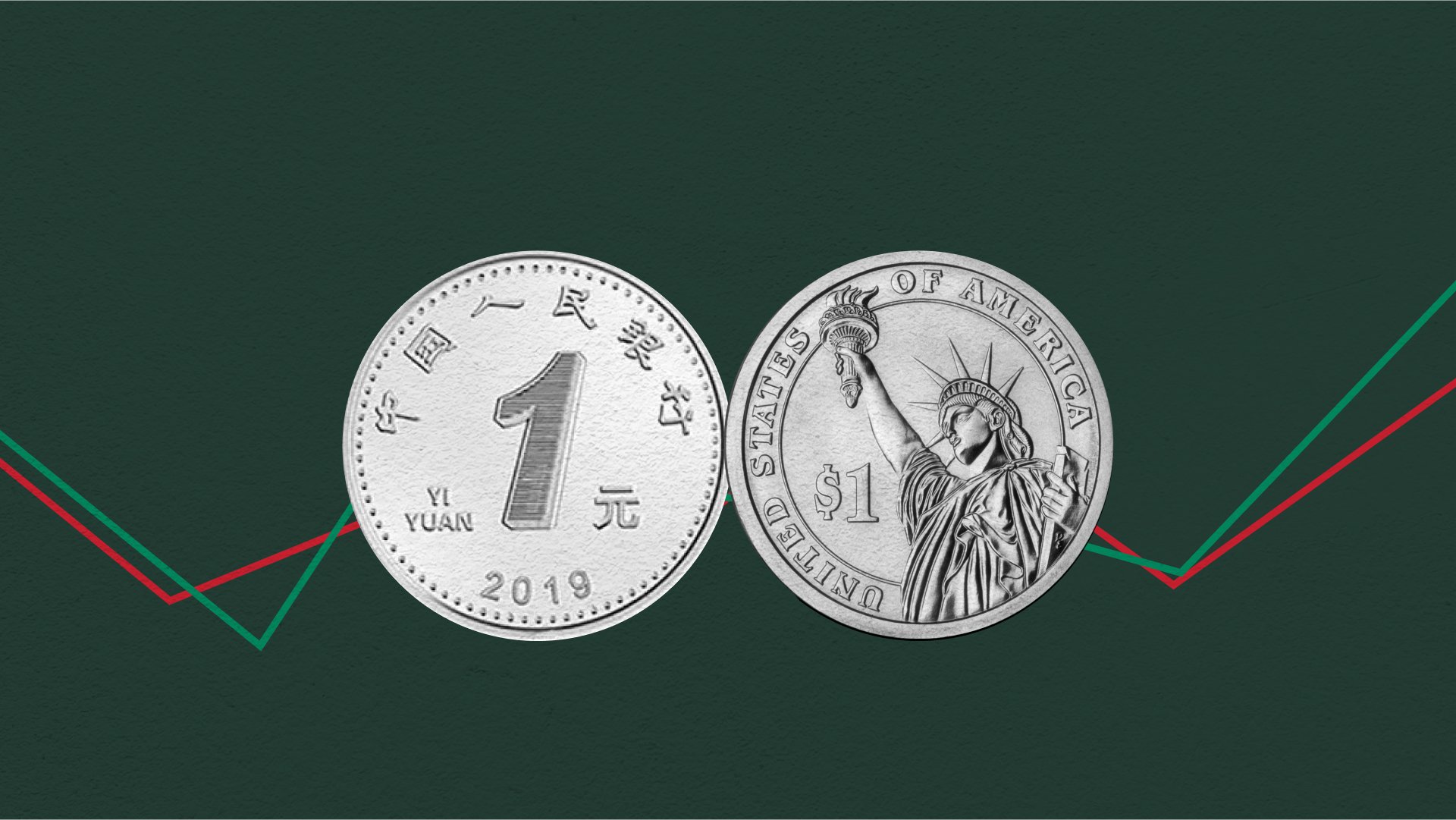

In 1974, a coalition of developing countries brought a formal proposal to the United Nations General Assembly: a New International Economic Order. They wanted fairer terms of trade, greater control over their own natural resources, genuine influence in the institutions governing international finance, and an end to what they described as the structural economic disadvantages inherited from the colonial era. The proposal was debated at length. It produced declarations and resolutions. It did not fundamentally alter the rules.
Half a century later, many of the same questions have returned carried by different countries, in different institutional forms, against a different economic backdrop, but asking something structurally similar: whether the architecture of the global economy, built largely between 1944 and 1995 by a small number of wealthy countries, can be reformed to reflect a world in which economic and demographic power is considerably more distributed than it was when those rules were written. Whether the answer this time will be different is genuinely uncertain. But the attempt is real, and understanding it requires looking at what is actually happening rather than at the headlines that usually surround it.
Why Dissatisfaction Has Grown
The mechanisms through which the global economic architecture distributes its gains unevenly are well documented: debt structures that price poverty into the cost of borrowing, patent rules that concentrate the returns from innovation among a handful of corporations and countries, commodity chains that capture most of their value at the consuming end, and tax systems that allow multinationals to shift profits to jurisdictions that tax them least. These are not recent grievances — developing countries have raised versions of them for decades. What has changed is the credibility of the complaint.
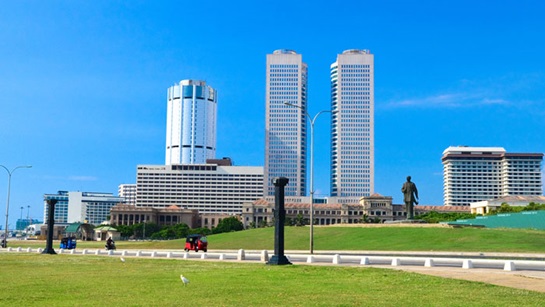
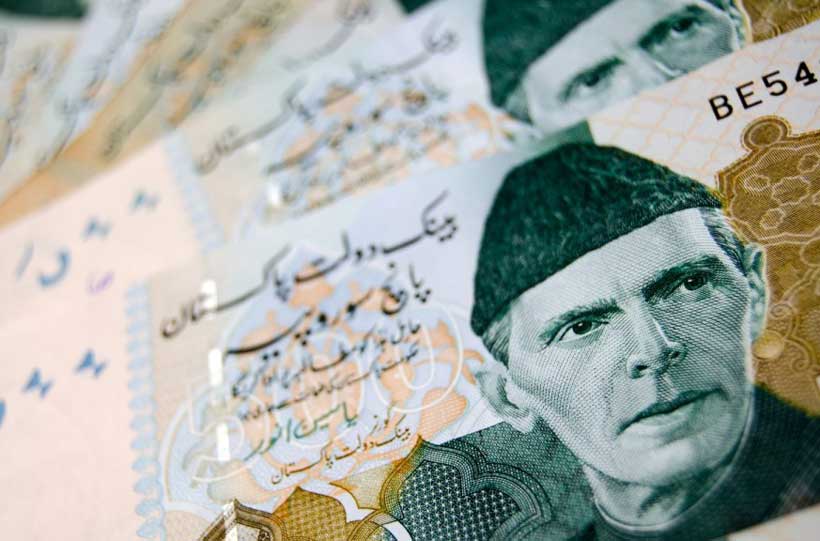
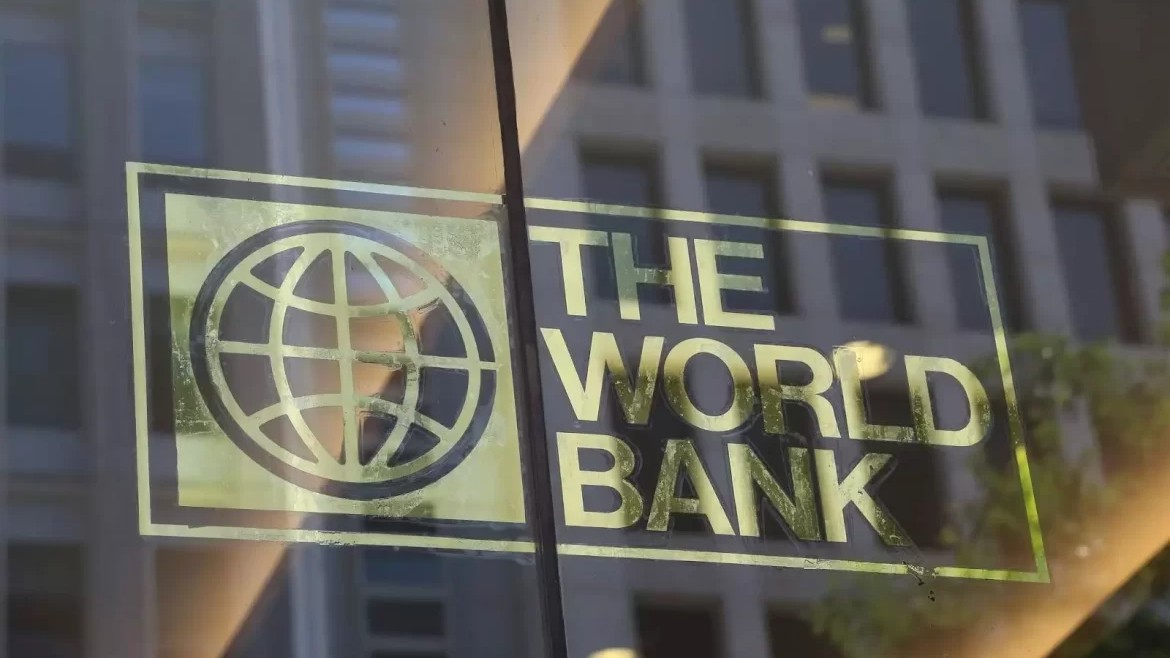
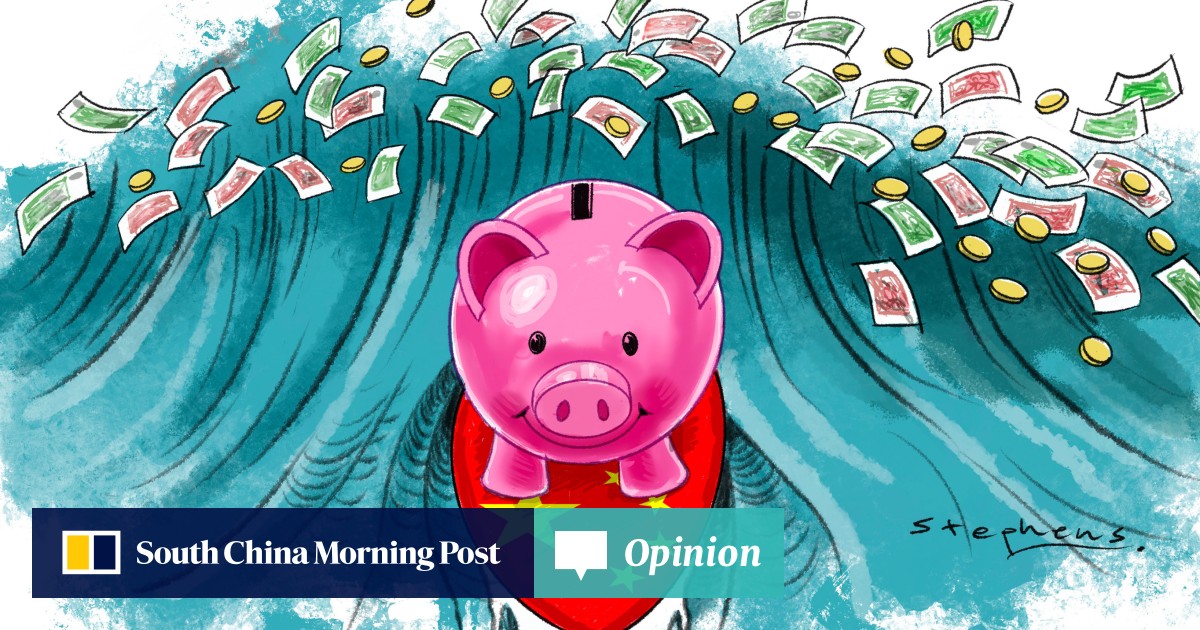
COVID-19 vaccine inequality made the distributional consequences of intellectual property rules visible to a global audience in real time. The debt crises of Sri Lanka, Ghana, Zambia and Pakistan demonstrated that the current sovereign debt architecture provides no orderly mechanism for resolving distress in ways that protect populations rather than creditors. The failure of wealthy countries to deliver on climate finance commitments has deepened frustration among countries on the front lines of climate impacts, which have contributed the least to causing them. And the IMF’s voting structure — in which the United States retains effective veto power and sub-Saharan Africa’s 54 countries hold less voting weight than France collectively — has become harder to defend as the GDP of the global south has grown relative to the countries whose preferences that structure primarily reflects.
BRICS: Bargaining Power, Not a Replacement
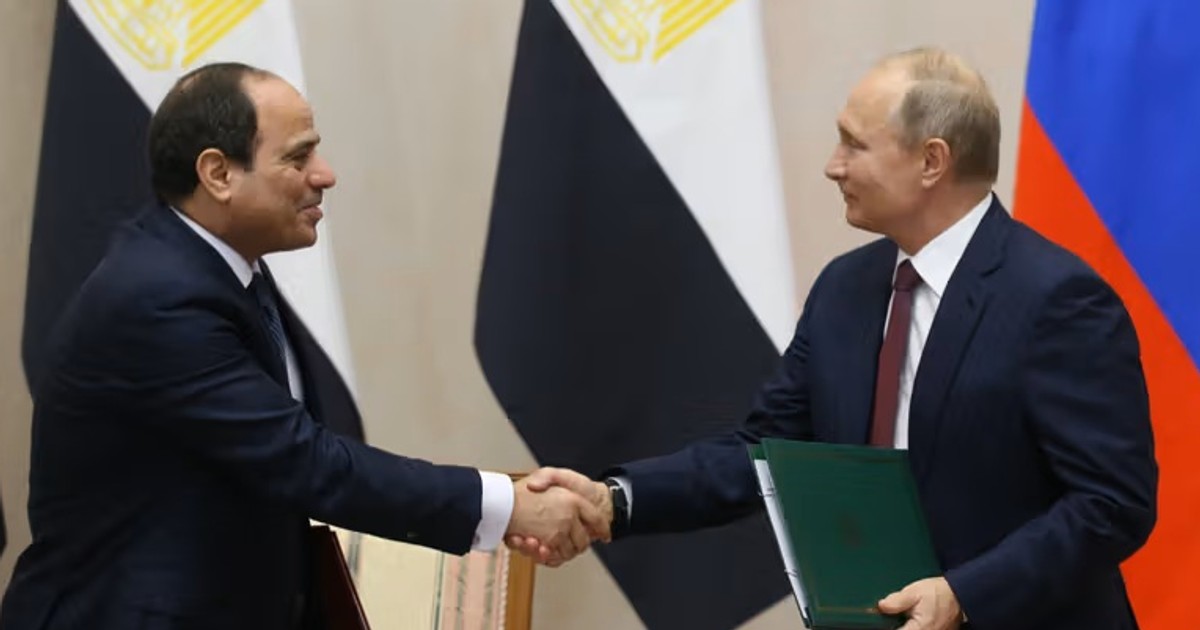
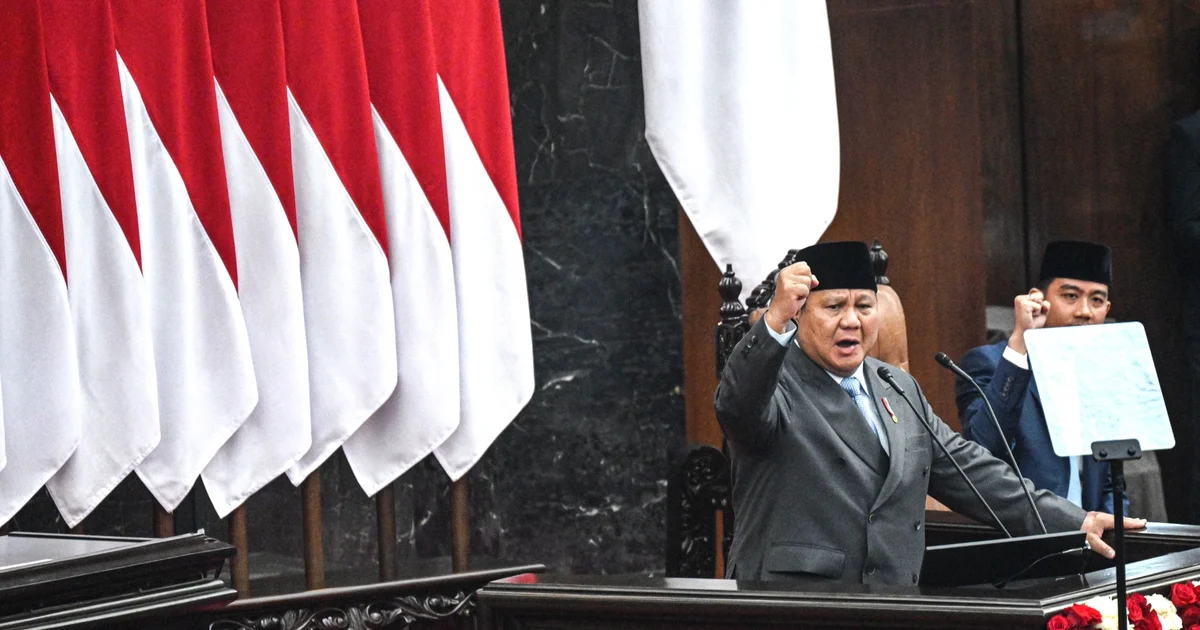
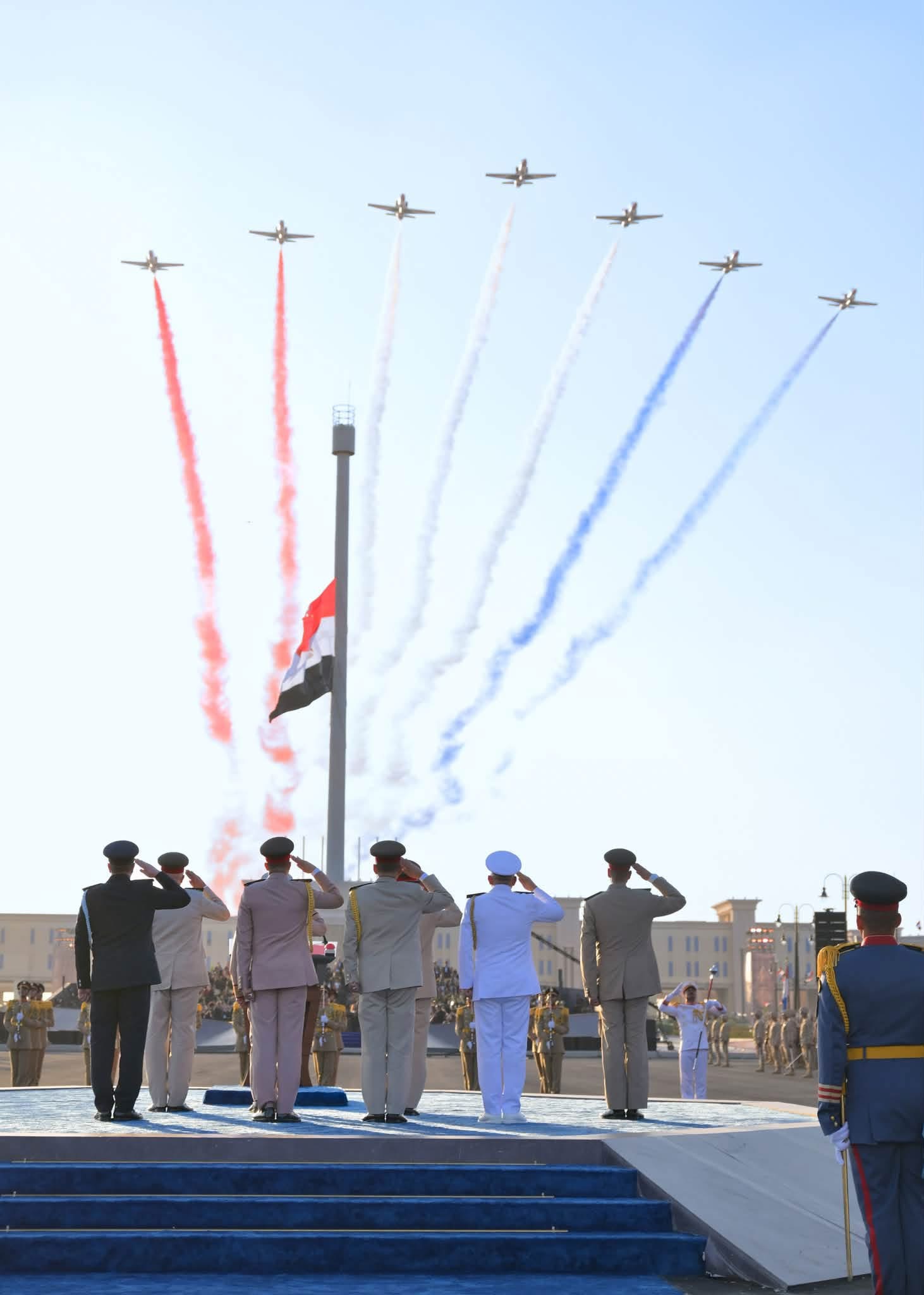
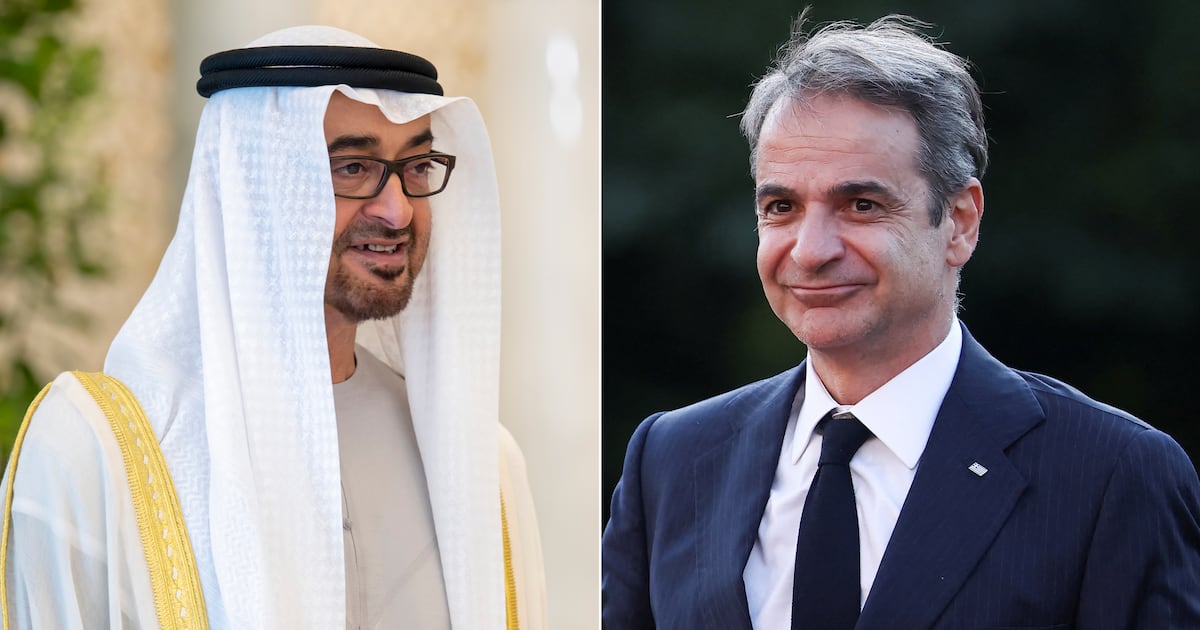
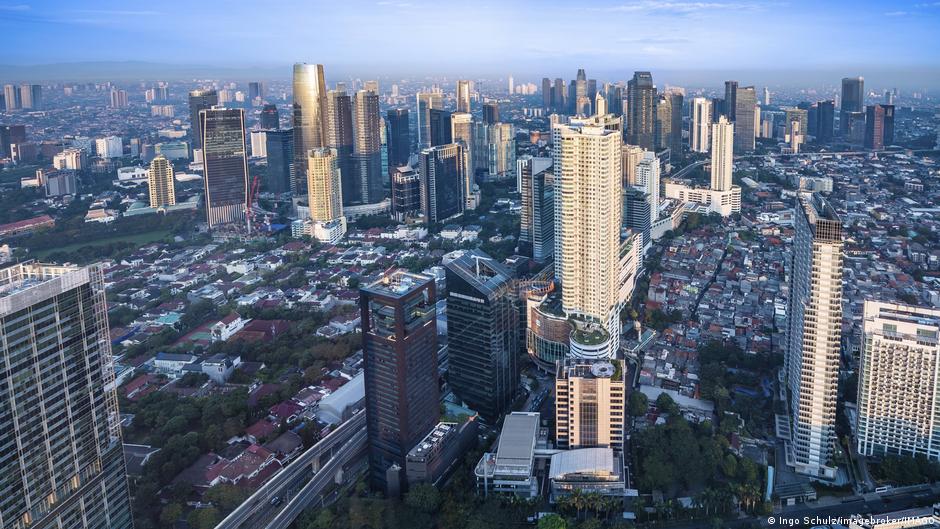
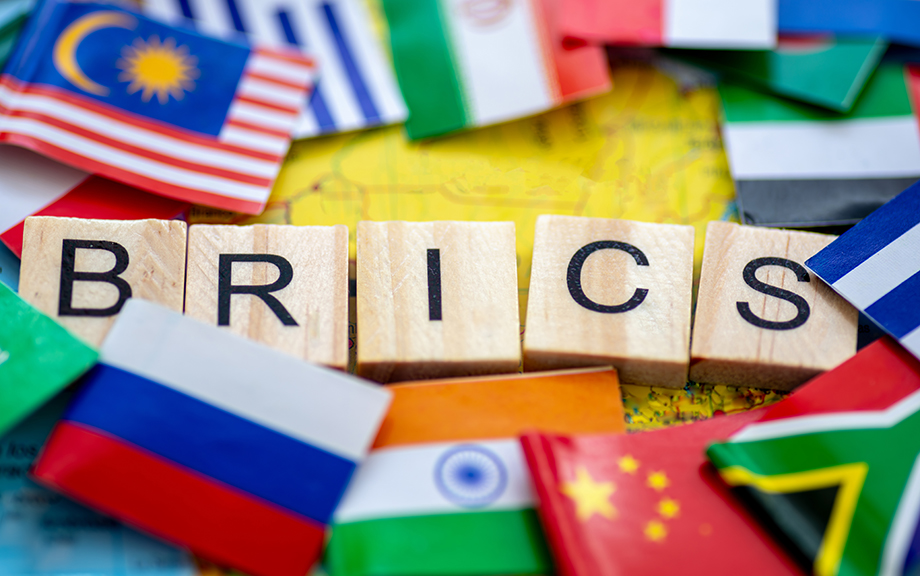
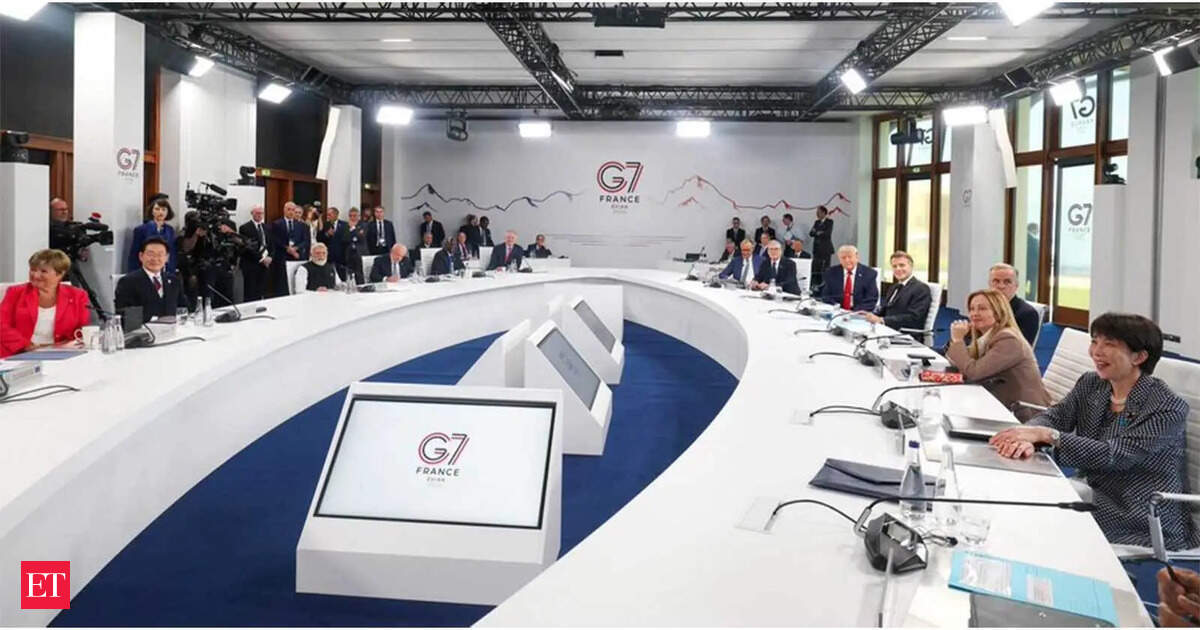
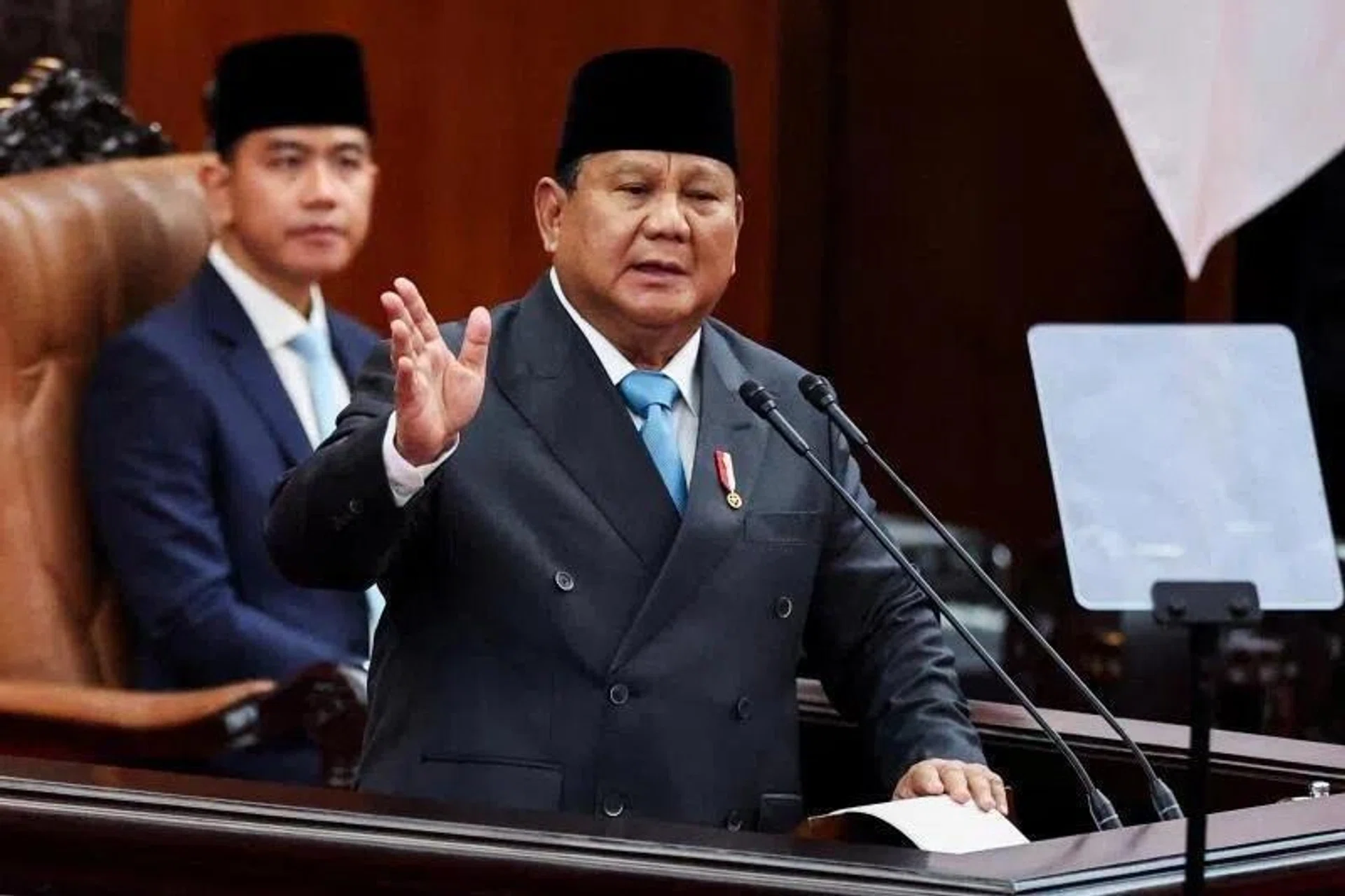
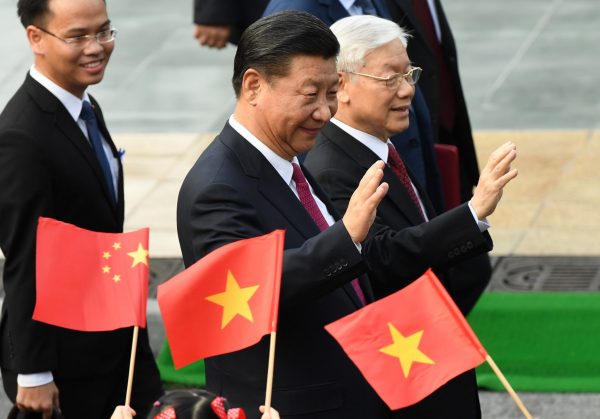
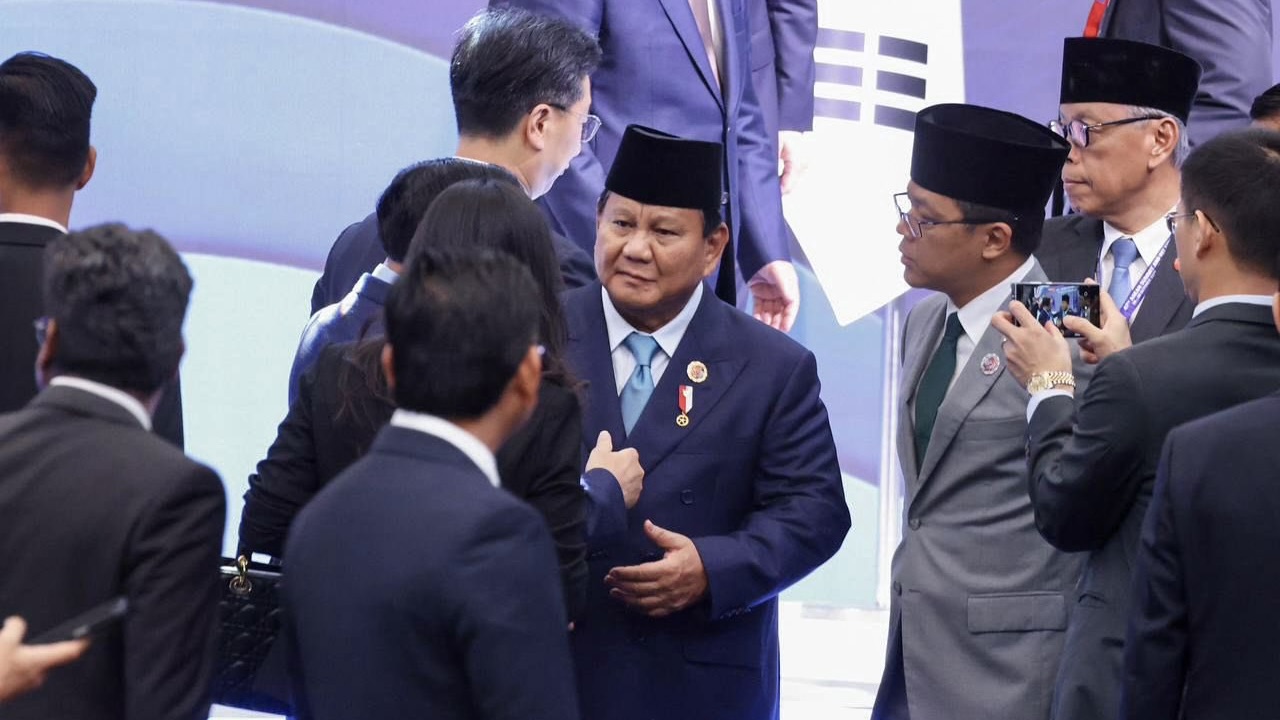
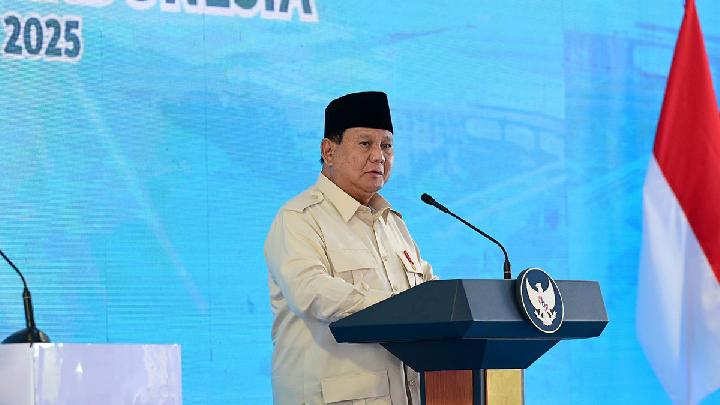
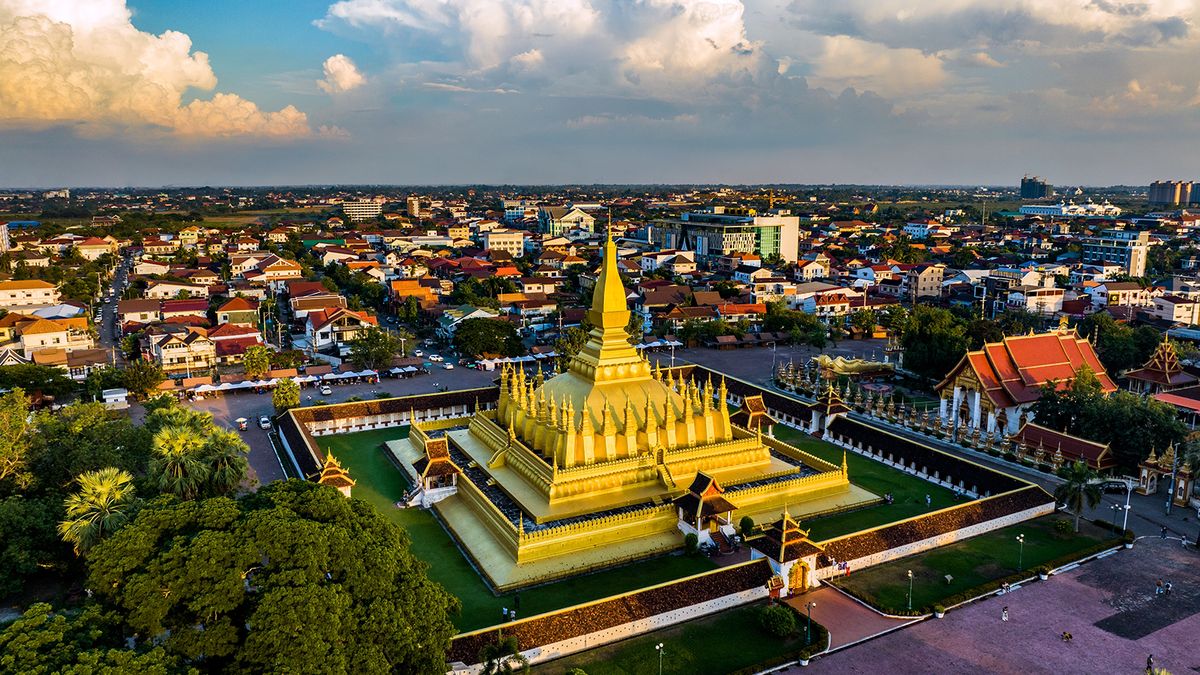
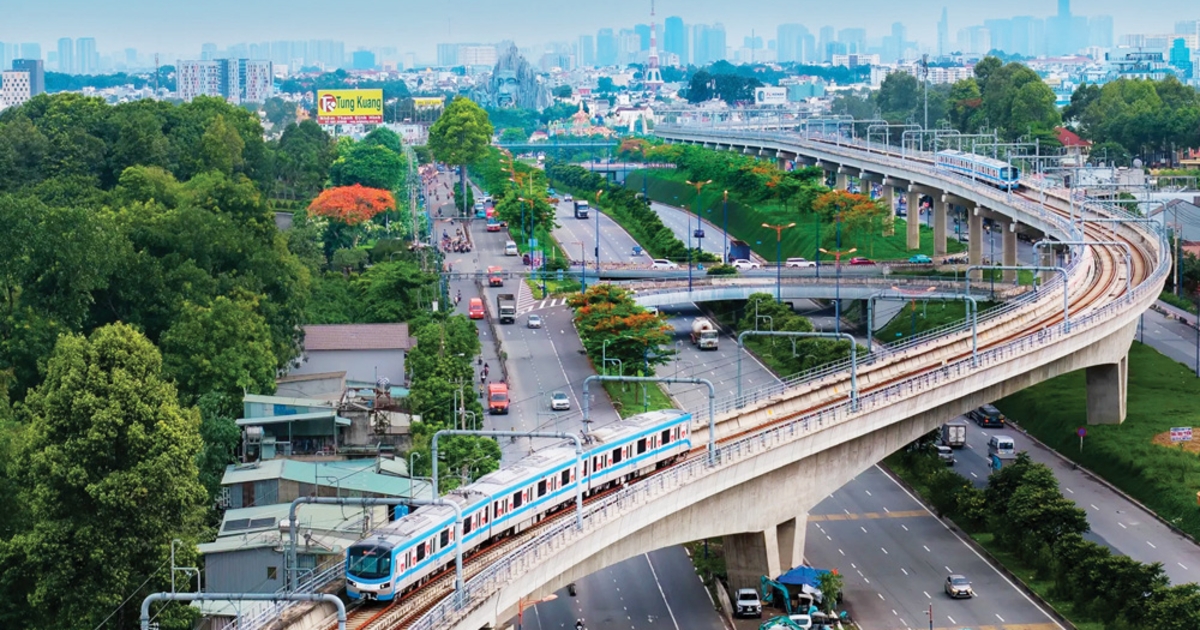
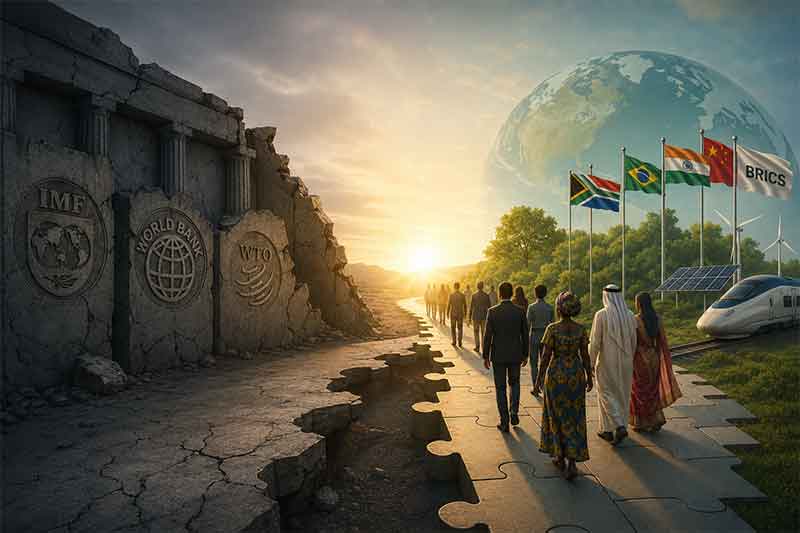
The most discussed institutional expression of this dissatisfaction is the BRICS grouping. What began as five countries has expanded rapidly. Egypt, Ethiopia, Iran, Saudi Arabia and the UAE became full members from January 2024, and Indonesia joined in January 2025. Ten further countries — including Nigeria, Malaysia, Vietnam and Uganda — joined as partner states in 2025. The expanded grouping now accounts for approximately 46 per cent of global GDP and 55 per cent of the world’s population, surpassing the G7 in purchasing power parity terms.
The scale is significant. The coherence is less so. BRICS has no headquarters, no secretariat, and no binding treaty. Its members include democracies and authoritarian governments, energy exporters and importers, countries with deep bilateral disputes. India and China’s border tensions repeatedly complicate any notion of unified strategic direction. Argentina, invited to join in 2023, declined under its new government. The New Development Bank, the grouping’s most concrete institutional achievement, offers an alternative to World Bank conditionality in specific contexts — but China’s economy is nearly twice the size of all other BRICS members combined, meaning that ‘South-South cooperation’ within BRICS carries its own asymmetries. BRICS is better understood as an attempt to increase collective bargaining power within — and at the margins of — the existing international system than as a coherent alternative to it.
What Reform Actually Requires
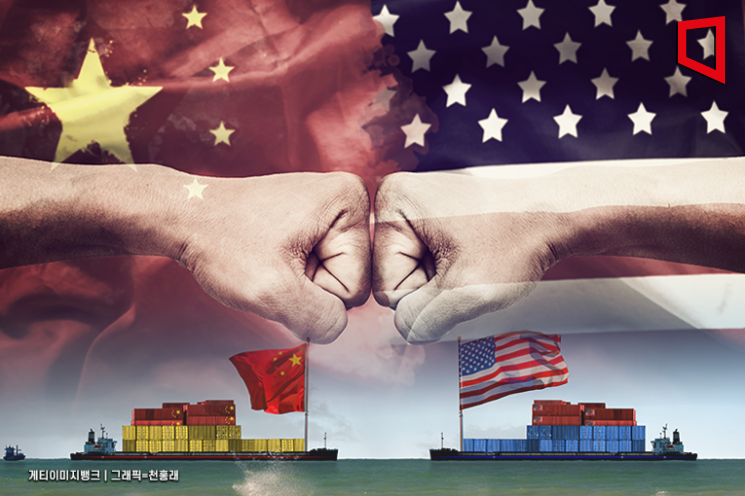
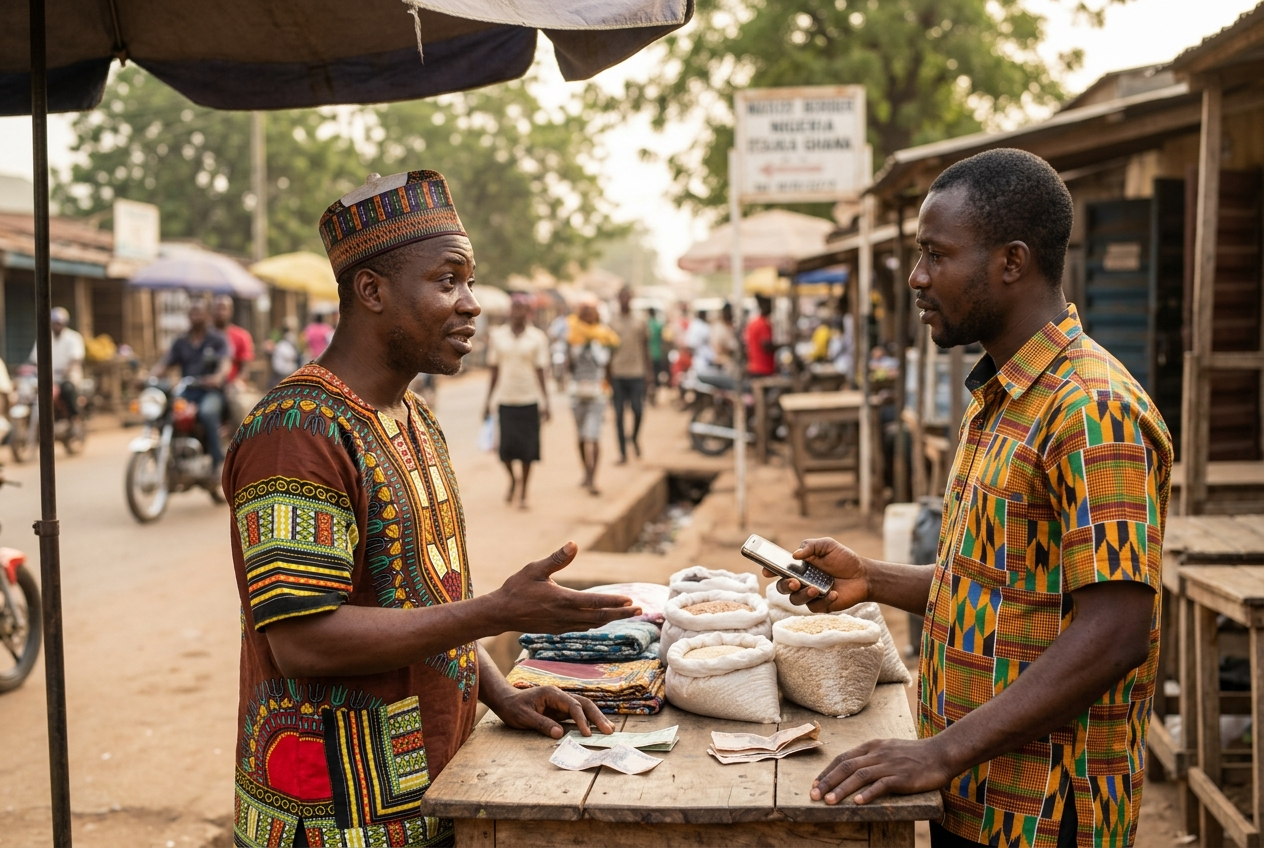
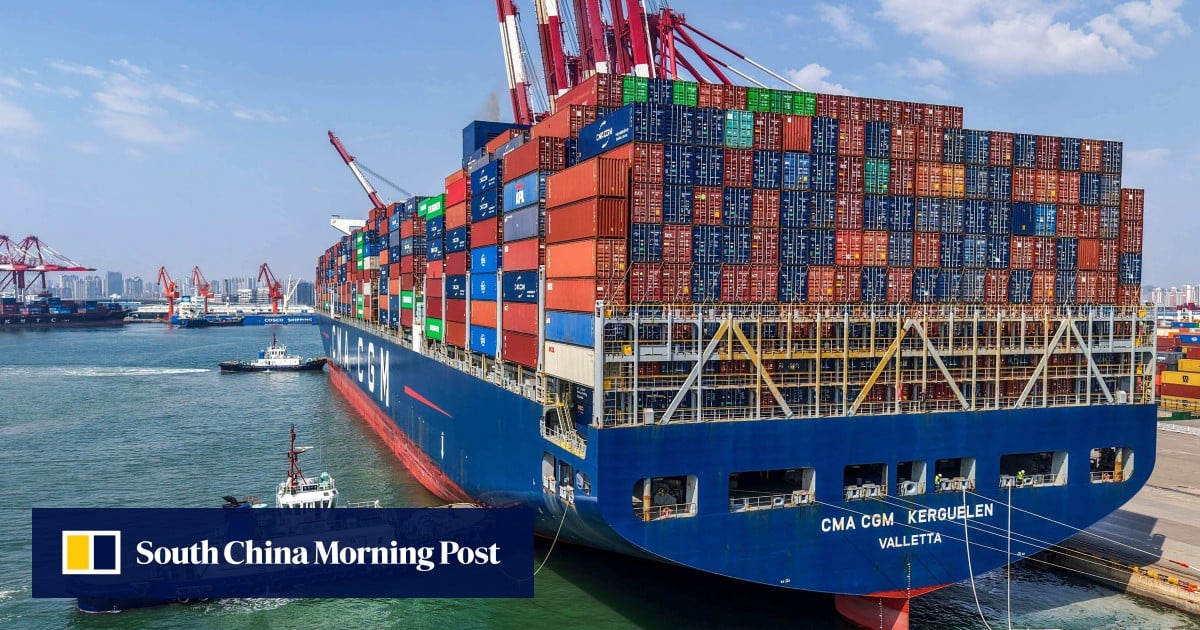
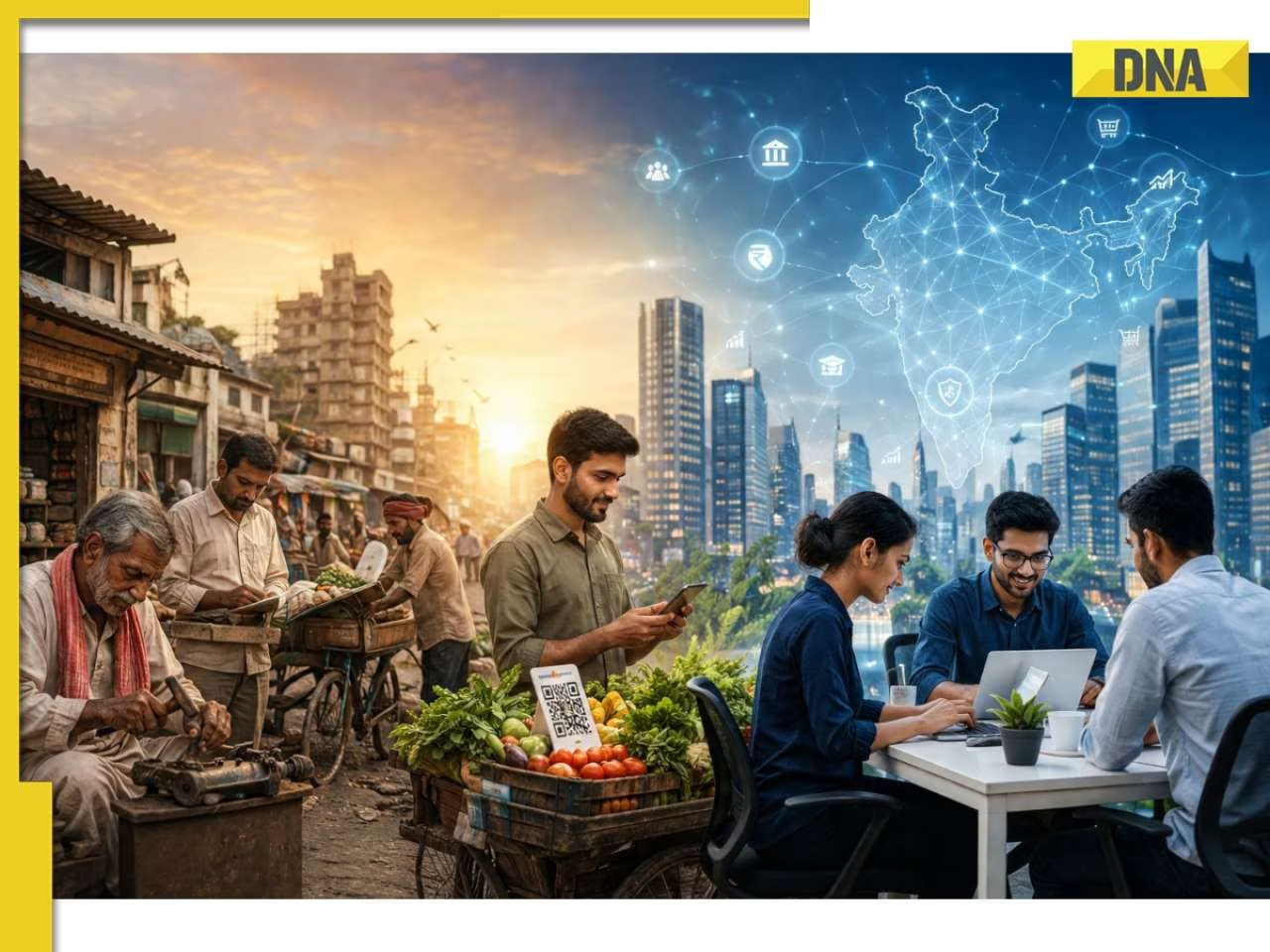
Alongside BRICS, concrete alternatives are emerging: the African Continental Free Trade Area operating across 54 countries, India’s digital payments infrastructure providing a template for cross-border systems that bypass dollar intermediation, and regional local currency settlement agreements reducing dependence on dollar-dominated finance for bilateral trade. Dani Rodrik has argued that the current geopolitical moment in which supply chain restructuring between the United States and China has made industrial policy mainstream again even in Washington has paradoxically reopened space for development strategies that the trade rules of the 1990s had systematically closed.
But Jayati Ghosh has consistently noted that reforming the global economy requires changes not just to specific rules but to the governance of the institutions that make and enforce them — and this is precisely what incumbent powers have the least incentive to allow. IMF quota reform, debated for decades, has delivered far less than its proponents intended. G20 communiqués on tax cooperation, debt restructuring and climate finance have consistently outpaced their implementation. China’s role in the debt crises of several African countries as a major creditor whose restructuring terms have been criticised for opacity illustrates that the emerging alternatives to Western-dominated institutions carry their own interests and their own asymmetries.
Power rarely shifts voluntarily. The countries that benefit most from existing rules have the most resources to defend them. Even within the global south, the largest emerging economies often prioritise bilateral advantage over collective reform.
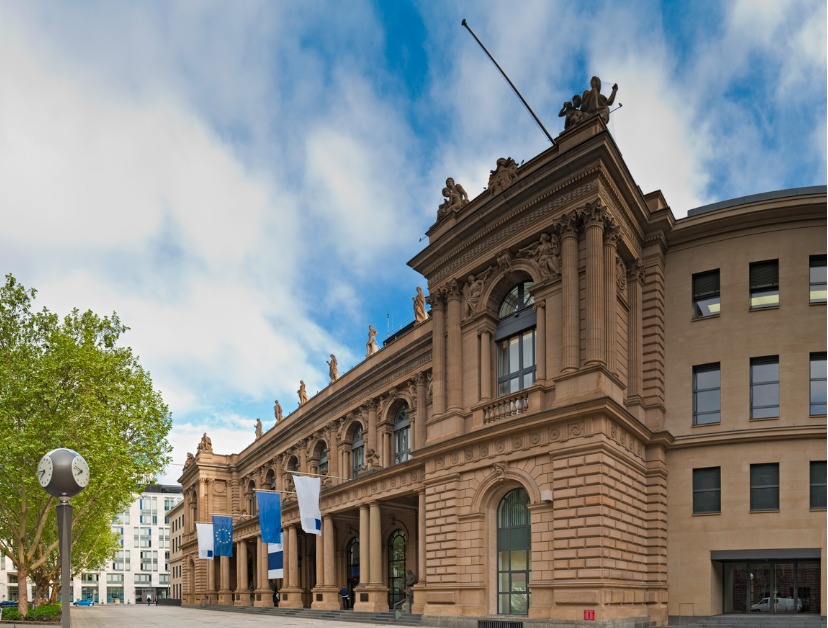
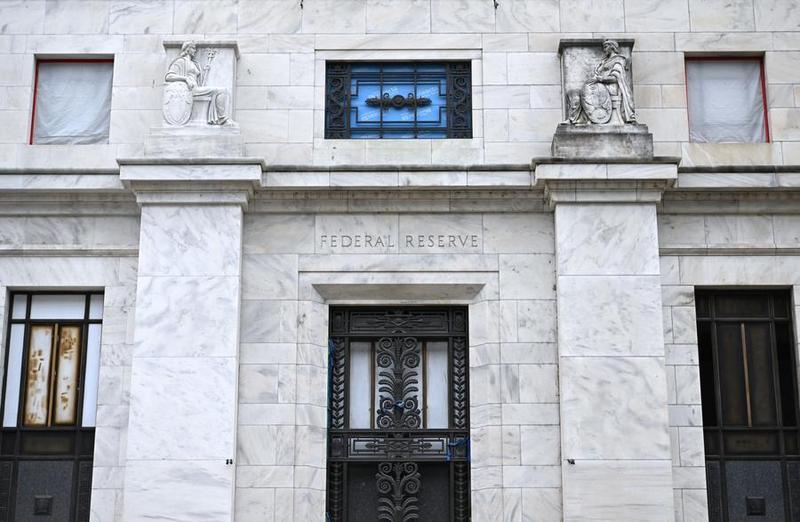
The rules governing the global economy were written by people at specific historical moments, reflecting specific distributions of power. That is not a radical claim — it is simply what institutional history shows. Bretton Woods reflected 1944. The WTO reflected 1995. The TRIPS Agreement reflected the lobbying priorities of pharmaceutical and technology corporations at the moment they were strongest. None of these arrangements was inevitable, and none are permanent. Institutions built by people can be changed by people, and the conditions for change — growing economic weight outside the traditional centres, accumulating evidence that the current architecture produces systematic inequalities, and the emergence of at least partial alternatives — are more present today than at any point since the 1974 NIEO proposal failed. Whether the political will, the institutional creativity, and the alignment of interests required to act on those conditions can be assembled before the next generation of crises forces the question is the most consequential open question in contemporary political economy. It does not yet have an answer written anywhere.
Subscribe to Our Newsletter
Get the latest CounterCurrents updates delivered straight to your inbox.
Utkarsh Mishra is a journalist based in Ranchi writing on law, labour rights, and the environment. His work has appeared in Feminism in India, The India Forum, Down to Earth, The Policy Circle, Verdicto News and Zee News.