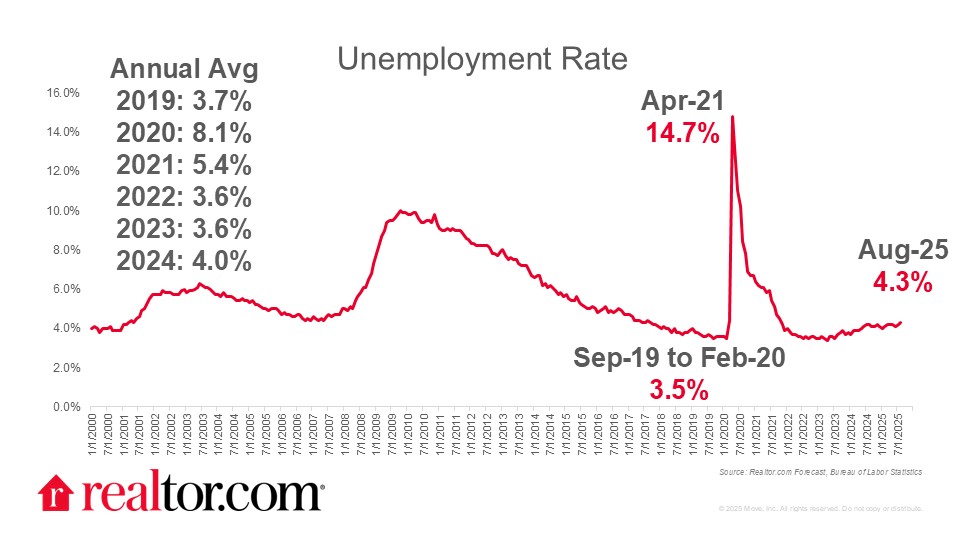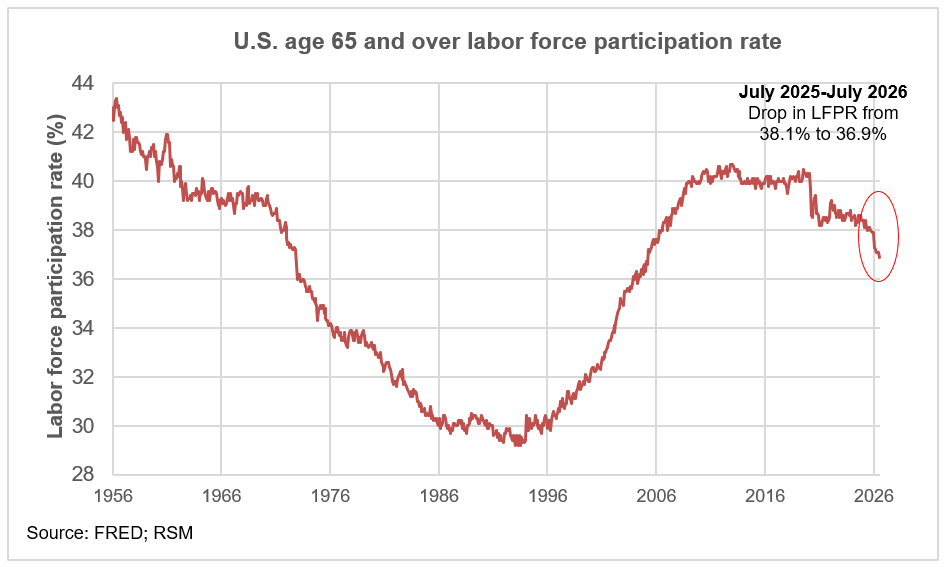
Long-run changes to American demography could be observed in the July U.S. employment report with the decline in the labor force participation rate of those 55 and older to 36.9%.
Over the past year, participation among that cohort has declined from 38.1% to 36.9%, or 1.2%, which is broadly comparable to the 1.7% decline during the worst of the pandemic.
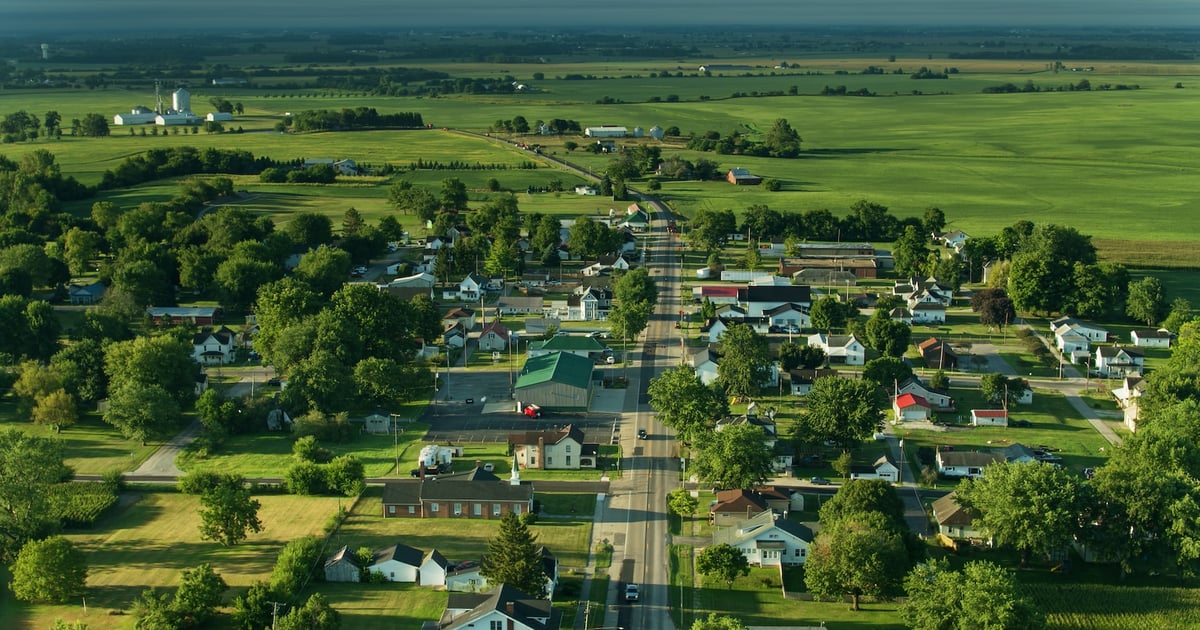
When seen through a longer time frame, there are now 27 million more Americans age 65 and older than there were in 2005.
In 2005, that group comprised 12% of the population; by 2025, it was 18%. The baby boom generation began to age around 20 years ago, with the oldest of that group now pushing 80.
Get Joe Brusuelas’s Market Minute commentary every morning. Subscribe now.

This shift, along with restrictive immigration policies, are having a significant impact on the supply side of the American labor market.
They are the two major factors behind why the U.S. economy needs to generate only about 35,000 jobs per month to keep labor conditions stable.
Some boomers and Gen-X workers have left the workforce because of the wealth effect of the equity markets. But that group is quite small and does not explain the outsized declines in the labor supply.

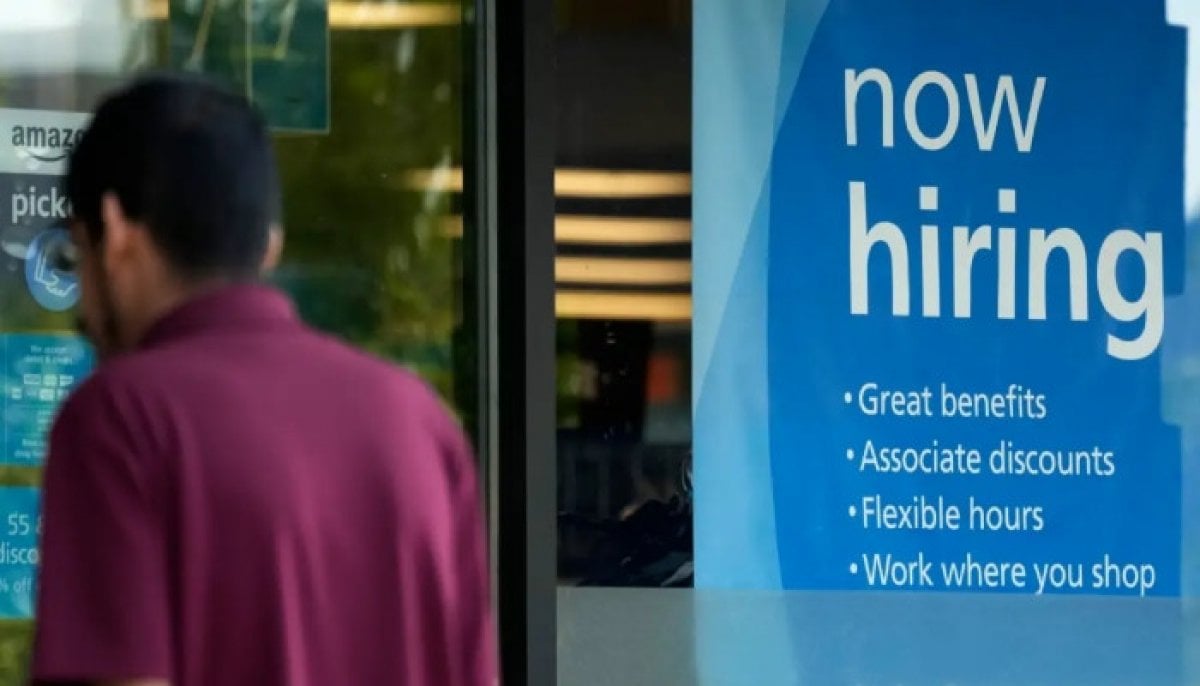
In addition, with the search costs of finding a job—the hiring rate is below 4%—my takeaway is that we are simply witnessing a historic exit from the American labor market.
While we understand that the debate over immigration policy gets more attention, one cannot escape this date with destiny via demography.
Over the past year, growth in the labor supply has declined by 0.77%. For years after World War II that rate was 1%.
Public policy and long-term demographic changes have consequences.
A quarter of a century ago, when it became clear that the American economy would age as the boomers left the labor force, economists assured themselves that Washington would turn to immigration to attract high-value-added workers.
That turned out not to be the case.
So what follows?
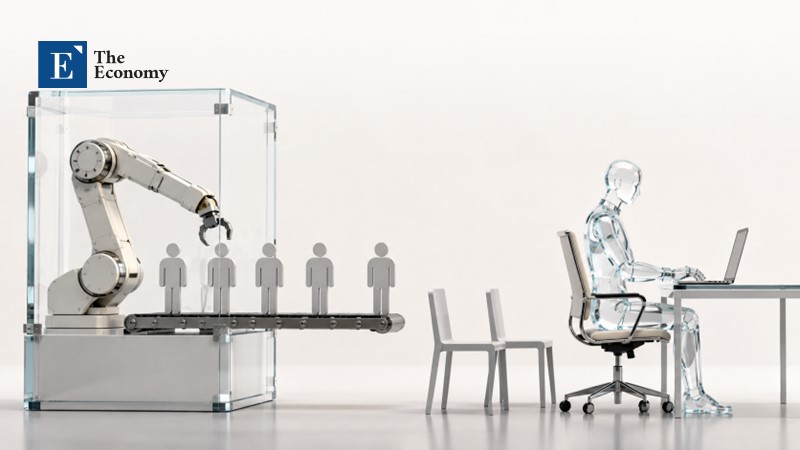
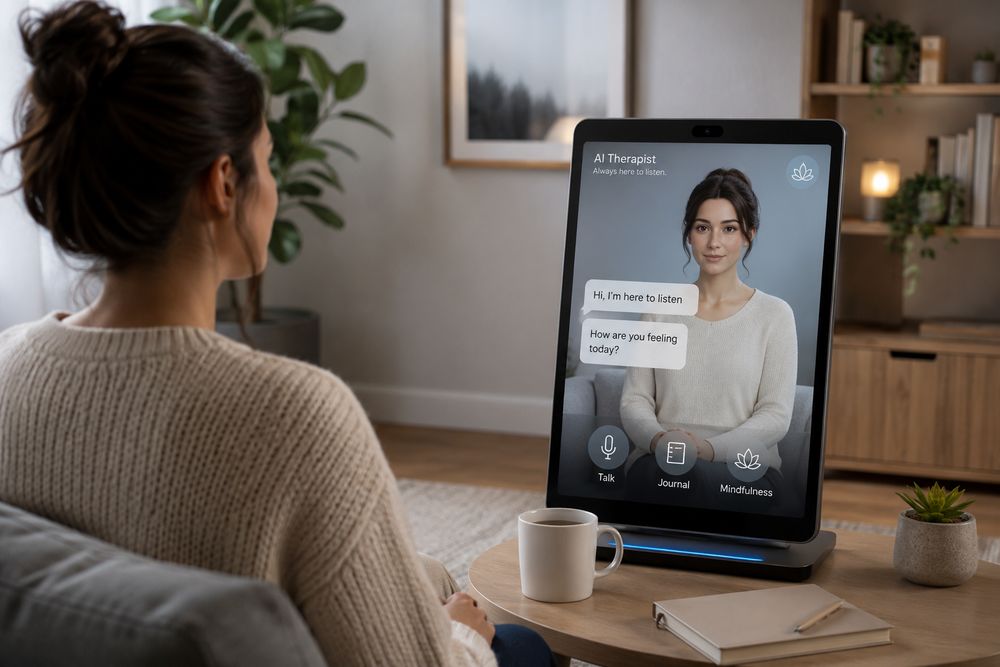
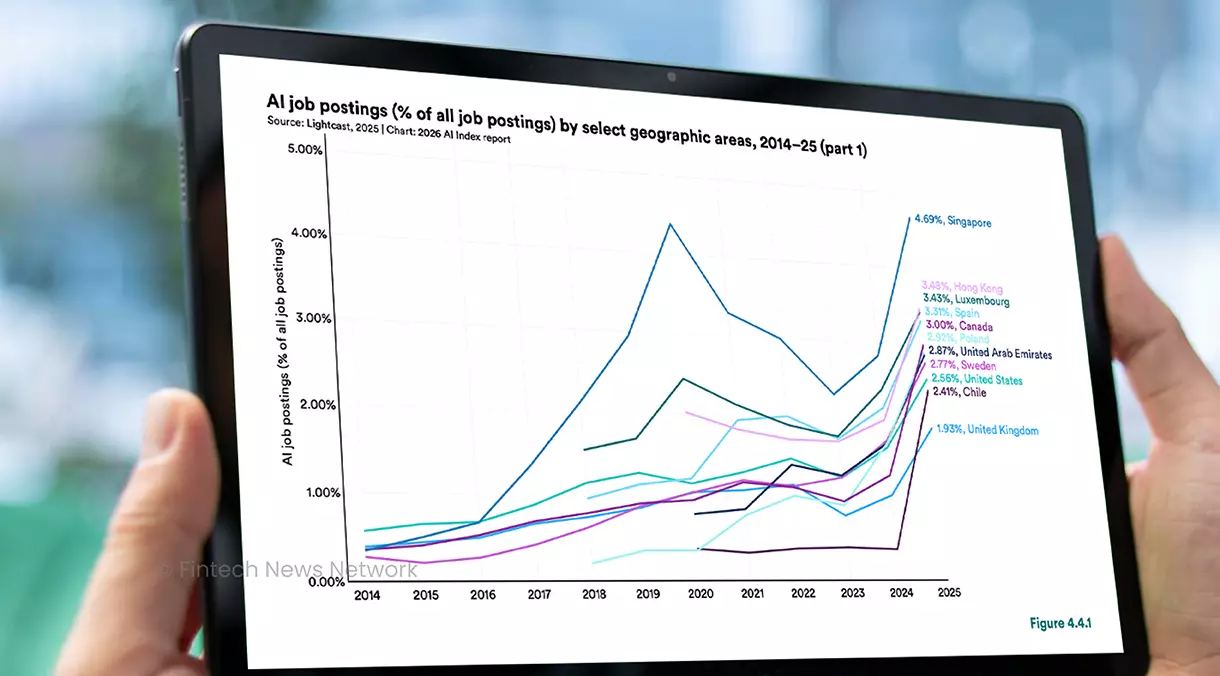
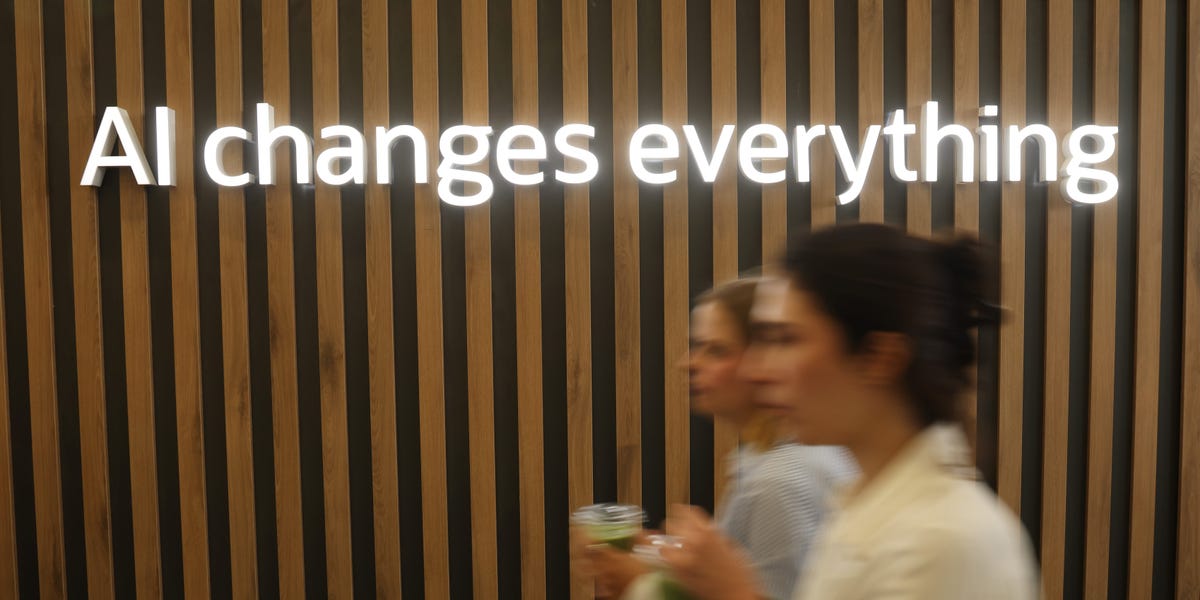
American businesses will need to turn to technology as a substitute for labor. That means more artificial intelligence and not less.
Those who are worried about whether there will be sufficient demand for AI might want to reconsider.