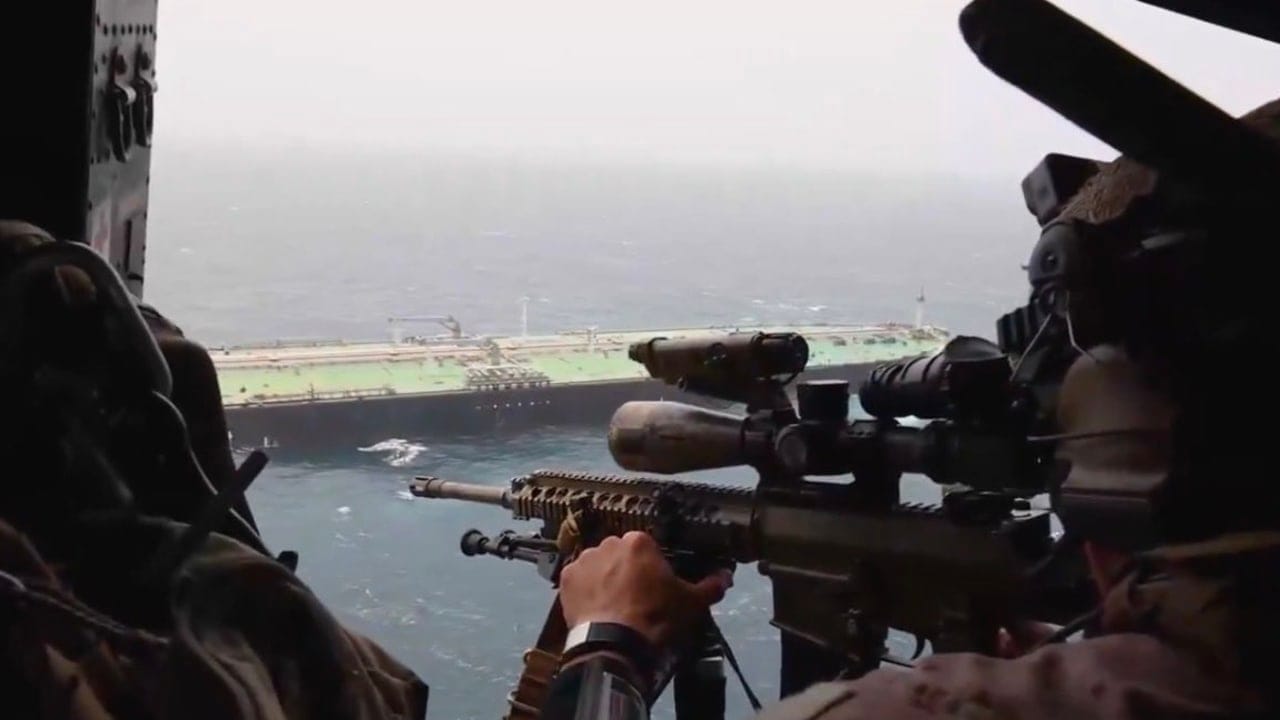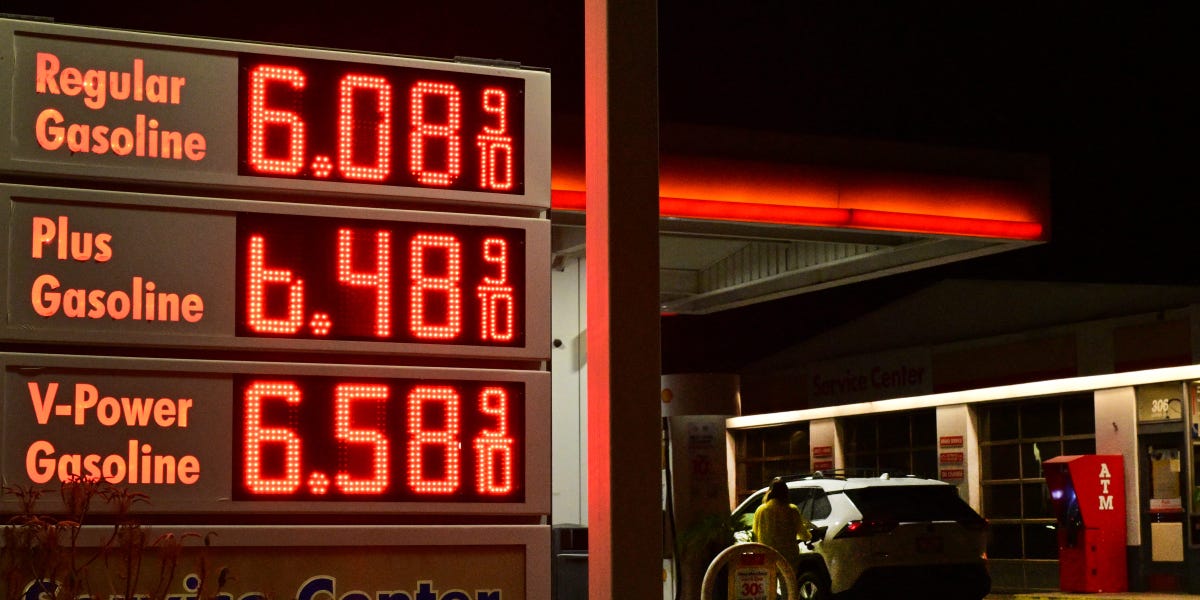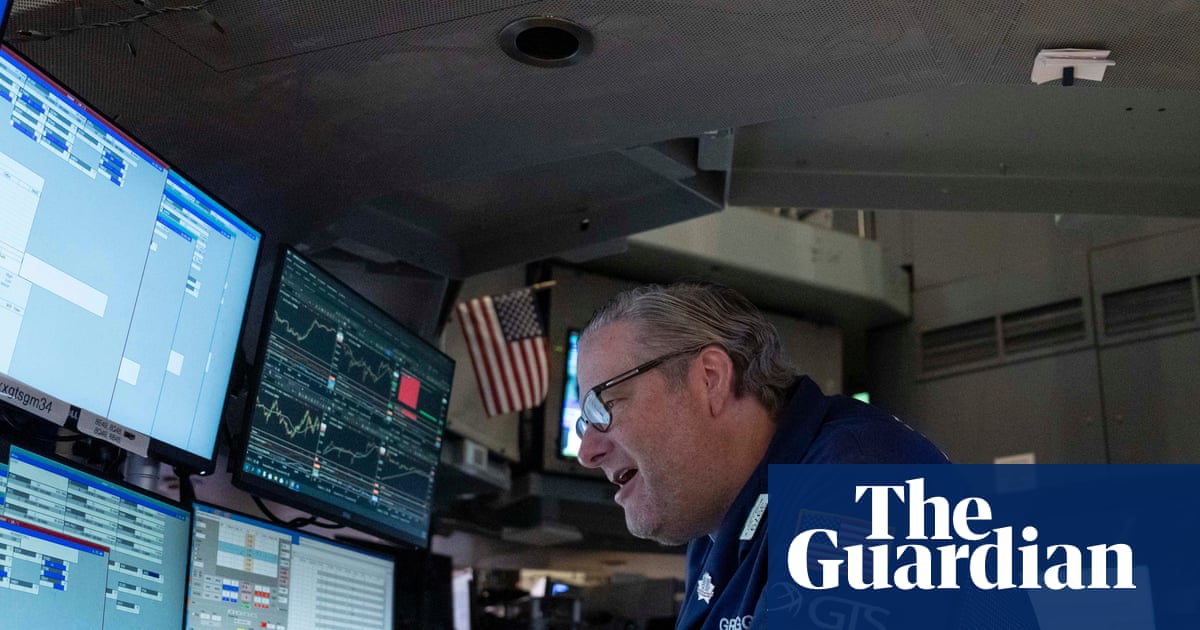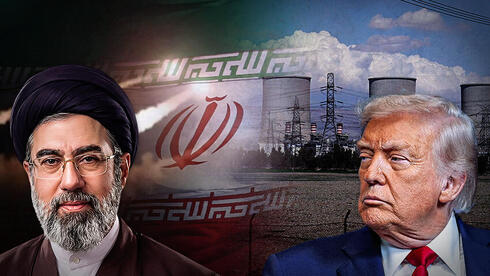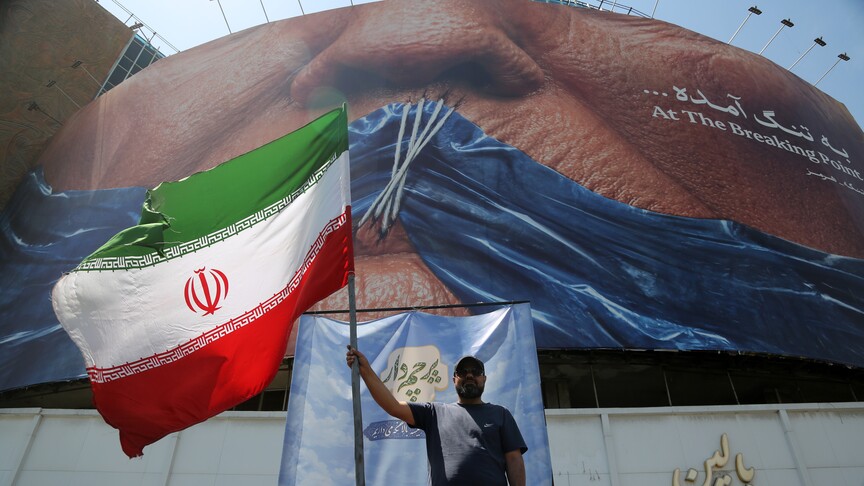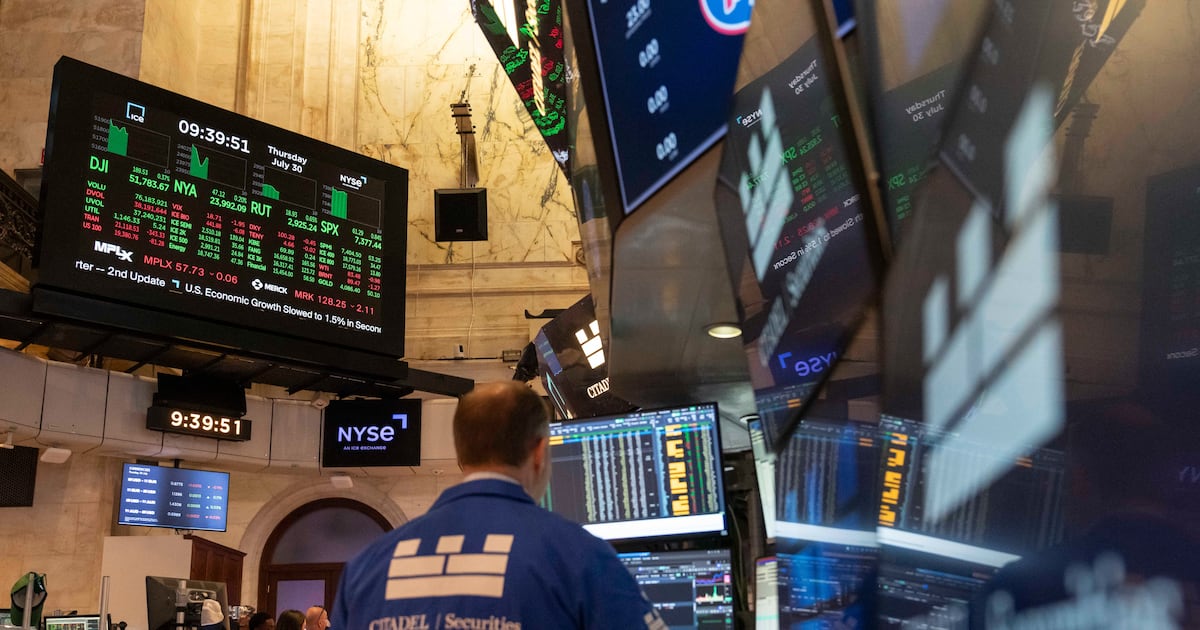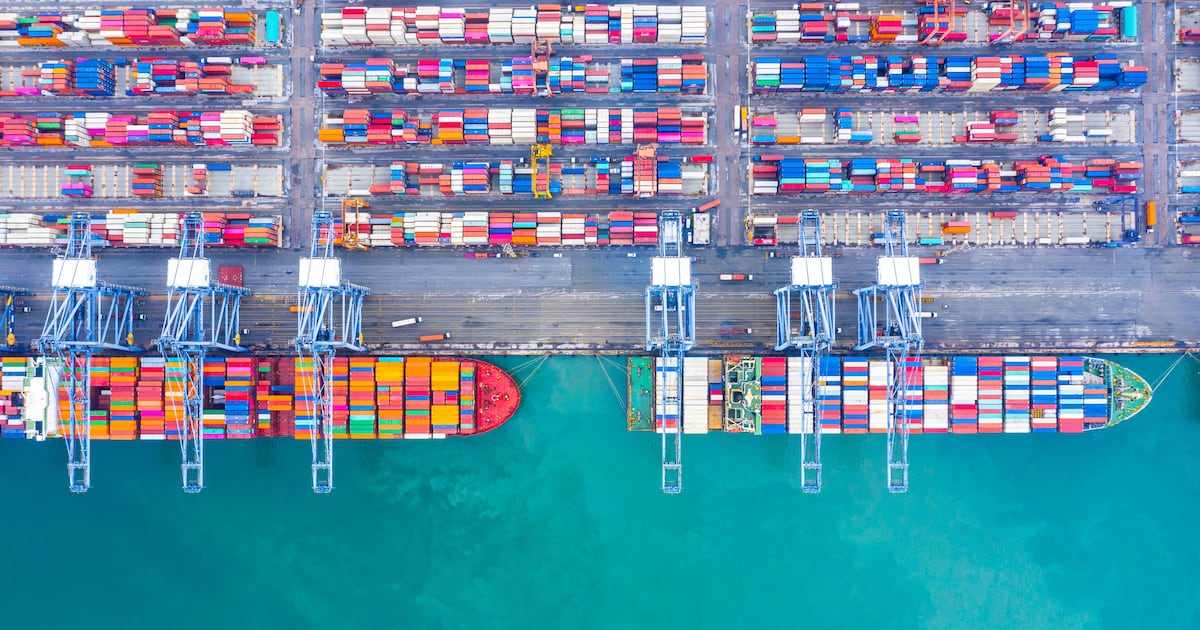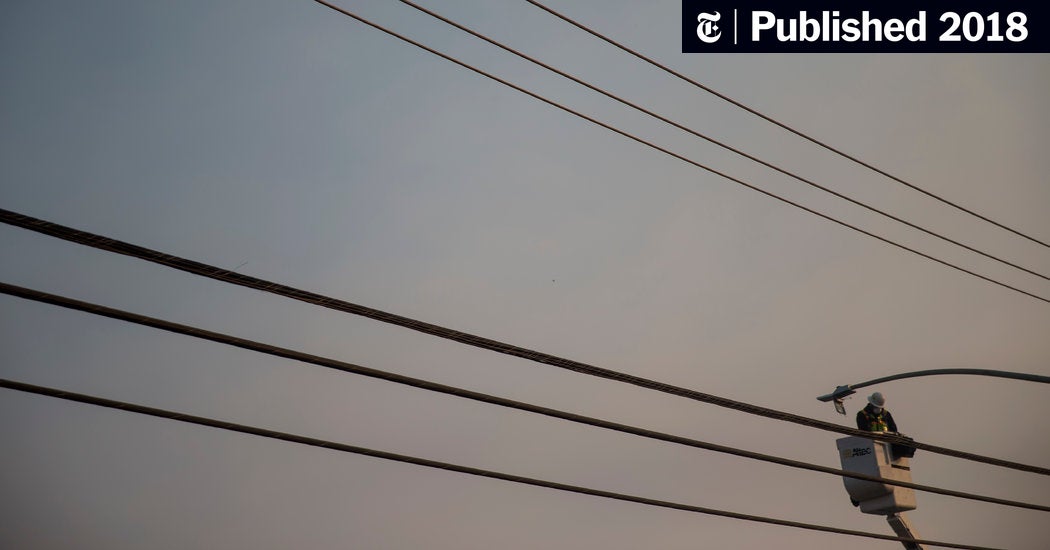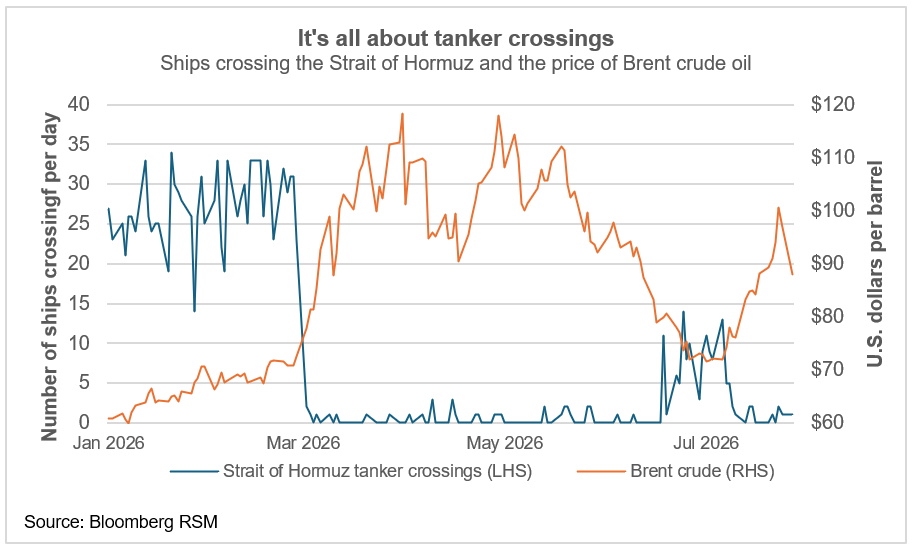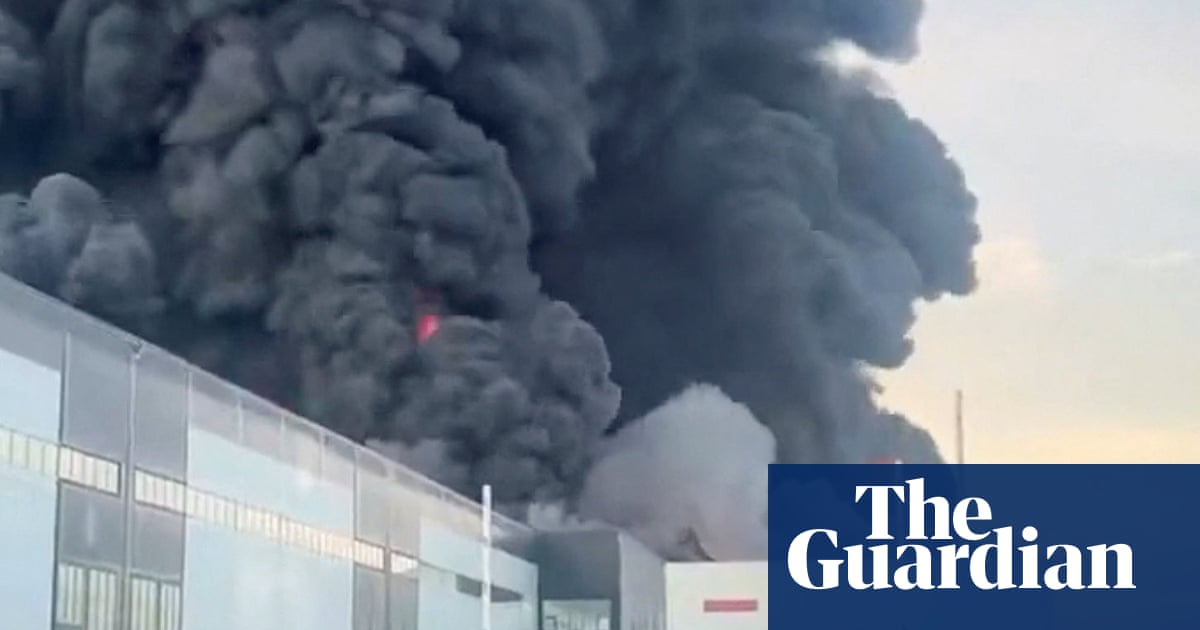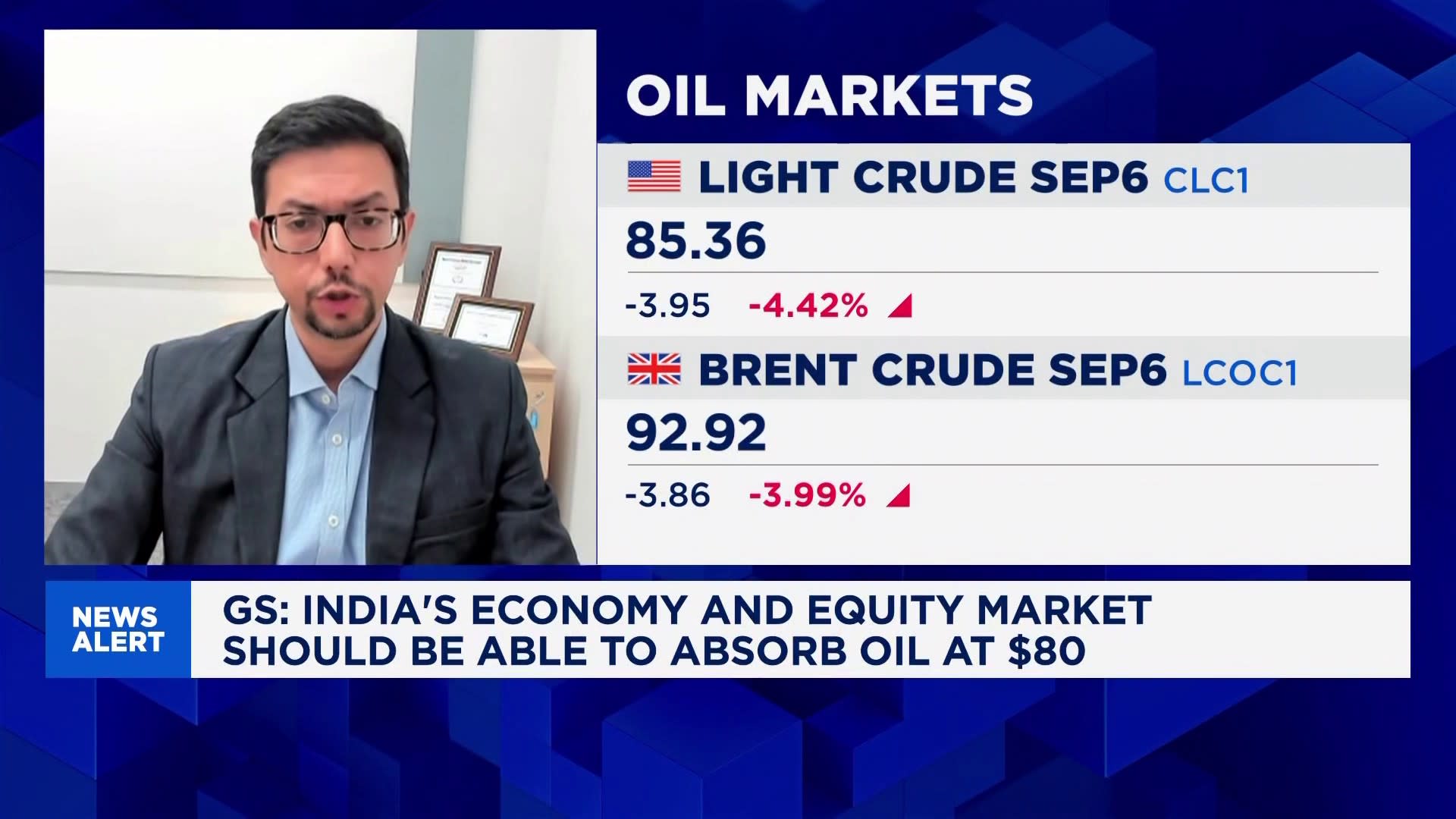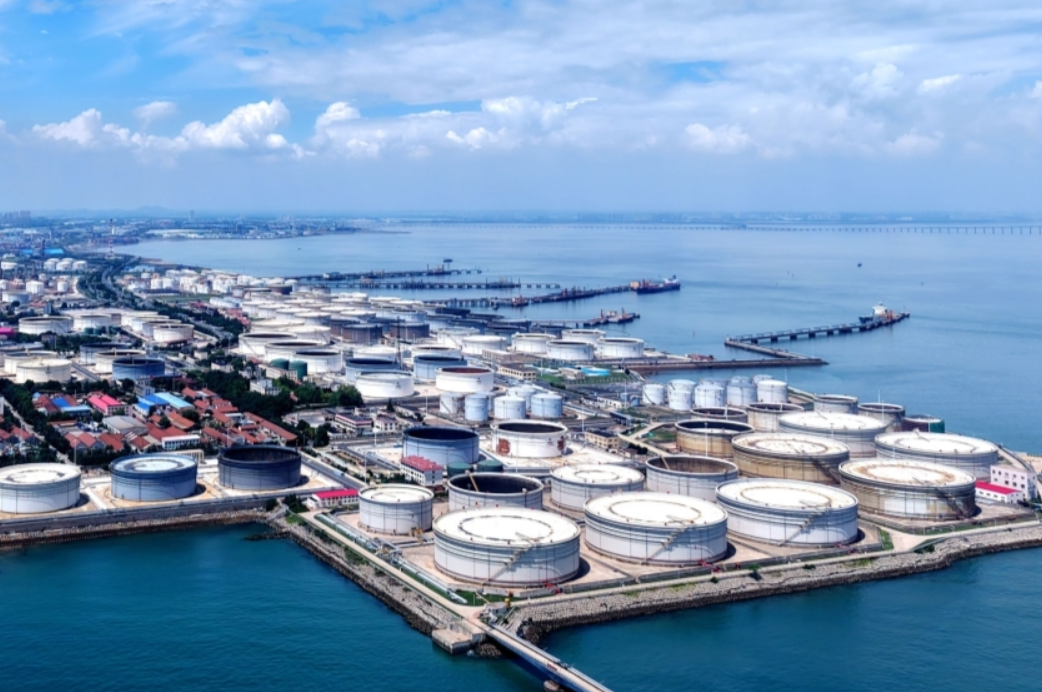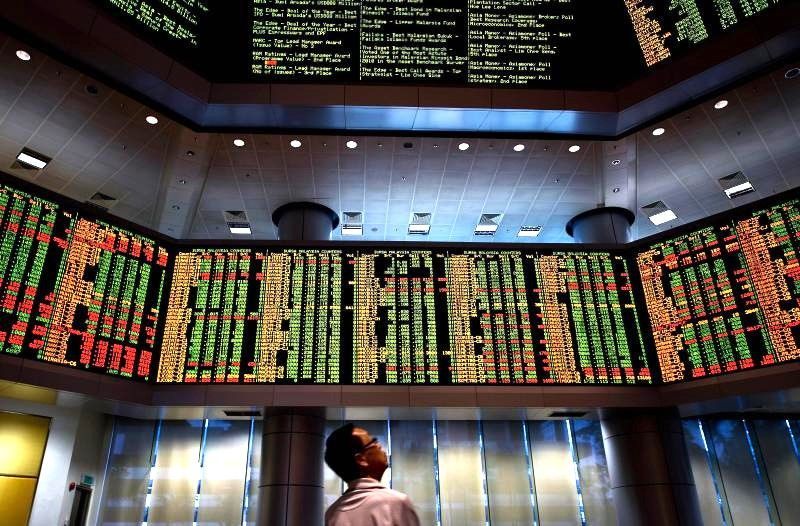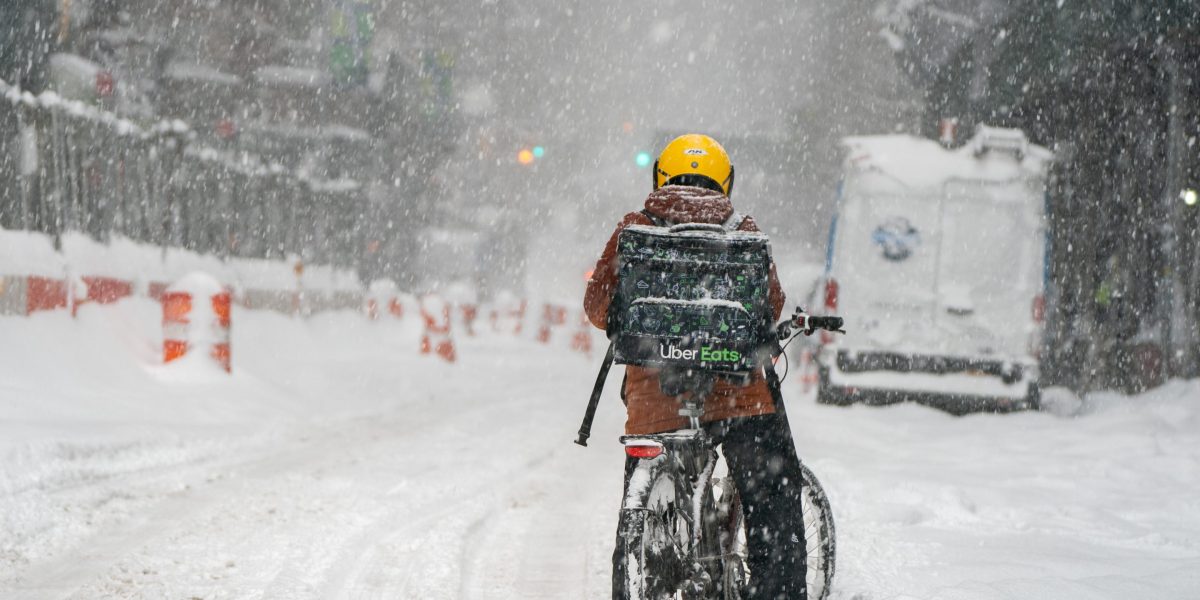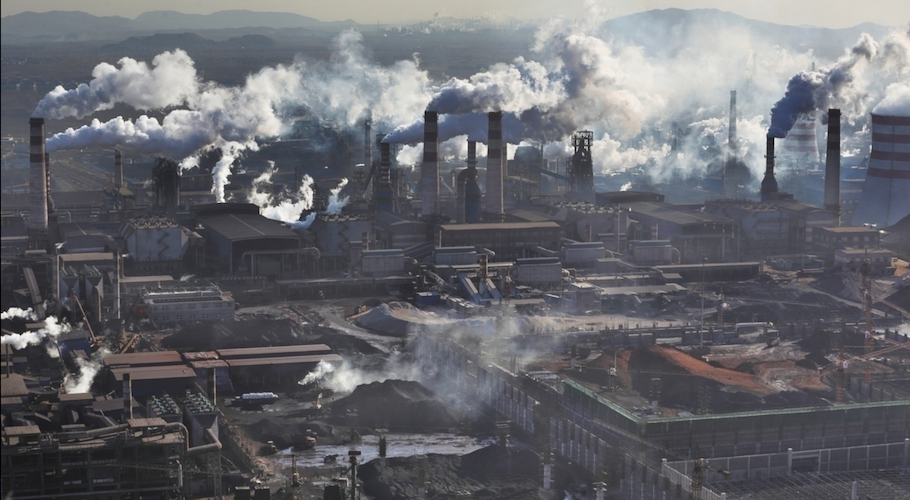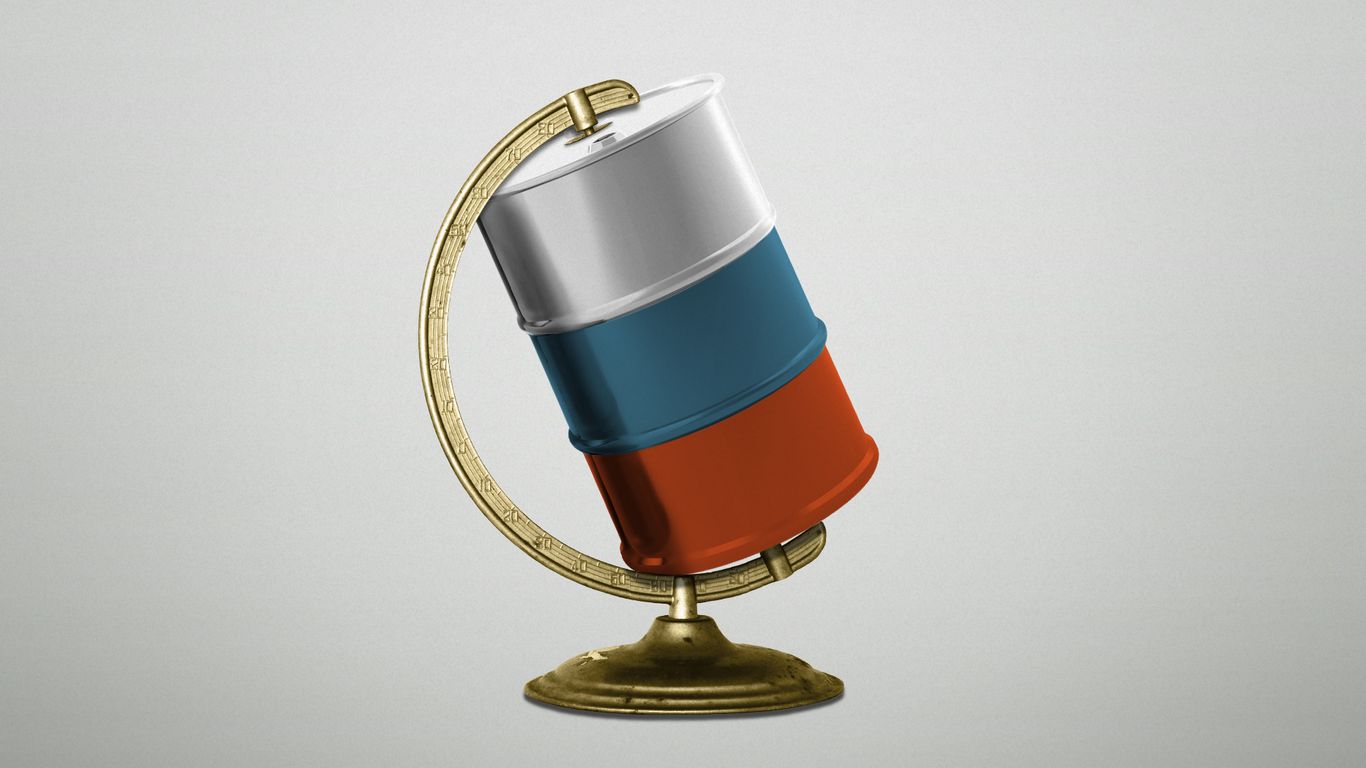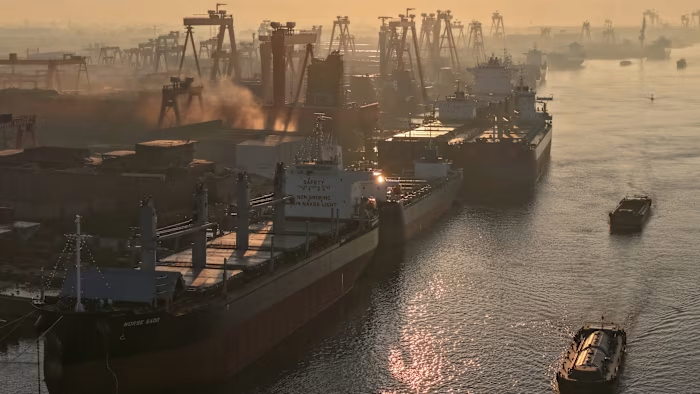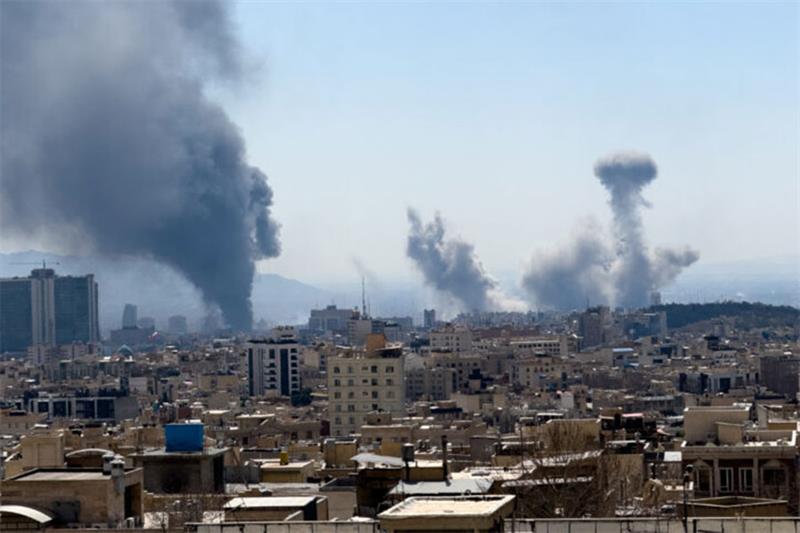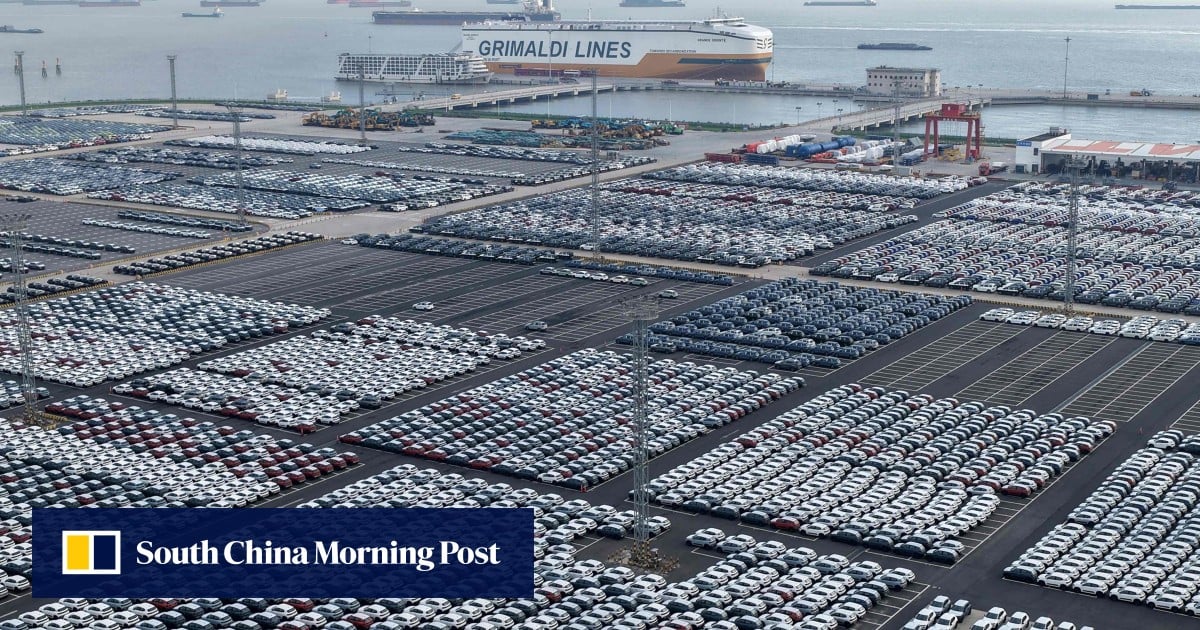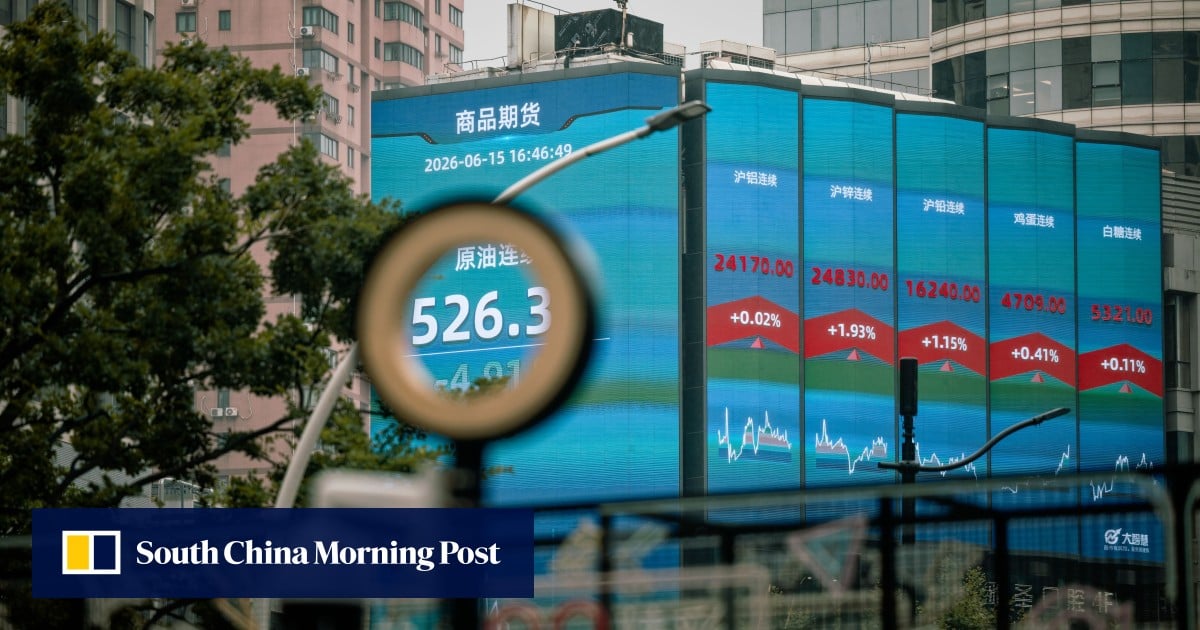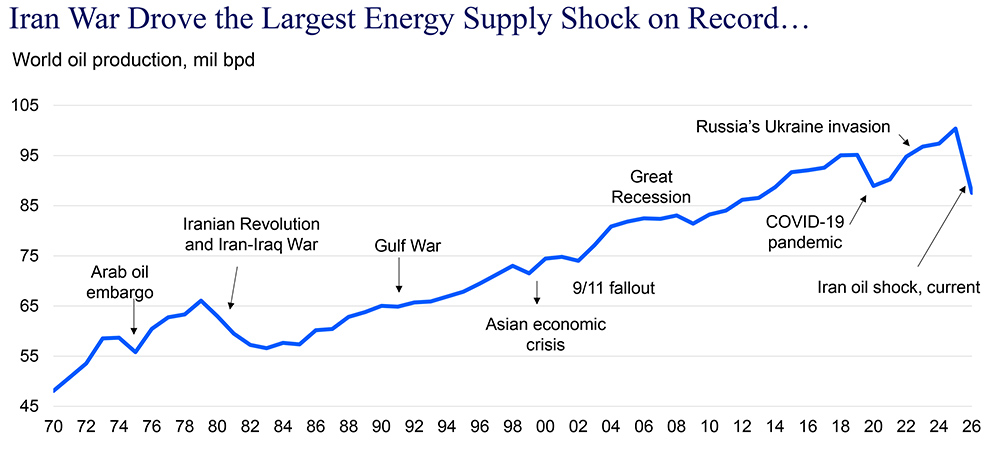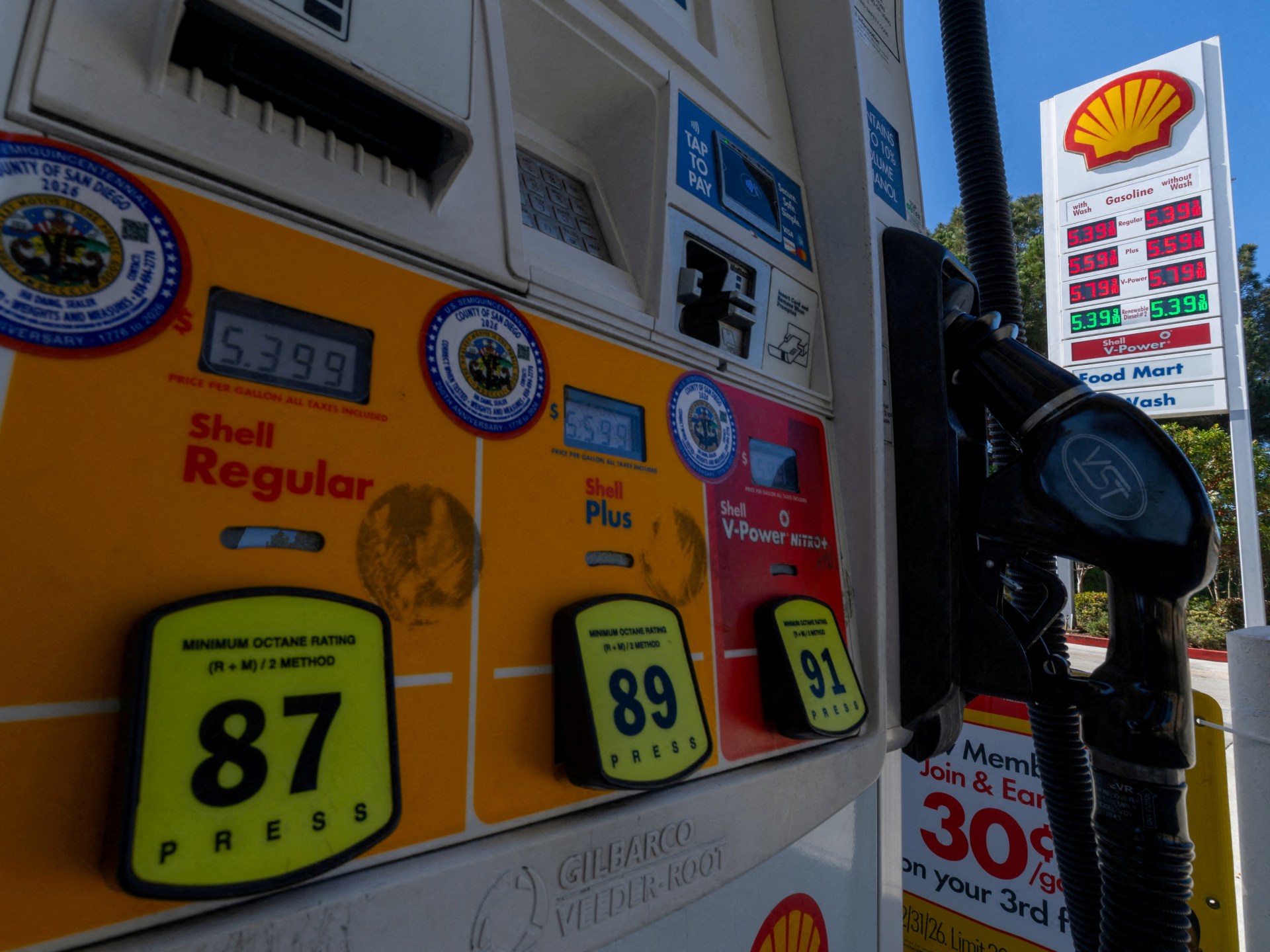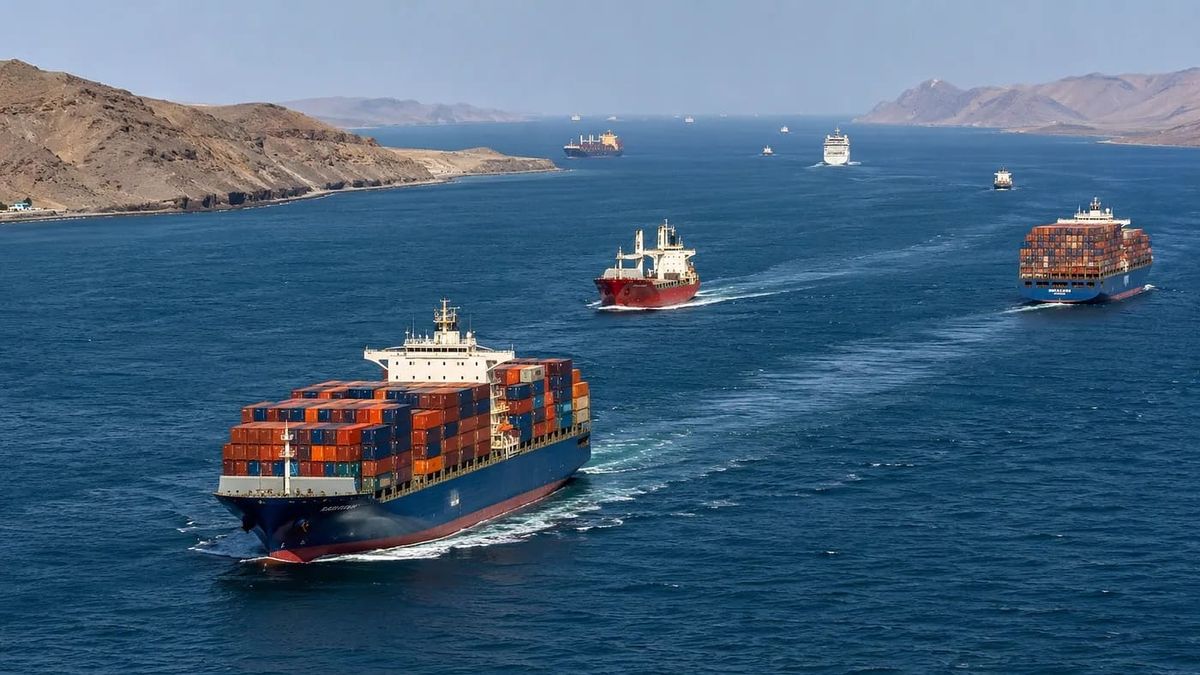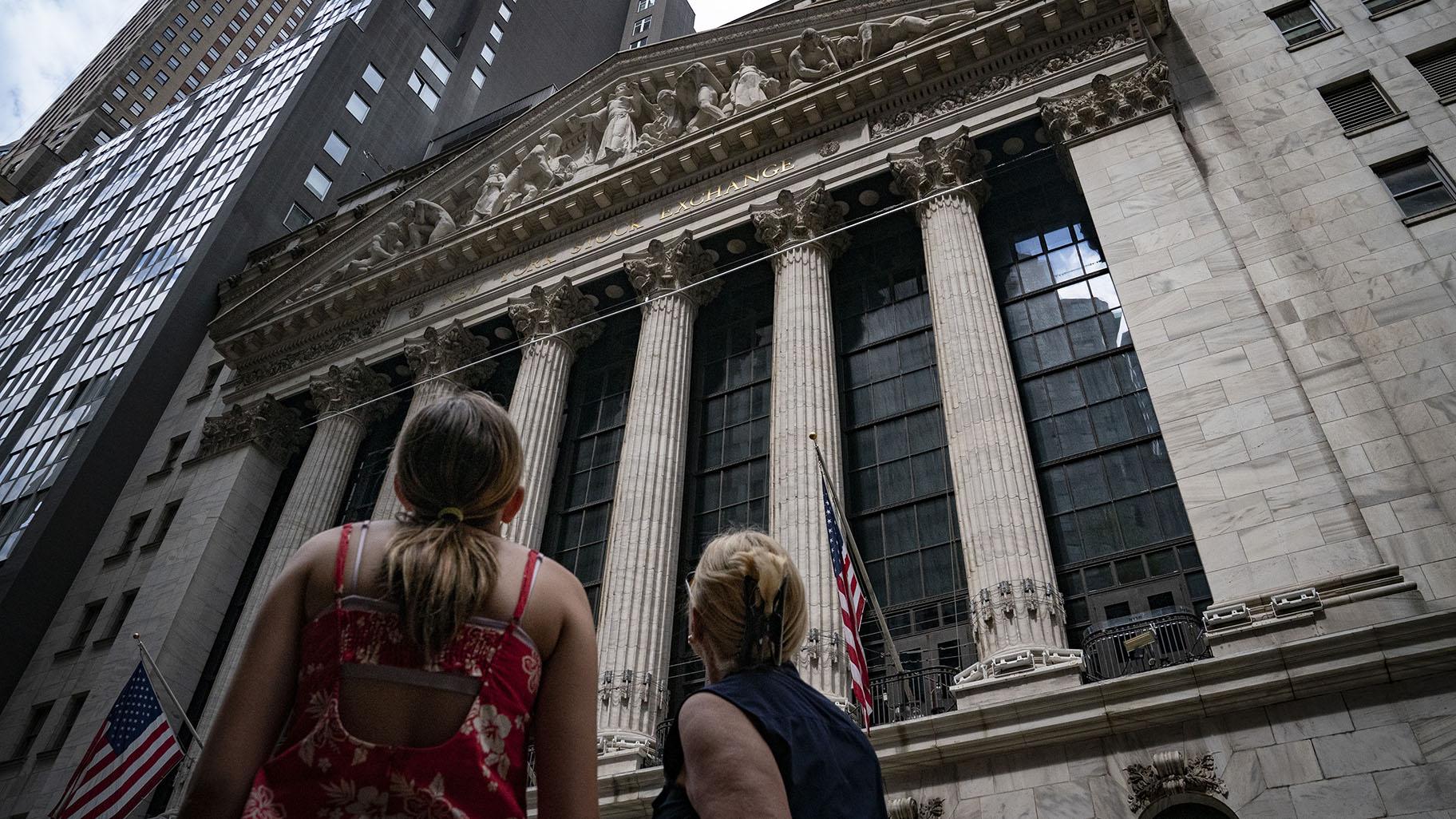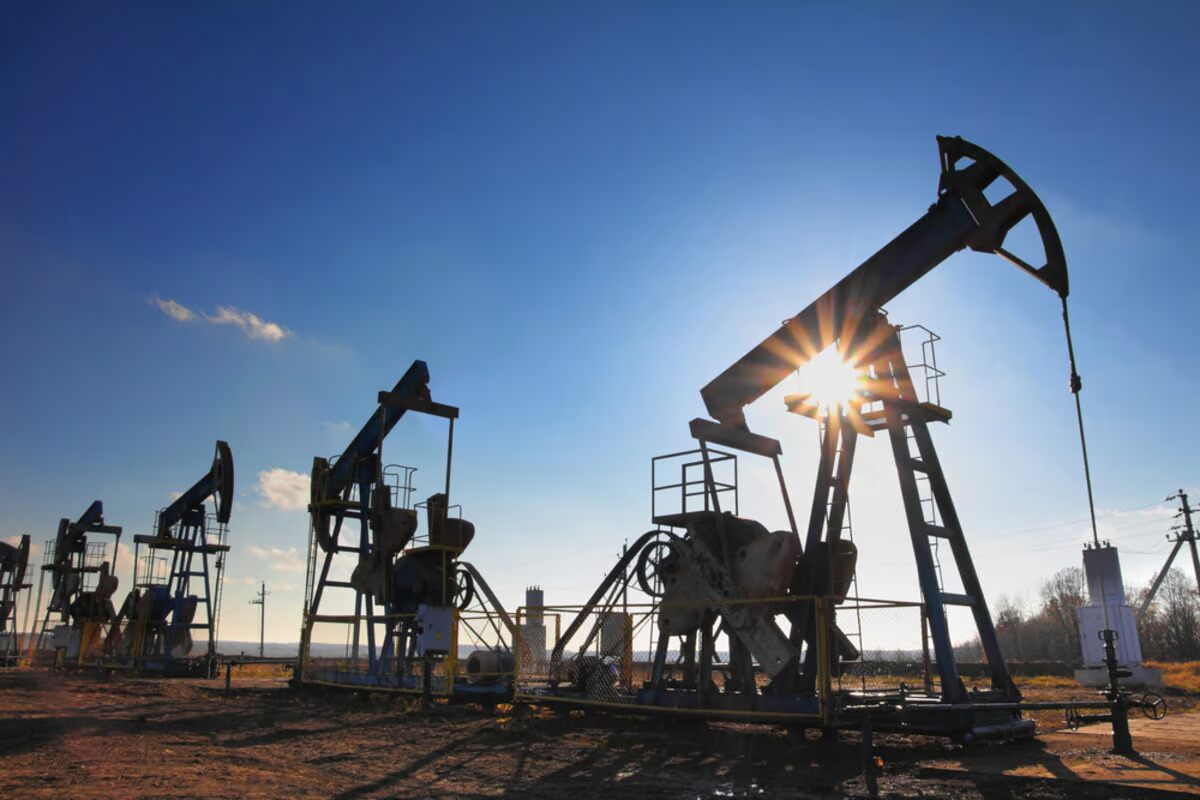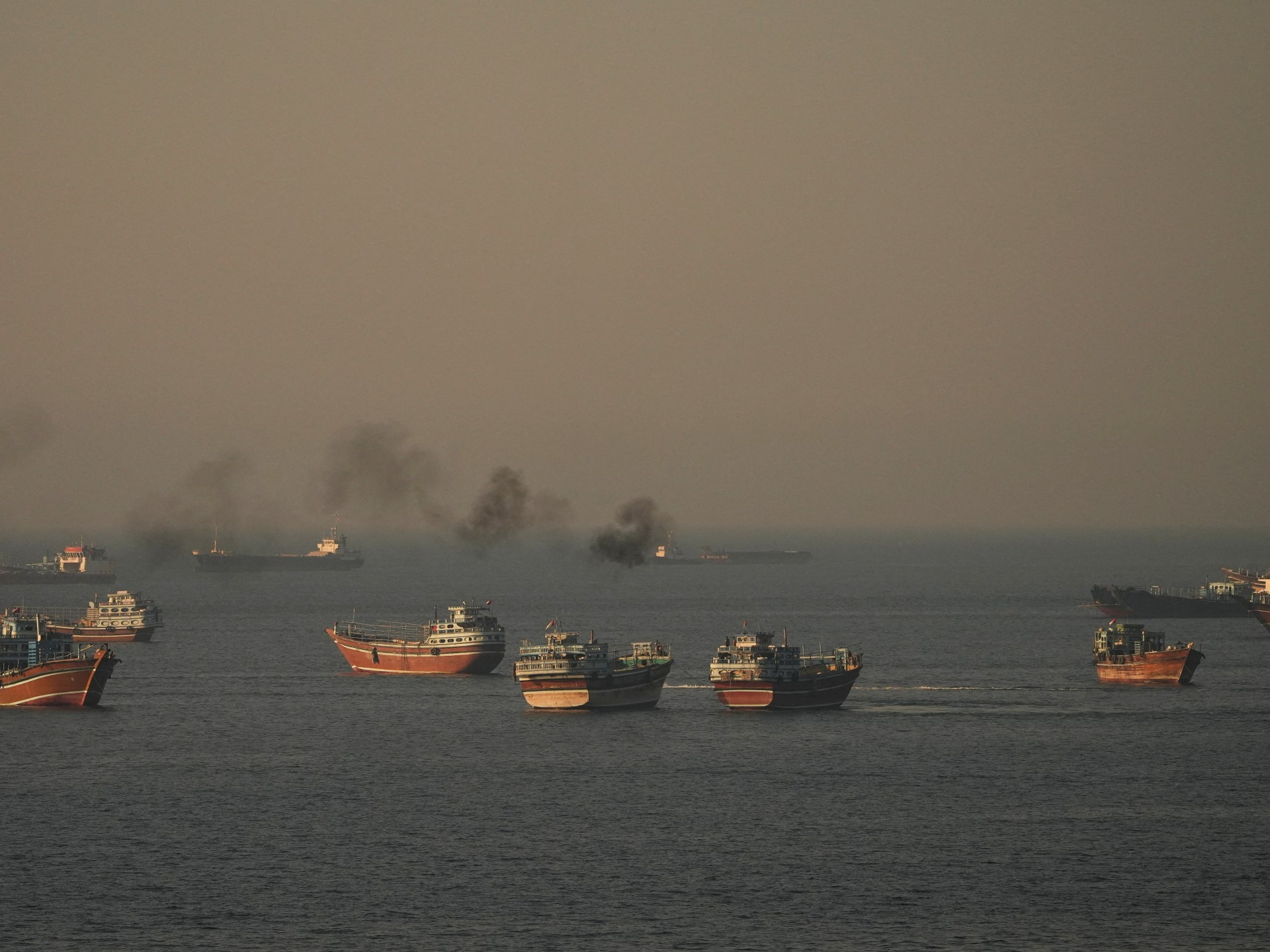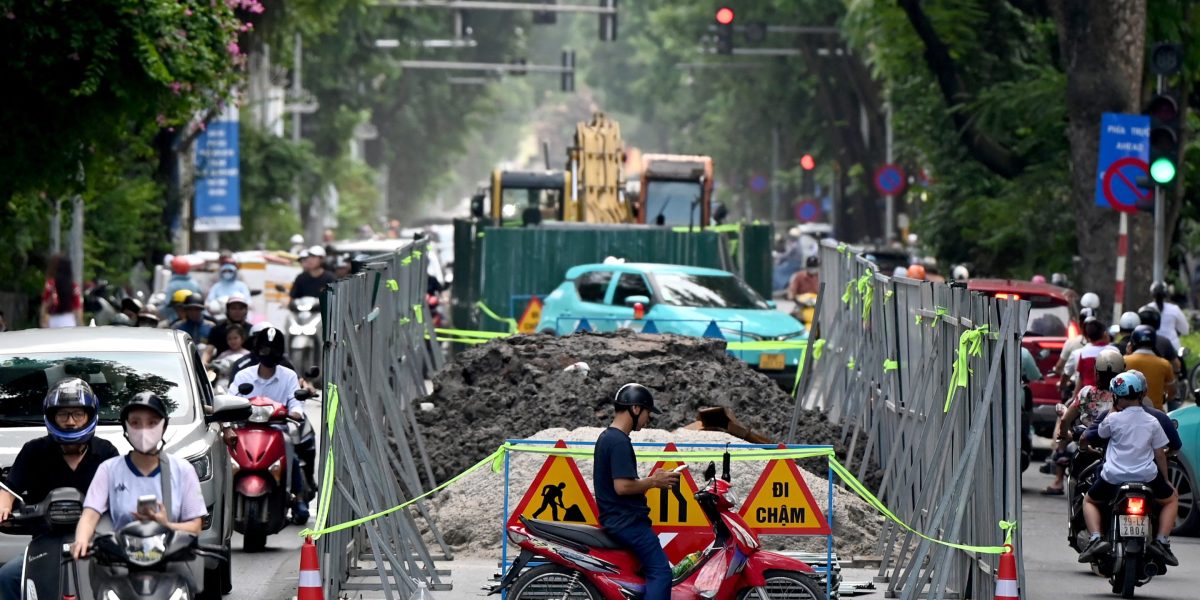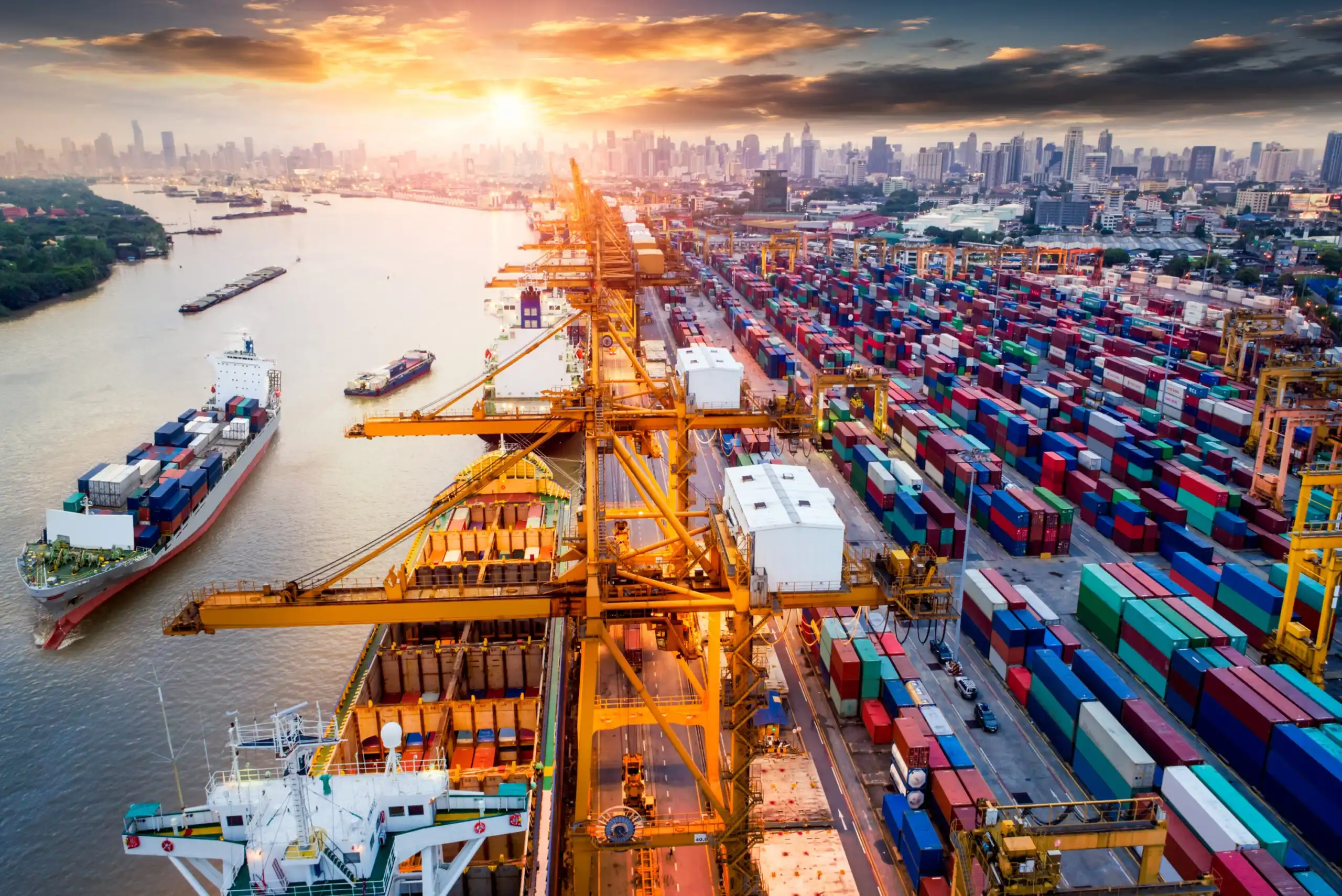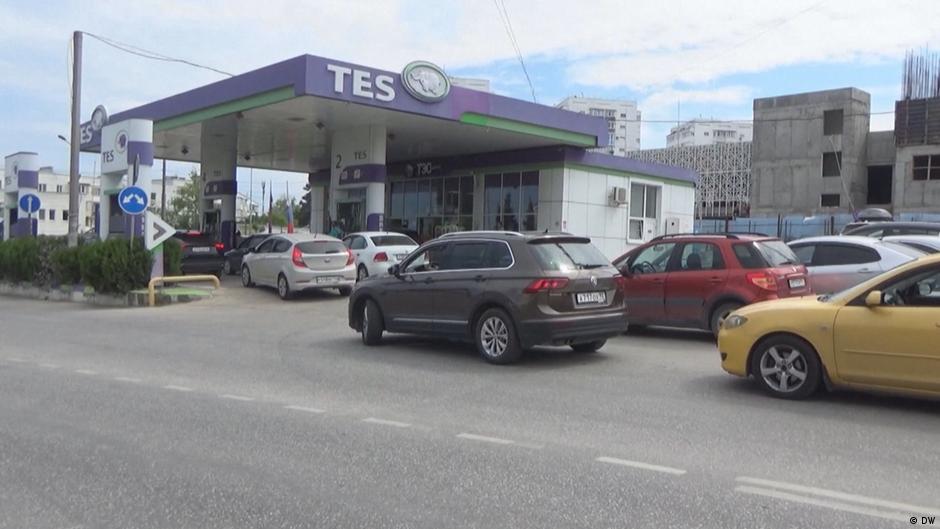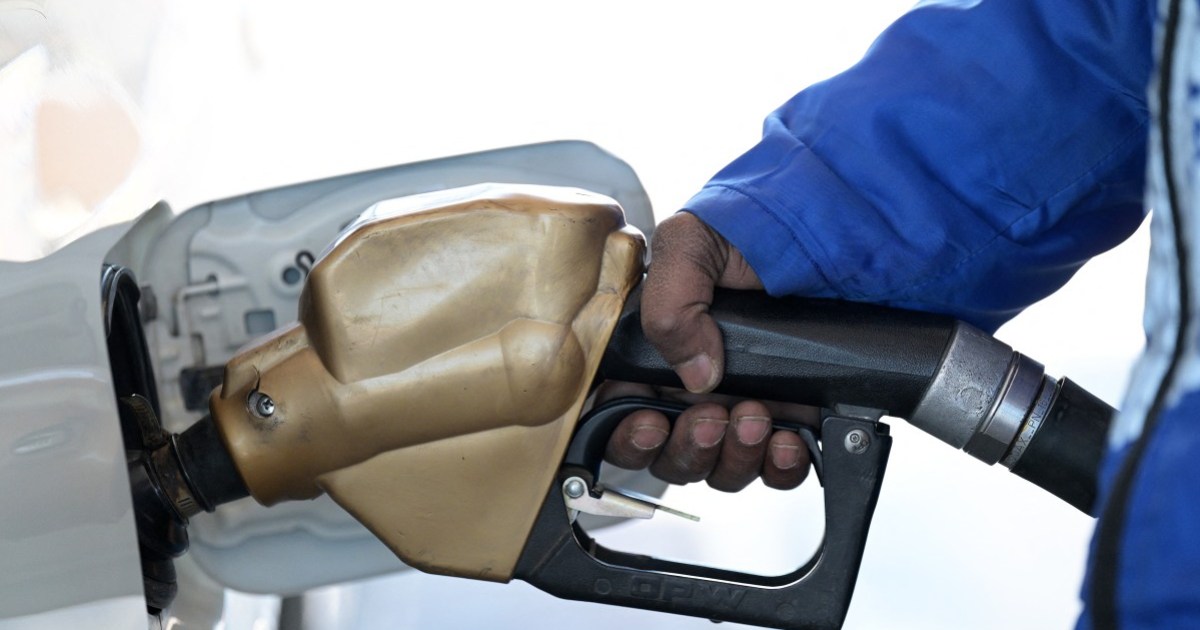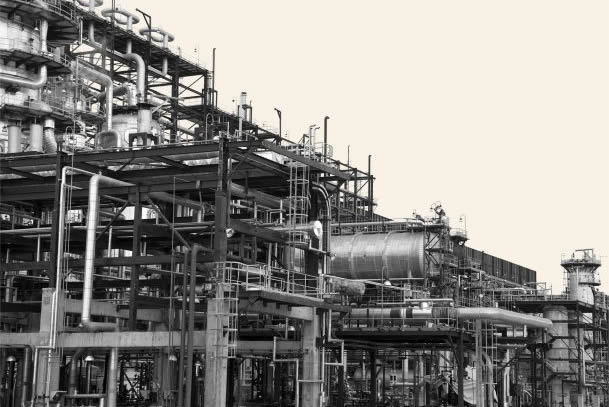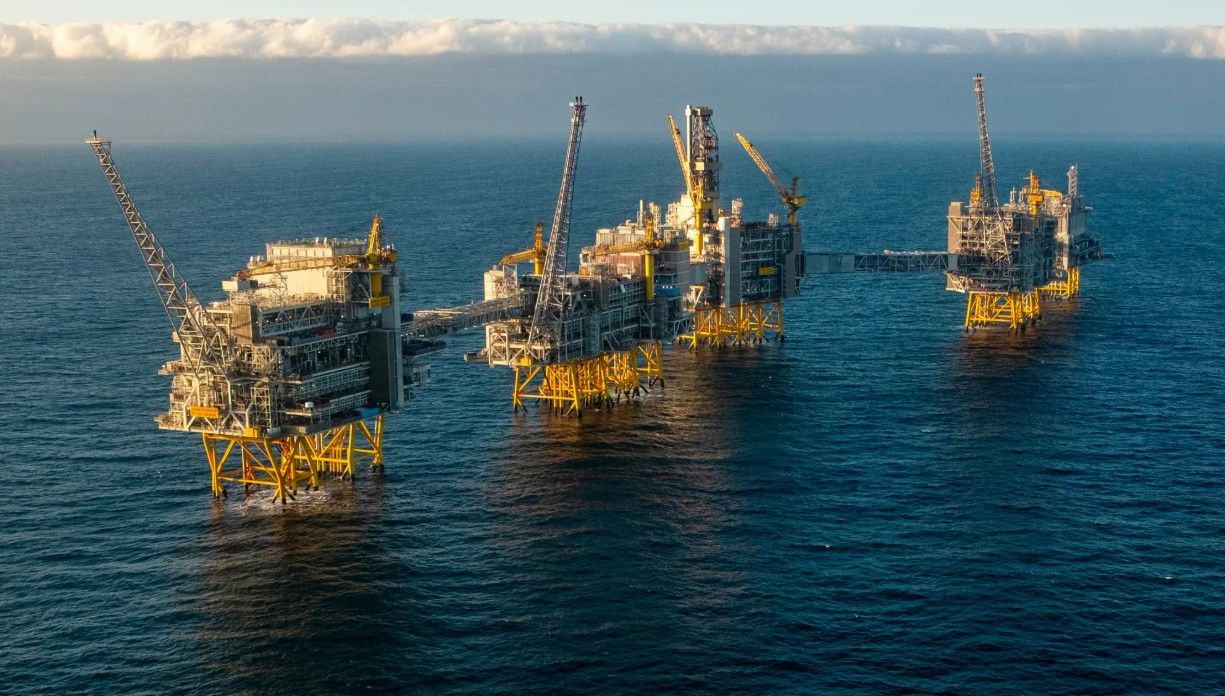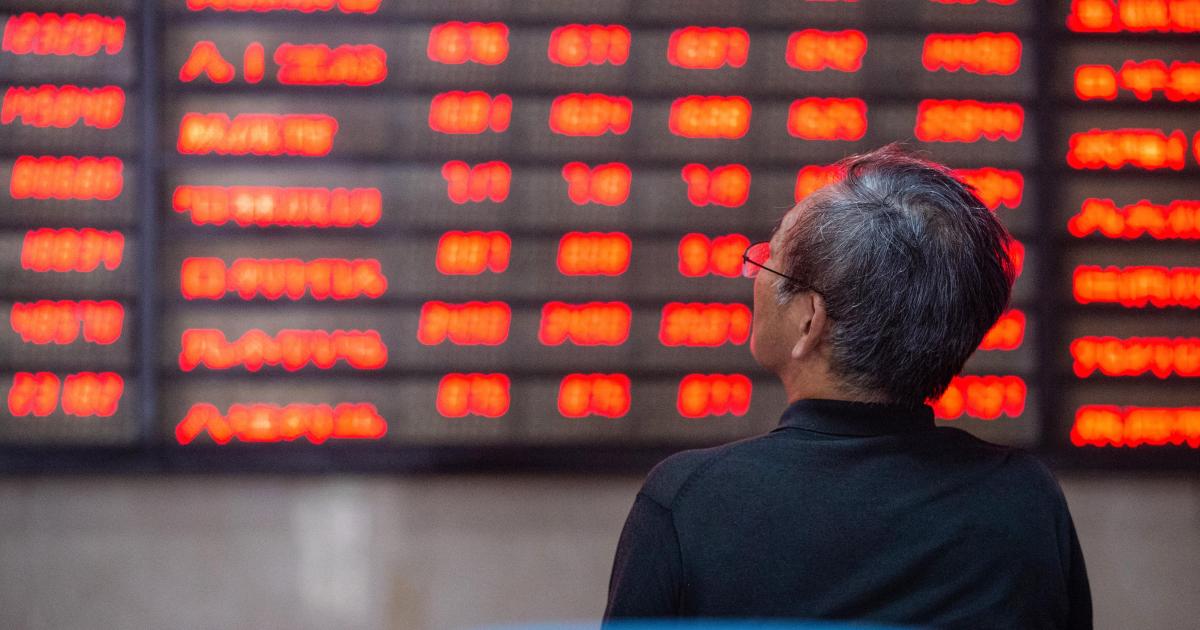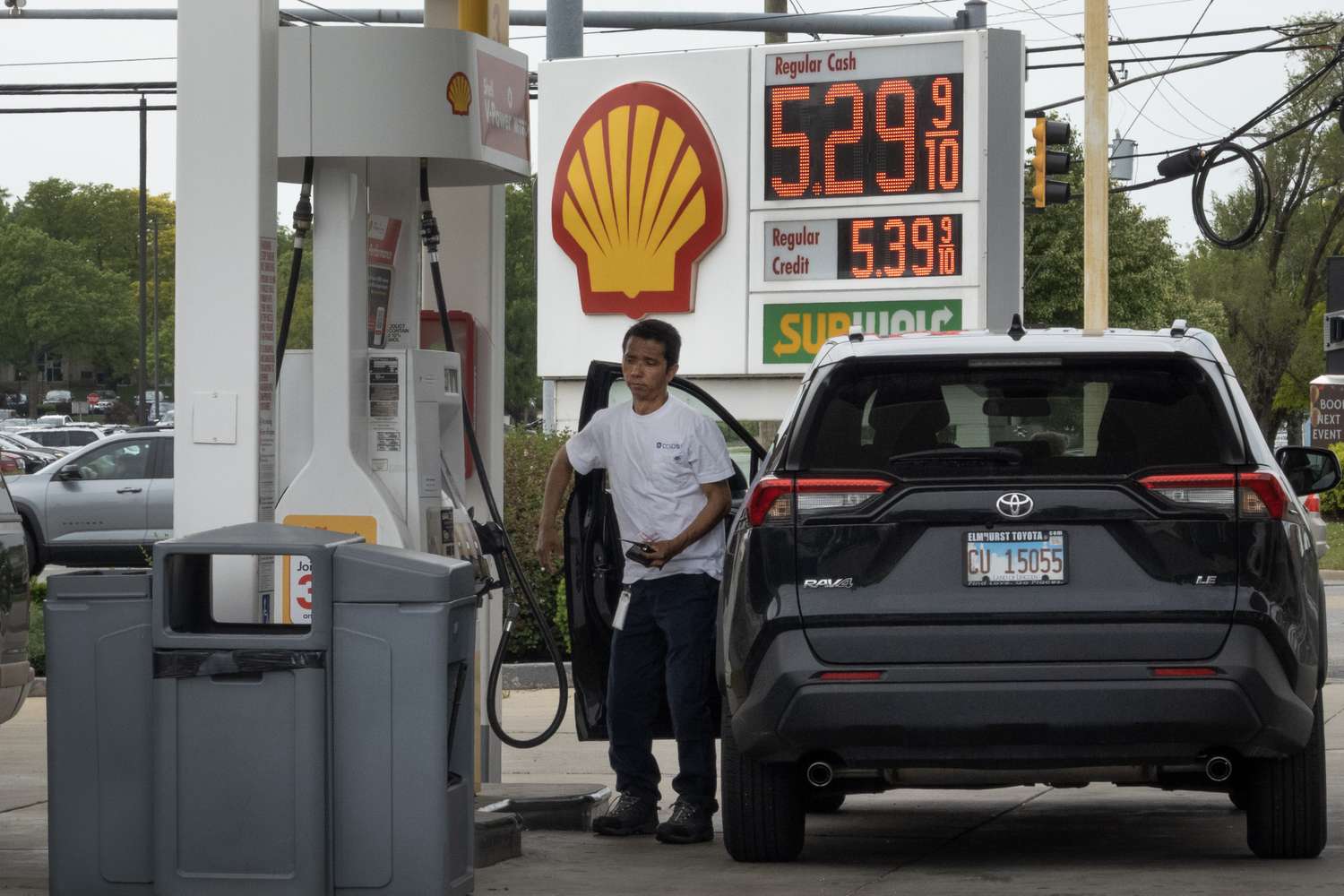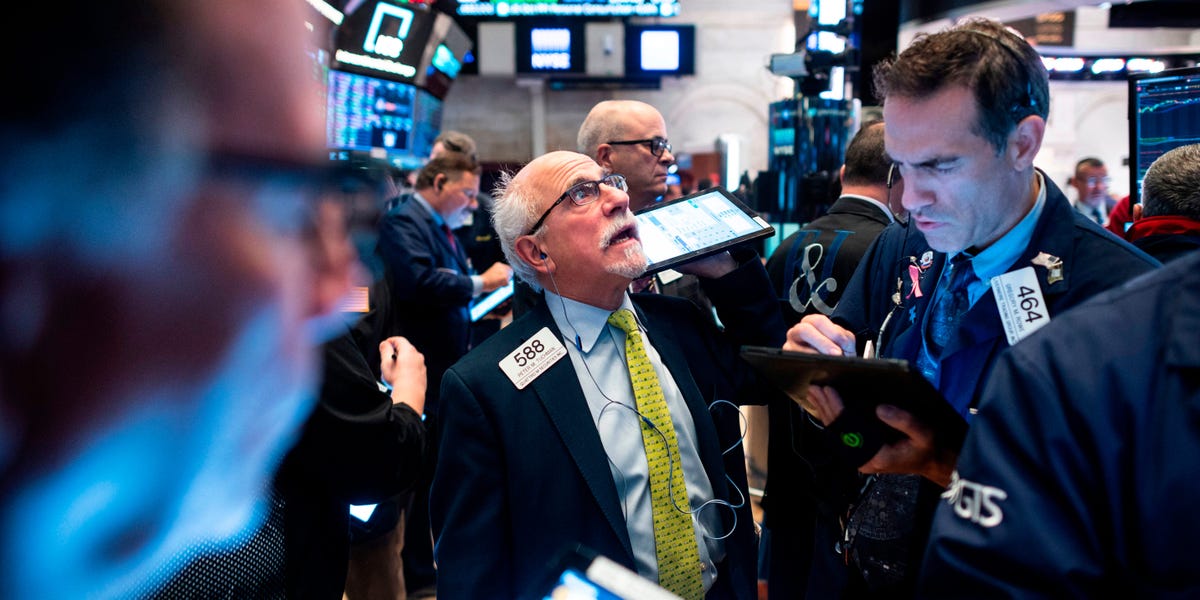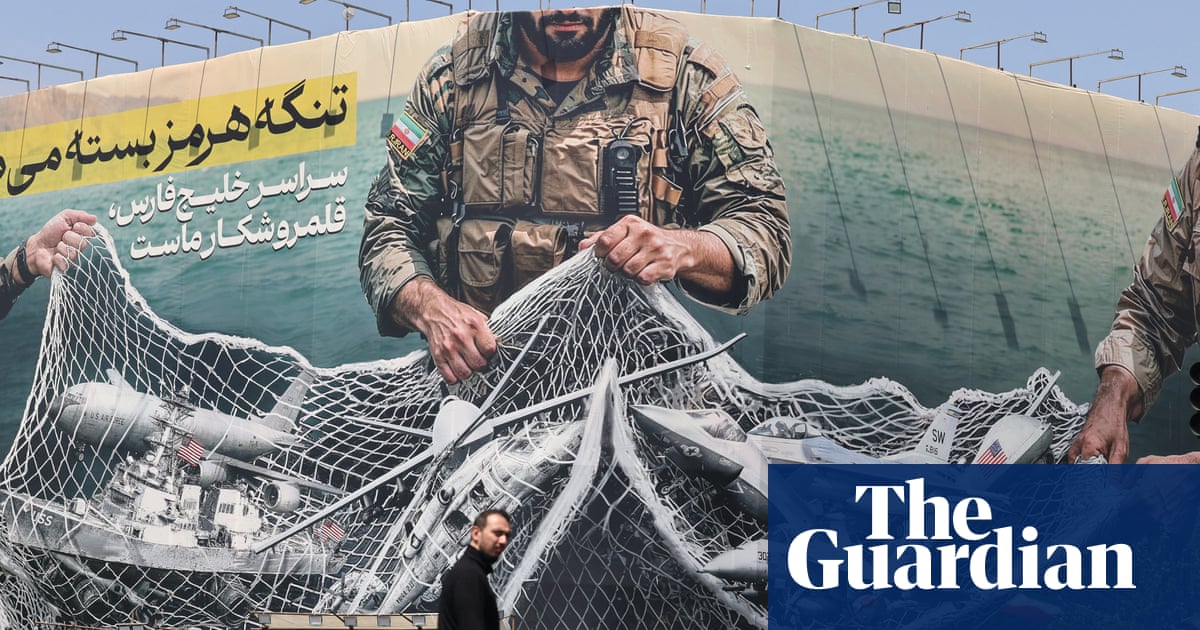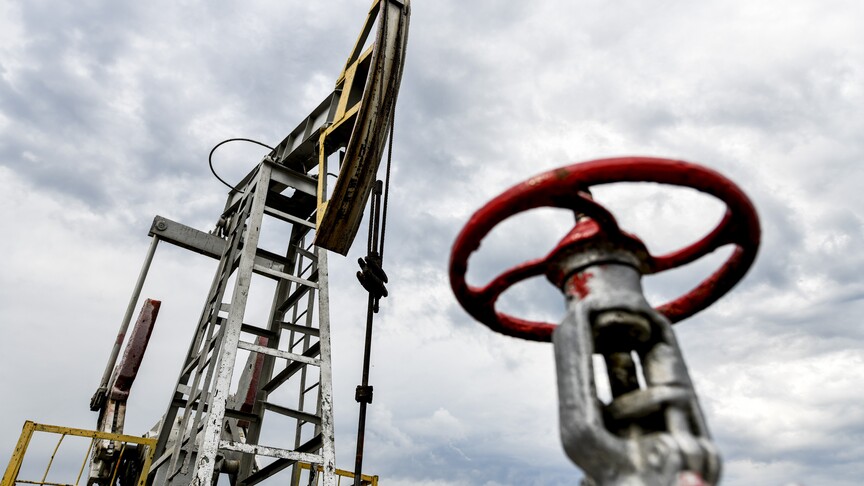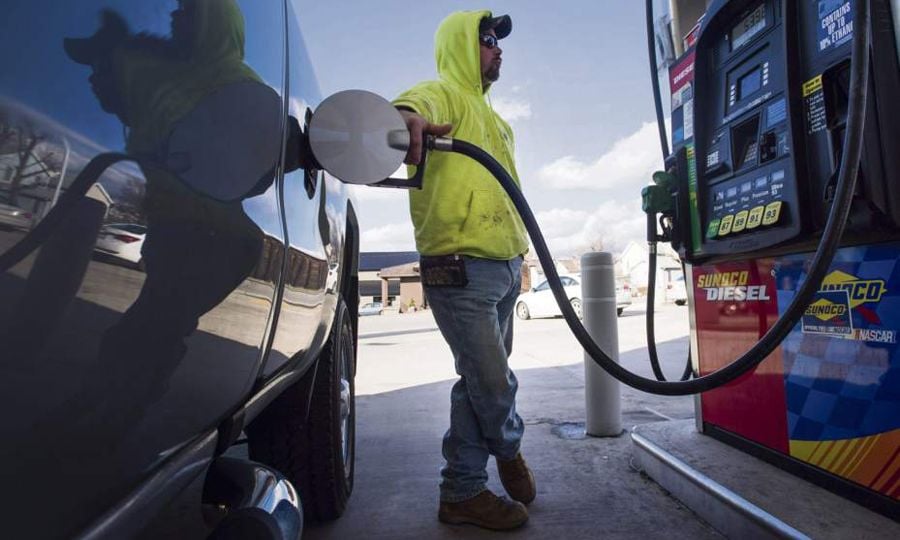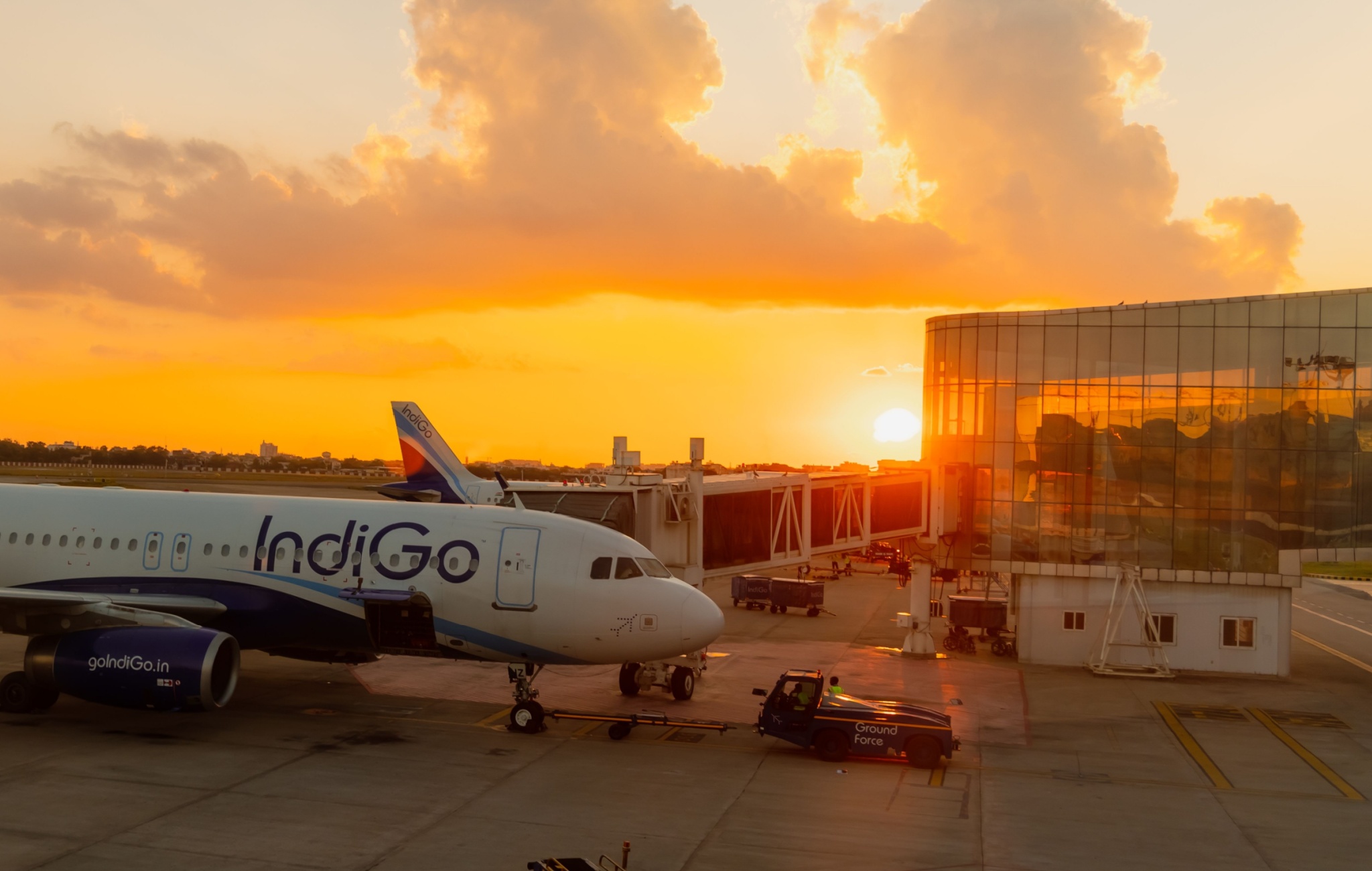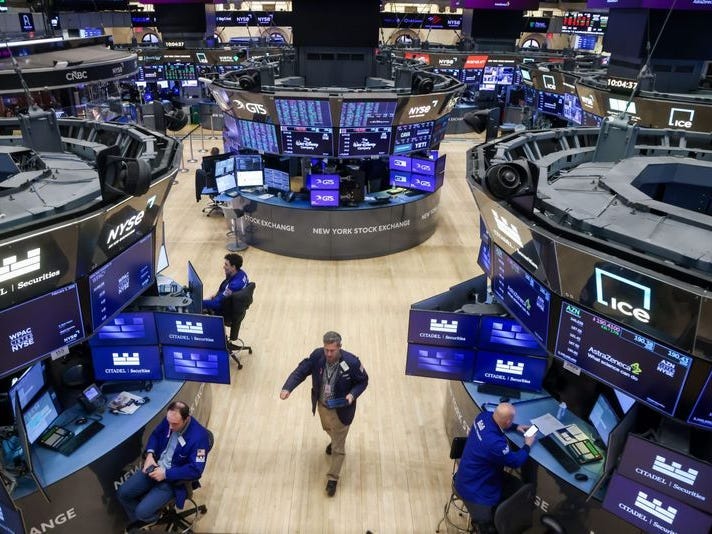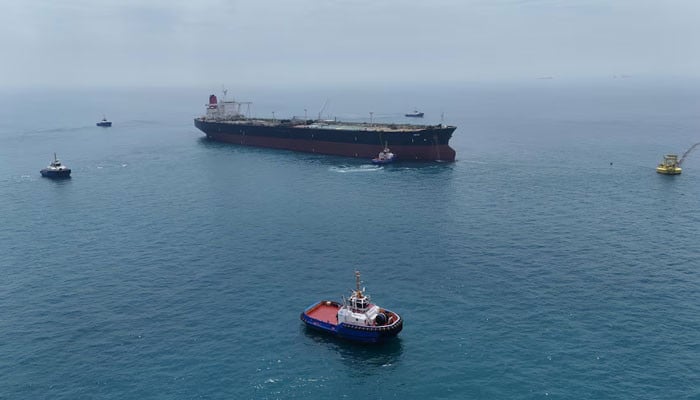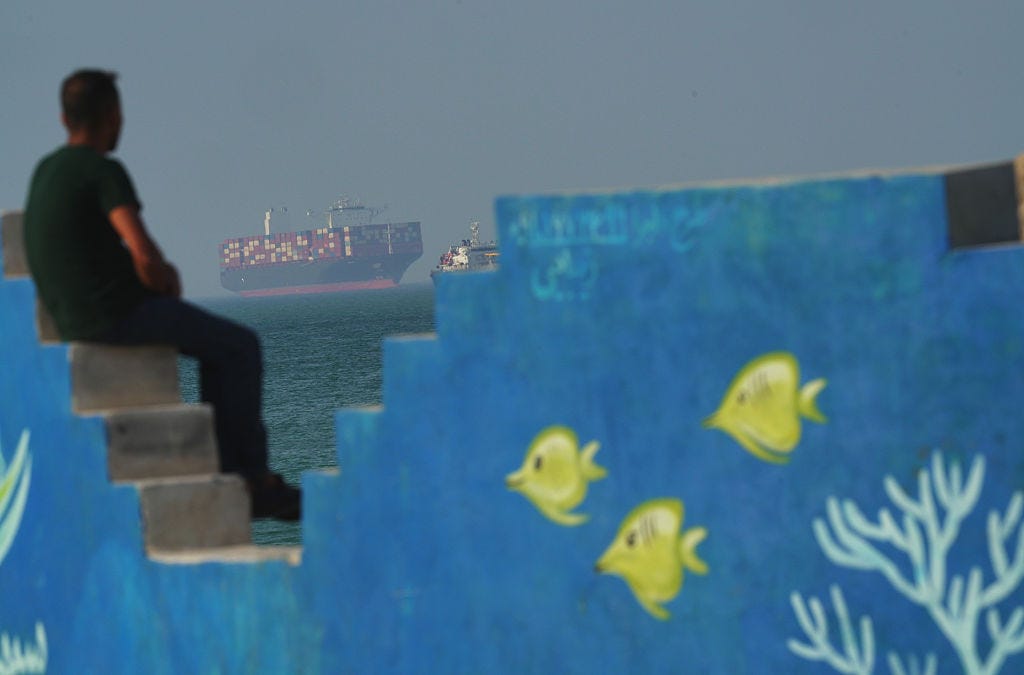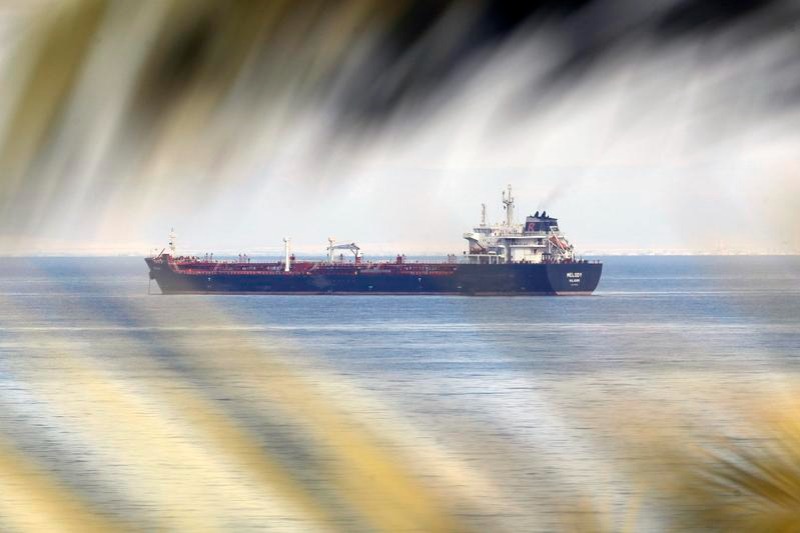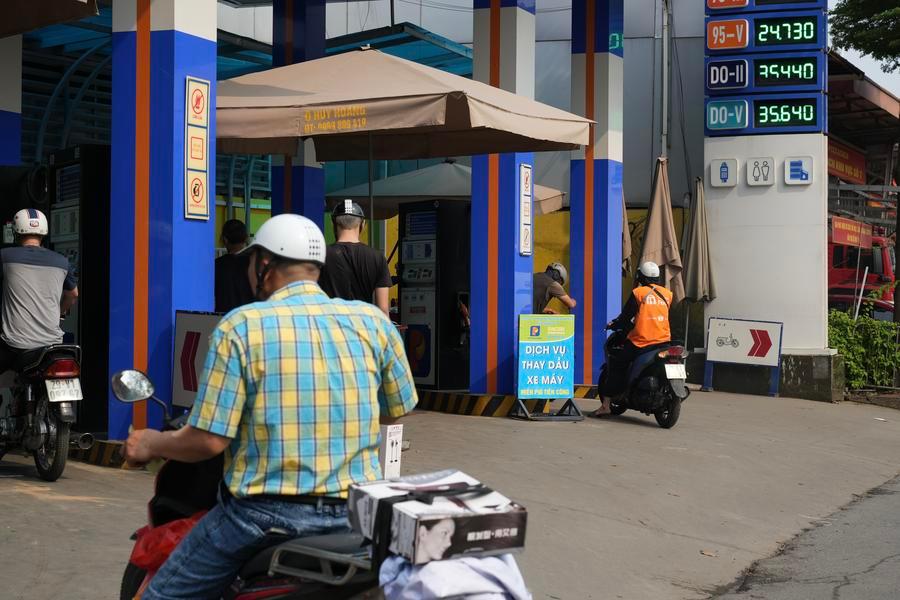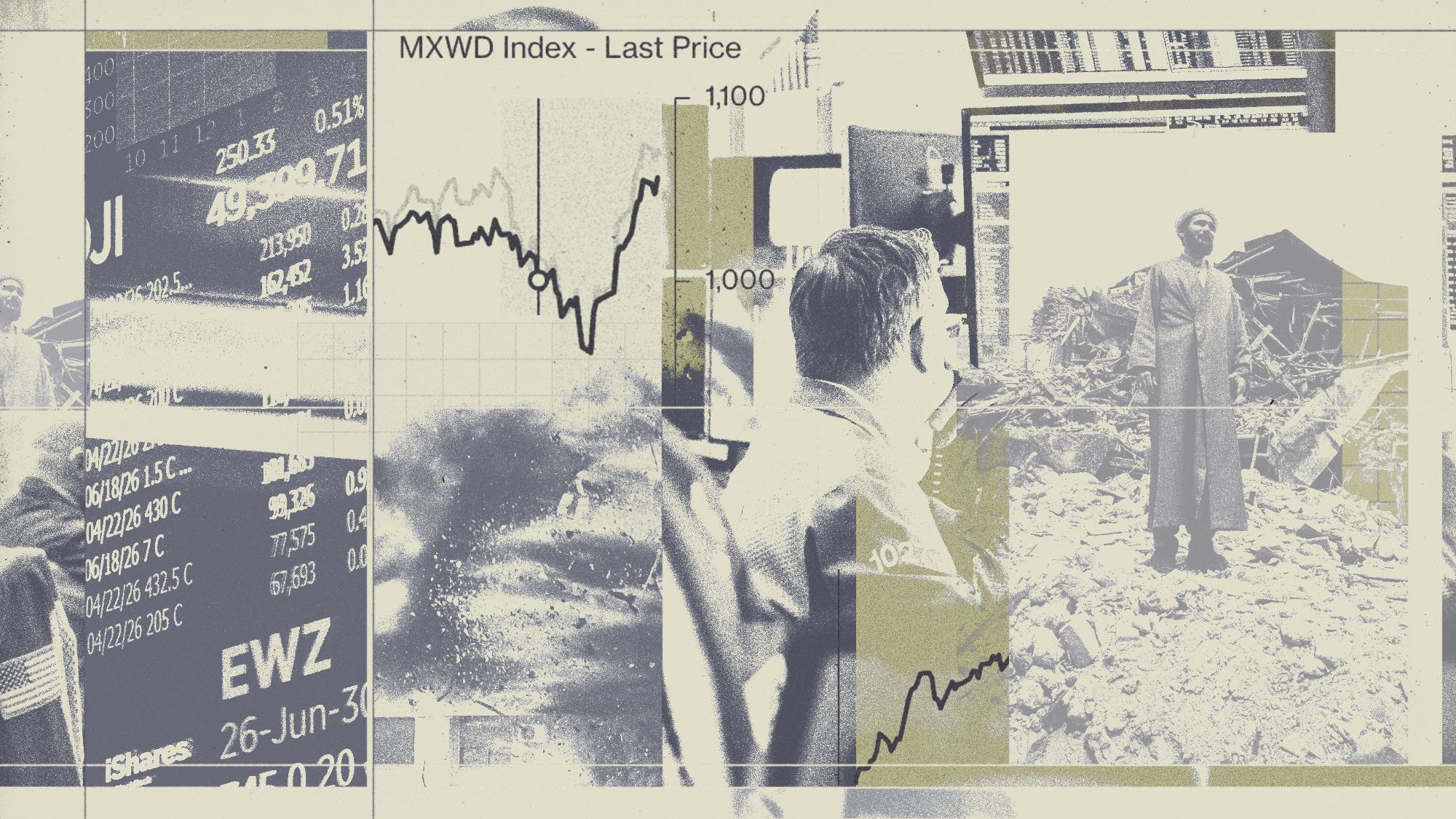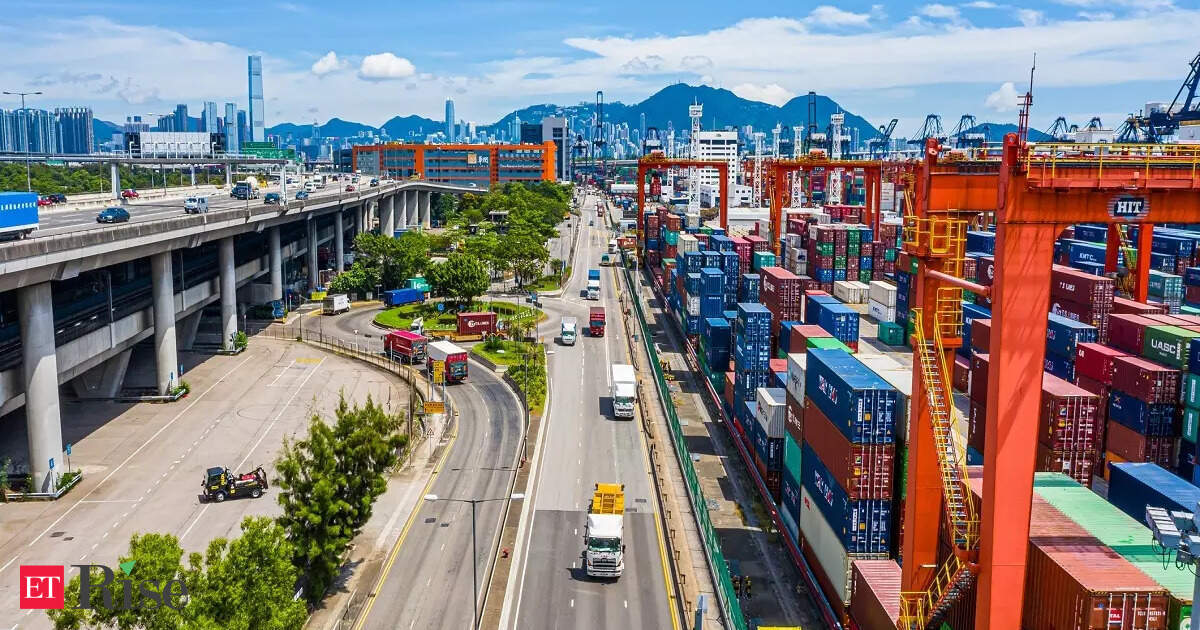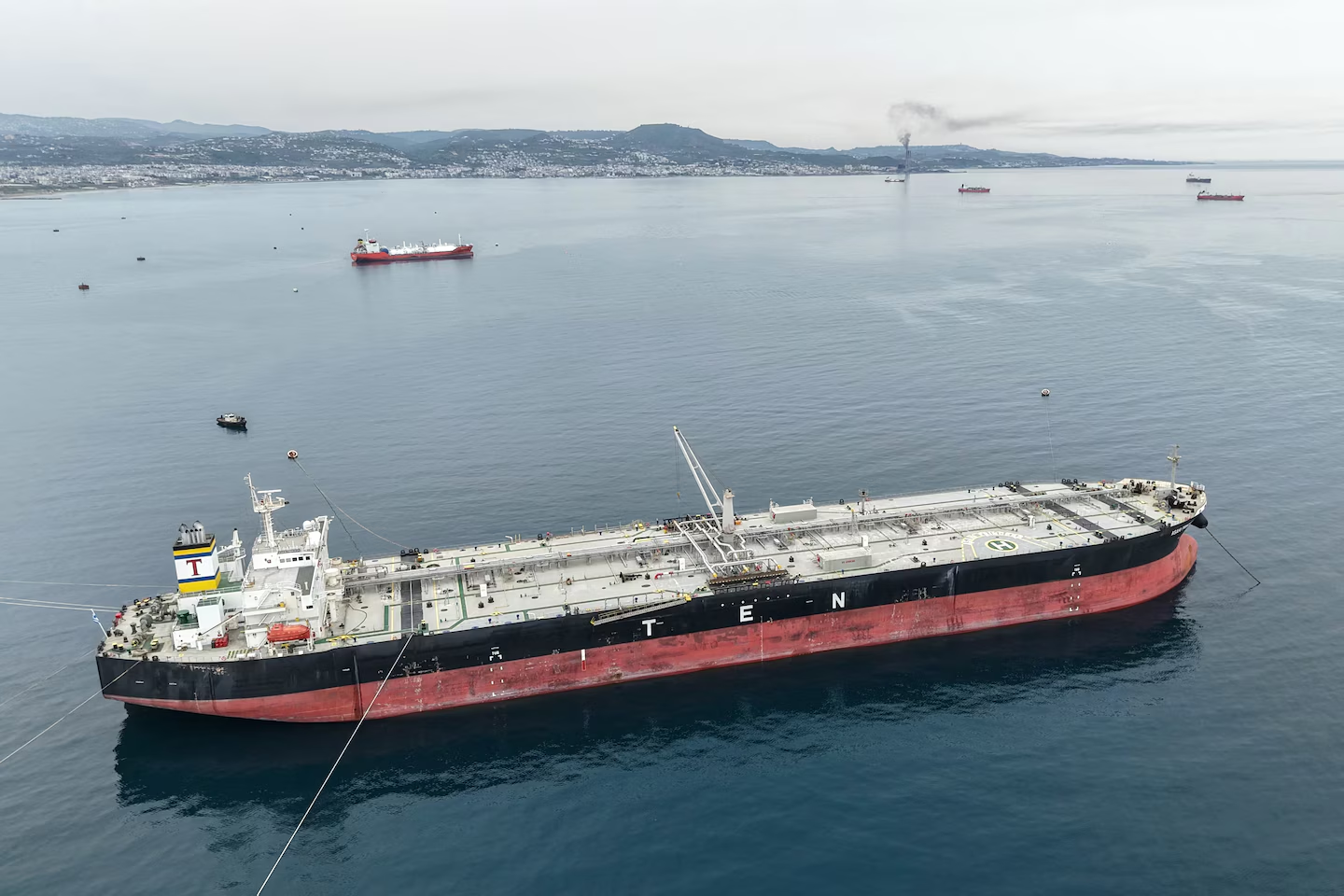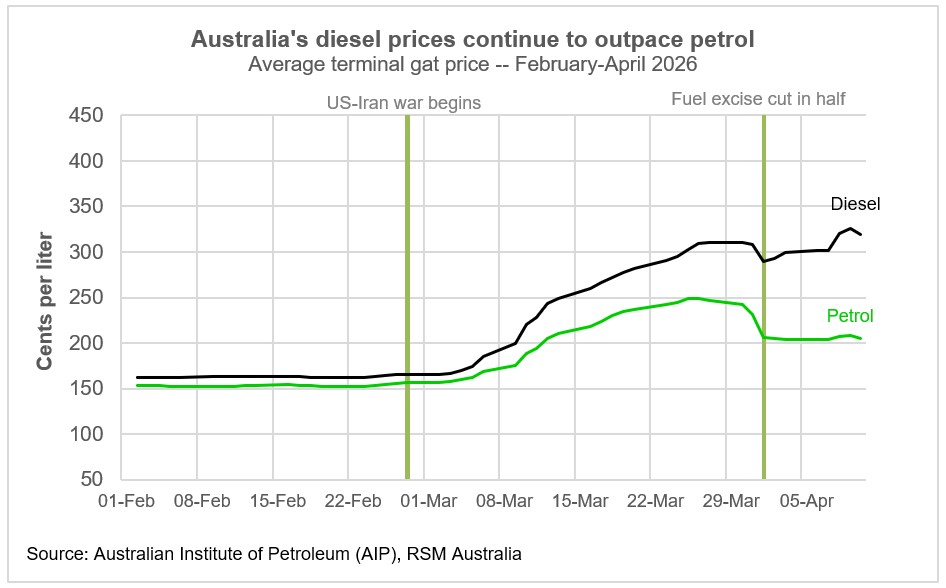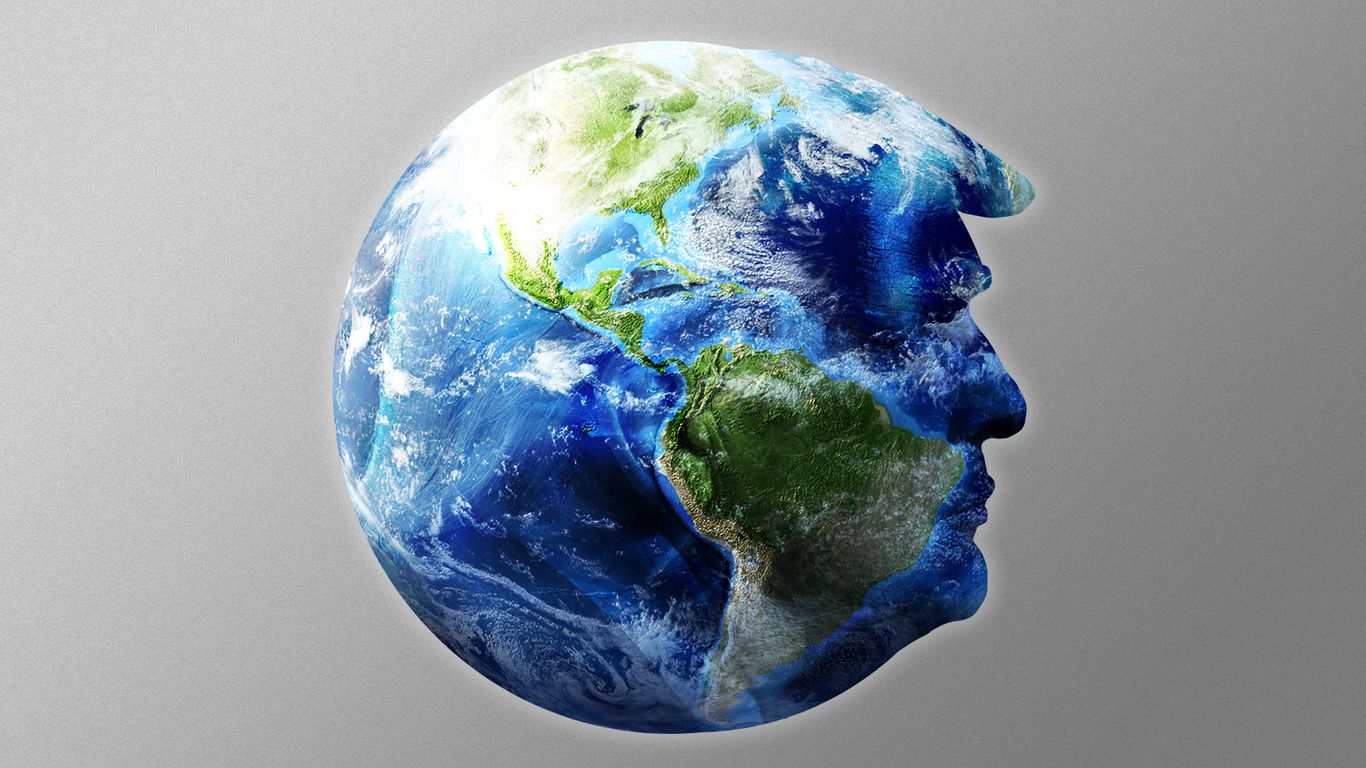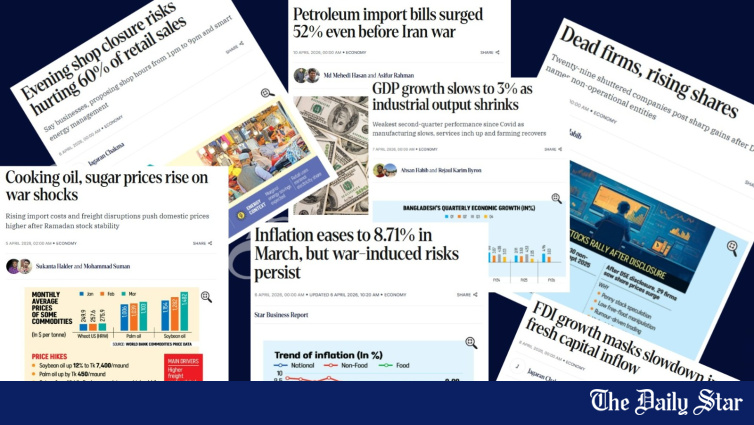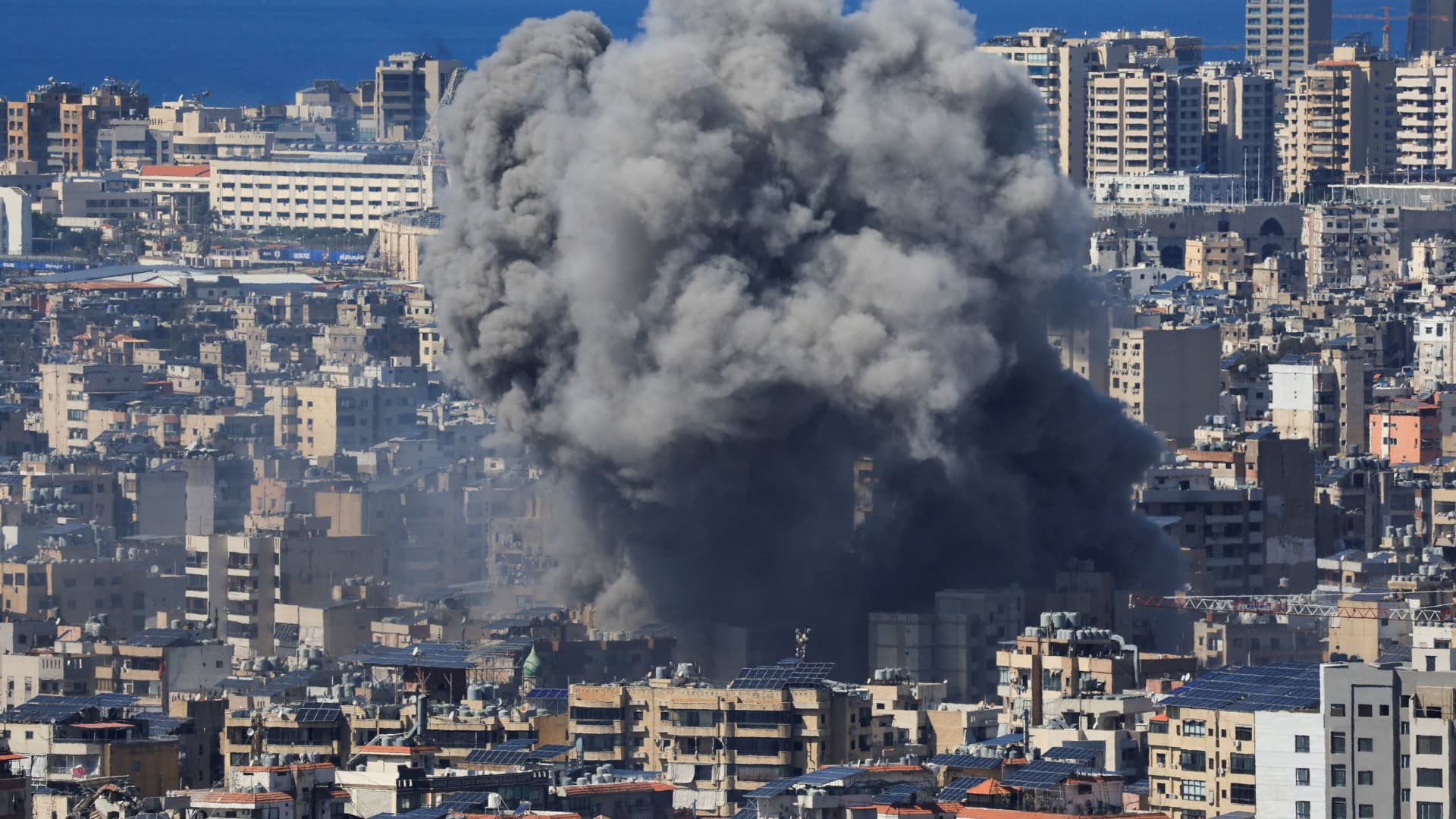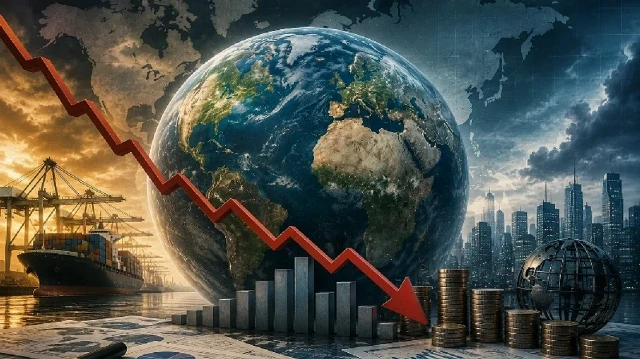
The peace agreement between the US and Iran may have eased immediate financial market fears, but economists warn that the conflict has already left a significant mark on the global economy. The war triggered the largest energy shock since the Ukraine conflict, disrupted the Strait of Hormuz—through which 20 million barrels of oil passed daily—and sent energy prices soaring. Brent crude surged from $72 to $120 per barrel before retreating below $80 after the deal. Jet fuel prices more than doubled, exceeding $210 per barrel. IEA Executive Director Fatih Birol described it as the “biggest energy security threat in history.”
Inflation and growth
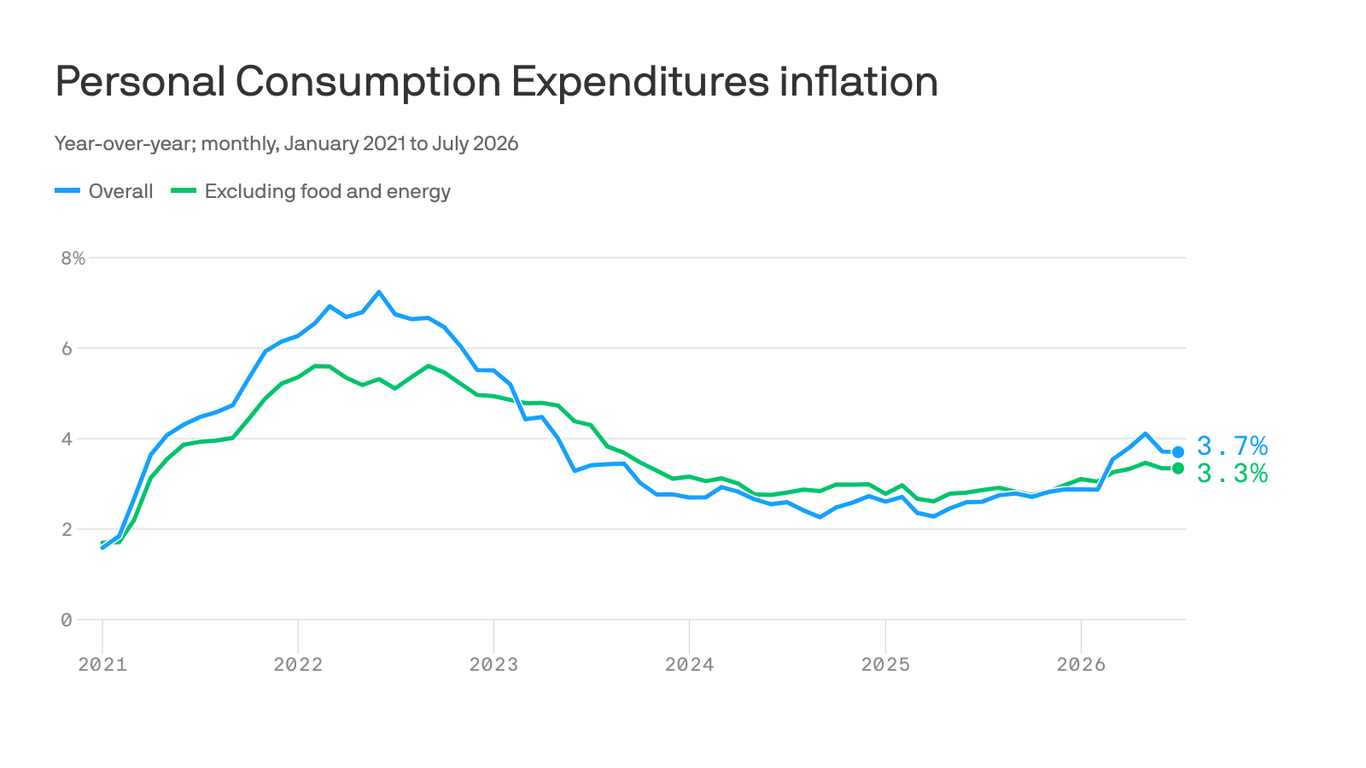
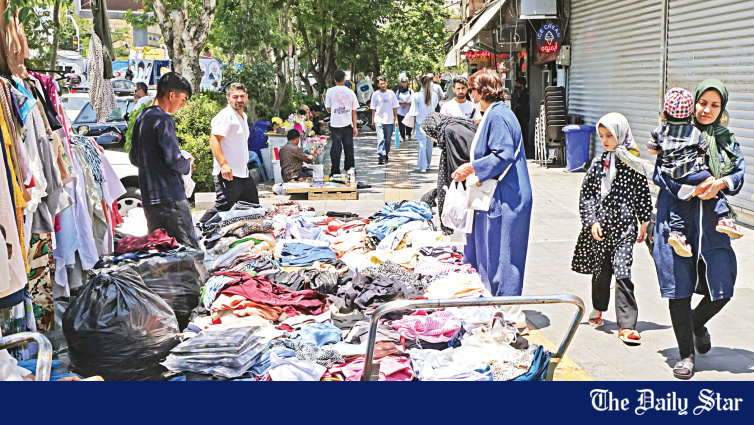
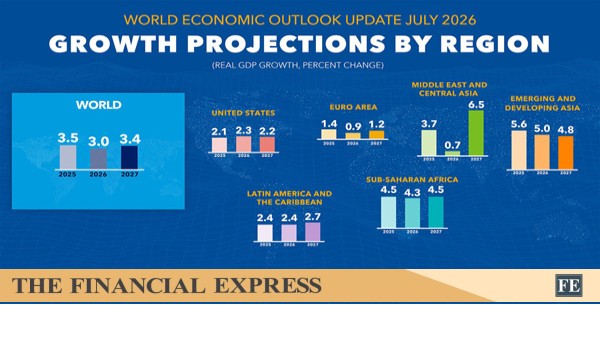
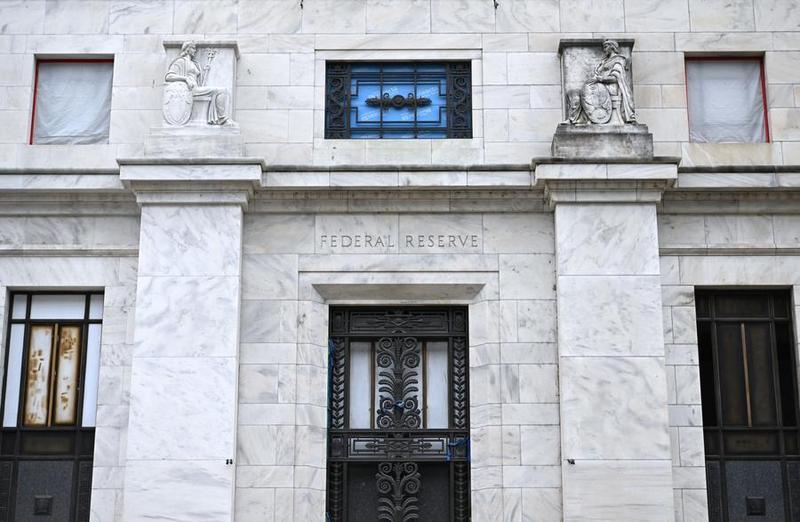
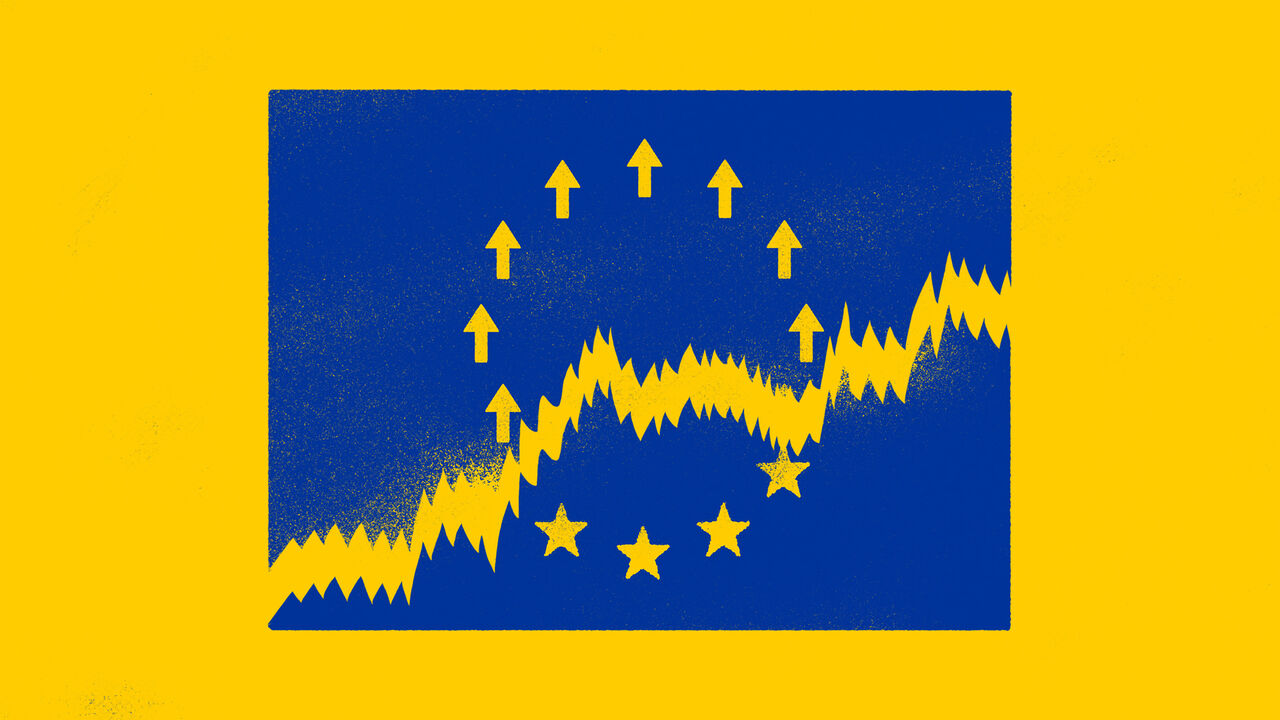
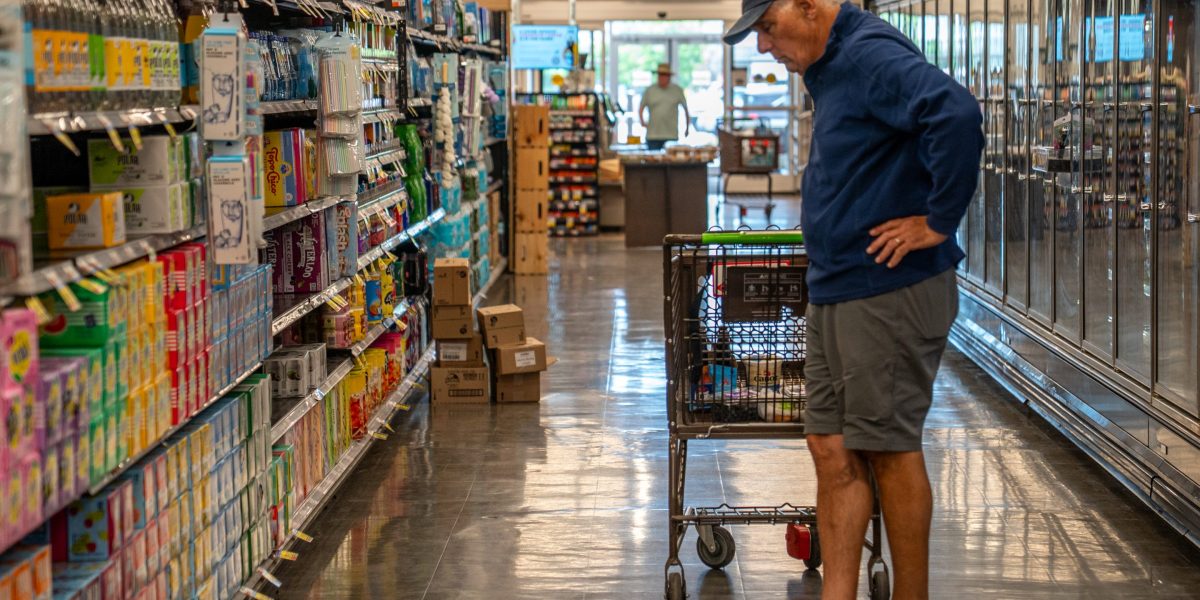
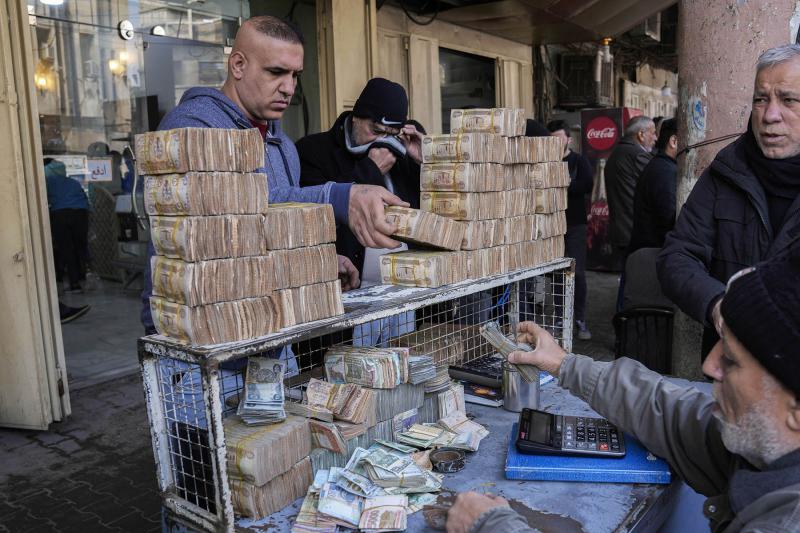
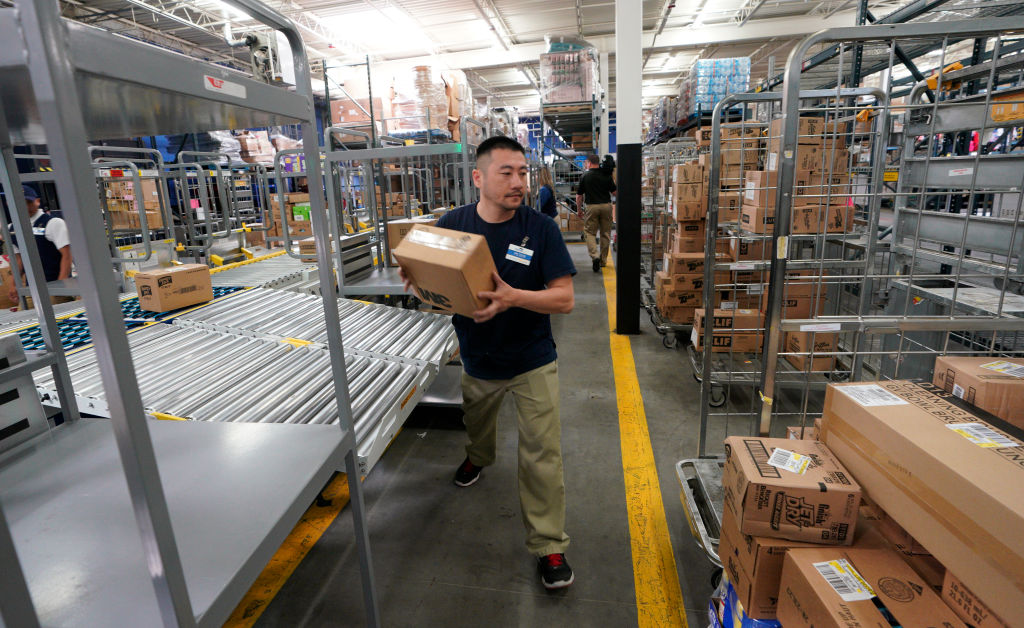
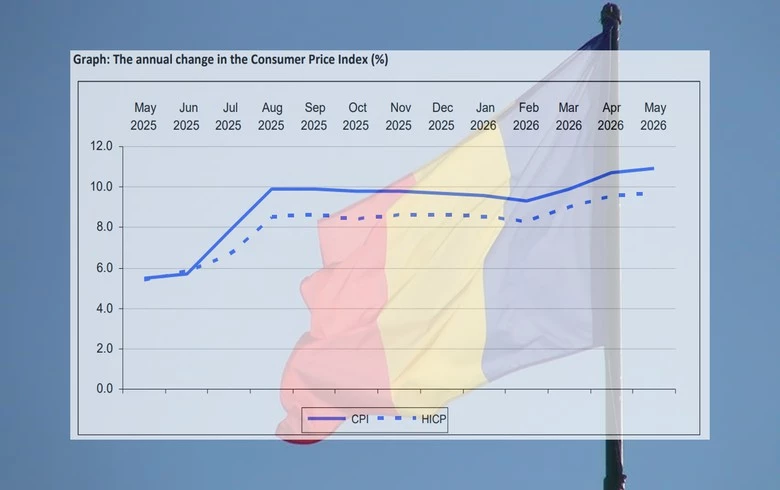
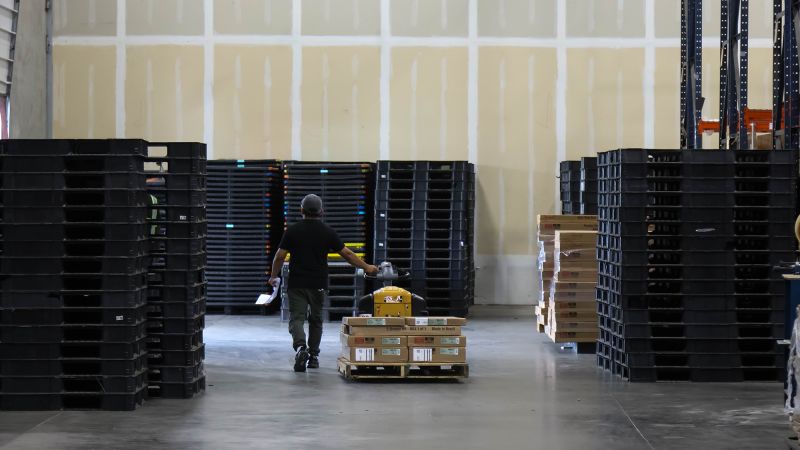
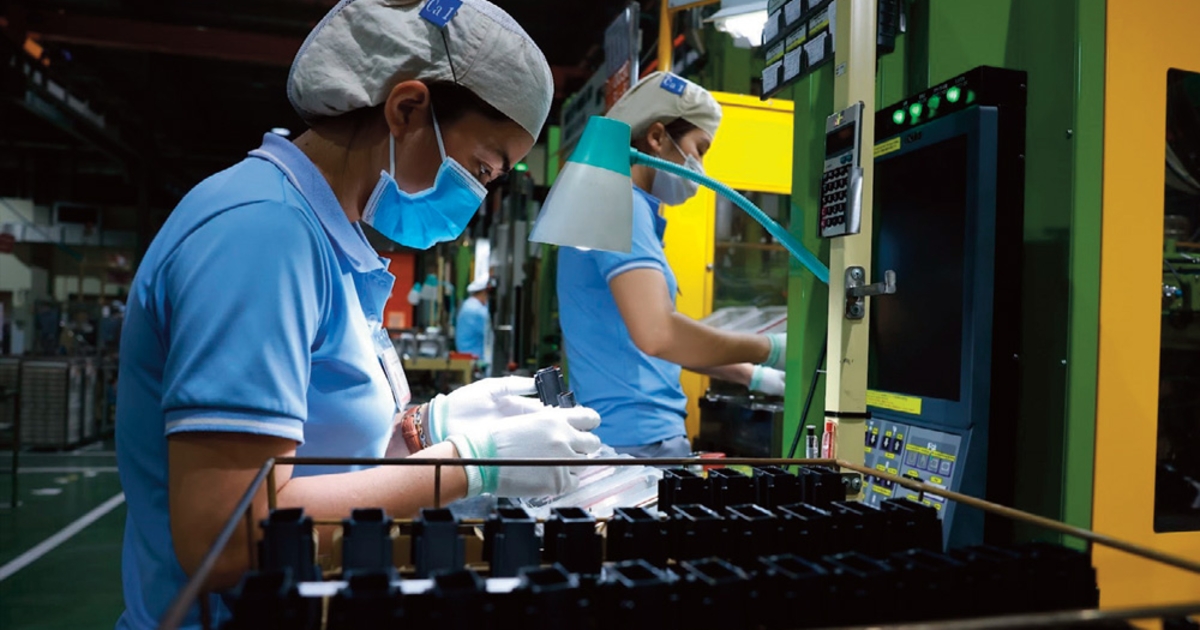
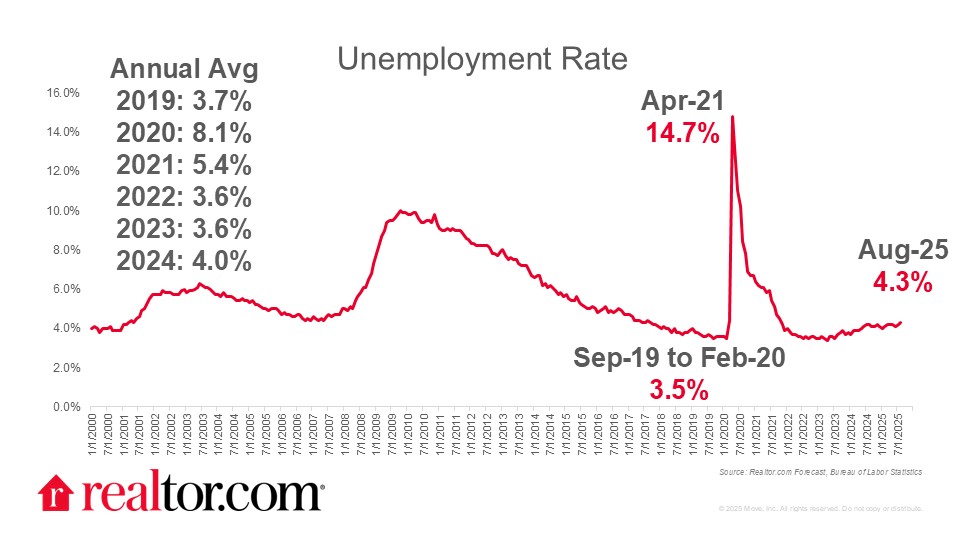
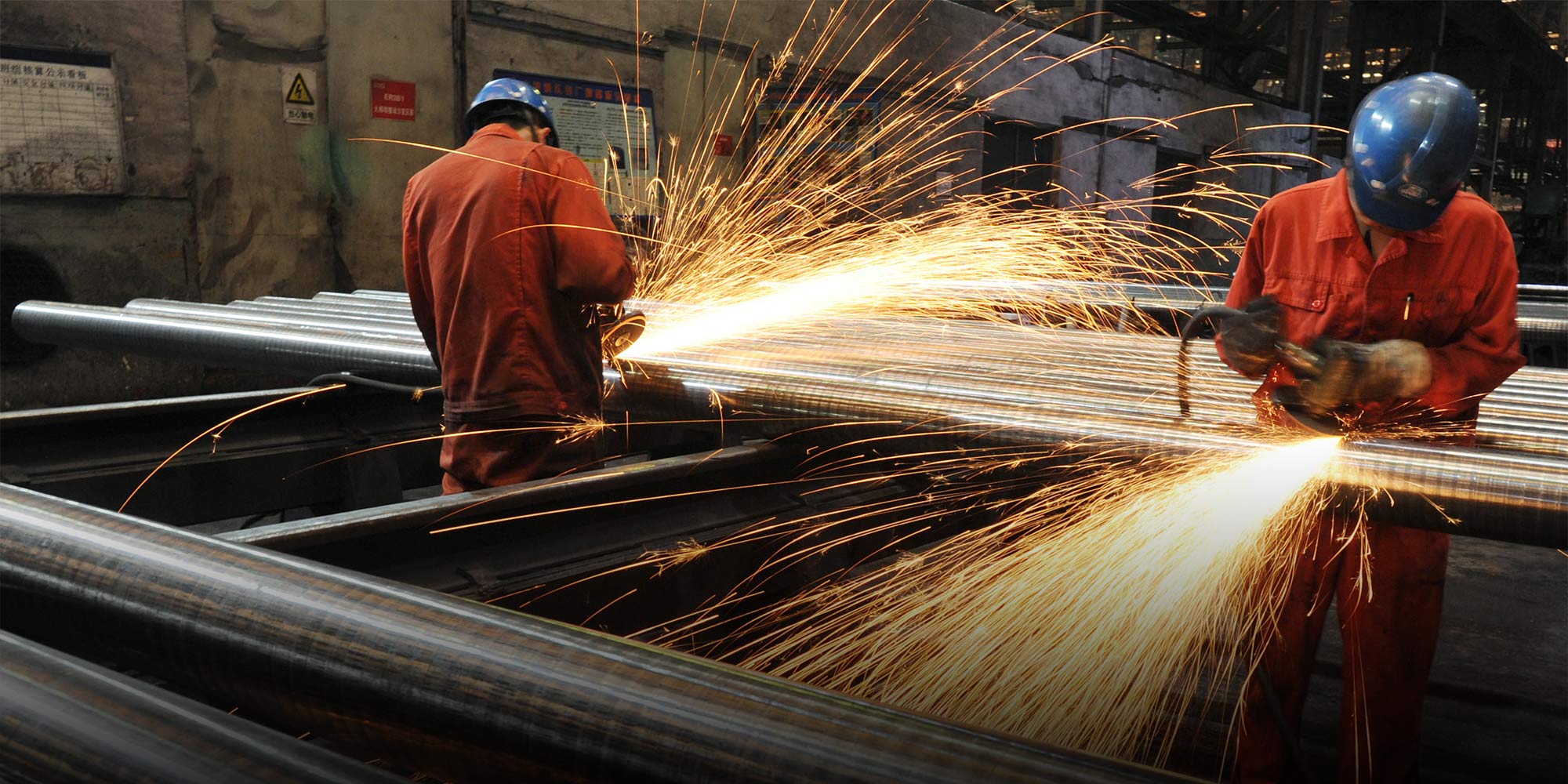
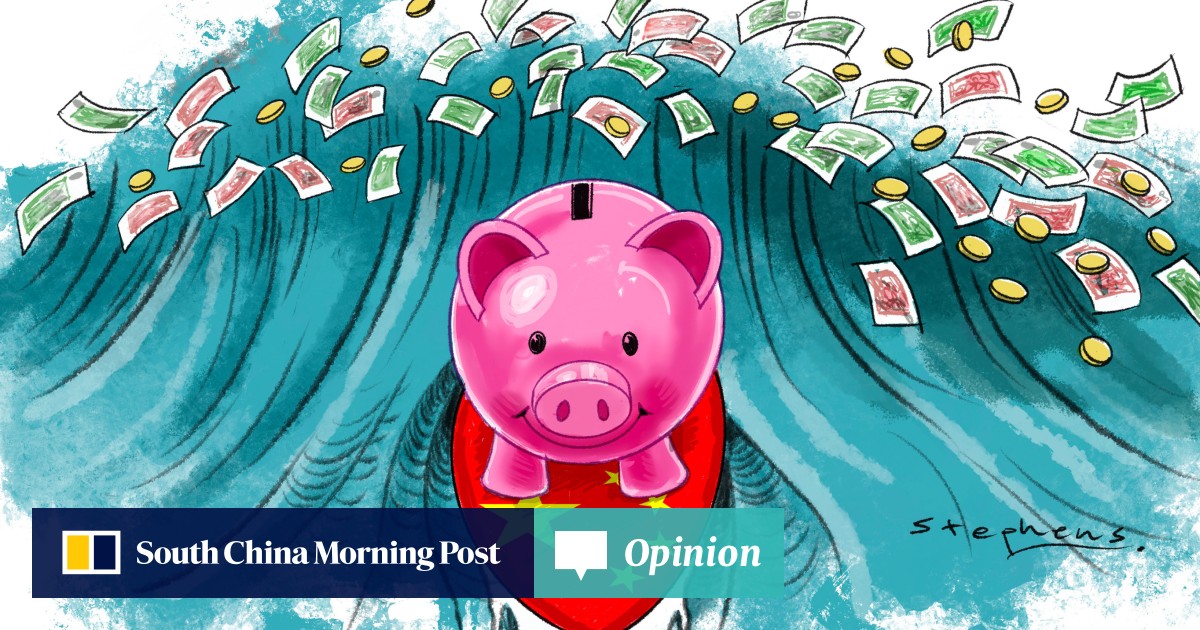
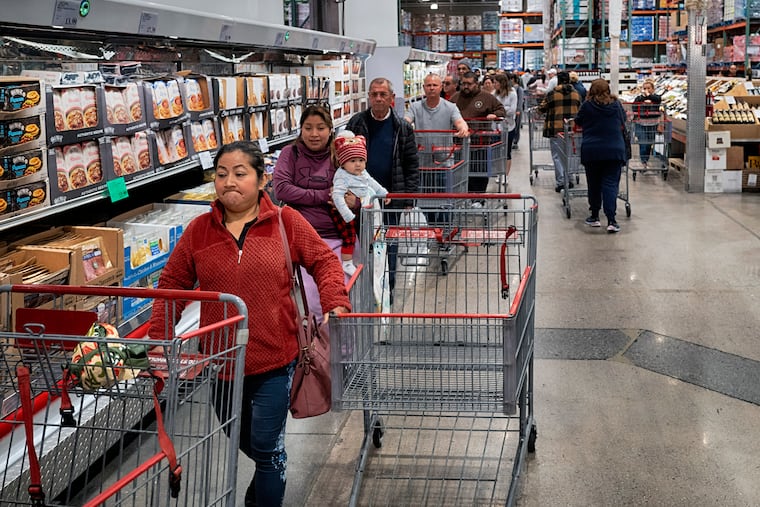
The energy shock filtered through the broader economy, raising transportation, electricity, and agricultural input costs. The World Bank forecasts global inflation to rise to 4% in 2026 from 3.3% in 2025, with developing economies facing the largest impacts. US annual inflation reached 4.2% in May—its highest in over three years. Global growth is expected to slow to 2.5% in 2026, the weakest since COVID-19. The World Bank said growth across emerging markets and developing economies has been downgraded to 3.6% from 4.4%. Gulf economies are expected to grow at near zero.
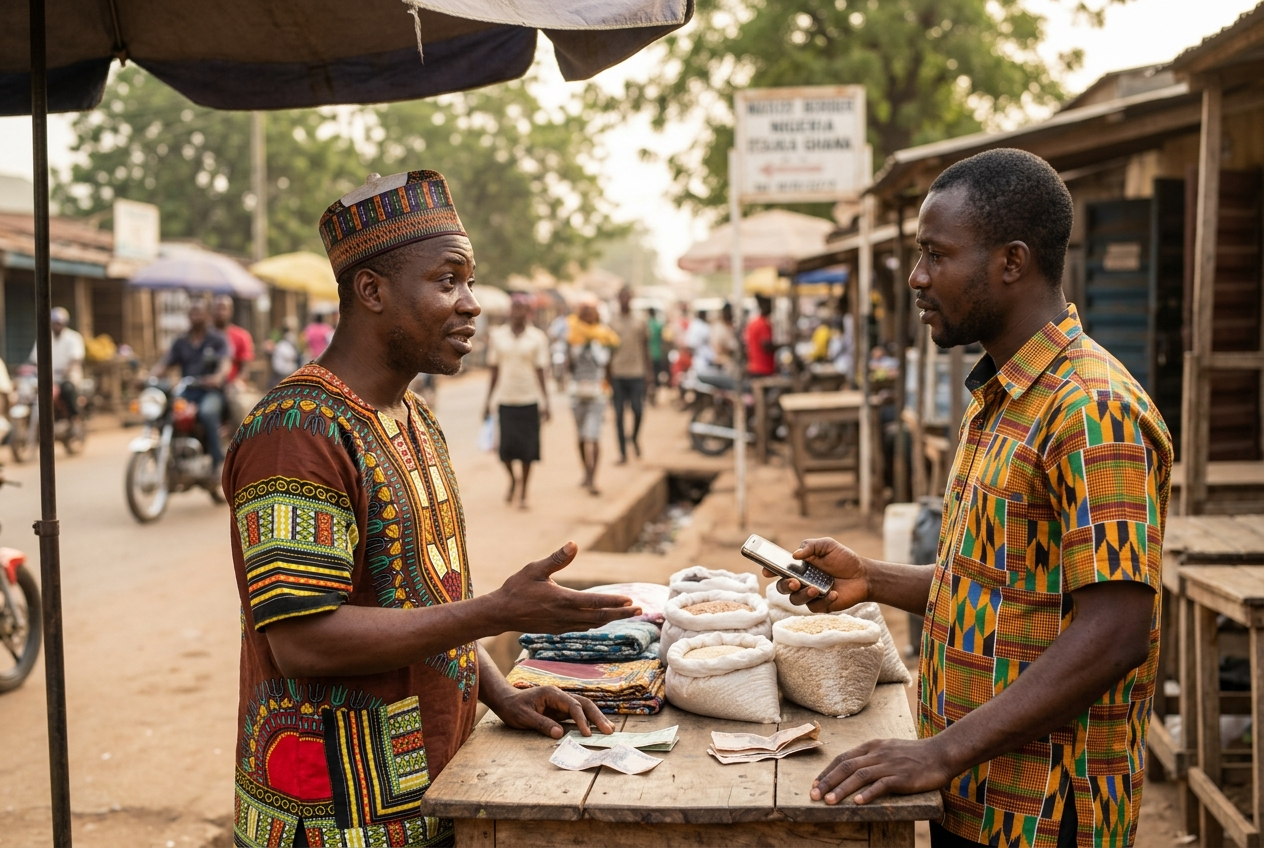
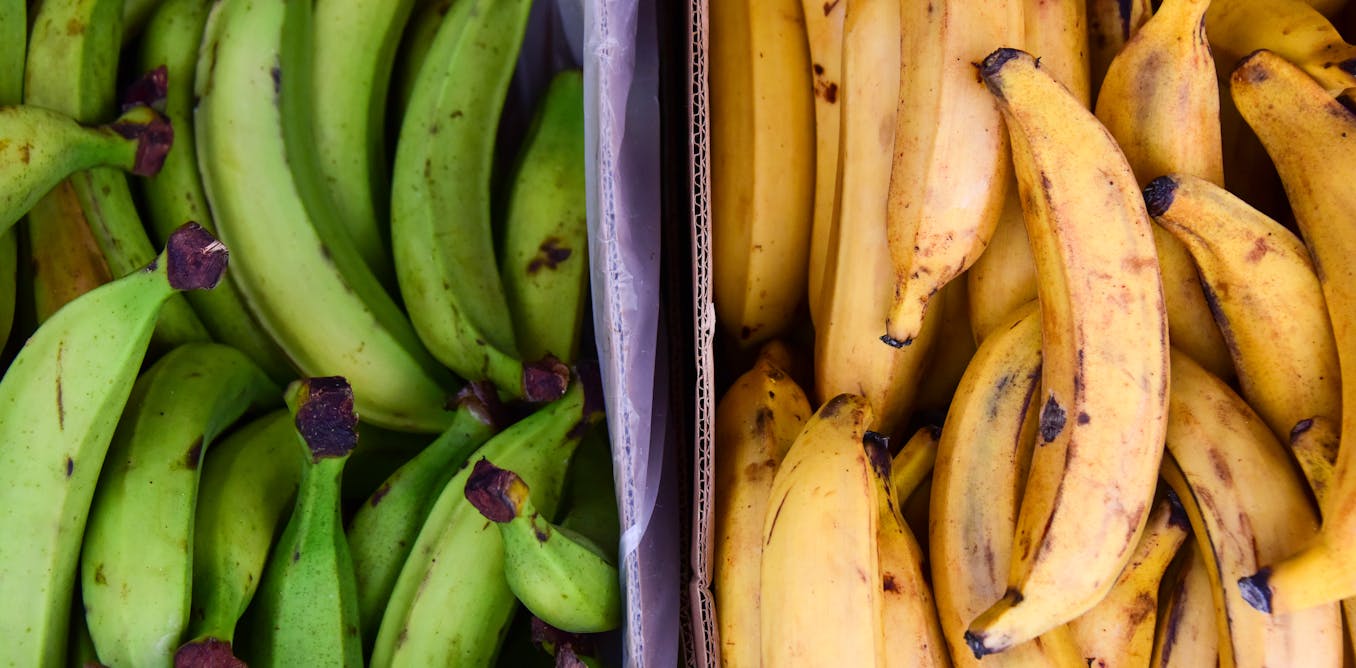
Commodities and food security
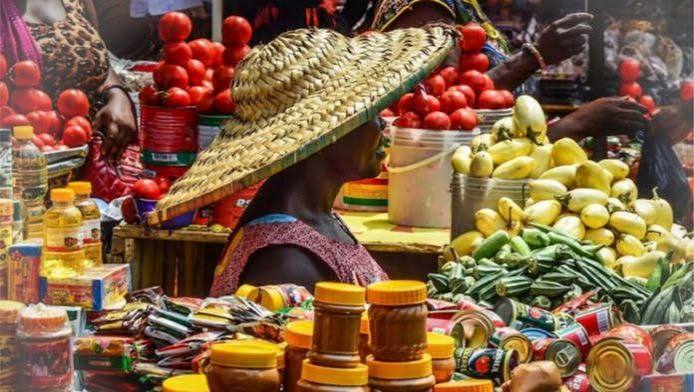
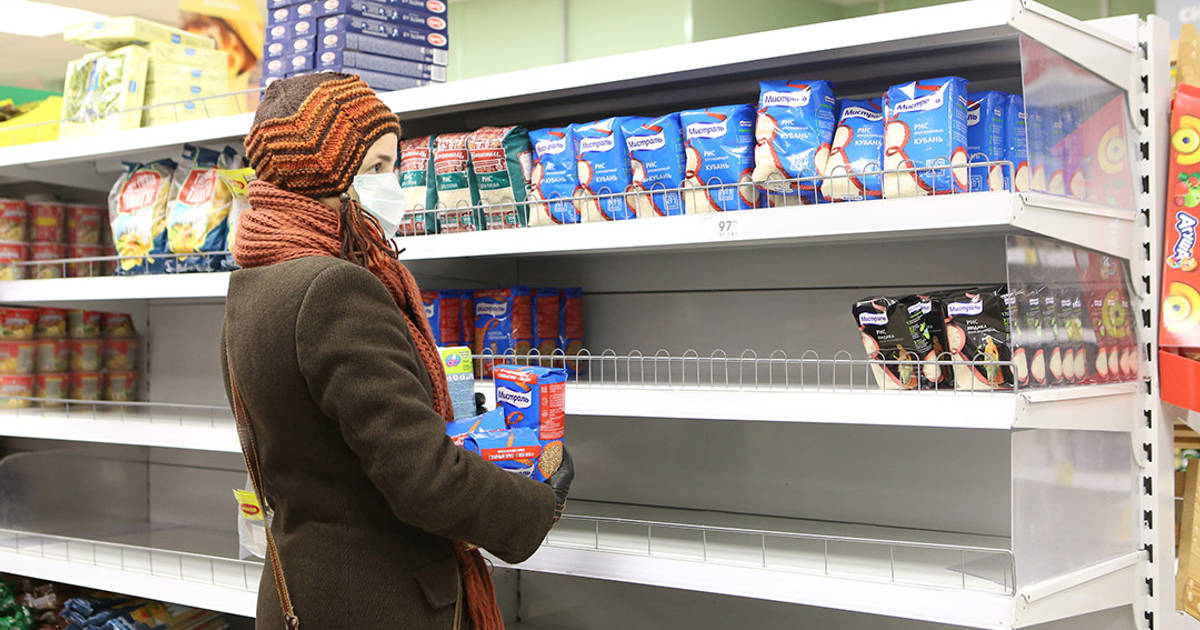
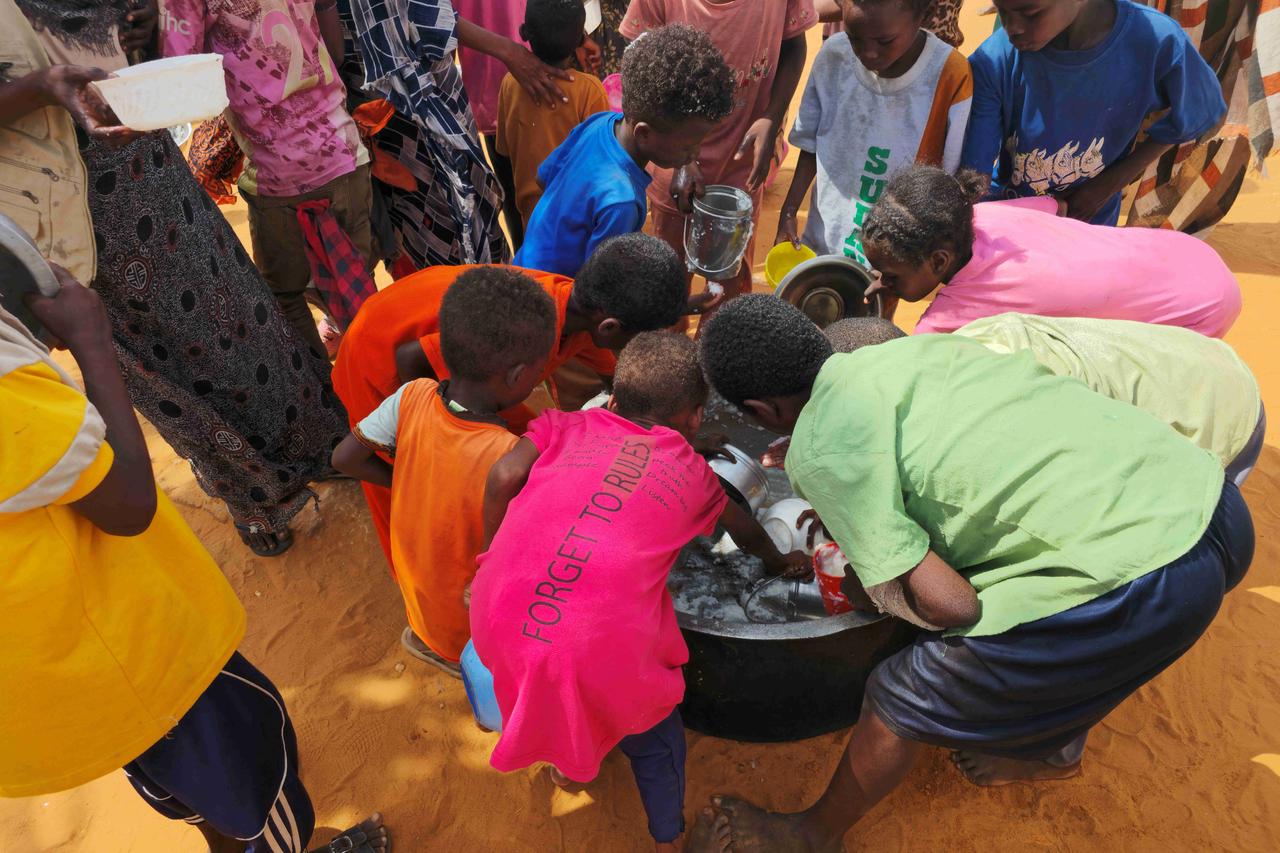
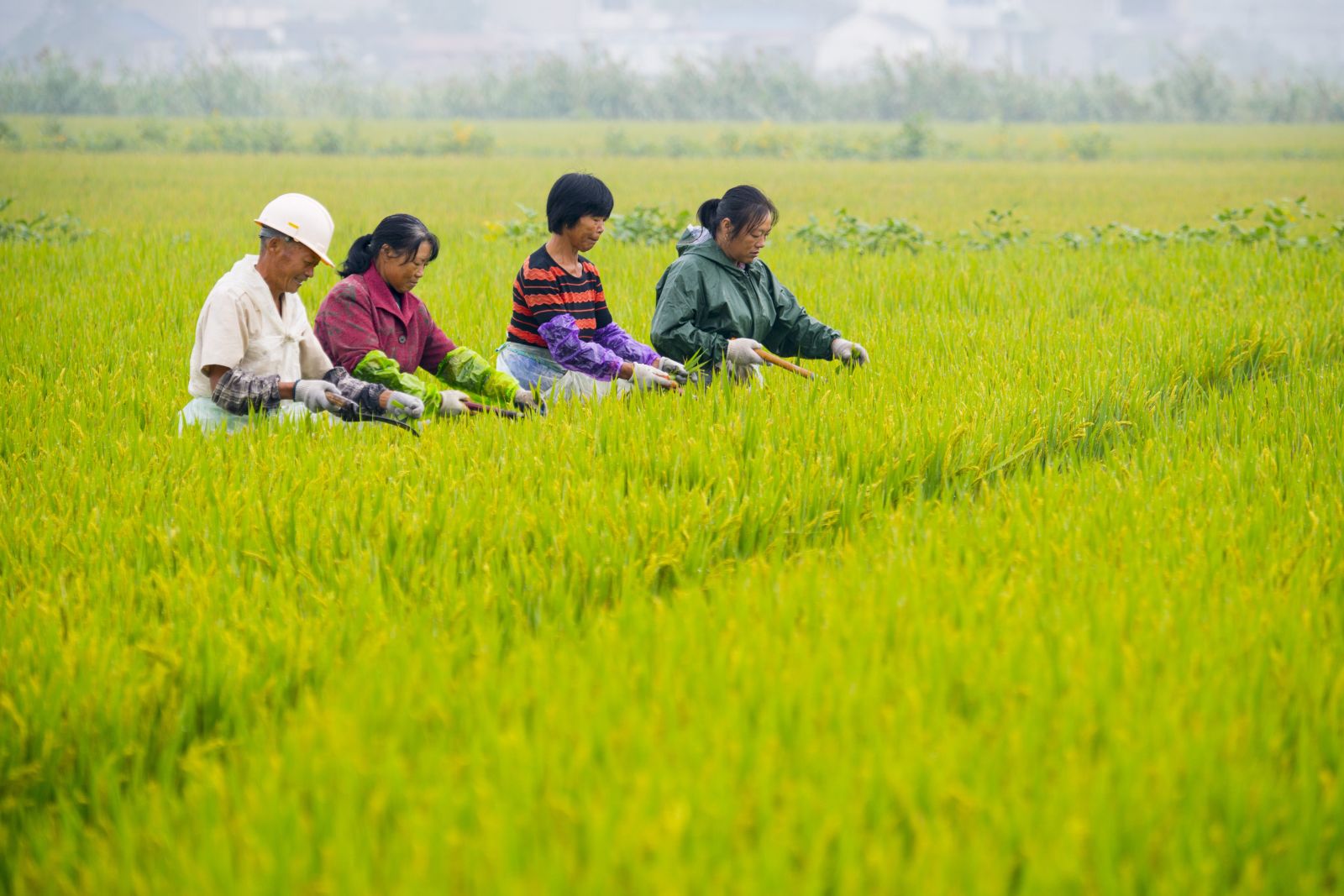
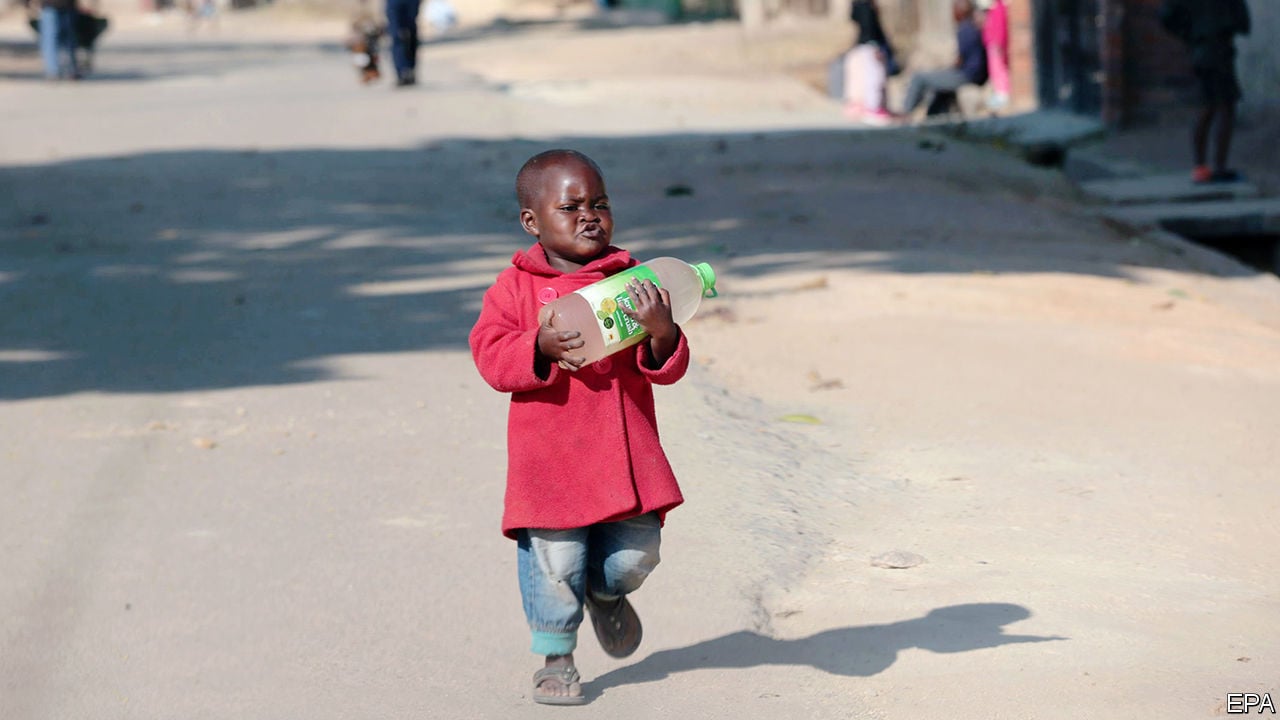
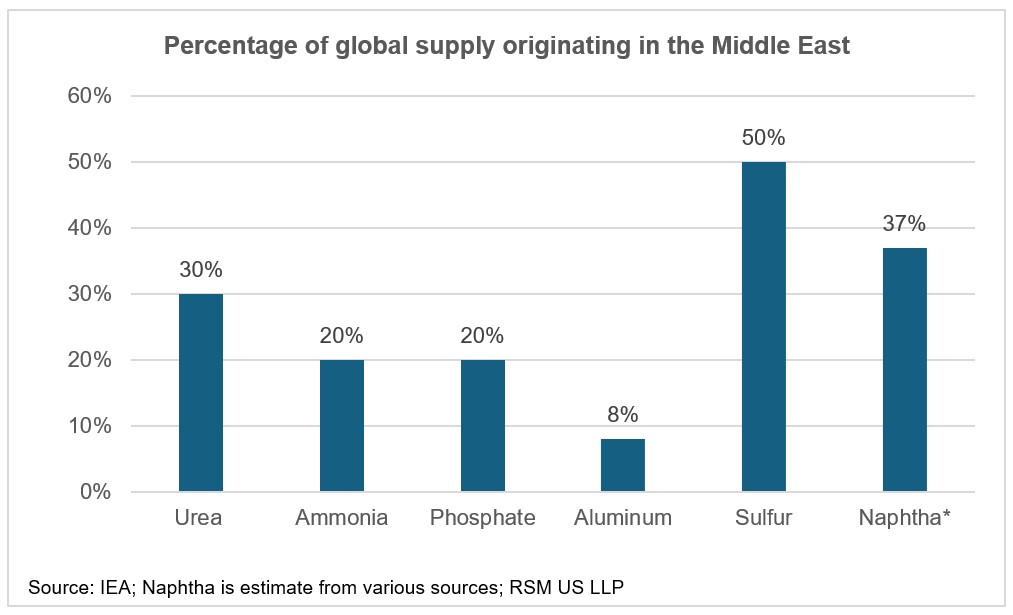
Fertilizer prices are projected to rise 31% this year, with urea prices up 60%. The World Food Program warned that 45 million additional people could face acute food insecurity. The World Bank estimates repair costs for damaged energy infrastructure at up to $58 billion.