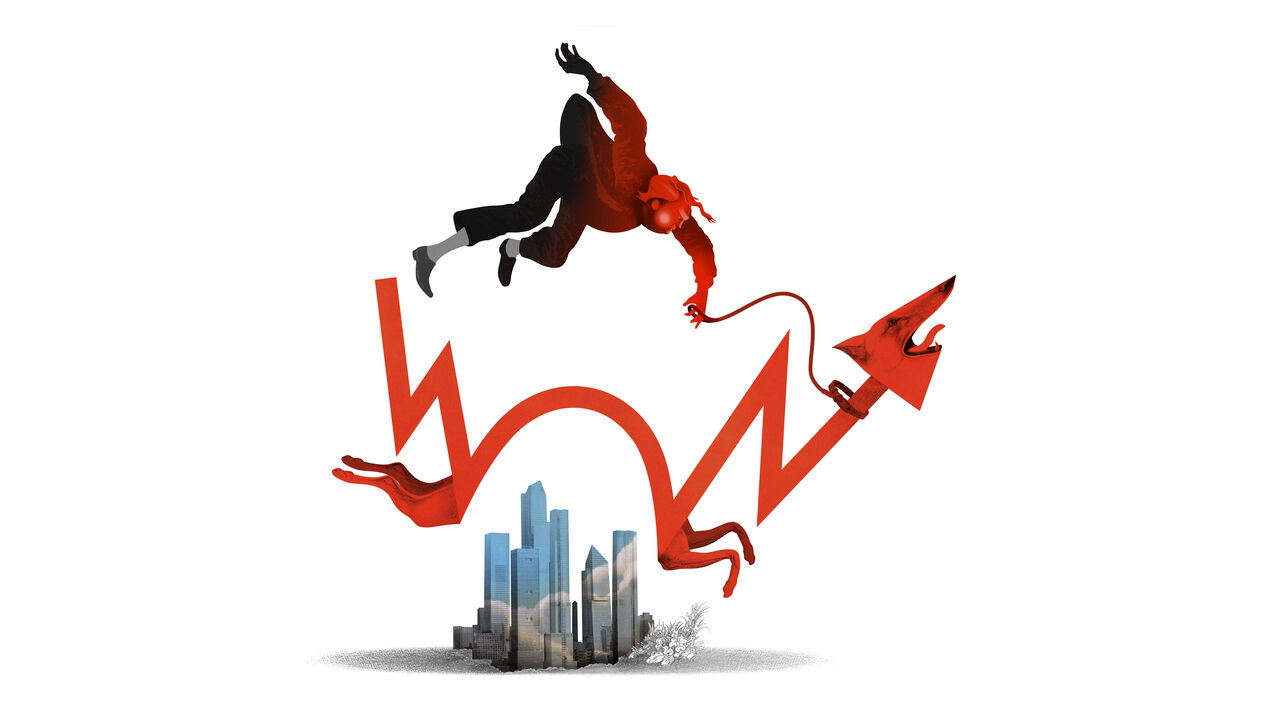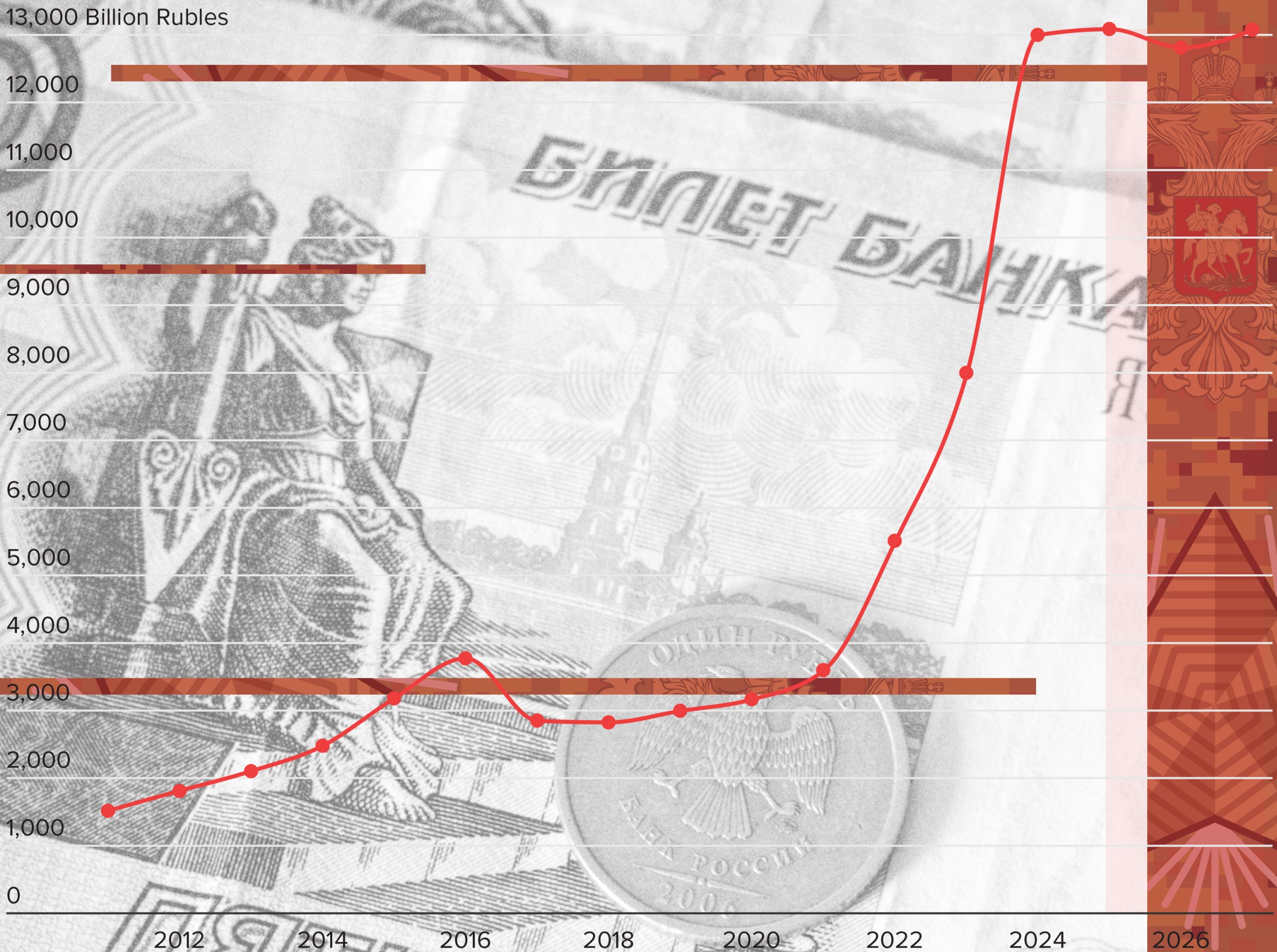
In this environment, reiderstvo is unlikely to diminish; instead, it will likely mutate. As growth slows, the struggle for remaining profitable assets will intensify. ‘Anyone can become a victim,’ one commentator warns. Firms once protected by neutrality or local influence may find themselves targeted as the state seeks new spoils to compensate for declining growth. The pattern is likely to follow three directions:
1. Further seizures of ‘unpatriotic’ domestic firms, including those with foreign shareholders or executives living abroad.
2. Expanded use of ‘temporary management’ decrees to capture assets under the pretext of sanctions compliance.
3. Pressure on regional elites to ‘donate’ businesses to state-aligned conglomerates in exchange for political protection.
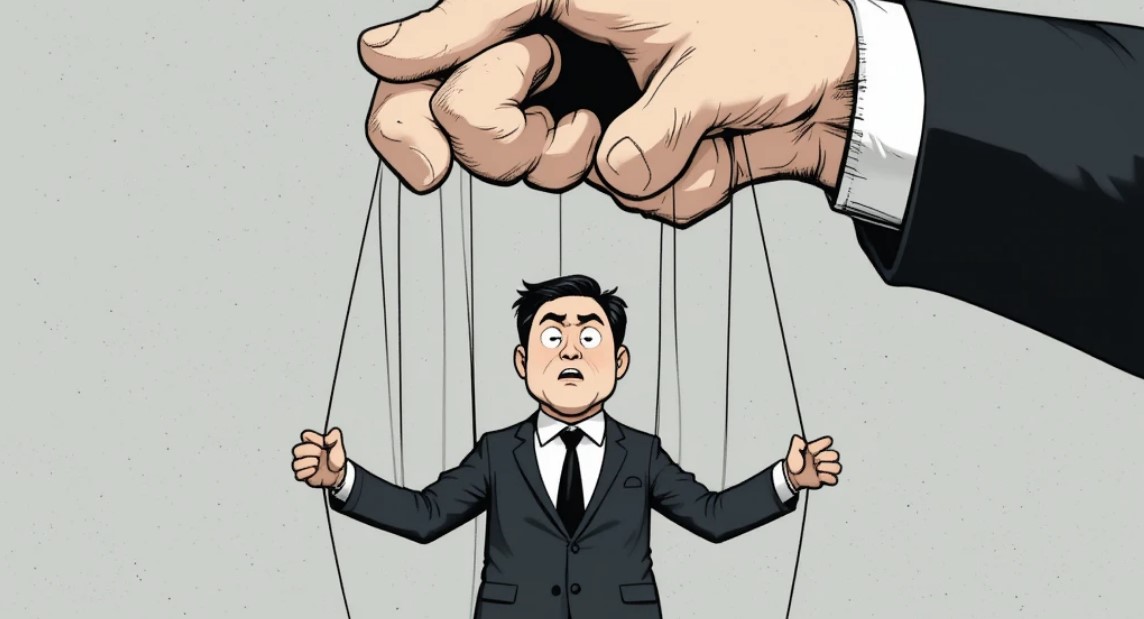
The logic is self-reinforcing. Each redistribution deepens the link between property and loyalty, making both more precarious. The Kremlin’s approach appears designed to ensure that elite prosperity and regime survival remain inseparable. In the process, market competition and private initiative are increasingly subordinated to the imperatives of the war in Ukraine and political consolidation.
An Economy of Obedience
The re-emergence of reiderstvo as a core feature of Russia’s wartime economy underscores the limits of its transformation since 1991. The shift from criminal to bureaucratic raiding reflects not progress but adaptation. The instruments have changed – tax audits instead of hired thugs, presidential decrees instead of contract killings – but the ultimate function remains the same: to ensure that economic power flows from political power.
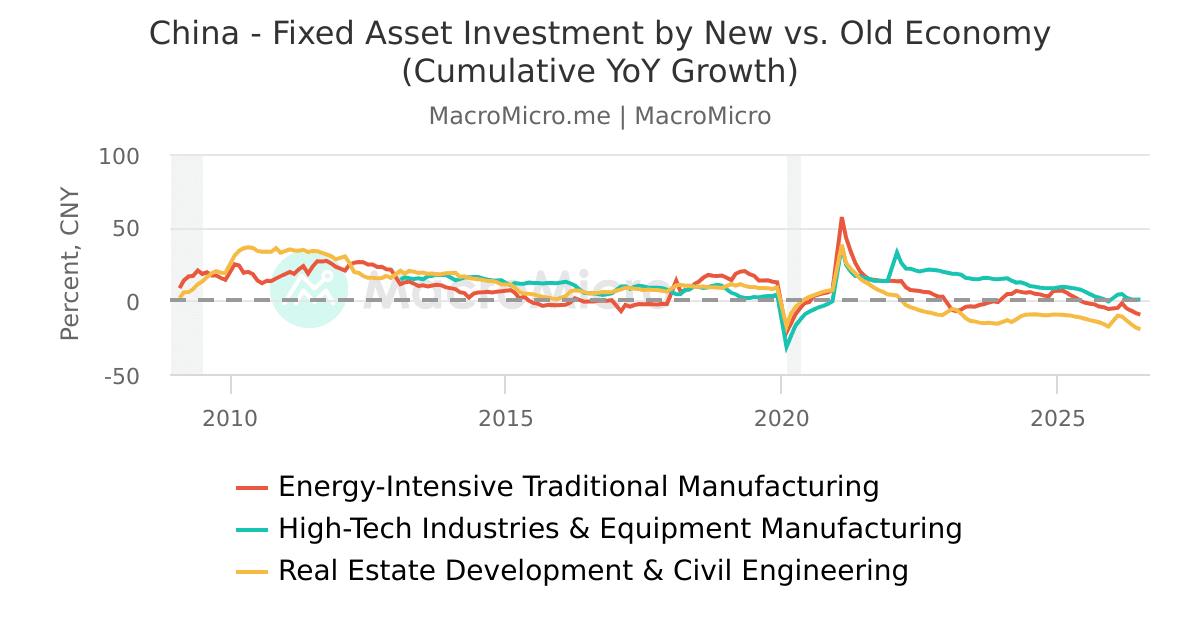
This model can sustain itself while the wartime economy expands and external isolation creates opportunities for insider enrichment. But as the tempo of growth slows, scarcity will make the politics of ownership more zero-sum in nature. Consequently, the next phase of reiderstvo will not only redistribute assets; it will redefine the boundaries of loyalty itself. Those who have marched in step with the Kremlin since 2022 will be rewarded. Those who wavered – businessmen who delayed declarations of support or quietly relocated assets abroad – will continue to find their vulnerability exposed, perhaps in even greater numbers.
In this sense, the system is both durable and brittle: durable because it fuses the elite’s material interests with the state’s political project; brittle because it leaves no autonomous economic base outside that project. As property becomes an instrument of governance rather than a product of market exchange, every downturn or budget shortfall will trigger another round of raids, further weakening the already weak rule of law within Russia’s elite.
Three decades after the end of central planning, Russia’s market economy remains defined by the same principle of conditional property rights. Reiderstvo which began as a symptom of lawlessness, has become a method of rule. And in wartime Russia, the line between patriotism and expropriation is now perilously thin.