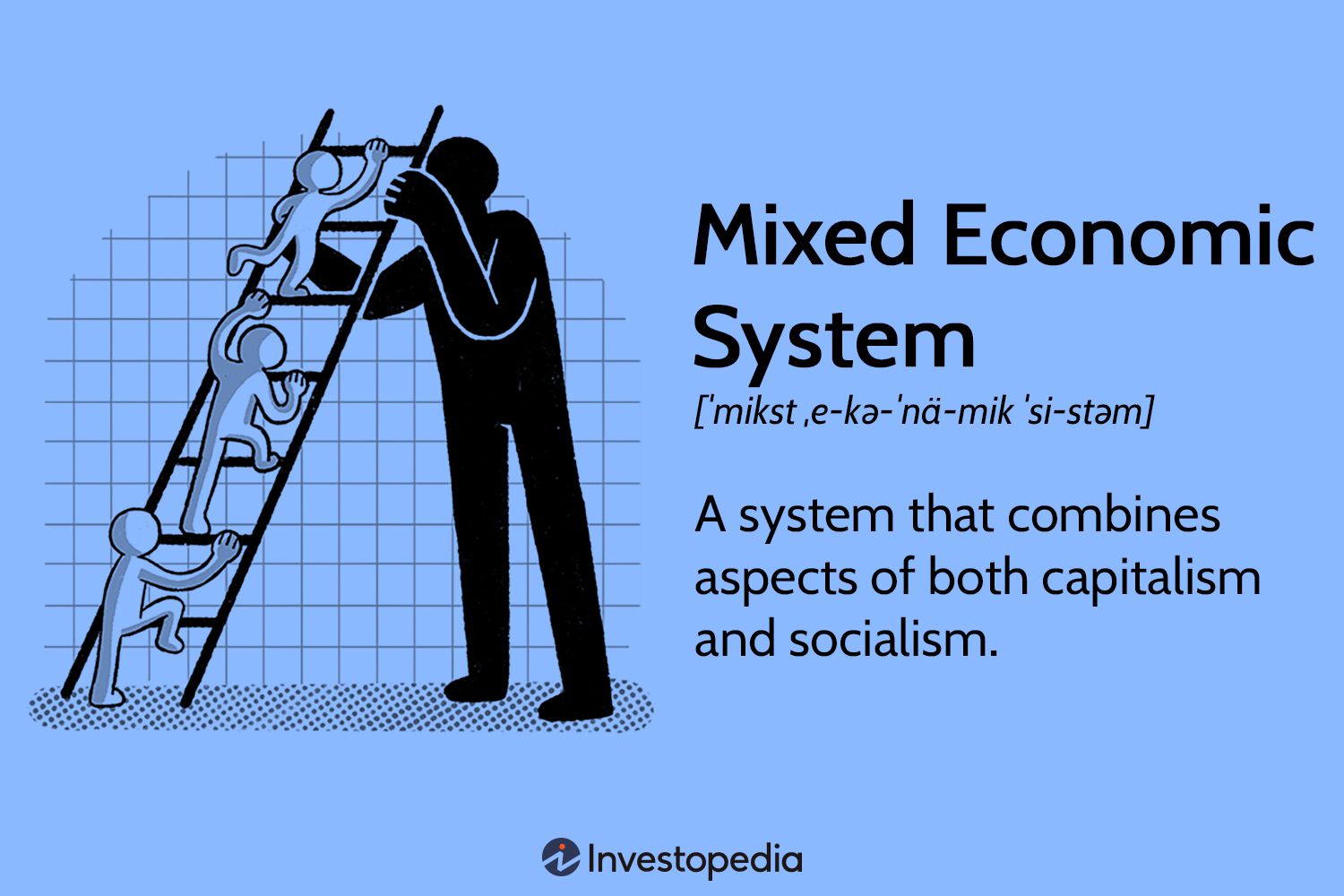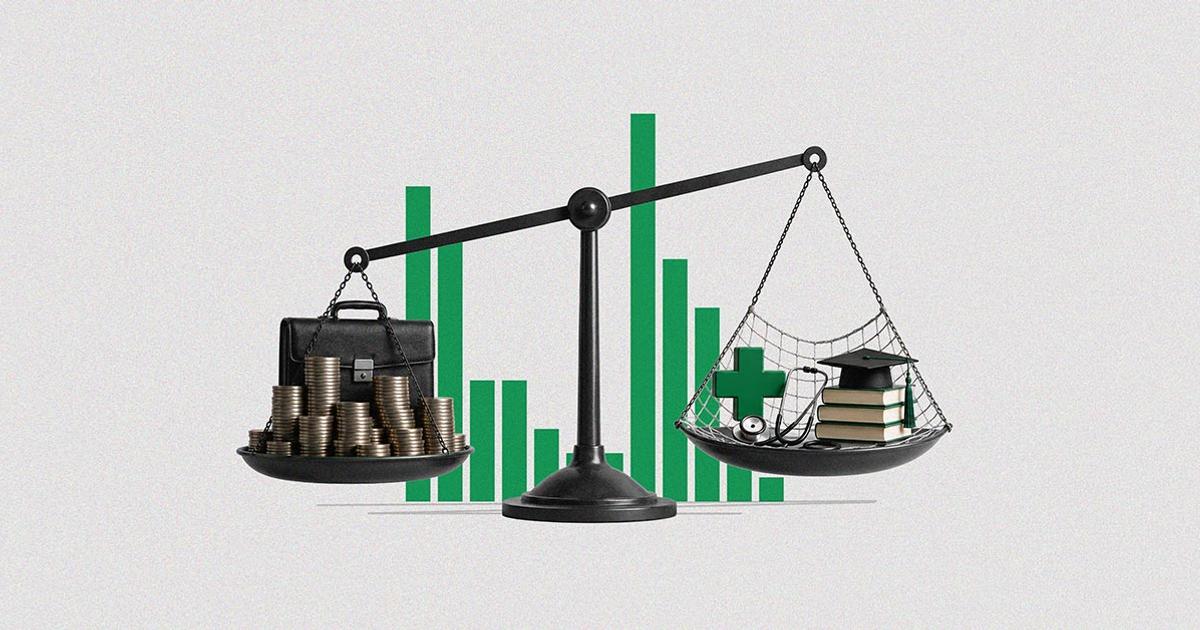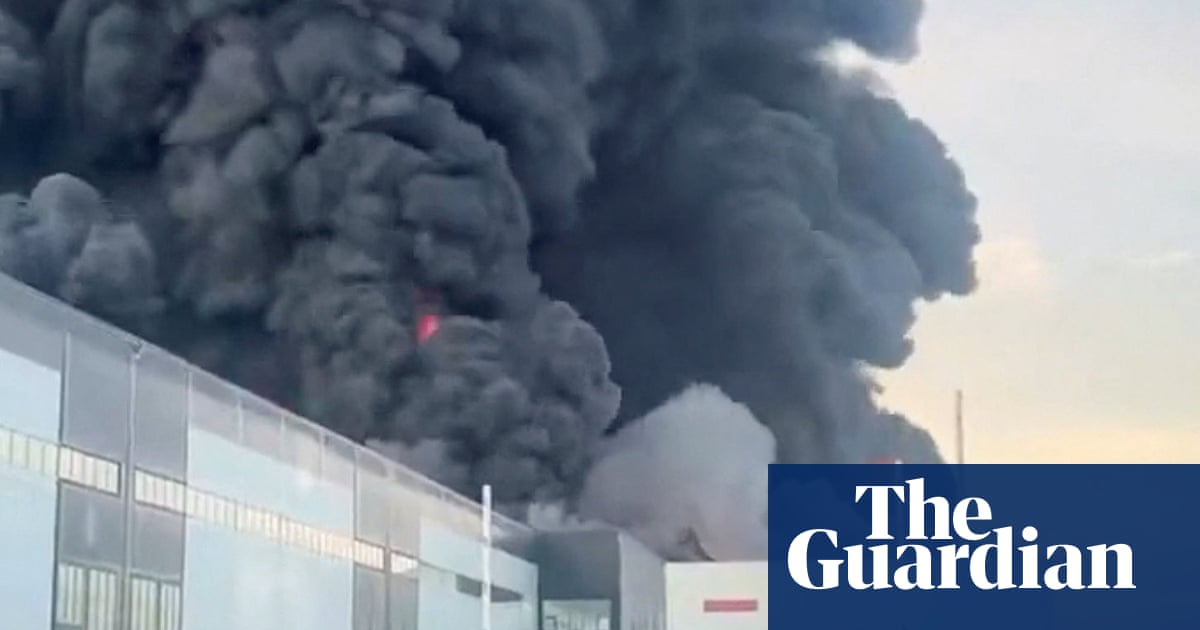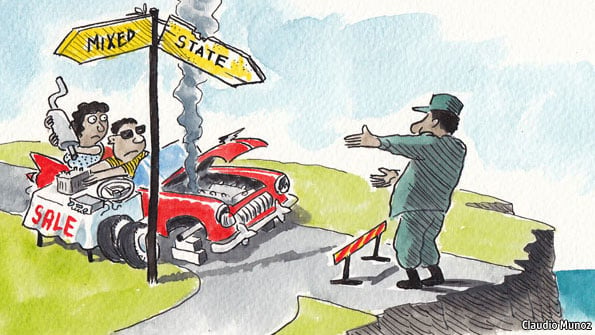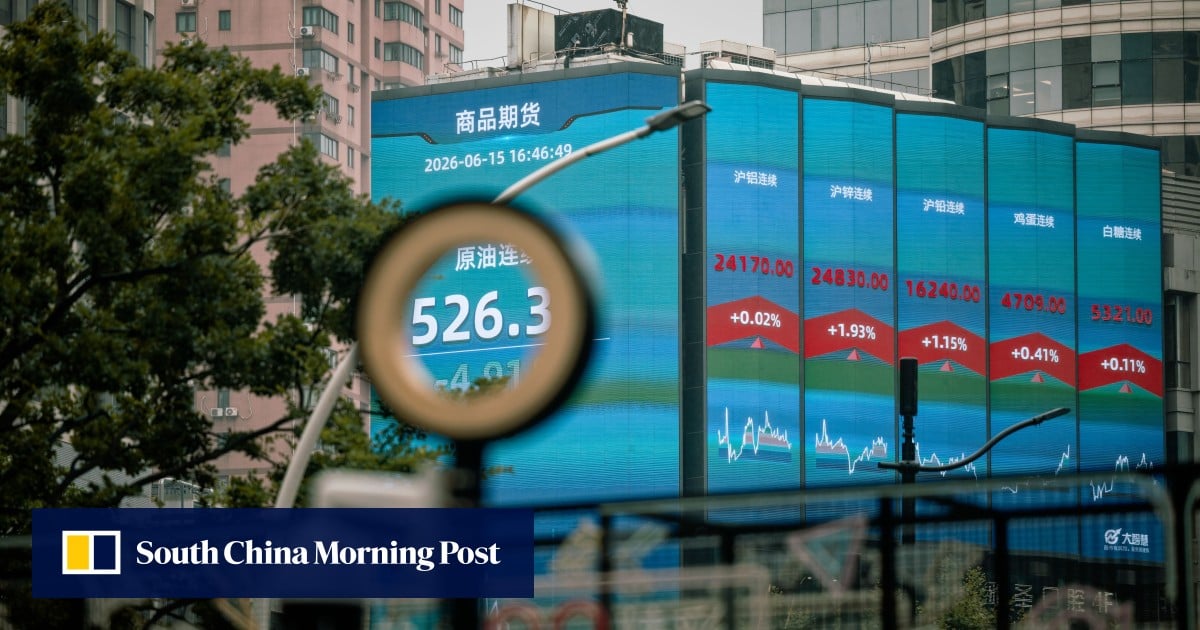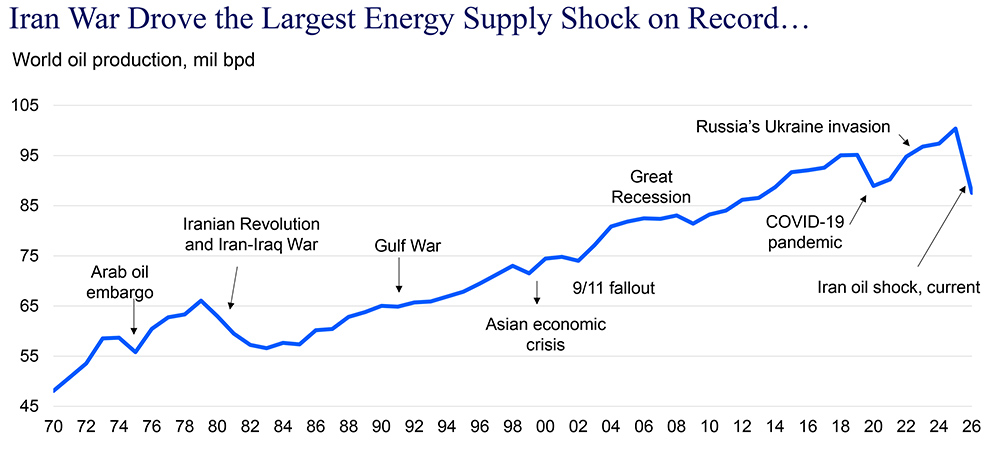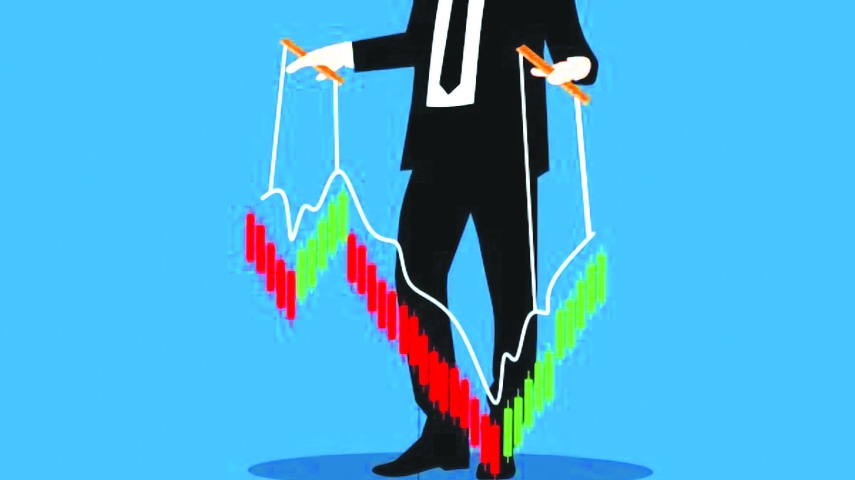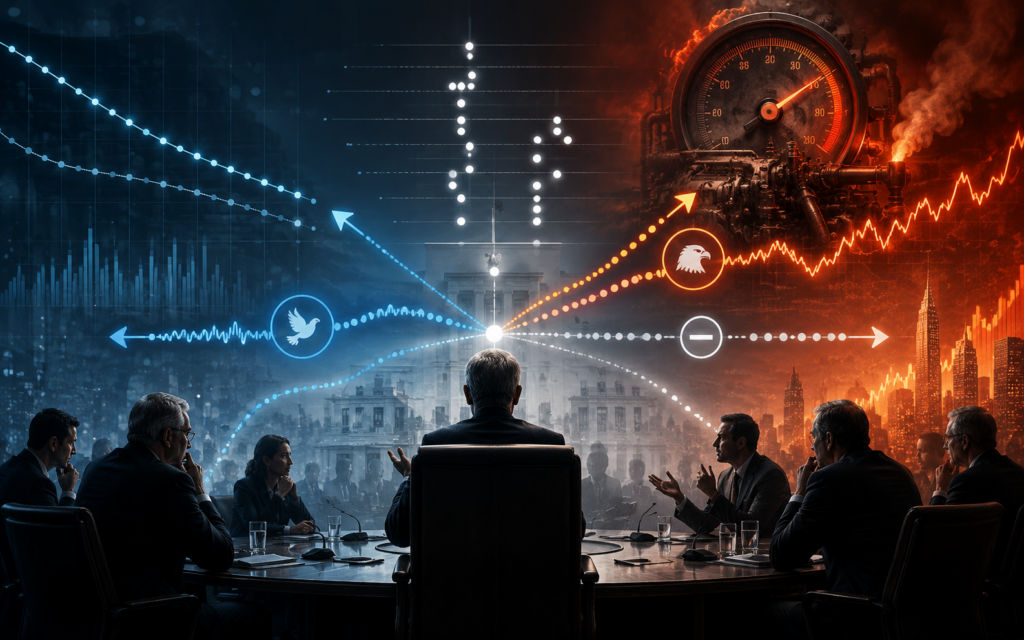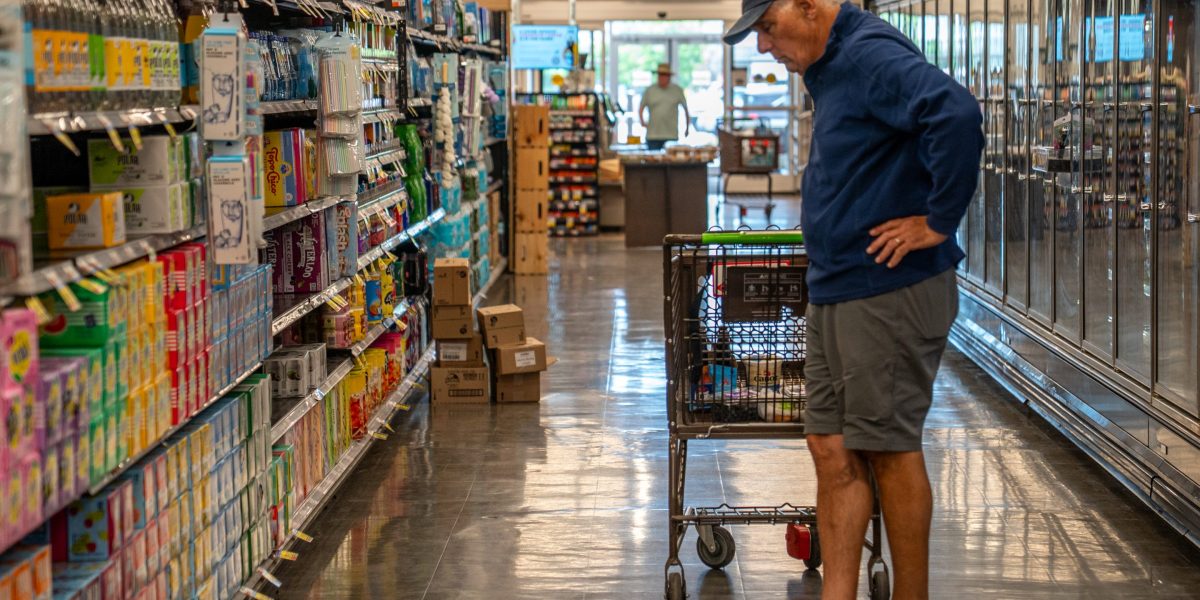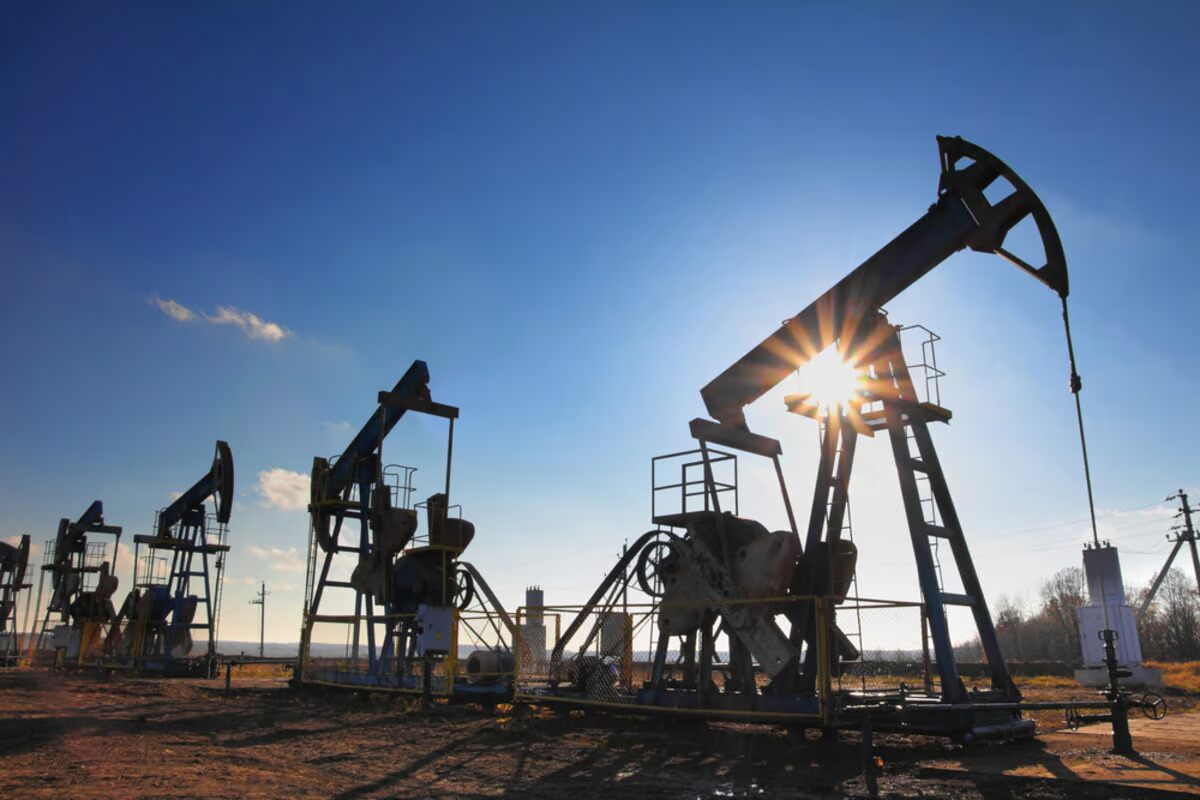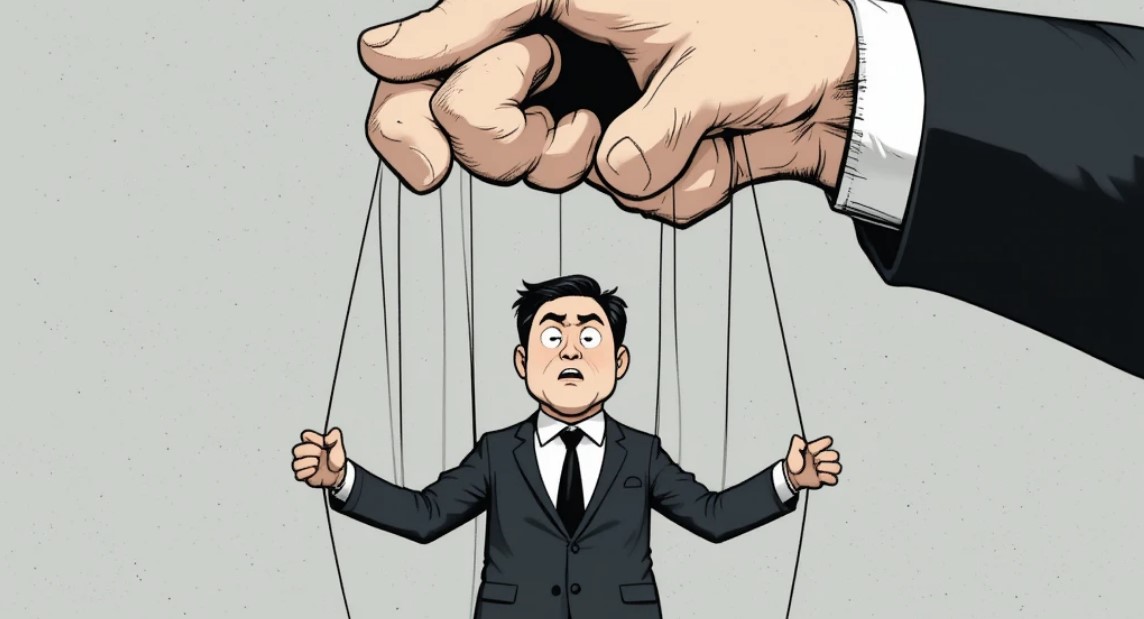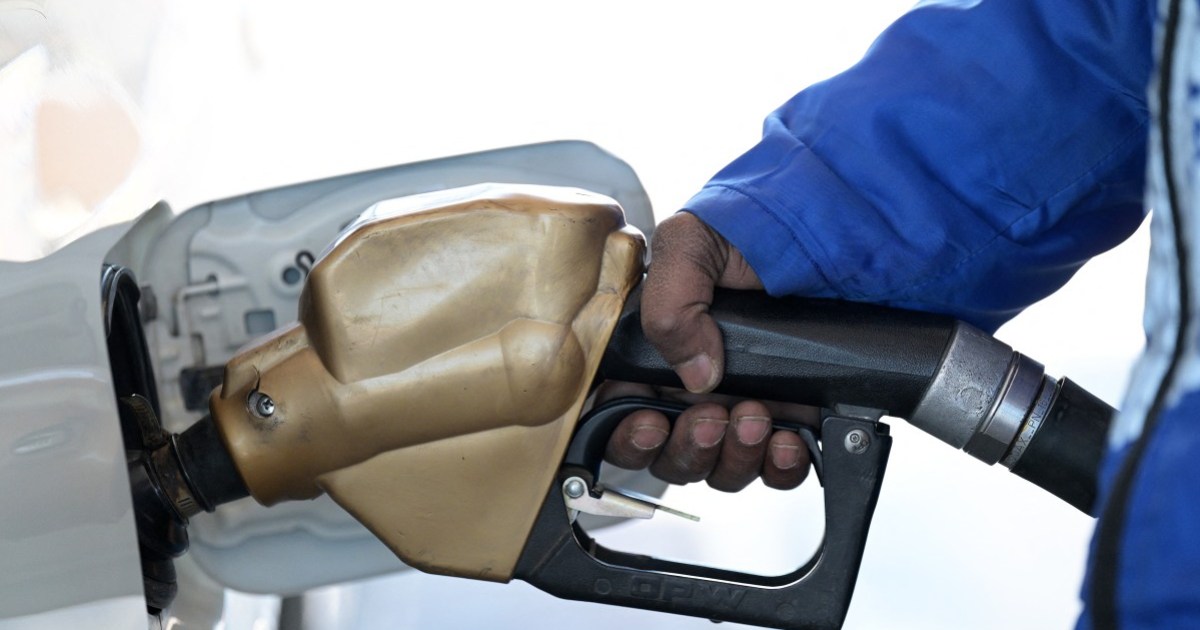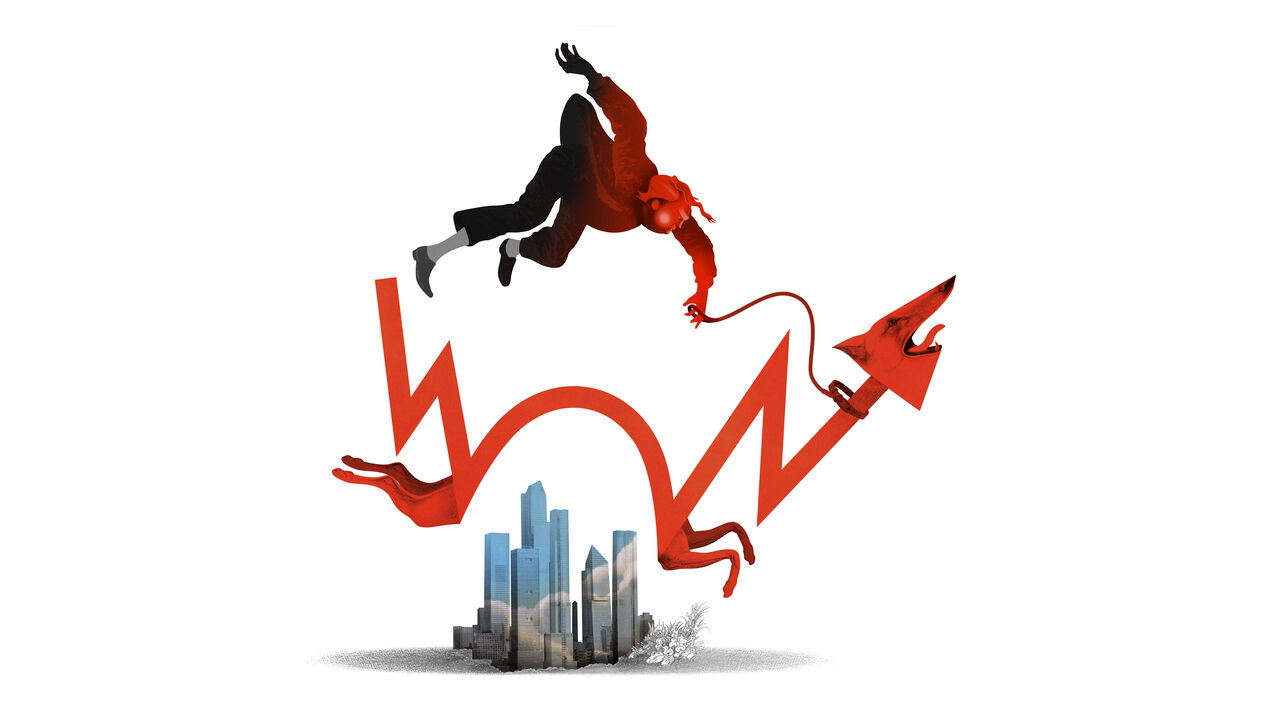

In a market economy, ‘price control’ is considered a taboo. This is due to the lessons of history and experience in the operation of economic systems that distort the efficient allocation of resources and produce side effects, as experienced in the past communist system. Despite deeply sympathizing with these concerns as a person who majored in economics and worked in companies, the introduction of the emergency card called the ‘highest price system’ lies in the specificity of the ‘oil’ goods and the oil market.
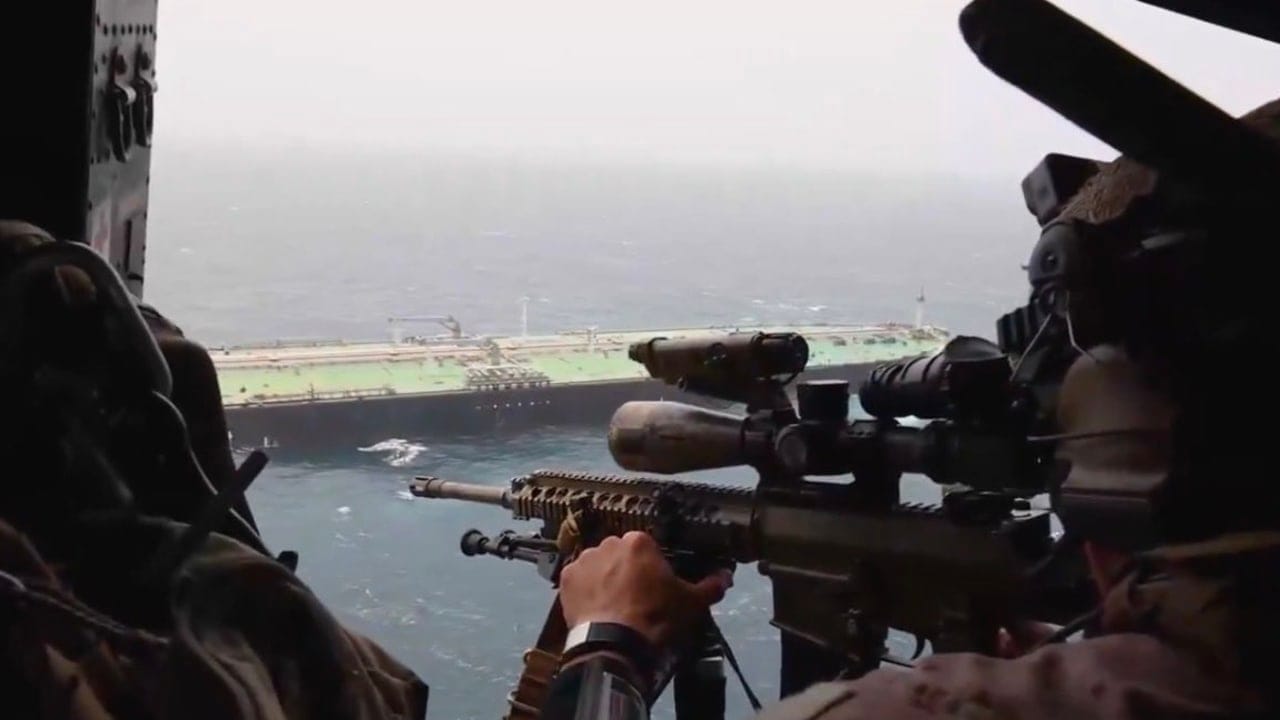
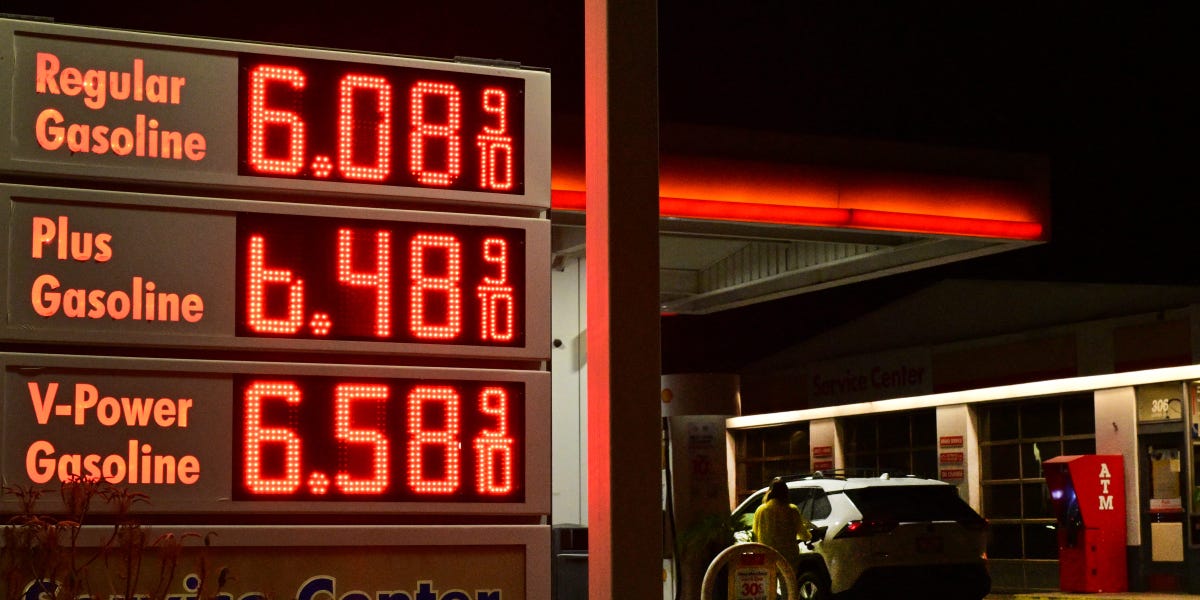
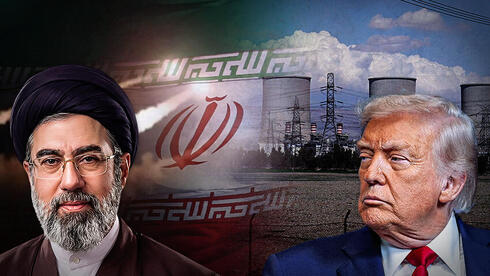
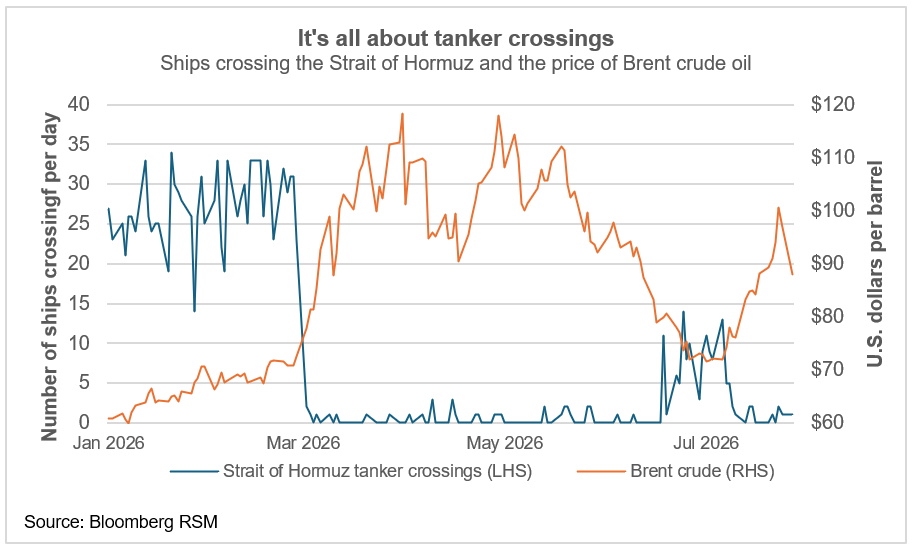
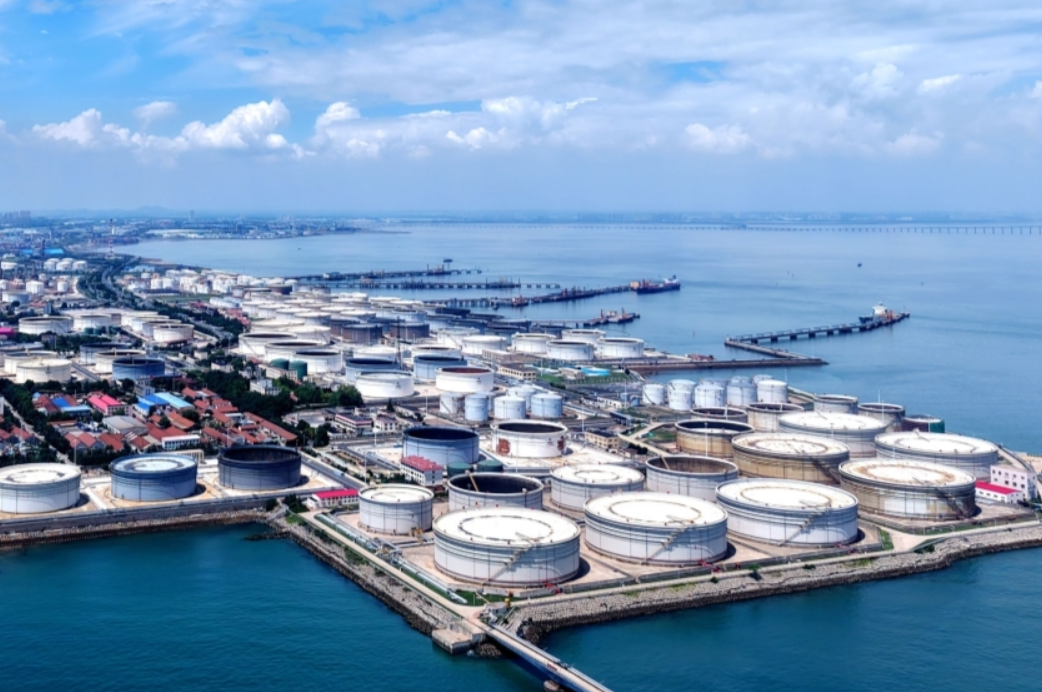
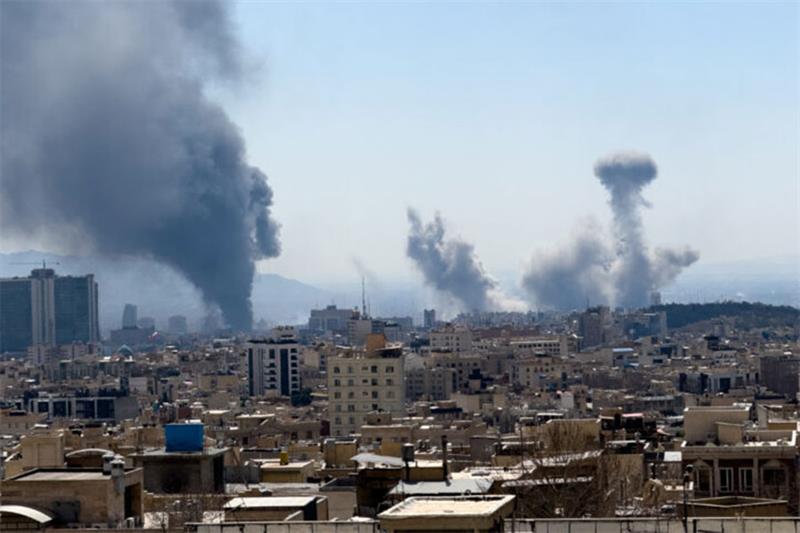
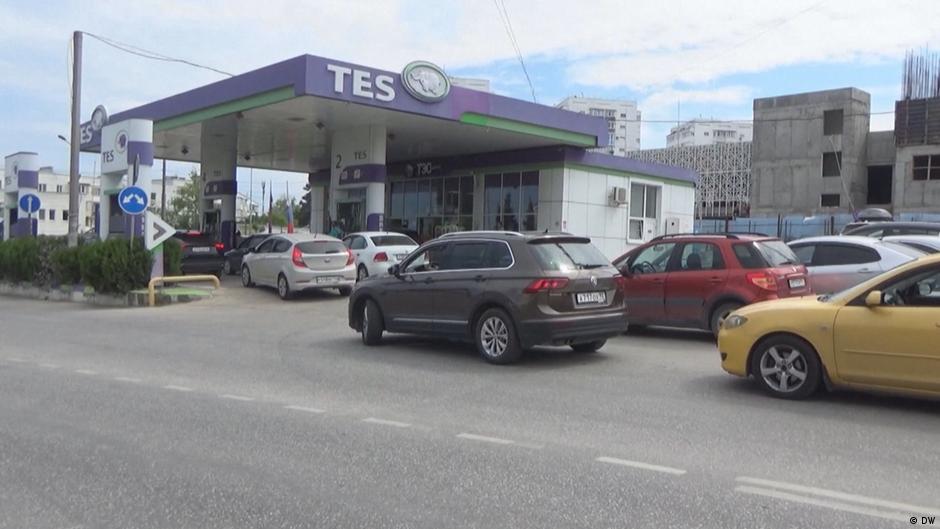
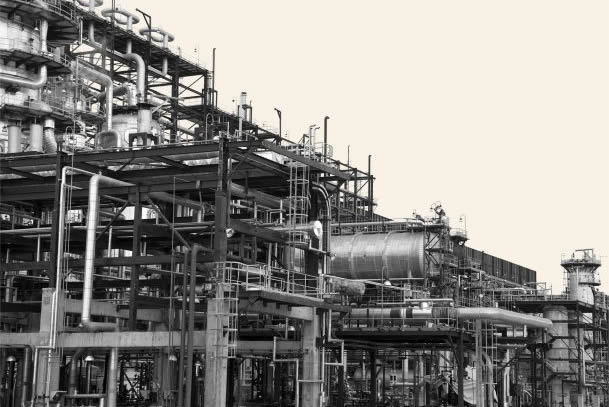
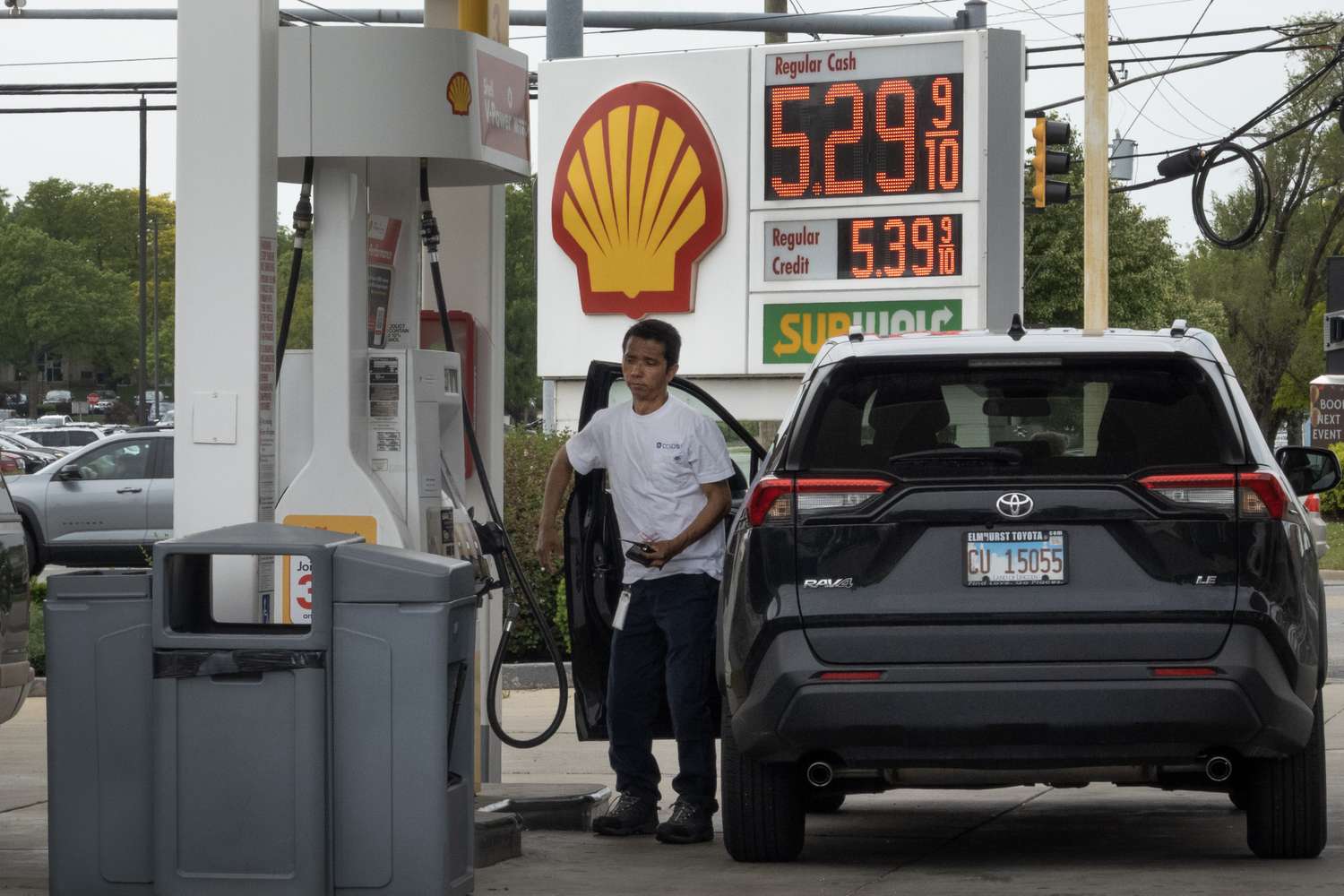
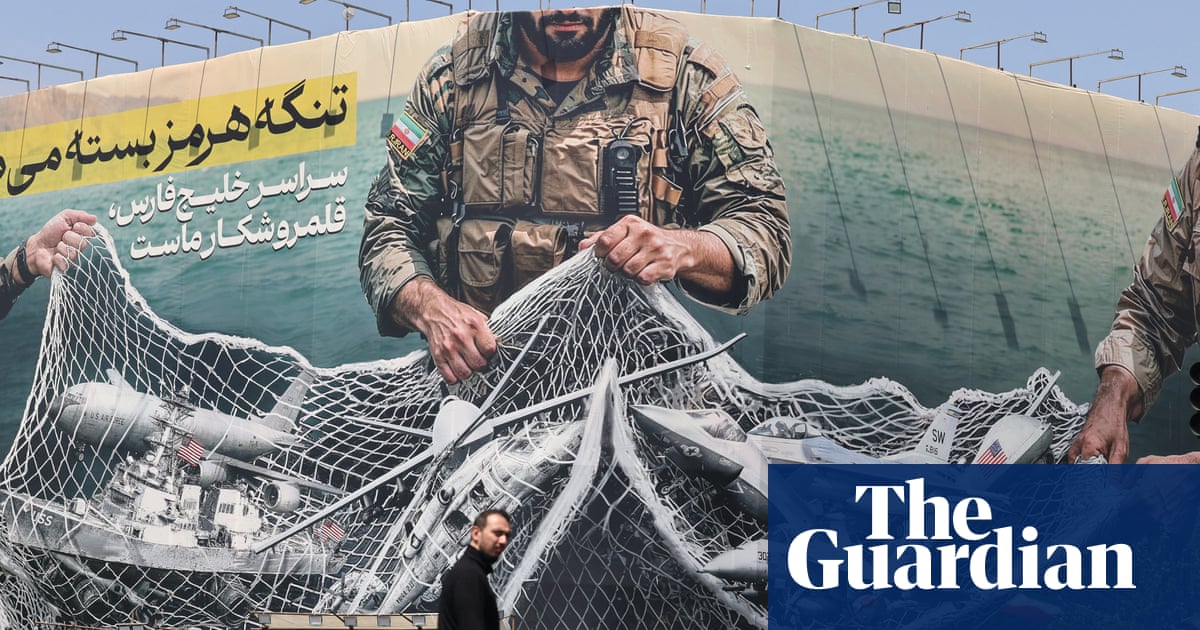
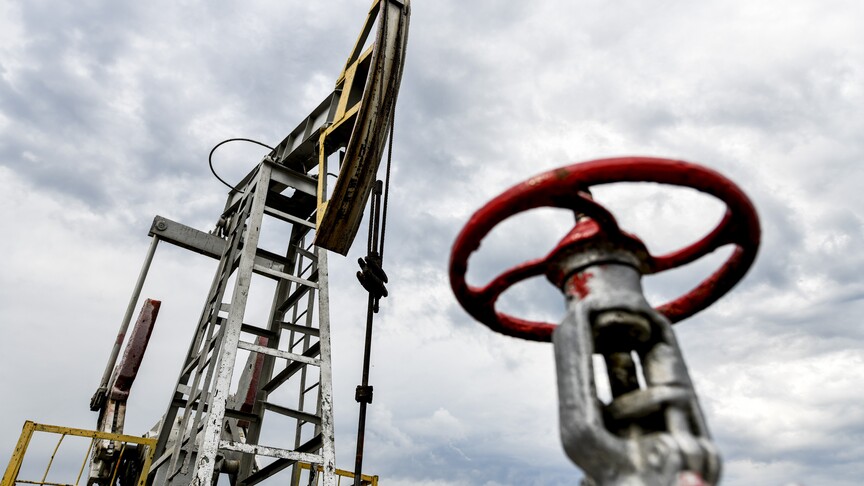
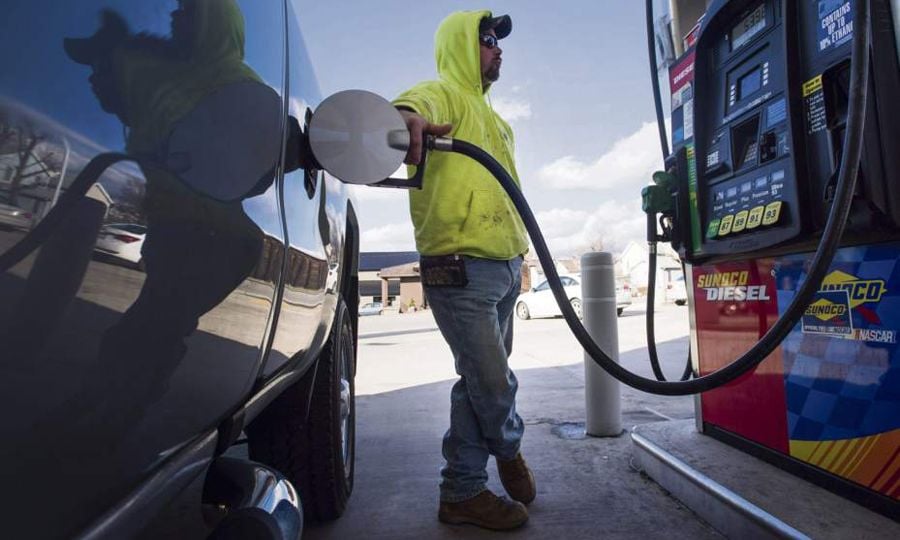
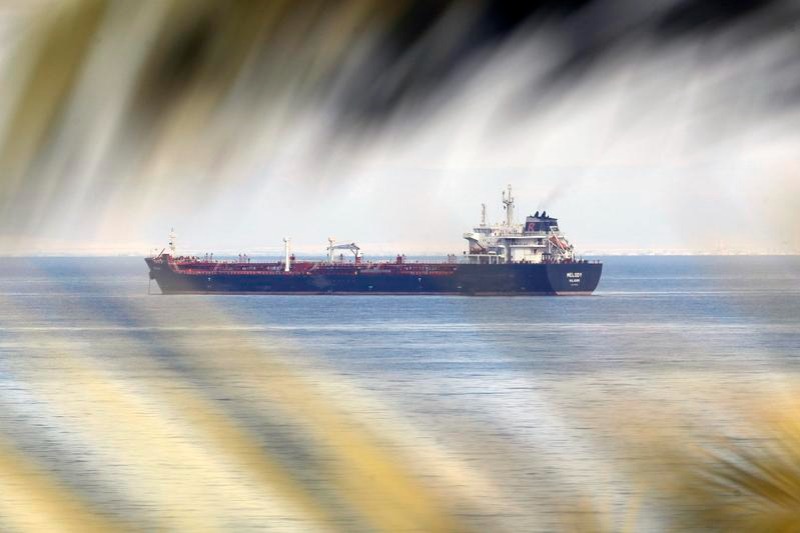
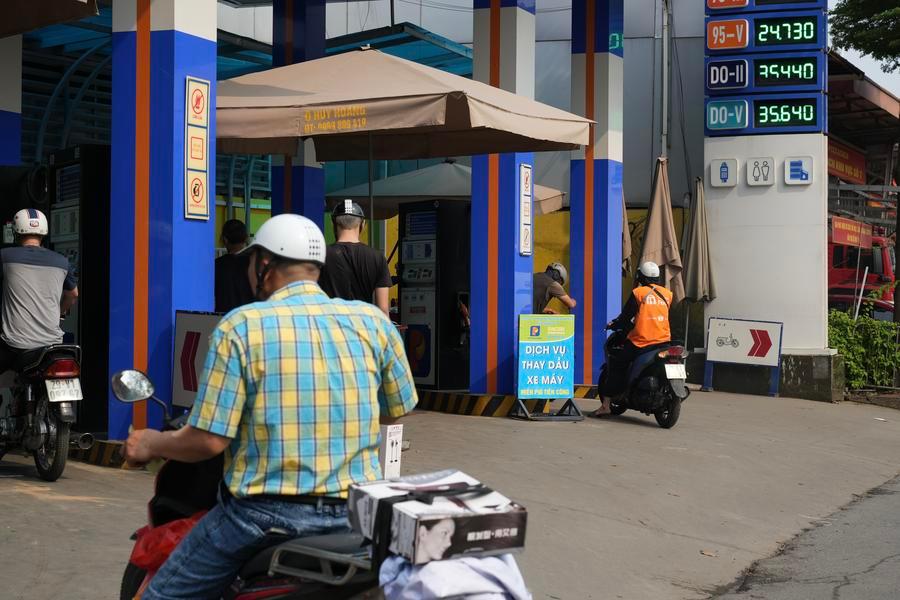
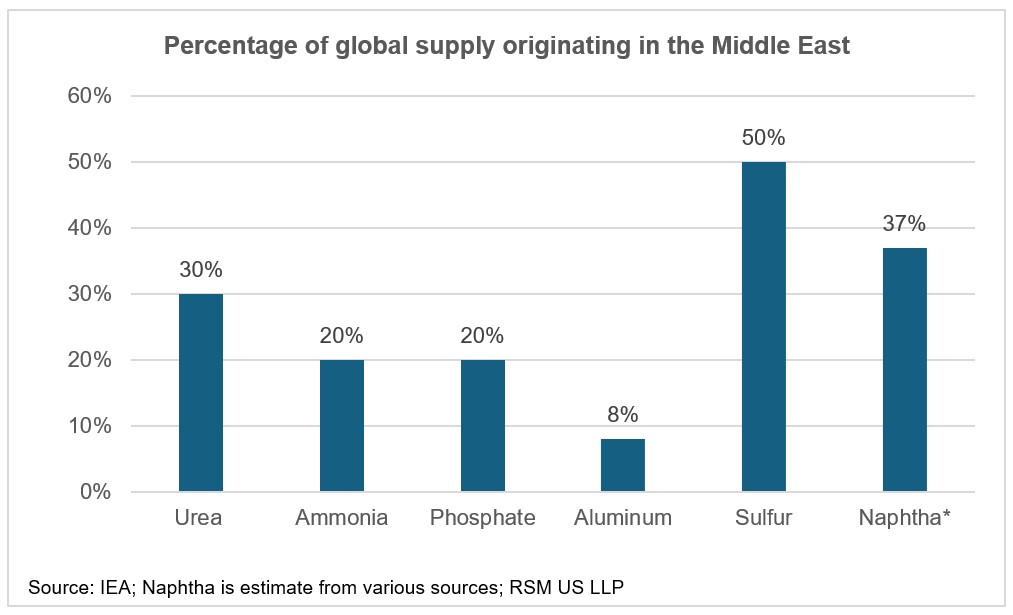
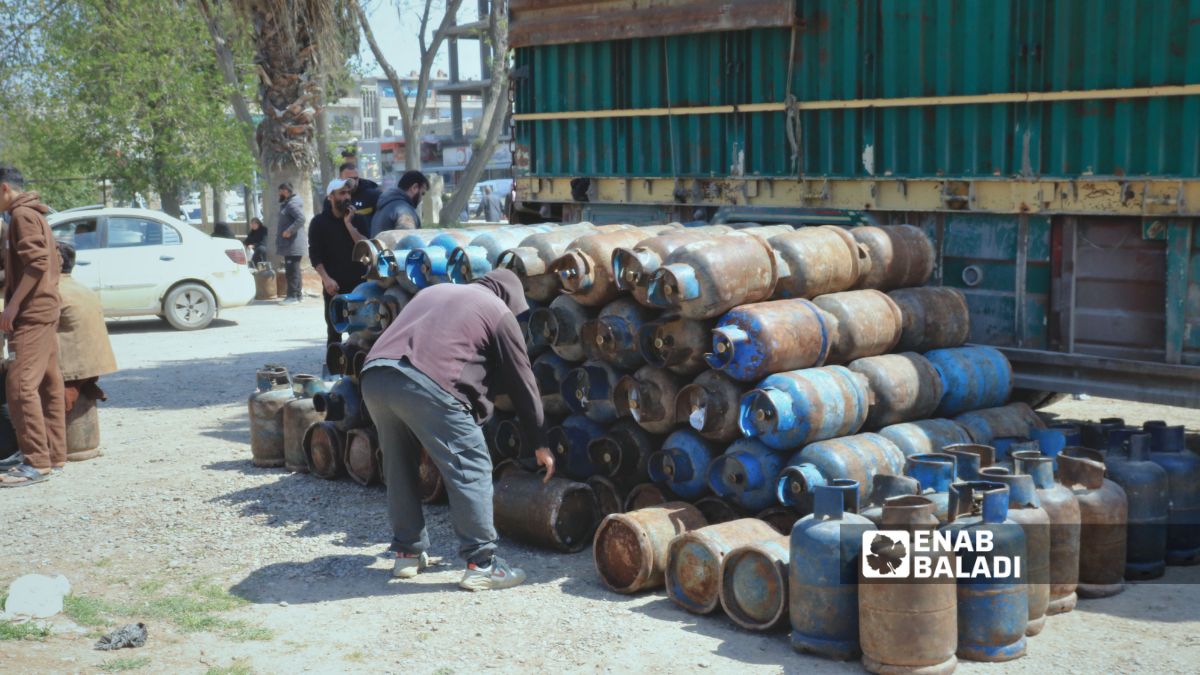
Oil is a necessity that supports people’s lives beyond just consumer goods. Just because gas prices have risen does not mean that logistics trucks for a living will be turned off. Meanwhile, supply is led by a small number of companies. In such an environment, a “market failure” can occur at any time, in which the market’s self-adjustment function is paralyzed when a shock such as a surge in global oil prices is applied. Relying only on “invisible hands” at a time when the market is not functioning properly due to the Middle East war is tantamount to the state’s job abandonment.
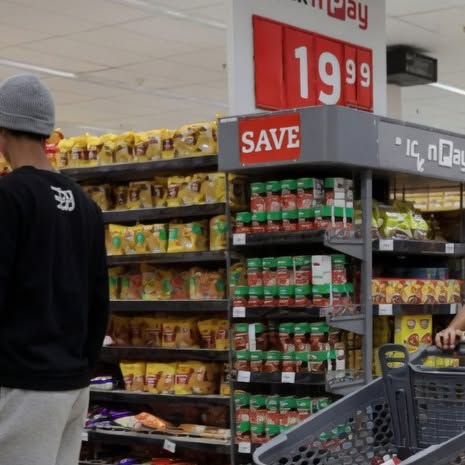
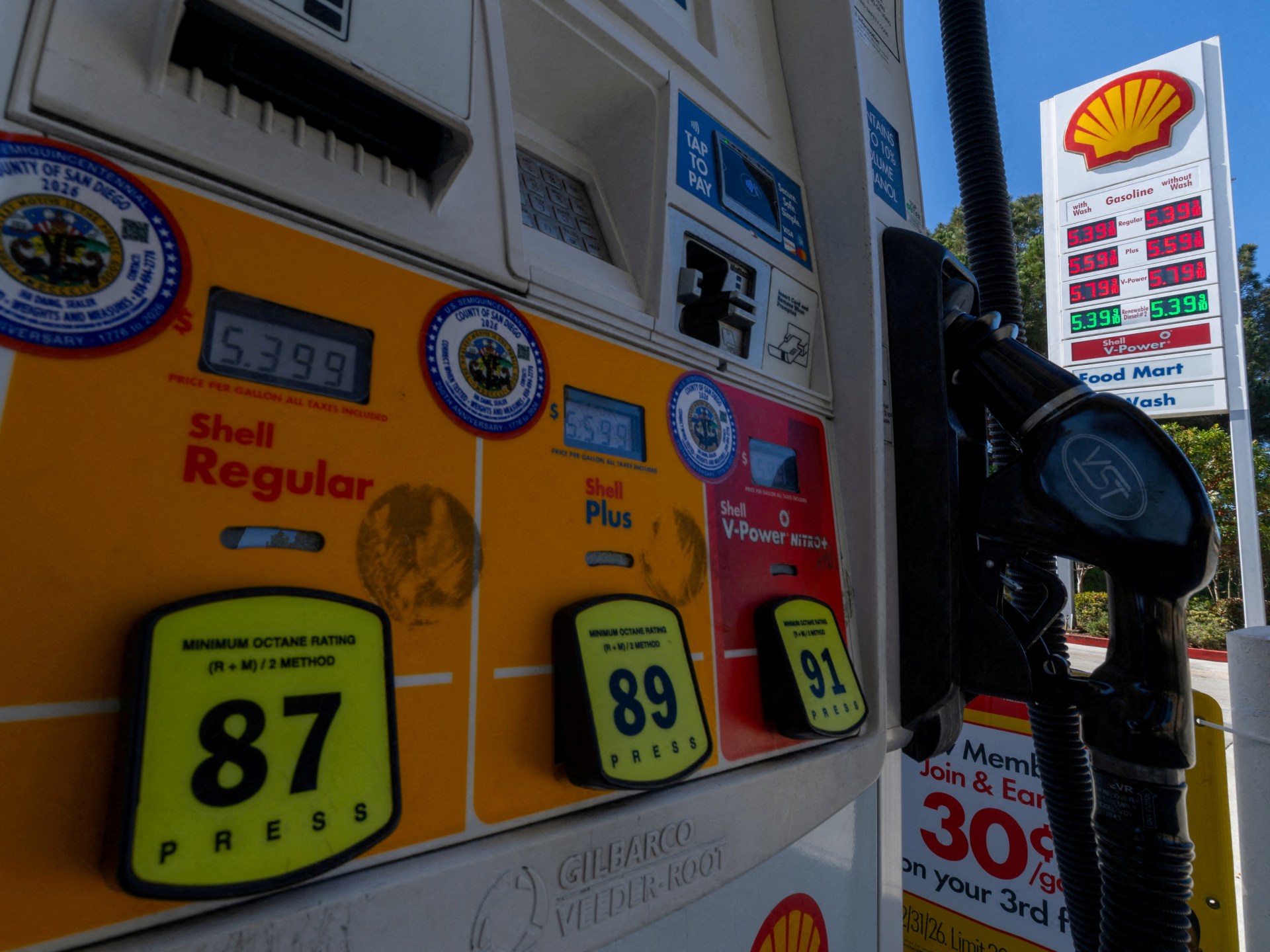
Currently, in the face of the Middle East war, Japan and Europe are responding with subsidies and tax cuts. The Korean government also responded by lowering oil taxes during the Russia-Ukraine crisis in 2022, but the effect of the cut was absorbed during the distribution process, so there was a limit to the actual end-users’ experience. Using this as a lesson, the government quickly introduced the highest oil price system. This system serves as a ‘people’s livelihood breakwater’ to prevent price surges by setting a price cap from the supply stage.
The government’s action is different from a simple price cap. The increase in international prices was reflected in the highest price at a reasonable level, and the government minimized “supply contraction” by compensating for the loss of refineries. The people are joining energy conservation by enduring inevitable price hikes, refineries and gas stations are cooperating with market stability rather than short-term profits, and the government is bearing the financial burden of preserving losses. It is not just a price control measure, but a ‘solidarity based on a sense of community’ in which each other’s burdens are shared in a crisis.
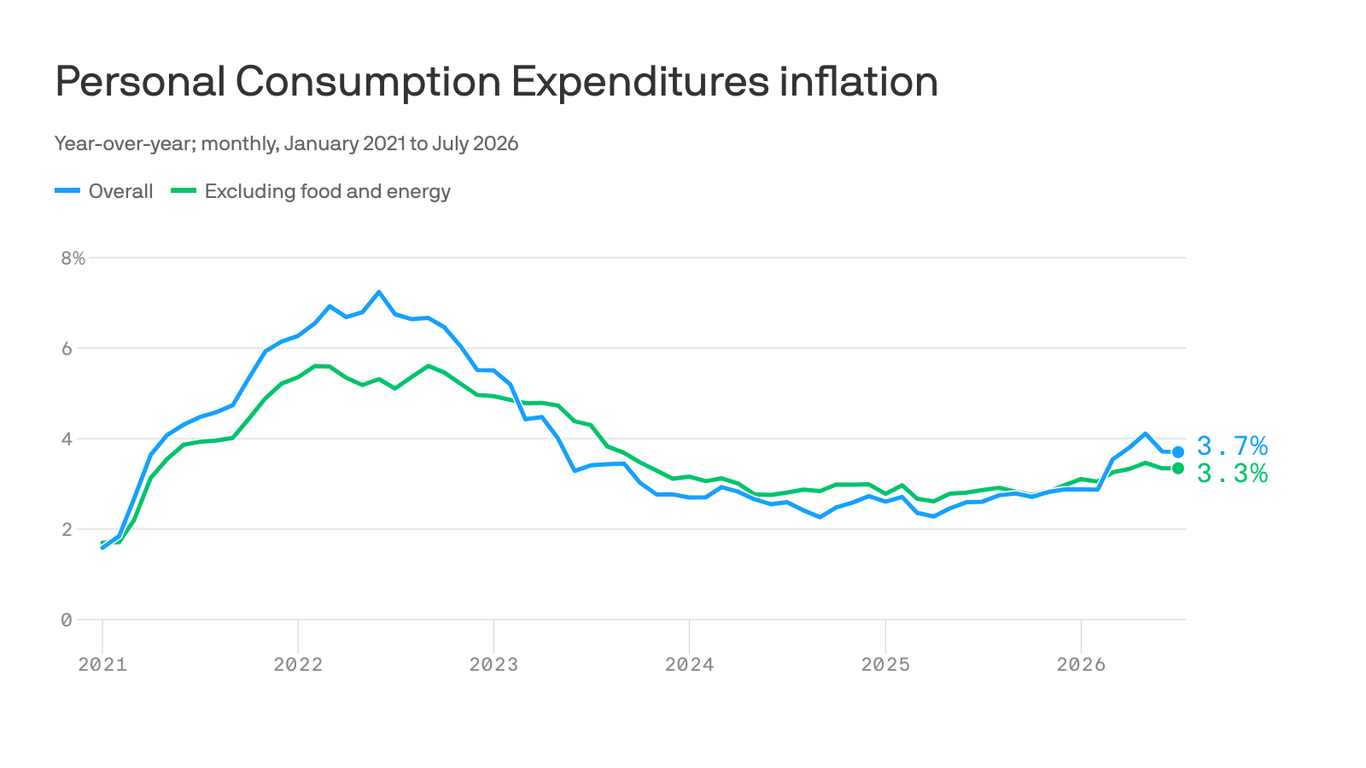
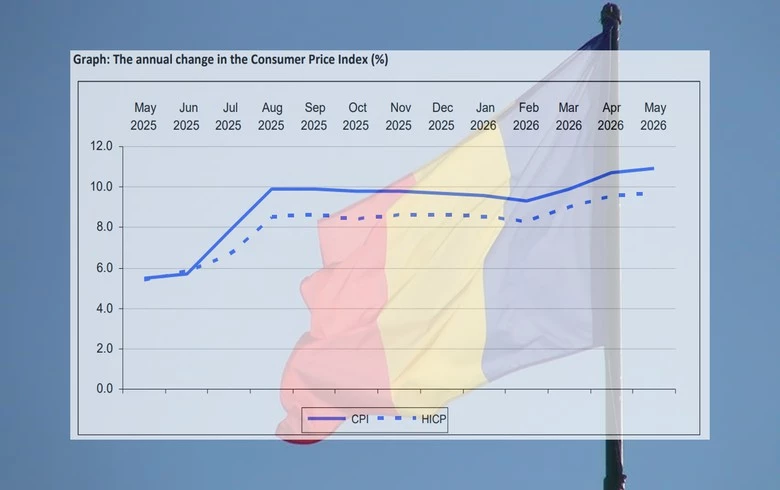
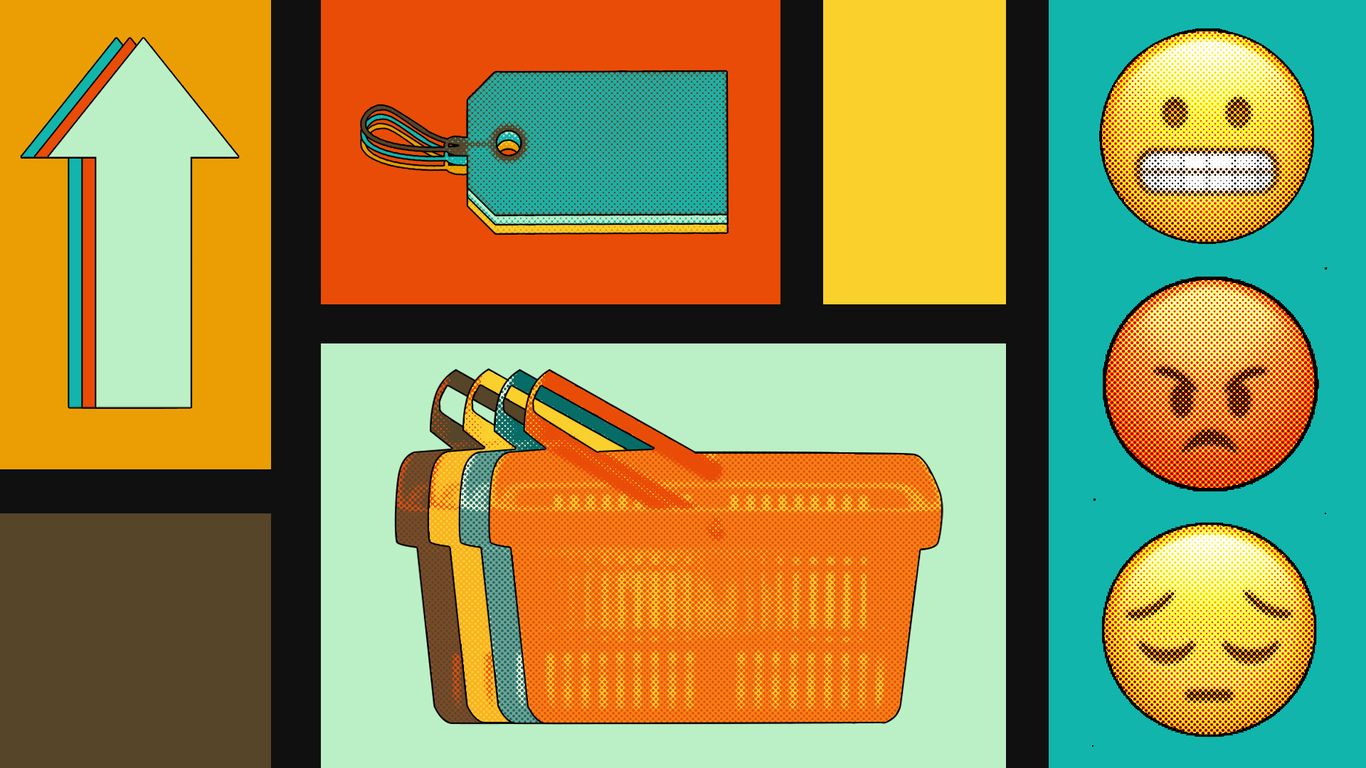
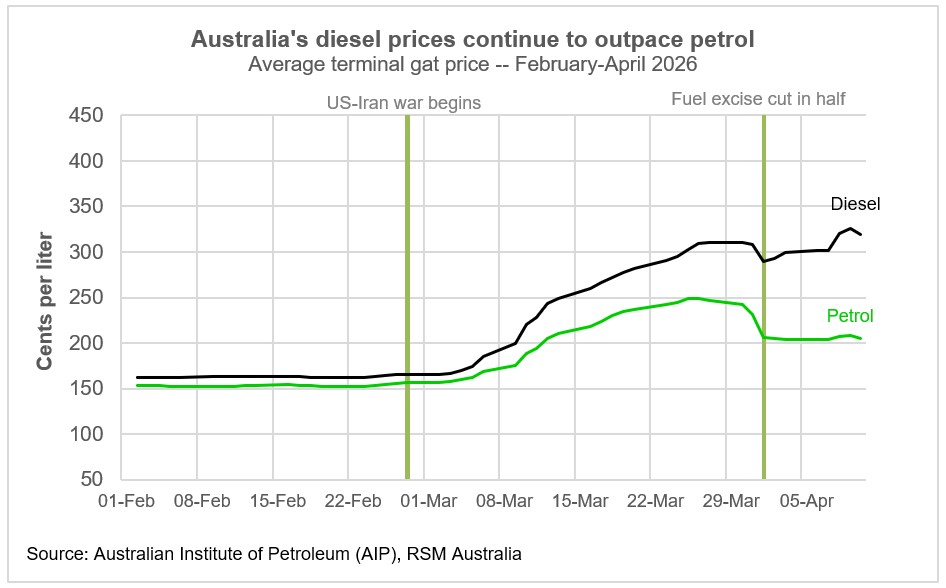
Fortunately, a month after the implementation of the system, the soaring prices of gas stations are being held. According to a Citi report, the highest price system has reduced consumer inflation by about 0.1 percentage points. Overseas, it is also paying attention to the effect of the highest price system.
However, the highest price system is a temporary prescription. No matter how sophisticated the system is, prolonged price controls can lead to greater side effects. When the situation in the Middle East stabilizes, the highest price system will sunset and compensate for the weaknesses that emerged in the oil market decision process so that market prices can be reasonably determined and operated.
The current crisis is a time to test our response capabilities at the same time. Recovery after the war depends on how we respond now. Stable use of energy and resources is the most important task at this moment. Small savings and consideration come together to protect our economy.
What is needed now is not anxiety, but trust, cooperation, and a sense of community. The highest price system is becoming a litmus test of whether our community can do it.
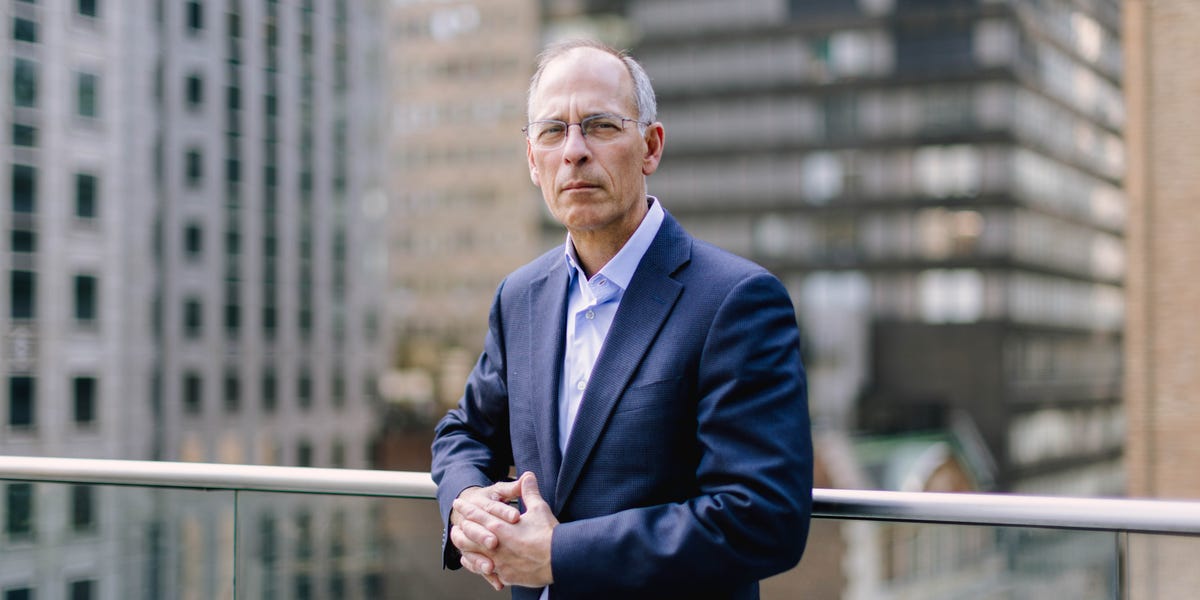
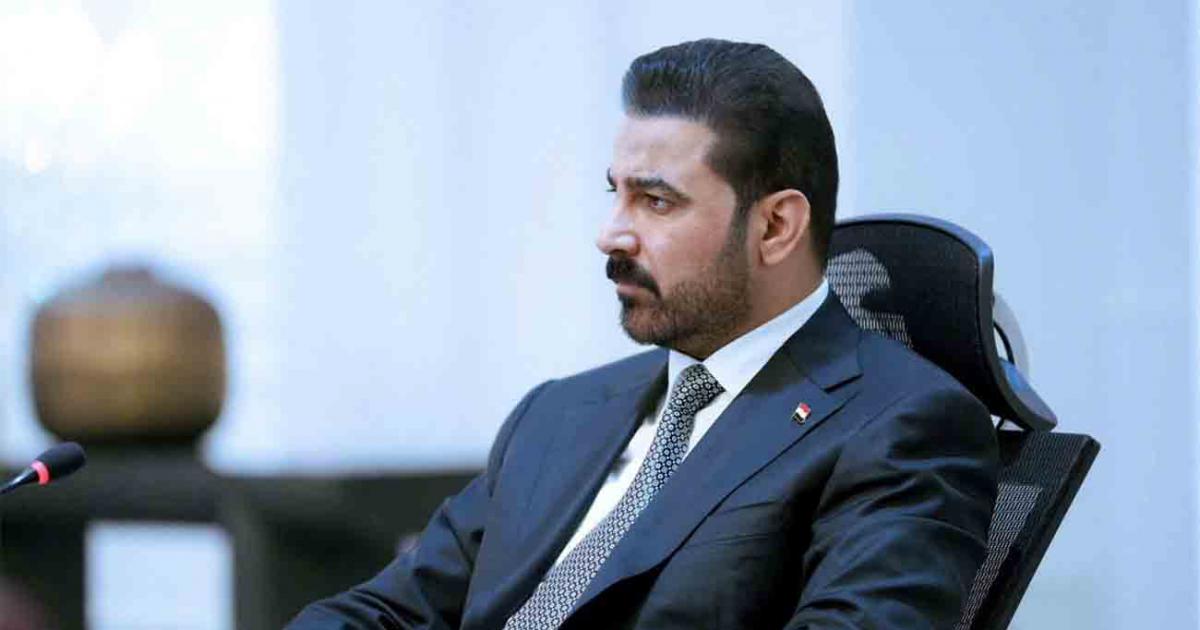
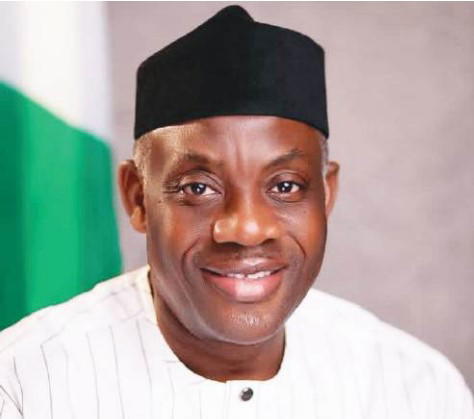
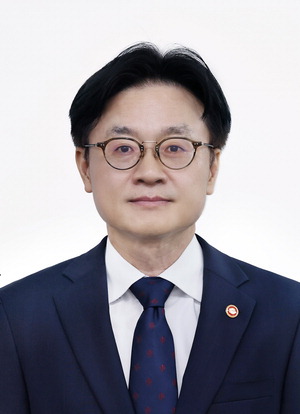
[Minister of Trade, Industry and Energy, Kim Jong Kwan]