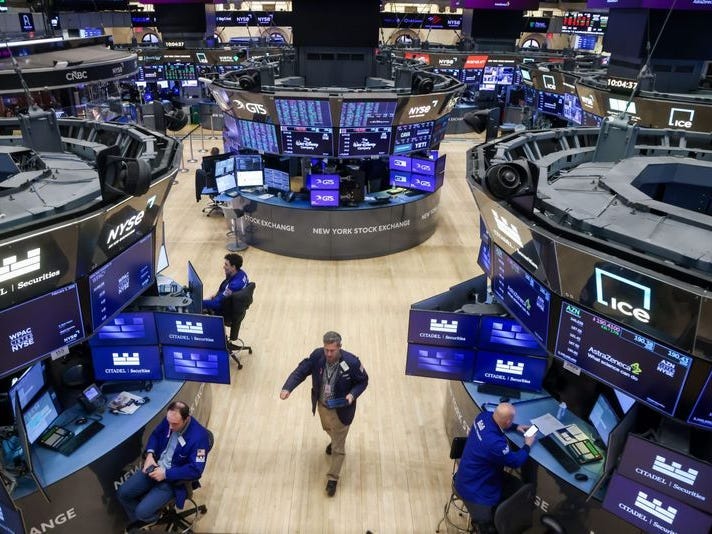
At the start of 2026, J.P. Morgan identified global fragmentation, inflation and AI as the defining forces shaping the investment landscape, and the months since have only sharpened their relevance
J.P. Morgan Private Bank released on Tuesday its 2026 Mid-Year Global Investment Outlook, which examines the forces reshaping global markets at the midpoint of a pivotal year.
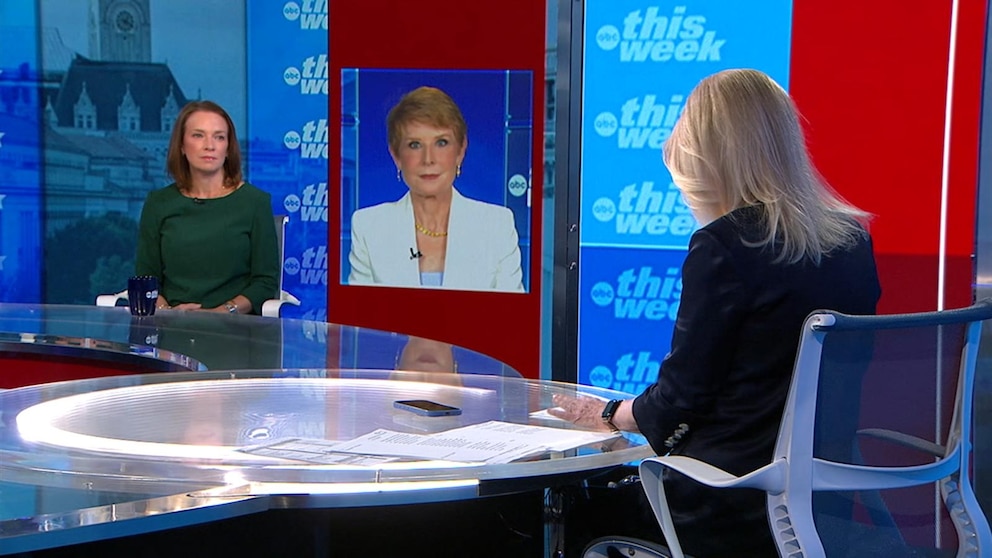
“At the start of 2026, we identified global fragmentation, inflation and artificial intelligence as the defining forces shaping the investment landscape, and the months since have only sharpened their relevance. As these themes converge and accelerate, they are demanding a fundamental rethink of how portfolios are built, protected and grown,” said Grace Peters, Co-Head of Global Investment Strategy at J.P. Morgan Private Bank.
Strait of Hormuz closure deepens structural reorientation of the global economy
Building on those three themes, J.P. Morgan’s outlook examines how each has accelerated, setting out the risks, opportunities and implications for investors and global markets.
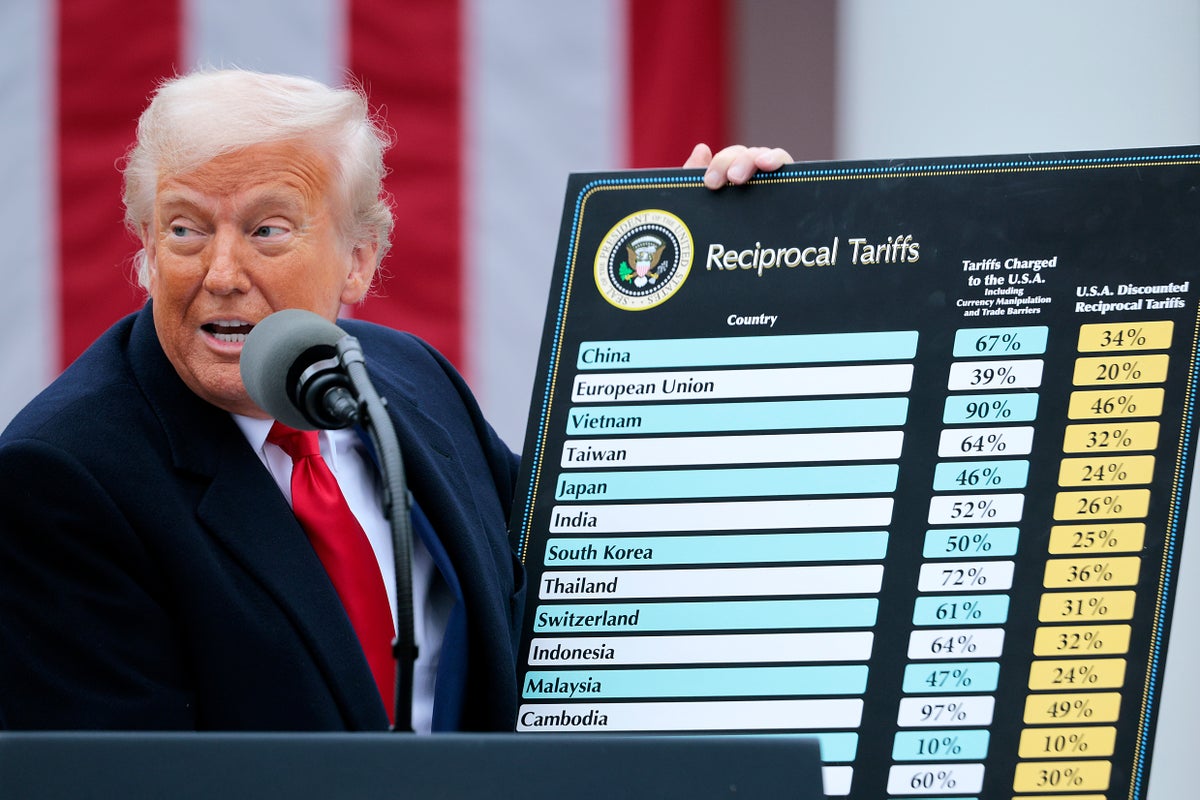
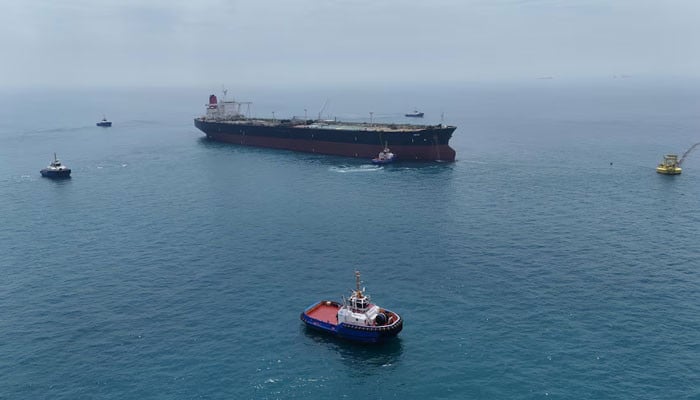
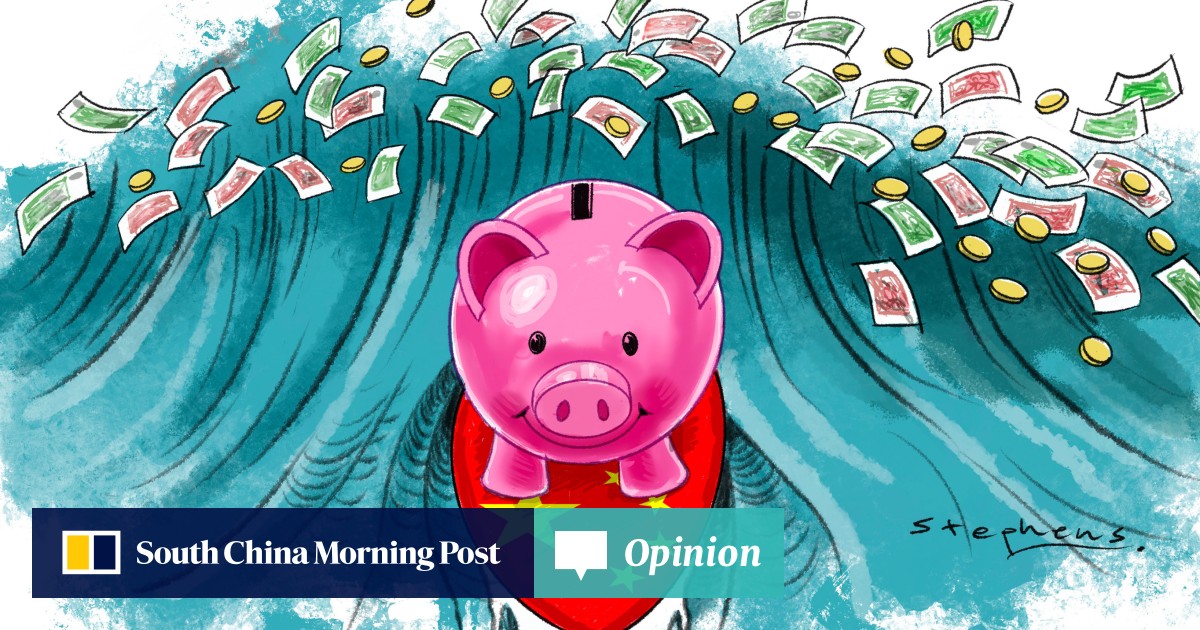
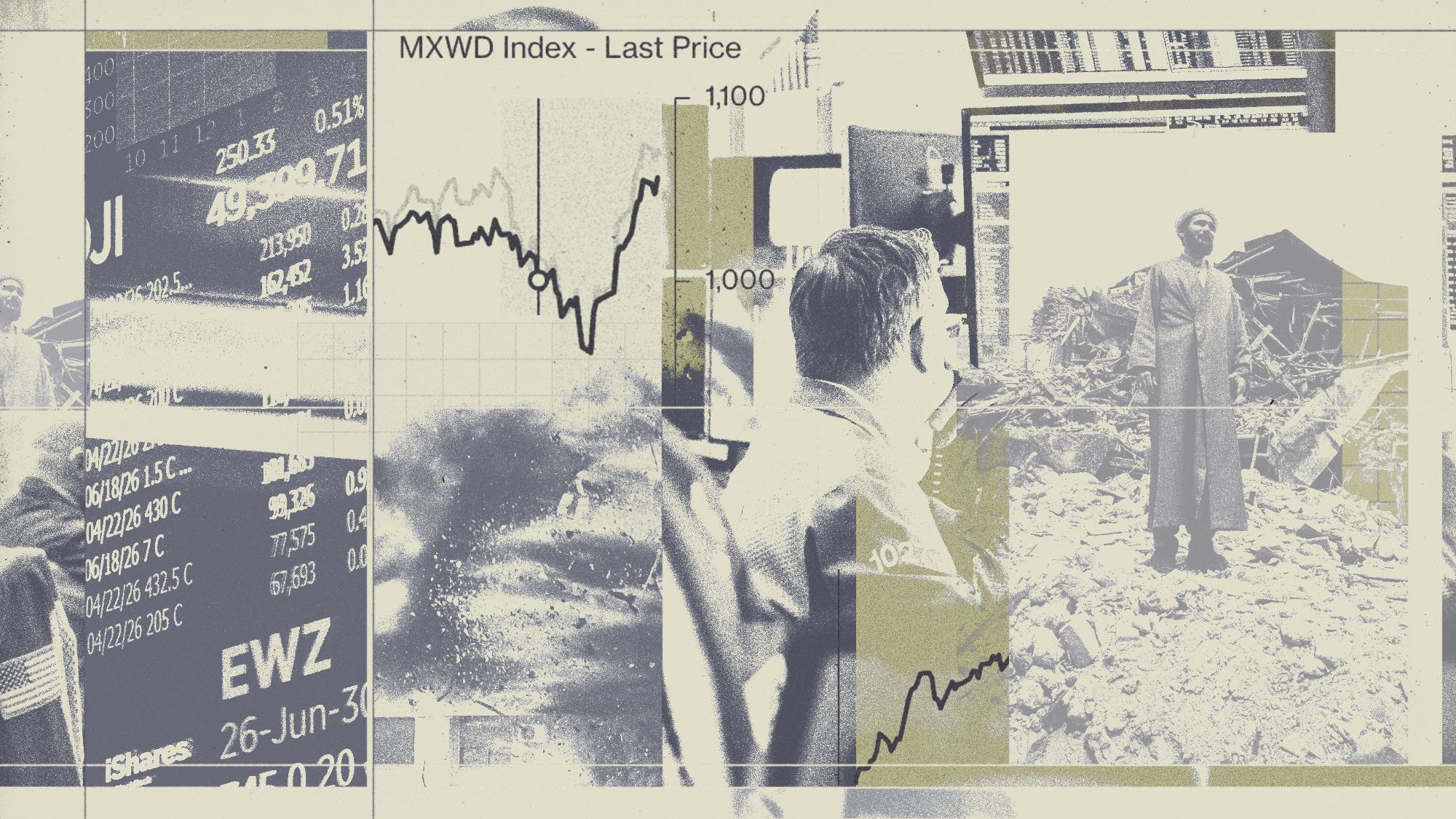
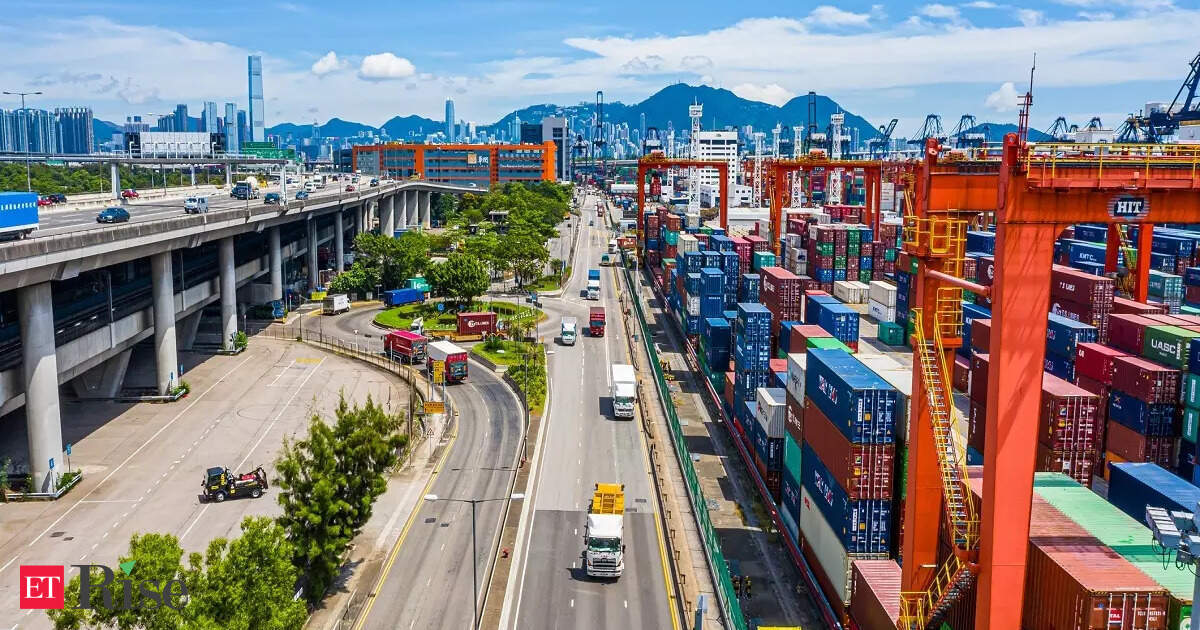
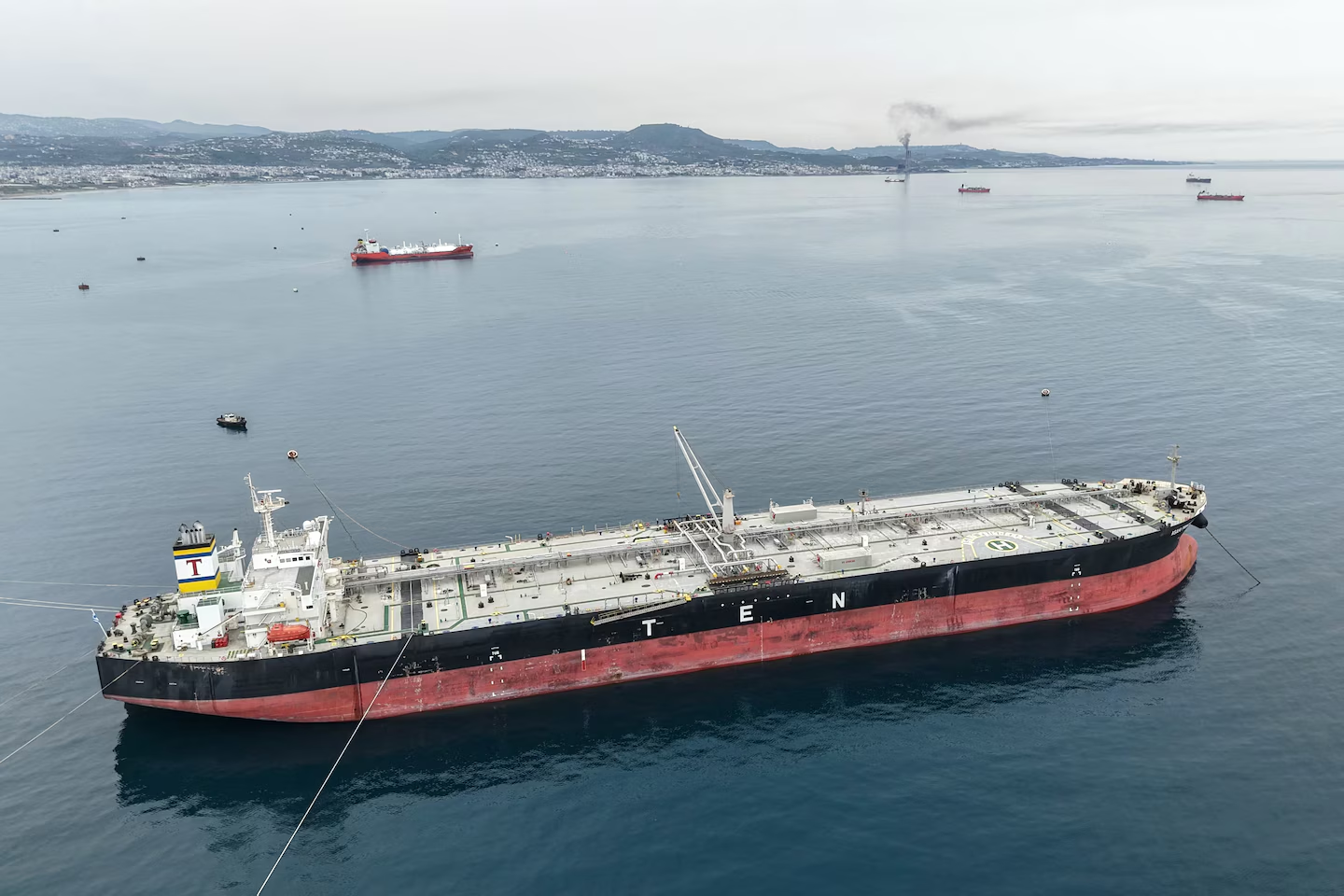
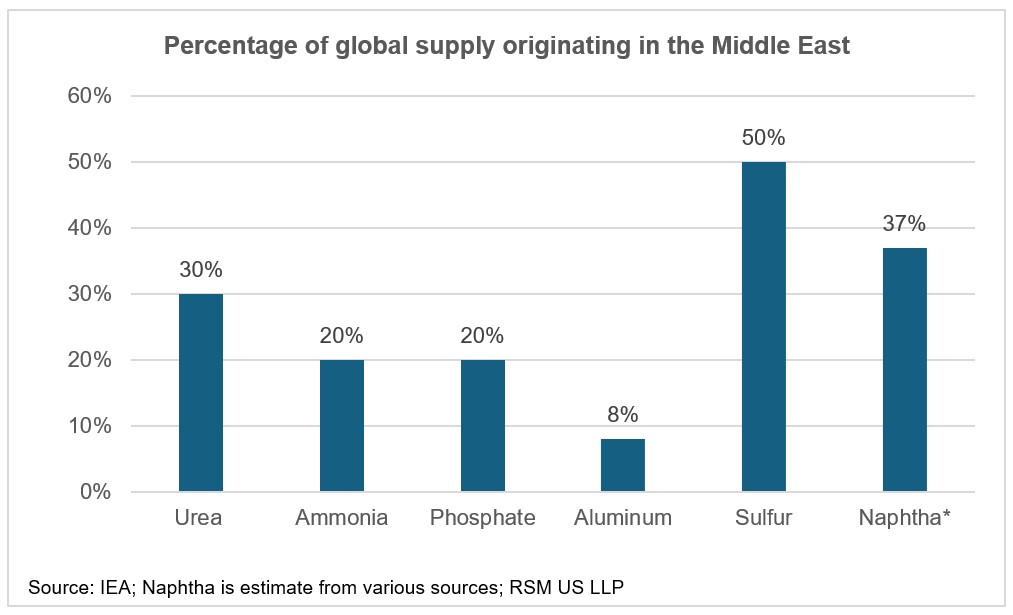
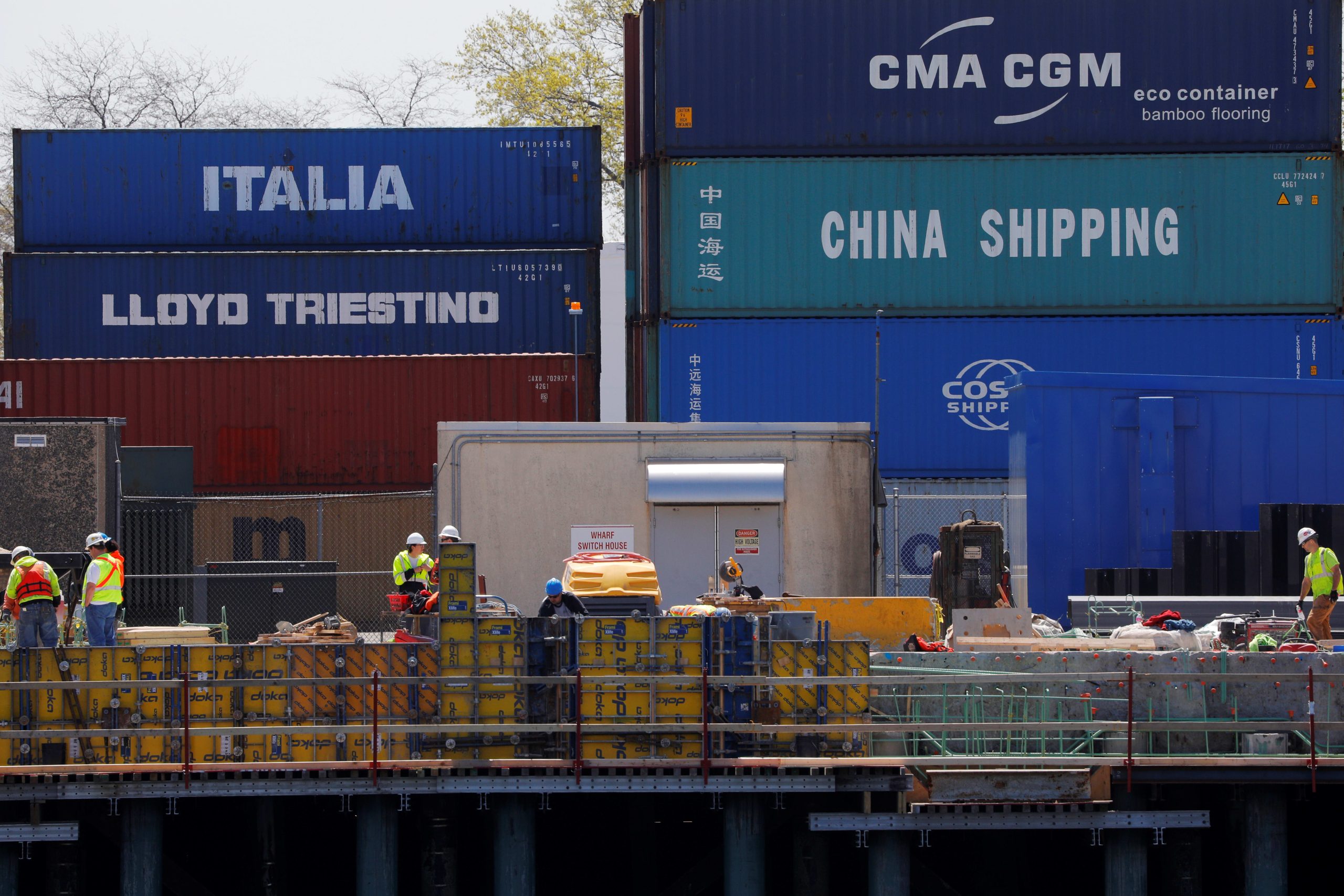
The bank noted that the closure of the Strait of Hormuz is the largest oil supply shock since World War II. For investors, it is important to understand what it represents: not an isolated event, but the latest chapter in a structural reorientation of the global economy away from efficiency and toward security and resilience.
Global markets have already begun to price this shift. European defense stocks doubled in 2025, natural resource equities rallied more than 30 percent, and gold has surged 130 percent over three years. The question for investors is not whether fragmentation is real but whether portfolios are positioned for it.
“Investors must walk a fine line – not overreacting to short-term headlines, but not ignoring long-term shifts either. We see compelling opportunities in emerging markets, security-driven investment and the national champions emerging on all sides of a bifurcating world,” said Grace Peters.
Meanwhile, Stephen Parker, Co-Head of Global Investment Strategy at J.P. Morgan Private Bank, said, “The greatest risk investors face today isn’t volatility itself – it’s the impulse to overreact to it. In moments like these, the instinct to retreat to the sidelines can prove to be the most costly decision of all. Even against a backdrop of profound global geopolitical uncertainty, markets have continued to reach all-time highs. Staying invested with intention, aligned to a disciplined long-term plan, is what separates resilient portfolios from the rest.”

Macro hedge funds and relative value strategies remain important
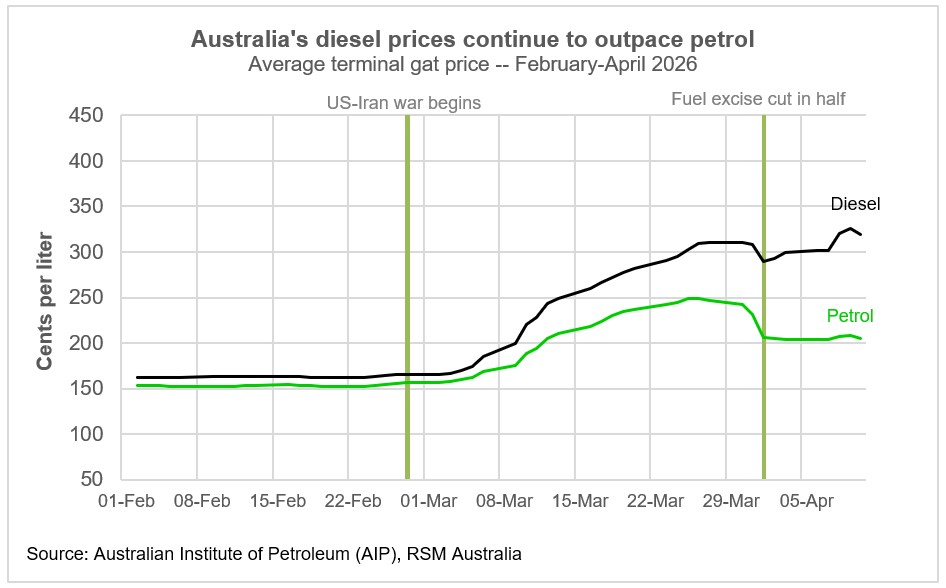
J.P. Morgan added that even before the conflict in Iran, U.S. inflation was running near 3 percent. The energy price spike has only deepened a structural challenge: throughout the 2020s, U.S. consumer prices have gained over 25 percent cumulatively, while core fixed income has returned just 5 percent.
With both bonds and stocks selling off meaningfully since the conflict began, investors need a broader toolkit – one that includes real assets, active strategies and a disciplined plan built to withstand inflationary pressure, not just ride out a cycle.
“Commodity-linked equities, global infrastructure and real estate offer inflation-resilient cash flows and have historically delivered 8–12 percent annualized returns across different inflation regimes. Yet nearly 80 percent of family offices surveyed said they have no exposure to infrastructure, despite expressing concern about inflation,” commented Stephen Parker.
He concluded, “Macro hedge funds and relative value strategies – which delivered positive returns in 2022 when both stocks and bonds fell – remain an important complement.”
AI to become on of the most powerful disinflationary forces
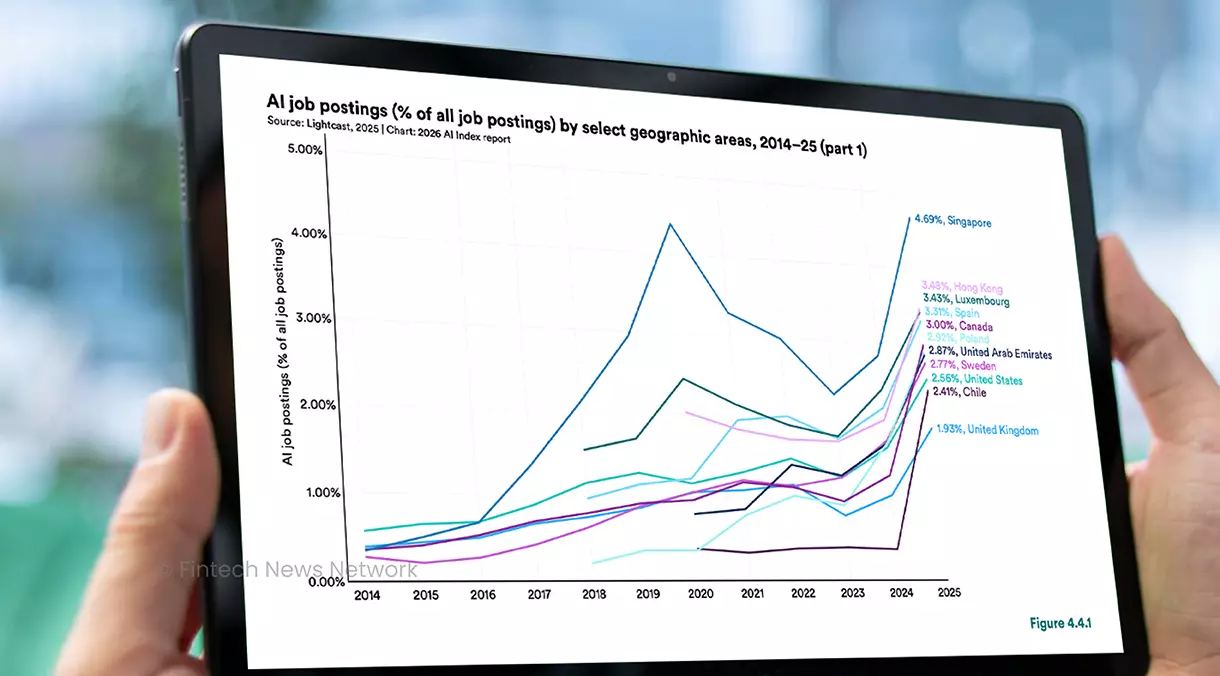
Finally, Artificial Intelligence (AI) could prove to be one of the most powerful disinflationary forces in a generation, lowering the cost of expertise and increasing economic output without additional human labor. Yet the prevailing narrative remains fixated on disruption: labor displacement, unemployment and business model destruction.
“AI is easing the constraint of finite expertise – just as electricity eased the constraint of limited power, and the computer eased the constraint of limited information. The scope of its impact is difficult to price, which is exactly why markets are struggling with it. Our guidance is to gain exposure to the data center build-out beneficiaries, explore private markets and avoid legacy sectors vulnerable to disruption,” concluded Grace Peters.