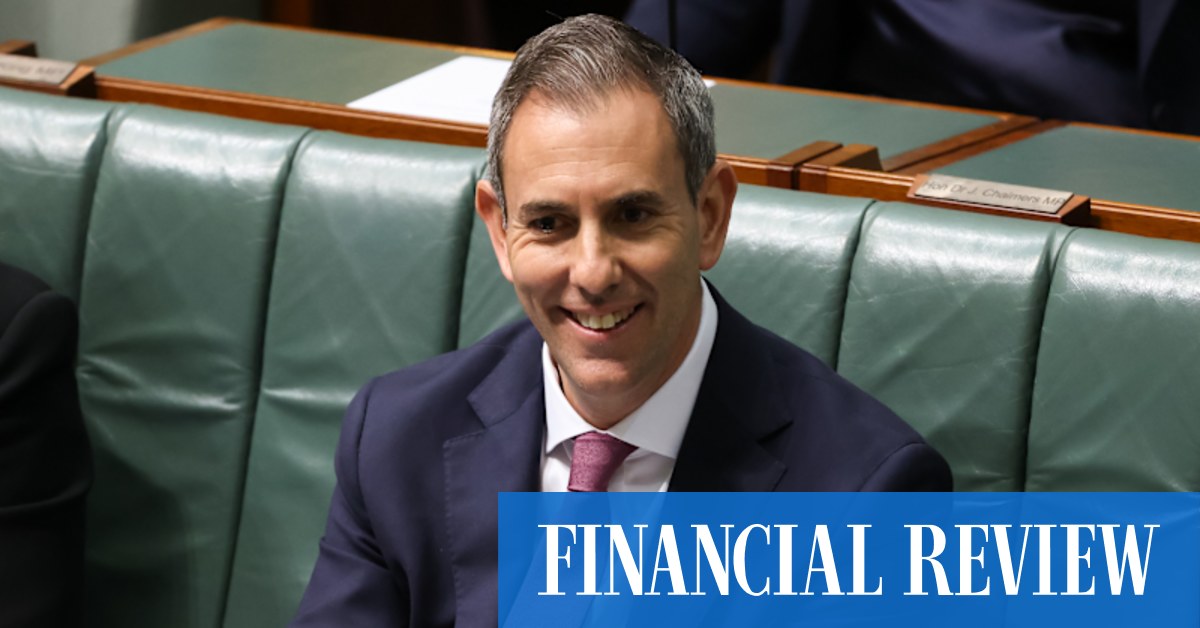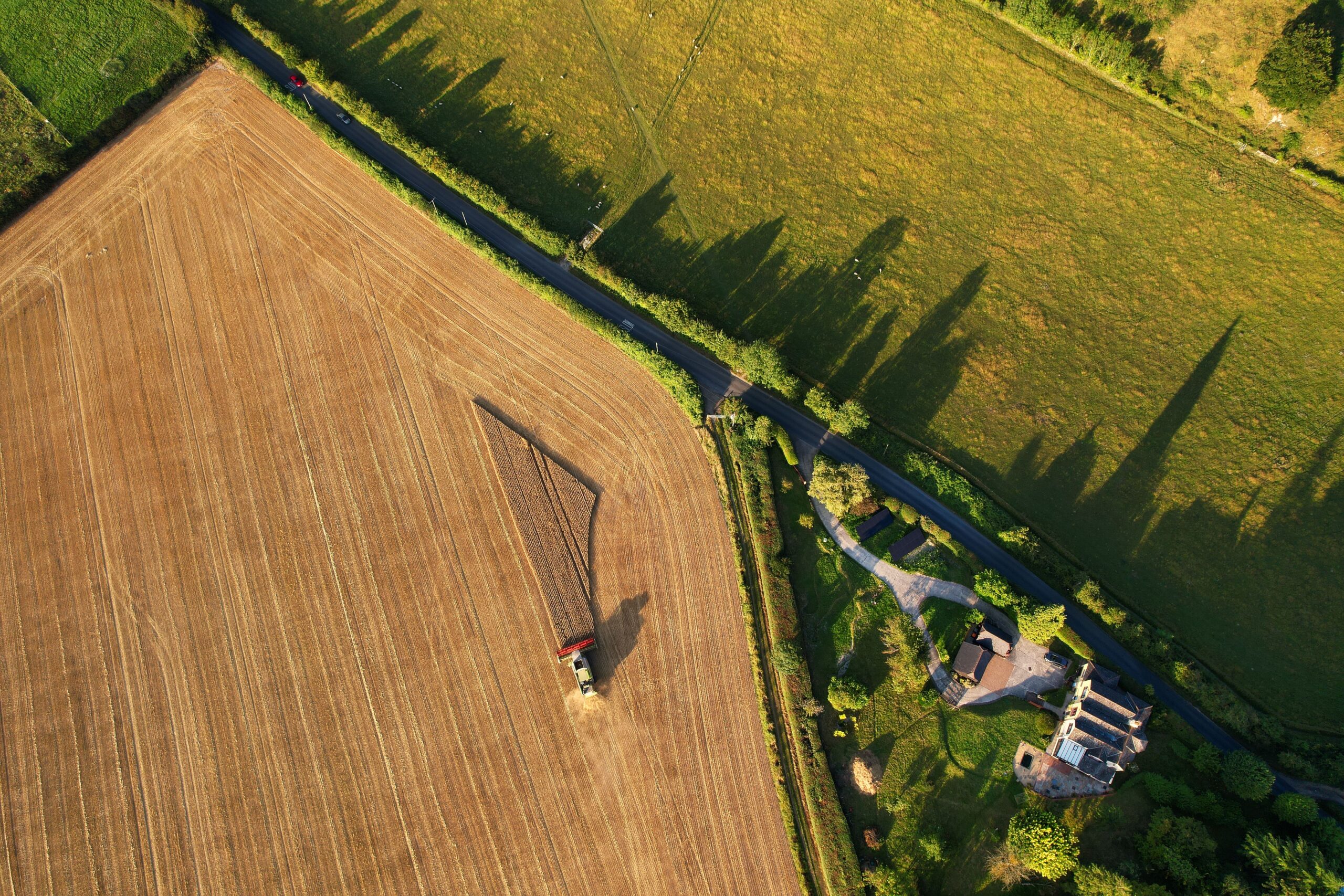

Australia is set for a pivotal moment next week as all eyes will be looking to inflation data. Picture: NewsWire / John Appleyard
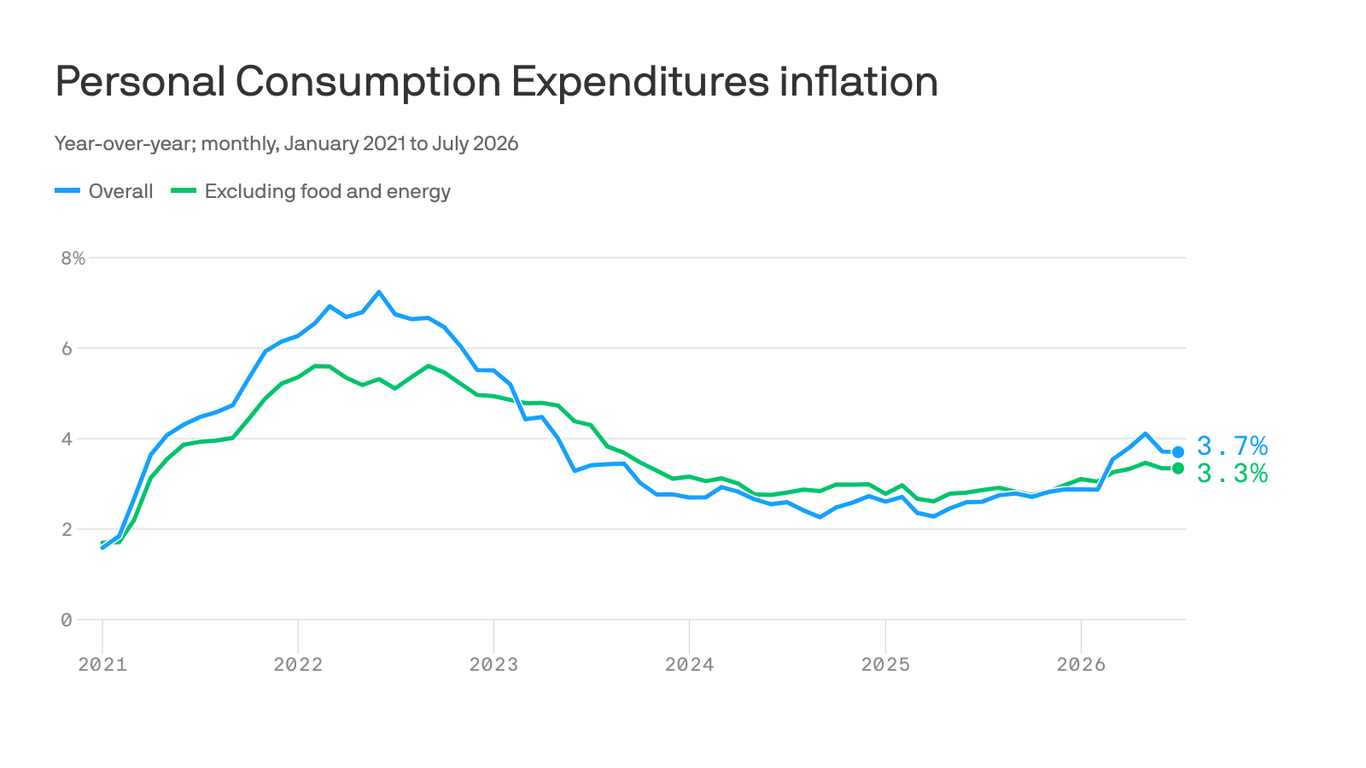
Australia’s next round of inflation figures could shatter the economic strategies that have guided the country for decades, with analysts claiming it is a system that no longer works in today’s complex global economy.
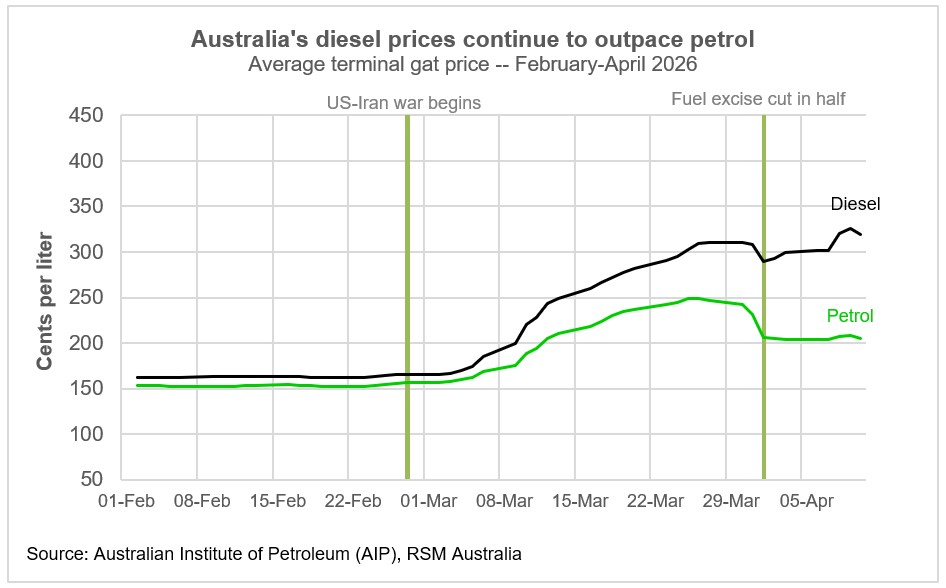
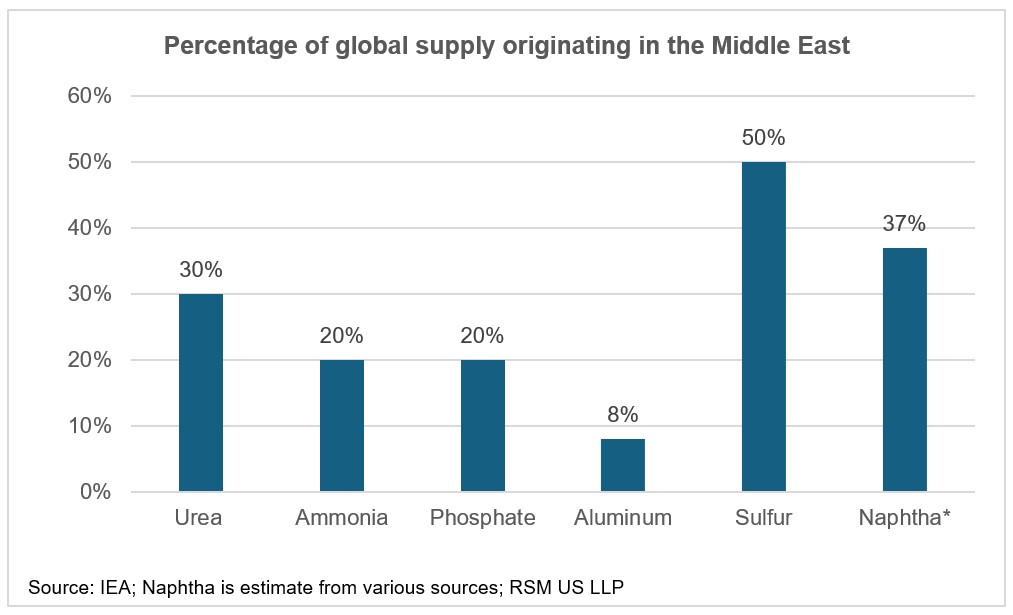
Australia faces a pivotal moment on April 29 with the release of the inflation data – the first period covering the start of the US conflict in the Middle East.
Analyst and Wealth Within founder Dale Gillham warned Australia’s traditional methodology of raising interest rates to stifle inflation was “breaking.”
“What if next week’s CPI numbers aren’t about inflation, but rather the system we’re using to control it, which is starting to break?” Mr Gillham said.
“For the past two years, the playbook has been simple: raise interest rates, slow demand, to bring inflation down. But next week’s CPI lands at a time when inflation is no longer being driven purely by demand.”
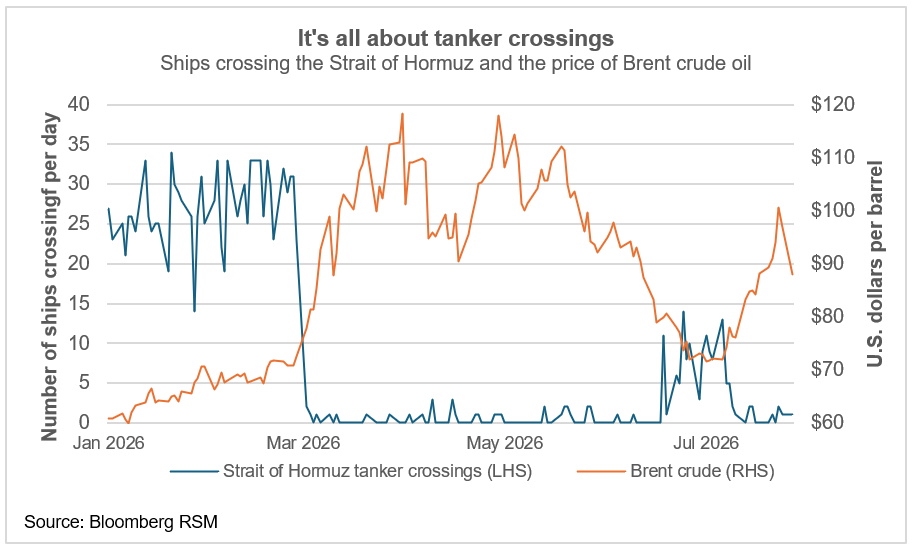
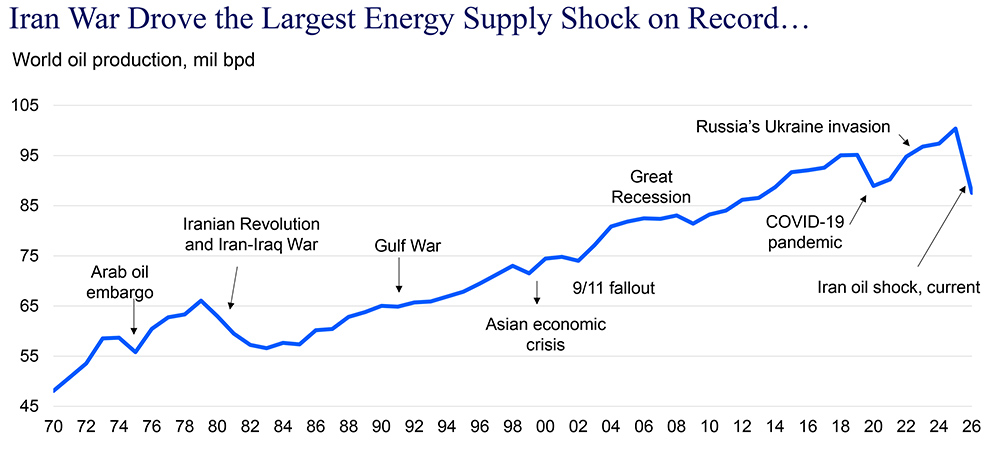
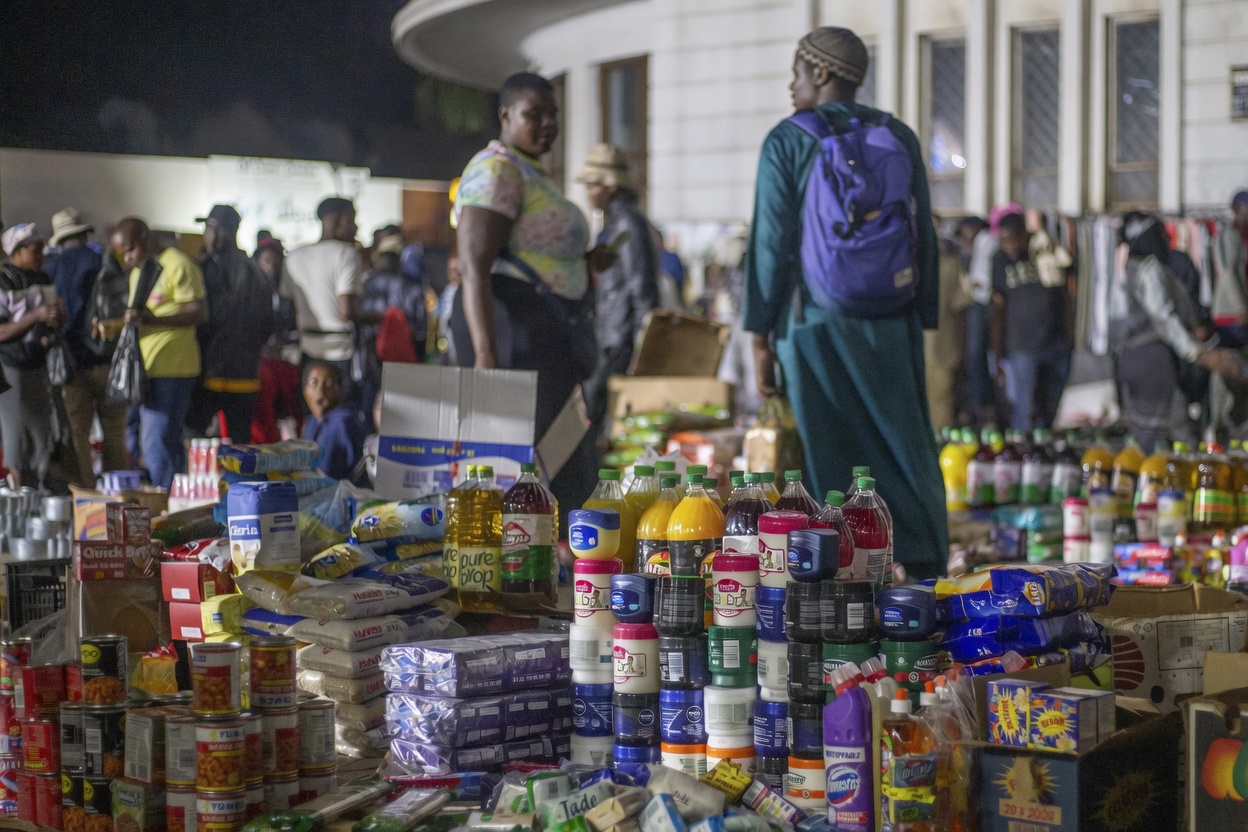
The CPI data announcement lands at a time when inflation is actually being shaped by forces not within easy control including energy dynamics, global supply chains, and structural constraints within Australia’s economy, Mr Gillham claims.
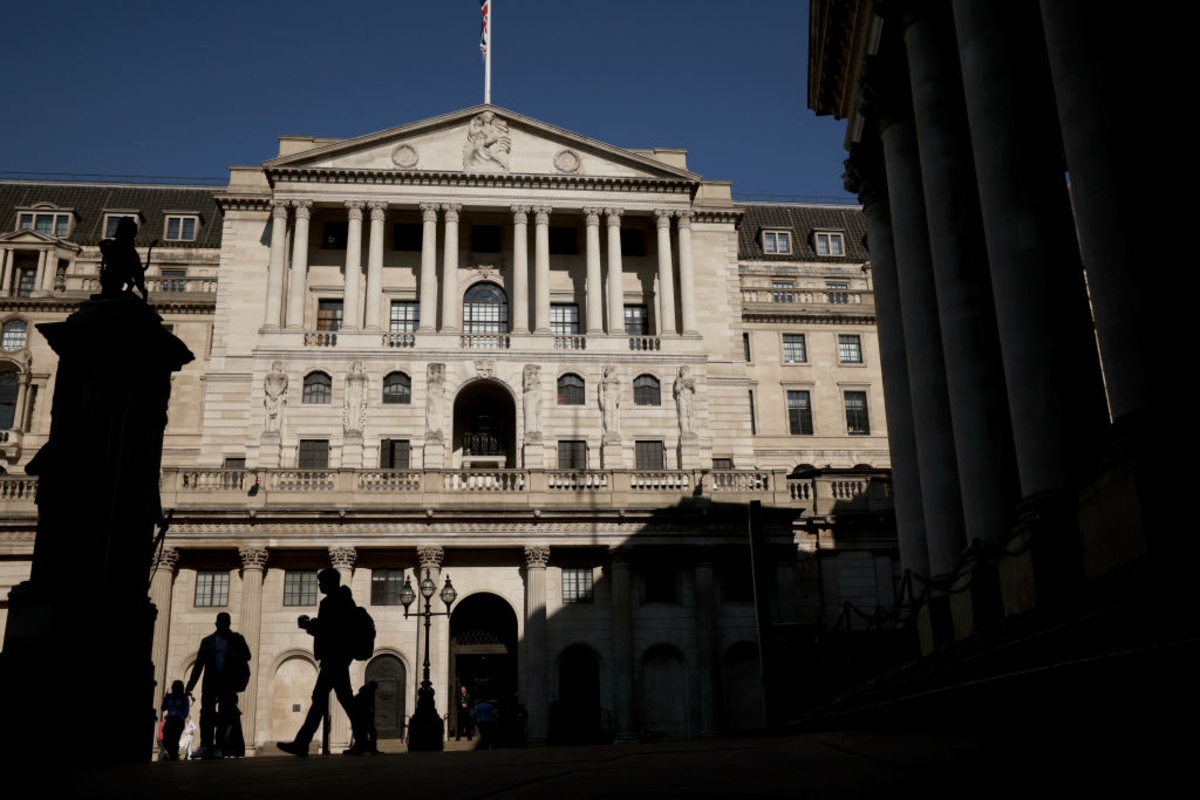
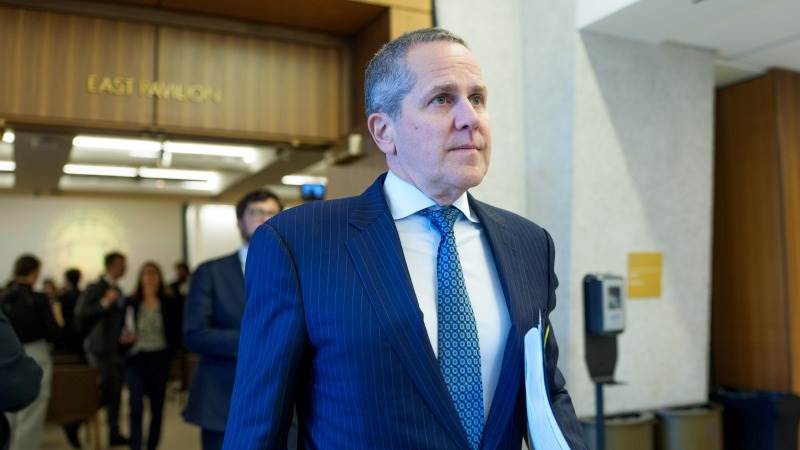
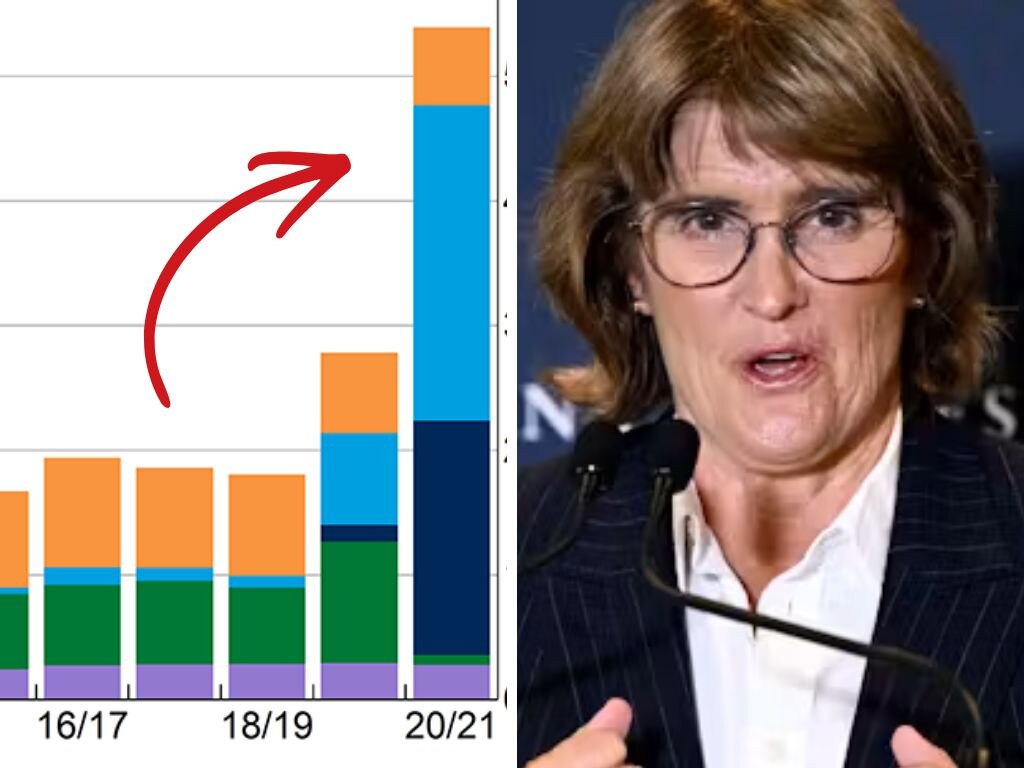
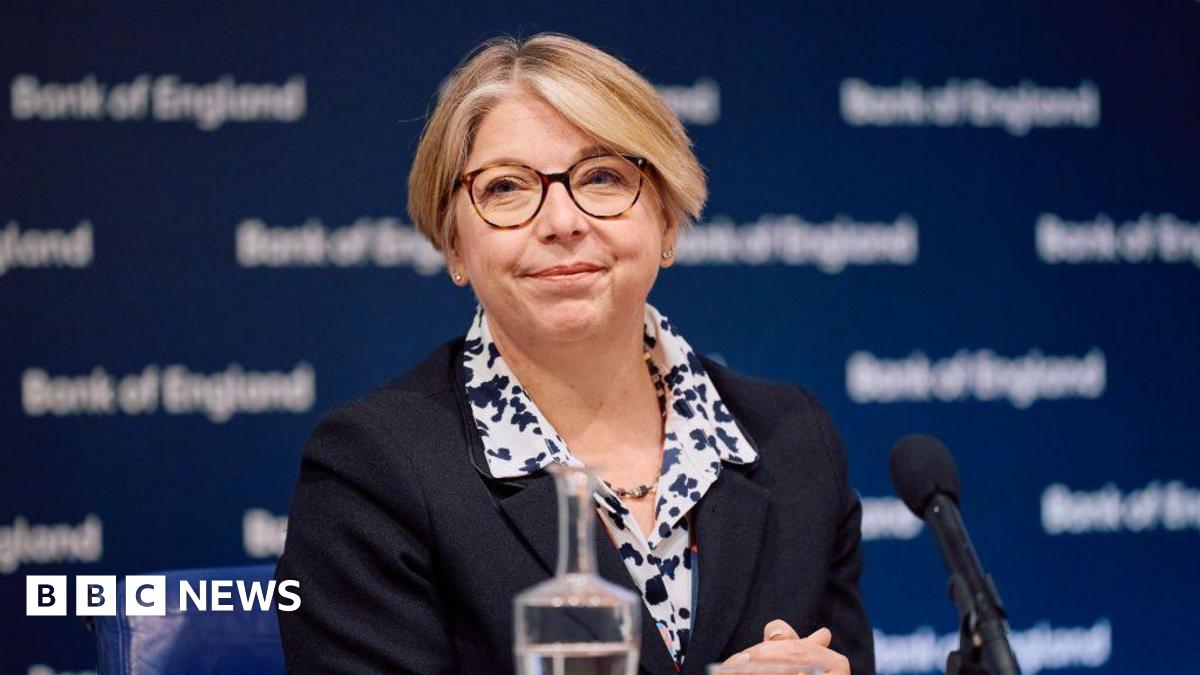
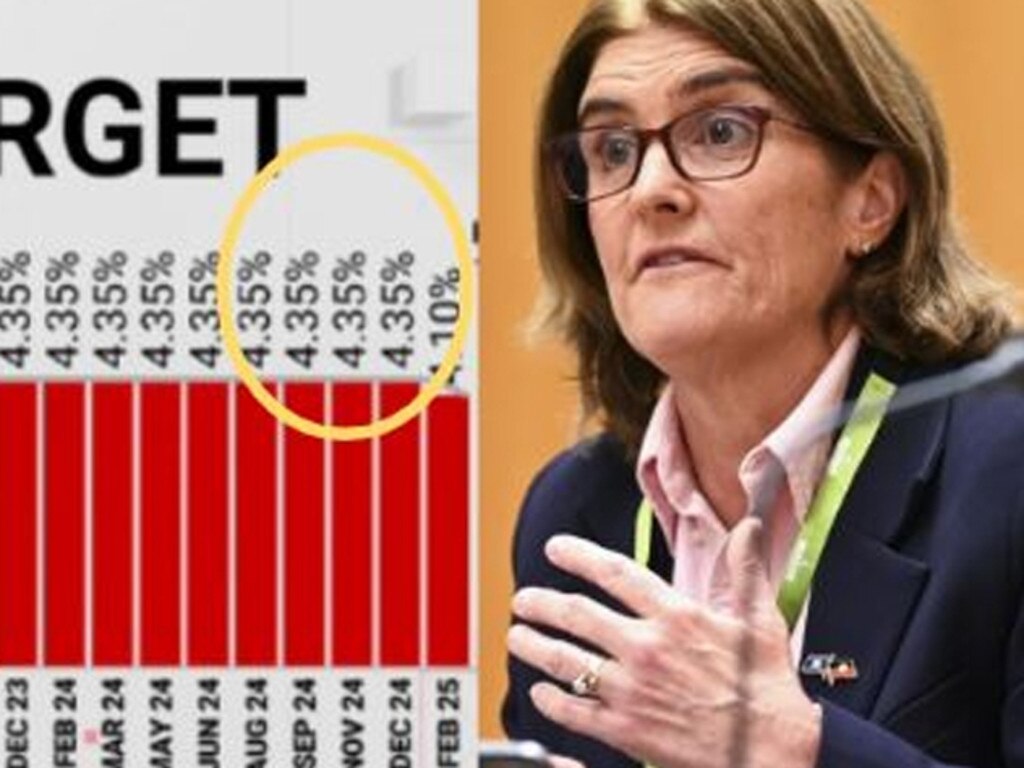
Governor Michele Bullock of the The Reserve Bank. Picture: NewsWire / Gaye Gerard
MORE:Why construction costs are about to boom
Shock sales boom amid Aus $3/L petrol hike
$3bn wiped: Aus homes vanish in Albo move
“That’s why next week’s CPI numbers matter more than most, ” he said.
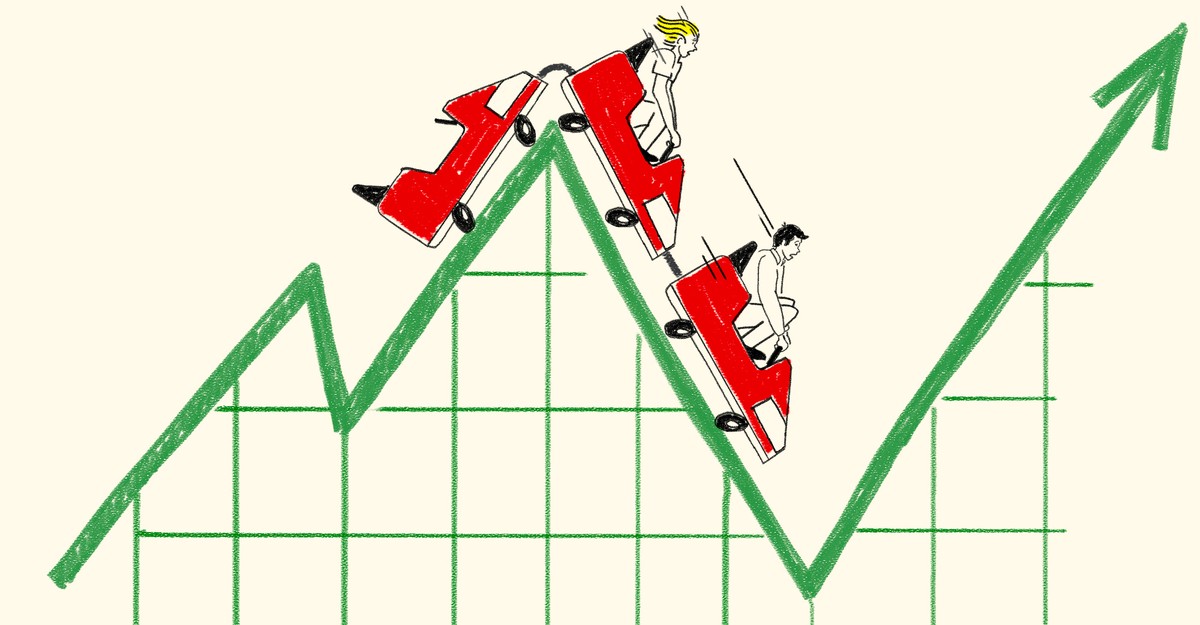
“It’s not just a read on inflation, it’s a test of whether the current strategy still works or whether Australia is heading into a period in which inflation remains elevated while growth slows anyway.”
The Reserve Bank’s default response to high inflation data is to keep interest rates high or to further hike them.
However, Mr Gillham claims this is no longer an effective strategy but will “simply compress the parts of the economy that are still functioning.”
“Higher interest rates doesn’t produce more energy, fix housing shortages, or improve productivity,” he said.
“(The CPI data) is a test of whether the current strategy still works or whether Australia is heading into a period in which inflation remains elevated while growth slows anyway.
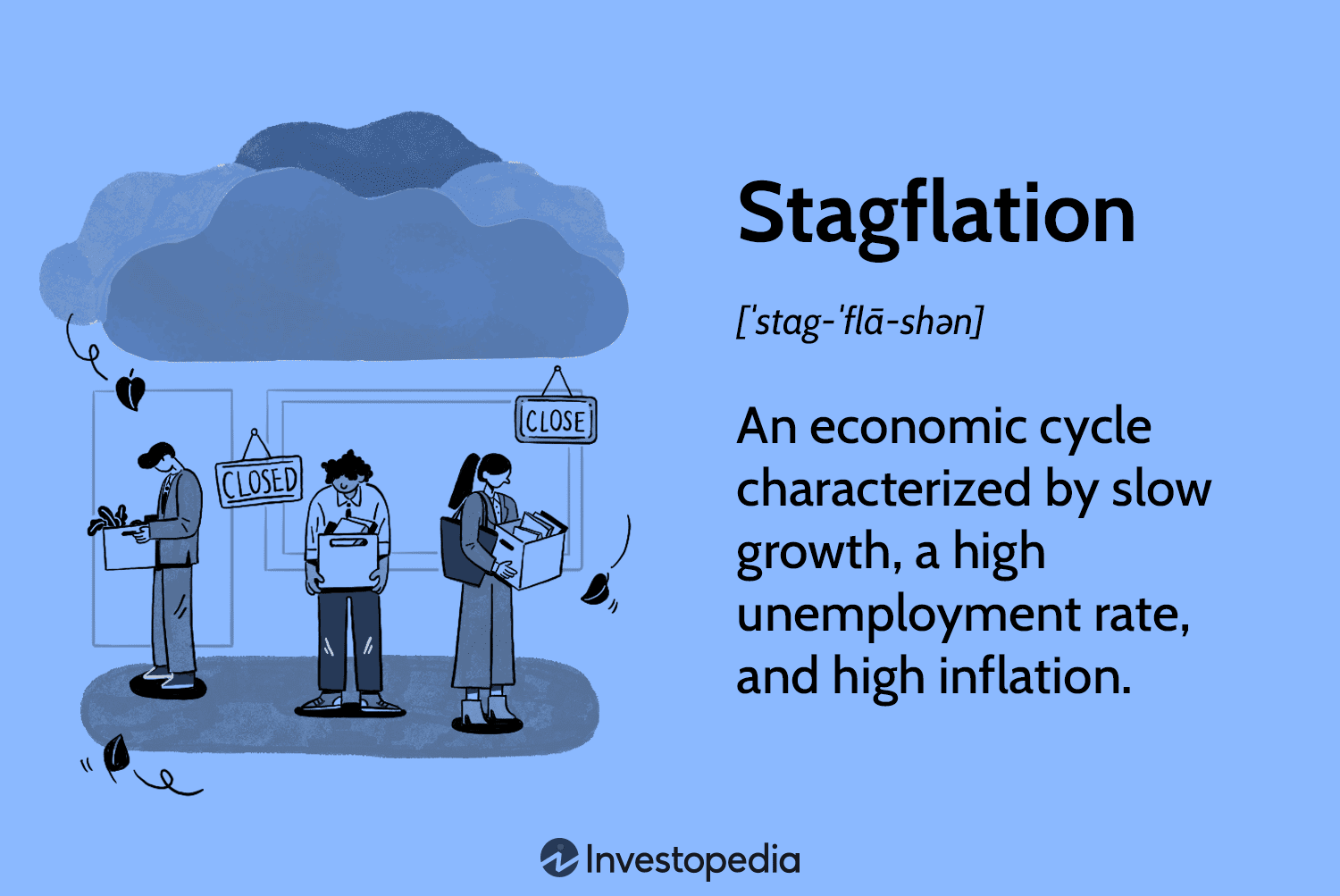
“That’s the uncomfortable scenario no one wants to say out loud. Because if that’s where we’re headed, the implications are bigger than interest rates.”

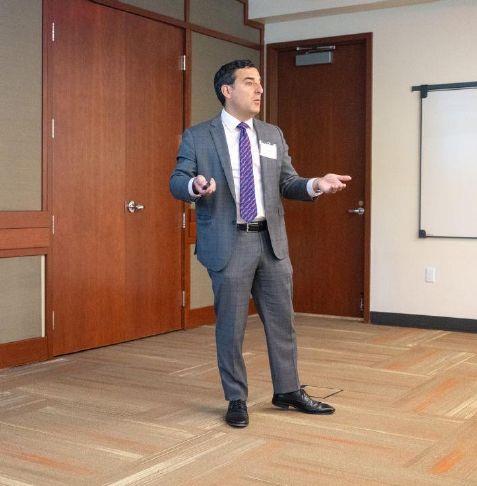
Dale Gillham, founder and chief analyst at Wealth Within. Photos: Supplied
Mr Gillham said the impacts would extend far beyond immediate cost-of-living pressures and will have long-term implications for how Australians invest, businesses plan, and how the economy grows over the next decade.
“So, when this number drops, don’t just look at whether it’s higher or lower than expected. Look at what it forces the RBA to do next, because that decision will tell you far more about the future than the inflation figure itself.”