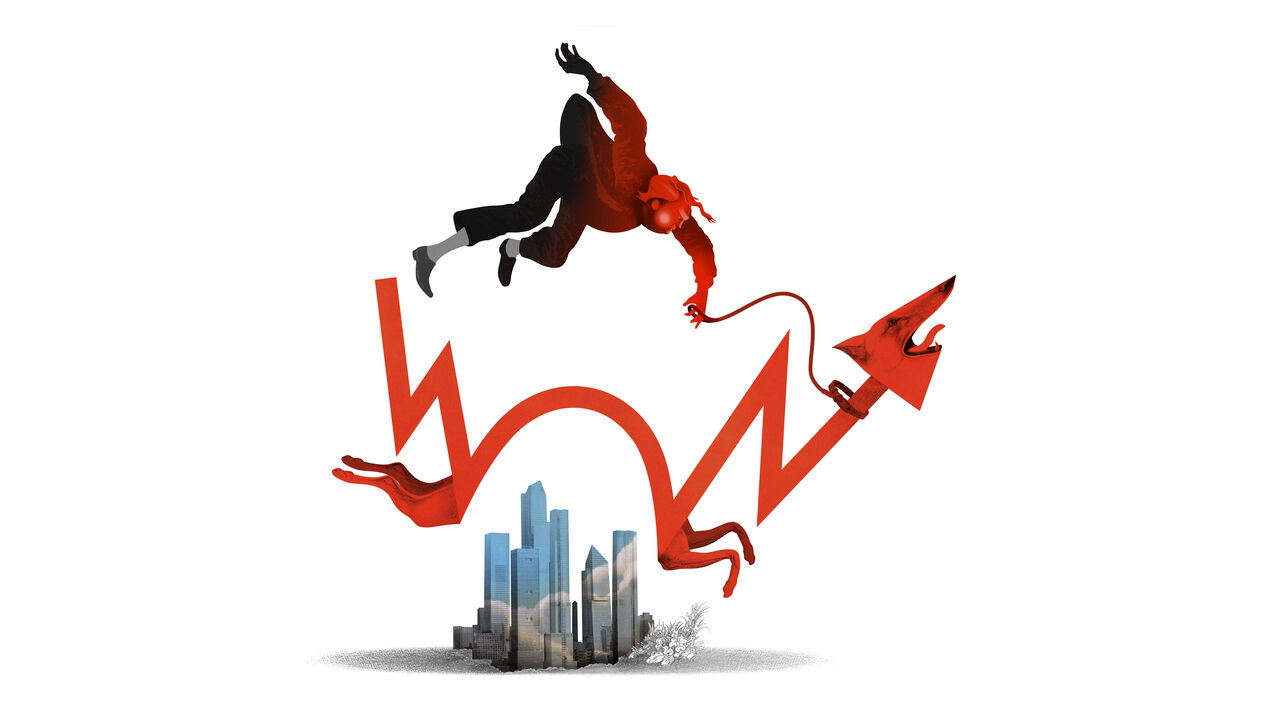
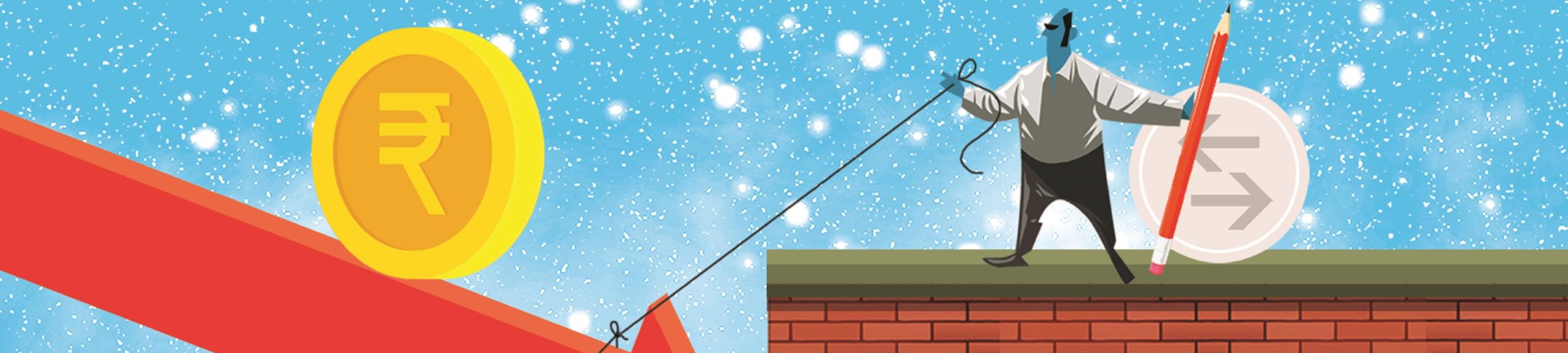
Once again, the bond market is signaling to the Federal Reserve that interest rates aren’t high enough.
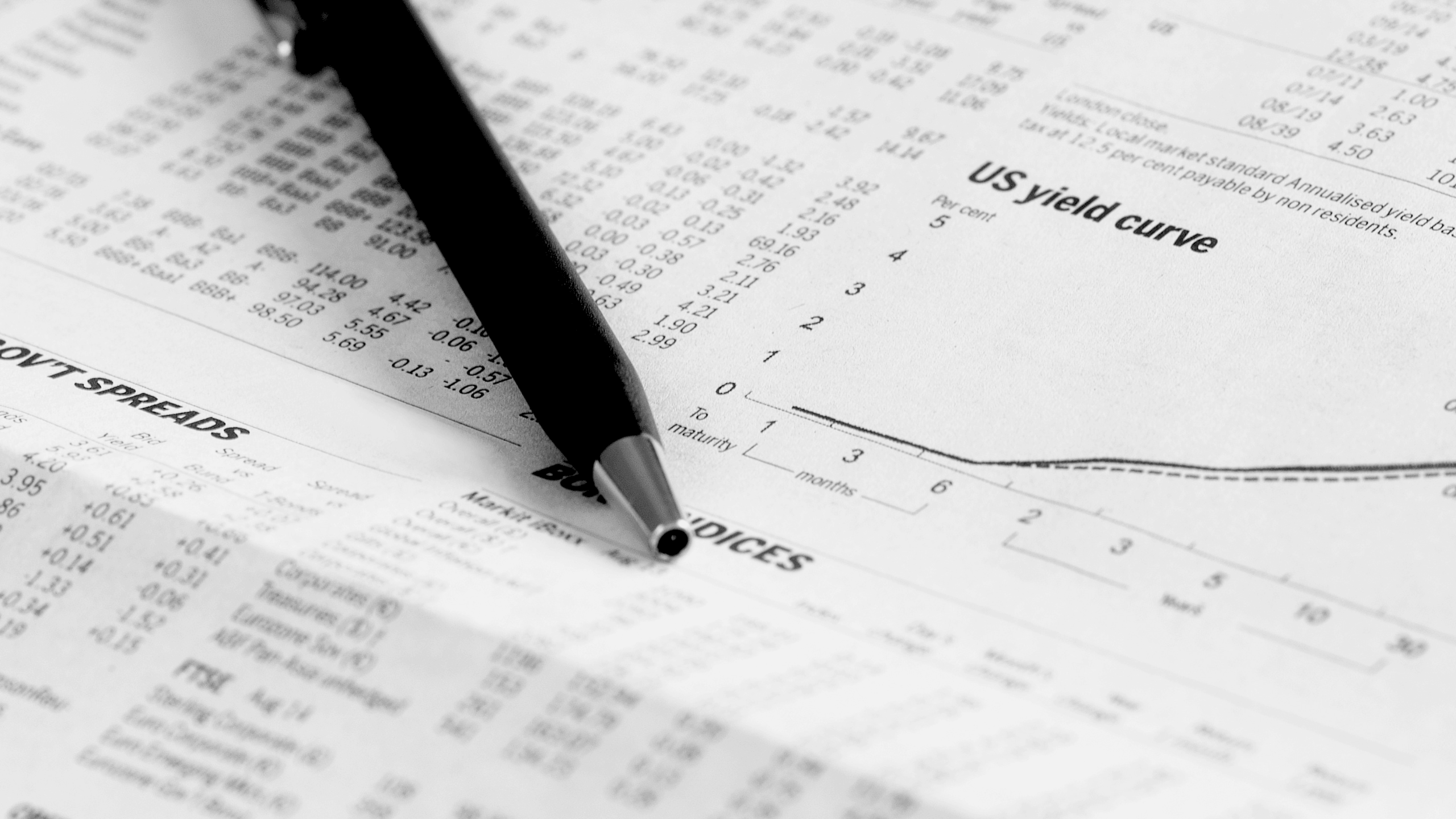
The 2-year Treasury yield, a leading indicator of the Fed’s interest rate policy, has risen to 4.1%, well above the upper end of the Fed’s target range of 3.50%-3.75%. At the same time, the yield on the 10-year Treasury — a warning about investors’ inflation expectations — nearly touched 4.7% before backing off Wednesday.
“The Bond Vigilantes are threatening that if the Fed doesn’t tighten credit conditions, they will do so to maintain law and order in the economy,” Ed Yardeni wrote this week in a research note.
JPMorgan CEO Jamie Dimon warned Thursday that interest rates may climb much further, telling Bloomberg that “rates can easily go up more, and credit spreads can go up more.”
The rise in bond yields comes as the latest data shows inflation heating up amid the war in Iran, while other economic data suggests resilience in the face of higher oil prices.
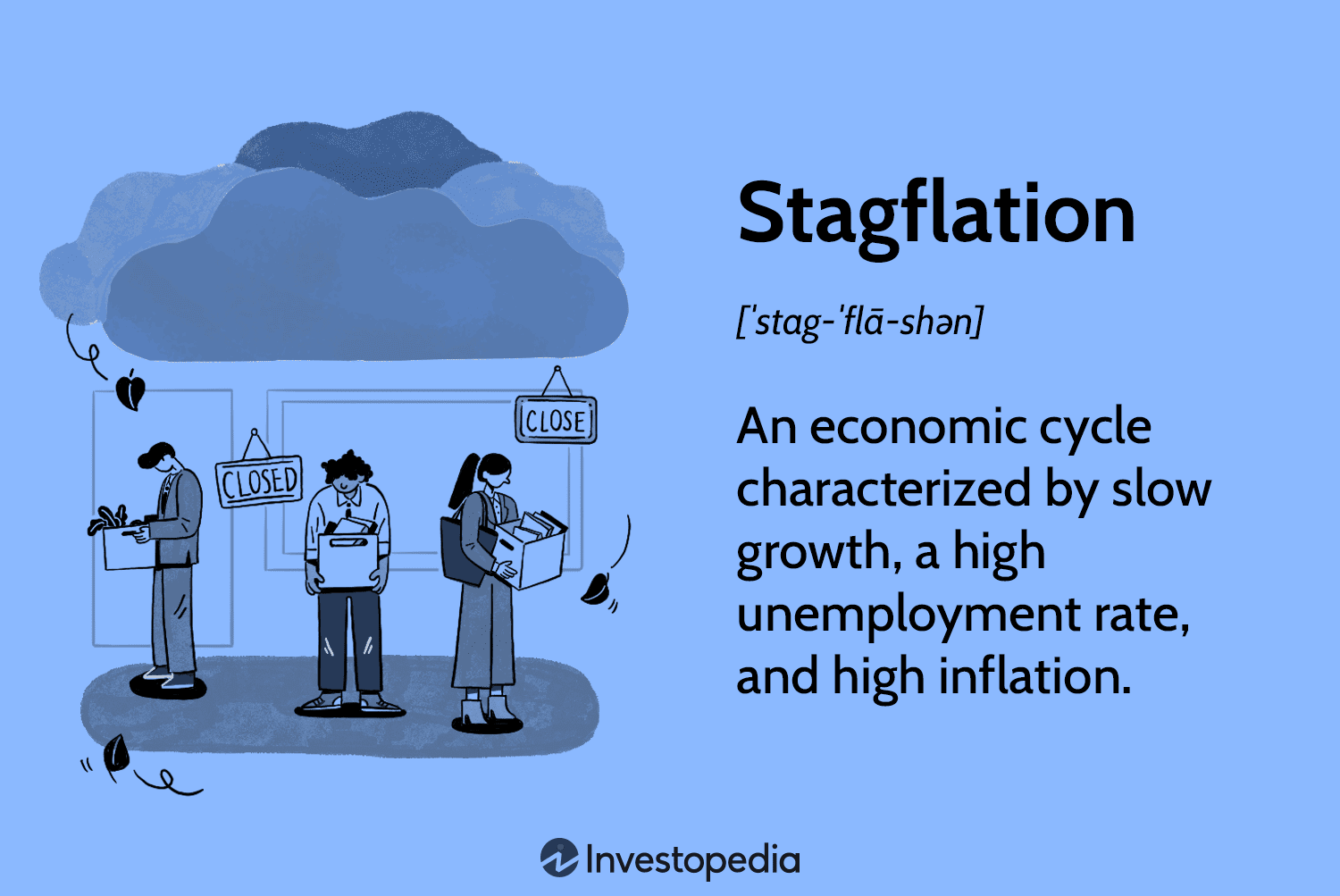
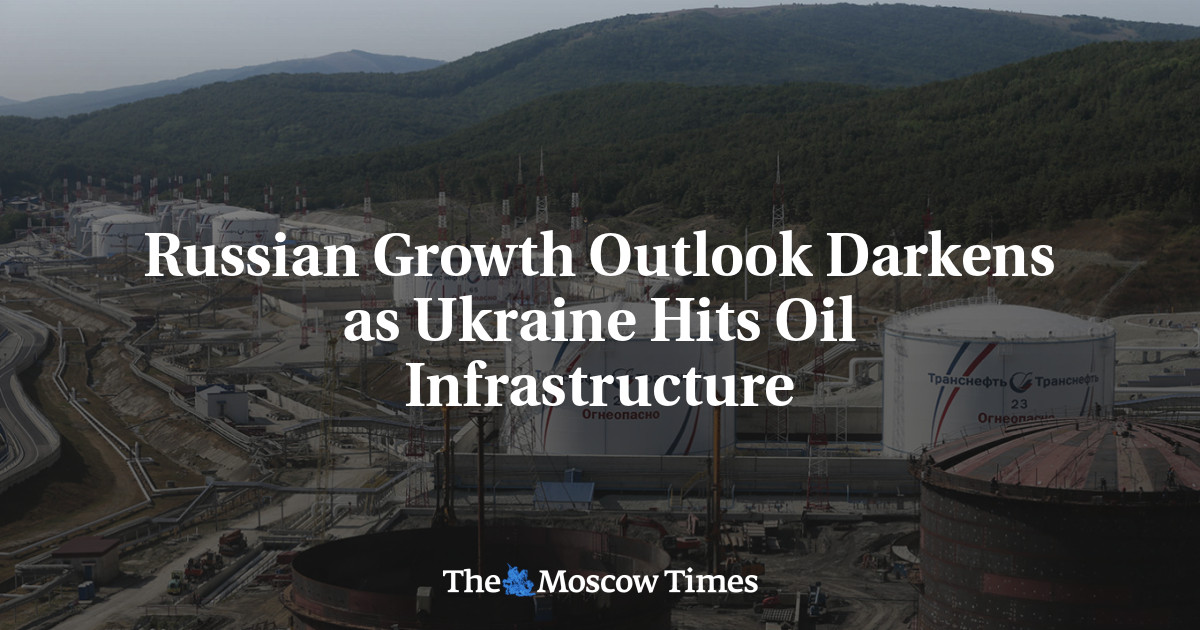
On the price front, wholesale prices soared 6% in April, pushed up largely by higher energy prices. That comes after the latest report on consumer prices showed inflation broadening as higher input costs from oil are passed through to consumers.
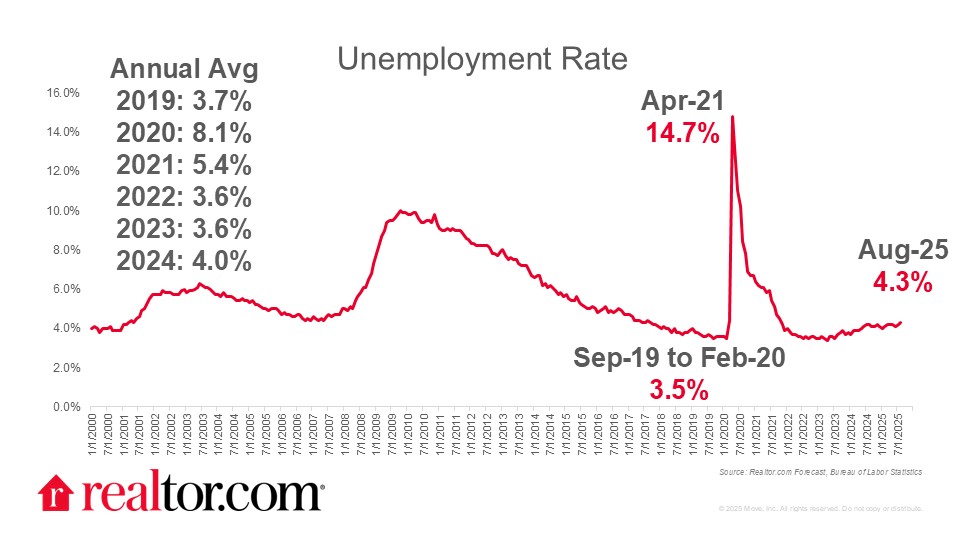
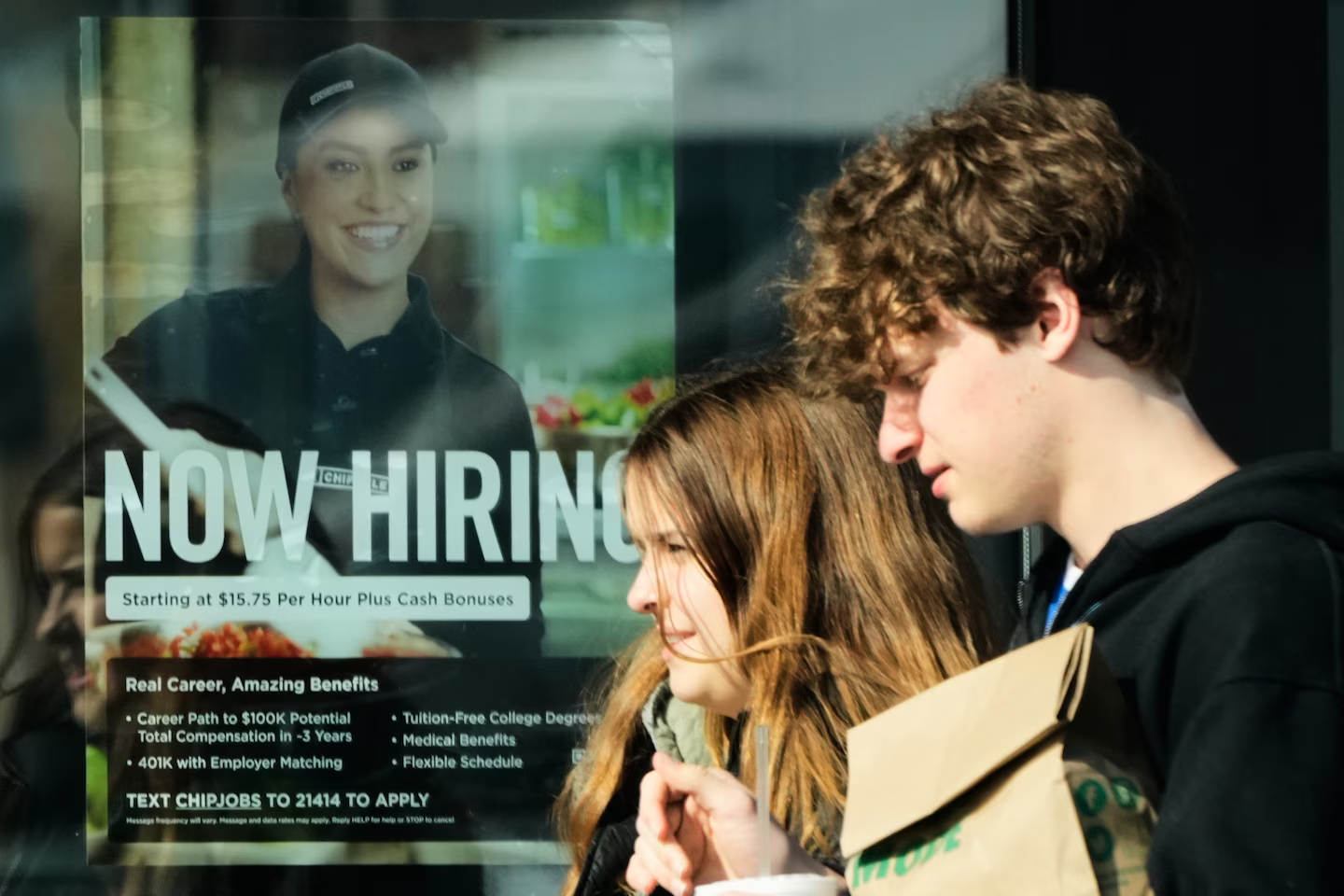
On the job front, payrolls grew by 115,000 in April, and job growth for March was revised higher by 7,000 to 185,000. That followed a lousy start to the year, which showed jobs lost.
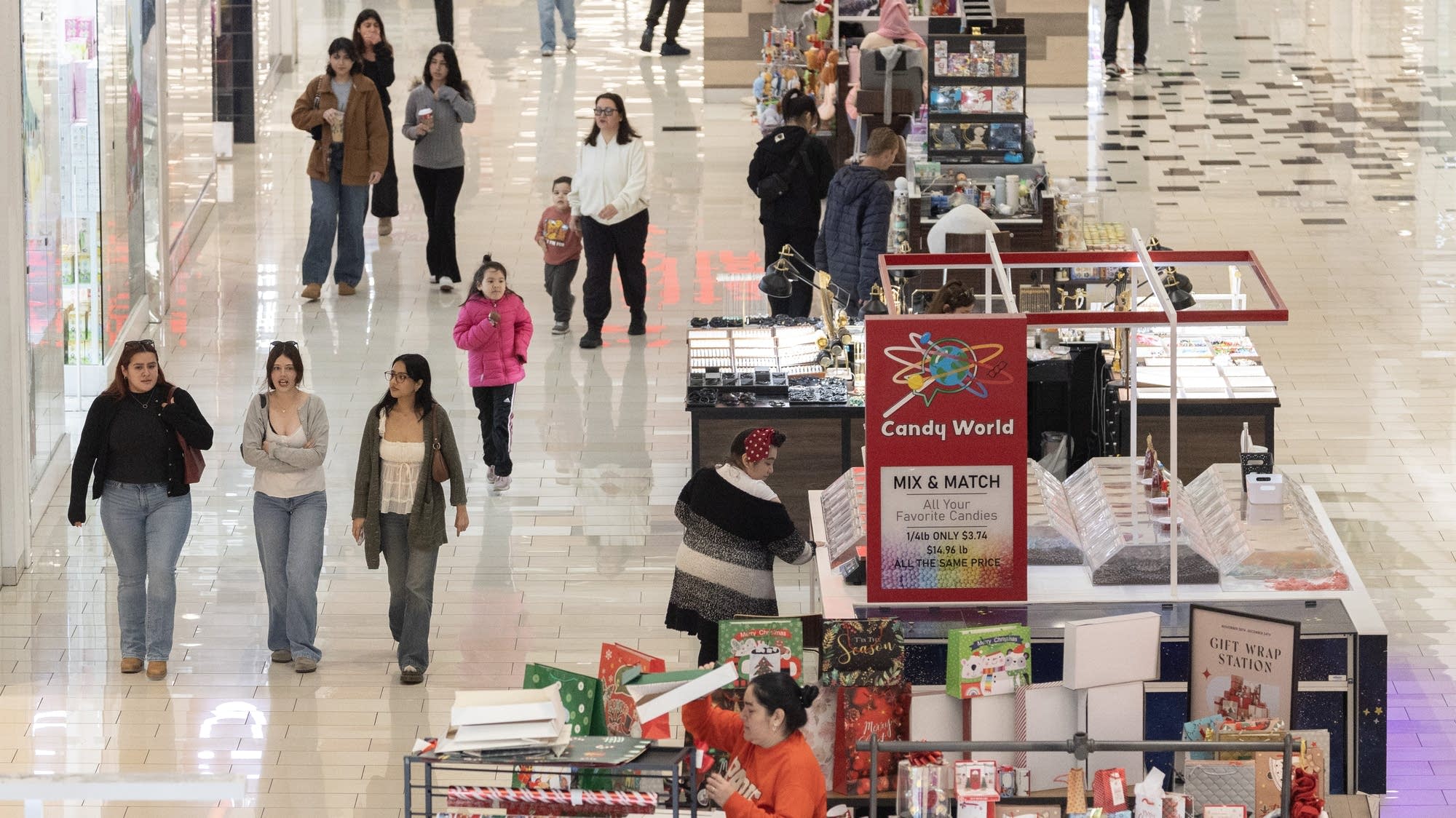
Other indicators highlight that consumers are continuing to spend. The Redbook same-store retail sales index jumped 8.9% for the week ending May 16, confirming the prior week’s 9.6% surge and well above the 2025 full-year average of 5.8%.
Home Depot saw positive same-store sales and big-ticket purchases, noting in their earnings call that their customer “seems to be in reasonably good shape … And again, the main thing is just this uncertainty that’s holding them back from taking on large projects.” Target also showed consumer spending in solid shape, with stronger-than-expected first quarter results.
The mixed dynamics have quickly changed expectations around interest rates. Market expectations have shifted away from rate cuts to the Fed holding rates steady this year or even modestly tightening. Markets are now pricing in a 41% chance of a rate hike in December, up from 30% a week ago, according to CME Group’s Fed Watch forecasting tool. Chances for a hike in October have risen to 35%.
Philadelphia Fed president Anna Paulson said Tuesday that “the way the market has moved in reaction to economic news over the last few months largely aligns with my own thinking.”
“Inflation is too high,” Paulson said, noting that even before the conflict in the Middle East and the recent spike in oil and gas prices, inflation was elevated.
She sees holding rates steady — for an extended period if needed — and tightening if necessary. Paulson said the only path to cutting rates is if inflation were coming down.
“Monetary policy is in a good place now … policy is mildly restrictive, and that restrictiveness is helping to keep the effects of both tariffs and the price increases associated with the conflict in the Middle East in check,” she said.
Paulson, a voting member on the FOMC this year, is emblematic of a central bank that’s shifting away from looking at its next move as a rate cut.
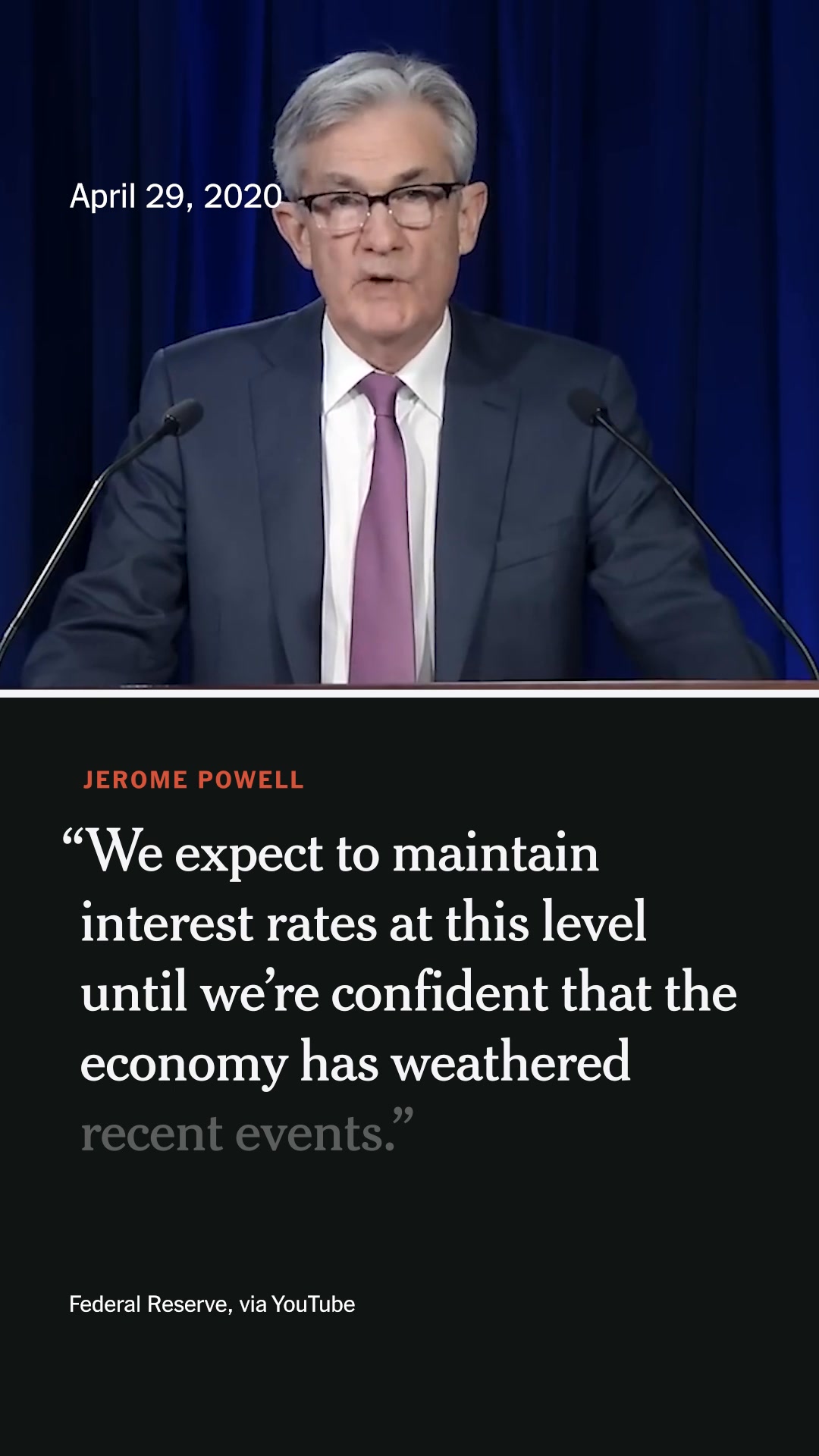
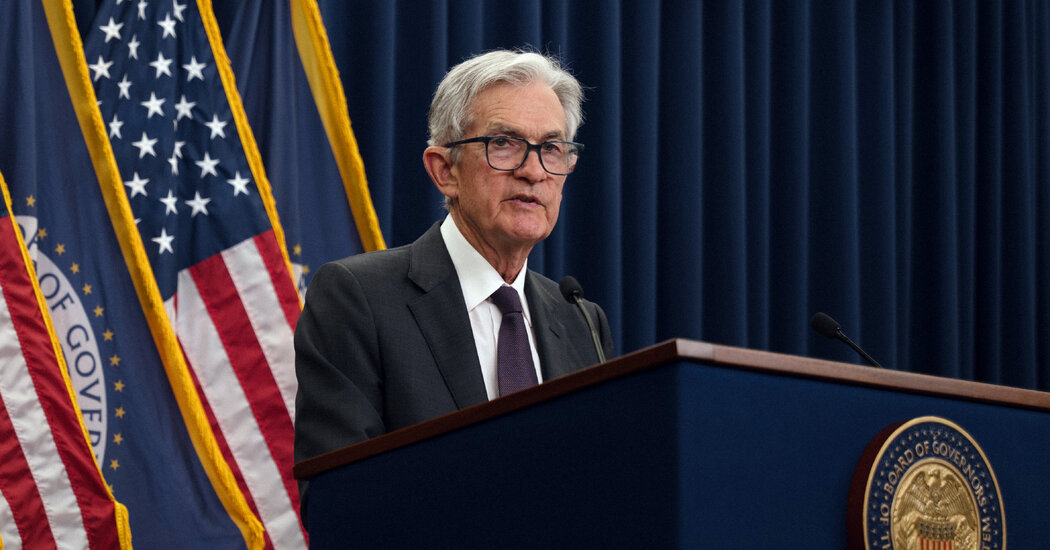
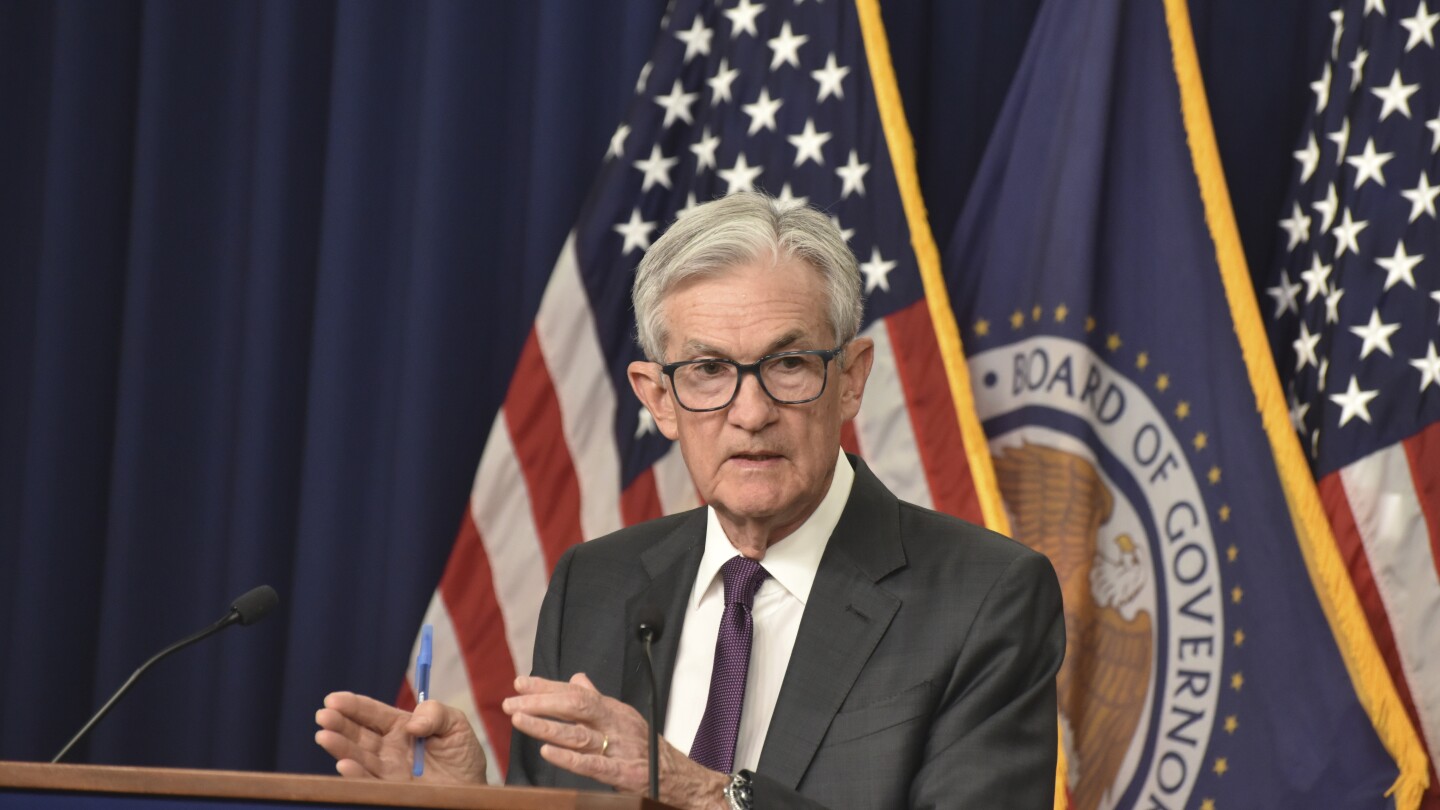
Chair Pro Tem Jerome Powell said at his last press conference at the end of April that the center of the committee has moved away from a bias toward rate cuts to a “more neutral place.” Translation: holding rates steady.
Minutes from the Fed’s April policy meeting, released Wednesday, underscored that narrative.
Several members thought they could still lower rates once there are clear indications that inflation is firmly back on track or if solid signs emerge of greater weakness in the job market. But a majority said raising rates would likely become appropriate if inflation were to continue to run persistently above the Fed’s 2% goal.
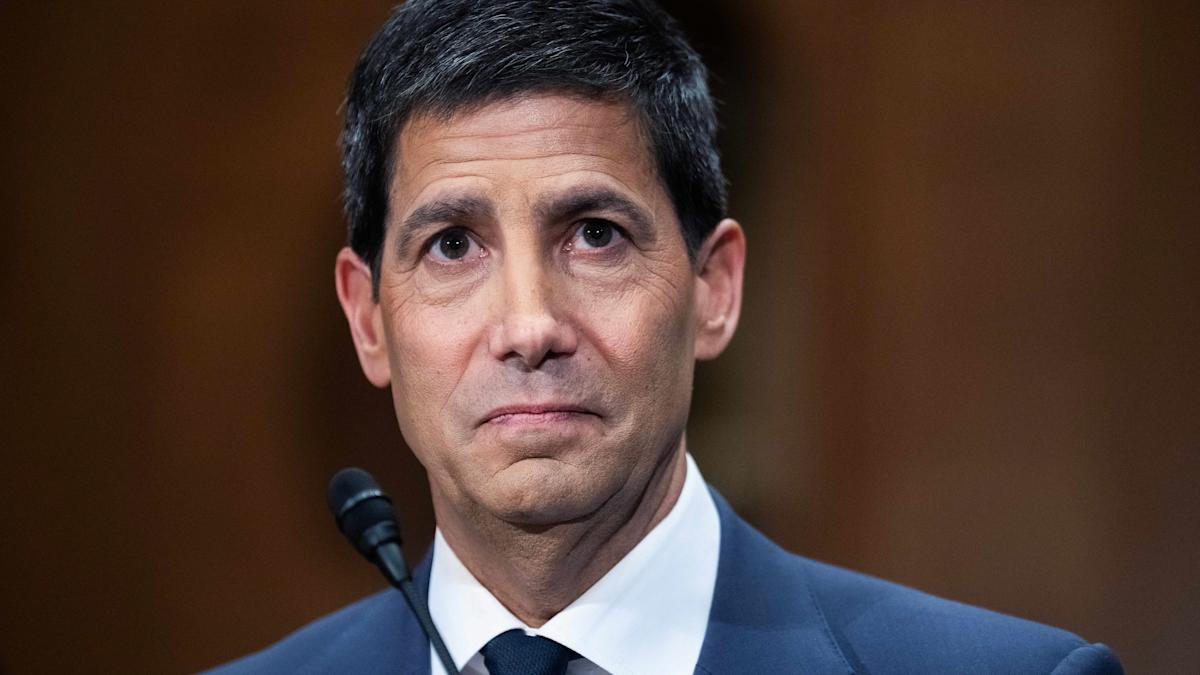
Incoming Fed Chair Kevin Warsh will face pressure from bond markets and a newly complex inflation picture after arguing last year for rate cuts on lower inflation thanks to higher productivity from AI.
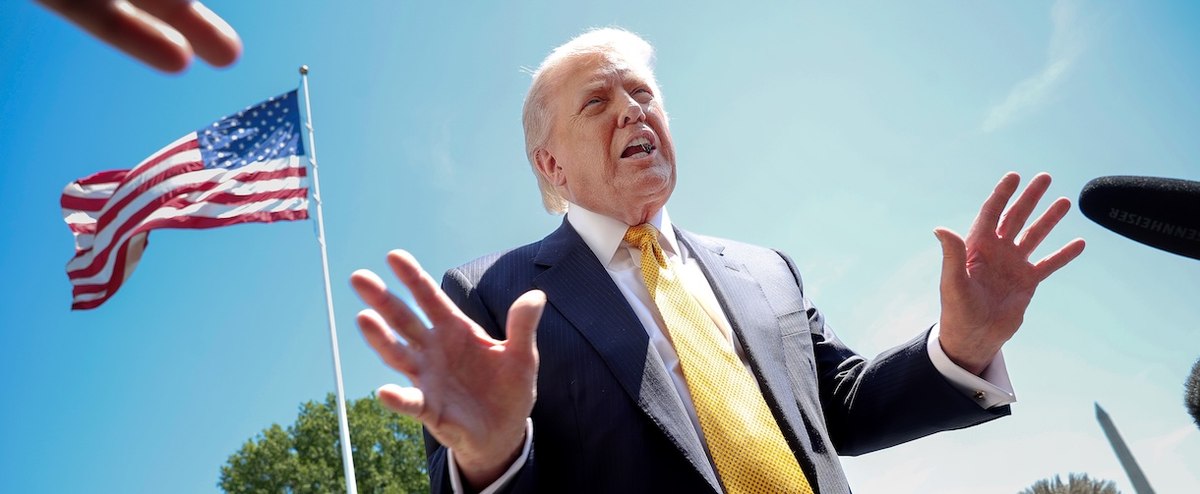
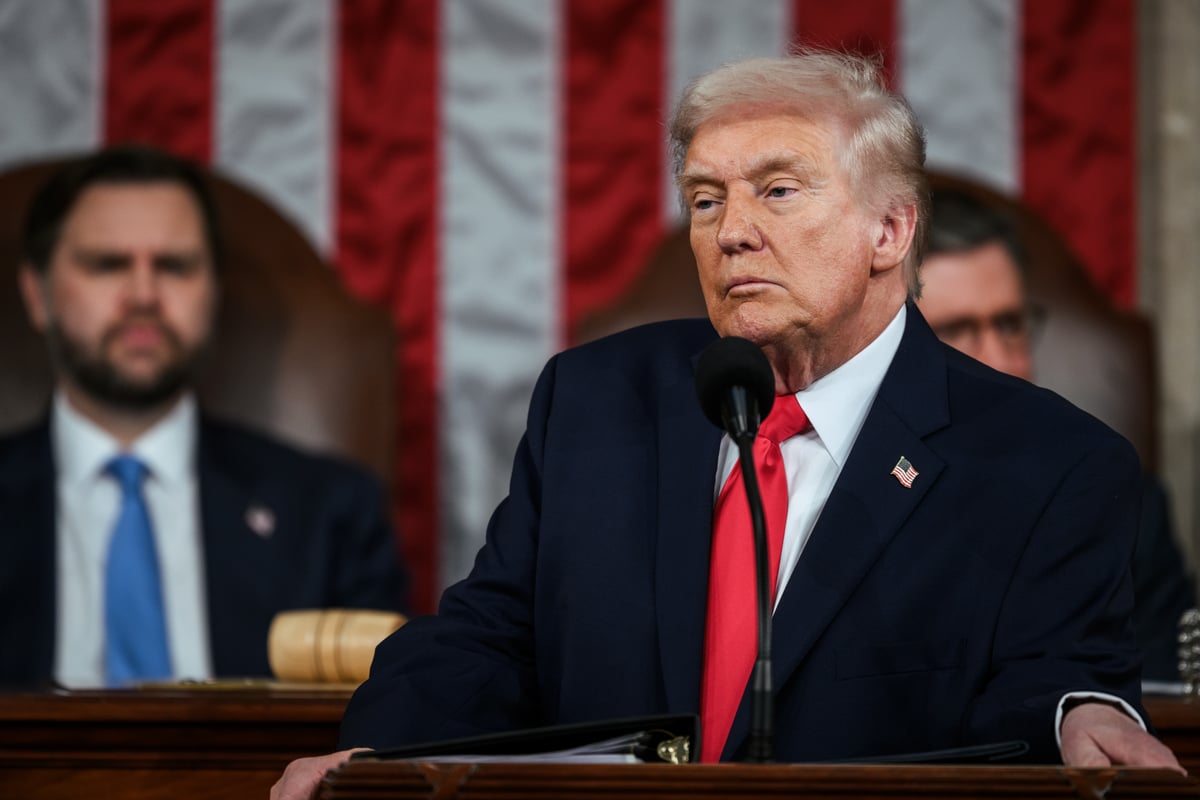
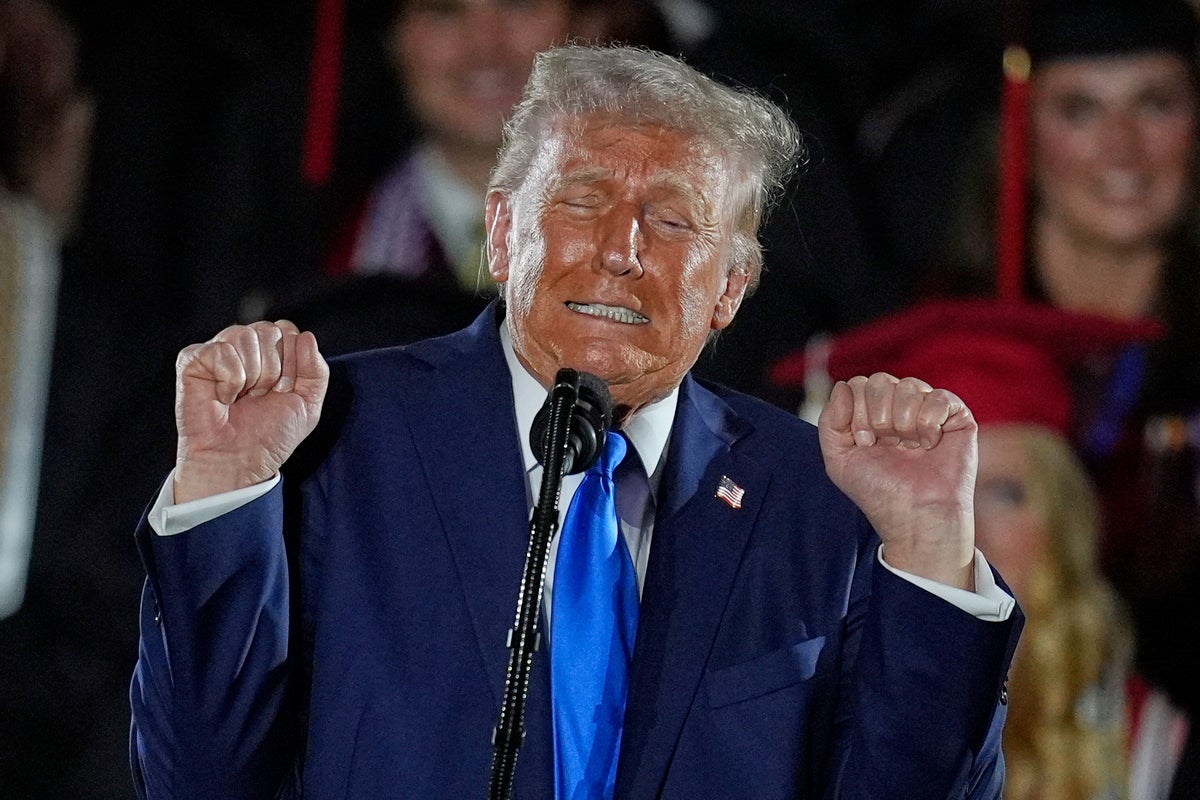
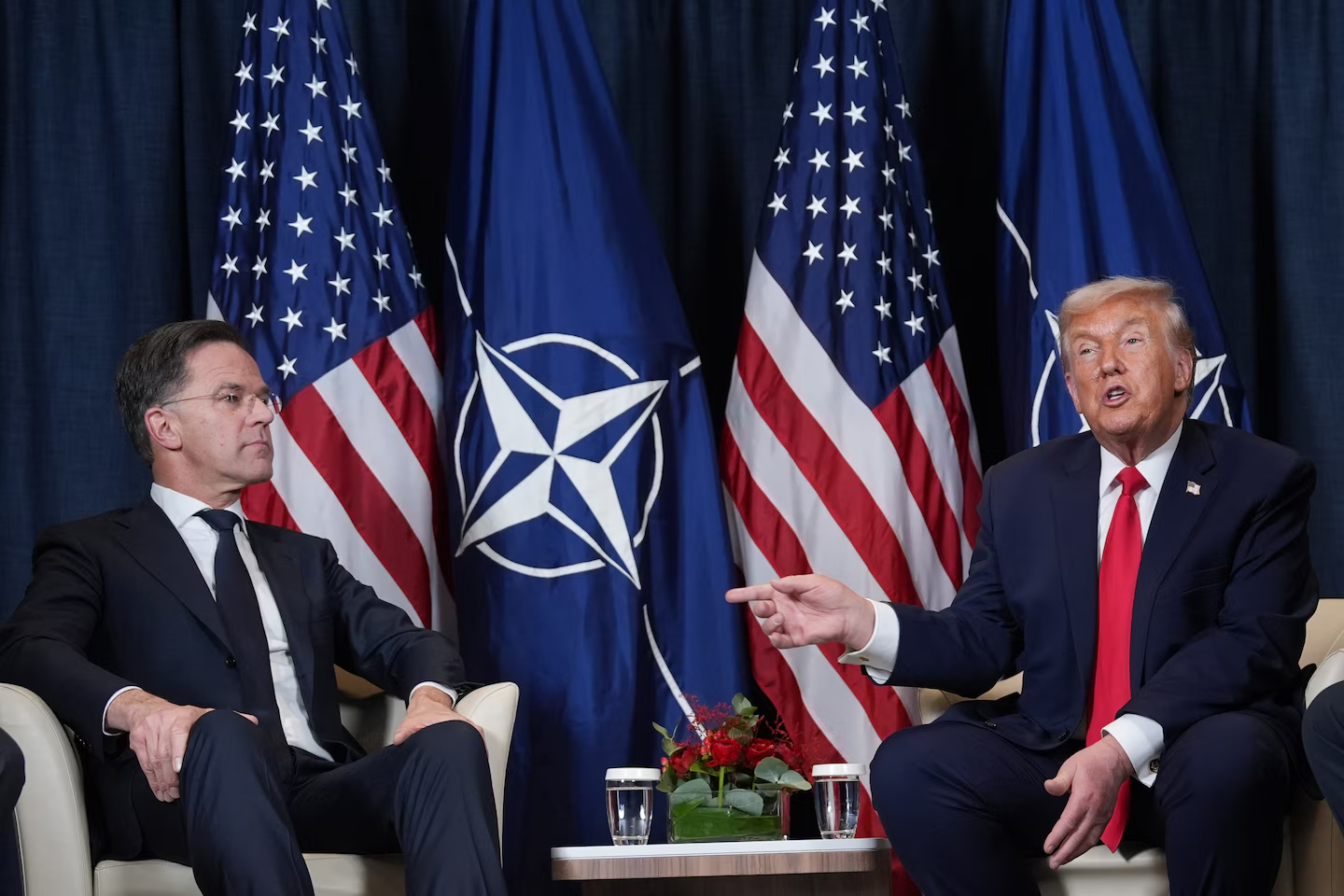
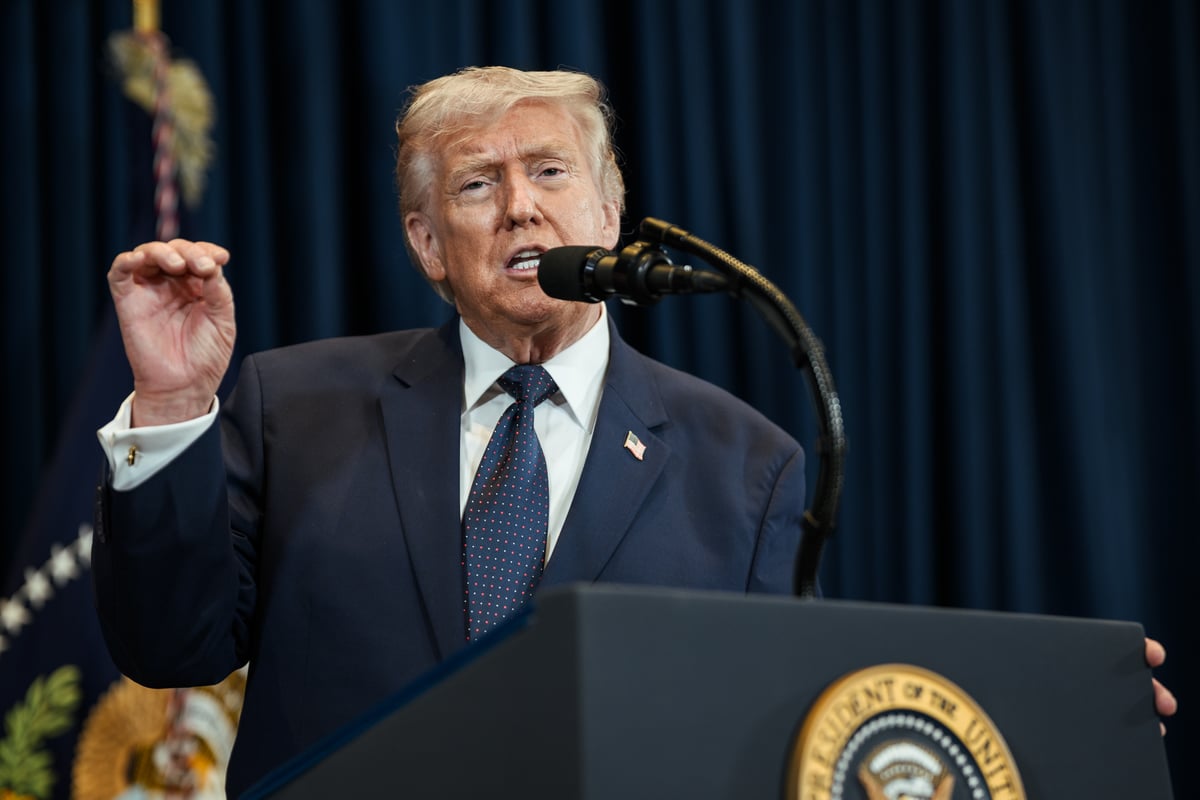
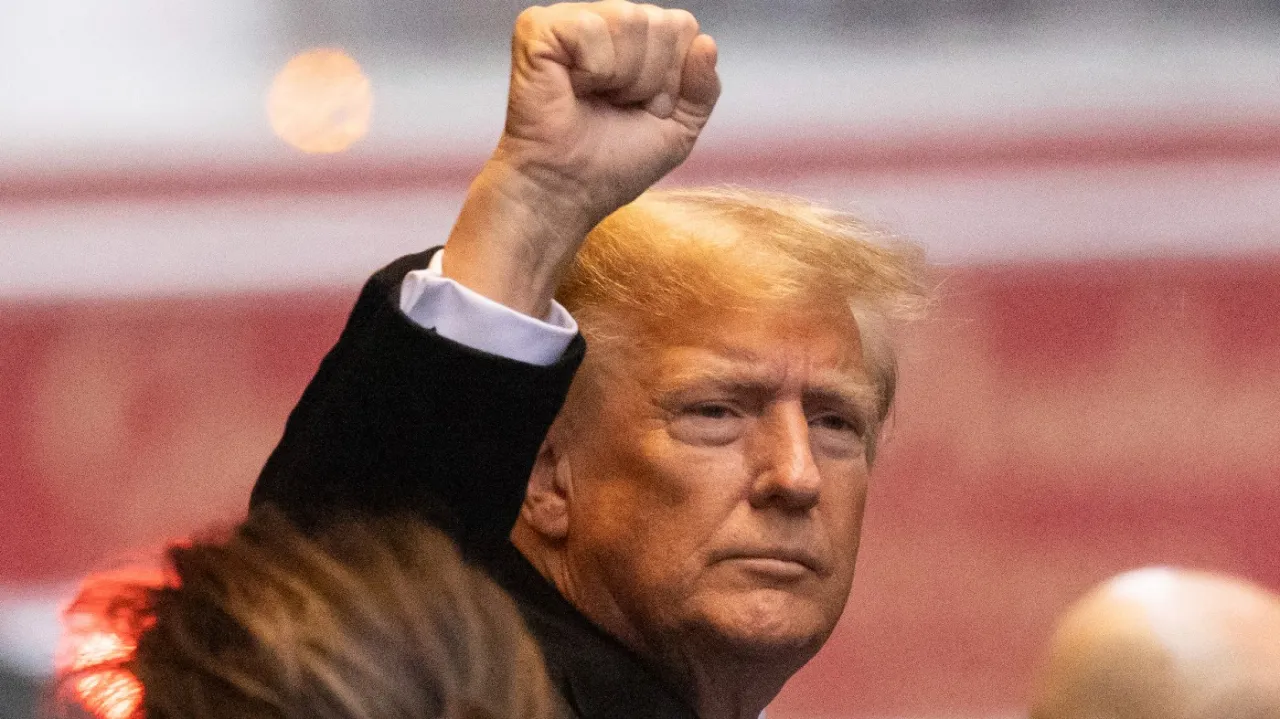
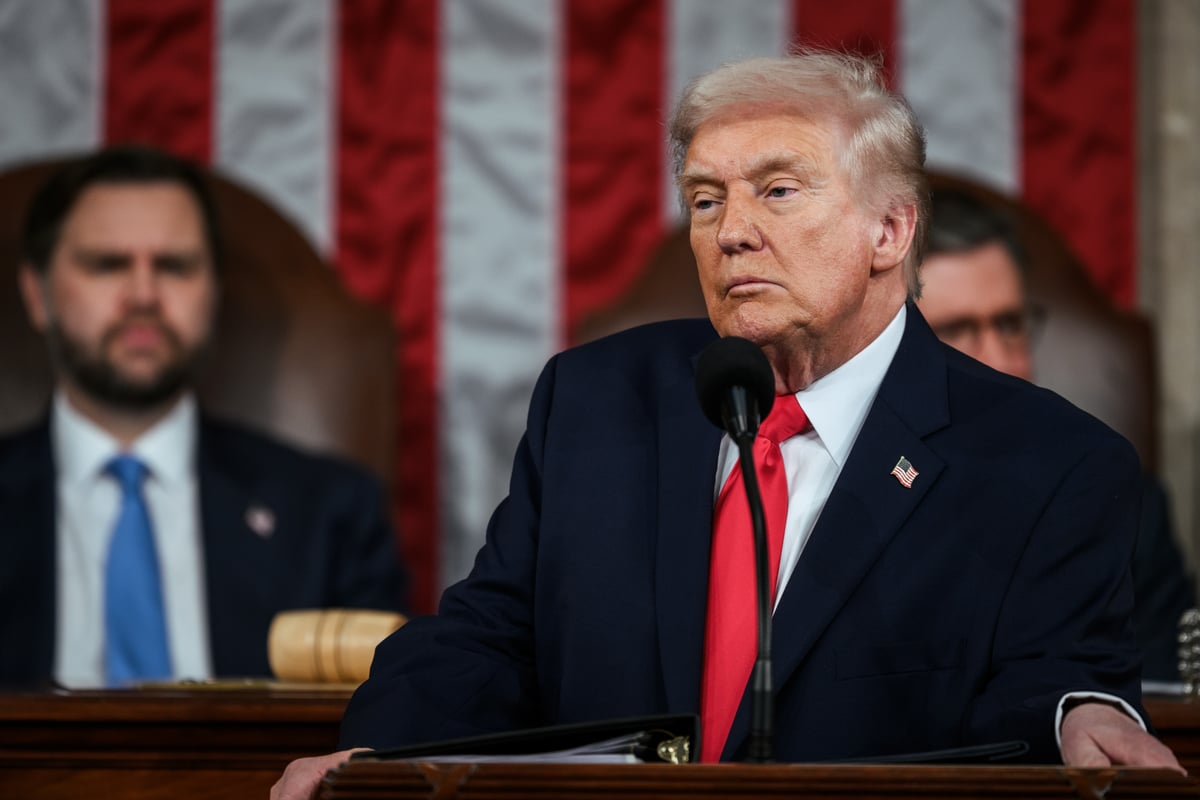
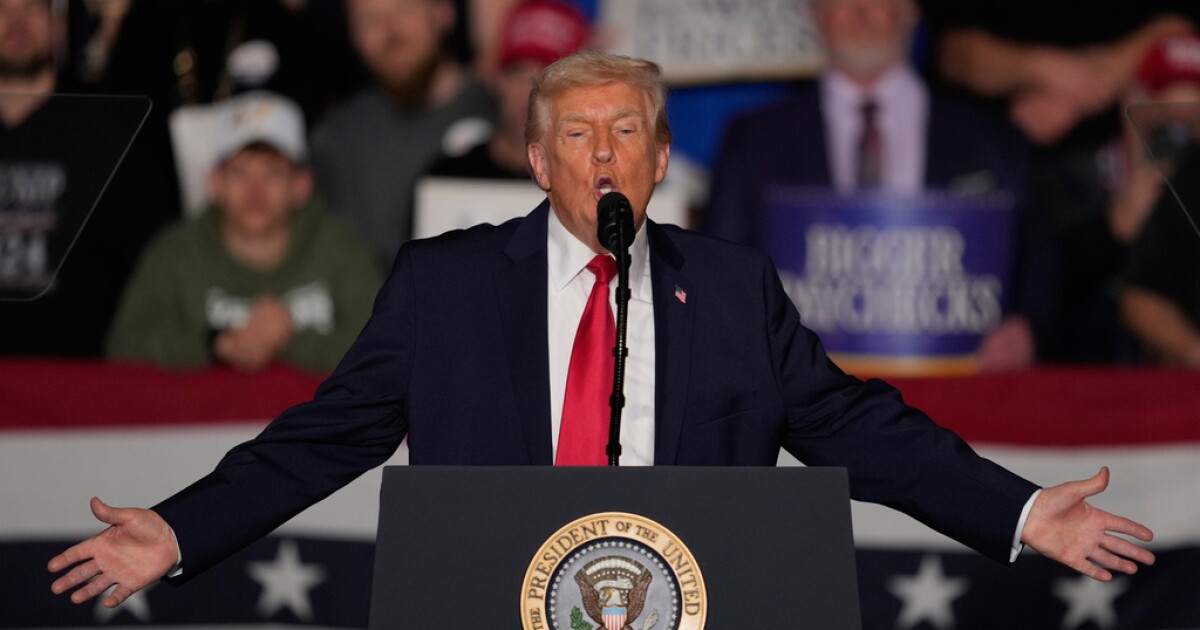
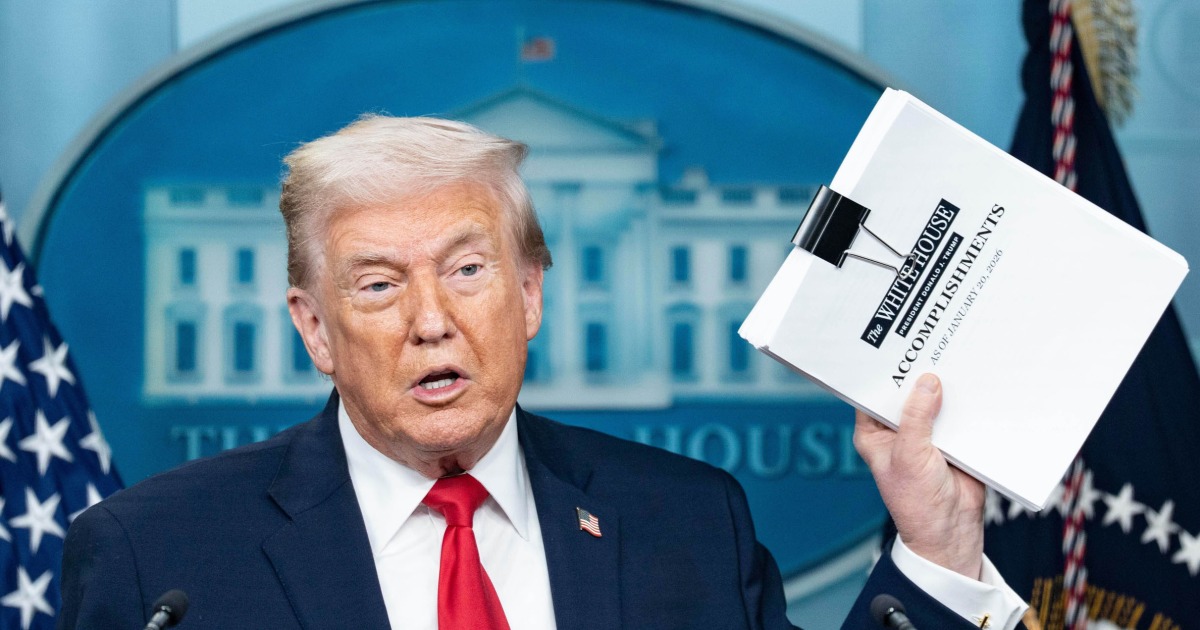
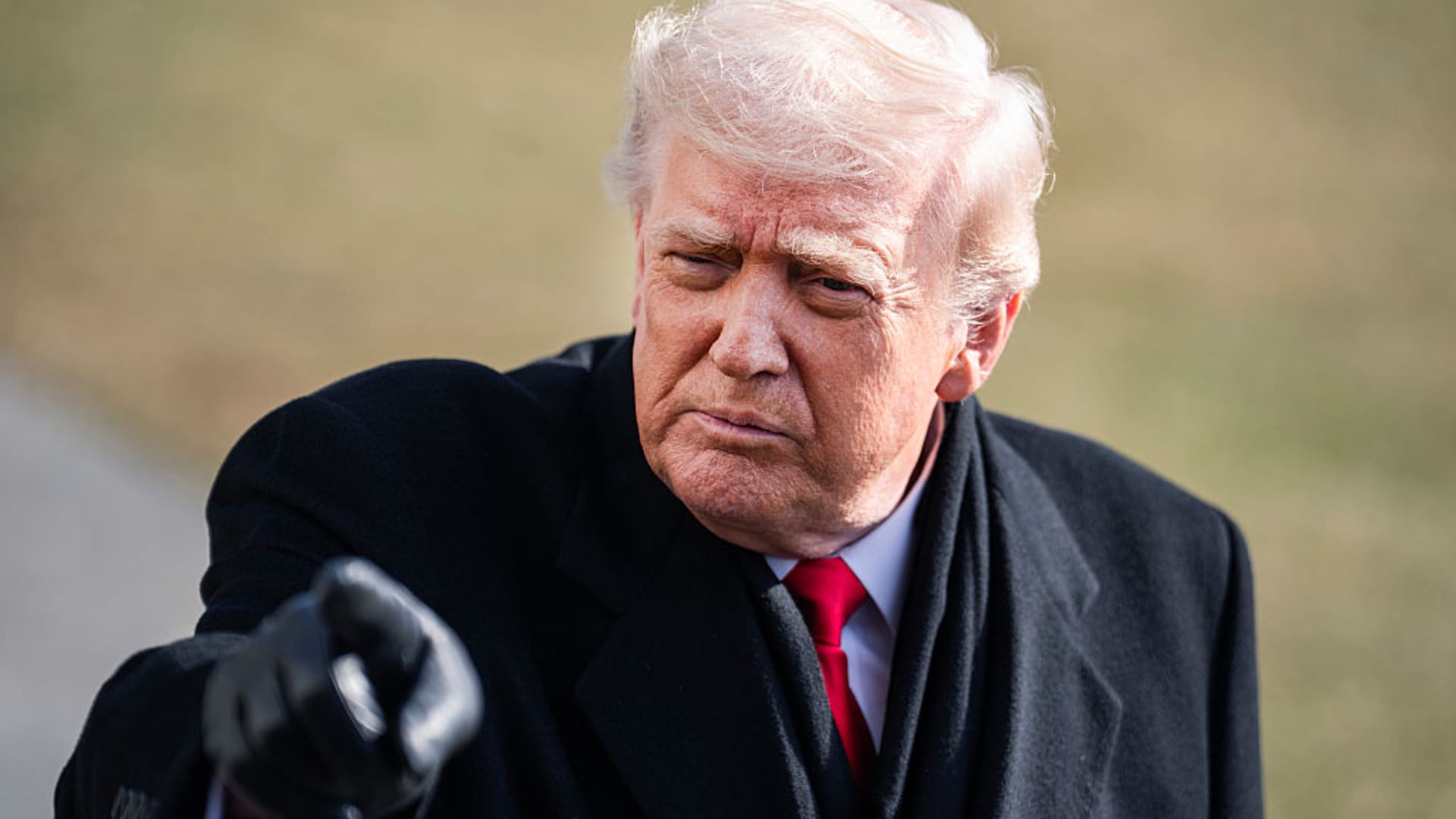
But Tuesday, President Trump, who has consistently demanded rate cuts, offered some cover for Warsh, telling the Washington Examiner, “I’m going to let him do what he wants to do.”
“He’s a very talented guy, he’s going to be fine, he’s going to do a good job,” Trump said.
Krishna Guha, head of central banking for Evercore ISI, said the bets on rate hikes are far enough away that it allows the Fed time to let the data play out.
“We think the center dovish group is resolutely focused on policing the inflation shocks but still expects they will ultimately prove to be one-time, with inflation moving back very close to target in 2027 without further tightening,” he said.
“We believe Warsh will try to tough out the next few adverse inflation prints, and pivot when he can to a forward outlook he sees dominated by AI disinflation.”
On whether the Fed will hike rates, Wil Stith, senior bond portfolio manager for Wilmington Trust, said it’s contingent on when the war ends and how high oil goes.
“If oil moves higher … and it starts filtering out, I think they’re going to want to put that genie back in the bottle, and that certainly would suggest that we could see something happening this year,” he said.
Jennifer Schonberger is a veteran financial journalist covering markets, the economy, and investing. At Yahoo Finance she covers the Federal Reserve, Congress, the White House, the Treasury, the SEC, the economy, cryptocurrencies, and the intersection of Washington policy with finance. Follow her on X @Jenniferisms and on Instagram.