Ghana’s drive toward a 24-hour economy faces serious structural obstacles in its labour market, with analysts warning that without targeted reforms the model risks raising business costs without delivering the productivity gains it promises.
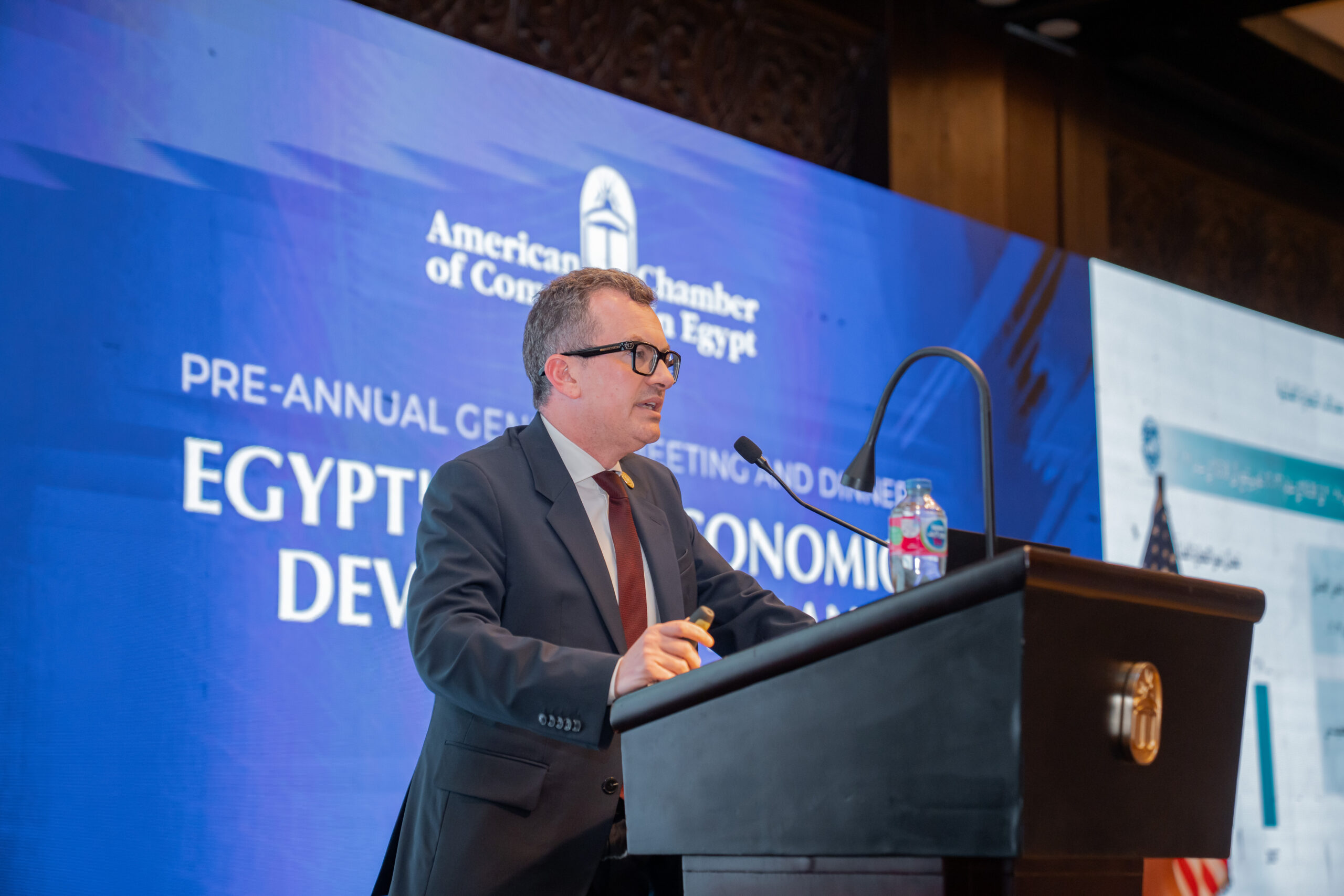
Dr. Daniel Anim-Prempeh, Chief Economist at the Public Initiative for Economic Development (PIED), says success will depend less on political ambition and more on Ghana’s ability to confront deep weaknesses within its labour ecosystem, from skills shortages and wage pressures to the vast informal sector that sits entirely outside formal employment frameworks.
At the centre of the debate is a fundamental question: does extending working hours automatically translate into higher output? Dr. Anim-Prempeh argues that productivity is a function of worker efficiency rather than hours worked, and that Ghana’s productivity record has historically lagged behind industrialised economies due to limited automation, unreliable power supply and persistent skills mismatches.
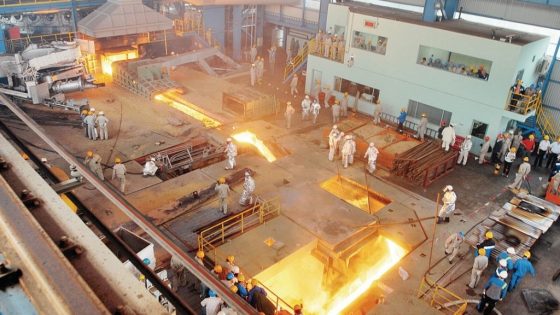
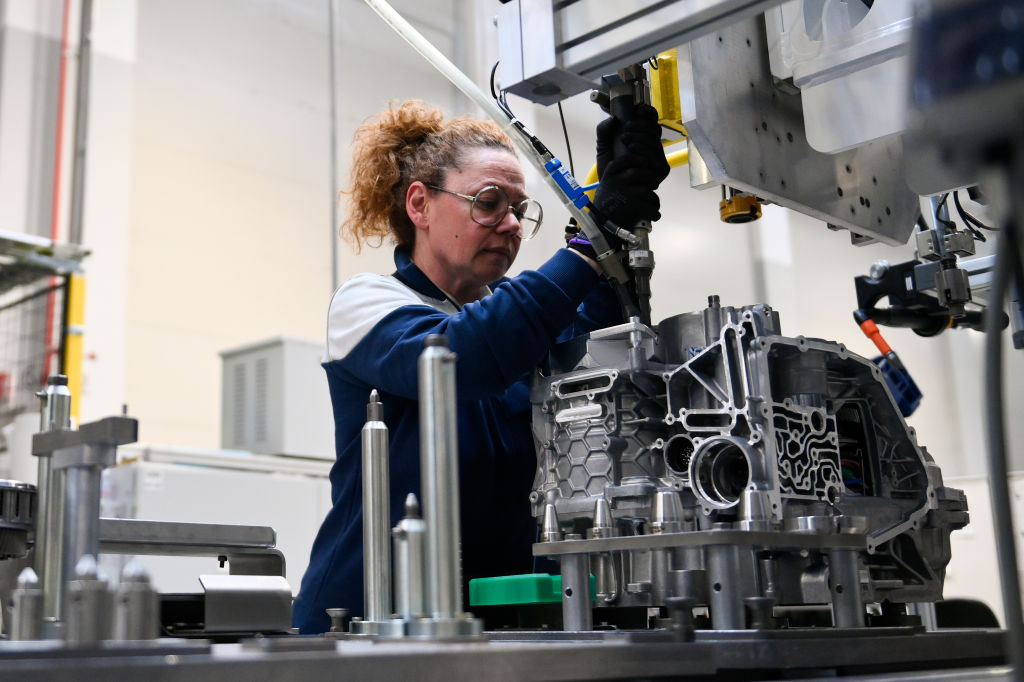
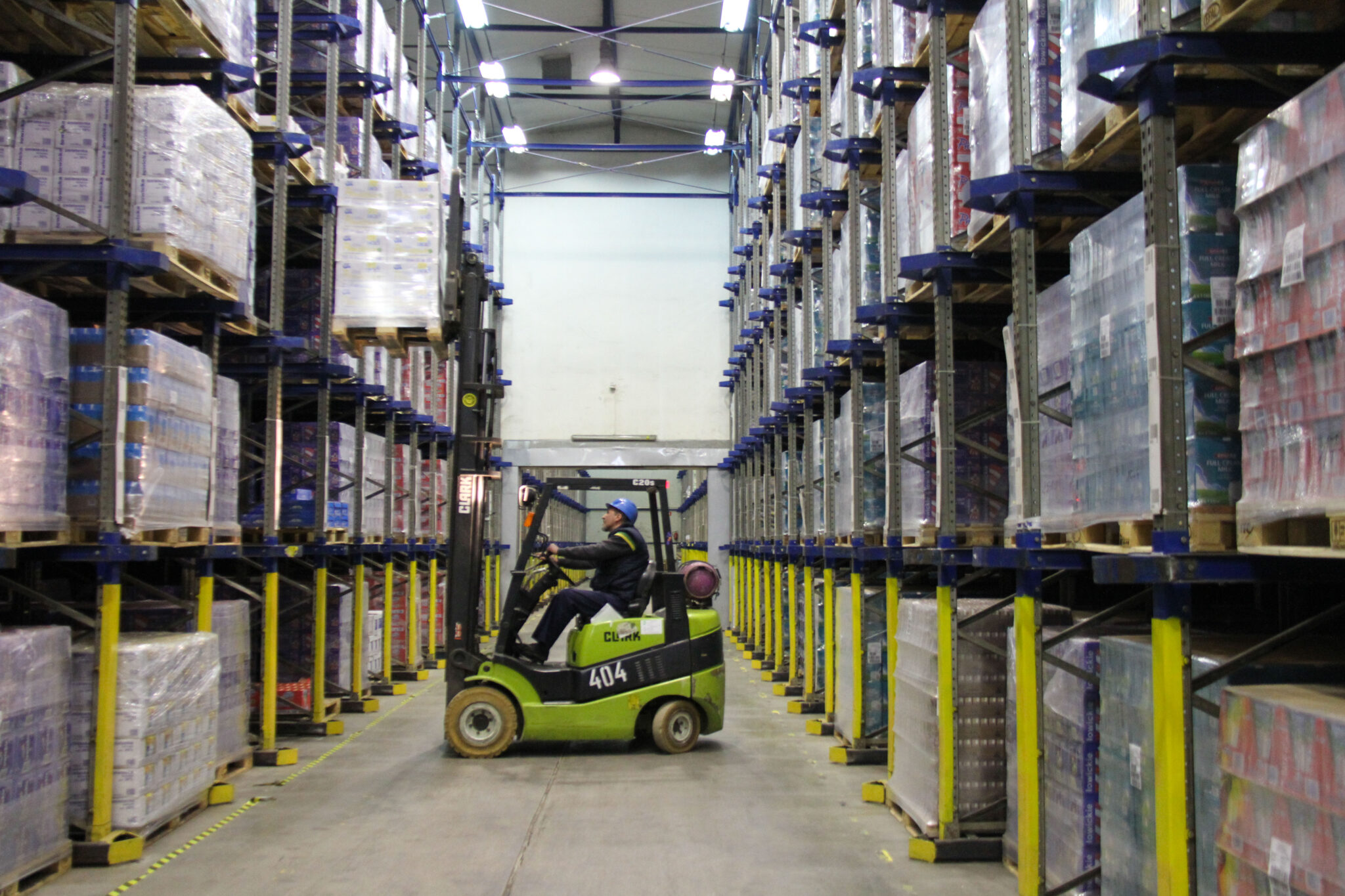
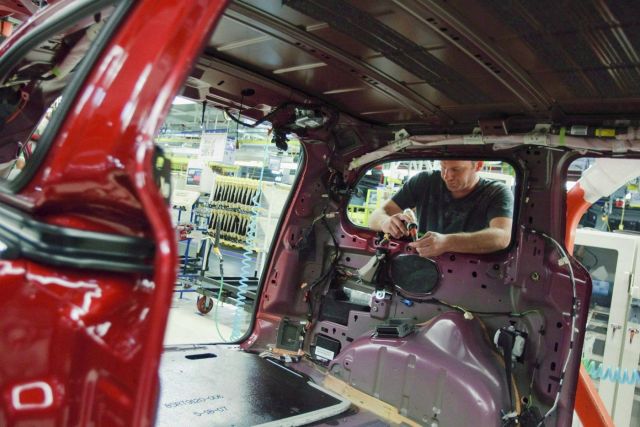
A round-the-clock production system requires day, evening and night shift rotations, each carrying different wage obligations. Night shifts typically attract premium pay, and the combined cost of overtime payments, shift allowances and expanded staffing could significantly increase wage bills, most sharply in manufacturing, agro-processing and logistics.
Small and medium-sized enterprises (SMEs) bear the heaviest exposure. While larger corporations may absorb the additional costs, many SMEs operating on thin margins could find the transition financially unworkable, limiting the reach of the policy across the economy.
“There must be a balance between productivity and worker welfare,” Dr. Anim-Prempeh said, cautioning that without it, the model could generate more social problems than economic gains.
Labour unions are expected to play a central role in the transition, with negotiations over shift compensation, working conditions and rest periods critical to preventing worker exploitation. Experts say existing labour laws may need revision to address the health and safety implications of continuous production cycles.
A skills gap compounds the challenge. A 24-hour production environment demands workers who can operate machinery, manage digital systems and sustain consistent quality across multiple shifts, a standard Ghana’s current technical workforce may struggle to meet without sustained investment in vocational and technical education.
The informal sector, estimated to employ over 70 percent of the national workforce, adds another layer of difficulty. Many informal businesses already operate extended hours out of necessity but function outside any regulated framework, making it difficult to enforce shift systems or wage protections. Integrating this segment will require policy incentives rather than compliance enforcement alone.
Dr. Anim-Prempeh says Ghana’s 24-hour ambition demands a comprehensive reform agenda covering labour law review, skills investment, infrastructure development and direct support for businesses adopting shift operations, without which the policy risks remaining an aspiration rather than becoming a driver of sustained economic growth.