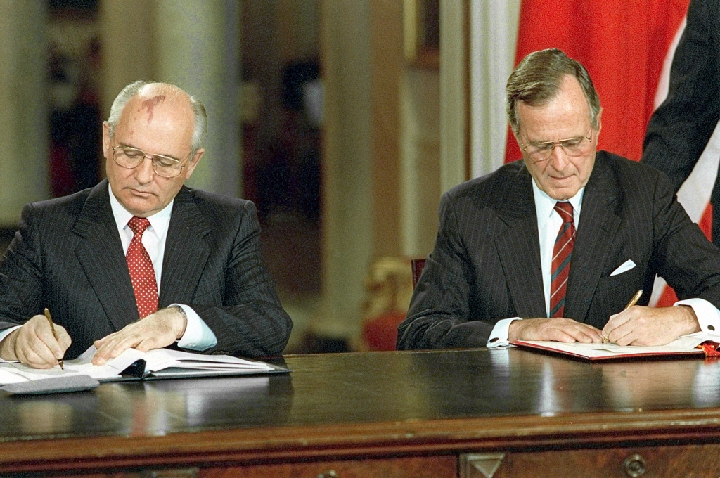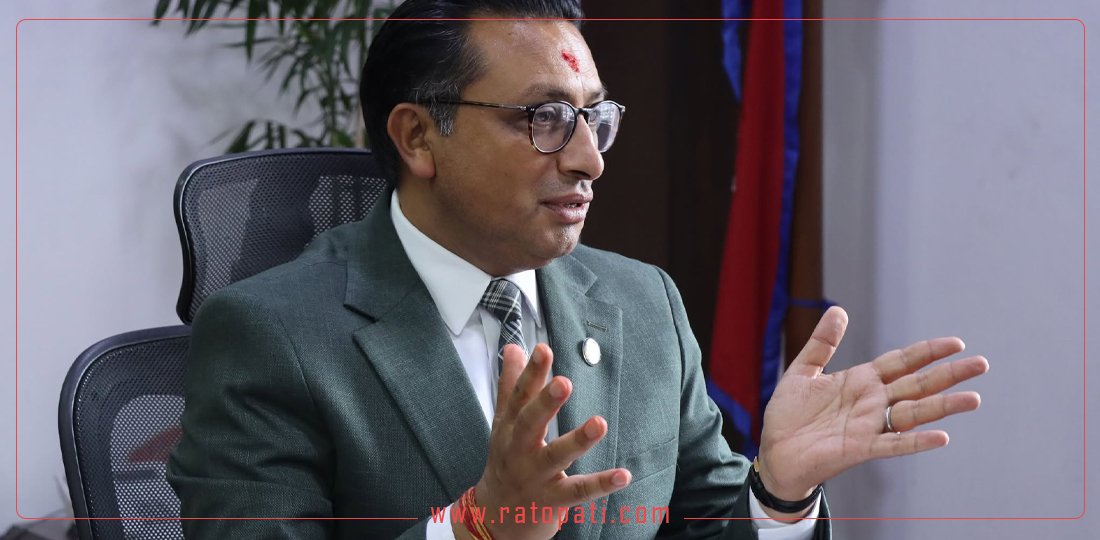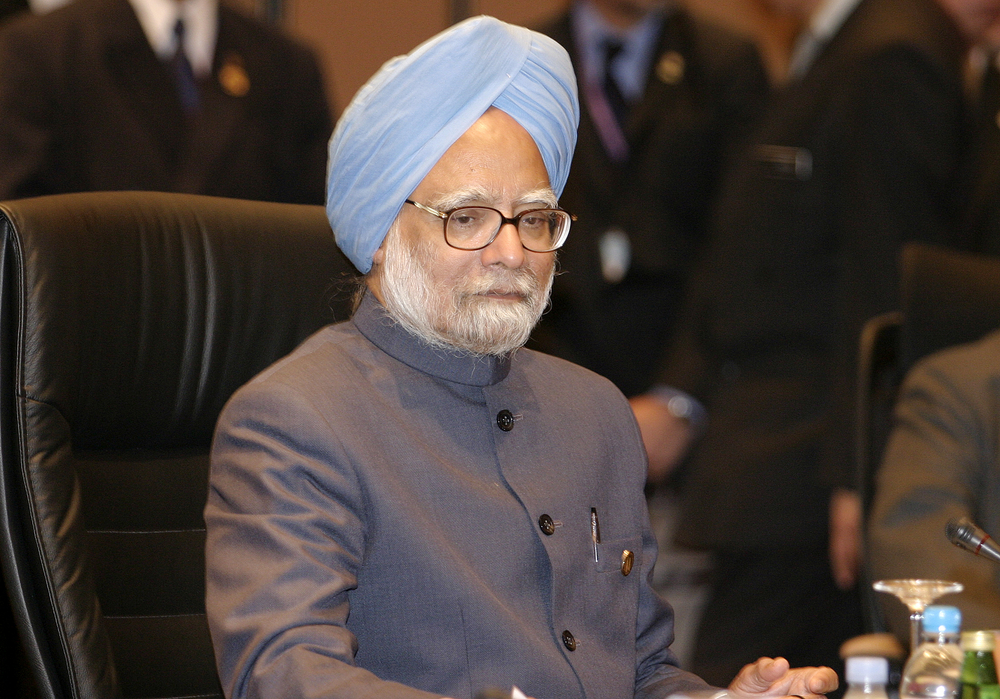
The death of Manmohan Singh last week was followed by a flurry of sentimental obituaries eulogizing the former Indian prime minister, who led the government from 2004 to 2014. His admirers recall a soft-spoken economist who rose from humble beginnings, and they praise him for bringing India closer to the U.S. through a landmark 2008 deal on civilian nuclear cooperation with President George W. Bush.
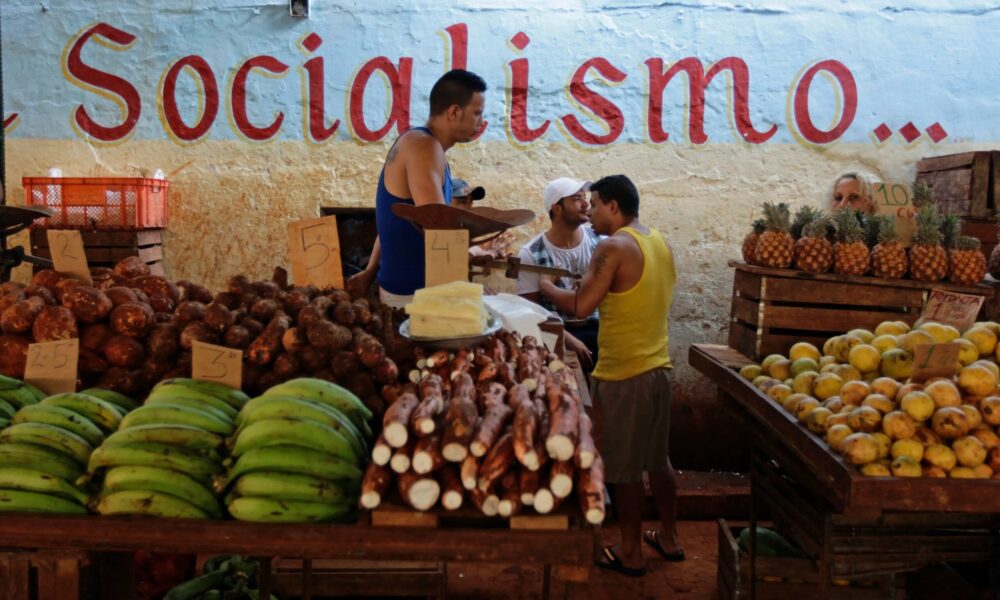
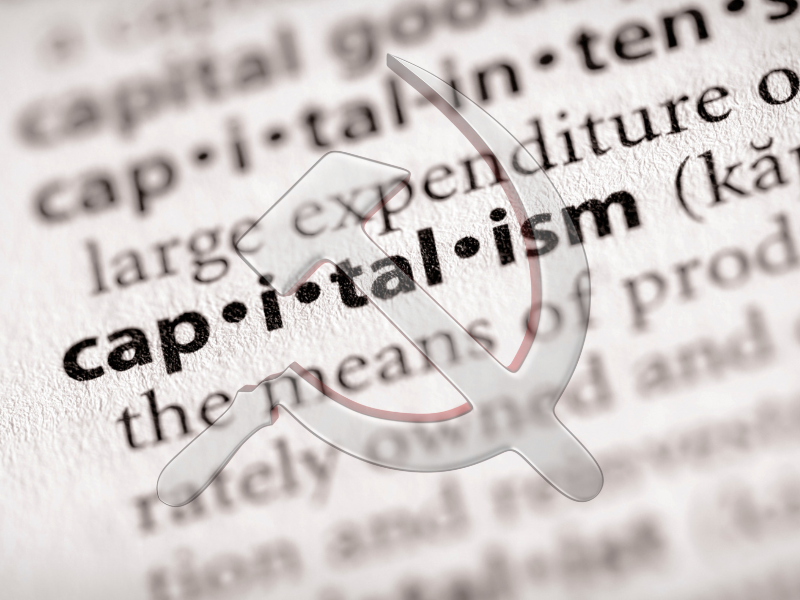
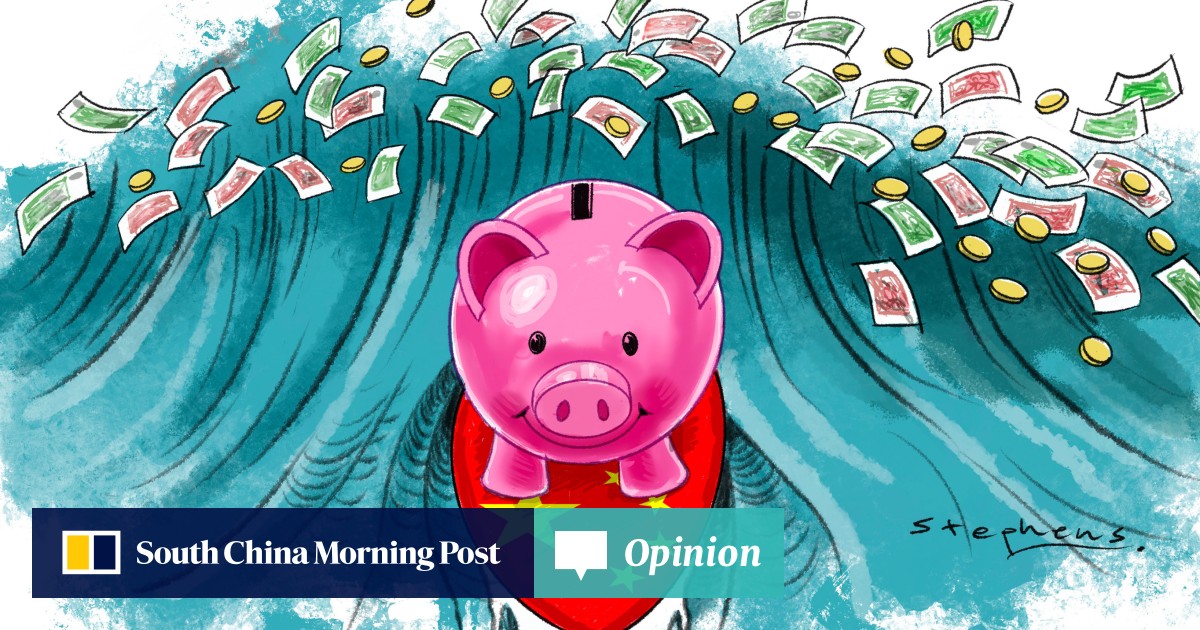
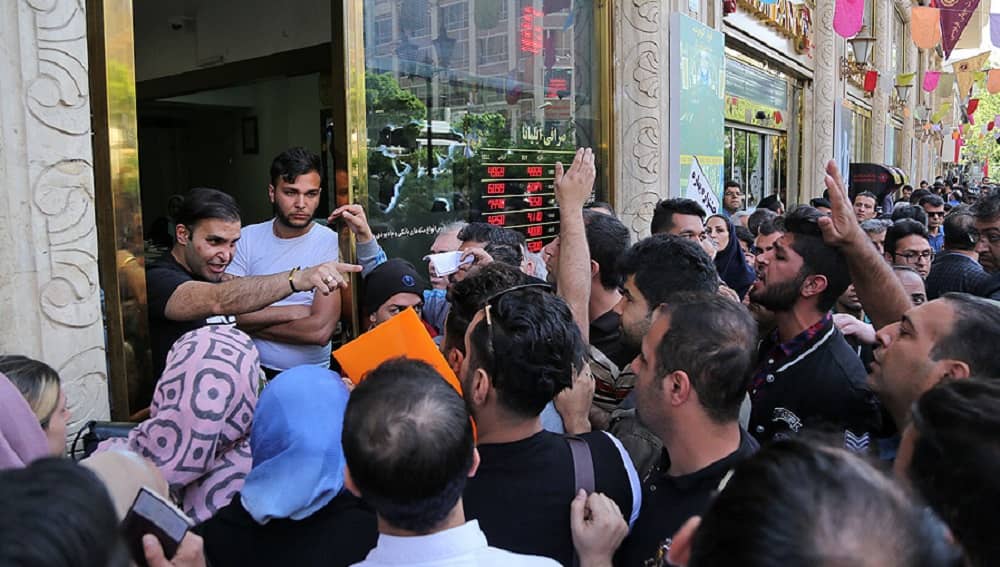
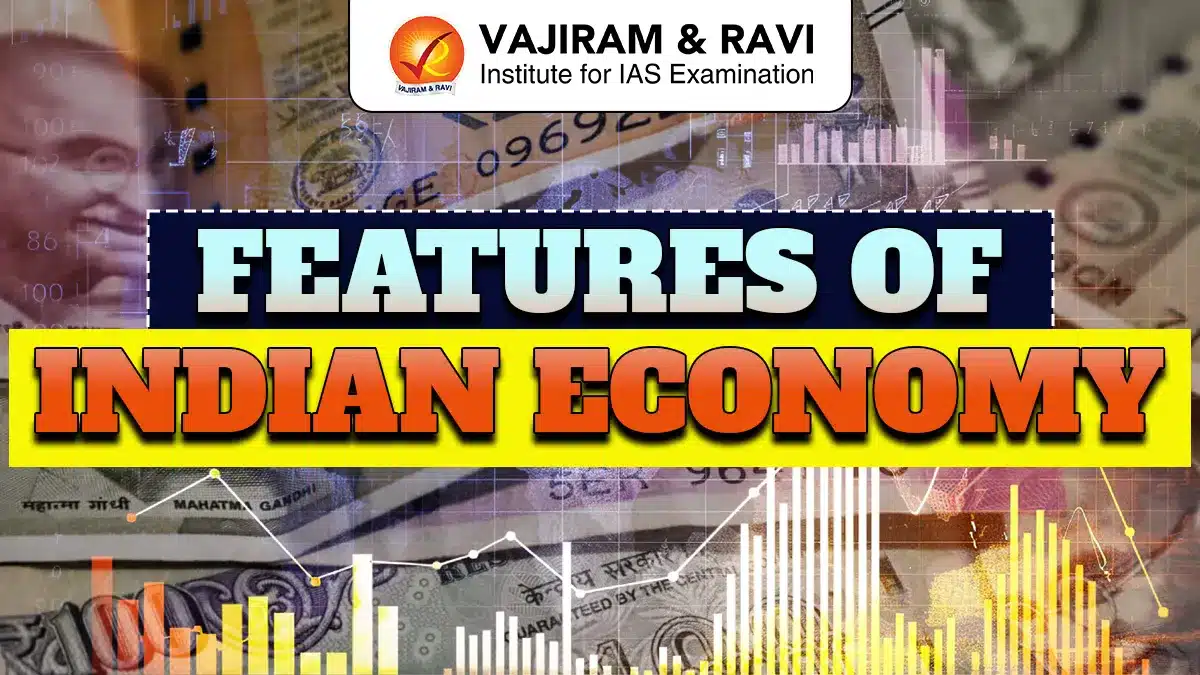
Above all, Singh, who was 92, is remembered for the economic reforms he oversaw in 1991 as finance minister—reforms that opened India’s economy to more market competition and foreign investment. It was the first time since independence in 1947 that India repudiated the socialist policies that had pushed it to the brink of bankruptcy. Backed by then-Prime Minister P.V. Narasimha Rao, Singh became the public face of the economic reforms. He devalued the rupee, reduced tariffs and other trade barriers, ended industrial licensing, and welcomed foreign investment.
Read more at the Wall Street Journal.