Turkey’s central bank sharply increased its annual inflation target as the country’s economic stabilisation programme comes under growing strain, exacerbated by the Iran war.
The bank on Thursday lifted its 2026 inflation target to 24 per cent from 16 per cent, almost doubled next year’s inflation target to 15 per cent, and suspended its forecast of inflation ranges due to “elevated uncertainty”.
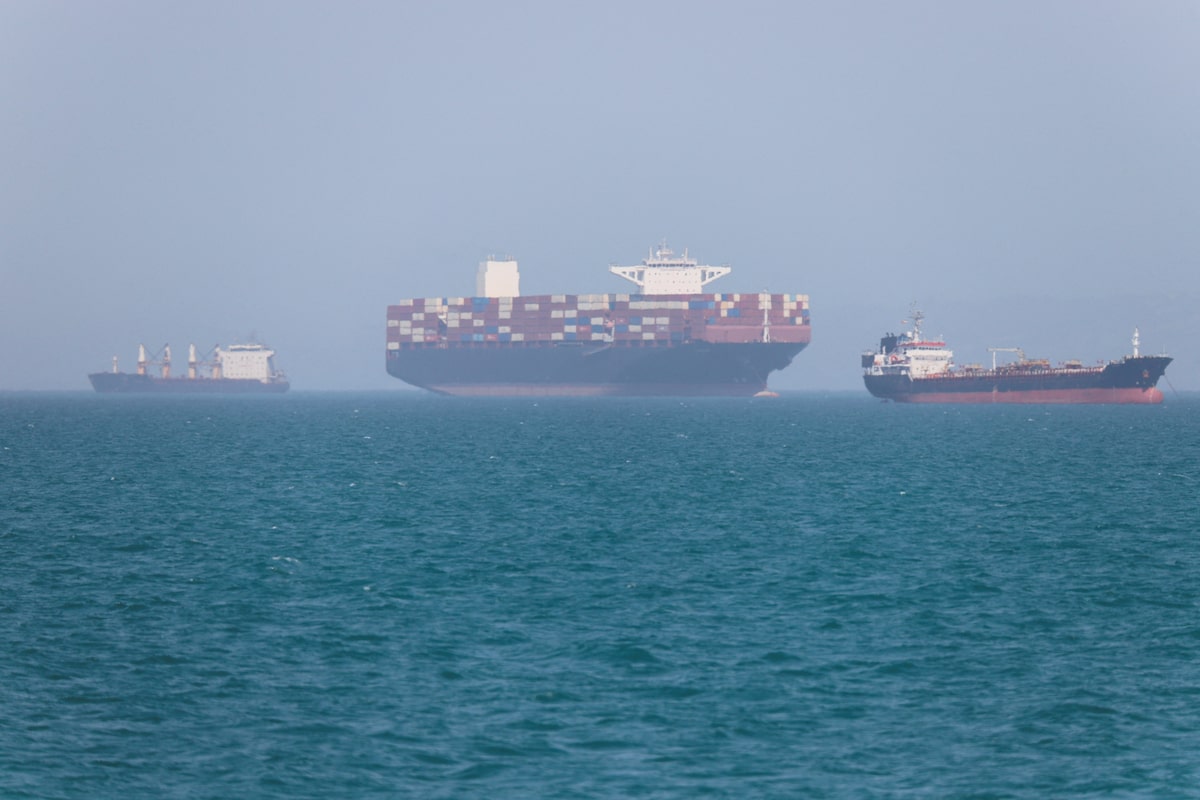
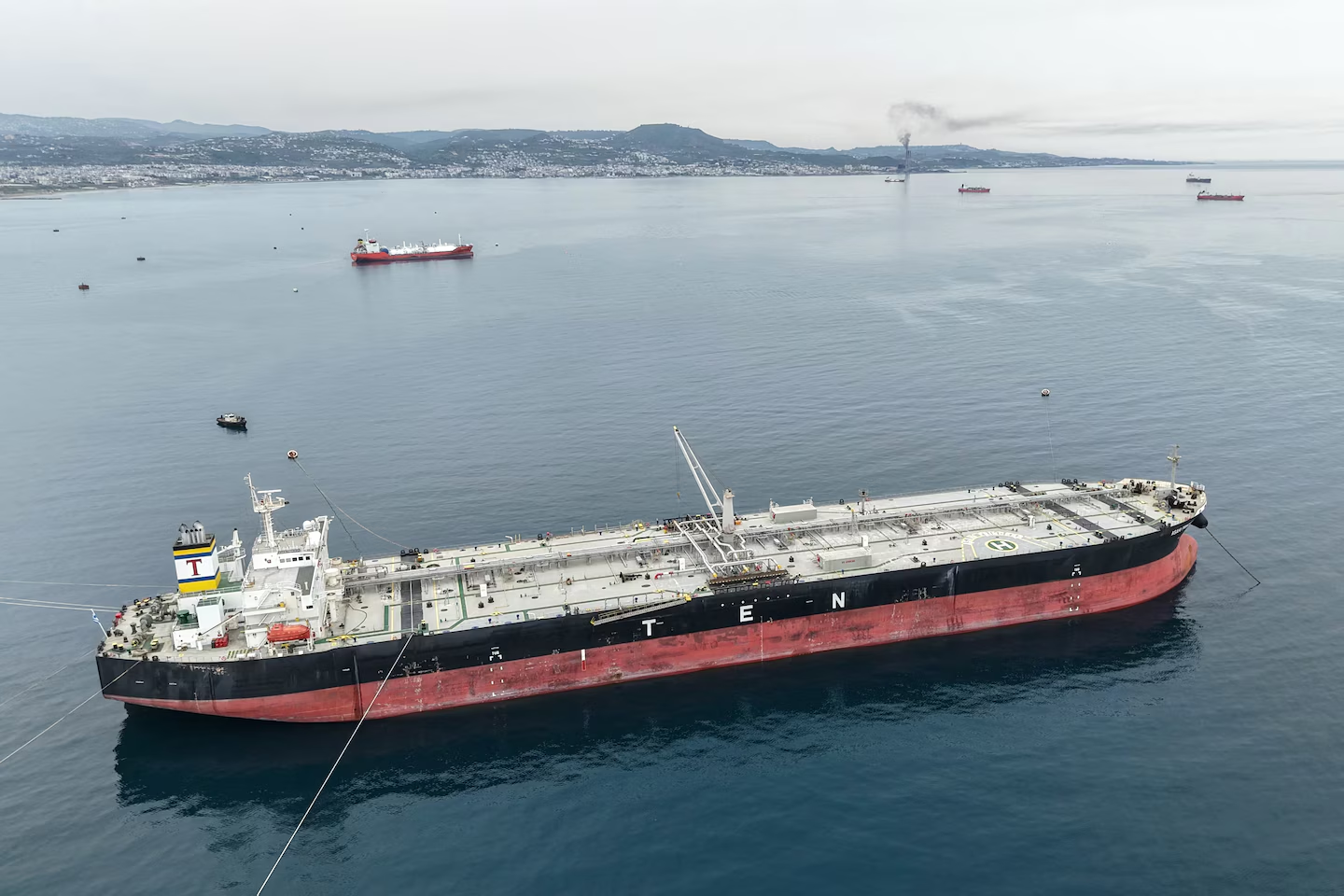
Turkey imports almost three-quarters of its energy needs, making the country highly exposed to the energy market fallout from the Iran conflict.
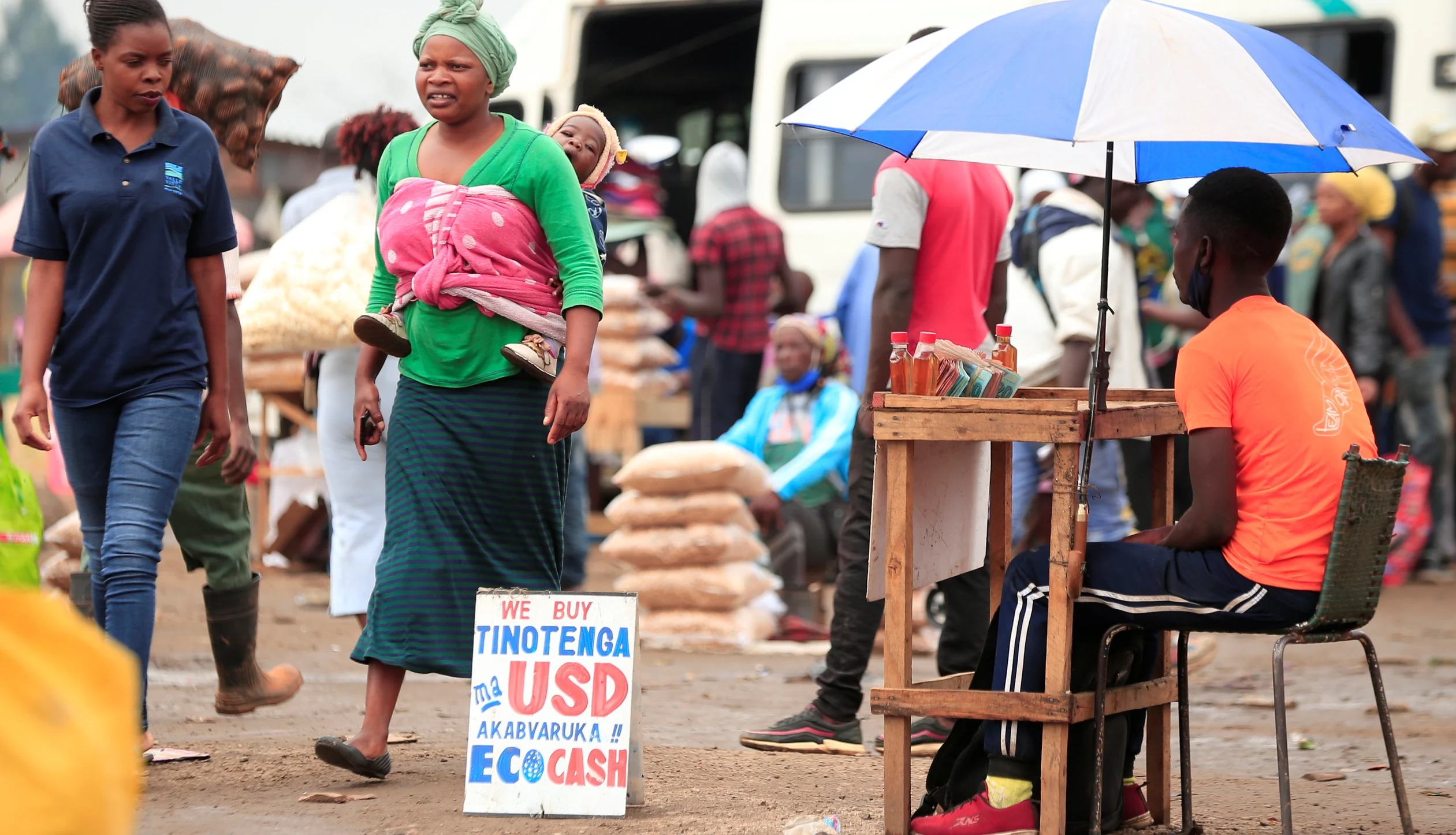
Turkish households expect prices to rise 52 per cent this year, while businesses anticipate a 33 per cent increase, according to central bank surveys. Investment banks such as JPMorgan and Deutsche Bank forecast 30 per cent inflation for 2026.
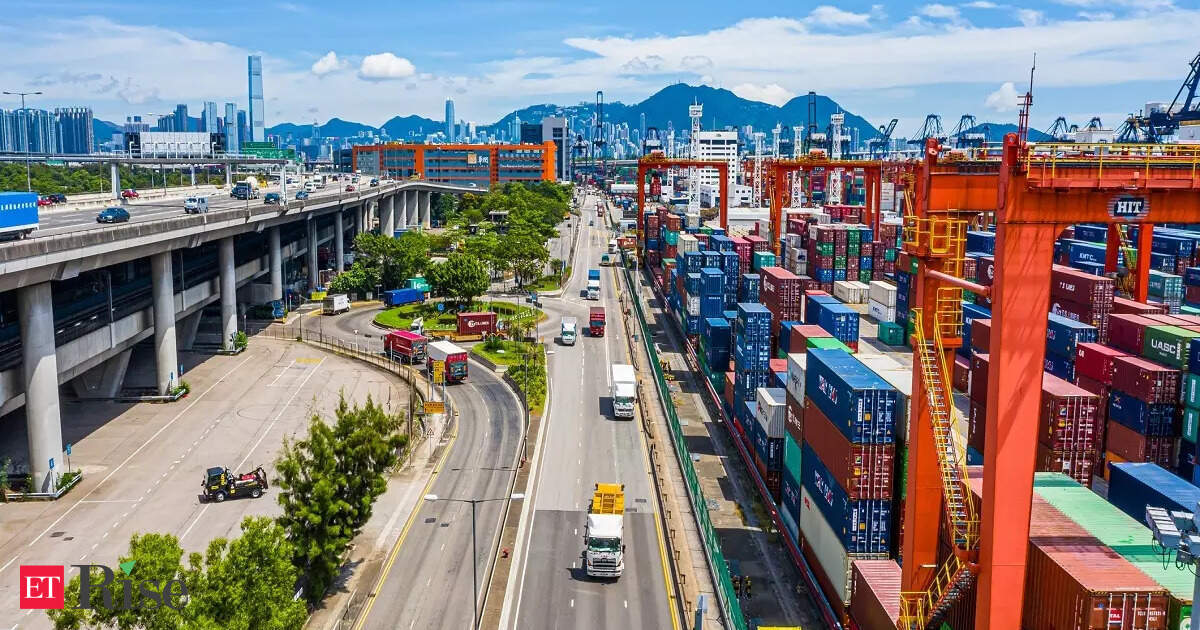
Ankara’s junking of its inflation target comes as the country’s trade balance is deteriorating — which began before the US and Israel launched the war with Iran — and as exporters complain that the lira currency is overvalued. Turkey also suffered a record $43bn decline in foreign reserves in March, when the conflict triggered a global emerging-market sell-off.
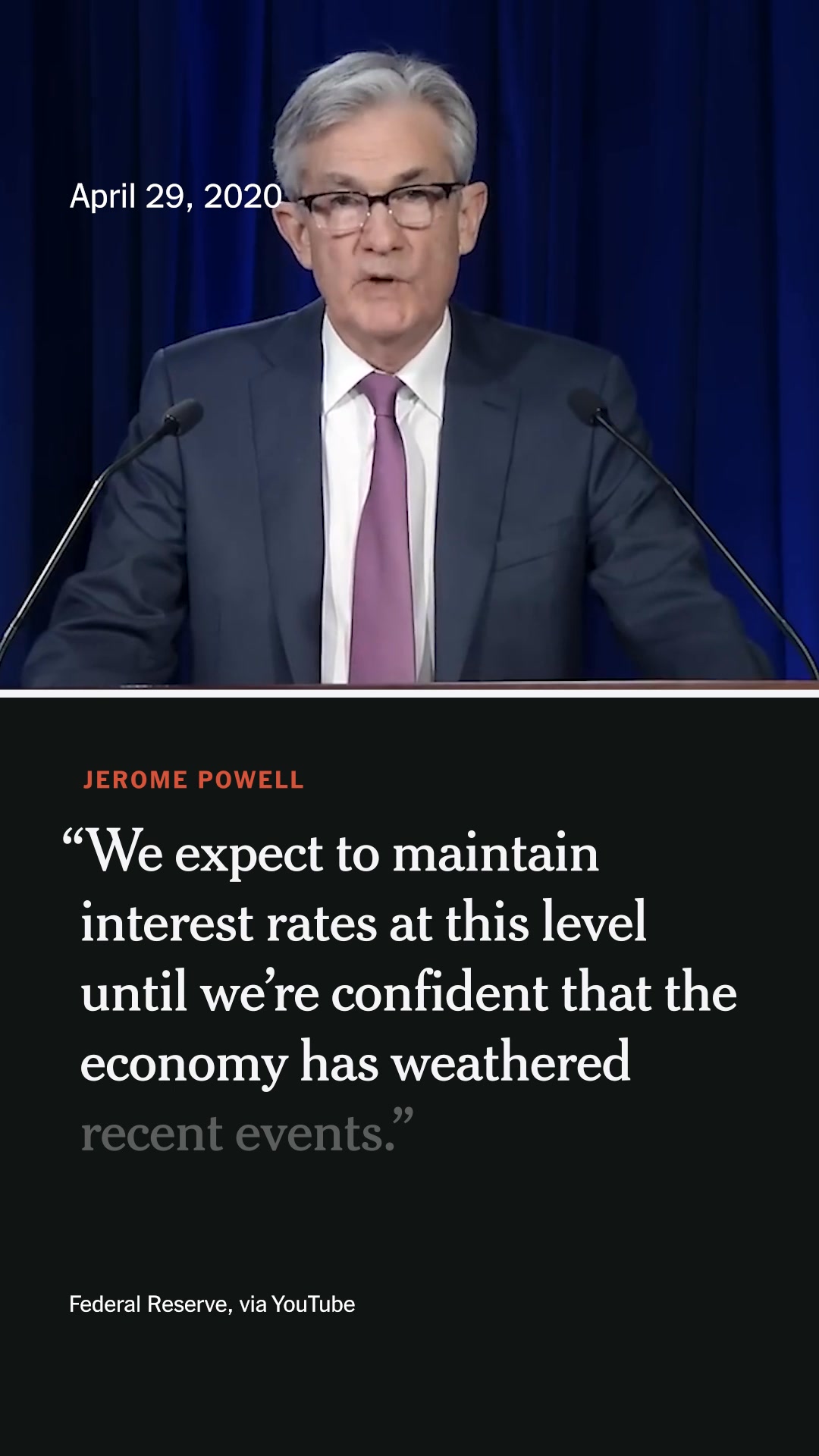
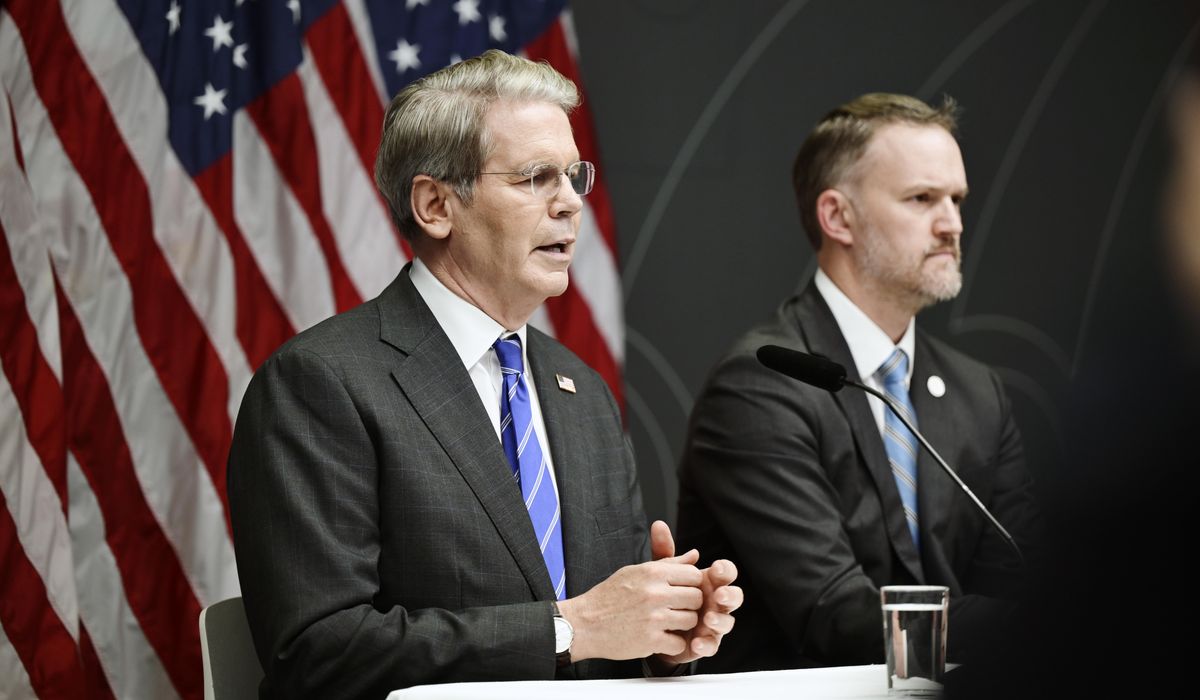
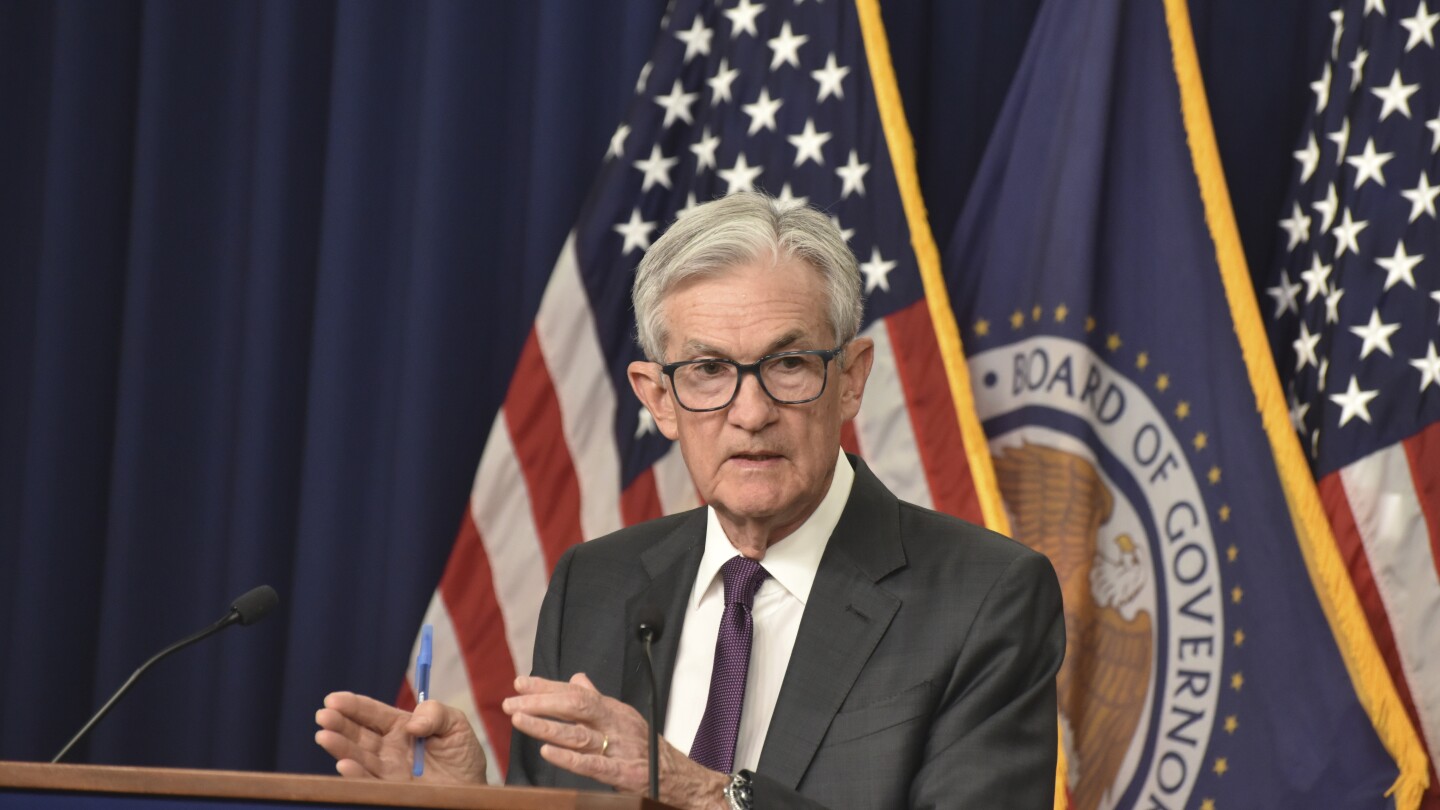
Governor Fatih Karahan said on Thursday that the bank did not plan to change its monetary policy stance any time soon. Its main policy rate stands at 37 per cent.
“We believe that our current position remains appropriate until the uncertainty subsides,” Karahan said. “As for the future, all options are on the table.”

He also said, during a scheduled presentation in Istanbul, that the bank did not plan to change its strong exchange rate policy — a signal that it would continue to allow the lira to appreciate in real terms.
The bank lets the exchange rate depreciate more slowly than the rate of inflation, which it does in an attempt to anchor inflation and attract portfolio investment.
Economists said the bank’s decision to scrap the old inflation target was long overdue but decried it had not yet increased interest rates to combat rising inflation expectations.
“You cannot massively hike the [inflation] targets and forecasts without negatively impacting [inflation] expectations,” said Timothy Ash, senior sovereign strategist at RBC BlueBay Asset Management. “That would suggest the need for tighter policy.”
Some analysts also questioned whether Turkey’s current policy mix was sustainable as the current account deficit was growing faster than foreign investor demand for lira assets — a difference that set up a potential financing gap.
“Turkey is setting off alarm bells,” said Brad Setser, a senior fellow at the Council on Foreign Relations and a former US Treasury official. The “rising current account deficit is much bigger than can be financed out of foreign direct investment inflows and foreign demand for lira bonds . . .[which] is intrinsically risky”, he wrote on X.
Turkey’s current account deficit reached $24bn in the first quarter, equivalent to almost 4 per cent of GDP, according to Goldman Sachs, up from $14bn last year.
Turkey’s foreign reserves, meanwhile, partially recovered in April, Karahan said. Gross foreign reserves, excluding gold, currently stand at $172bn, according to the bank, while net reserves, which exclude currency swaps, were $39bn on May 8.
Data visualisation by Janina Conboye