Göteborg Film Festival’s latest industry foresight study argues that film, TV, streaming and creator-led media now operate as one interconnected ecosystem.
On 18 May, the Göteborg Film Festival unveiled the 13th edition of its annual
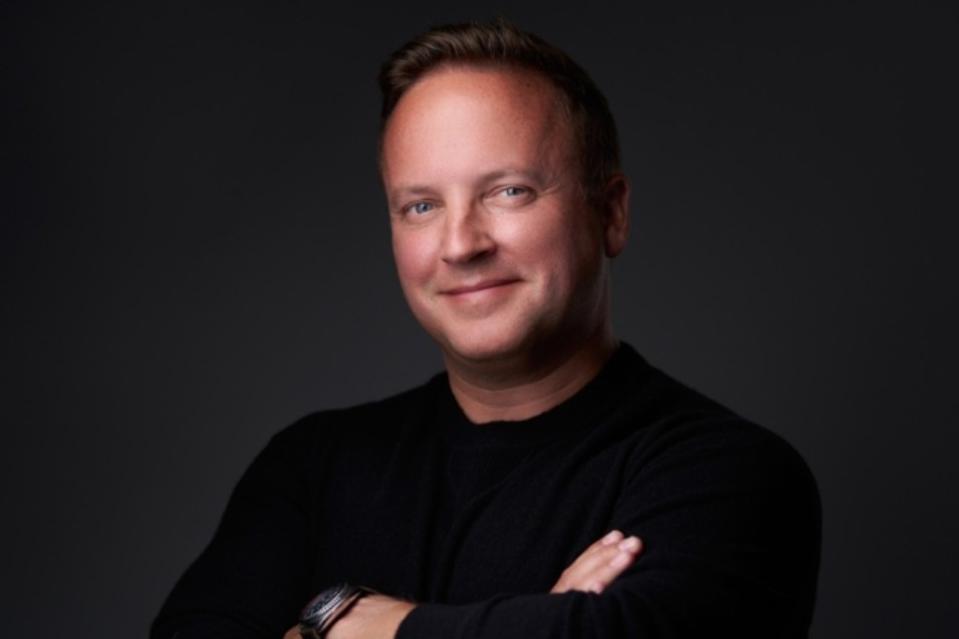
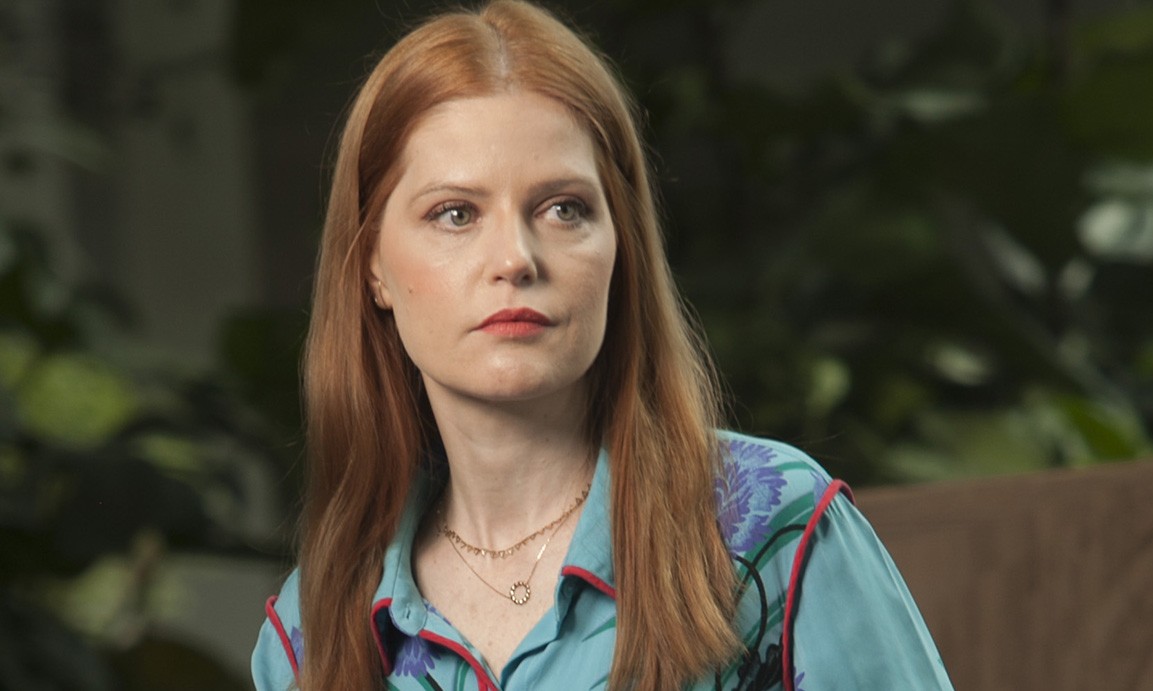
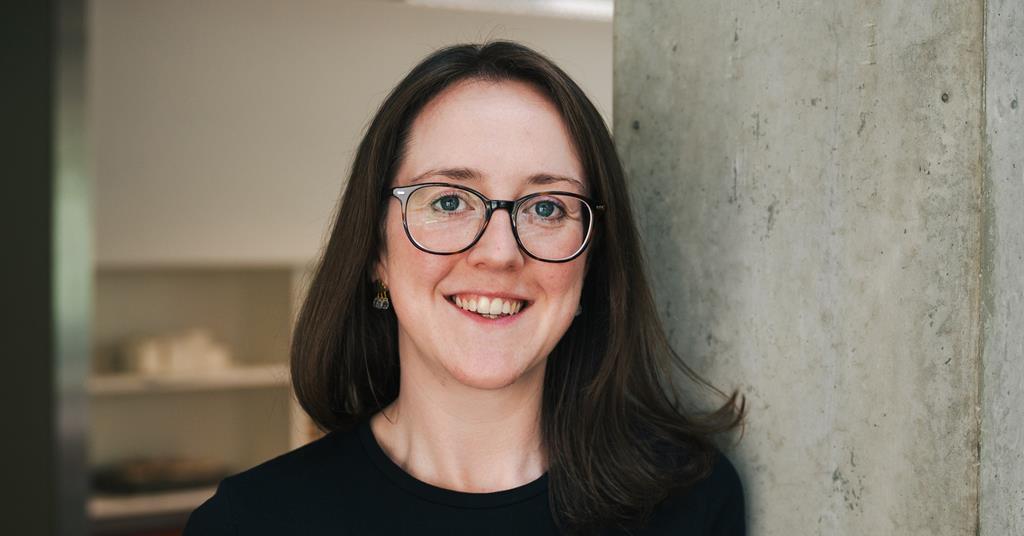
Nostradamus Report during Cannes’ Marché du Film. The report, co-funded by Nordisk Film & TV Fond, presents a sweeping reassessment of the audiovisual sector at a moment of structural instability and rapid transformation. Titled Challenging Projections, the 2026 study by media analyst Johanna Koljonen argues that traditional distinctions between film, TV, streaming, and online creator media no longer hold, and that the industry must rethink not only its business models, but also its understanding of value, audiences and success.
Commissioned annually by the Swedish festival since 2013, the report combines research with interviews conducted with leading professionals from across the global screen industries. This year’s edition frames the current moment less as a temporary crisis than as a profound systemic shift. Koljonen suggested that many in the industry were still “projecting” old assumptions onto a media landscape that had fundamentally changed.
“To the traditional film and TV industries, things like the creator ecosystem or the positive qualities of vertical video used to feel really abstract,” Koljonen noted during the Cannes presentation. “But in the last year, creator-led theatrical features and the microdrama surge have finally made it click.” She added that the challenge now lies in understanding “how this media ecosystem works, especially around our content”.
One of the report’s central arguments is that film, TV, streaming platforms and creator-led online production should no longer be viewed as separate sectors. Instead, they form what the report repeatedly describes as a “connected ecosystem”, with talent, audiences, business models and technologies increasingly overlapping.
The study paints a mixed picture of the market. On the one hand, feature-film production volumes in Europe have reached record highs, while cinema exhibition has largely recovered from the pandemic shock. On the other hand, TV drama commissioning has significantly contracted after the “Peak TV” boom, and financing pressures continue to intensify across the sector. According to the report, European TV fiction production dropped from its 2022 peak, while global streamer investment is becoming increasingly concentrated around a handful of major players.
The report also highlights how difficult it has become for independent companies to navigate the market. Irina Ignatiew-Lemke, incoming Managing Director of European Film Promotion, describes an atmosphere of hesitation and paralysis. “When a room used to have ten buyers, now we’re lucky if we have one or two,” she observes in the report. “There is a lot of fear in the market, a lot of ghosting, a lot of waiting.”
Despite these challenges, Challenging Projections avoids outright pessimism. Instead, it repeatedly argues that the sector’s problems stem partly from outdated assumptions and institutional blind spots. The report strongly criticises the European film industry’s longstanding tendency to dismiss “popular” storytelling and creator culture as artistically inferior or commercially trivial.
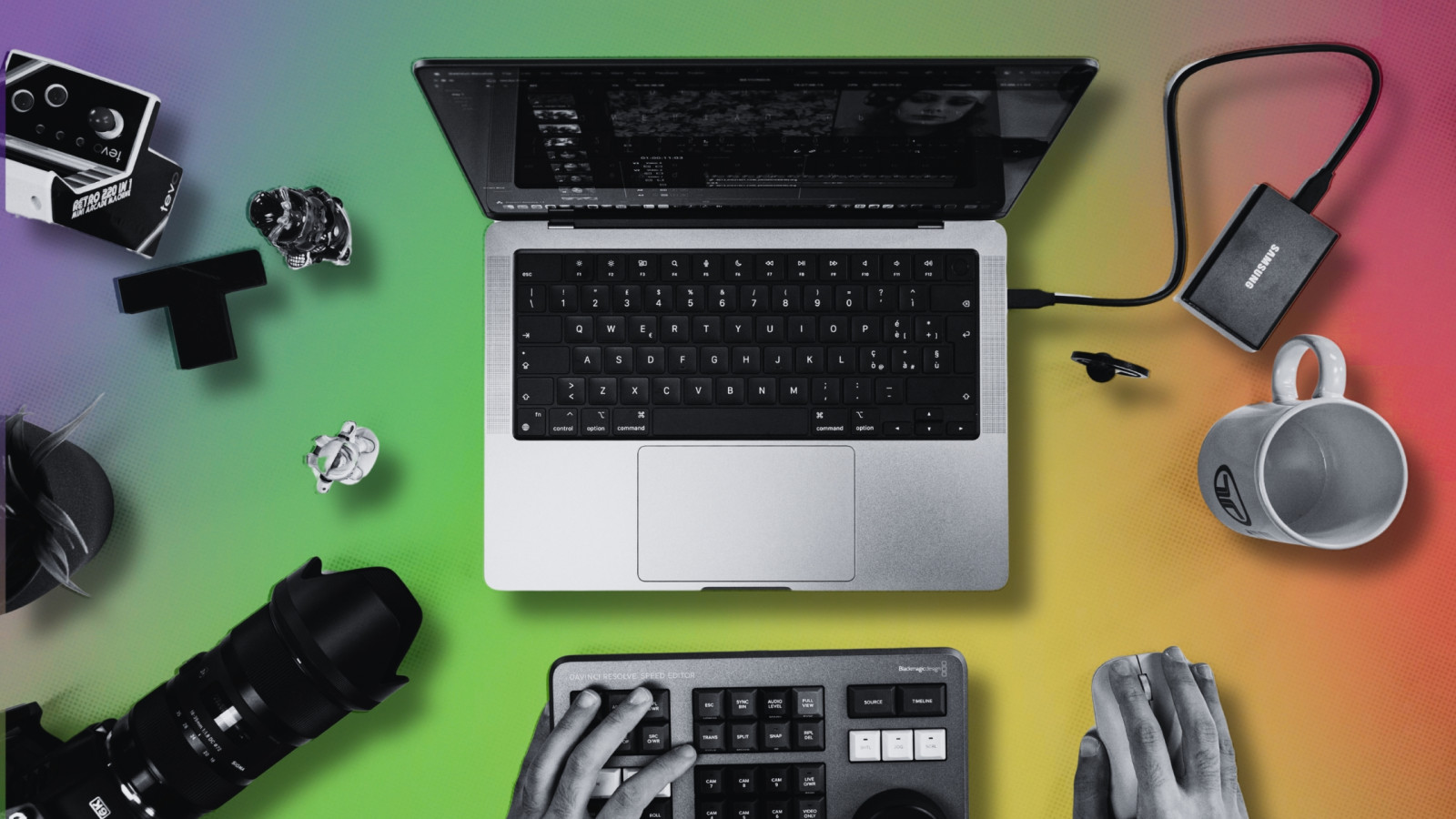
A substantial section is devoted to the growing influence of creators, influencers and online talent within professional audiovisual production. Koljonen argues that scripted online content has functioned as an informal training ground for more than 15 years, particularly for younger and overlooked creators, even if many traditional institutions still refuse to recognise it as such.
David Madden, president of Webtoon Productions, stresses in the report that the industry can no longer rely on “a small group of people in a small Hollywood community” to generate stories and talent. The report points to the increasing professionalisation of creator-led studios and production companies, many of which now operate with diversified revenue models spanning advertising, merchandising, subscriptions and events.
Another major focus is the explosive growth of microdrama and vertical-video storytelling. The report notes that Chinese microdrama revenues surpassed the country’s theatrical box office in 2025, whilst streaming platforms and broadcasters worldwide are increasingly adopting short-form vertical content strategies. Netflix and Disney+ have both integrated vertical-video features into their platforms, reflecting growing concern over the migration of audience attention towards social-video ecosystems.
At the same time, the report warns against reducing industry discussions purely to metrics and market share. Several contributors emphasise the cultural and political importance of local storytelling. Martin Kanzler, Deputy Head of Market Information at the European Audiovisual Observatory, argues that national films still play a crucial role in maintaining cultural identity and social cohesion across Europe.
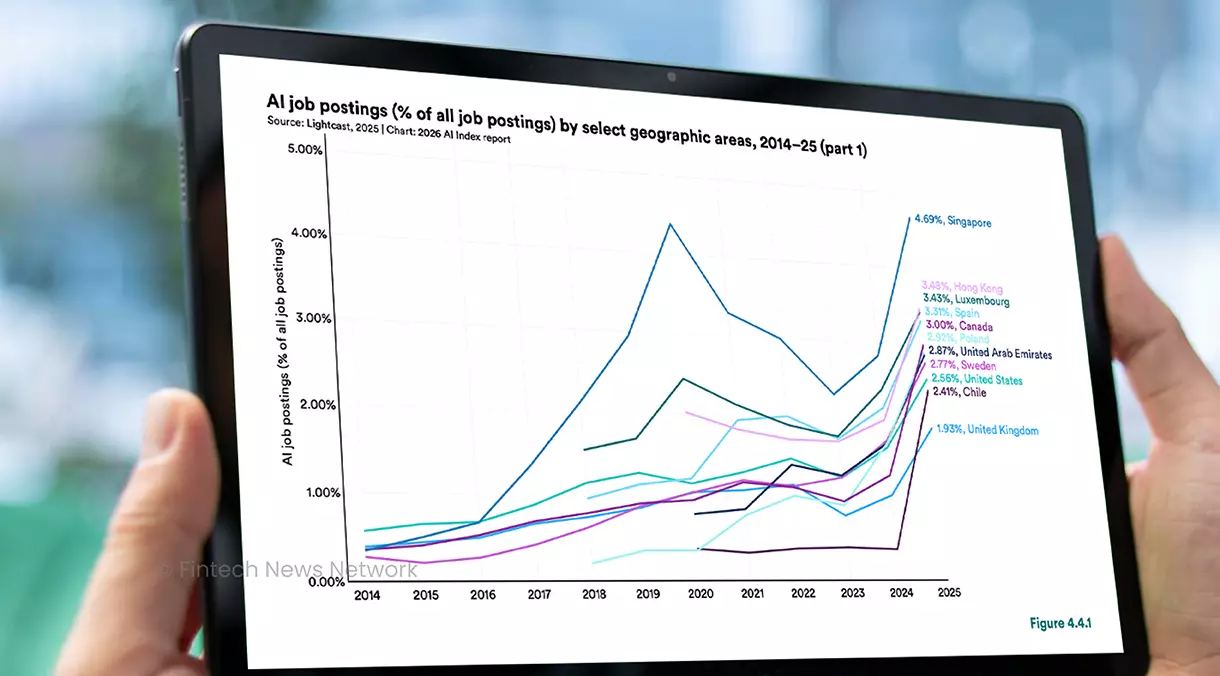
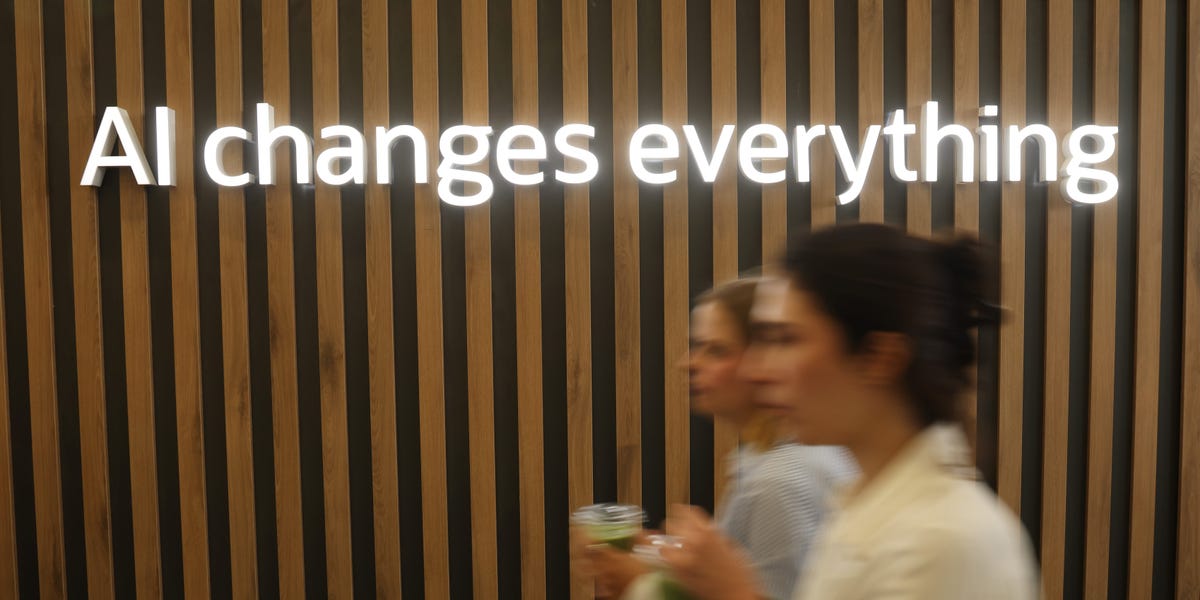
Elsewhere, the report addresses the growing impact of AI on the sector, both economically and creatively. Kanzler notes that many professionals working in commercial production, translation and voice work are already seeing jobs disappear. Meanwhile, filmmaker Roseanne Liang warns that the industry risks “sleepwalking into this new world”, questioning whether human experience and humanistic values are still central in an increasingly profit-driven attention economy.
Ultimately, the study maintains that the key challenge facing the screen industries is not simply technological disruption, but interpretive adaptation. Rather than trying to restore a previous “normal”, it suggests the sector must learn to recognise the ecosystem that already exists — one shaped by overlapping media forms, fragmented audiences, hybrid career paths and new definitions of success.
The 2026 Nostradamus Report also marks an expansion of the wider Nostradamus initiative beyond the annual publication itself. Göteborg Film Festival has already launched the Nostradamus Perspectives newsletter series, and plans to introduce a podcast later this year.
To access the full report: CLICK HERE.