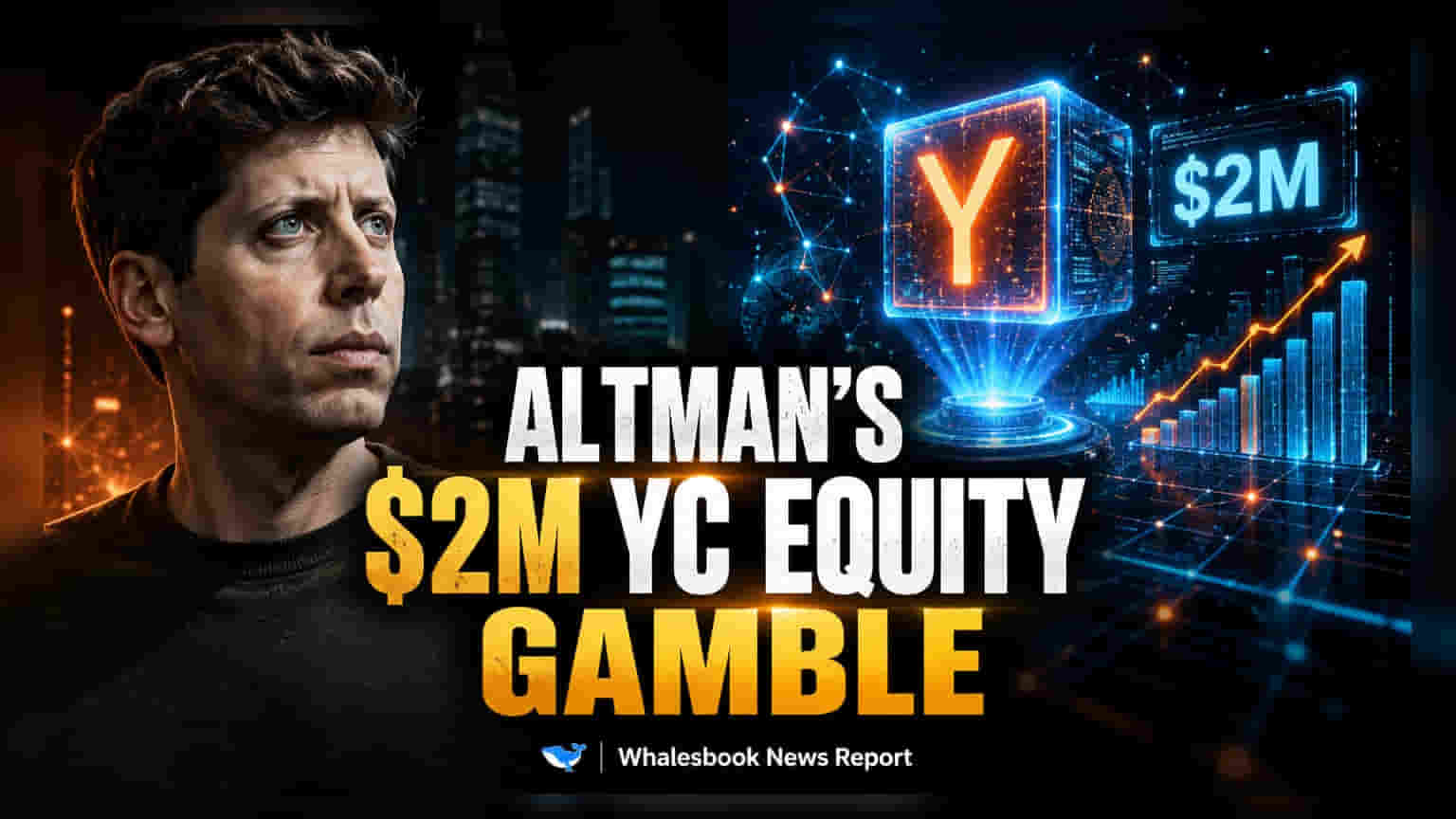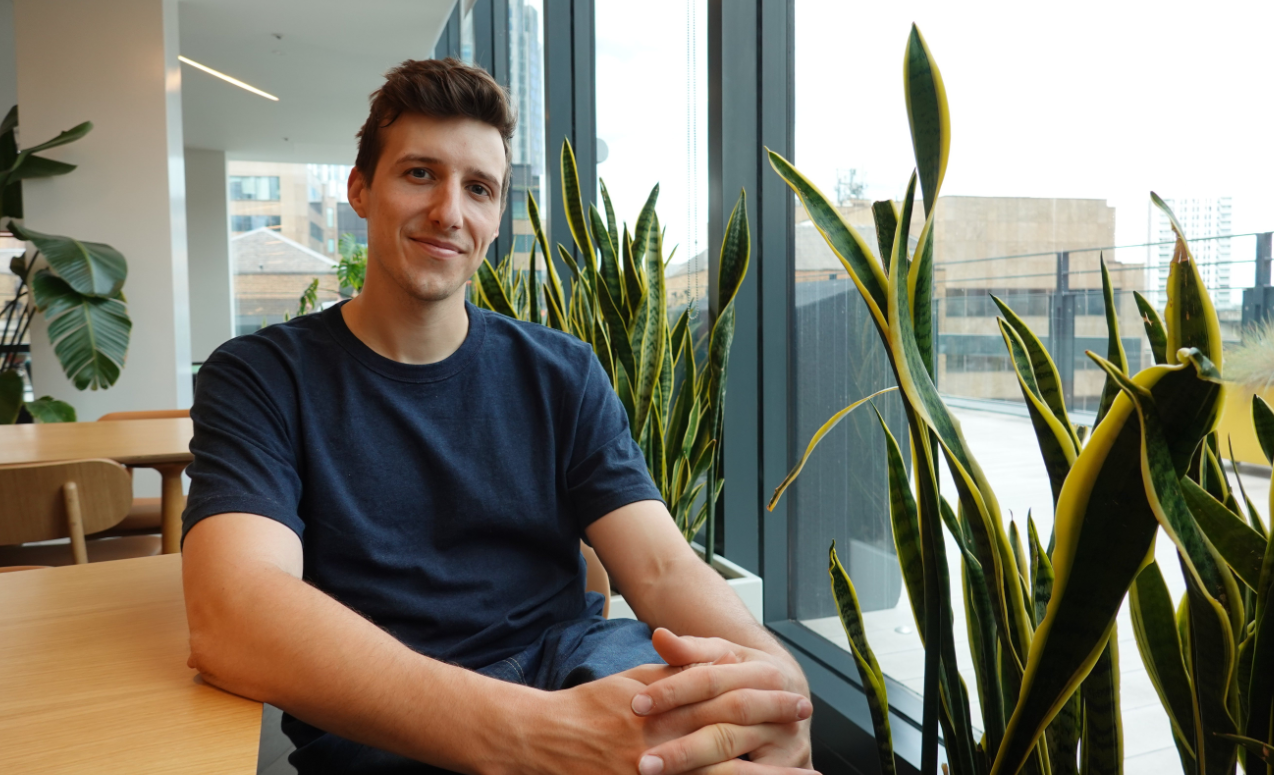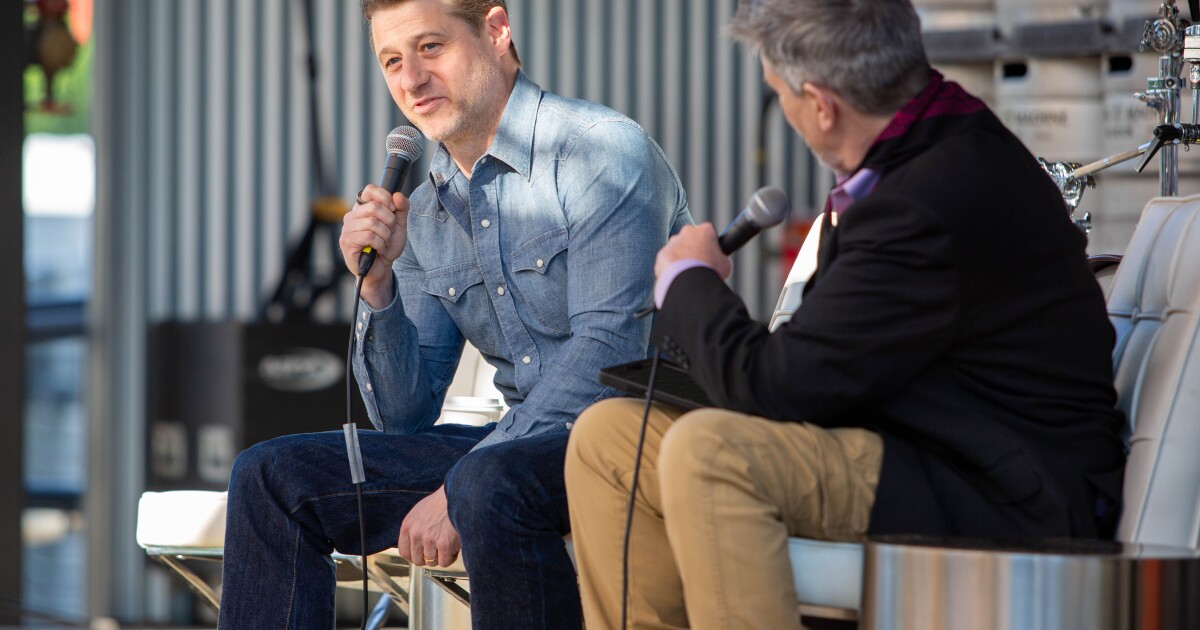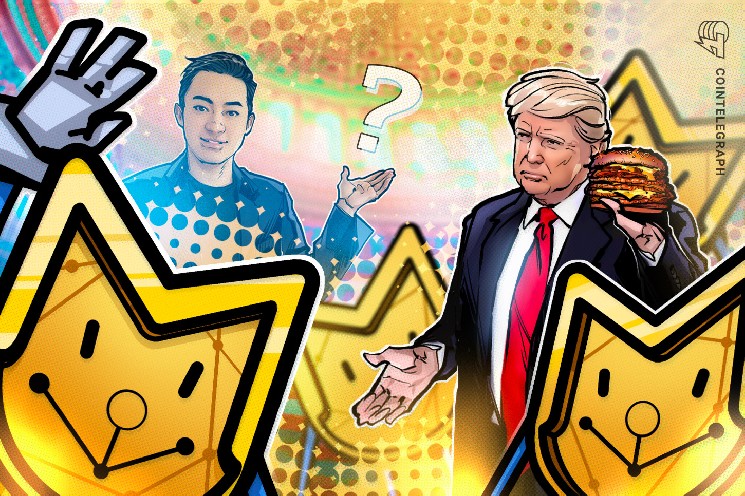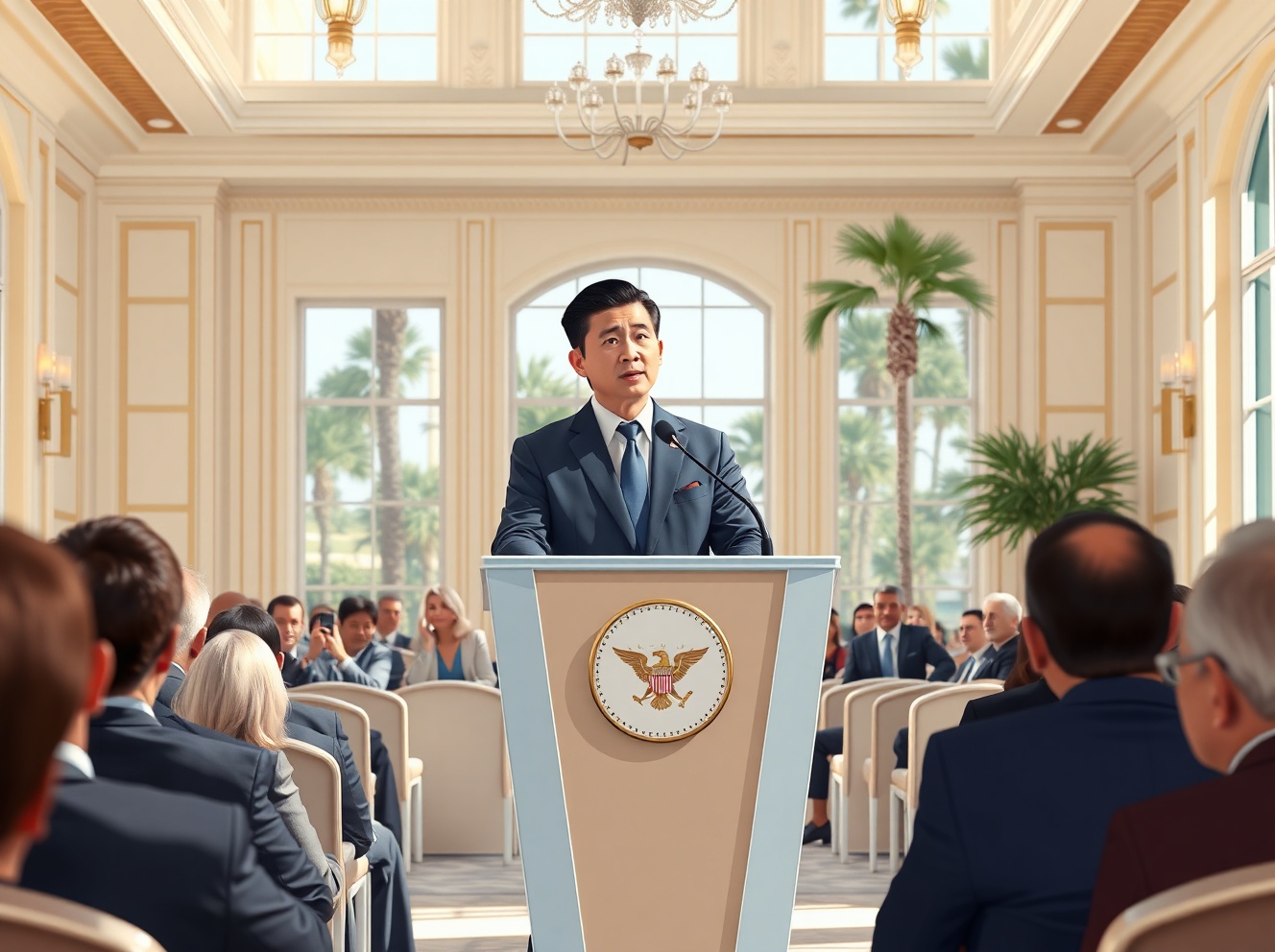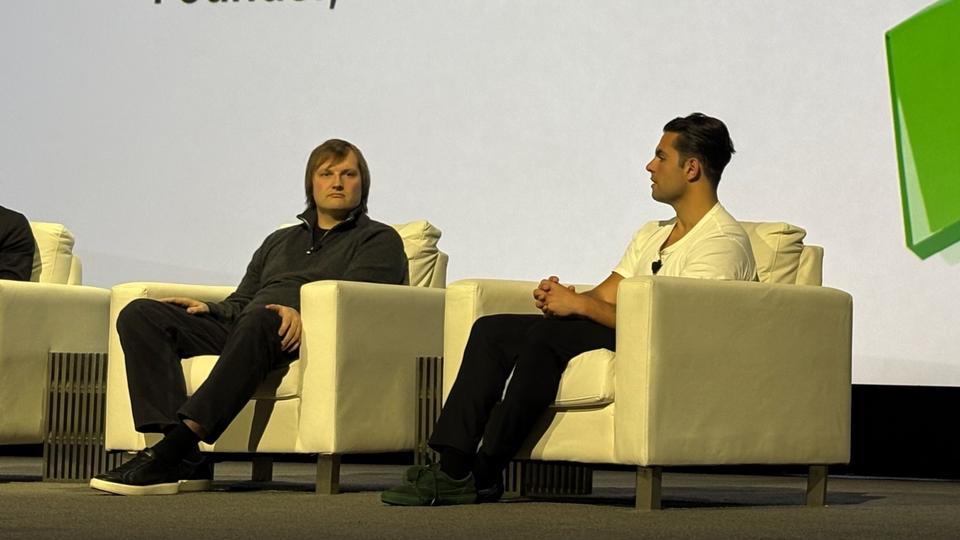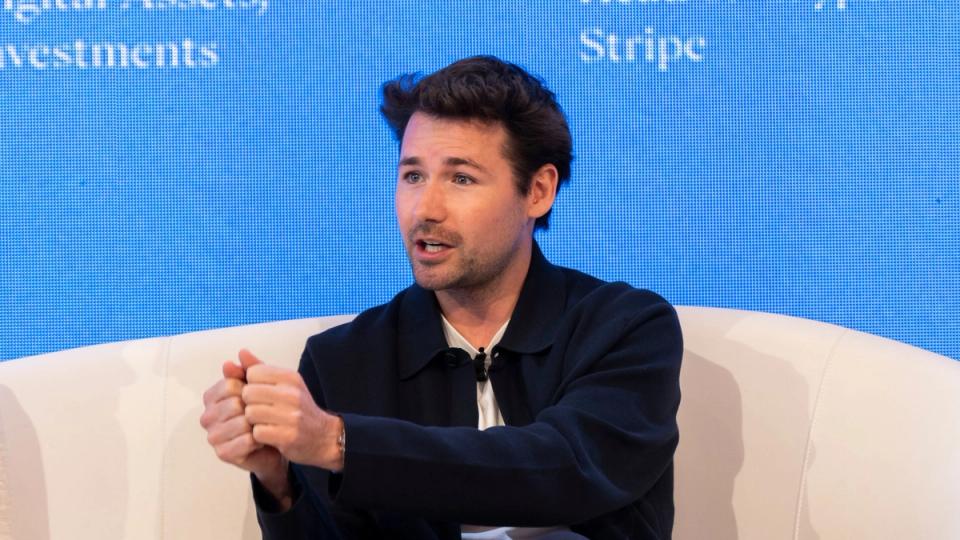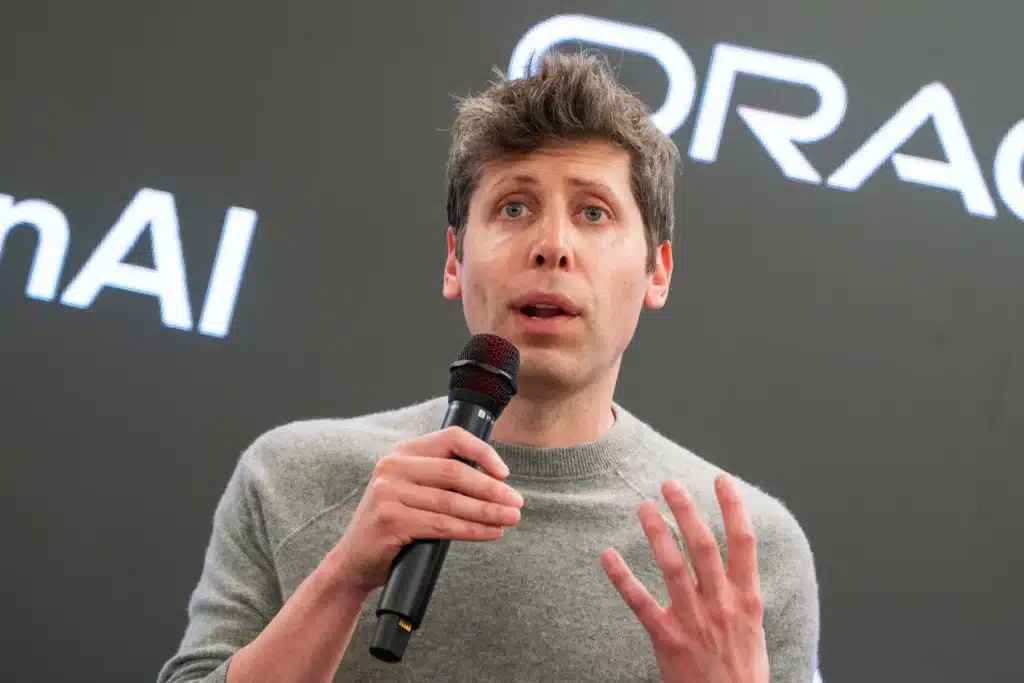

A quiet dinner event inside Silicon Valley’s most influential startup pipeline turned into a high-stakes moment of shock, opportunity, and concern when Sam Altman made an offer that immediately rippled across the tech world. During a Y Combinator gathering on Tuesday night, Altman delivered what YC partner Tyler Bosmeny called a “mic drop moment.” The proposal was simple on the surface but complex in consequence: OpenAI would provide $2 million worth of tokens to every startup in the current YC class in exchange for equity in each company.
The implications landed instantly. Startups, investors, and competitors are now dissecting what this means for ownership, dependency, and the future balance of power in artificial intelligence.
A Deal That Touches Every Startup in the Batch
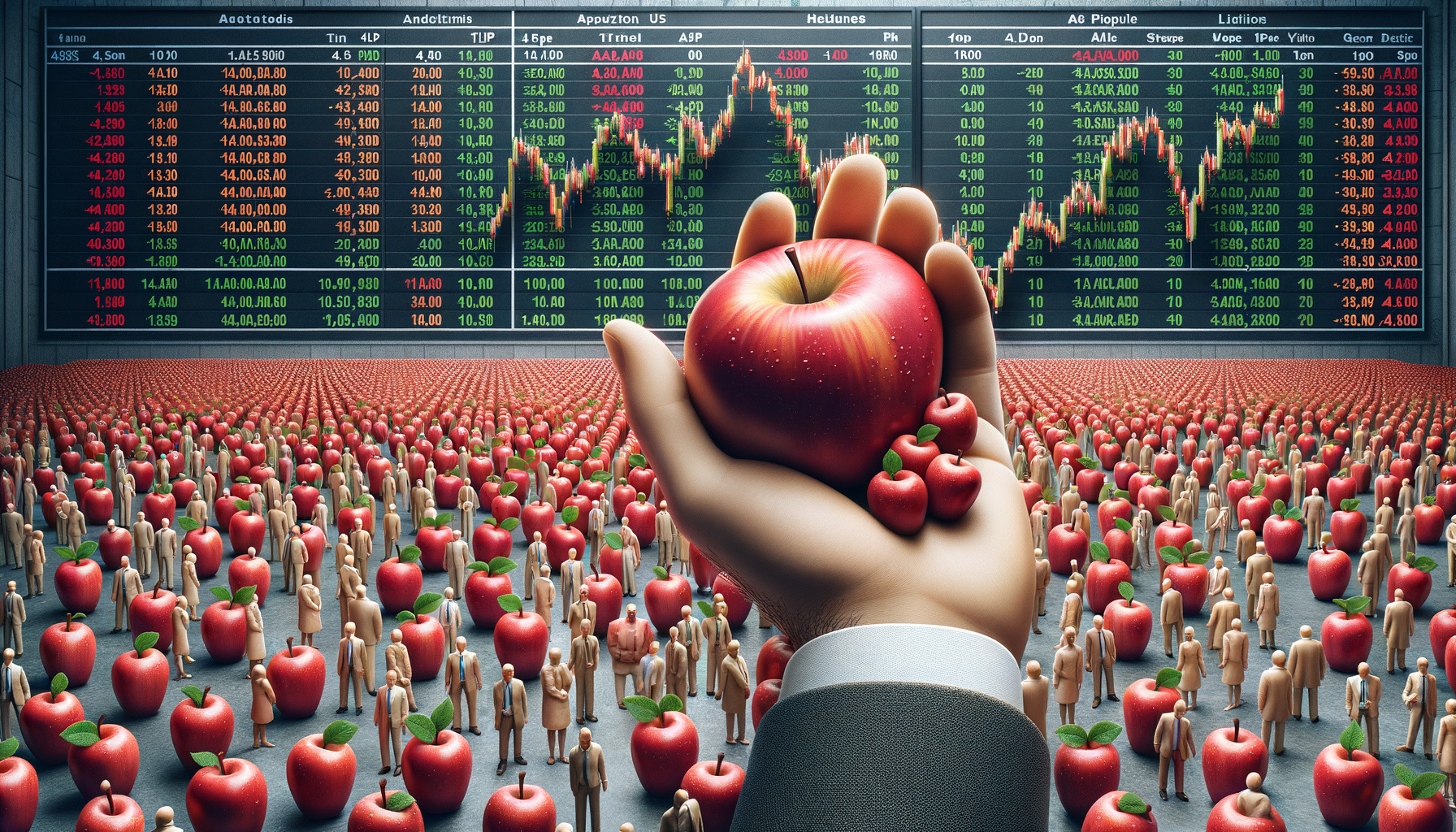
The current YC cohort includes about 169 startups, according to the accelerator’s directory. Each of those companies is now being presented with a uniform offer that could shape how they build, scale, and even survive in their earliest stages.
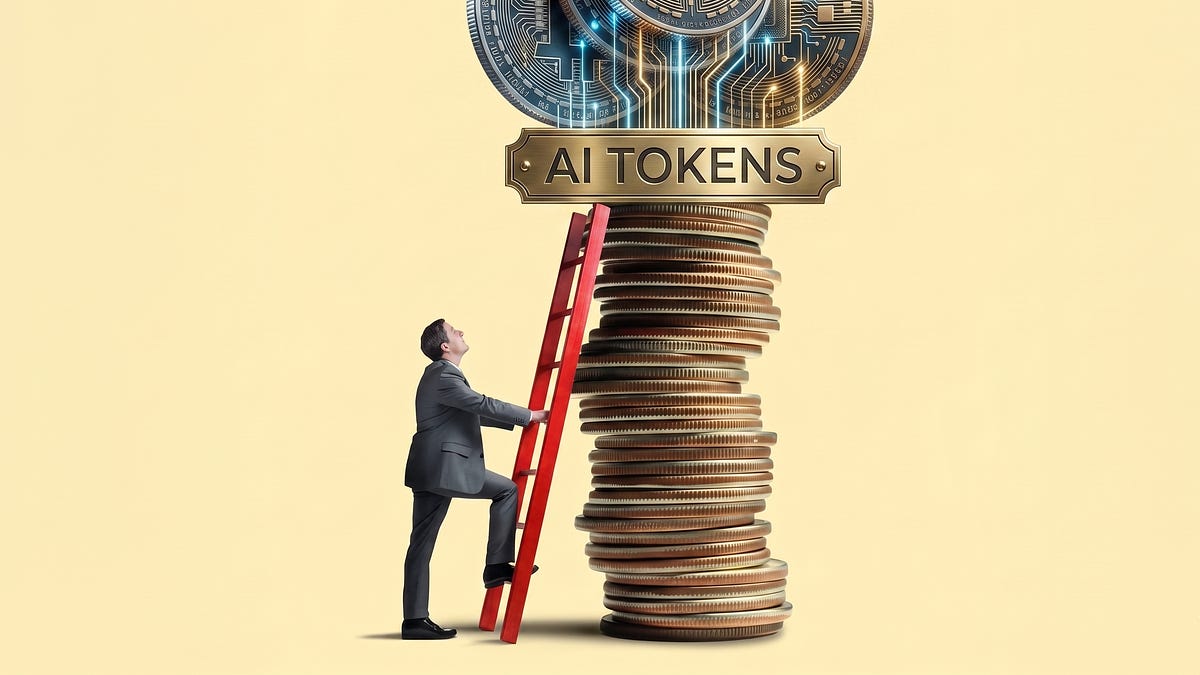
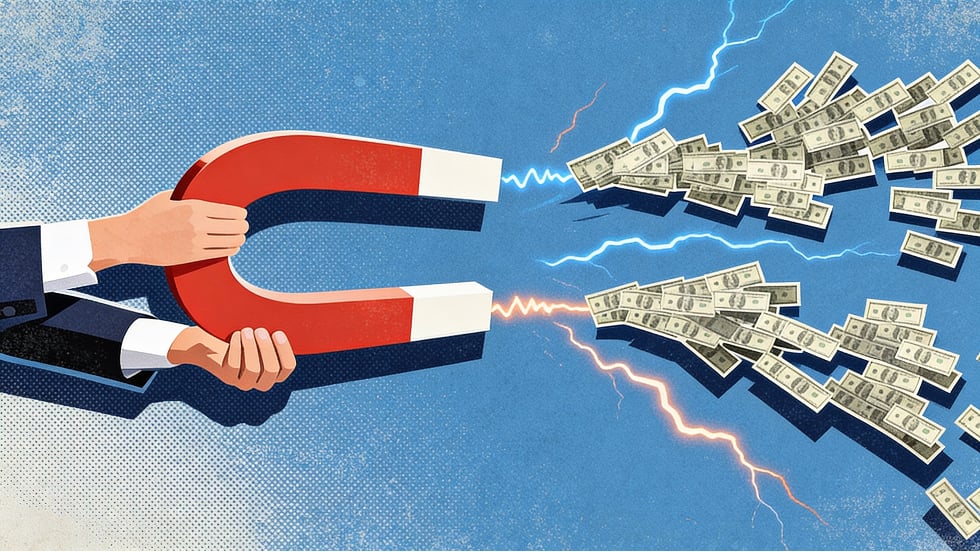
Rather than traditional cash investment, OpenAI is offering what it calls AI tokens. These tokens function as credits that startups can use to access OpenAI’s models and infrastructure while building their products. In return, OpenAI receives equity in the startups, tying its financial upside directly to their future success.
The structure, however, is where complexity begins to emerge.
Uncapped SAFEs and Uncertain Equity Stakes
YC managing director Jared Friedman confirmed that the deal will be structured as an “uncapped SAFE,” explaining, “it will convert in the next priced round, which is typically the Series A,” he said.
A SAFE, or Simple Agreement for Future Equity, is a standard early-stage funding instrument used by YC companies before they establish formal valuations. An uncapped SAFE removes any ceiling on valuation at conversion, meaning the final equity percentage OpenAI receives will depend entirely on how the startup is valued in its first priced round.
That uncertainty is central to both the appeal and the controversy. While founders may benefit if valuations rise significantly before conversion, the lack of clarity makes it impossible to know in advance how much ownership is being given away.
Some industry commentary on X has speculated that the arrangement could translate to OpenAI holding around 2 percent equity if a startup eventually reaches a $100 million valuation. However, those estimates remain unverified without finalized terms.
Why OpenAI Is Making the Move Now
At a strategic level, the offer serves multiple purposes for OpenAI.
First, it creates immediate equity exposure across a large group of early-stage companies, positioning OpenAI to benefit financially if even a fraction of them succeed. Second, and perhaps more importantly, it incentivizes startups to build their products using OpenAI infrastructure from the start.
That has long-term implications. Startups that integrate deeply with OpenAI tools may be less likely to migrate to competitors such as Anthropic or its coding-focused offerings like Claude Code. Even if not formally locked in, early technical dependency can shape years of product decisions.
There is also a cost advantage narrative behind the deal. As AI inference costs continue to decline, the tokens OpenAI is distributing today may become significantly cheaper to provide in the future. That means the company could be exchanging relatively low marginal-cost resources for potentially high-value equity stakes.
The Debate Splits the Tech Community
Reaction to the deal has been immediate and divided, especially across social platform X, where founders and investors are weighing the risks and rewards.
Supporters argue that the arrangement could solve one of the most painful problems for early-stage startups: infrastructure costs. AI model usage can quickly become one of the largest line items in a young company’s budget. For teams operating on limited runway, $2 million in token credits could significantly extend their ability to build and iterate without raising additional capital.
In that view, the deal is less about dilution and more about survival, offering a lifeline in an environment where compute costs can spiral unexpectedly.
The Warning Signs From Investors
Not everyone sees it that way.
Investor Jason Calacanis, who also runs a competing accelerator and fund, raised a stark warning for founders considering the offer.
“If you take these tokens, there’s a non-zero chance that OpenAI will study exactly what your startup is doing, copy your idea and put your app into their free offering. This is the classic platform playbook — be careful, founders!” he posted.
The concern reflects a broader anxiety in the startup ecosystem: that major AI platforms could eventually absorb entire categories of innovation by replicating successful ideas directly into their own products.
While some founders see that risk as theoretical, others view it as an extension of how platform companies have historically evolved, especially when they control both infrastructure and applications.
The Power Imbalance Question
The tension at the center of the debate is not just about tokens or valuation mechanics. It is about control.
Y Combinator already takes a standard 7 percent equity stake in exchange for a $500,000 investment in its startups. In return, founders gain access to one of the most powerful networks in Silicon Valley, including investors, mentors, and early customers.
Now, with OpenAI entering the equation, startups face another layer of equity trade-off. They must decide whether additional infrastructure funding is worth further dilution in already fragile ownership structures.
Seed investors often take around 20 percent ownership in early rounds, meaning founders frequently begin with limited equity before even reaching product-market fit. Any additional equity given to infrastructure providers adds further pressure on founder ownership and employee compensation pools.
The Hidden Risk: Running Out of Tokens Too Soon
Beyond ownership concerns lies a more immediate operational risk.
Startups could exhaust their token allocation without achieving meaningful traction, effectively trading equity for resources that did not translate into growth. In that scenario, the deal becomes a costly experiment rather than a strategic advantage.
Still, some founders may see the trade as necessary. Paying for equivalent AI usage in cash could be even more damaging at a stage where every dollar of runway matters.
The decision ultimately comes down to scarcity. Cash is finite. Equity is future value. And AI compute is becoming a critical input for nearly every modern startup.
A Deal That Could Reshape Startup Economics
The broader significance of Altman’s offer is not limited to this YC batch. It signals a possible shift in how foundational AI companies engage with early-stage ecosystems.
If widely adopted, token-for-equity structures could become a new standard in startup financing, blending infrastructure access with ownership stakes in a way that blurs traditional boundaries between vendor and investor.
For now, founders in this YC cohort are left with a high-stakes calculation: accept immediate AI resources in exchange for uncertain future equity, or preserve ownership while potentially limiting their ability to build fast enough in an increasingly competitive AI race.
What is clear is that the line between platform and investor is narrowing, and startups are being asked to make decisions that could define not just their cost structure, but their long-term independence in an AI-dominated economy.