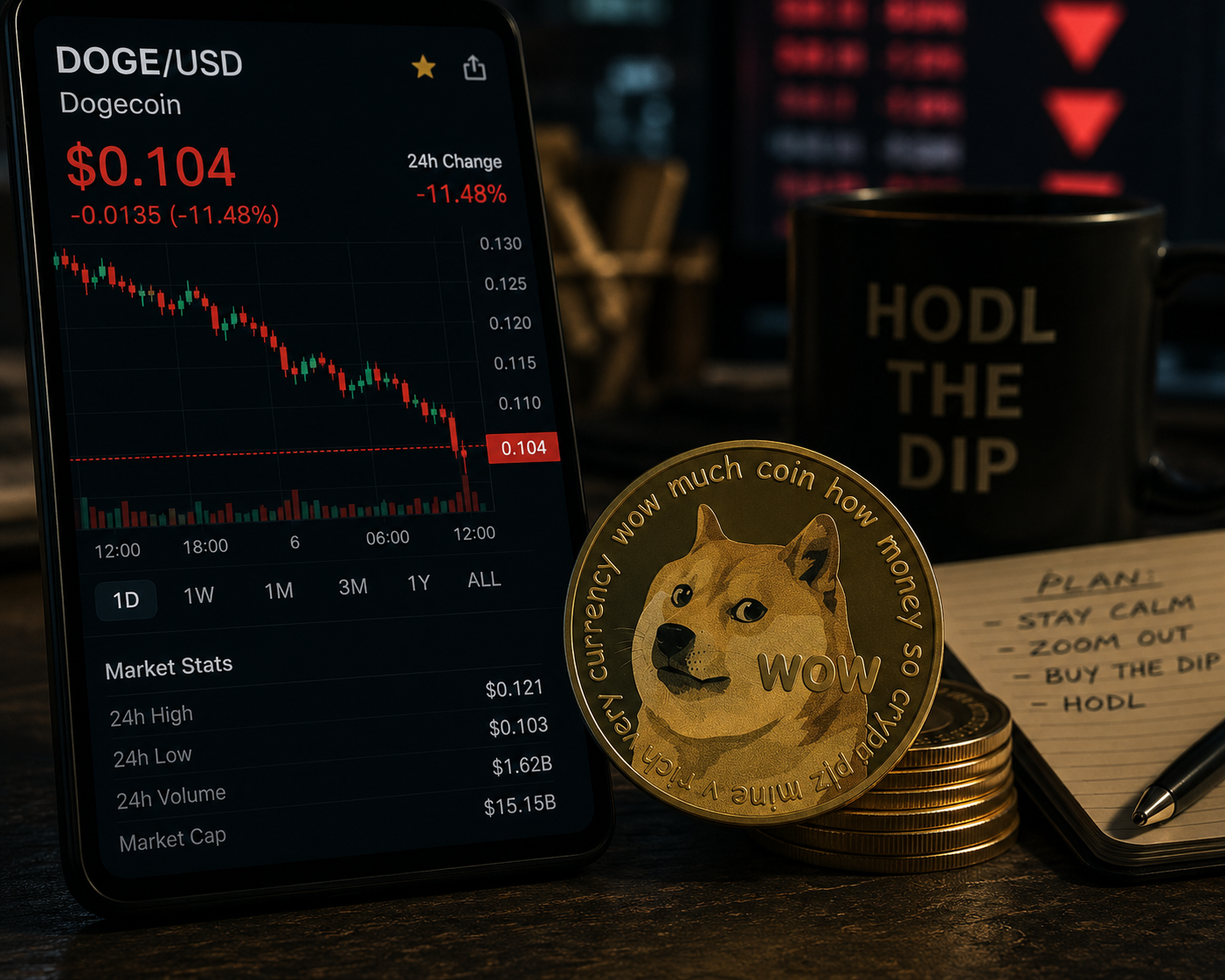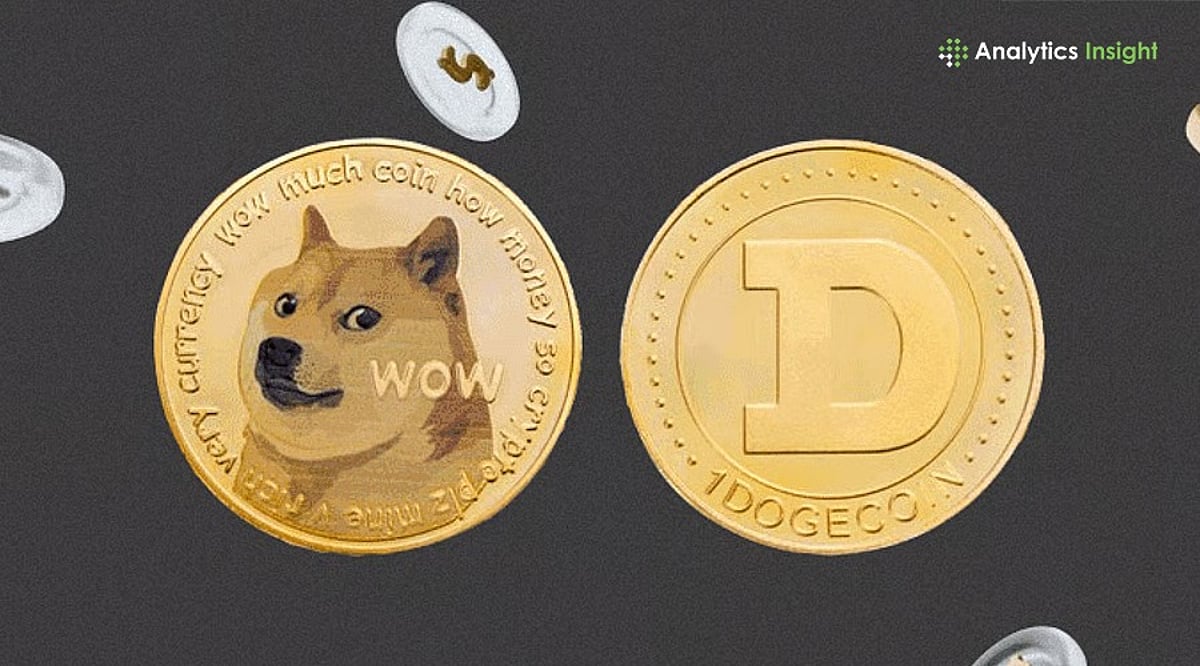
Dogecoin is consolidating around $0.11 while futures open interest and broader memecoin risk appetite make DOGE one of the most actively traded meme coins in derivatives markets. For U.S. investors, the current Dogecoin move is less about a single headline and more about leveraged positioning, key technical levels, and a high?beta bet on crypto sentiment.
Dogecoin is trading around the $0.11 mark as derivatives activity, technical resistance at long?term moving averages and resilient memecoin sentiment combine to keep the Dogecoin market in focus for U.S. traders. Rather than a single catalyst, the current Dogecoin move is being driven by a mix of rising futures open interest, a battle around the 200?day and 200?week trend lines, and Dogecoin’s role as a high?beta vehicle for speculative crypto risk appetite.
As of: May 17, 2026, 03:10 AM America/New_York
Dogecoin Market Snapshot: Price, Volume and Positioning
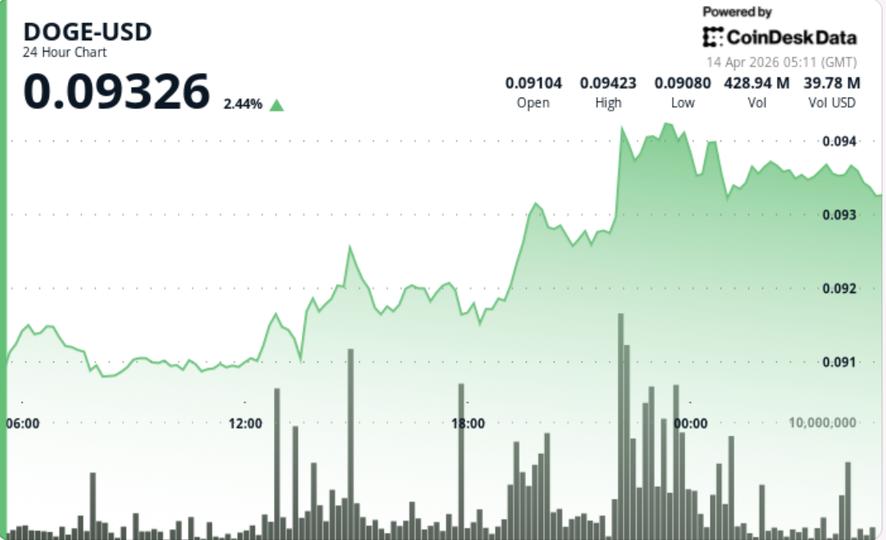
Multiple recent market reports place the Dogecoin (DOGE) price a little above the $0.11 level in U.S. dollar terms. One report cited Dogecoin at roughly $0.112 to $0.114 with a market capitalization in the $17–18 billion range and 24?hour spot trading volumes above $2.5 billion. Another analysis described Dogecoin as trading near $0.11 after breaking above a prior range around $0.095 that had capped the asset for much of the first quarter.
That pricing context matters for U.S. investors because it suggests two things. First, Dogecoin has moved off its recent lows and is consolidating rather than trending sharply lower. Second, the asset is now sitting in a zone where leverage and technical levels are likely to determine the next leg. In other words, Dogecoin is not being propelled primarily by new adoption of the Dogecoin network, Dogecoin Core software upgrades, or fresh Dogecoin Foundation announcements. Instead, it is the Dogecoin asset that is being repriced by traders using DOGE as a liquid, speculative instrument.
Several derivative?focused sources underline this point. One article, citing CoinGlass data, noted that Dogecoin futures open interest increased by a little over 5% across a 24?hour window, making DOGE the most actively traded meme coin in the derivatives segment over that period and putting its open interest above $1.8 billion. Another report highlighted how DOGE futures activity outpaced that of Bitcoin, Ethereum and XRP in percentage?change terms during the same time frame. While spot price moves have been measured, the build?up in futures interest suggests that leverage, rather than organic buy?and?hold demand, is doing much of the marginal price discovery.
For U.S. investors trading on major exchanges that list Dogecoin, that mix of moderate spot movement and stronger derivatives engagement translates into a higher?beta profile: modest shifts in broader crypto sentiment or funding conditions can quickly translate into outsized DOGE moves as leverage is added or unwound.
What Is Driving DOGE Today: Speculative Positioning Over Headlines
Recent coverage across specialized crypto media and general market news converges on the same core theme: speculative positioning is the main driver of the Dogecoin price today, not a discrete news headline. Several reports explicitly identify leveraged futures trading, short?term technical setups and broad memecoin sector risk appetite as the primary catalysts.
One detailed overview pointed out that Dogecoin is holding above a band roughly between $0.11 and $0.116, with traders watching whether this area can turn from simple support into a higher base for a new advance. Another outlet described DOGE as consolidating between approximately $0.109 and $0.116, with futures open interest and whale accumulation providing a floor. A separate technical note from a market?data provider highlighted that out of more than 20 tracked indicators, slightly over half were flashing bullish signals, pointing to an environment where momentum traders remain engaged but are still waiting for confirmation.
Several sources mention that in the current Dogecoin market, the asset is being used as a liquid expression of crypto risk appetite. When risk appetite is strong, Dogecoin tends to outperform Bitcoin and Ethereum on the upside because capital can rotate into meme coins quickly, chasing high?beta returns. When sentiment turns, the same leverage amplifies downside moves as crowded longs unwind. That dynamic has made DOGE a favored tool for short?term traders and a more challenging asset for long?term investors who are sensitive to volatility.
It is also important to distinguish what is not driving the market right now. There is no confirmed, market?moving announcement from the Dogecoin Foundation, which is a non?profit group that supports development and advocacy around the Dogecoin ecosystem but does not directly issue or control Dogecoin as an asset. There is likewise no major new release from Dogecoin Core, the reference software used by nodes on the Dogecoin network, that has been independently shown to trigger this specific price move. Nor is there verified evidence that Dogecoin network metrics such as on?chain transaction counts or hash rate alone are the dominant factor behind the recent price behavior.
Instead, traders appear laser?focused on chart patterns, leverage ratios and cross?asset sentiment. The Dogecoin network continues to process transactions, and Dogecoin Core remains the critical software layer for node operators, but at this moment the market narrative is about the tradable DOGE token on exchanges and how speculators are positioning around key levels.
Key Technical Levels: 200?Day and 200?Week Moving Averages in Play
Technical analysis is front and center in current Dogecoin news. Multiple specialized market commentaries point to the 200?day moving average (200?DMA) and the 200?week moving average (200?WMA) as critical resistance areas that DOGE is either testing or hovering just below.
One analysis stated that Dogecoin is trading just under roughly $0.123, which it identified as the current location of the 200?day moving average. The report framed this level as a key resistance line, with a successful break potentially opening the way to a stronger recovery phase. Another technical piece focused on the market capitalization chart, arguing that Dogecoin’s market cap has broken above a short?term downtrend and is now testing its 200?week moving average. That article described a rounded?bottom structure forming after a multi?year decline, suggesting that DOGE could be in the early stages of forming a more durable base — provided it can turn the 200?WMA from resistance into support.
These long?term moving averages matter because many algorithmic and discretionary funds, including some based in the United States, use them as structural trend signals. A sustained move above the 200?DMA tends to be interpreted as evidence of a medium?term uptrend, while the 200?WMA can serve as a cycle?level indicator. Failure at these levels, by contrast, can reinforce bearish narratives, prompt de?risking and keep Dogecoin locked in a sideways or downward pattern.
Shorter?term technical configurations are also part of the story. Several reports mention that DOGE is defending support around $0.11, with some traders seeing a potential rounded bottom or early reversal pattern in lower?timeframe charts. One analysis suggested that if Dogecoin can break above near?term resistance with rising volume, a move of 20–30% into the mid?$0.13 to mid?$0.15 band could become technically plausible. However, these are scenario analyses, not guarantees, and they rest heavily on continued support from futures flows and broader crypto sentiment.
For U.S. investors, the message is that Dogecoin’s chart is constructive but not yet decisively bullish. The market appears willing to defend the $0.11 area, but buyers have not yet proven they can push through and maintain price above the long?term resistance band. Until that happens, DOGE remains in a consolidation phase, not a confirmed trend reversal.
Derivatives and Leverage: Why Futures Open Interest Matters
The most distinctive element in DOGE today is the derivatives backdrop. Multiple reports, referencing CoinGlass and other derivatives analytics providers, note that Dogecoin futures open interest has risen by around 5% over a 24?hour span, making DOGE the most active meme coin in futures markets and putting its open interest near or above the $1.8 billion mark. Some coverage further notes that over a recent week, Dogecoin’s futures activity growth outpaced that of large?cap assets like Bitcoin and Ethereum in percentage terms, even if those assets still command larger absolute notional values.
Open interest measures the notional value of outstanding futures contracts. Rising open interest, particularly when price is holding or inching higher, often indicates that new positions are being opened rather than old positions simply changing hands. In the Dogecoin market context, the signal is that speculative traders are adding leverage exposure to DOGE, treating it as a liquid way to express short?term views on memecoin sentiment and broader crypto risk appetite.
This structure has several implications:
- Volatility can spike quickly. A crowded build?up of leveraged long positions means that any sudden drop in price can force liquidations, intensifying selling pressure. Conversely, short squeezes can push price higher rapidly if funding conditions and positioning get lopsided.
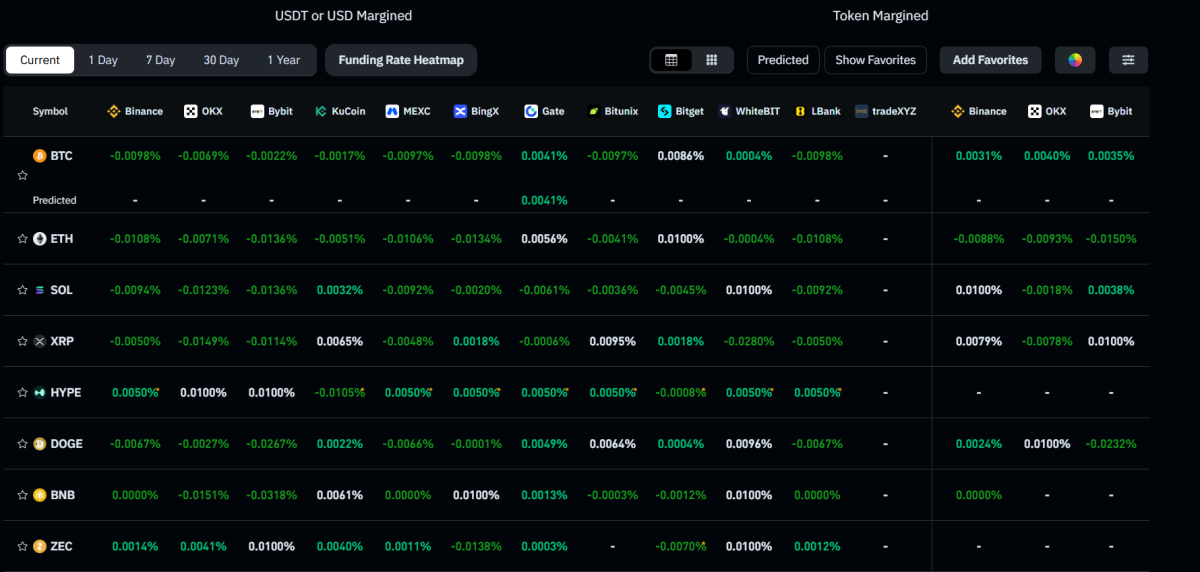
- Funding rates and basis become crucial signals. For U.S. investors trading perpetual futures or CME?style contracts where available, the cost of holding long or short positions can shift rapidly as funding rates respond to the direction and intensity of positioning.
- Spot price may lag sentiment. With derivatives leading the market, spot volumes can appear moderate compared to the activity in futures. That can leave spot price vulnerable to sudden repricing if derivative traders change their stance.
Some reports also emphasize that Dogecoin’s current futures activity appears to be less about hedging and more about speculative direction. That makes the asset particularly sensitive to changes in macro conditions, regulatory headlines and cross?asset flows, as traders look for high?beta vehicles to express their risk views.
Macro, Regulation and Memecoin Sector Flows
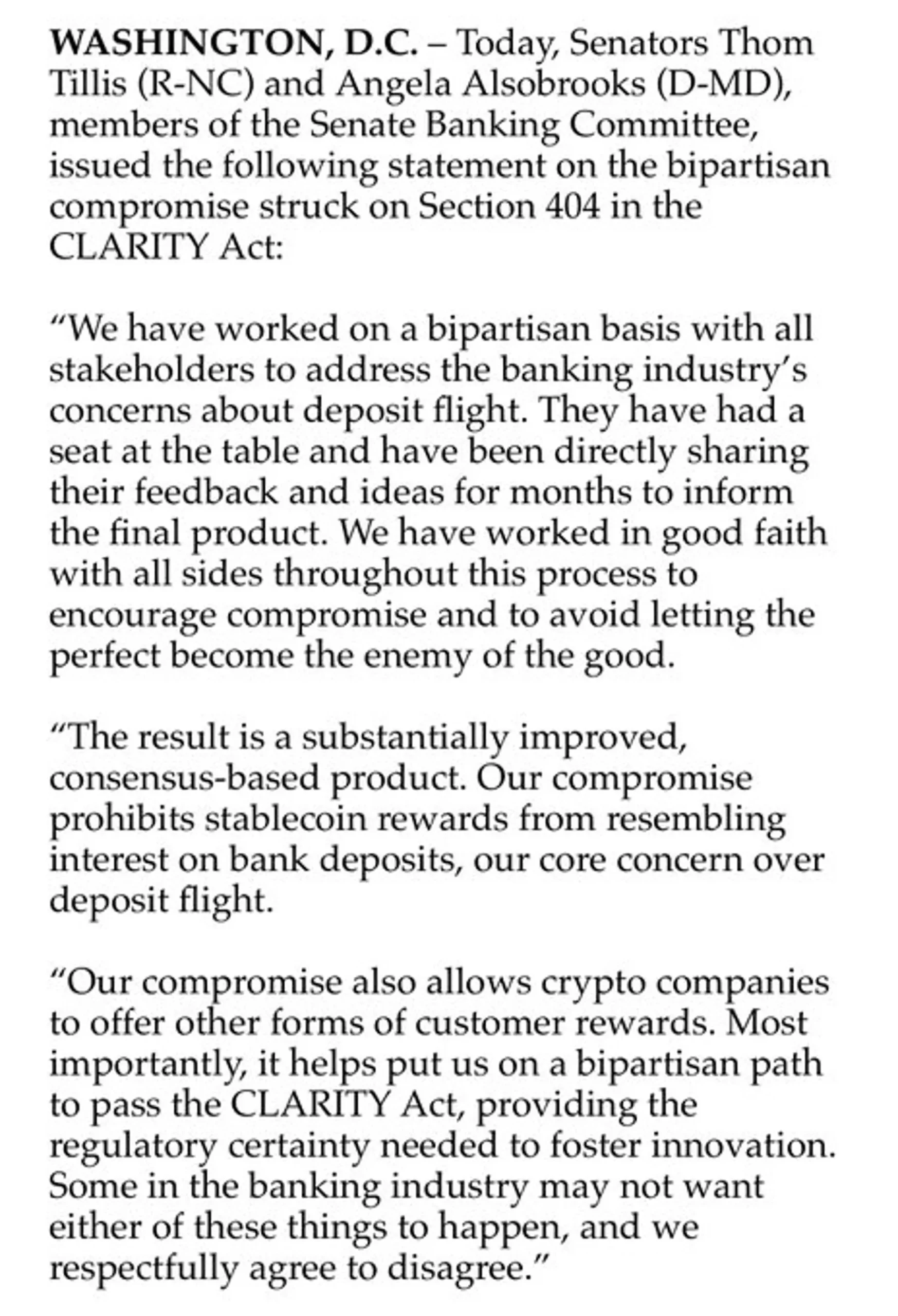
While no single regulatory development can be isolated as the main immediate driver of Dogecoin, macro and policy context still matter. One recent article referenced a U.S. legislative proposal — described as a “Clarity Act” in one report — advancing through the Senate Banking Committee by a 15–9 vote, and linked a roughly 5% intraday Dogecoin price gain to improved sentiment around digital?asset regulation. It is important to stress, however, that this link is interpretive rather than definitively causal: the same period also saw broader crypto strength and strong memecoin flows.
From a U.S. investor’s perspective, the broader takeaway is that Dogecoin, like other large?cap digital assets, is sensitive to the trajectory of U.S. regulation even if there is no DOGE?specific law or classification. Regulatory clarity around whether and how certain digital assets can be traded, custodied or used in payment products can influence institutional participation, exchange offerings and, indirectly, liquidity in DOGE trading pairs. As such, positive steps toward clearer rules can support risk appetite, while negative surprises can have the opposite effect.
Macro conditions are also in the mix. One market commentary noted that Dogecoin recently slid by nearly 3% in a session where rising bond yields and higher oil prices pressured crypto assets broadly. The author stressed that no Dogecoin?specific news drove that move; instead, it reflected a risk?off shift as higher yields and geopolitical concerns weighed on speculative trades. That episode underscores that DOGE, despite its meme origins, behaves like a high?beta asset within the broader digital?asset complex: macro headwinds often translate into sharper swings than those seen in Bitcoin.
At the same time, memecoin sector flows have been supportive. Reports describing Dogecoin as leading memecoin futures activity note that other meme?oriented tokens are also seeing active trading, but in many cases DOGE remains the most liquid and recognizable. That gives Dogecoin a dual role for U.S. traders: it is both a proxy for the health of the meme?token niche and a relatively large?cap vehicle compared with newer, thinner?traded coins. When speculative capital rotates into memecoins, Dogecoin often benefits, even if part of that capital also flows toward more recently launched tokens.
Supply Dynamics and the Block Reward Debate
Alongside short?term trading, some commentators have drawn attention to longer?term supply issues in the Dogecoin market. One recent analysis discussed a GitHub proposal that would sharply reduce the Dogecoin block reward, cutting annual issuance from roughly 5 billion new DOGE units per year to around 500 million. The article framed this potential 90% reduction in new supply as a key protocol?level catalyst that, if ever implemented, could materially alter the long?term investment case for Dogecoin by easing structural sell?side pressure from miners.
It is critical to separate fact from speculation here. The proposal exists on GitHub as a discussion item related to Dogecoin Core and Dogecoin’s protocol parameters. However, there is no confirmed implementation timeline, no network?wide consensus and no binding decision from Dogecoin Core maintainers or the Dogecoin Foundation. The Dogecoin Foundation, while influential as a supporting organization that funds development and advocacy, does not have unilateral authority to change the Dogecoin protocol. Actual changes to issuance would require updates to Dogecoin Core software, adoption by node operators on the Dogecoin network and broad community support.
For now, the potential block reward reduction is best understood as a medium? to long?term narrative rather than a direct driver of the current Dogecoin price. Some long?horizon investors may view it as an option on future supply tightening, but the present market behavior around $0.11 is far more closely linked to technical levels, futures positioning and macro risk appetite than to any confirmed protocol change.
Risk–Reward for U.S. Investors: What the Current Setup Implies
Given the current mix of price consolidation, heavy futures interest and unresolved technical resistance, the risk–reward profile of Dogecoin for U.S. investors is nuanced:
- Upside factors: Dogecoin has defended the $0.11 area despite macro volatility, suggesting that buyers are active. The asset is also flirting with important long?term moving averages. A decisive, volume?backed break above the 200?day and 200?week levels could attract additional momentum capital and algorithmic trend?followers, potentially extending gains. Strong memecoin sector sentiment and supportive macro risk appetite would amplify that effect.
- Downside factors: The same leverage that supports upside also magnifies downside risk. A failure at resistance, combined with a broader crypto pullback or a shift to risk?off in equities and bonds, could trigger a rapid unwinding of leveraged long positions. Given the size of DOGE’s open interest, that could translate into disproportionately large drawdowns.
- Volatility and liquidity: Dogecoin benefits from deep USD, USDT and other major pairs on global exchanges, giving U.S. investors ample liquidity. However, its historical volatility is significantly higher than that of Bitcoin and many large?cap stocks, demanding position sizing and risk management that match its profile.
- Fundamental ambiguity: Unlike equity in a company, Dogecoin does not represent a claim on cash flows, nor is it a stake in the Dogecoin Foundation. Its value proposition rests on network effects, community enthusiasm and its role as a speculative and, in some cases, payments?oriented token. That makes valuation inherently more challenging and heightens sensitivity to sentiment shifts.
For retail traders in the United States, Dogecoin’s current behavior reinforces its identity as a trading asset first and a long?term investment only for those who are both volatility?tolerant and comfortable with the speculative nature of the memecoin segment. For more institutionally oriented investors, DOGE may function as a high?beta satellite exposure used sparingly alongside larger digital assets.
How Dogecoin Is Trading Versus Bitcoin and Ethereum
Recent derivatives and price data suggest that Dogecoin is not simply moving in lockstep with Bitcoin and Ethereum. While broader crypto conditions obviously matter, several reports note that DOGE has outpaced BTC and ETH in futures open?interest growth and short?term percentage price changes over certain recent windows. In particular, Dogecoin’s 5% price pop around the advancement of the legislative “Clarity Act” and its subsequent consolidation near $0.11 run ahead of the corresponding moves in the larger coins.
This divergence is typical of how memecoins, especially Dogecoin as the largest of the group, trade in late?cycle or range?bound phases of broader crypto markets. When Bitcoin stalls near resistance or trades sideways, speculative capital often rotates into assets that have stronger narrative hooks and higher perceived upside. Dogecoin, with its large market cap but still moderate absolute price, often becomes an attractive target for such rotations.
At a more structural level, Bitcoin’s supply schedule is fixed and widely understood, anchored by halvings, while Dogecoin’s emission is still subject to potential protocol?level debates, such as the block reward proposal under discussion. Ethereum, meanwhile, operates under a different fee?burn and staking framework. These differences mean that macro?level flows might favor or disfavor Dogecoin at different points in time. For now, however, the dominant factor behind DOGE’s relative out?performance in futures activity is its role as a liquid meme?sector proxy rather than a change in its supply mechanics.
What To Watch Next: Catalysts and Risk Markers
For U.S. investors tracking DOGE, several near?term markers are worth monitoring as potential signals for the next move:
- Price behavior around $0.11 support and the $0.12–$0.13 resistance band. A sustained break below $0.11 with rising volume and falling open interest would signal that the current attempt to build a base has failed. Conversely, a strong push above the 200?day moving average, validated by higher volume and stable or rising open interest, would support the case for a broader recovery attempt.
- Changes in futures open interest and funding rates. If open interest continues to climb while funding rates spike, the market could become vulnerable to liquidations. A more balanced structure, where open interest rises but funding stays moderate, would be more sustainable.
- Macro?risk indicators. Moves in U.S. Treasury yields, equity indices and the dollar index can influence overall crypto risk appetite. A shift toward risk?off in traditional markets often hits high?beta assets like DOGE first and hardest.
- Any concrete progress on Dogecoin Core proposals. Should the block reward reduction or other protocol changes move from discussion to formal improvement proposals with clear timelines, the long?term narrative around Dogecoin’s supply could begin to influence pricing more directly.
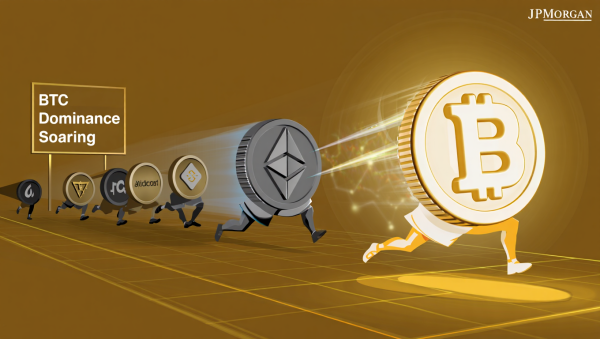
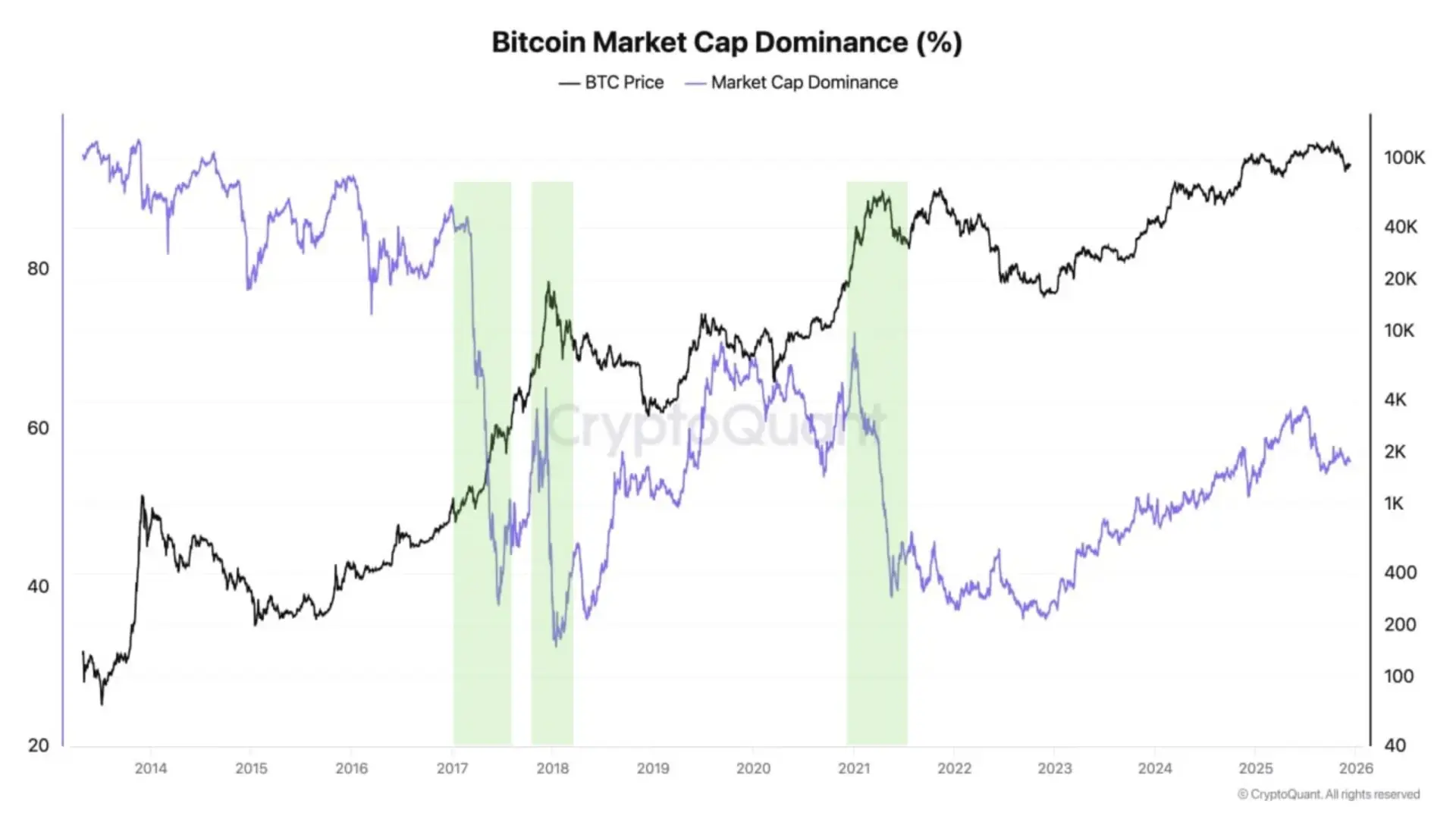
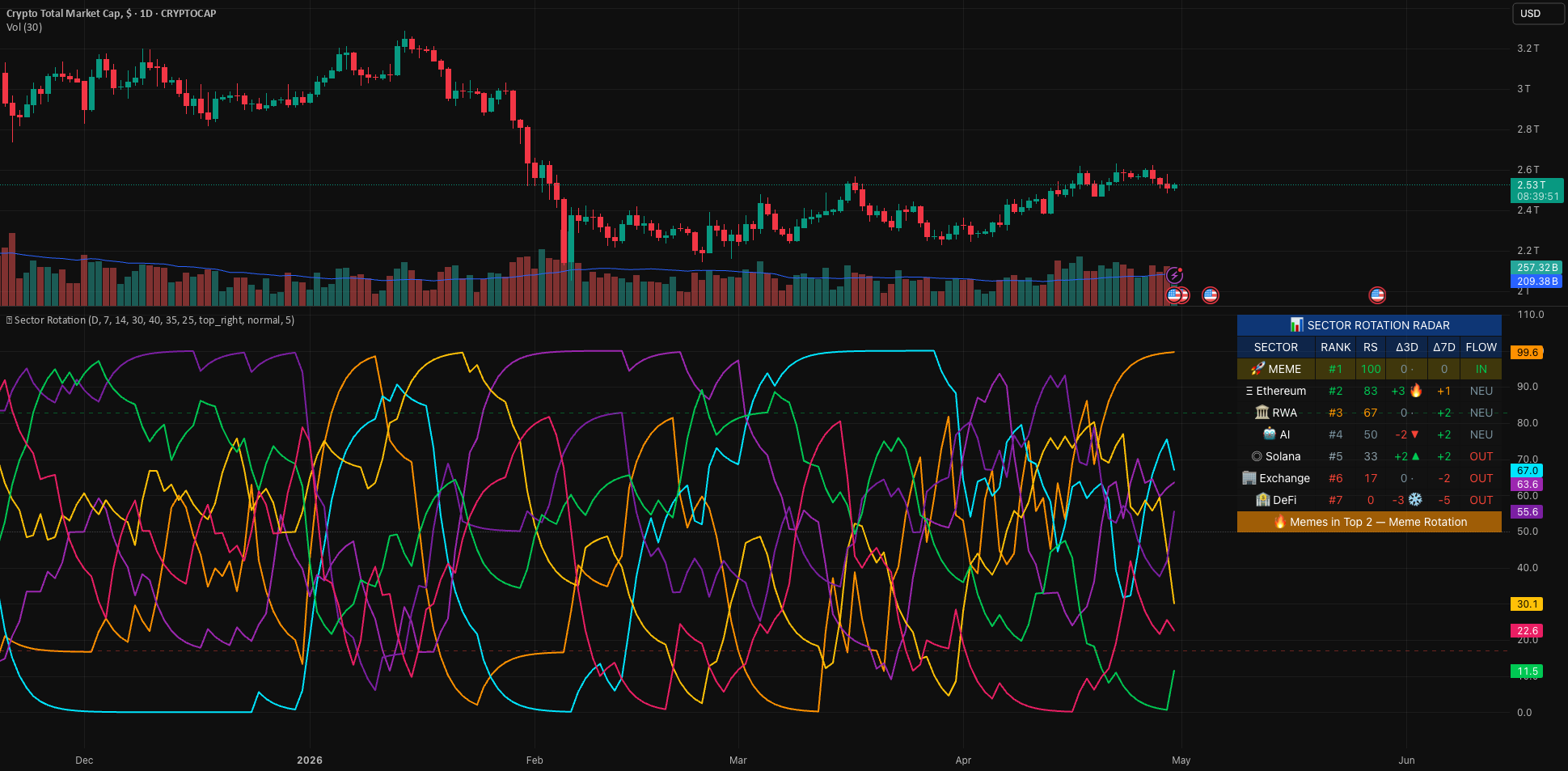
- Sector rotation within crypto. If capital continues to flow into meme coins and other high?beta tokens, Dogecoin is likely to remain a core beneficiary given its liquidity and name recognition. Conversely, a rotation back to Bitcoin dominance could cap DOGE’s upside.
None of these factors operate in isolation, and the interplay between them — especially between leverage and macro conditions — will shape Dogecoin’s path more than any single headline.
Bottom Line for U.S. Traders
Dogecoin’s current market development is defined by consolidation around $0.11, elevated futures open interest and a contest at long?term technical resistance levels. The Dogecoin network continues to function, Dogecoin Core remains the critical software implementation for nodes, and the Dogecoin Foundation continues its role as an ecosystem support organization — but the price of DOGE as an exchange?traded asset is being set primarily by speculative traders, not by a sudden shift in underlying fundamentals.
For U.S. investors, that mix offers both opportunity and risk. Dogecoin remains one of the most liquid and actively traded meme coins, giving it a unique role as a barometer of retail risk appetite in crypto. At the same time, its sensitivity to leverage, macro sentiment and sector rotations means that risk management, position sizing and time horizon are crucial when considering exposure.
Whether Dogecoin ultimately breaks higher from its current range or fades back toward prior lows will depend less on any single Dogecoin?specific headline and more on the balance between futures positioning, technical signals and the broader tide of crypto risk appetite. Until that balance resolves, DOGE is likely to remain a traders’ market — volatile, closely watched and central to meme coin news flow.
Further reading
Disclaimer: Not investment advice. Cryptocurrencies and financial instruments are volatile.