By Ray Birch
ALEXANDRIA, Va.—While the NCUA’s sweeping new stablecoin proposal may clear a long-awaited regulatory hurdle for credit unions, one fintech executive said the bigger strategic question now facing the industry is whether credit unions should actually issue their own stablecoins at all—or instead focus on becoming the trusted bridge between digital dollars and traditional insured deposits.
The comments from InvestiFi CEO Kian Sarreshteh come as credit unions and CUSOs begin evaluating the 269-page supplemental proposal the NCUA released Friday to implement portions of the GENIUS Act.

As CUToday.info previously reported, the proposal would allow stablecoin issuance only through separately licensed subsidiaries or CUSOs operating under a detailed new federal supervisory framework covering reserves, liquidity, cybersecurity, governance and anti-money laundering compliance.
“The NCUA’s proposal is a meaningful win for credit unions because it gives the industry a clearer path to participate in the stablecoin economy,” said Sarreshteh. “But before a credit union or CUSO decides to launch its own stablecoin, it should think carefully about distribution, scale, and whether it can realistically drive enough usage to reach critical mass.”
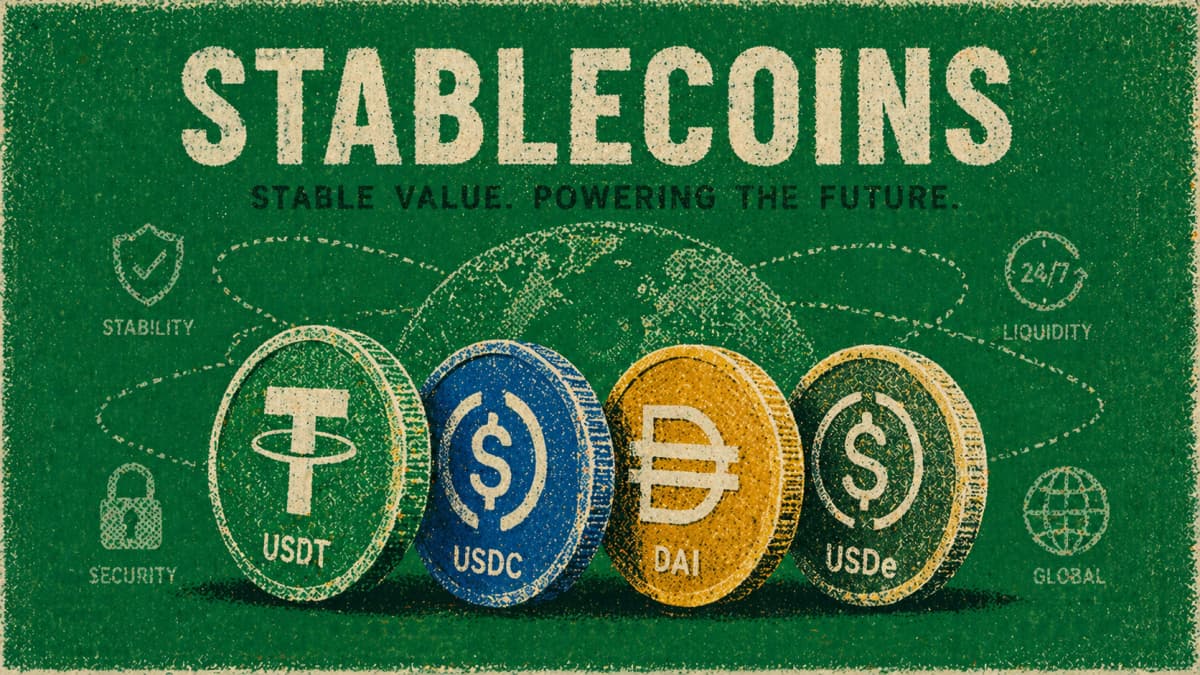
Sarreshteh noted the competitive environment is already becoming crowded, pointing to the dominance of established stablecoins such as USDC and USDT, along with new entrants backed by major financial brands including Fidelity and SoFi. While the proposal would permit reserve dollars backing stablecoins to be held at credit unions, he suggested many institutions may ultimately determine there is greater opportunity in facilitating stablecoin payments rather than attempting to compete directly for wallet share.
Instead, Sarreshteh promoted what he called the “Stablecoin Sandwich,” a model in which stablecoins are automatically converted into and out of traditional NCUA-insured deposit accounts. Under that structure, when members receive stablecoin payments, the assets would automatically convert into insured dollar deposits held at the credit union, then convert back into stablecoins when members initiate payments to external wallets.

“That approach allows credit unions to participate in stablecoin payments, retain deposits, and offer members regulated yield on insured cash balances—without needing to compete against USDC, USDT, Fidelity, SoFi, or other large players for stablecoin wallet share,” said Sarreshteh, whose company supports CU stablecoin initiatives. “In many cases, the strategic opportunity for credit unions may not be issuing their own coin, but becoming the trusted regulated bridge between stablecoins and insured deposits.”
Sarreshteh also suggested the broader impact of Friday’s proposal may be psychological as much as operational, arguing many credit unions have been waiting on formal NCUA guidance before moving ahead with stablecoin-related plans.
“More than anything, this ruling will now give them the confidence to move forward to execute on these strategies,” he said. “As we get closer to 2027, we’ll start to see more and more credit unions turning on stablecoin solutions.”