Bank of England Governor Andrew Bailey said international regulators will have to “wrestle” with the US over global rules for stablecoins, which are largely denominated in and backed by US dollars.
“If we want stablecoins to be part of the architecture of payments globally […] they’re only going to work if we have international standards,” Bailey said at a conference on Friday, according to Reuters.
“Frankly, that, I think, is going to be a coming wrestle with the [US] administration,” he added.
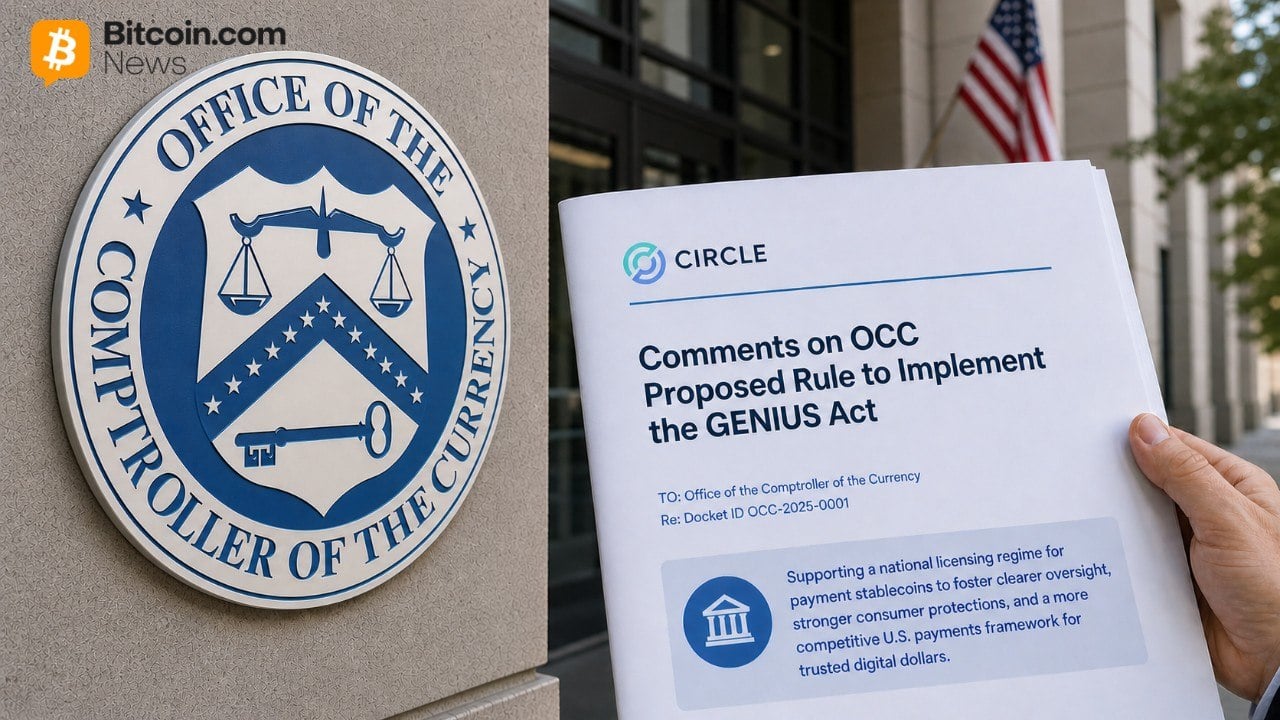
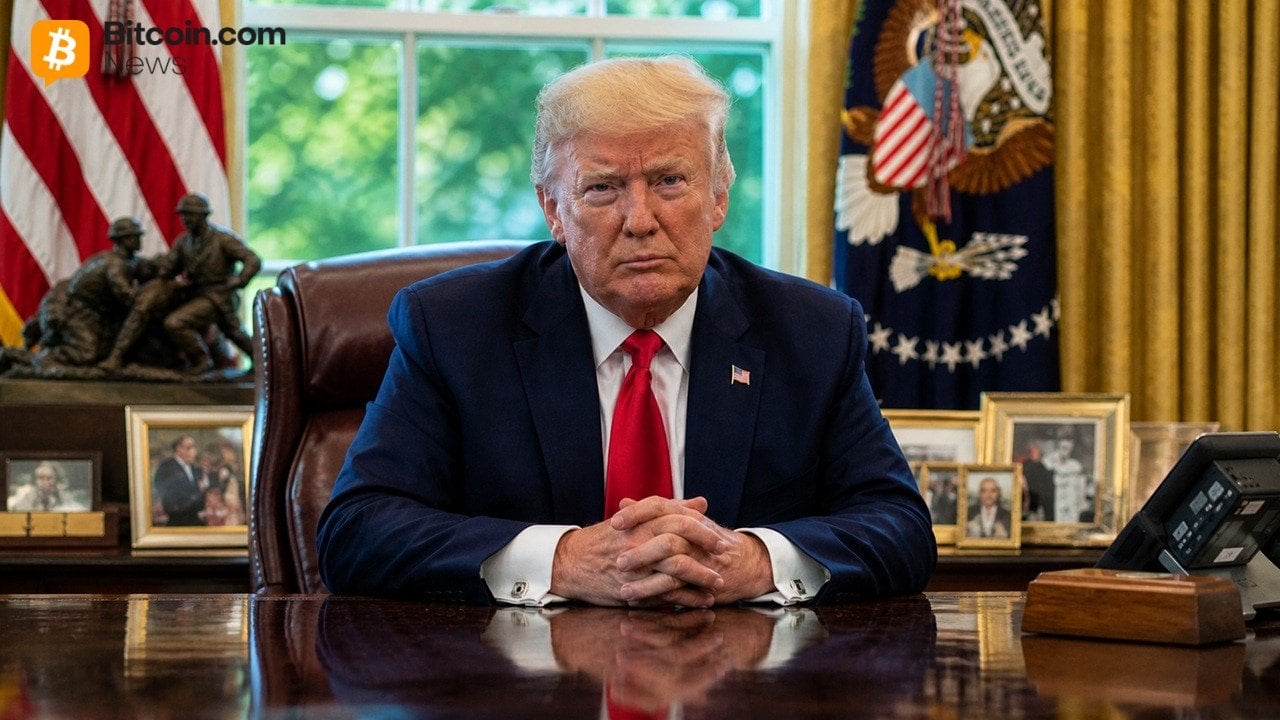
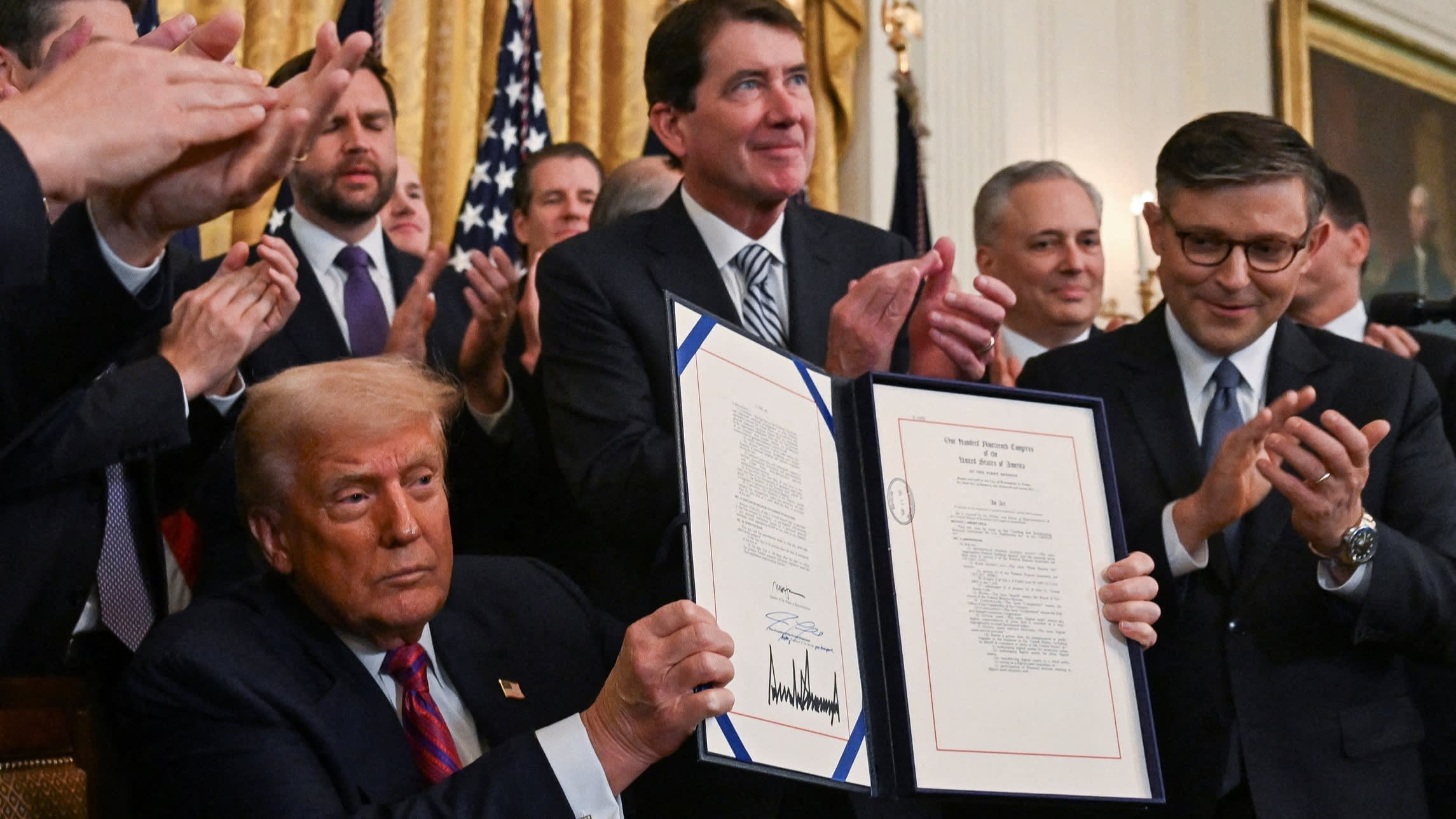
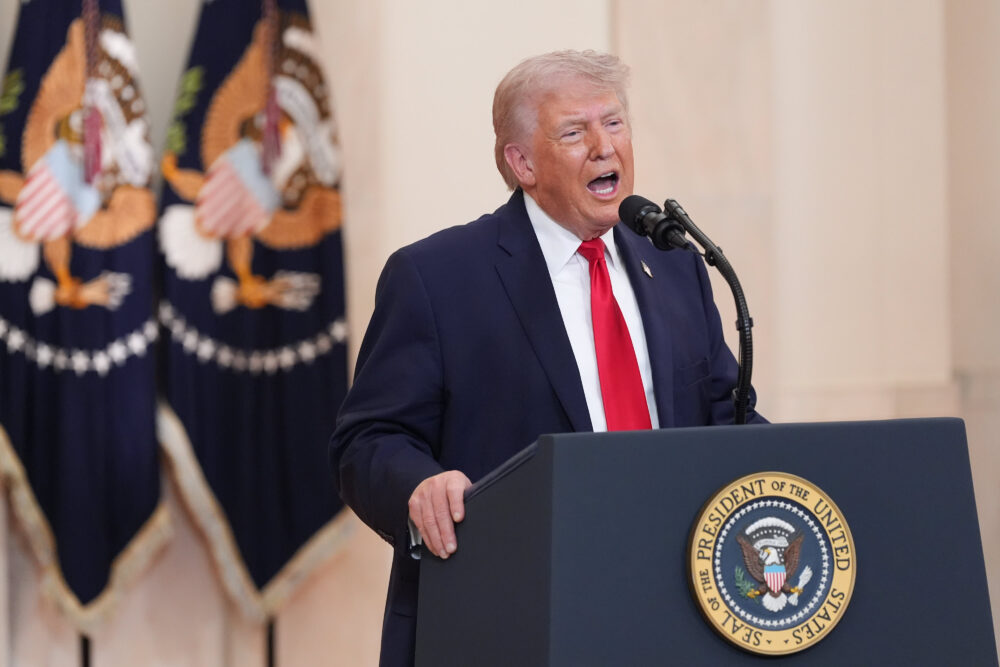
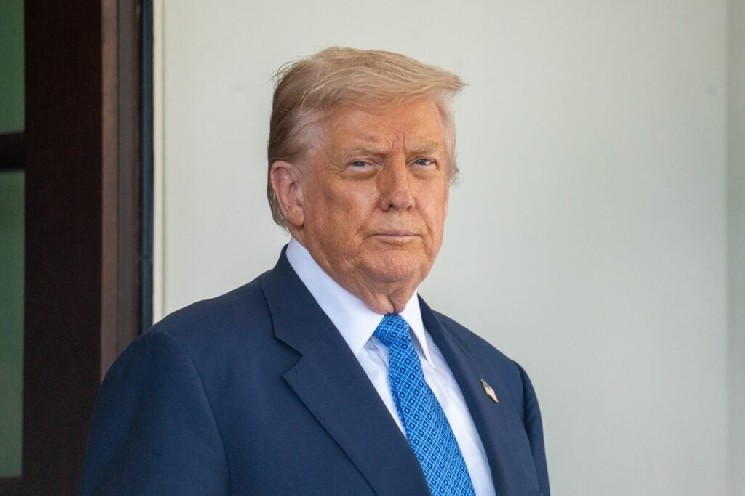
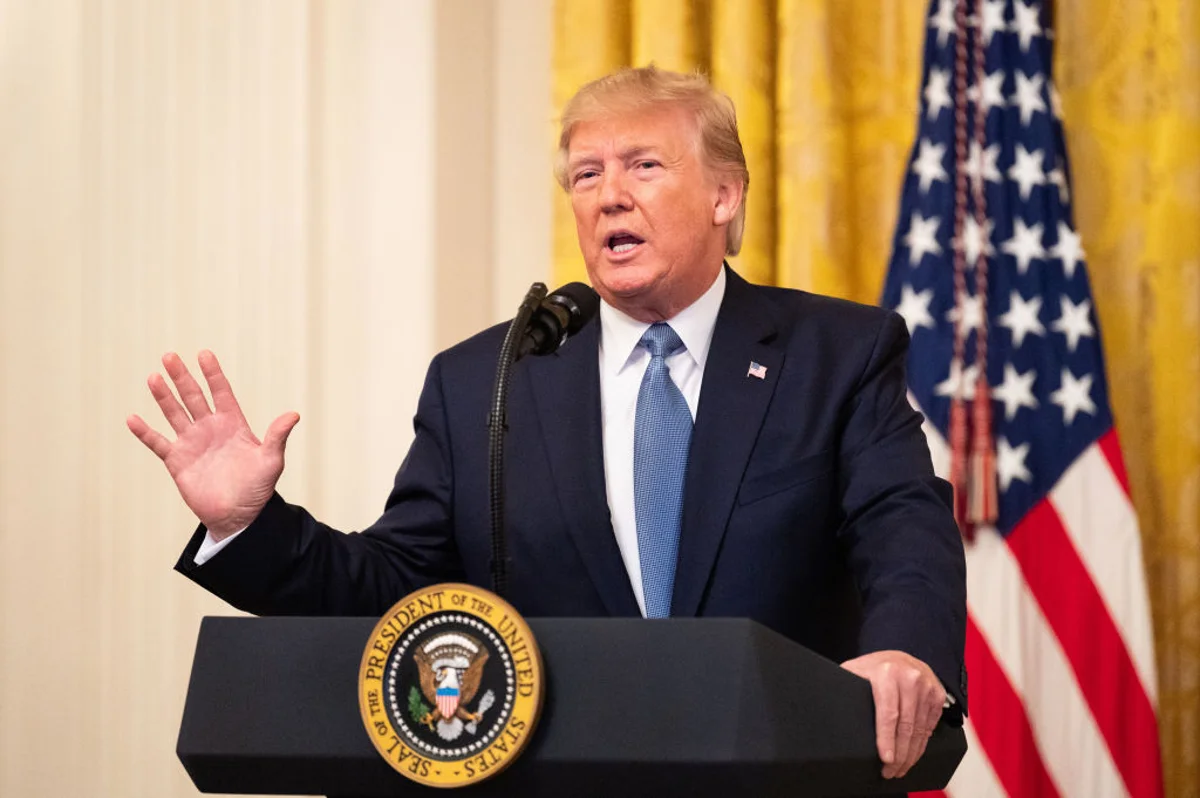
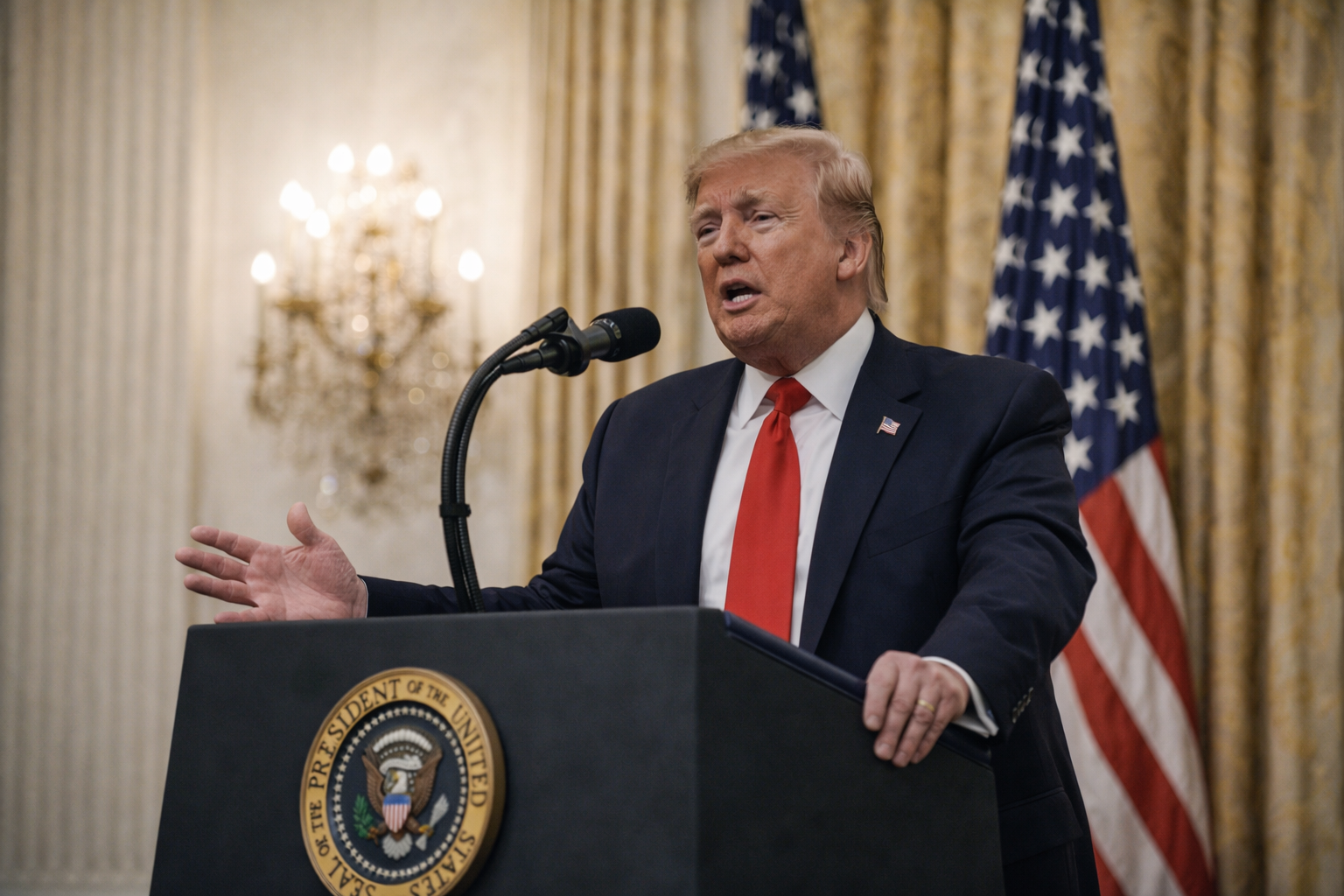
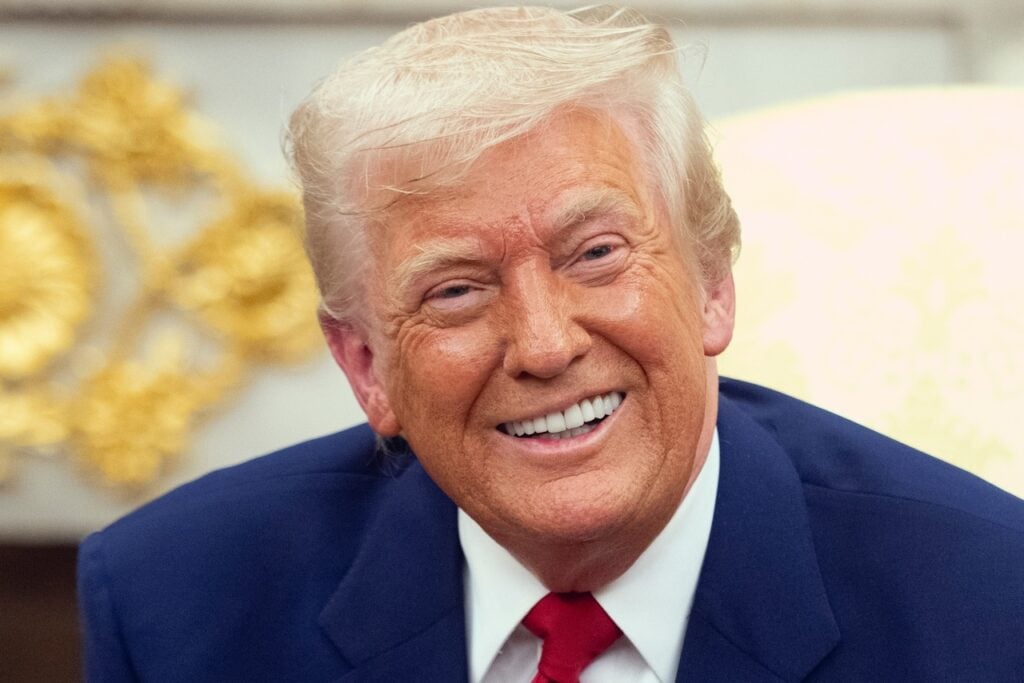
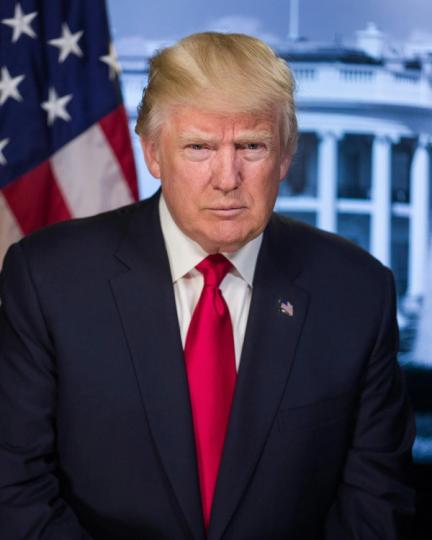
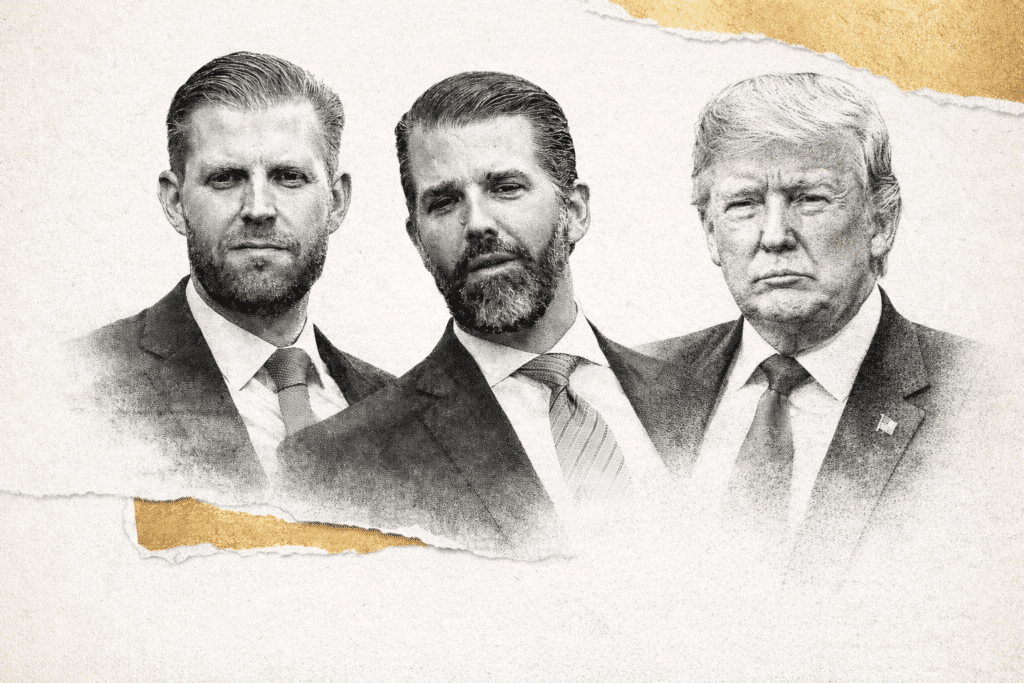
US President Donald Trump has the goal of attracting the crypto industry to the US and has promoted the use of stablecoins through the GENIUS Act, which gave a regulatory framework to stablecoin issuers.
Other regulators are looking into greater oversight and control of stablecoins compared to the US, seeing them as a lighter-regulated alternative to the banking system that could impose systemic risks.
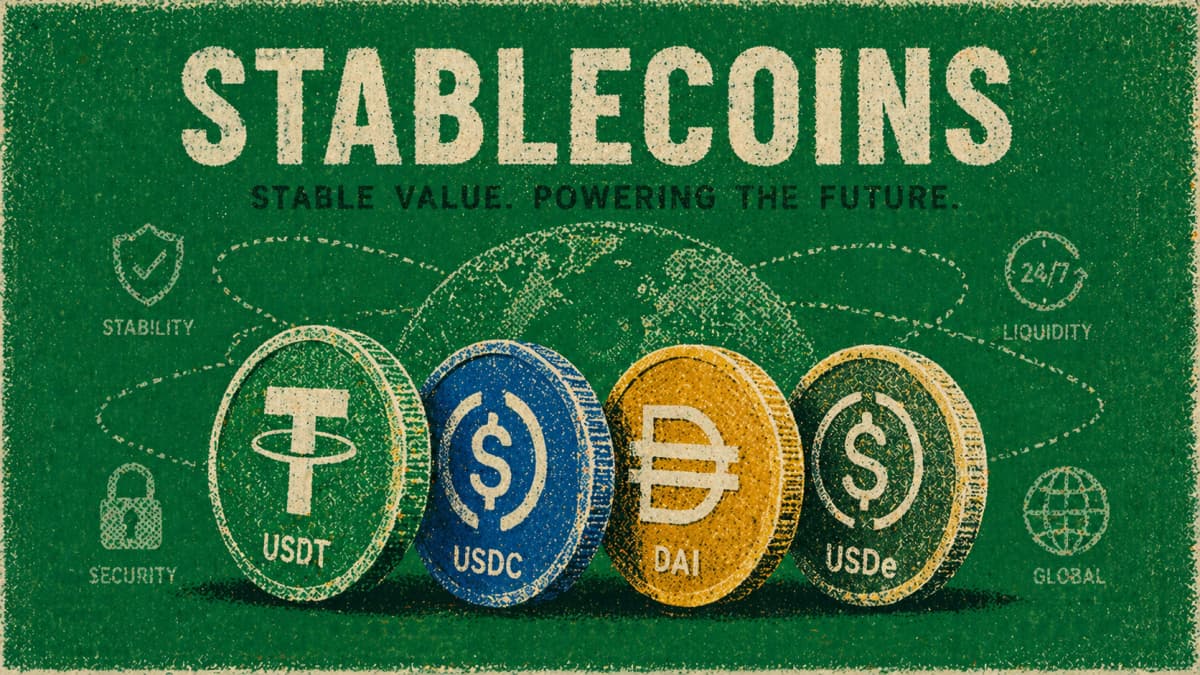
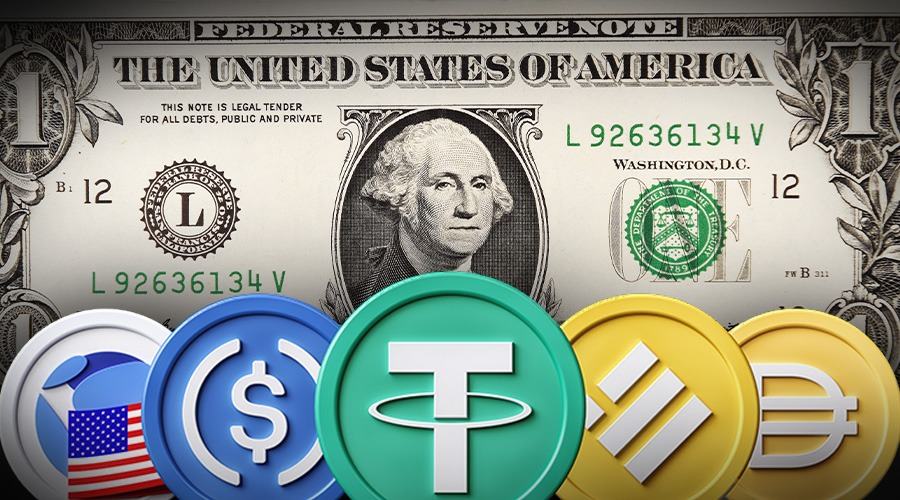
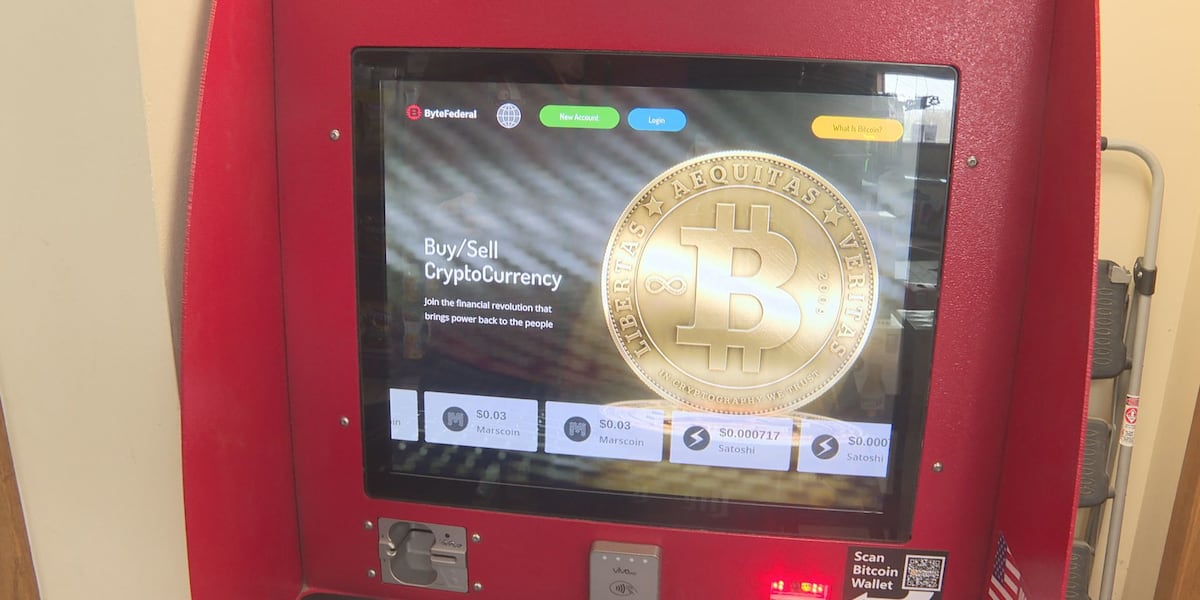
The stablecoin market is currently valued at more than $317 billion, according to CoinGecko, with the largest stablecoins by market capitalization dominated by tokens pegged to the US dollar, most of which use US Treasury bills and US dollars as backing assets.
Bailey, who chairs the Financial Stability Board, an international body that aims to coordinate regulation, said he sees stablecoins as a potential threat to financial stability.
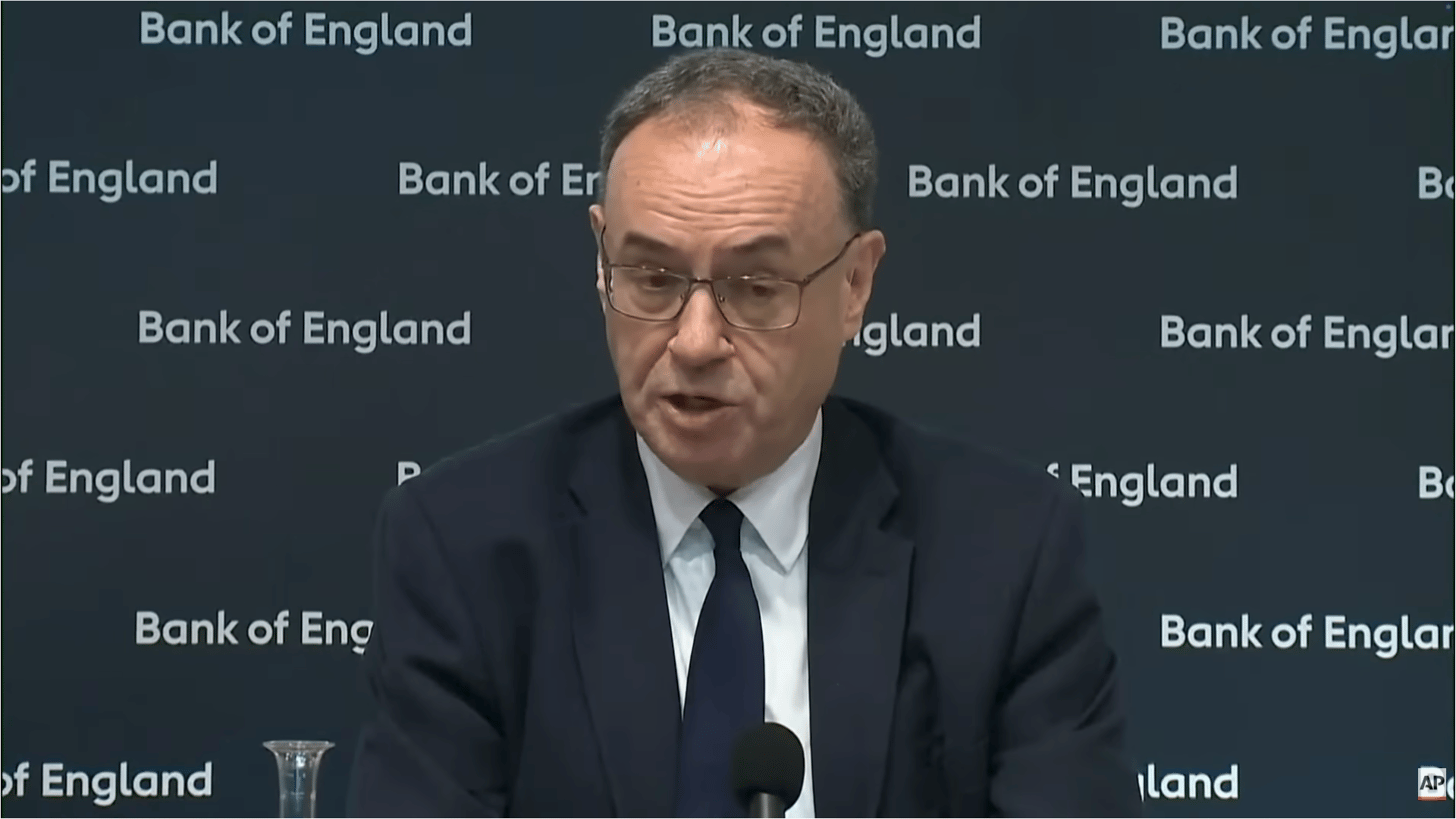
Andrew Bailey at a press conference in February after a meeting of the Bank of England’s Monetary Policy Committee on interest rates. Source: YouTube
Bailey added that he was concerned some stablecoins could not be readily converted to cash without the use of a crypto exchange, which could limit their convertibility in changing market conditions.
He said if stablecoins are widely used for cross-border payments, then the US dollar tokens that are hard to convert could flow to other countries, like the UK, which is planning to have strong laws around converting stablecoins.
“We know what would happen if there was a run on a stablecoin; they’d all turn up here,” Bailey said.
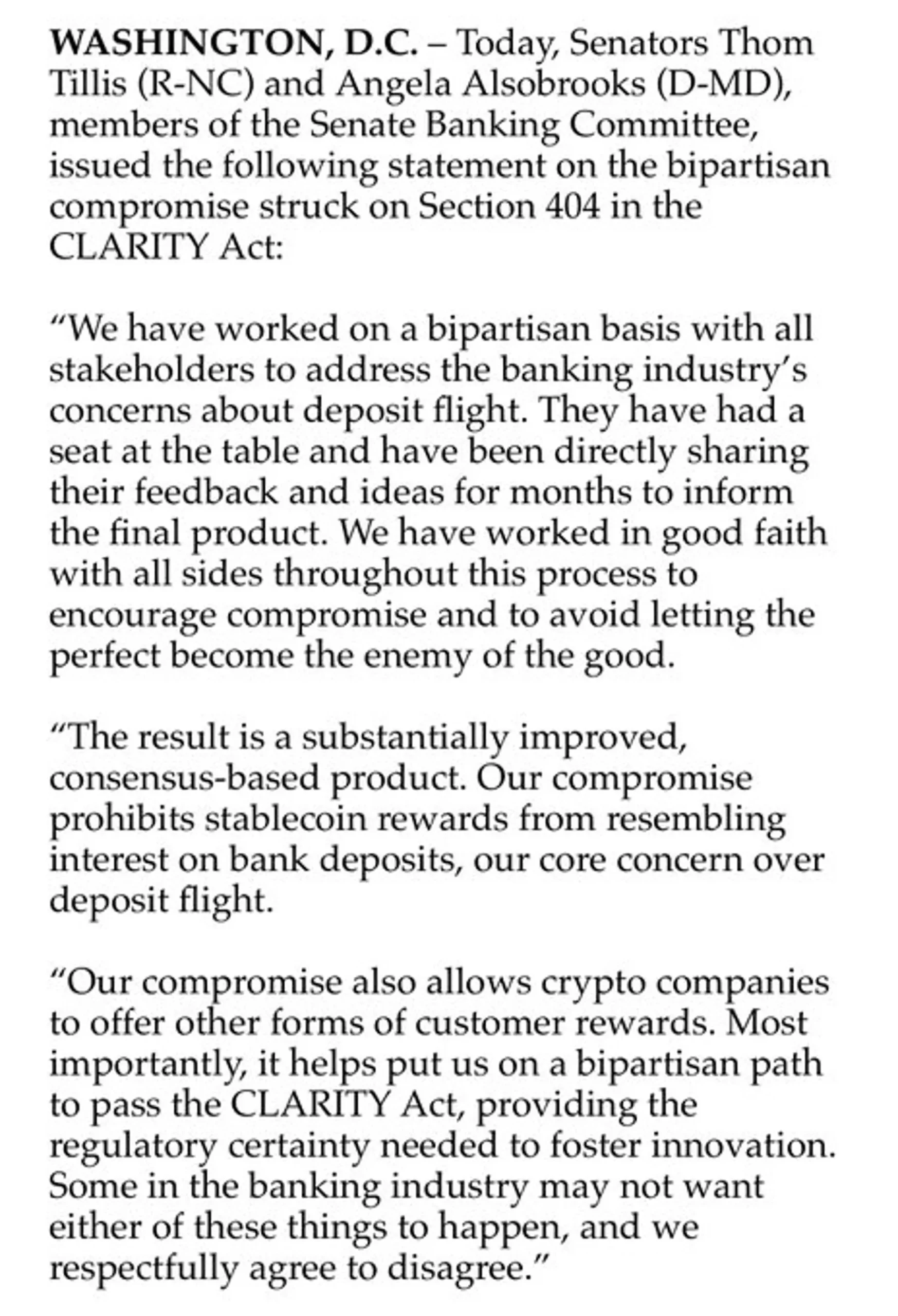
US banking groups have raised similar concerns about stablecoins with Congress and have pushed for a Senate crypto market structure bill to include a ban on third-party platforms, such as crypto exchanges, offering yield payments on stablecoins.
Crypto and banking groups failed to come to an agreement on the ban after months of negotiations, and the latest version of the bill, released earlier this month, prohibits stablecoin rewards on idle balances while allowing crypto platforms to “offer other forms of customer rewards.”
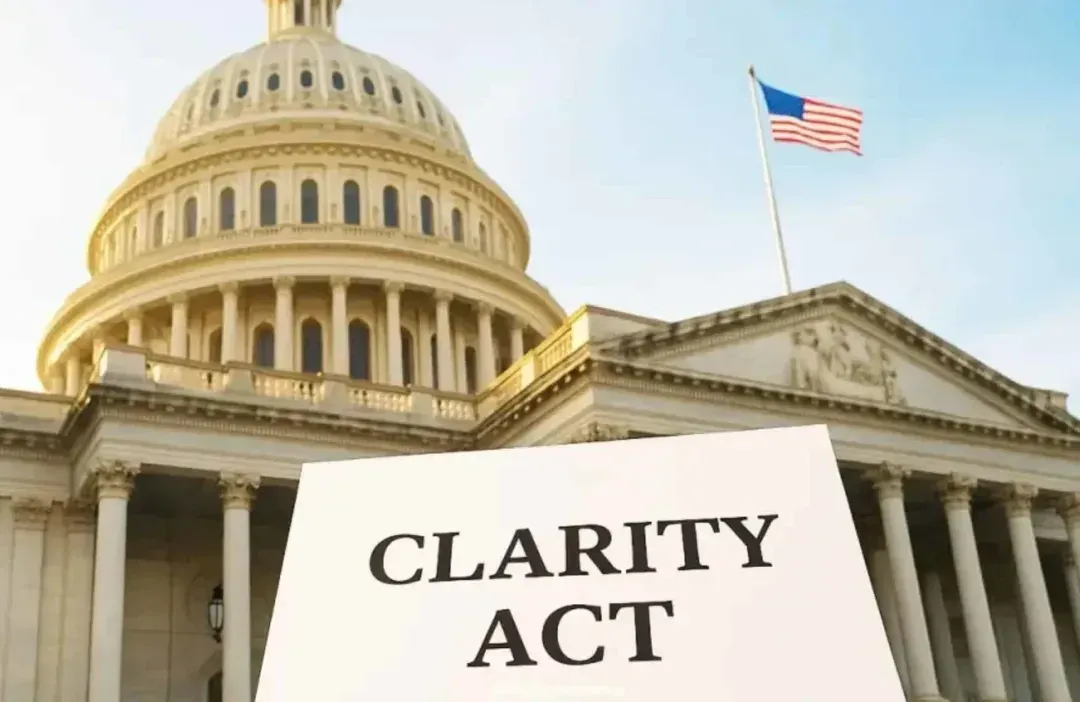
The Senate Banking Committee, which indefinitely postponed a vote on advancing the bill in January, has scheduled a markup of the bill on Thursday.