- May 11, 2026
- Olivia
- 0
Washington has decided that stablecoins are too significant, economically and systemically, to remain outside the regulatory perimeter. Now comes the rulemaking.
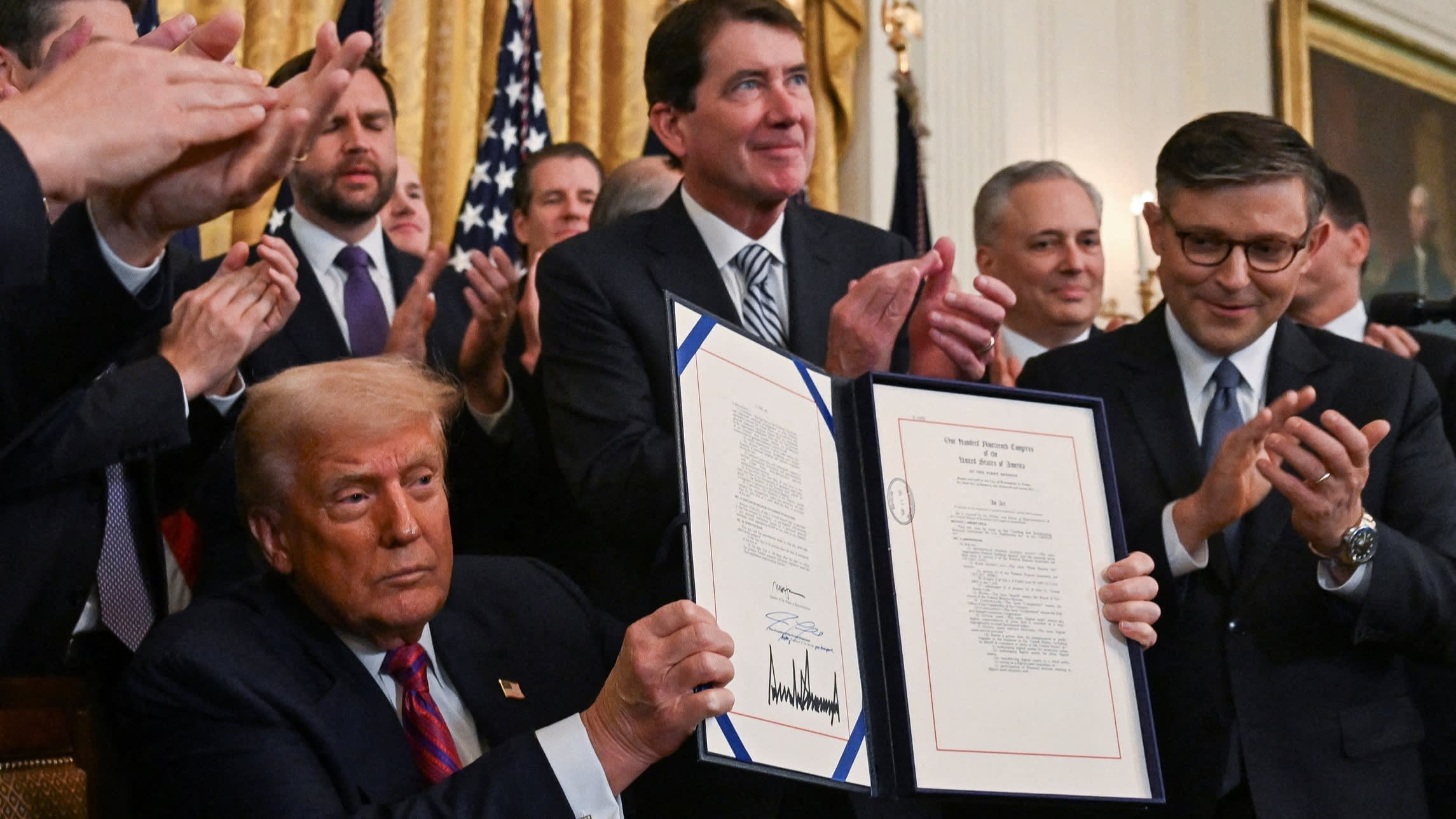
With the GENIUS Act’s first anniversary arriving and being signed into law this July, U.S. in full implementation mode. The clock is running.
The Federal Deposit Insurance Corporation’s (FDIC) proposed rule ties stablecoin issuance directly to reserve integrity, liquidity discipline and custodial oversight. Comments close early next month.
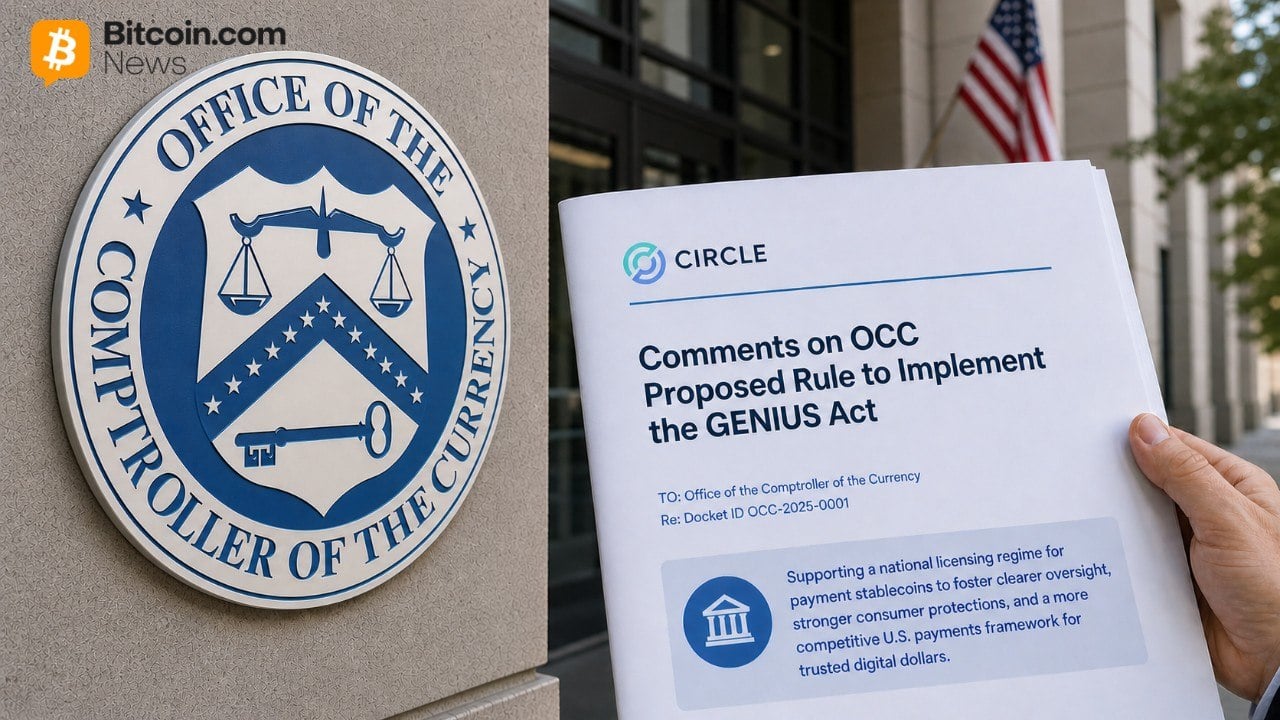
The Office of the Comptroller of the Currency (OCC), meanwhile, is building a full prudential framework for stablecoin issuers.
Read together, the two frameworks reveal an emerging division of regulatory labor. The OCC is positioning itself as the primary prudential supervisor for stablecoin issuers, particularly federally chartered entities. The FDIC is staking its claim as the guardian of deposit insurance integrity and bank balance-sheet stability as tokenized finance expands.
See also: Stablecoin Pilots Keep Stalling on the Road to Scale
Advertisement: Scroll to Continue
The OCC’s Expansive Vision for Digital Dollars
Washington wants stablecoins to become legitimate financial infrastructure. But it also wants that infrastructure to resemble banking far more than Silicon Valley. The PYMNTS Intelligence and Citi report “Chain Reaction: Regulatory Clarity as the Catalyst for Blockchain Adoption“ found that blockchain’s next leap will be shaped by regulation.
The GENIUS Act leaves a critical implementation challenge unresolved: How aggressively should agencies supervise issuers that are not traditional banks? That question sits at the center of both the FDIC and OCC proposals.
The OCC moved first and proposed the more comprehensive framework. Its rules apply not only to bank subsidiaries but also to federally qualified nonbank stablecoin issuers, placing the agency at the center of a potentially enormous new supervisory regime.
And the regime truly is beginning to stretch at the edges. PYMNTS has covered how a trust charter from the OCC is becoming the equivalent of a golden ticket across the digital asset space. As recently as Friday (May 8), Payward, the crypto exchange Kraken’s parent company, applied for a national trust bank charter to form Payward National Trust Company, a federally regulated entity aimed at providing digital-asset custody services to institutional investors. The move would extend Kraken’s U.S. regulatory footprint following the 2020 approval of Kraken Financial’s Wyoming special-purpose depository institution charter and its later access this year to a Federal Reserve master account, bolstering the firm’s regulated custody operations.
But the OCC proposal reads less like a crypto policy document and more like a modernized banking manual. It establishes standards for reserves, liquidity, redemption rights, audits, governance, reporting obligations and operational resilience. The proposal would also require weekly confidential reporting on issuance activity, reserve composition, trading behavior and redemption metrics.
See also: Stablecoins’ Shadow FX Market Is Becoming a Corporate Treasury Issue
The FDIC’s More Targeted Approach
The FDIC proposal overlaps heavily with the OCC framework but takes a narrower institutional view. Rather than creating a broad supervisory architecture for all stablecoin issuers, the FDIC focuses primarily on FDIC-supervised institutions and custodial arrangements.
Growing corporate interest in stablecoins, for example, is apparent in “Stablecoins Gain Ground: Why CFOs See More Promise There Than in Crypto,” a March PYMNTS Intelligence data book that tracks how middle market finance leaders are evaluating digital assets.
Most notably, the FDIC clarified that reserves backing payment stablecoins would not receive pass-through deposit insurance protection for stablecoin holders. Regulators are attempting to encourage adoption while simultaneously preventing users from confusing stablecoins with insured cash accounts. In practice, that means users holding stablecoins should not assume the same protections they receive with conventional bank deposits.
The FDIC proposal also addresses tokenized deposits, indicating that if a tokenized liability satisfies the statutory definition of a deposit, it should receive equivalent treatment under existing banking law. That provision may ultimately prove more transformative than the stablecoin rules themselves. Large financial institutions increasingly view tokenized deposits and not privately issued stablecoins as the long-term bridge between traditional banking and blockchain-based finance. The FDIC may effectively be preparing for a future in which regulated banks issue programmable deposits directly onto digital ledgers.
See also: Treasury Calls for Programmable Financial Enforcement Across Crypto
The Future of Digital Dollars
The agencies also diverge in their treatment of innovation pathways. The OCC has proved itself to be more willing to accommodate federally chartered nonbank stablecoin issuers under a dedicated supervisory structure. That creates a pathway for FinTech-native firms to operate nationally under federal oversight. The FDIC is comparatively cautious and channels activity more directly through traditional insured depository institutions.
Another important distinction is how the regulators think about risk transmission. The OCC proposal focuses heavily on real-time liquidity and redemption risk, requiring granular reporting around reserve composition, issuance activity and redemption behavior. This reflects concern that stablecoins could rapidly transmit stress through Treasury markets or payment systems during periods of market instability.
The FDIC, meanwhile, is more focused on legal and institutional boundaries. Its proposal devotes significant attention to whether tokenized liabilities qualify as deposits under existing banking law and how insured banks should custody or administer stablecoin reserves. In other words, the FDIC is primarily protecting the banking perimeter, while the OCC is supervising the stablecoin ecosystem itself.
The deeper competition may no longer concern which stablecoin wins market share. Instead, the real contest could revolve around who controls the infrastructure surrounding stablecoins: custody, settlement, reserve management, payments connectivity and access to Federal Reserve systems.