
Him Gajria steps away from the sector citing burnout and toxicity while data shows retail liquidity for speculative tokens is drying up rapidly.
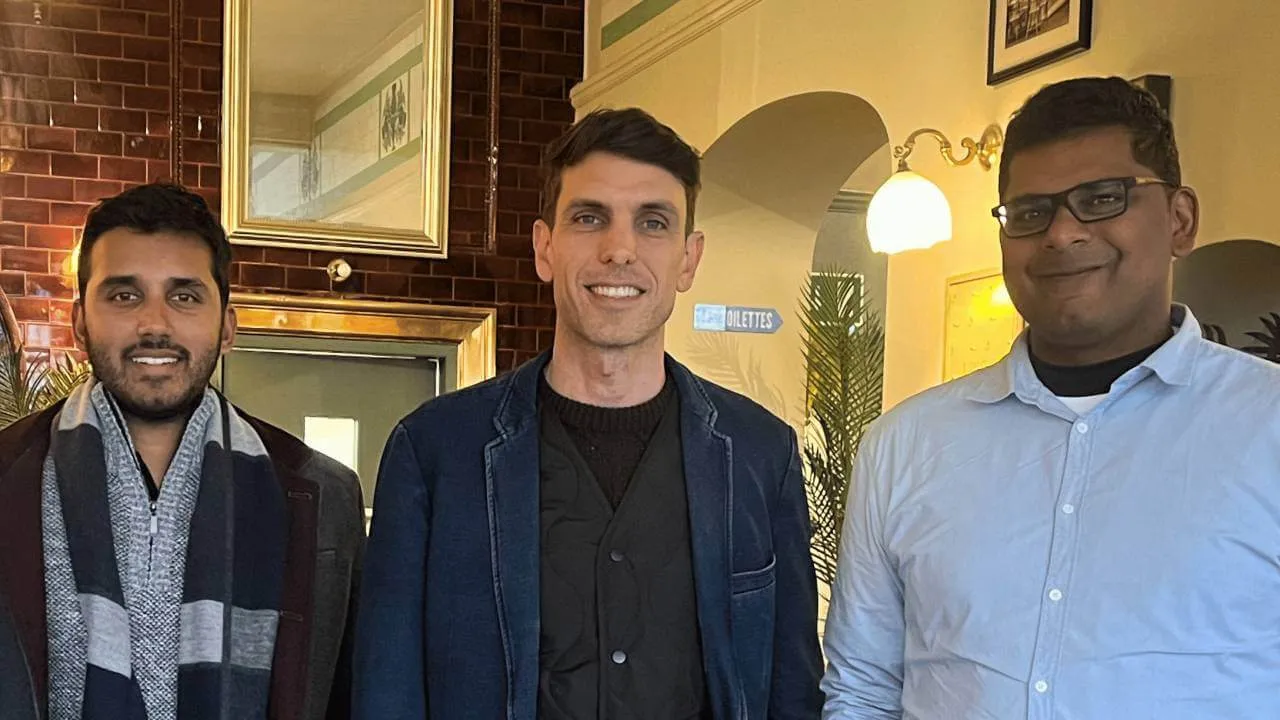
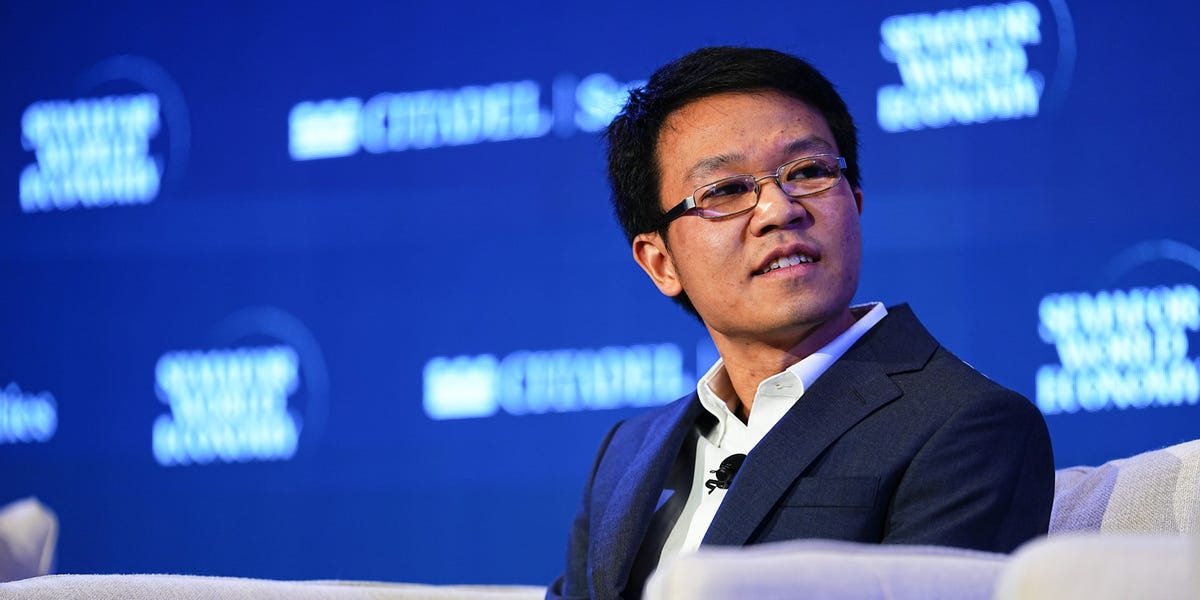
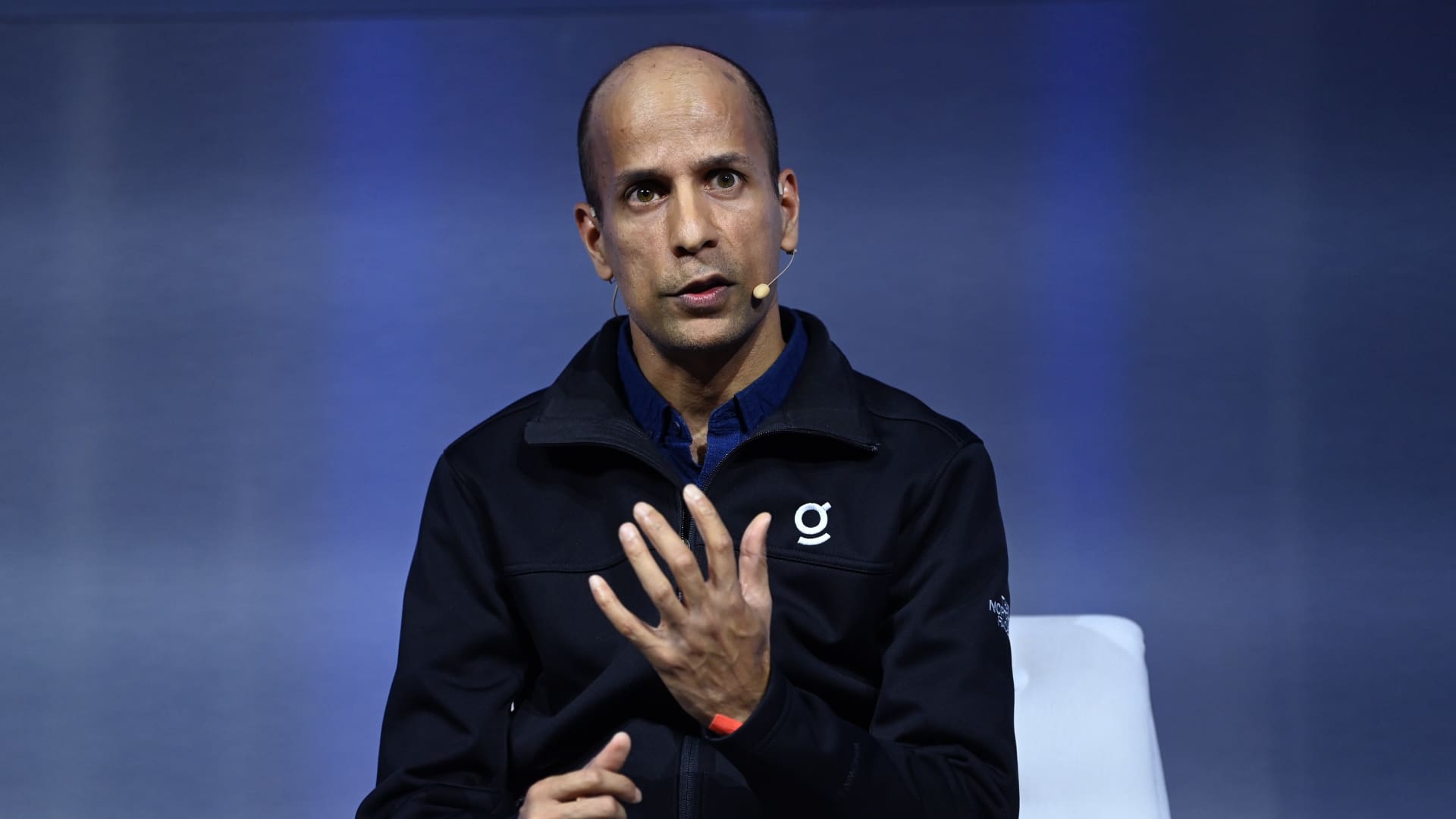
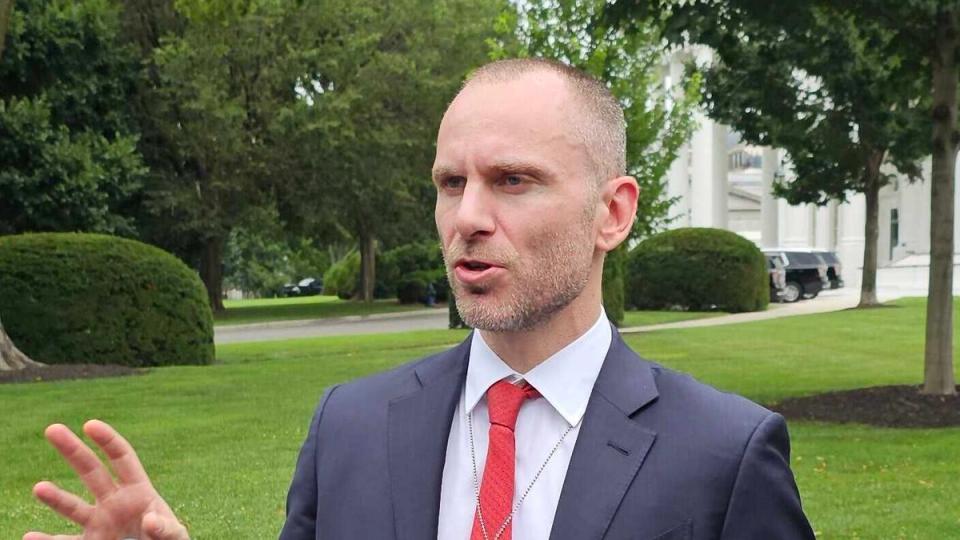
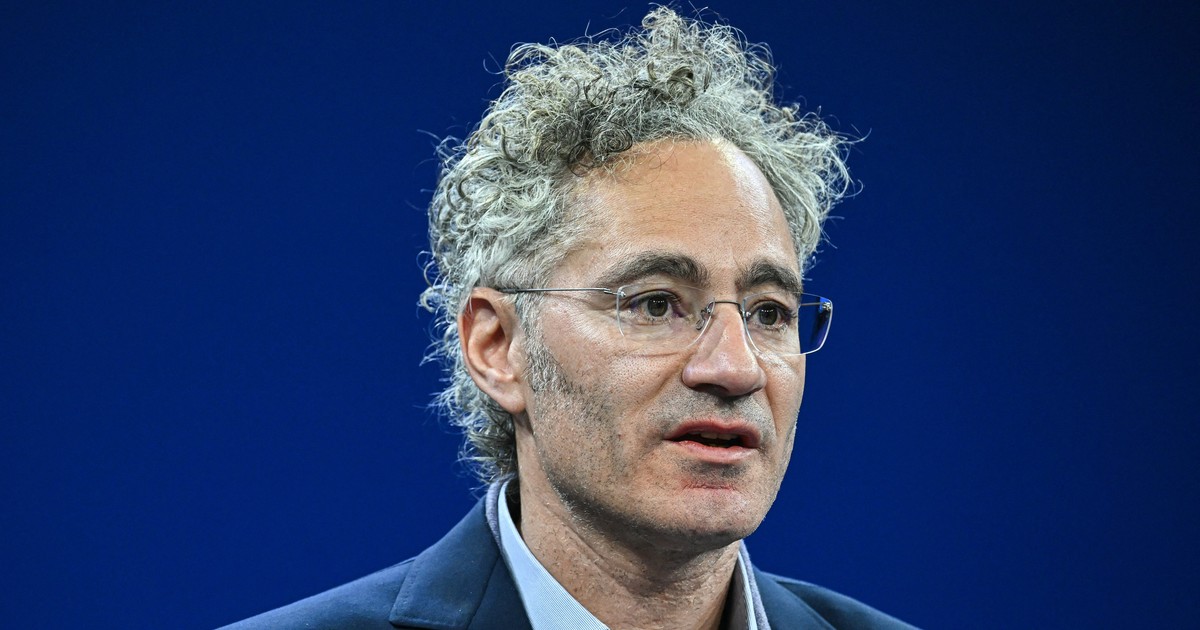
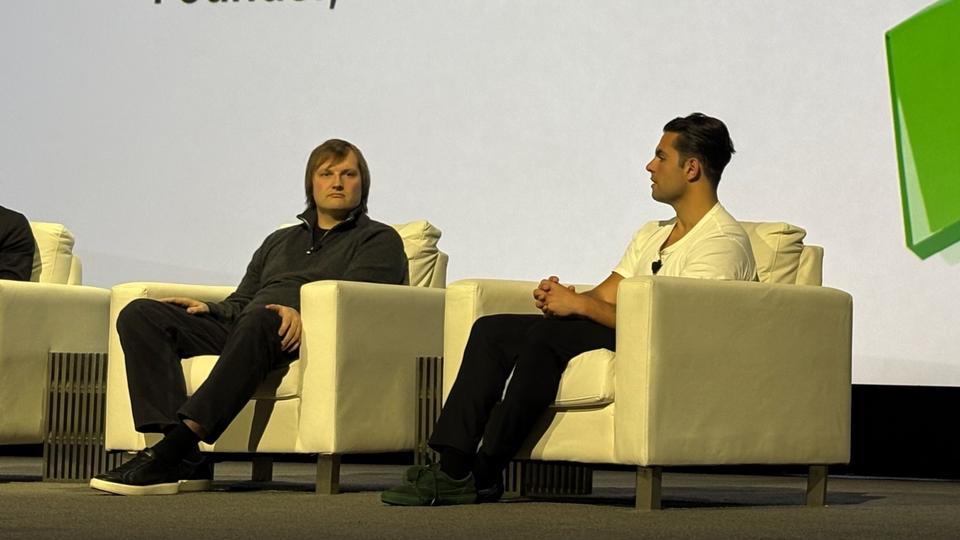
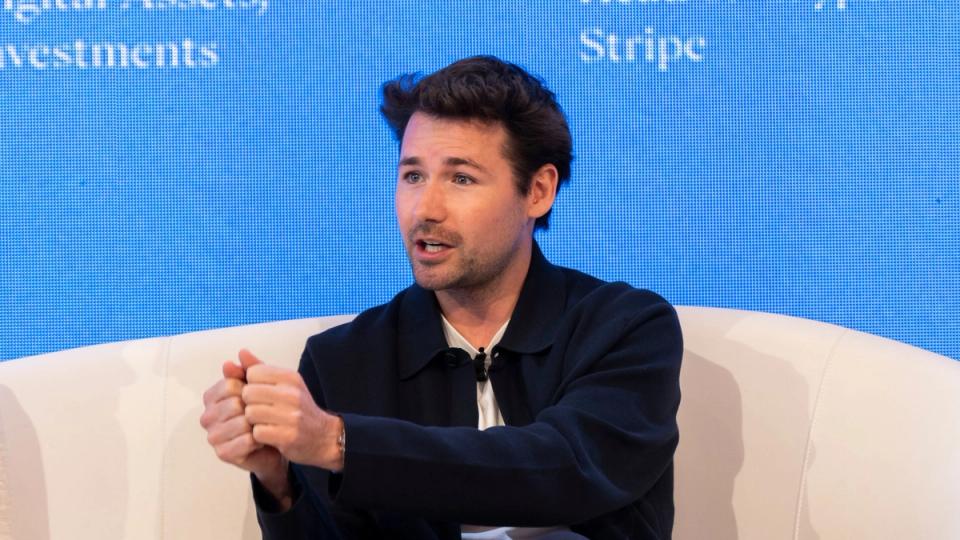
Him Gajria has effectively closed the book on his reign as one of crypto’s most prominent memecoin traders. In a statement posted to X on April 15 titled Closing the Chapter, the trader with over a quarter-million followers announced he would cease all public promotion of speculative tokens. This was not a mere pause for reflection but a definitive retreat from the activity that built his reputation.
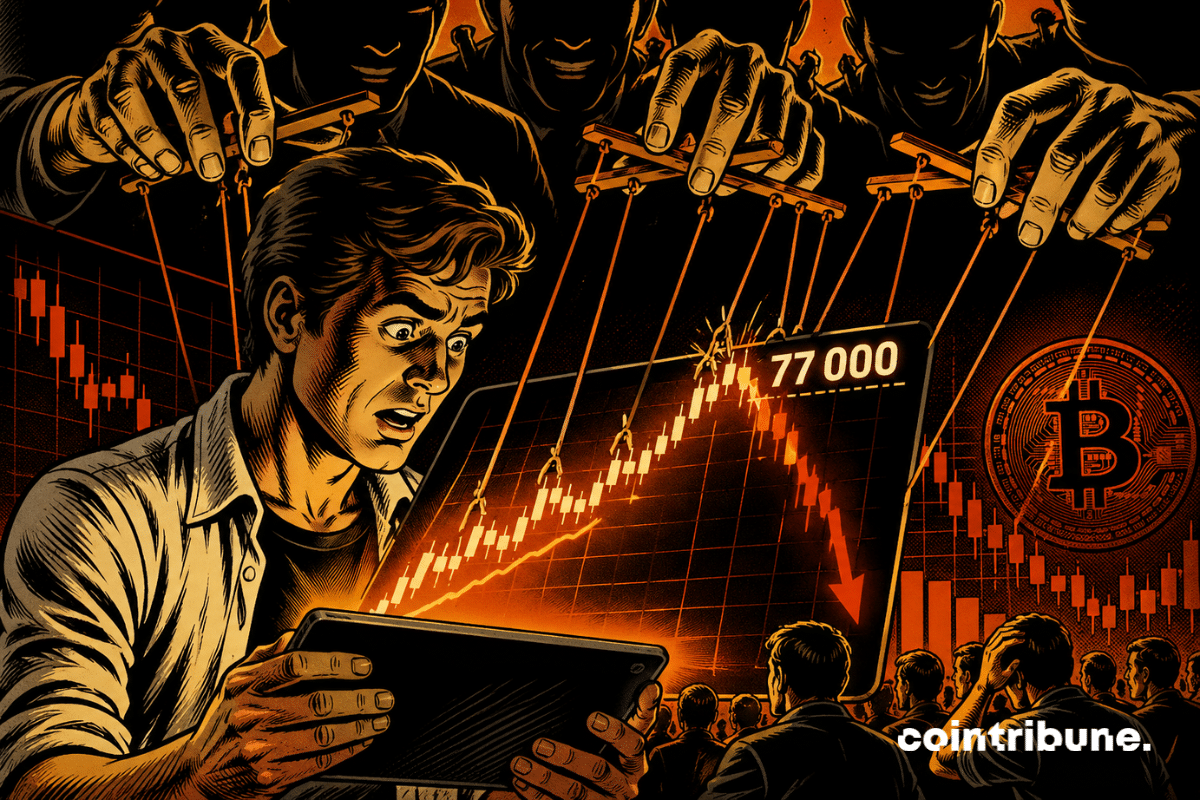
The departure did not happen in a vacuum. Gajria explicitly pointed to burnout and the corrosive nature of crypto Twitter as the primary catalysts for his decision. The platform had become a battleground for him. For months, the sentiment in his replies shifted from admiration to intense scrutiny regarding the performance of his private alpha group. The environment soured to the point where the personal cost of maintaining a public presence outweighed the financial benefits of his trading success.
While regulatory bodies have not filed formal charges, Gajria’s exit follows an eighteen-month period of intense volatility and skepticism. Critics had long alleged that tokens promoted within his paid community suffered from near-instantaneous dumps shortly after his endorsement. These accusations circulated widely in late 2024 and created a lingering shadow over his brand. Even without legal repercussions, the court of public opinion on crypto Twitter can be exhausting, and the need to constantly defend his track record likely contributed to the fatigue he described in his announcement.
Market Data Suggests a Top
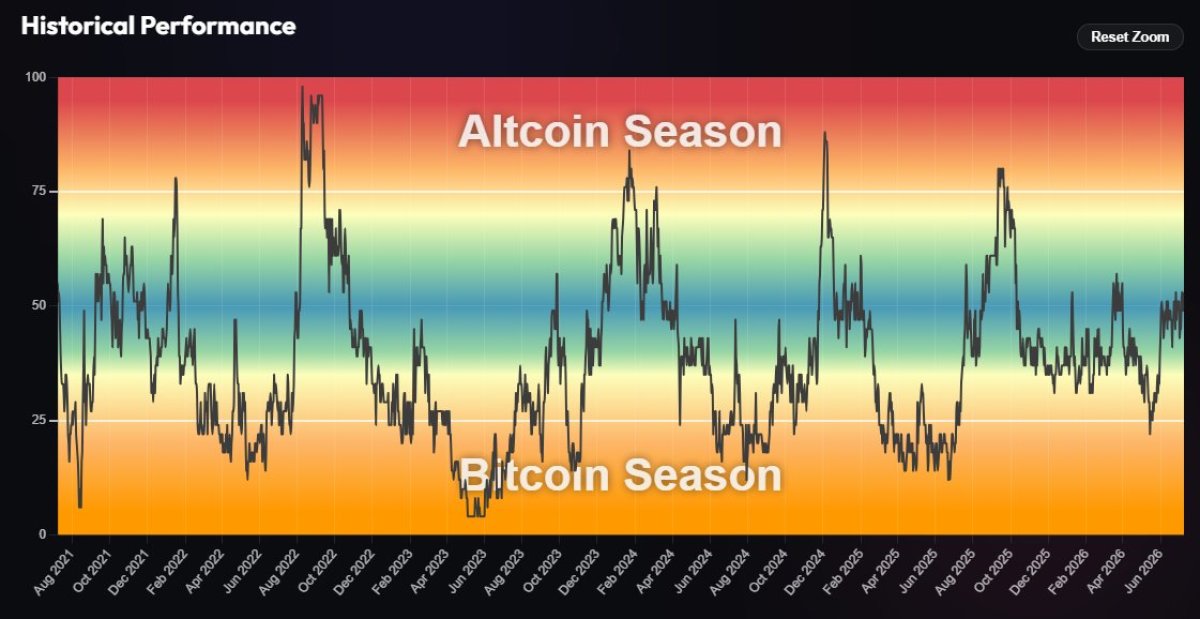
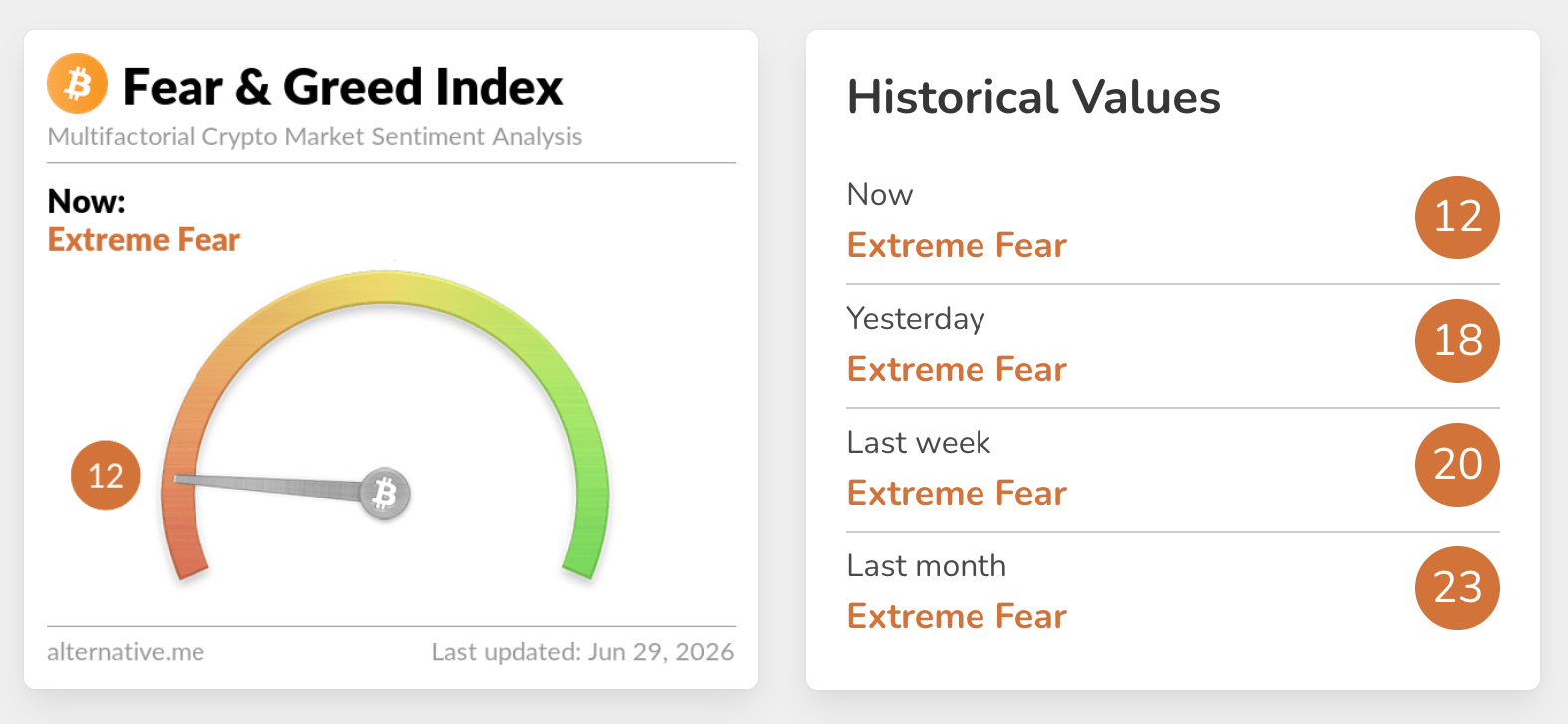
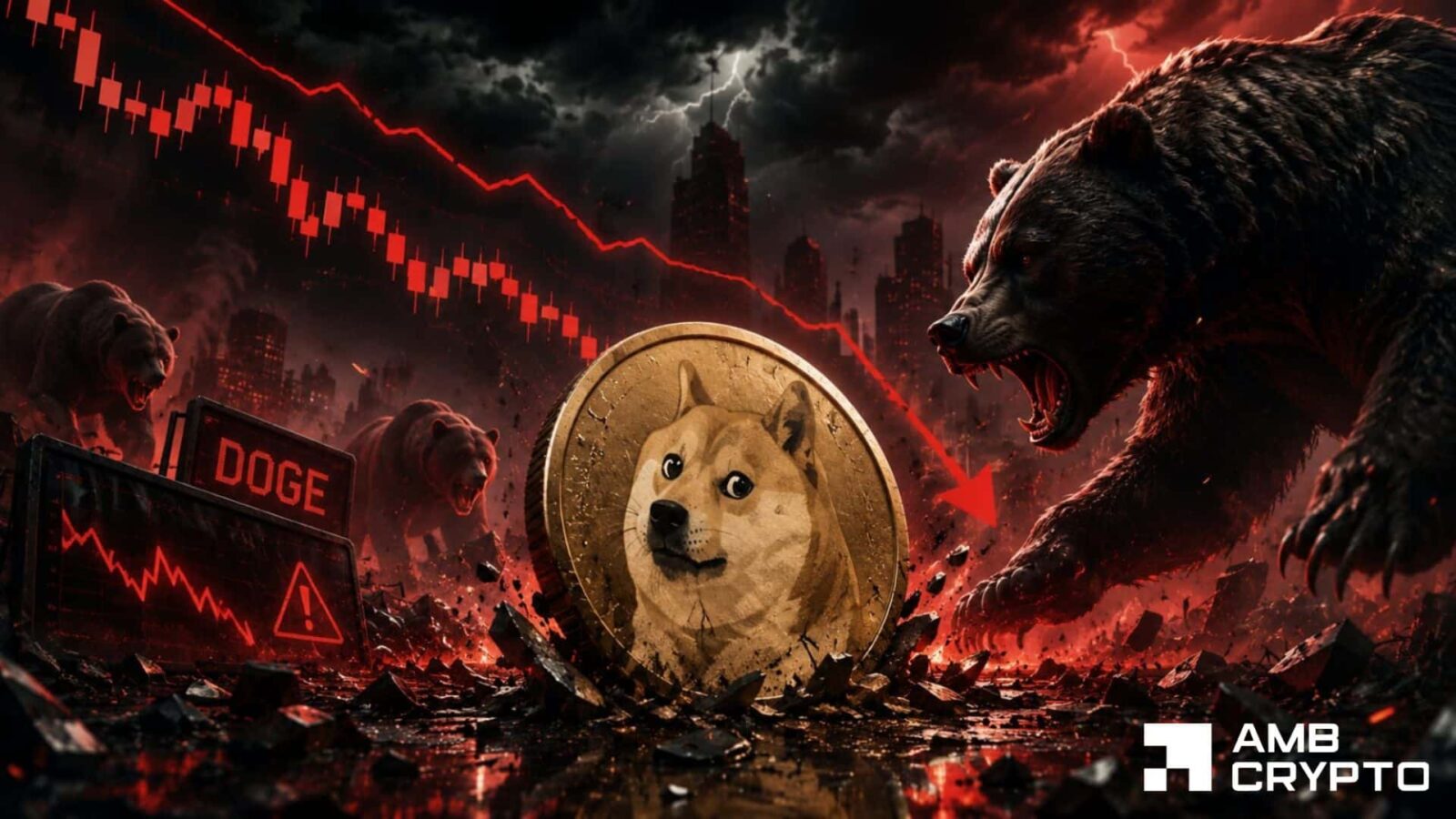
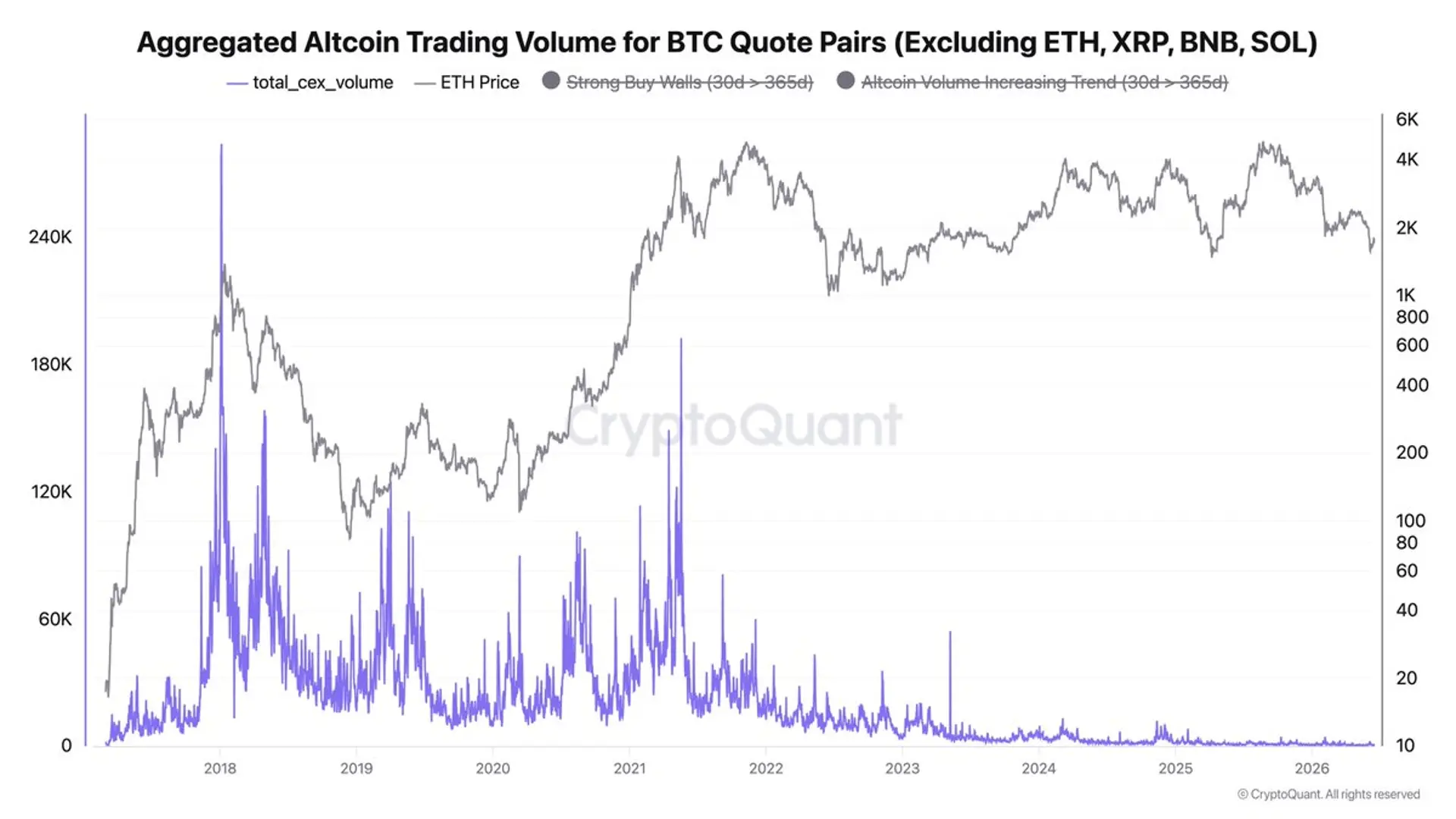
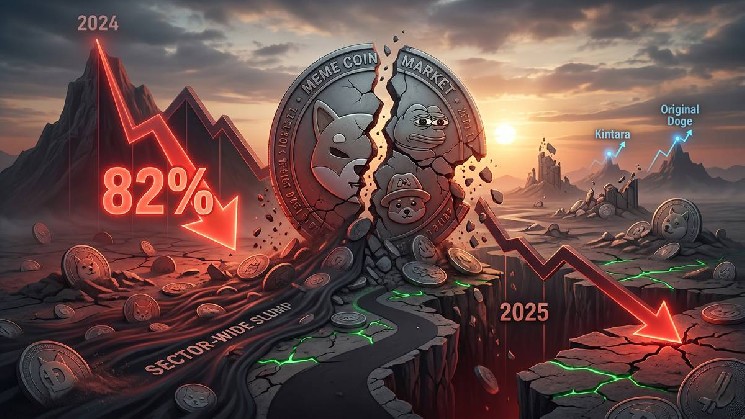
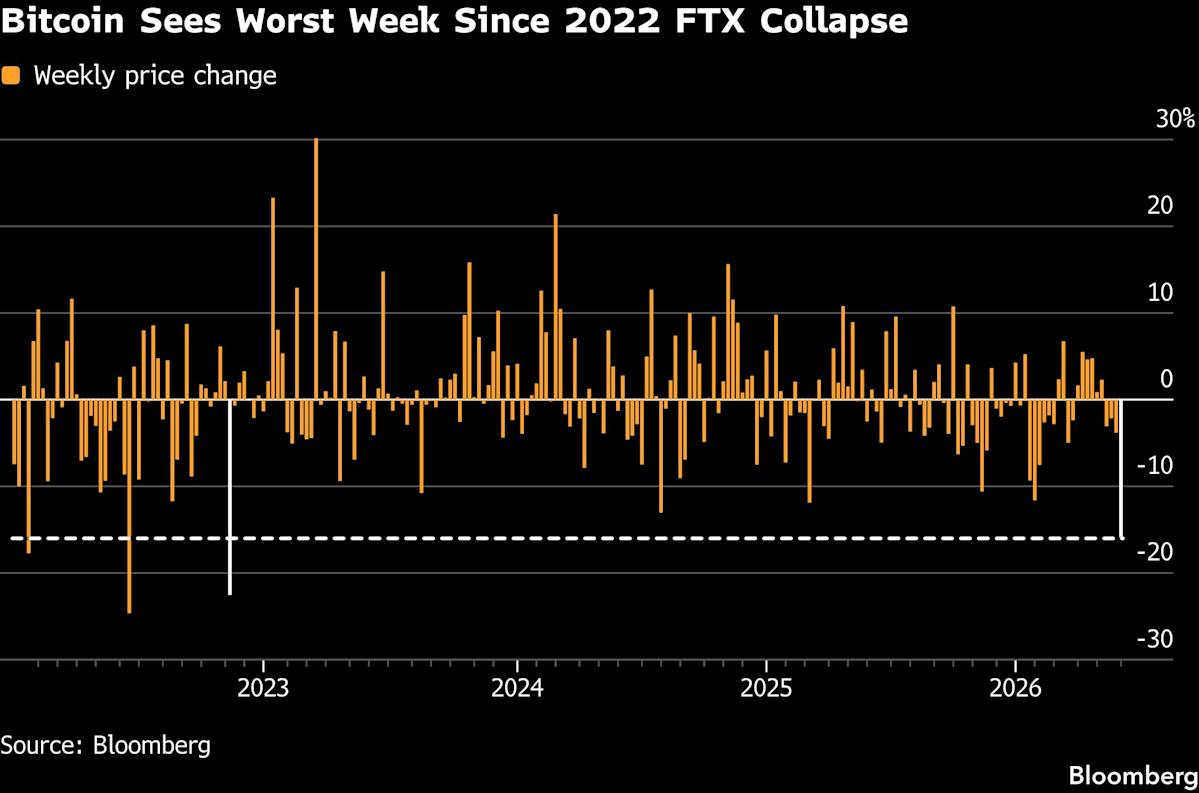
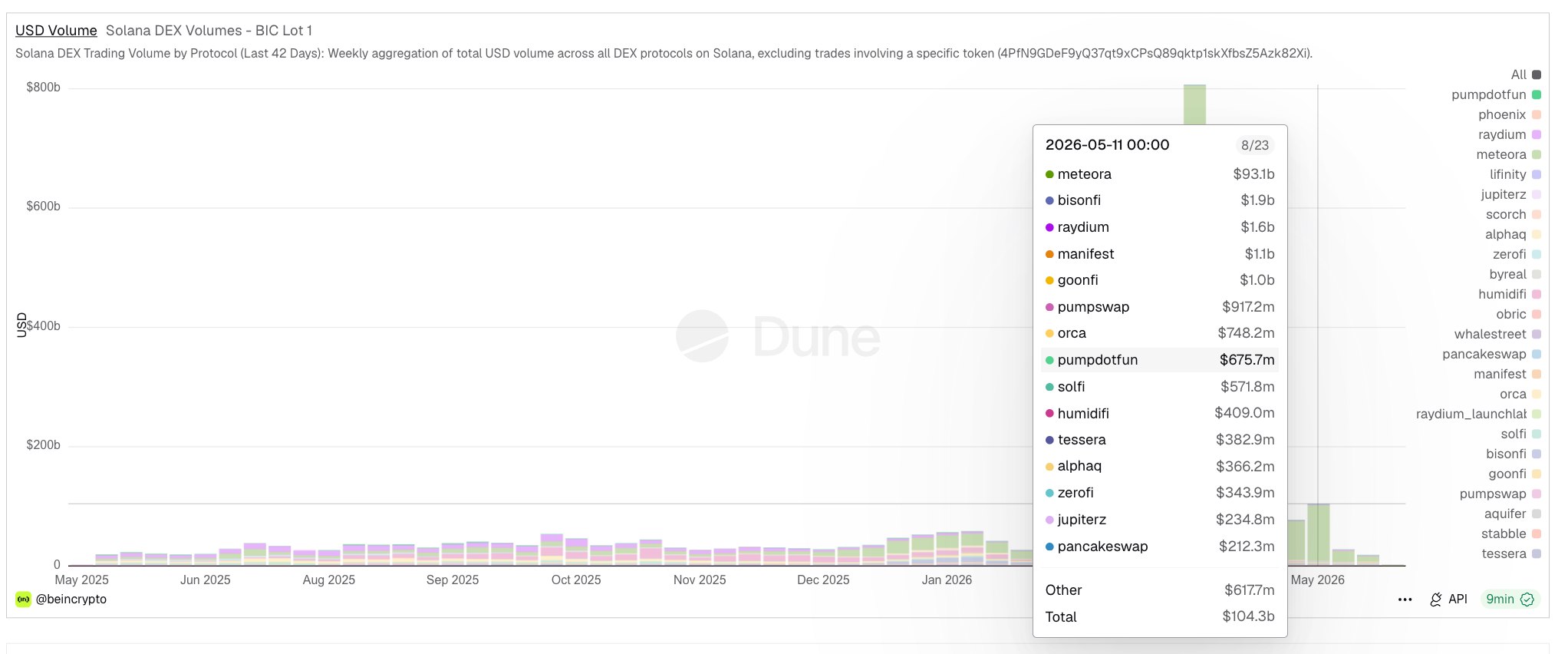
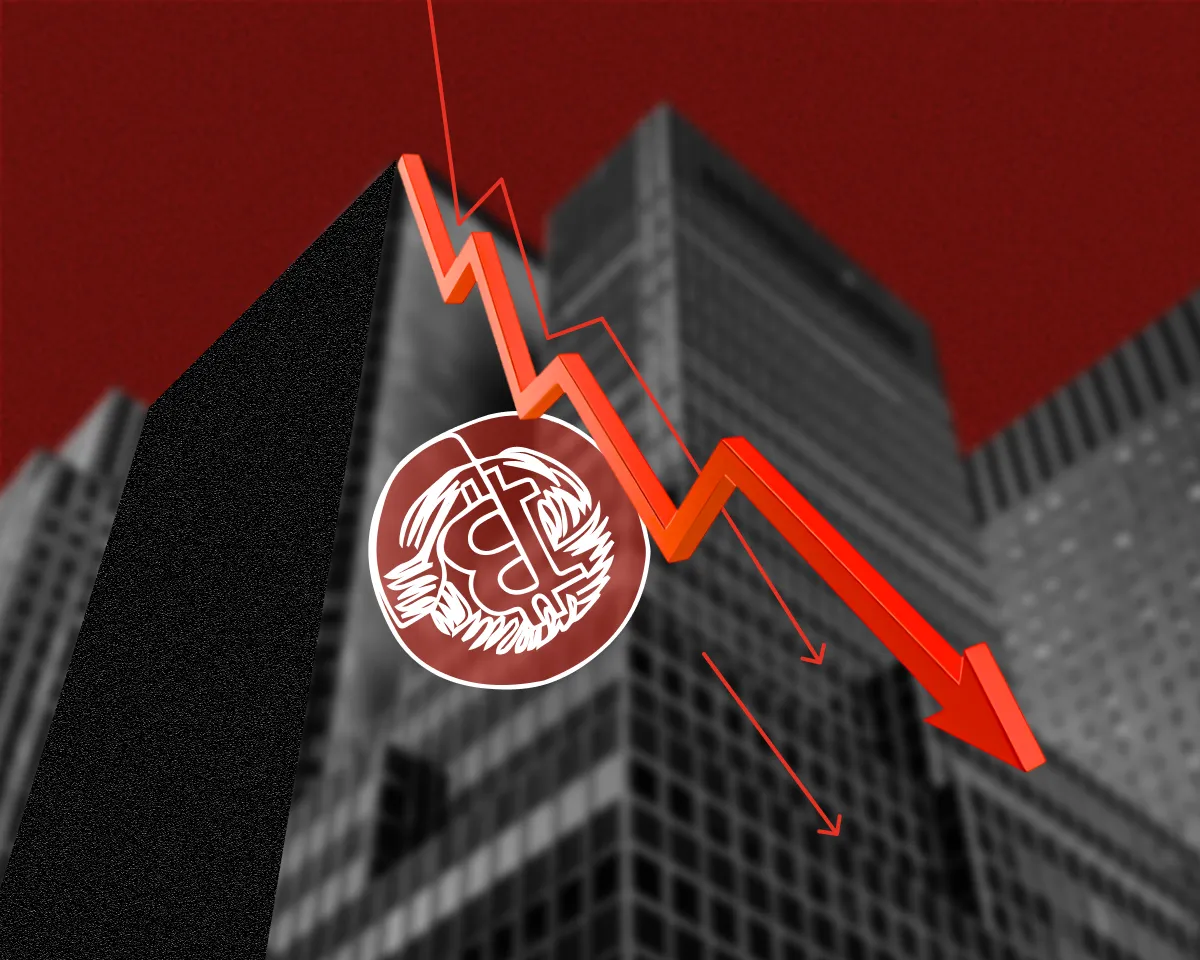
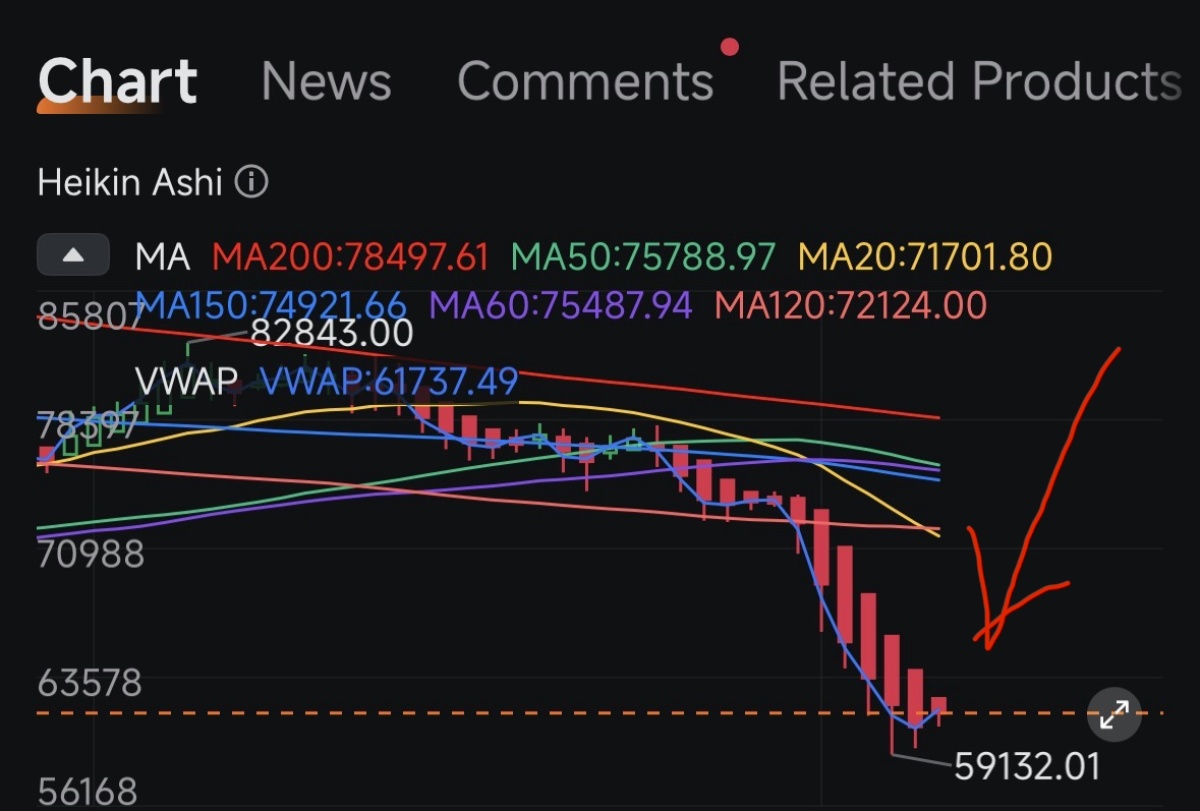
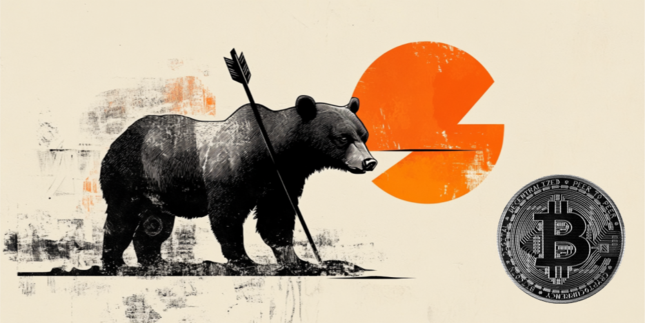
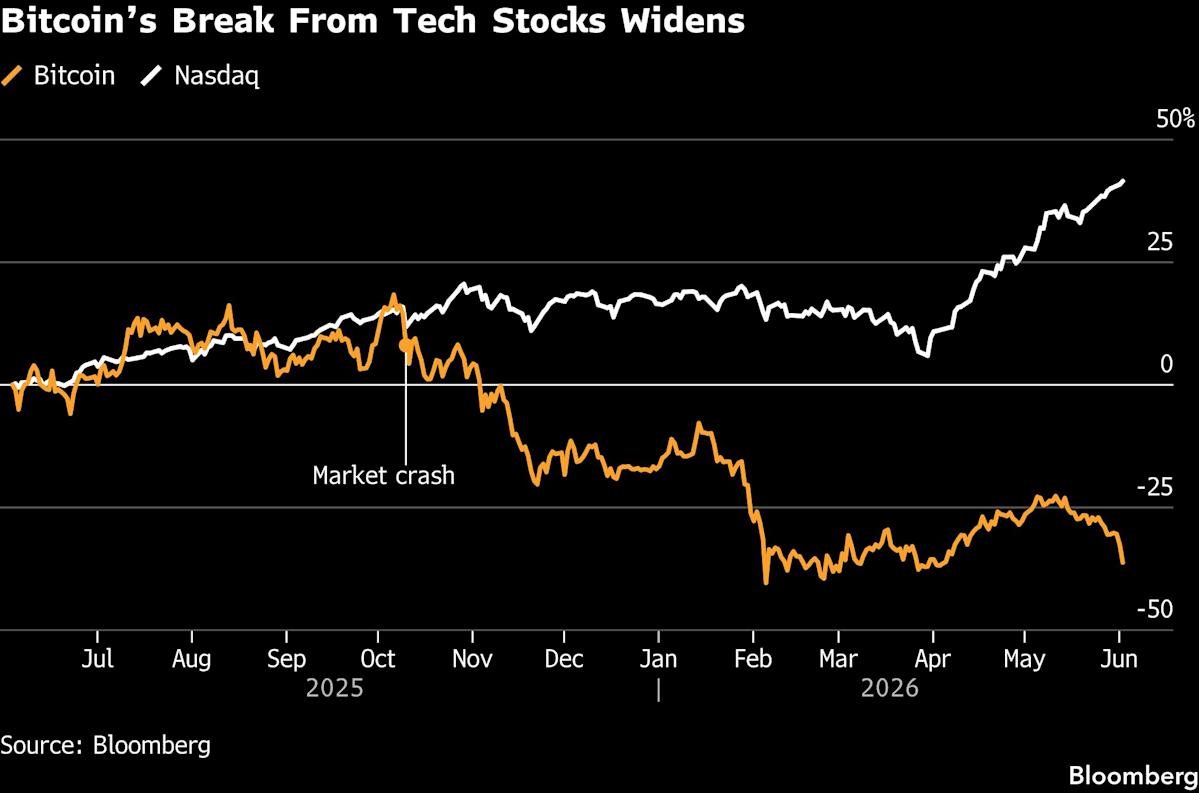
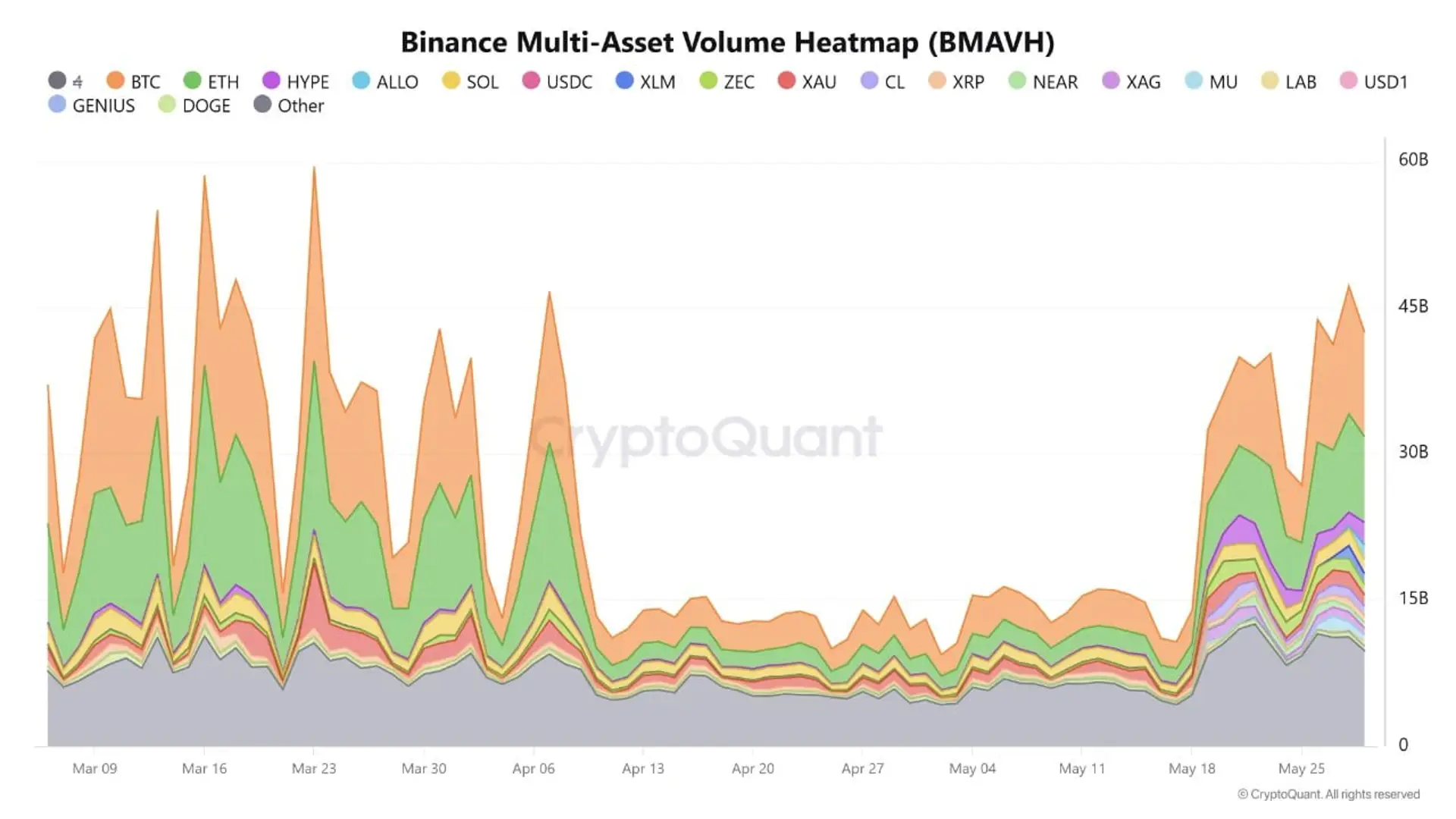
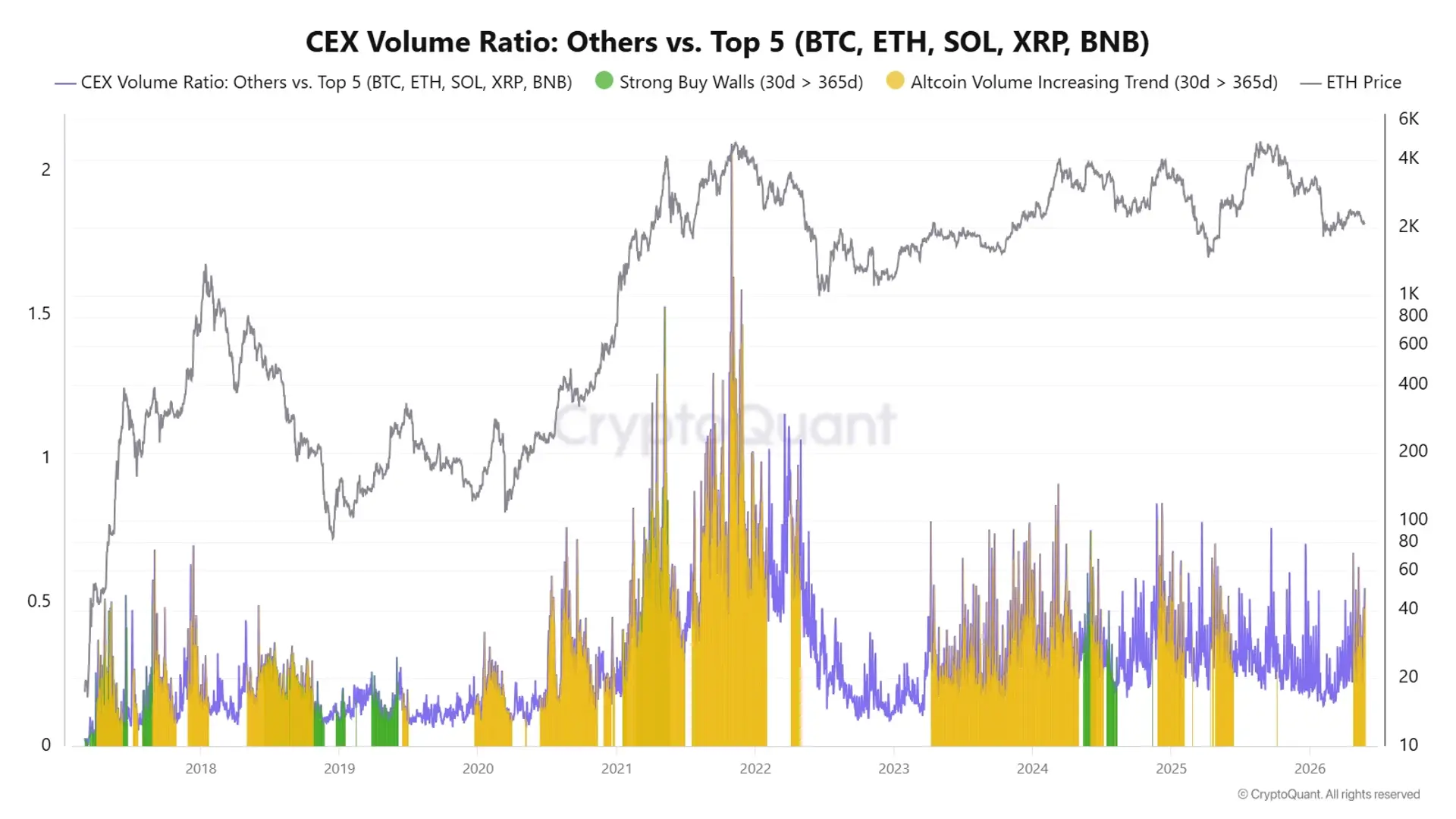
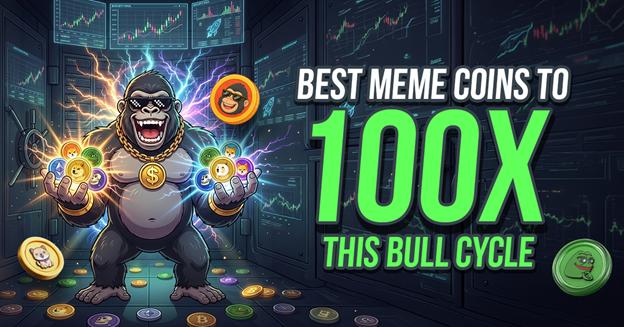
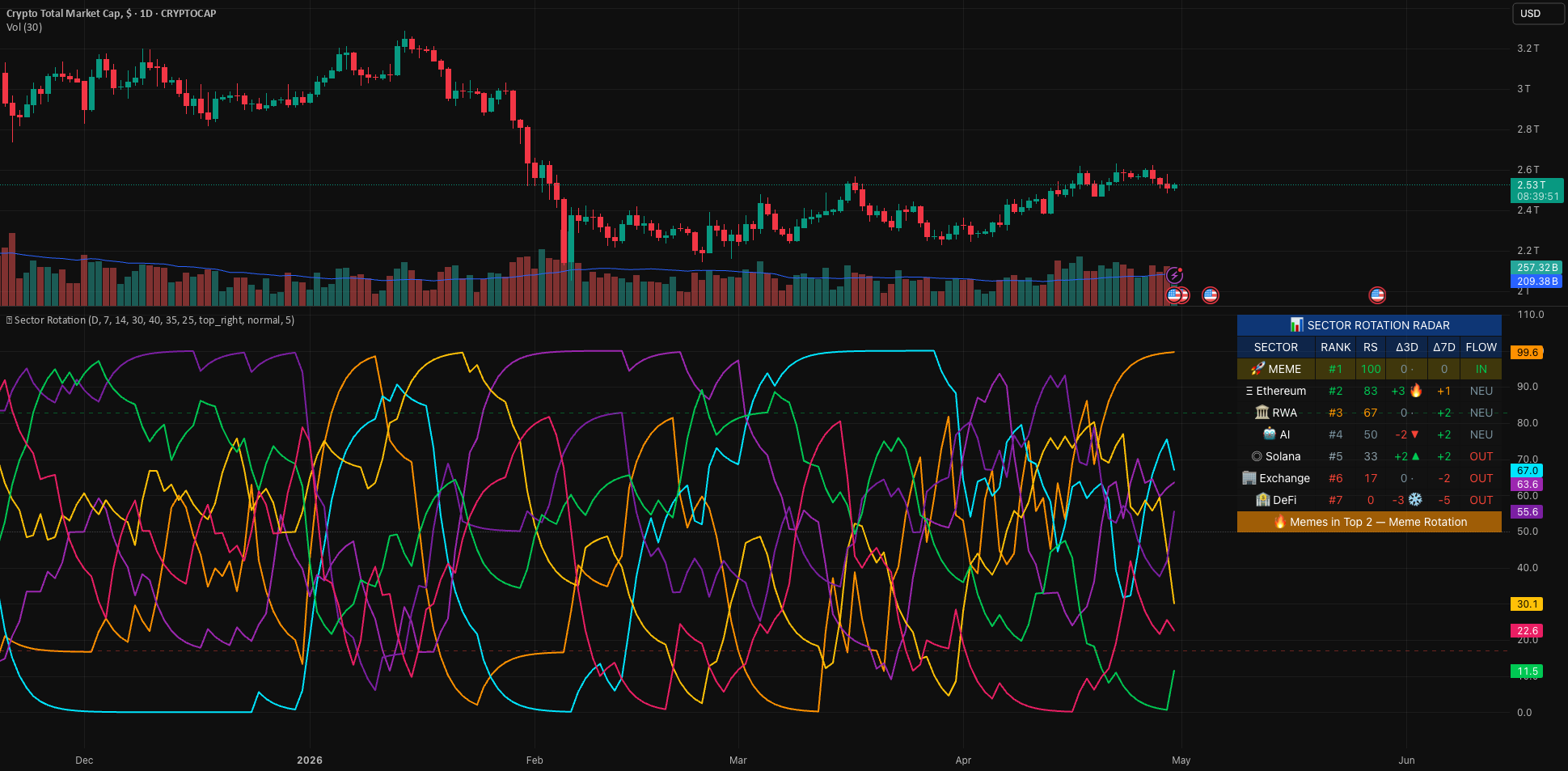
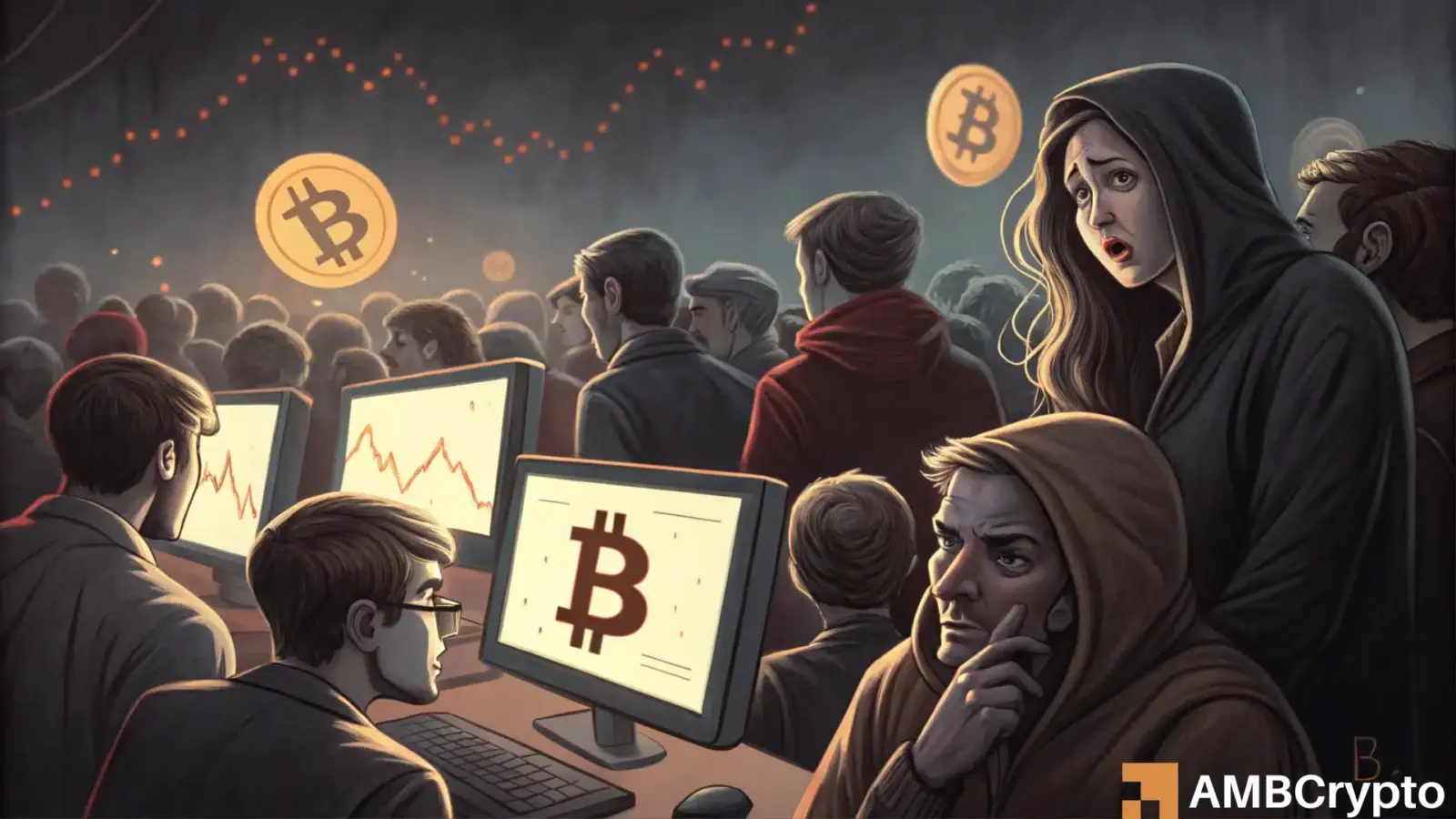
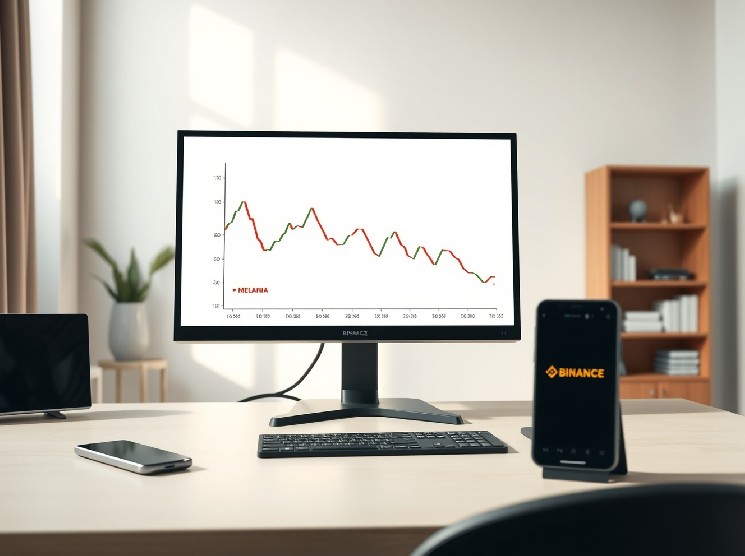
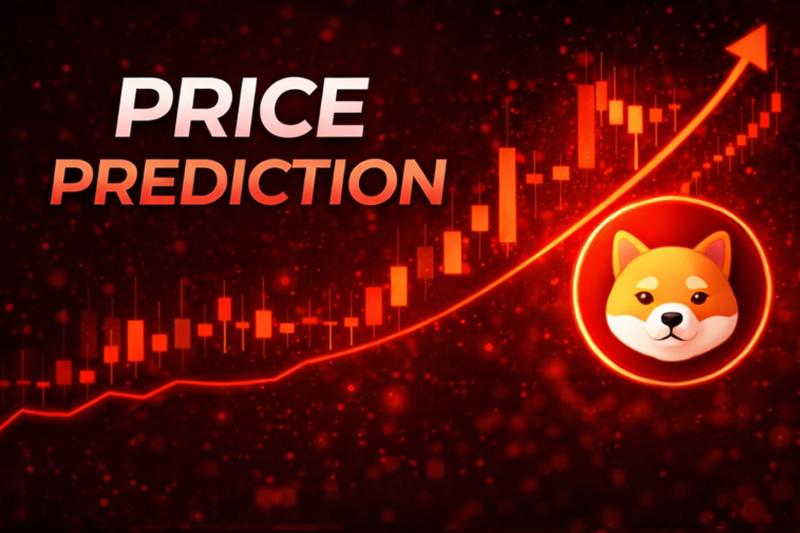
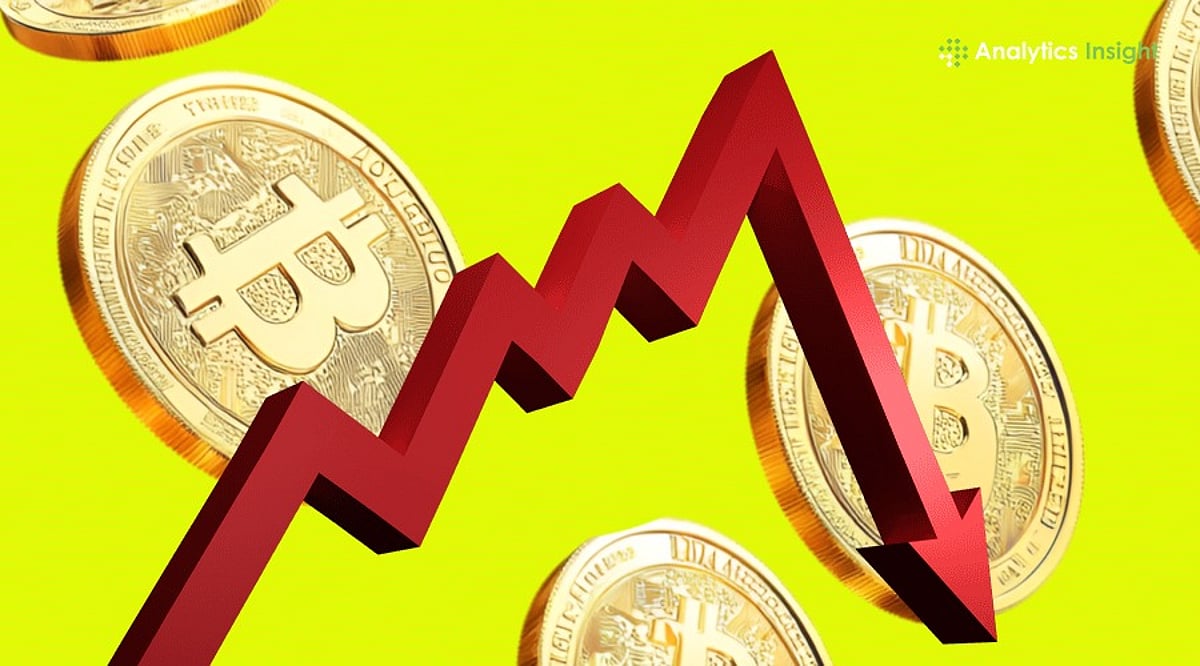
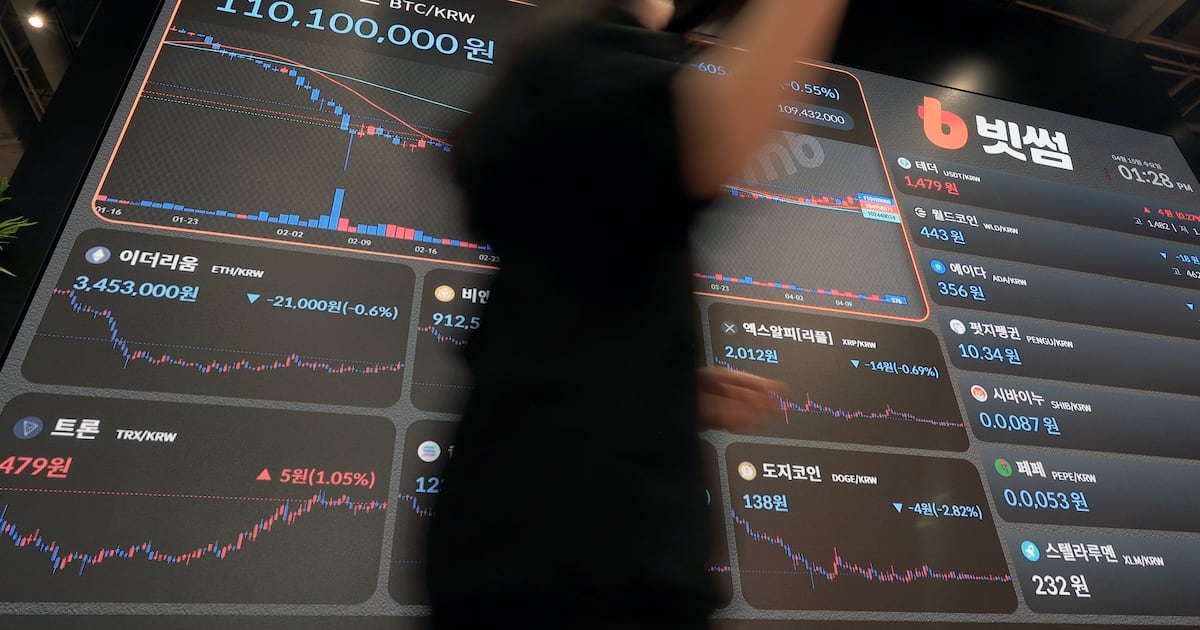
The timing of this retirement aligns perfectly with broader market indicators flashing warning signs. Data shows the aggregate memecoin market capitalization dropped by 14% over the past week. When high-profile promoters step back, it usually signals that the easy liquidity is evaporating. Influencers are often the bellwether for retail sentiment. They are the first to sense when the crowd is losing interest or capital. Gajria’s move suggests he believes the risk-reward ratio for these assets has flipped unfavorably.
This retreat serves as a powerful signal for the rest of the market. The 2024-2026 cycle was largely defined by influencer-led speculation, a phenomenon that appears to be losing steam. Retail traders are likely witnessing the end of the memecoin supercycle. The hype drivers are exiting just as the returns on degen strategies diminish. The industry is witnessing a rotation where social media hype is no longer sufficient to prop up valuations in the face of stricter regulatory headwinds.
As the focus shifts, traders should prepare for a landscape that favors utility-based protocols over viral trends. The funds currently fleeing memecoins need a new home. If the easy money era is indeed closing, the market will demand projects with tangible technology and clear revenue models rather than just a catchy ticker. The winter for speculative assets is setting in, driven by a loss of confidence from the very figures who once fueled the fire.
Also read: A Chinese professor claiming Bitcoin is a CIA surveillance tool just wiped 12% off its price in minutes • Tether commits $127.5 million to recover funds stolen from Solana’s Drift Protocol in a move that reshapes DeFi’s relationship with centralized capital • Charles Schwab is bringing direct Bitcoin and Ethereum trading to its 34 million brokerage accounts in a clear challenge to Robinhood