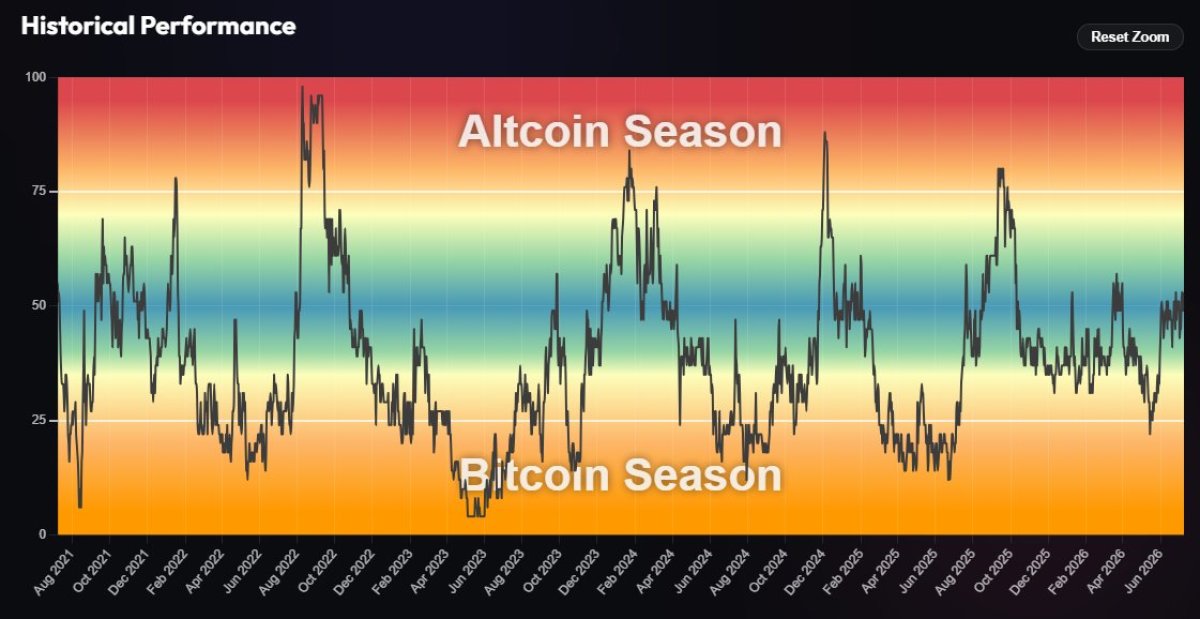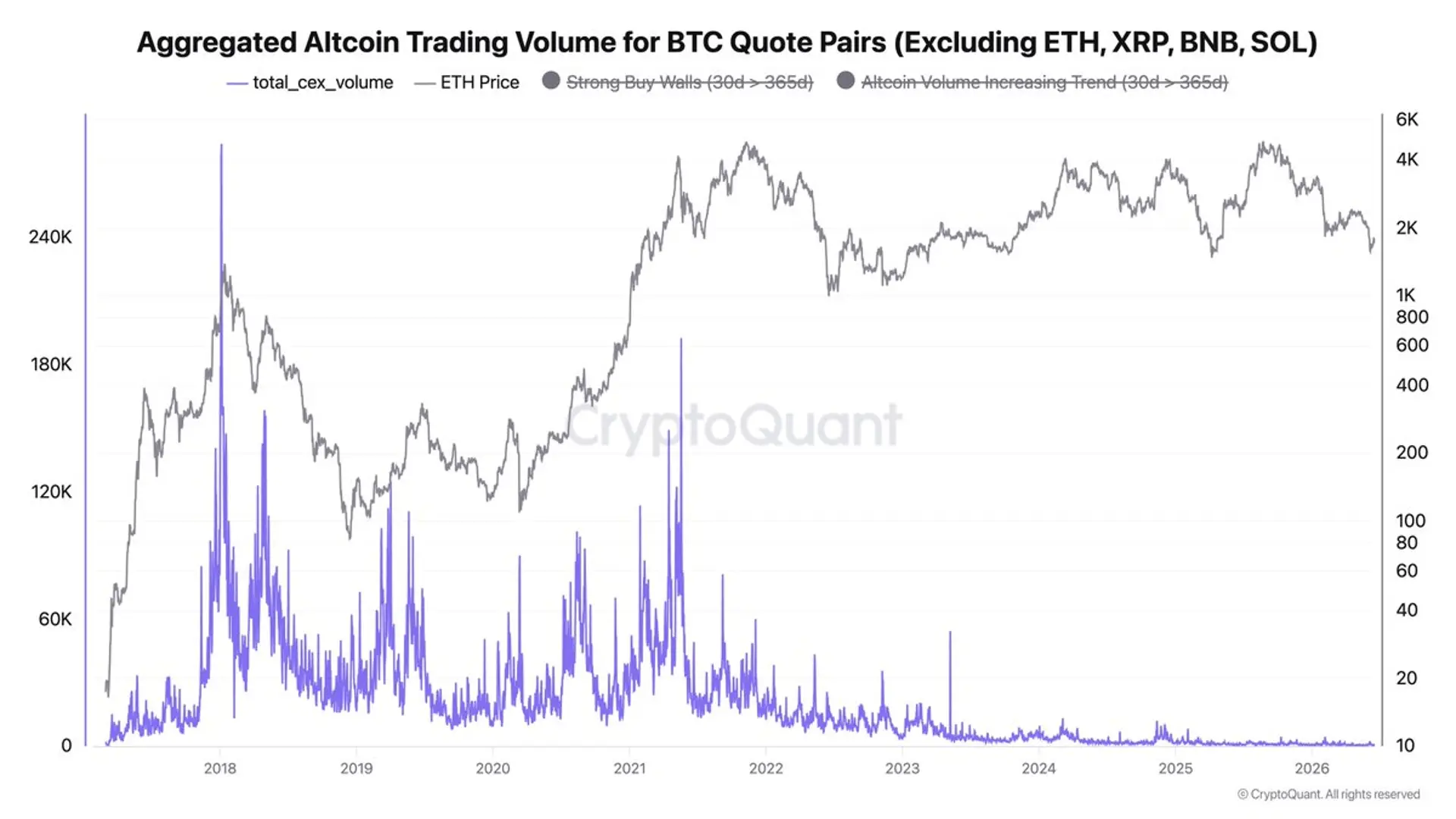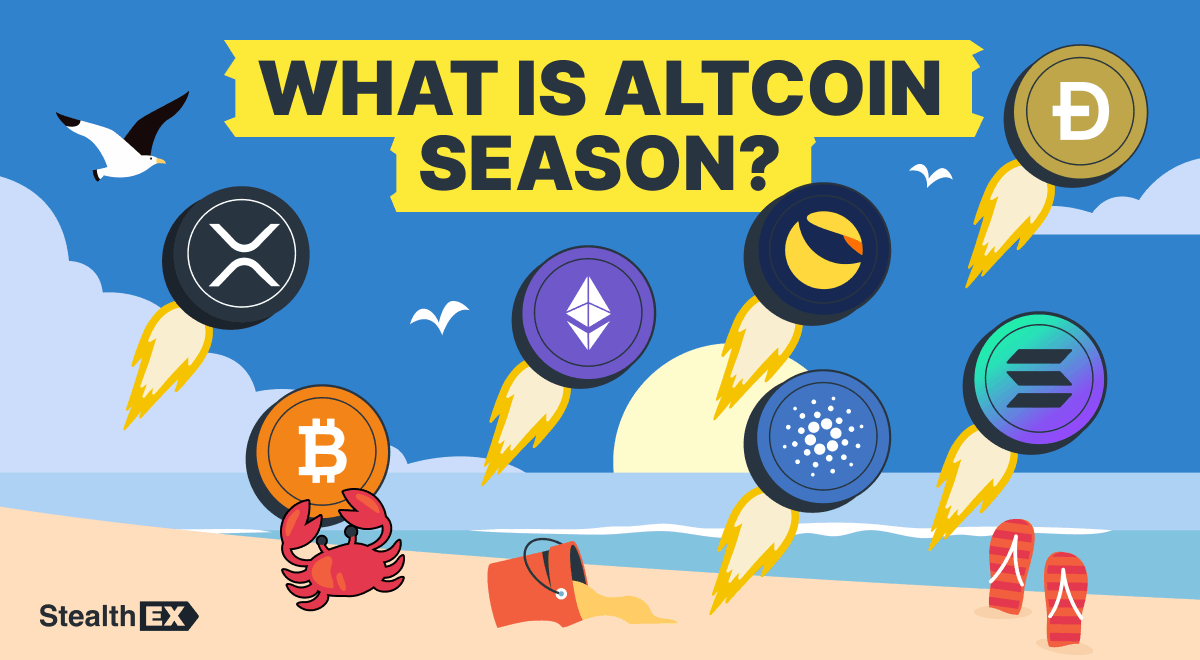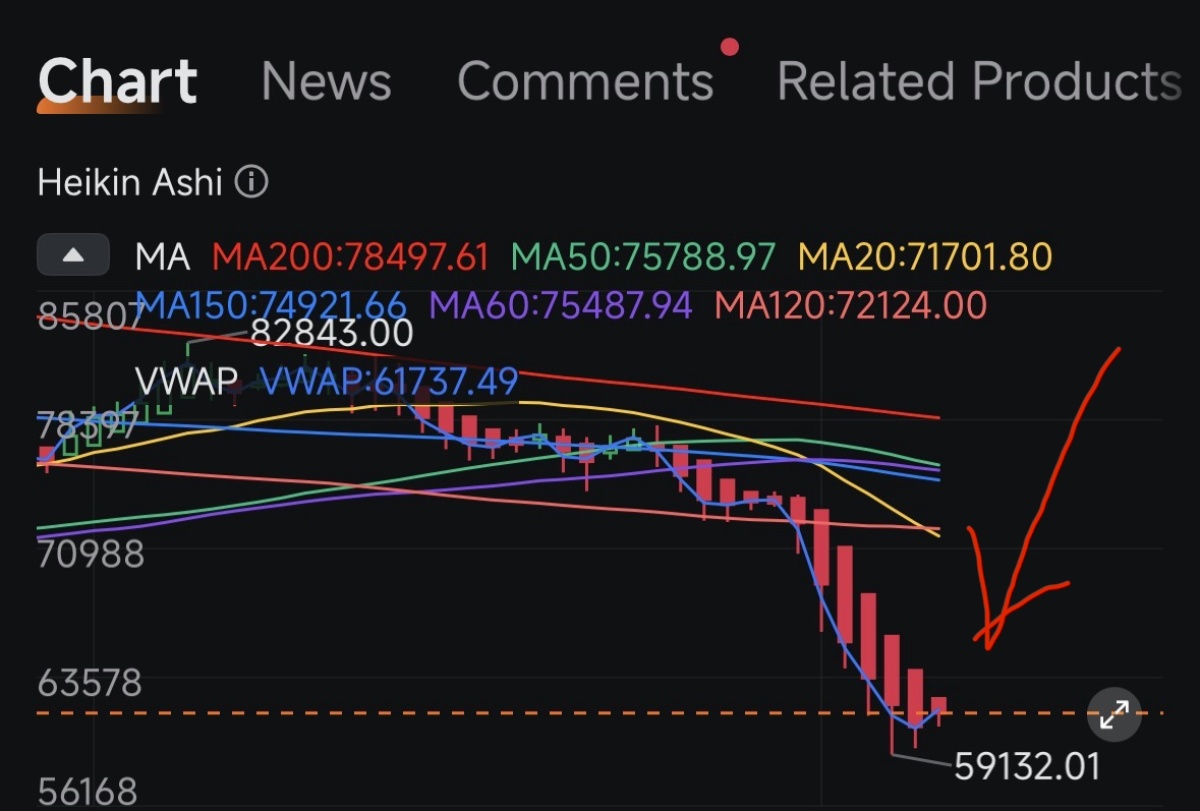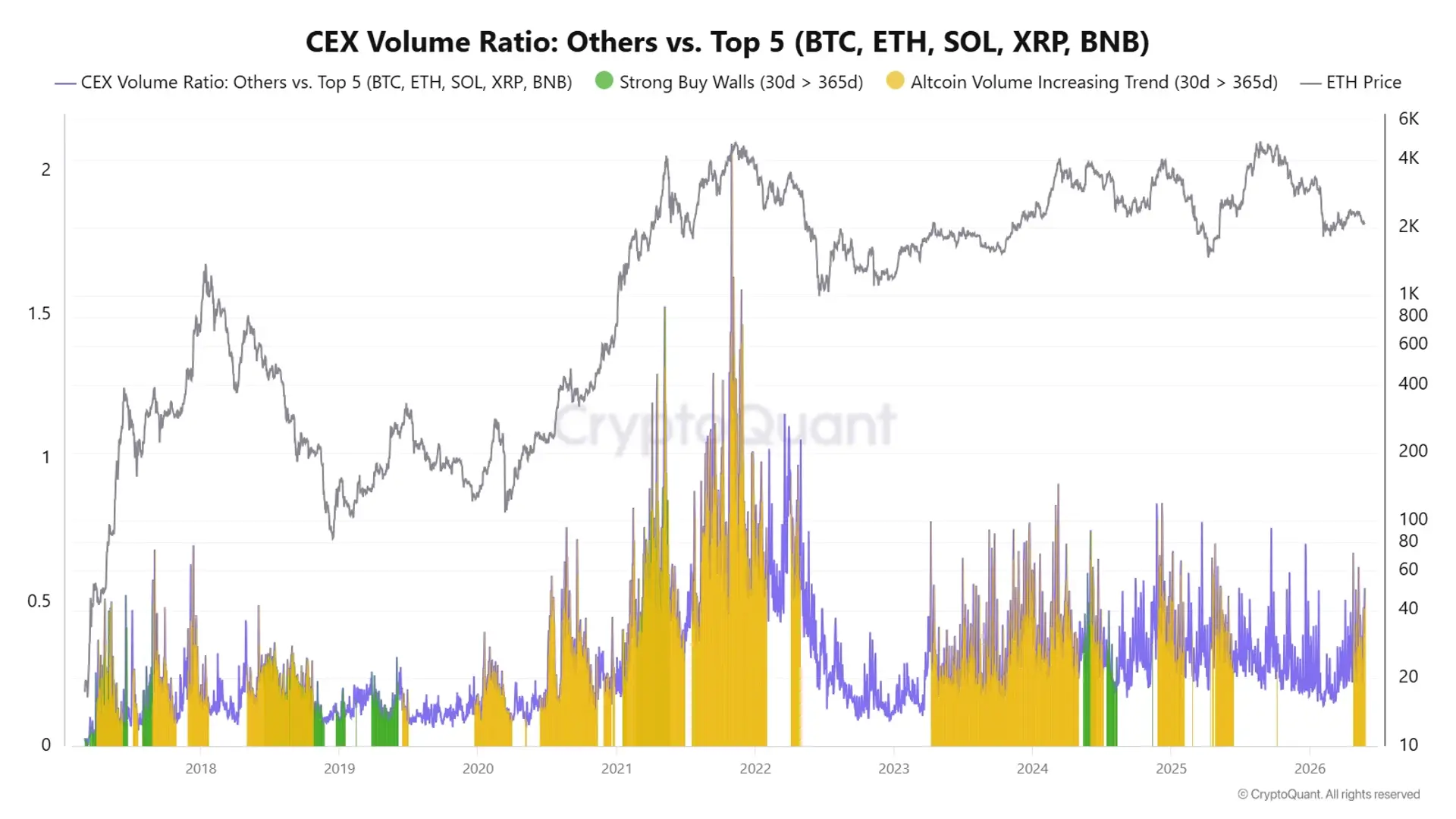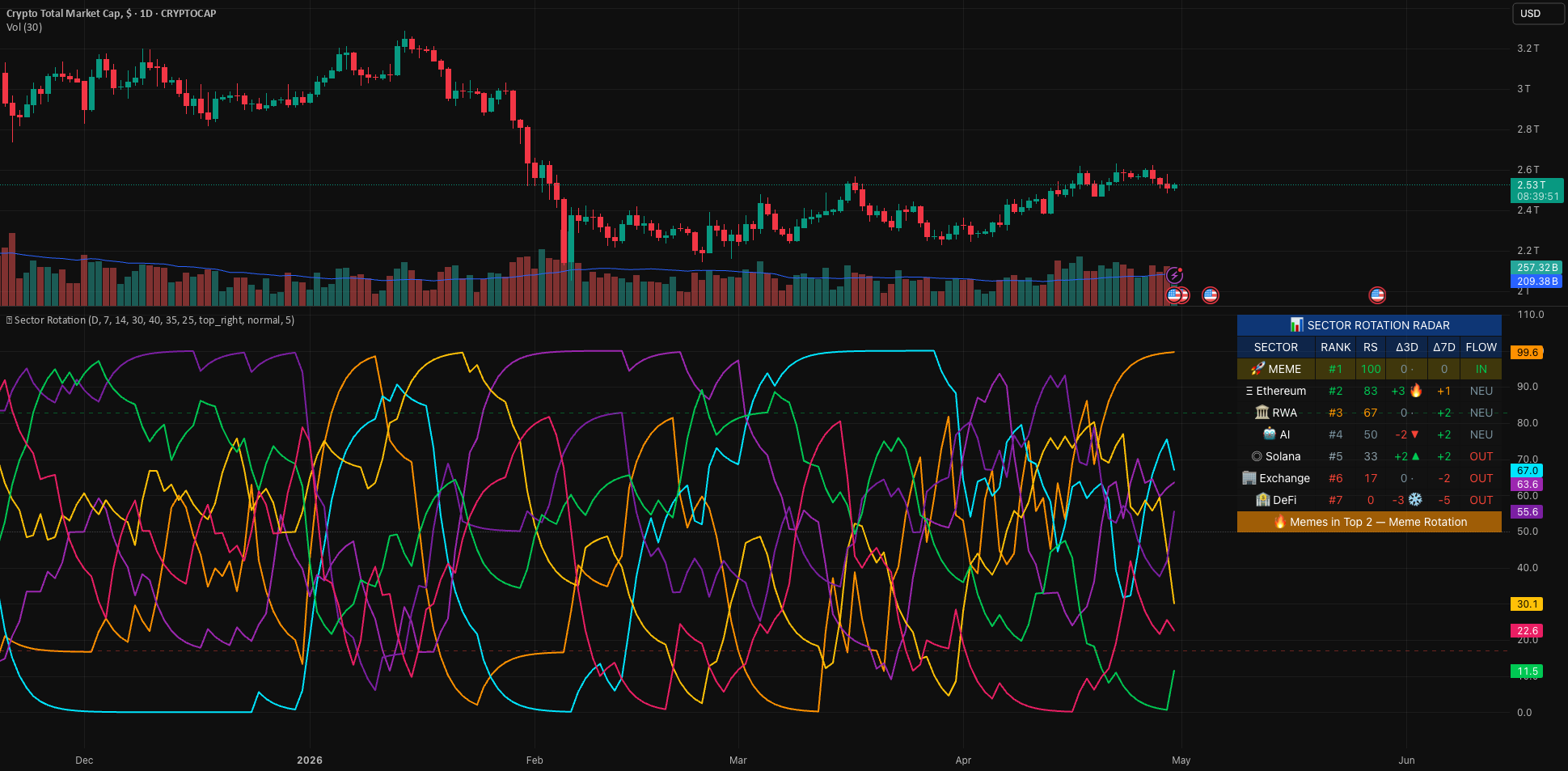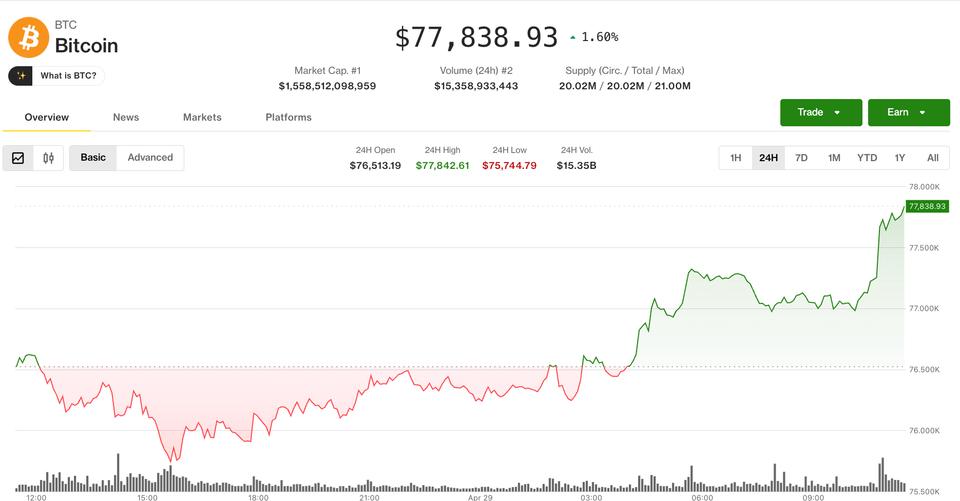
Meme and altcoin liquidity continues rotating at an accelerated pace as market cycles compress into faster bursts of volatility. Communities around Apeing are increasingly focusing on timing and early positioning, while established meme assets like Shiba Inu, Bonk, Floki, Pepe, and Dogecoin continue acting as reactive liquidity engines that only expand after momentum is already visible. This evolving structure has shifted trader psychology toward identifying the next crypto to hit $1, where early positioning matters more than late-cycle participation. Updates published on Best Crypto To Buy Now show a shifting crypto environment, where innovation and speculation are both influencing price discovery.

At the same time, APEMARS is gaining attention in the presale segment as Stage 22 progresses in a structured and transparent pricing environment. While broader crypto markets continue reacting to macro liquidity shifts, APEMARS advances through its staged model with clear price progression and supply control mechanisms. Stage 22 is currently priced at $0.000482480, with an intended listing price of $0.0055, creating a defined pricing gap within the ecosystem. With approximately $486K raised, over 30B tokens sold, and nearly 1,800 holders, APEMARS continues to appear in discussions around the next crypto to hit $1, especially among participants focused on early-stage asymmetry.
1. APEMARS Stage 22 Builds Scarcity Momentum at $0.000482480 as 30B Tokens Push Supply Compression Cycle
APEMARS continues progressing through its structured 23-stage presale model, where each stage increases price as demand and participation grow. Stage 22 is currently priced at $0.000482480, while the projected listing price stands at $0.0055, forming an estimated 1039% ROI narrative structure based on stage progression mechanics. This pricing model reinforces the idea that earlier access captures stronger asymmetry compared to later stages where entry advantages diminish. As a result, APEMARS is increasingly referenced in conversations about the next crypto to hit $1, particularly among traders tracking structured presale cycles.

A key feature of the ecosystem is the Thermal Disposal Protocol, which introduces deflation through structured burn events tied to presale milestones. Instead of random or low-impact burns, APEMARS executes scheduled supply reductions during stages 6, 12, 18, and 23, where unsold tokens are permanently removed from circulation. This mechanism ensures predictable scarcity expansion, reinforcing supply compression as the project advances toward its final stages.
$3,000 APEMARS Strategy at $0.000482480 With LAUNCH350
A $3,000 allocation into APEMARS Stage 22 at the current price of $0.000482480 would provide approximately 6,218,076+ $APRZ tokens under standard purchase conditions. Based on the intended listing price of $0.0055, this allocation would represent a projected valuation scenario of approximately $34,200, reflecting the estimated 1039% ROI narrative tied to Stage 22 assumptions.
Under this framework, the estimated pricing difference between entry and projected listing value would imply roughly $31,200 in projected upside exposure, reinforcing why structured early-stage pricing models continue attracting attention among emerging altcoin opportunity cycles.
By applying the LAUNCH350 bonus code (350% bonus applied), participants would receive a +350% token increase, bringing total allocation to approximately 27,981,342+ $APRZ tokens. This significantly increases exposure beyond the base 6.21M+ token position, strengthening overall exposure before Stage progression advances pricing further.
How to Secure APEMARS Stage 22 Before the Next Price Shift
- Connect Your Wallet
- Select Your Payment Method
- Enter Your Purchase Amount
- Apply Bonus Code (Optional but Strategic)
- Confirm and Complete the Transaction
Why ParaWin’s Dynamic Participation Model Is Changing Web3 Gaming Systems
ParaWin introduces a dynamic participation model for Web3 gaming ecosystems, where user engagement influences how the system evolves over time.
Rather than locking assumptions early, the framework allows ecosystem activity to shape internal distribution and structural behavior. This creates a more flexible and responsive gaming environment.
The whitelist phase is currently active, offering early access before the system becomes publicly available.
2. Apeing Whitelist Momentum Signals Early Entry Behavior Before Meme Cycle Expansion
Apeing continues building early-access momentum through its whitelist system, positioning itself as a pre-launch participation layer for users who prefer entering before full market exposure. This structure reflects a broader shift in behavior where participants prioritize timing advantage over reactive entry, especially in fast-moving meme cycles.
The whitelist model emphasizes audit-first verification and controlled rollout mechanics, ensuring that presale access only opens after structured preparation phases. This reduces uncertainty while increasing anticipation, reinforcing early participation psychology that aligns with broader searches for the next crypto to hit $1, where timing is often the defining factor between early and late entry outcomes.
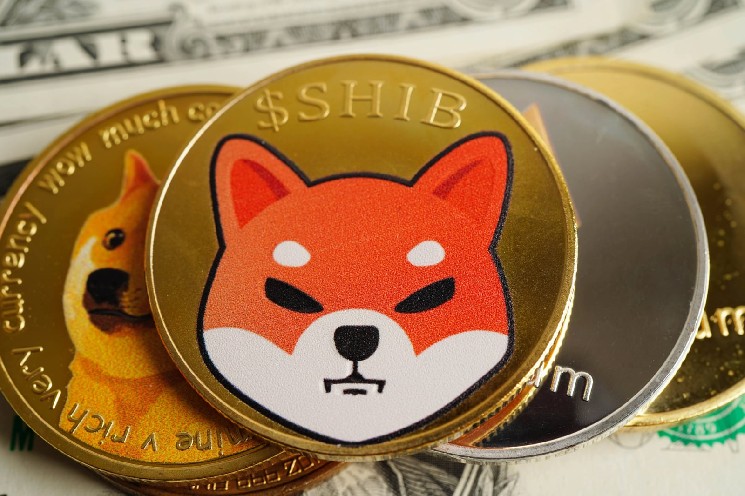
3. Shiba Inu Trades as Legacy Meme Liquidity Leader
Shiba Inu continues to function as one of the most established meme assets in the market, operating within a mature liquidity structure shaped by long-term community strength. While it still maintains strong recognition and trading activity, its current behavior reflects broader market sentiment rather than early-stage narrative expansion.
Recent cycles show that SHIB tends to move in slower phases compared to newer meme entrants, with brief recovery bursts driven by overall meme sector rotation. However, its most explosive growth phase is largely part of its historical cycle, positioning SHIB more as a liquidity anchor rather than a discovery-phase opportunity in the evolving meme market landscape.
4. Bonk Reflects High-Speed Solana Meme Volatility
Bonk continues to represent fast-moving liquidity within the Solana ecosystem, driven by rapid trading activity and short-cycle speculative interest. Its behavior is heavily influenced by sudden inflows of attention, making it one of the more reactive meme assets in the current cycle.
Rather than following long-term structural trends, BONK’s price action is defined by volatility and momentum bursts that appear during periods of heightened meme activity. This makes it more of a trading-driven asset than a long-term accumulation play in emerging meme narratives.
5. Floki Shows Sentiment-Driven Meme Rotation Cycles
Floki continues to experience irregular volatility patterns driven largely by social sentiment, community engagement, and periodic hype cycles. Its movement often reflects external narrative triggers rather than consistent structural growth.
While it still benefits from strong branding and recurring attention spikes, FLOKI’s long-term expansion has become more cyclical and sentiment-dependent. This positions it as a reactive meme asset rather than a leading candidate in emerging early-stage meme market rotations.
6. Pepe Delivers High-Volume Speculative Meme Activity
Pepe remains one of the most actively traded meme coins, characterized by rapid liquidity shifts and strong speculative participation. Its movement is often sharp and fast, driven by sudden surges in meme attention across social platforms.
Despite its visibility and trading volume, PEPE remains highly dependent on short-term sentiment rather than structured ecosystem development. This makes it a high-volatility meme asset that reacts strongly to market cycles rather than building sustained long-term accumulation momentum.
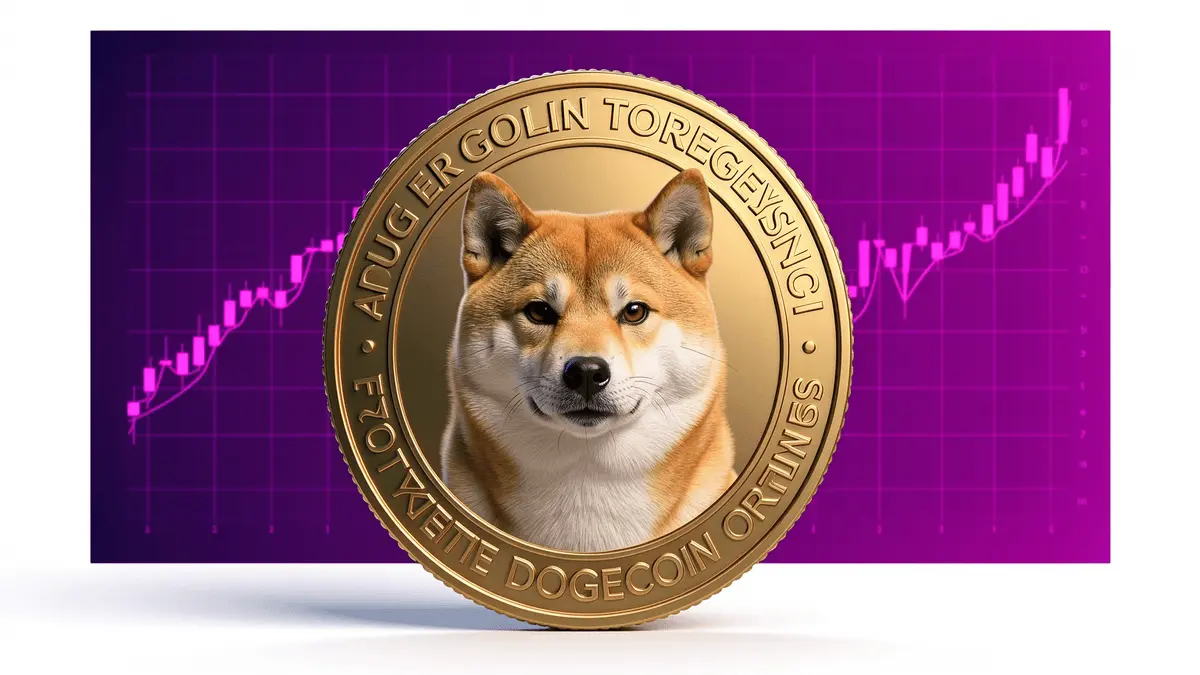
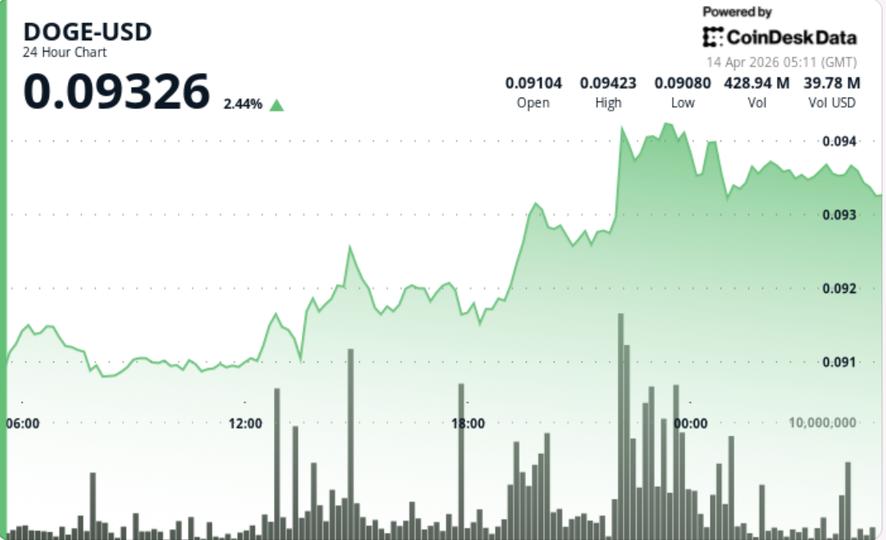
7. Dogecoin Remains the Core Meme Market Benchmark
Dogecoin continues to hold its position as the original and most recognizable meme asset, functioning as a cultural anchor for the entire meme sector. Its price behavior is influenced by broad market sentiment, institutional attention, and recurring social catalysts.
Although DOGE maintains strong liquidity and global recognition, its maturity limits early-stage upside potential compared to newer entrants. As a result, it is often viewed as a benchmark asset rather than a high-growth opportunity in evolving meme narratives.
Conclusion:
The current market structure reflects a clear divide between mature meme liquidity and early-stage structured presales. Apeing continues shaping early participation behavior, while assets like Shiba Inu, Bonk, Floki, Pepe, and Dogecoin reflect reactive liquidity cycles. APEMARS sits in the early-stage layer, where Stage 22 pricing, structured burns, and staged progression continue driving attention among participants searching for the next crypto to hit $1.
As liquidity cycles accelerate and entry windows compress, timing becomes the dominant factor shaping outcomes across the meme sector.
For More Information:
Website: Visit the Official APEMARS Website
Telegram: Join the APEMARS Telegram Channel
Twitter: Follow APEMARS ON X (Formerly Twitter)
FAQs About The Next Crypto to Hit $1
What is APEMARS Stage 22 pricing?
APEMARS Stage 22 is currently priced at $0.000482480, with a projected listing price of $0.0055 based on its structured presale model.
Why is APEMARS mentioned in the next crypto to hit $1 narrative?
Because its early-stage pricing structure and staged progression create asymmetric entry discussions compared to mature meme assets.
How does Apeing relate to presales?
Apeing represents early whitelist participation behavior before full public presale access becomes available.
Is Dogecoin still relevant for growth?
Yes, but it functions more as a macro sentiment indicator rather than an early-stage growth asset.
Why is Pepe considered highly volatile?
Because its price is driven heavily by short-term liquidity spikes and meme-driven speculation cycles.
What makes Bonk and Floki different from SHIB?
Bonk and Floki react faster to ecosystem and sentiment shifts, while SHIB behaves more like a mature liquidity asset.
Summary
Meme markets are now defined by faster cycles, compressed liquidity windows, and stronger separation between mature ecosystems and early-stage presales. Apeing reflects early access behavior, while Shiba Inu, Bonk, Floki, Pepe, and Dogecoin represent reactive liquidity phases. APEMARS positions itself in the structured early-stage segment with Stage 22 priced at $0.000482480, over $486K raised, and a 1039% ROI narrative framework, keeping it central in discussions around the next crypto to hit $1 as participants focus on timing and early positioning.
Top Keywords List
next crypto to hit $1, APEMARS, $APRZ, Apeing, Shiba Inu, Bonk, Floki, Pepe, Dogecoin, meme coins 2026, crypto presale, Stage 22 crypto, altcoin rotation, liquidity cycles, crypto market trends
Disclaimer:
This article is for informational purposes only and does not constitute financial advice. Cryptocurrency investments carry risk, including total loss of capital.
All market analysis and token data are for informational purposes only and do not constitute financial advice. Readers should conduct independent research and consult licensed advisors before investing.
Crypto Press Release Distribution by BTCPressWire.com